




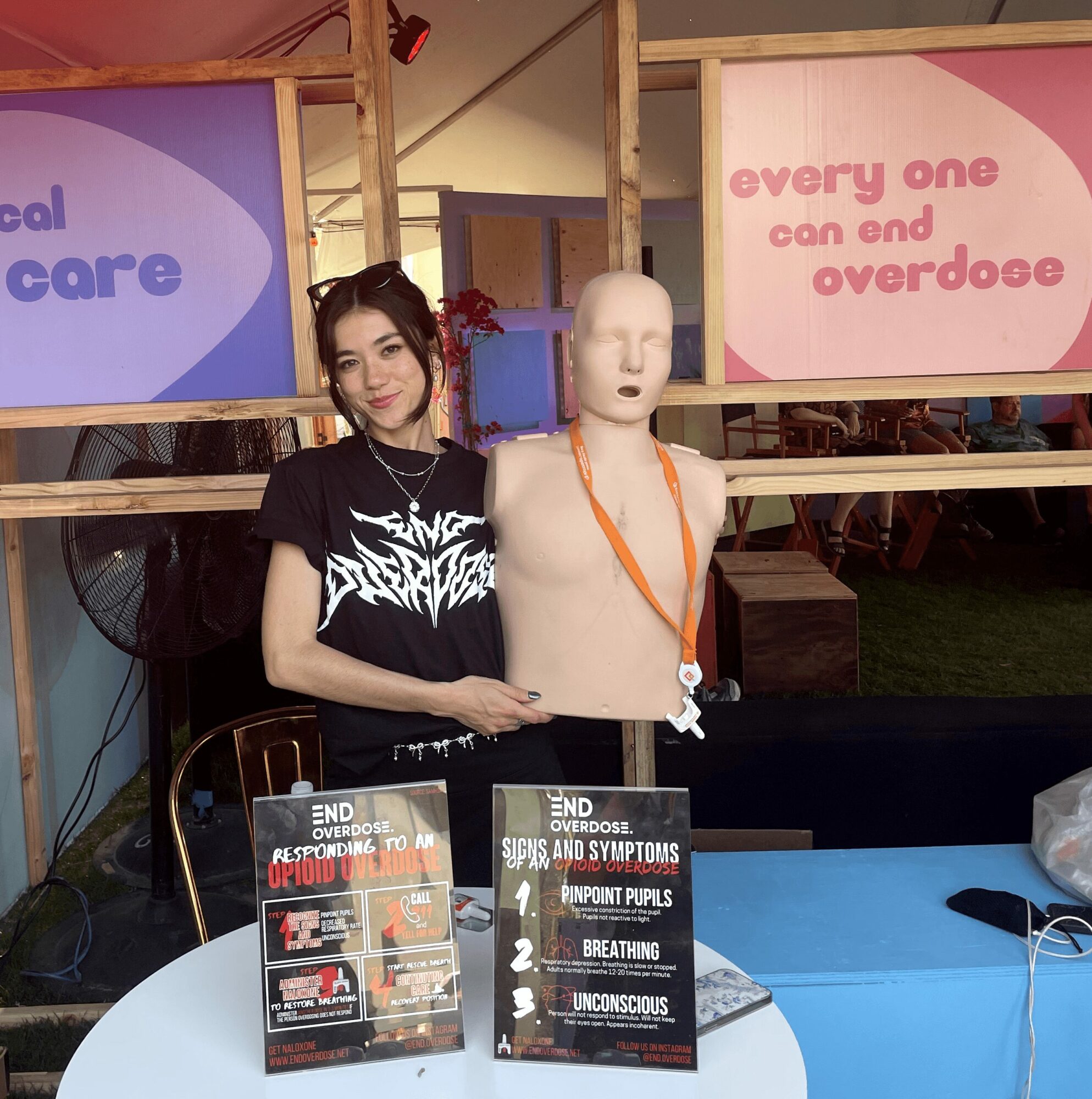
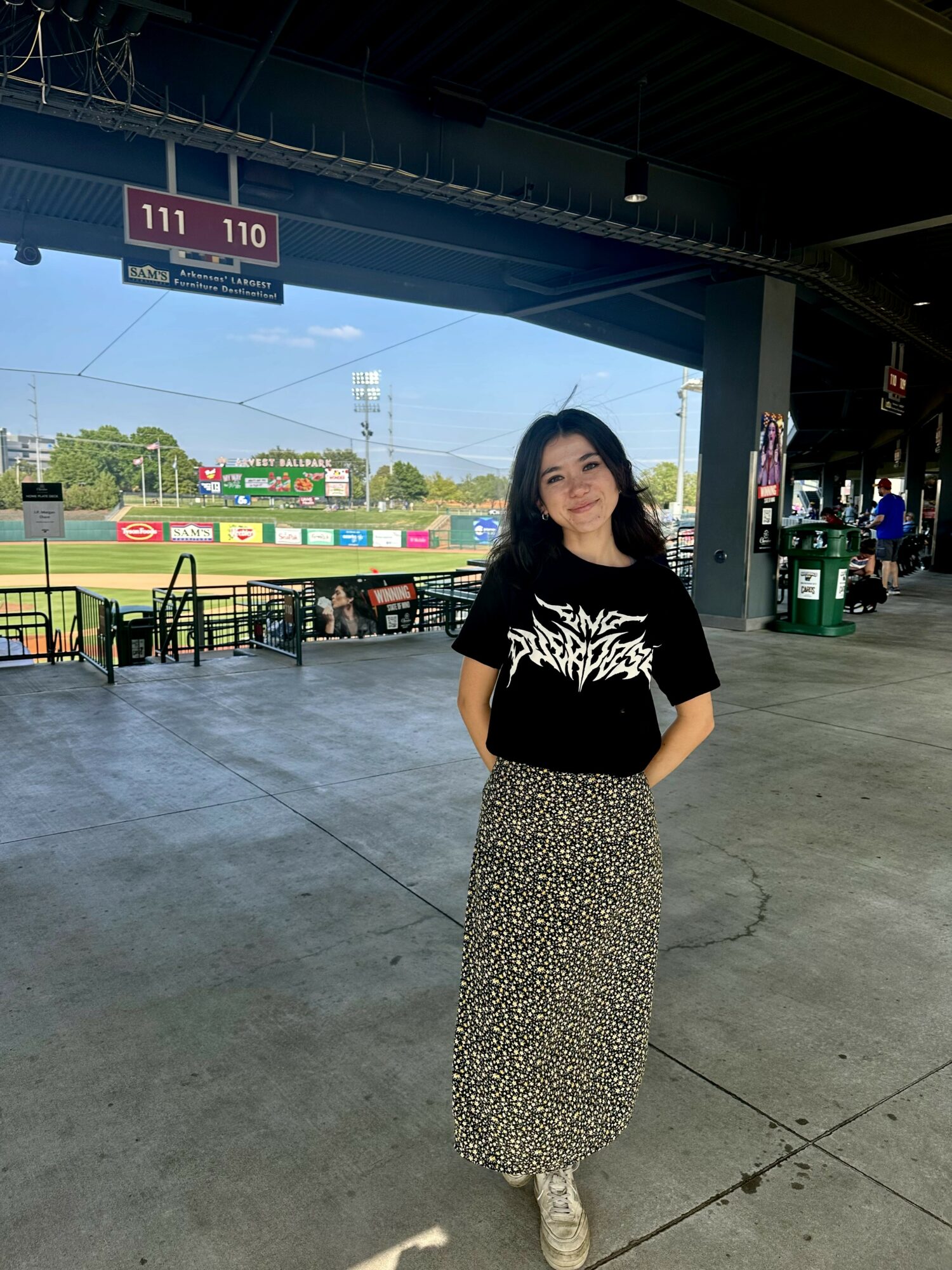
Today we’d like to introduce you to Maddie Ward.
Maddie, we appreciate you taking the time to share your story with us today. Where does your story begin?
I first learned about the importance of overdose prevention and response resources like naloxone and testing kits after losing peers from my middle and high school community to accidental fentanyl overdoses. Those losses hit close to home and opened my eyes to the reality of the overdose epidemic affecting communities across the country.
Community care and safety have always been important to me. Since high school, I’ve been actively engaged in local outreach efforts, volunteering with organizations that prioritize public health and access to life-saving resources. That early experience shaped how I approach advocacy and continues to guide my work today.
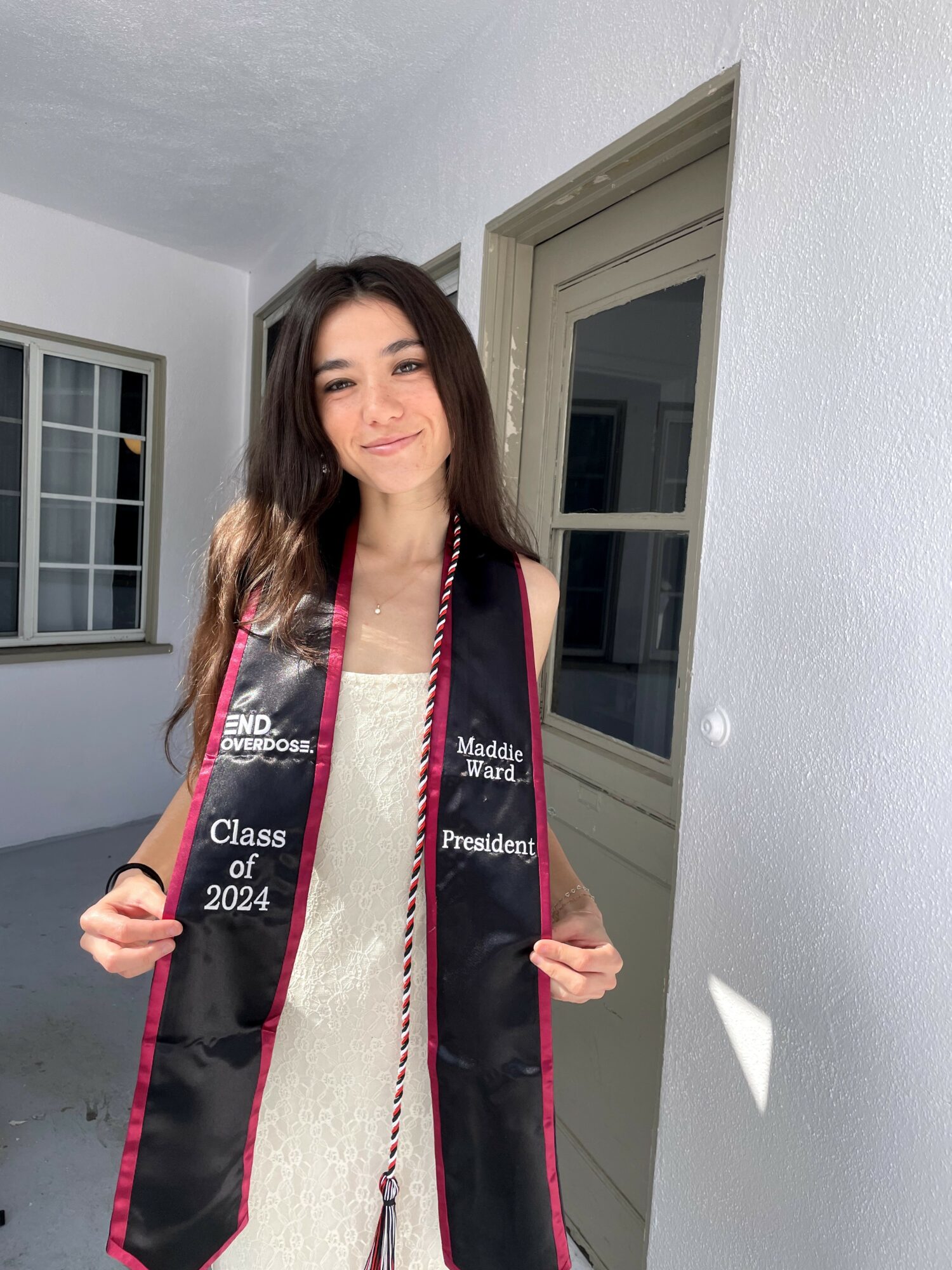
When I arrived at UCLA in 2020, I quickly noticed the lack of accessible overdose prevention tools on campus. During my second year, I got involved with End Overdose and founded the organization’s first college chapter. Our work centered on peer-led advocacy and education, both at UCLA and in the surrounding community. Over the course of my undergraduate years, I personally trained thousands of students and community members on how to prevent and respond to opioid-related overdoses. I was honored to receive several recognitions for my efforts, including UCLA’s Chancellor’s Service Award, BruinLife Senior of the Year, and being named a two-time finalist for the Charles E. Young Humanitarian Award.
Academically, I earned a B.S. in Cognitive Science with a specialization in computing. I’m especially interested in how technology can be used to meet urgent community needs—whether that’s through education, access, or support. I believe that no one should lose their life to an overdose, and that with the right tools and knowledge, we all have the power to make a difference.
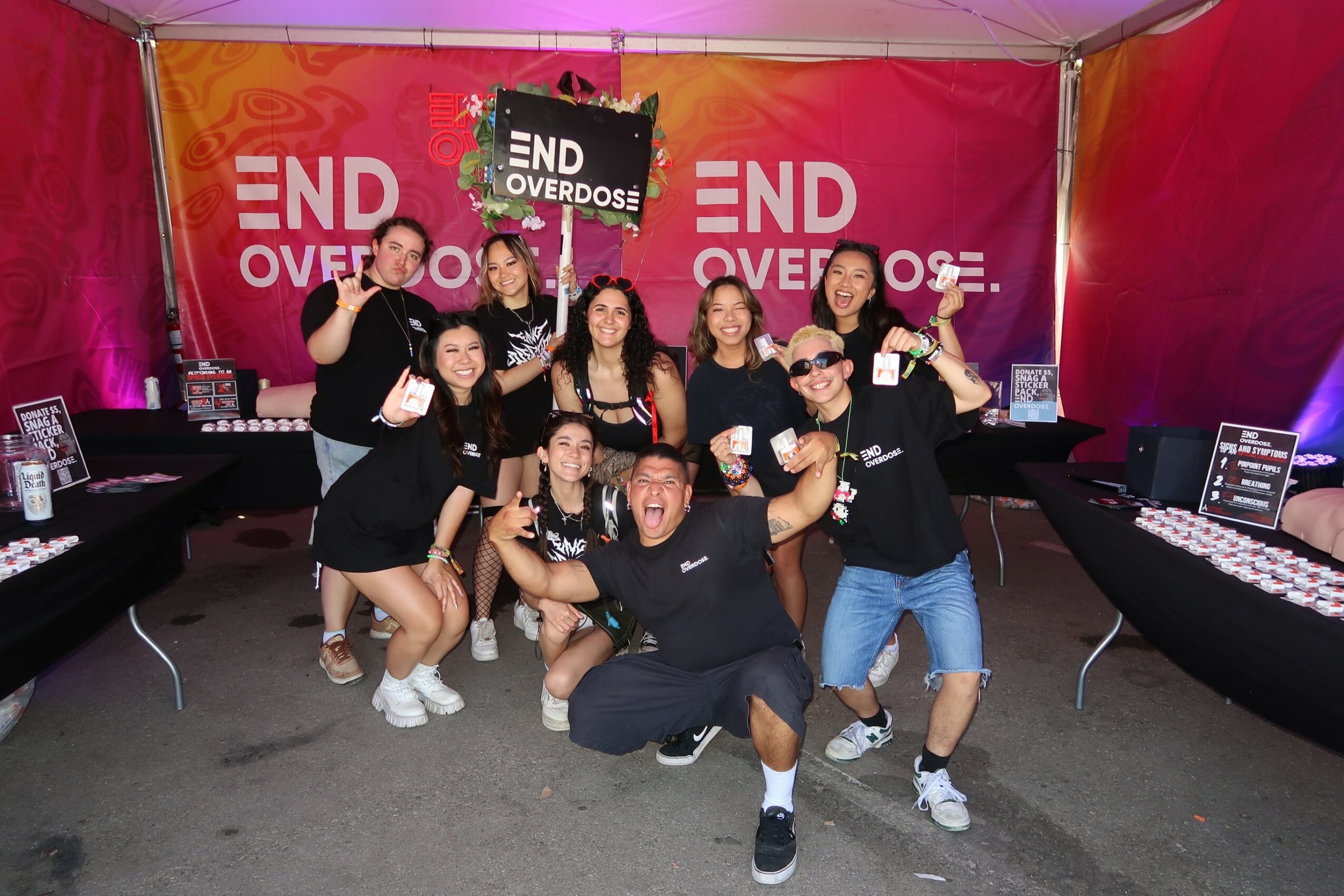
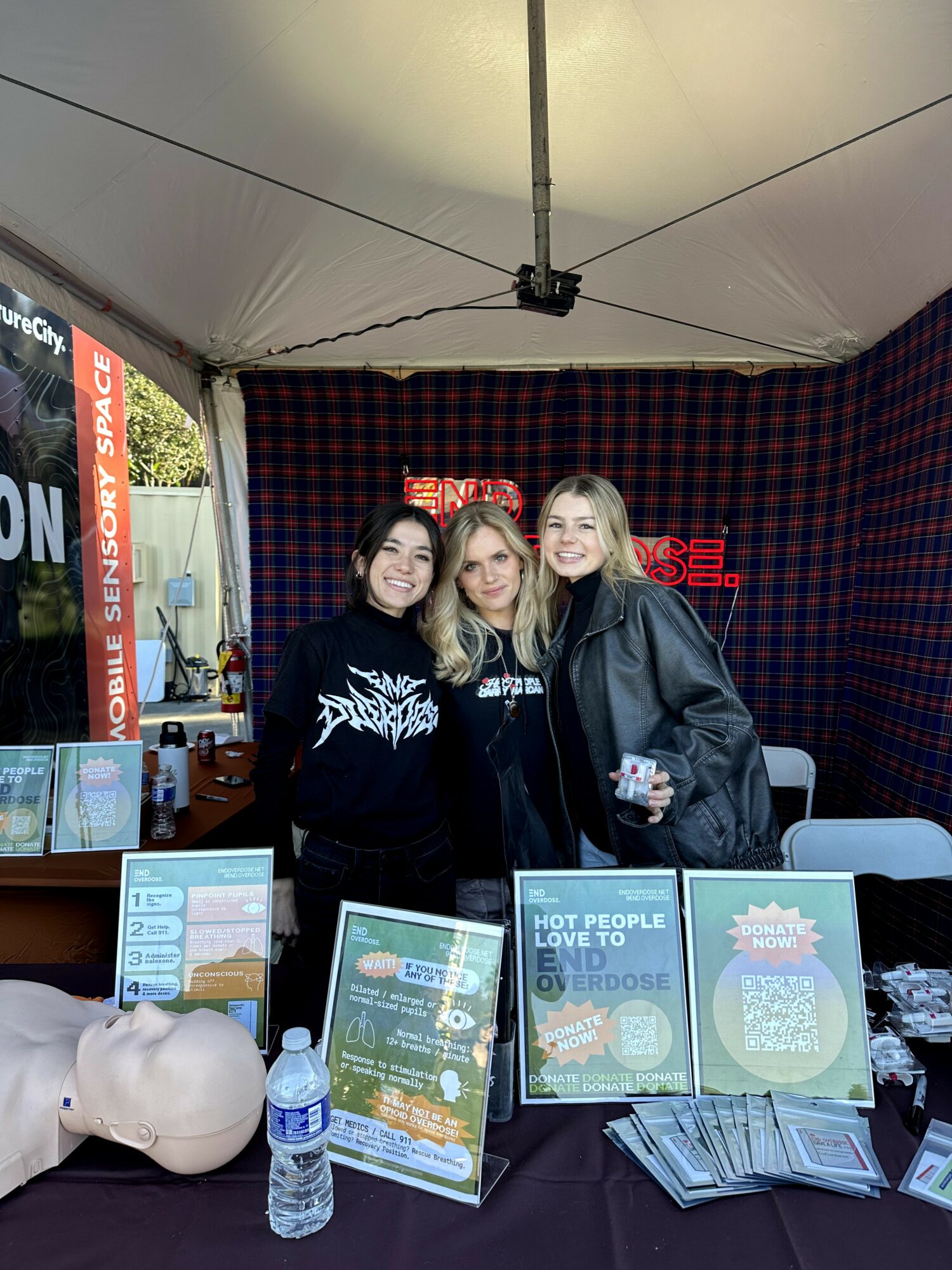
In my current role as Chief Operating Officer at End Overdose, I have the privilege of supporting nearly 70 chapter locations across the U.S., developing innovative programs in support of our mission, and working alongside stakeholders to build safer, more informed communities. Since beginning my full-time role with End Overdose, I have been able to present at three national conferences, attend a meeting at the White House, and support community outreach at events across LA County and the United States.
Would you say it’s been a smooth road, and if not what are some of the biggest challenges you’ve faced along the way?
Not at all. While I’m incredibly grateful for the opportunities I’ve had, the path hasn’t always been easy. Overdose prevention and response work can be met with resistance, especially in spaces where people aren’t used to having open conversations about substance use. When I first started the college chapter at UCLA, some people questioned why this work was even necessary on a college campus. There were misconceptions that simply talking about overdose prevention would somehow encourage drug use, which couldn’t be further from the truth.
On top of that, balancing this work as a full-time student came with its own set of challenges. Coordinating trainings, building a team, and organizing outreach efforts while keeping up with academics was exhausting at times. I spent many late nights overseeing our chapter’s outreach on the UCLA campus and beyond.
Even through the hard moments, I’ve never doubted the importance of what we’re doing. Watching someone walk away from a training feeling more confident in their ability to save a life, or hearing that someone used naloxone they received from us to help a friend– those are the things that make every challenge worth pushing through.
Alright, so let’s switch gears a bit and talk business. What should we know about your work?
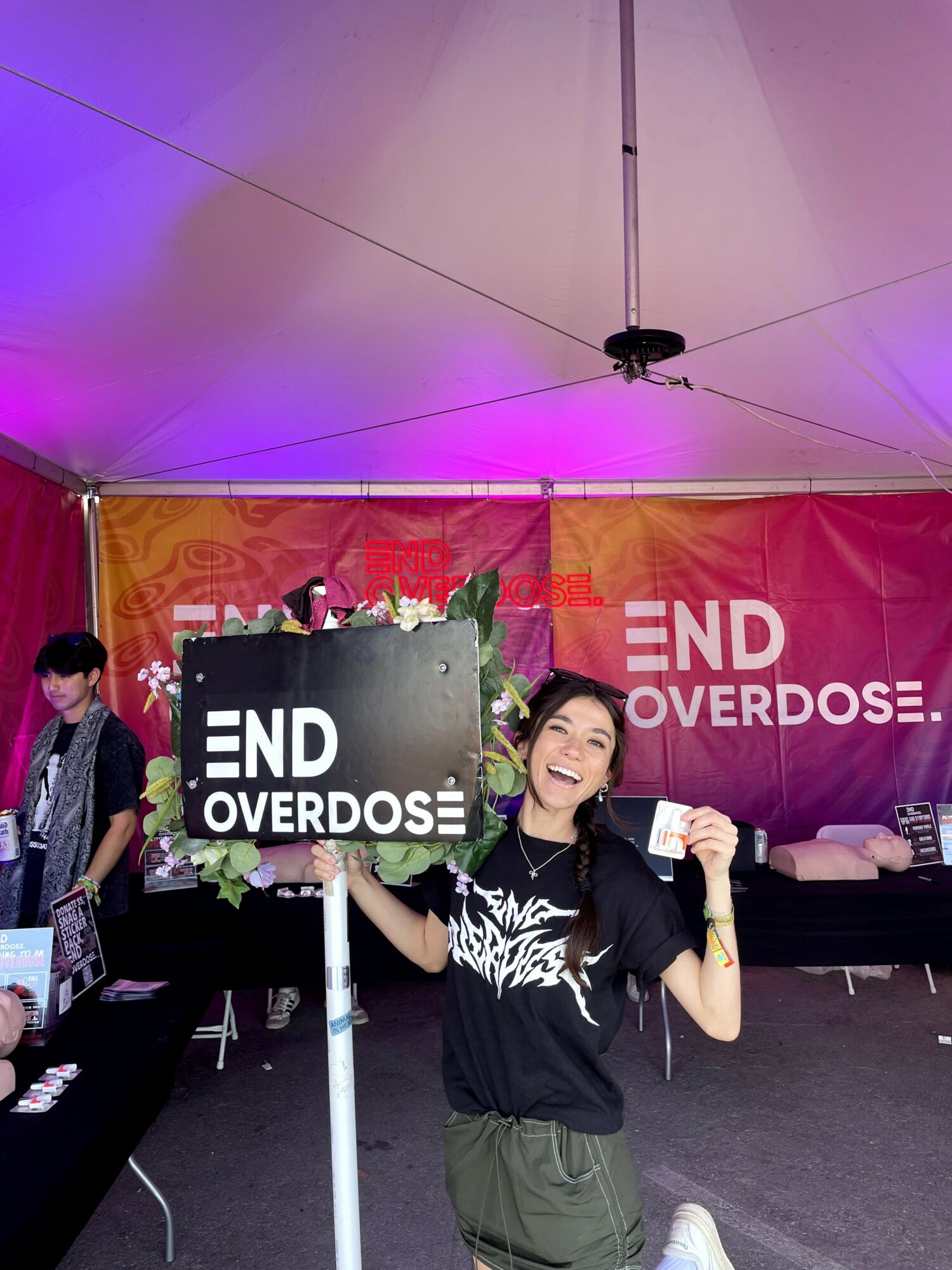
I work in overdose prevention and response, with a focus on building scalable, peer-driven systems that make life-saving education and tools more accessible to the people who need them most. As the Chief Operating Officer at End Overdose, I oversee national operations, support over 70 chapters across the U.S., and lead the development of programs that aim to meet people where they are– whether that’s in schools, at music festivals, on campuses, or in underserved communities.
I specialize in making complex public health information approachable, especially for young people. That includes designing training programs, building tech-based solutions to improve access and tracking, and empowering communities to take action. I’m particularly known for bringing together strategy and execution in a way that’s people-centered, educational, and impact-driven.
What sets me apart is that I’m only 23 years old and already serving as the Chief Operating Officer of a national nonprofit. Being close in age to the communities we serve gives me a deep understanding of what young people in the U.S. are facing and how they want to be reached. I’ve lived the problem I’m working to solve– I have seen the pain that overdose loss inflicts on friends, families, and communities. But I’ve also seen firsthand how powerful it is when young people are given the tools, knowledge, and trust to save lives. I bring a strong commitment to community-driven impact to everything I do, and I believe that’s what makes this work resonate and last.
Are there any apps, books, podcasts, blogs or other resources you think our readers should check out?
I’m a big believer in staying informed; it’s essential for the work I do, both in leading End Overdose and in understanding the broader social and structural challenges communities are facing.
I’m an avid reader of AP News. I find that keeping up with accurate, up-to-date information helps me stay grounded in reality and prepared to make decisions that are responsive to what’s happening both locally and nationally.
On my commute to and from the End Overdose office, I love listening to NPR, particularly the LAist, as well as daily news recap podcasts. These help me stay connected to what’s going on in my community and across the country. Whether it’s updates on public health, local legislation, or stories about community resilience, these resources inform the way I approach my work and allow me to better support the people and places we serve.
Staying informed isn’t just about professional awareness for me– it’s a daily habit that helps me stay connected, curious, and prepared to meet challenges with empathy and strategy.
Contact Info:
- Website: https://endoverdose.net
- Instagram: https://instagram.com/end.overdose
- LinkedIn: https://linkedin.com/in/itsmaddieward
- Other: https://instagram.com/itsmaddieward
Popular
-
Maagic Collins on Building a Fearless Publishing Platform for Truth, Advocacy, and Underrepresented Voices
-
Los Angeles Barea on Turning Green Superheroes into a Global Movement for Youth-Led Change
-

Trisha DuVivier on Bridging the Franchisor–Franchisee Divide with Workhero and “Franulate”
-

Portraits of the Valley
-

LA’s Most Inspiring Stories
-
Cedar Boschan on Elevating Black Music Rights and Driving Urgent Conversations Around Credit, Equity, and Artist Protection


