




Today we’d like to introduce you to Jeff Coggins.
Hi Jeff, so excited to have you on the platform. So before we get into questions about your work-life, maybe you can bring our readers up to speed on your story and how you got to where you are today?
I came to Los Angeles in 1983 to see Van Halen at the US Festival and basically never went home. I drove out from the Midwest in my brand-new 1982 Chevy Chevette with a cooler full of food, a backpack of clothes, and no real plan beyond the concert. After the festival, I opened the LA Times, found a job at Marquotte Printing on Western Avenue making around $20 an hour, and thought I had officially made it.
I was living in a tiny one-bedroom apartment on Orchid Avenue in Hollywood with a buddy and a rotating cast of roommates. My hair was down to my waist, I had dropped out of UW–Stout, and suddenly I was right in the middle of the Sunset Strip scene during one of the wildest eras in Los Angeles music history. I spent most nights at places like Rainbow Bar & Grill, meeting rock stars I had grown up listening to. I even ended up as an extra in a few music videos, including Back for More by Ratt, filmed at The Roxy Theatre.
Eventually, I became part of the nightlife scene at clubs like Spice and the Cathouse, which were, at the time, two of the hottest clubs in Los Angeles. I was kind of the unofficial house MC and VIP room host at Spice, and on any given night, you might run into Eddie Murphy, Magic Johnson, Arsenio Hall, Jerry Buss, Billy Idol, or Ian Astbury. Back then, “club courtesy” was a real thing — if people knew you, you could walk into almost any club in town, often with whoever you were with, and the bartenders usually kept the drinks flowing as long as you tipped well.
Around that time, we created “BIFF TV and The Ponce,” filmed by Dave King, which was basically TMZ before TMZ existed — except celebrities actually wanted to be on camera. I even interviewed a few times to become an MTV VJ, but it never quite happened. Honestly, I was probably having too much fun anyway. We would stay out all night with people like Sam Kinison, C. C. DeVille, and members of Guns N’ Roses, leave the club at 9 or 10 in the morning, sleep a few hours, go work my second-shift printing job, and then do it all over again the next night.
Through it all, I always had a camera with me. Photography became my way of documenting a version of Los Angeles that no longer exists — the music scene, the clubs, the personalities, the chaos, and the moments in between. I still have a massive archive of negatives and slides going back to high school in the early 1980s. One of my favorite images is a shot I took of David Lee Roth leaping through the air at the St. Paul Civic Center in March 1984. I had snuck my camera into the show and somehow made it to the front row.
Over the years, photography went from something I loved doing to something that became part of who I am. Today, I still shoot concerts, events, nightlife, and anything with real energy and personality. Looking back, I realize I was lucky enough to experience — and photograph — an incredible era of Los Angeles culture from the inside.
We all face challenges, but looking back would you describe it as a relatively smooth road?
It definitely has not been a smooth road. I’ve never really had what most people would call a high-paying career, but I’ve always had solid jobs with benefits and stability. In some ways, that security may also have kept me from fully pursuing some of my bigger dreams. I think a lot of people can relate to that balancing act between survival and passion.
That said, I’ve always tried to live life on my own terms. I’ve been lucky to have an incredibly tight circle of loyal friends over the years, along with my dogs Chester and Charlie, who honestly kept me grounded more than anything else. Losing both of them was devastating. People who truly love animals understand that unconditional connection — they are there for you on your best days and your worst days without asking for anything in return.
One of the hardest moments of my life was losing my mom to brain cancer in 2000. She passed away at only 58 years old. I made it back home to be with her during her final days and spent nights sleeping beside her in the hospital while she was in a coma. I remember listening to her breathing grow increasingly shallow over time. At one point, I went down to the hospital chapel — and I’m not a particularly religious person — but I remember praying that she would either wake up or peacefully pass, because I didn’t want her to remain trapped in that condition. As I was walking back to her room, they paged me overhead, and when I got there, she was gone. That moment has stayed with me my entire life.
I think those experiences changed how I see people and how I approach photography. I’m drawn to real moments, emotion, energy, and authenticity because I understand how quickly life changes and how important memories become.
Honestly, I still don’t know if I’ve found the one thing people talk about when they say, “Do what you love, and you’ll never work a day in your life.” I’ve spent a lot of my life searching for that feeling. Photography may actually be the closest I’ve ever come to it. When I’m shooting a concert, an event, or capturing a moment that feels real, everything else kind of disappears for a while.
Can you tell our readers more about what you do and what you think sets you apart from others?
I still feel a little strange calling myself an “artist.” A good friend of mine, Kii Arens, is an artist. I’ve always just thought of myself as someone who takes pictures and tries to capture a moment in time or put a smile on someone’s face.
When I think of true photography artists, I think of people like Neil Zlozower or Glen La Ferman — photographers who shot on film when every frame mattered. They had a finite number of shots available, no instant playback screen, and no Photoshop to fix mistakes afterward. You had to understand lighting, timing, composition, and human moments in real time. To me, that’s artistry.
Most of what I shoot revolves around live music, nightlife, events, and people being themselves in real moments. I’m less interested in perfectly staged images and more interested in energy, emotion, personality, and authenticity. I love the split-second moments that disappear almost as quickly as they happen — a musician lost in a song, friends laughing together, someone jumping on stage, or even a quiet expression most people don’t notice.
Over time, I’ve realized photography becomes more meaningful as life moves on. One of the strange things about shooting photos for decades is that as people pass away, the images become far more valuable — not just to me, but to everyone who knew them. Several close friends of mine have passed in recent years, and some of my photographs have been enlarged and displayed at memorials and celebrations of life. Seeing people react emotionally to those images is bittersweet. It makes me incredibly sad that those friends are gone, but also grateful that I was able to capture happy moments that families and friends can hold onto forever.
I think that may be what I’m most proud of. Not awards or credentials, but creating photographs that actually mean something to people years later. Photos have a way of freezing time for just a second, and sometimes that second becomes priceless.
What probably sets me apart is that I was genuinely part of many of the scenes and moments I photographed. I wasn’t standing outside looking in — I was there living it alongside everyone else. Whether it was the Sunset Strip club scene in the ‘80s, backstage at concerts, late-night Hollywood culture, or today’s live music world, I’ve always tried to shoot from the perspective of someone inside the moment rather than someone documenting it from a distance. I think people can feel that honesty and connection in my work.
Networking and finding a mentor can have such a positive impact on one’s life and career. Any advice?
I think networking and mentorship today are very different than when I was younger. Back then, access to photographers, musicians, and other creative people was much more limited. Now with YouTube, Instagram, and social media, everyone is a photographer, and honestly, that’s not necessarily a bad thing. I follow a lot of photographers because I’m always curious how people see the world differently and how they capture moments.
One person who inspires me a lot is Andi K Taylor, who shoots Foo Fighters quite a bit. We’ve shot together at some incredible small club shows with Chevy Metal, and what she sees through her lens is unbelievable. Her ability to work in black-and-white photography is honestly unreal. Watching talented photographers work up close teaches you things you can’t always learn from tutorials.
I’ve also been lucky to shoot alongside some really talented photographers in the local Los Angeles music scene, like Alex Kluft, Don Adkins, Joe Schaeffer, Paul Miles, Jay Christensen, and Enrique Sanchez. These guys have all been doing this for a long time, and even though I still feel like a newcomer in their world, they’ve always been encouraging, willing to share space in the photo pit, and genuinely cool to be around. That kind of support means a lot.
I think one of the biggest lessons is that you don’t have to treat everyone around you like competition. The best photographers I’ve met are usually the ones willing to encourage other people and help them improve. Places like Ultimate Jam Night are great because you can experiment, learn how to shoot in difficult lighting, meet musicians and photographers, and just get better by showing up consistently.
My advice is simple: go where the action is, be respectful, be easy to work with, support others, and keep shooting. Photography is one of those things where the more you do it, the more your eye develops over time. Also, don’t be afraid to tell people you admire that you appreciate their work. Most creative people remember what it was like starting out, and a lot of them are more willing to help than you might expect.
Contact Info:
- Website: https://www.jeffcoggins.com
- Instagram: @jeffcogginsphoto
- Facebook: https://www.facebook.com/DrMalibu
- LinkedIn: https://www.linkedin.com/in/jeffcoggins/
- Youtube: https://www.youtube.com/@JeffCogginsPhoto
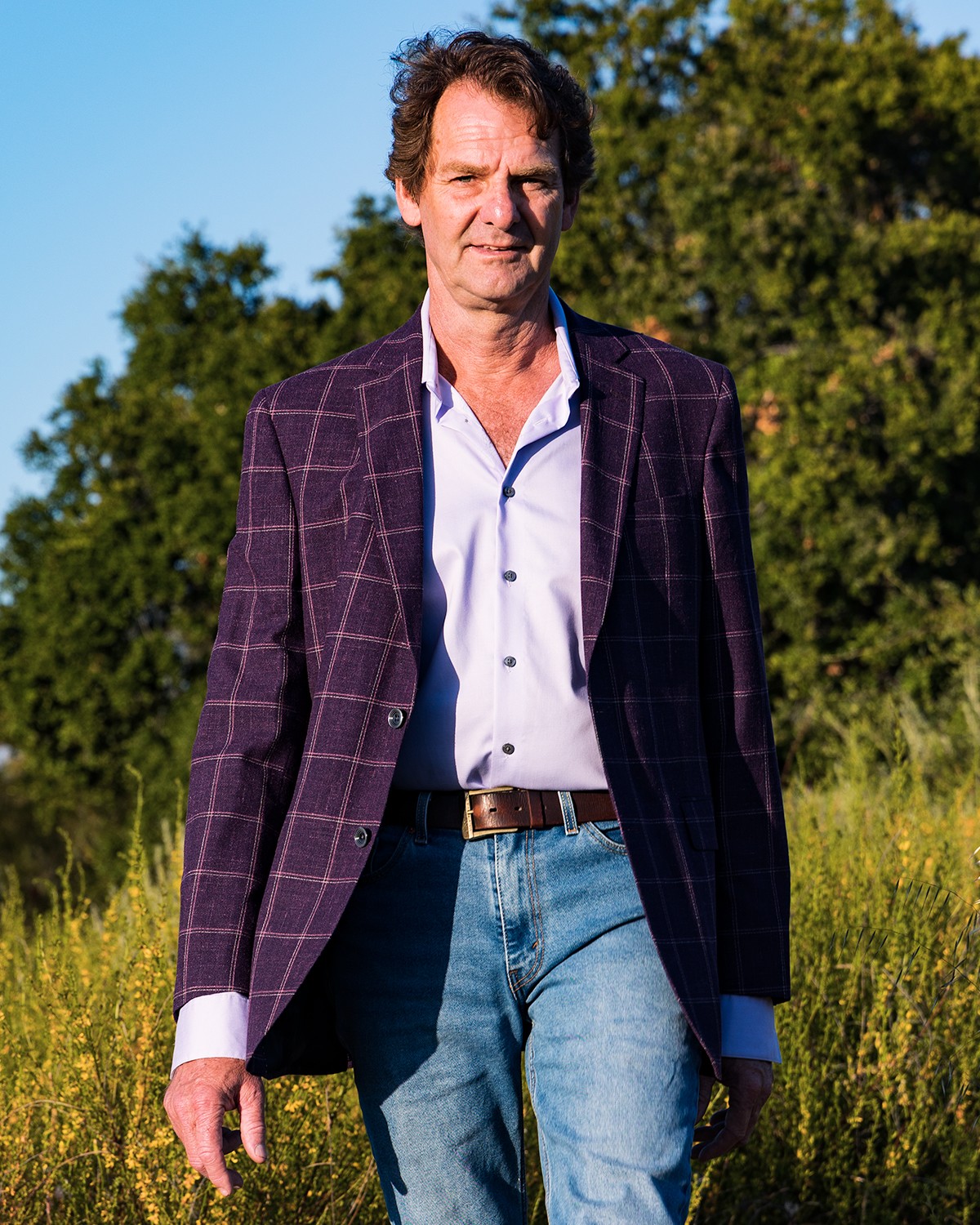
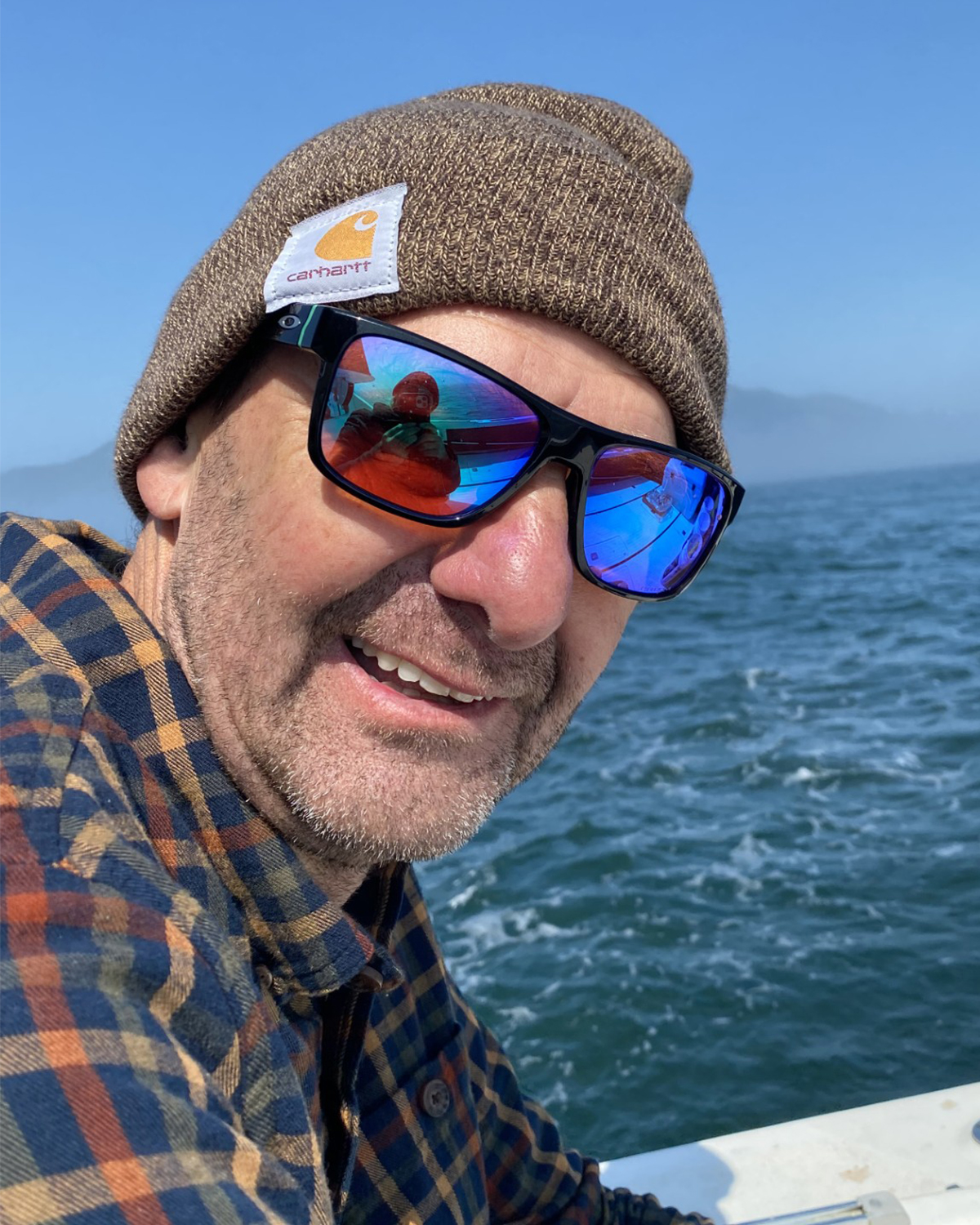
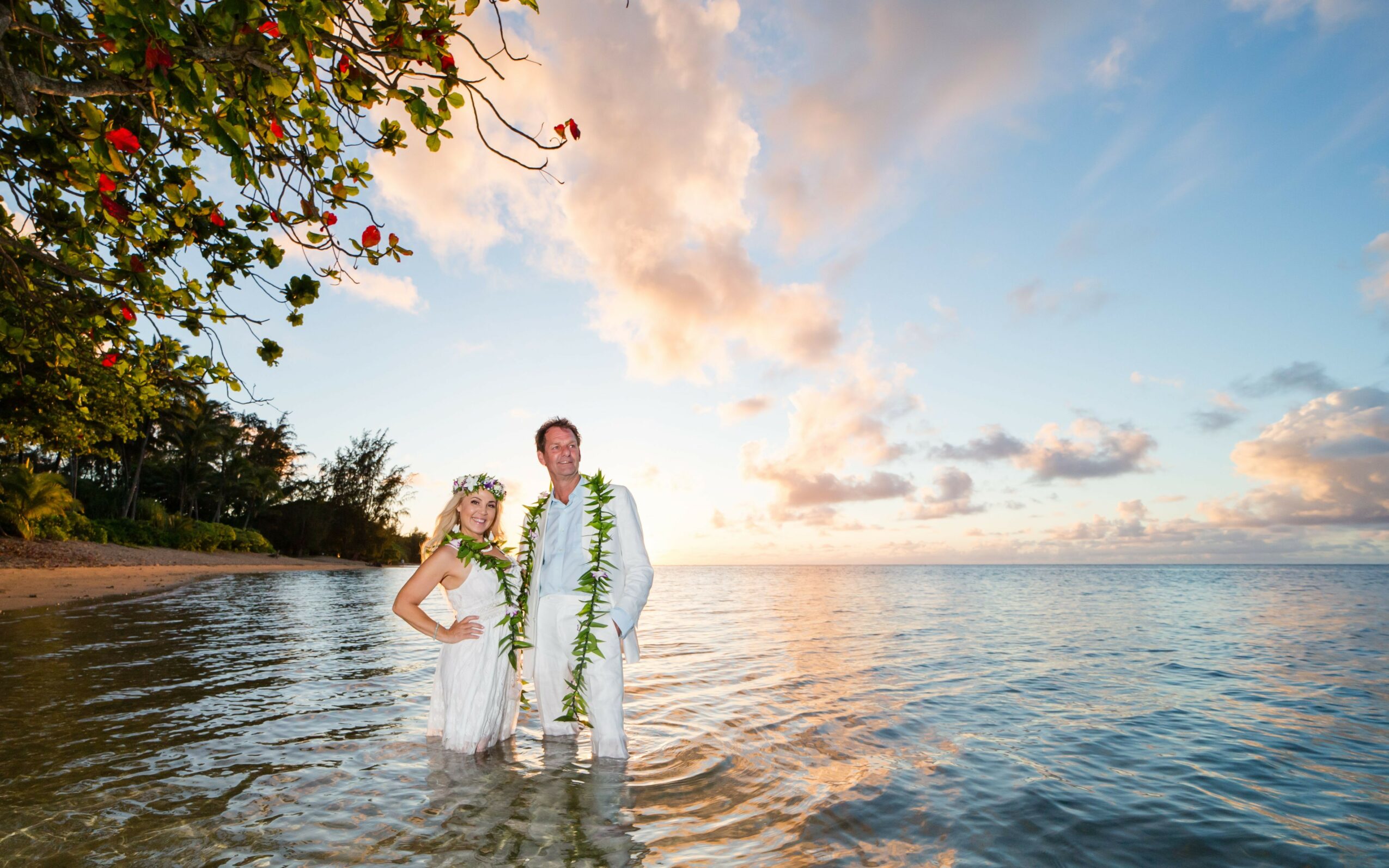
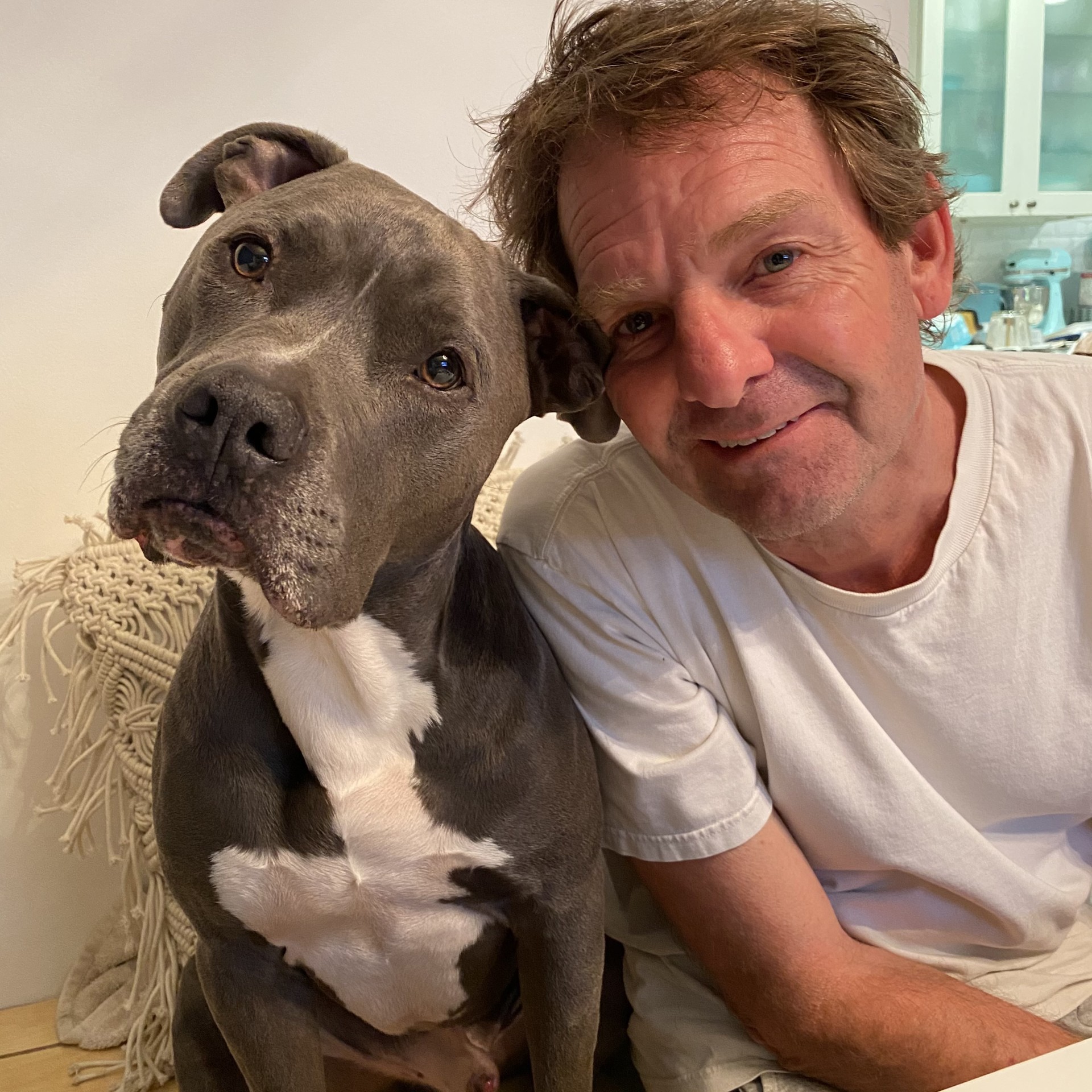
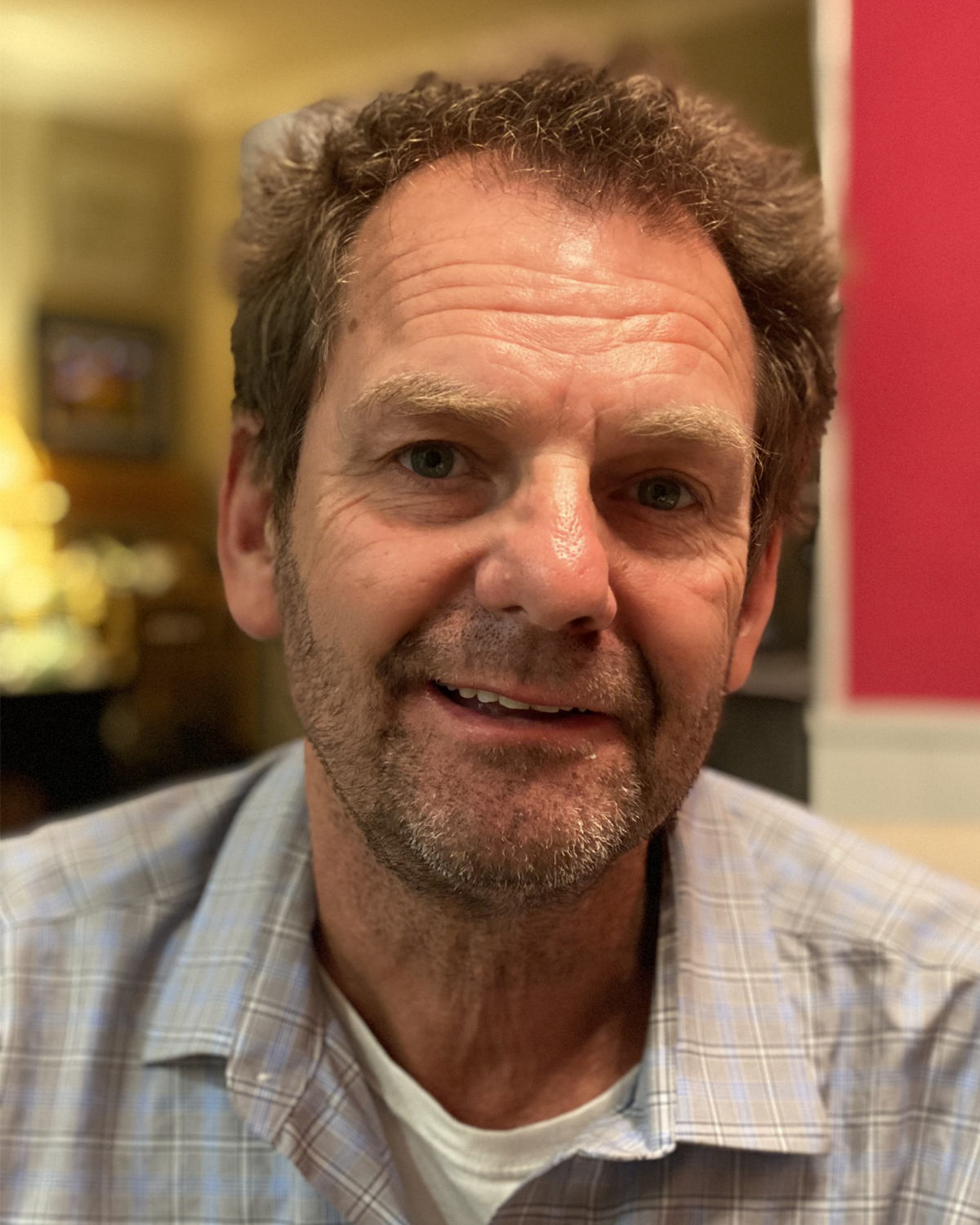
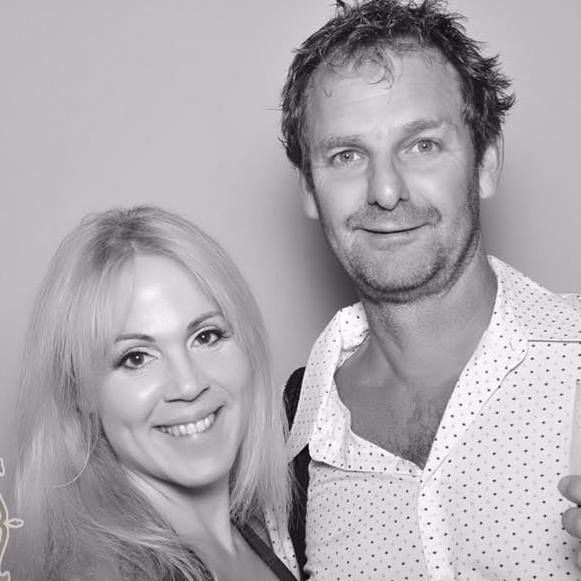
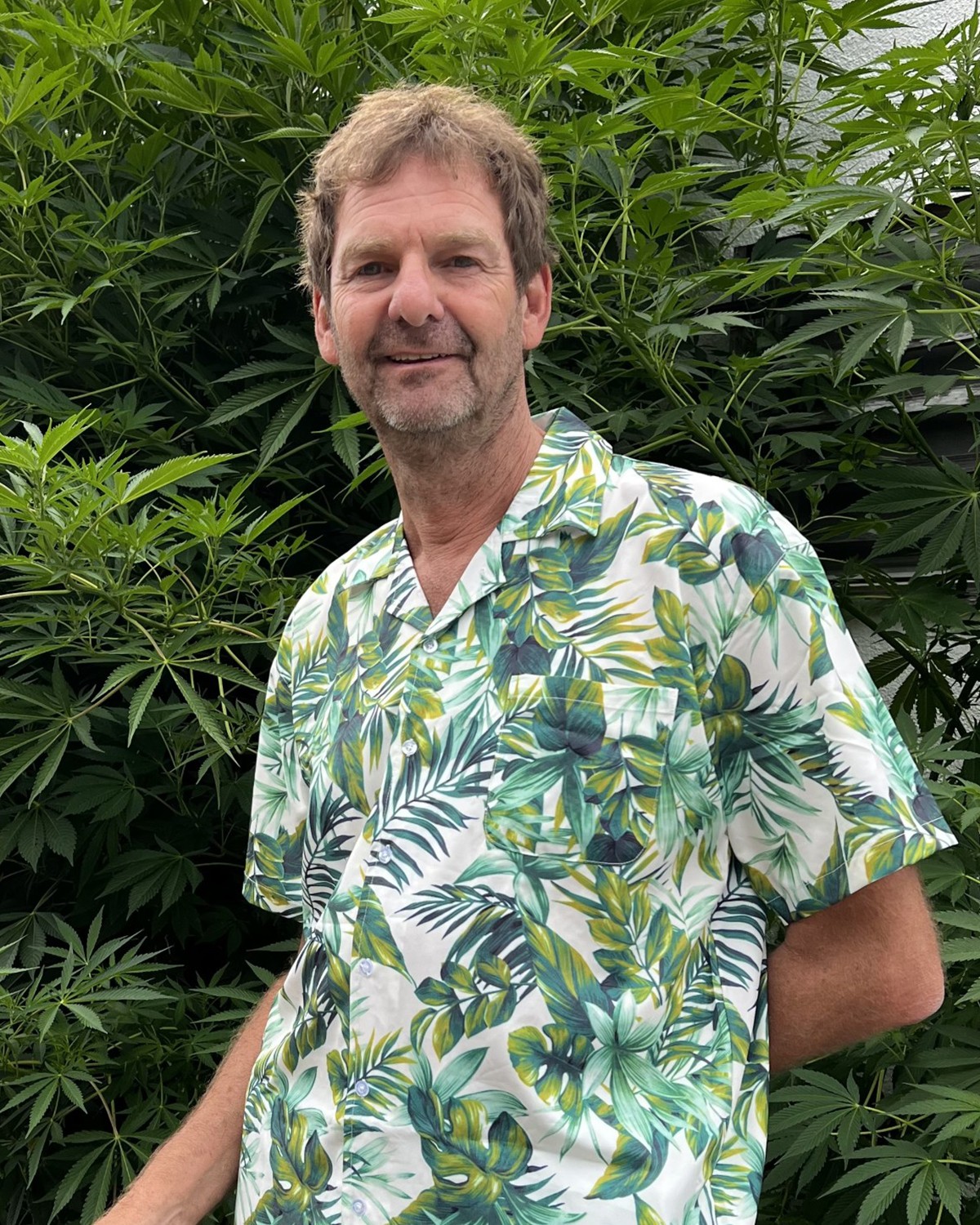
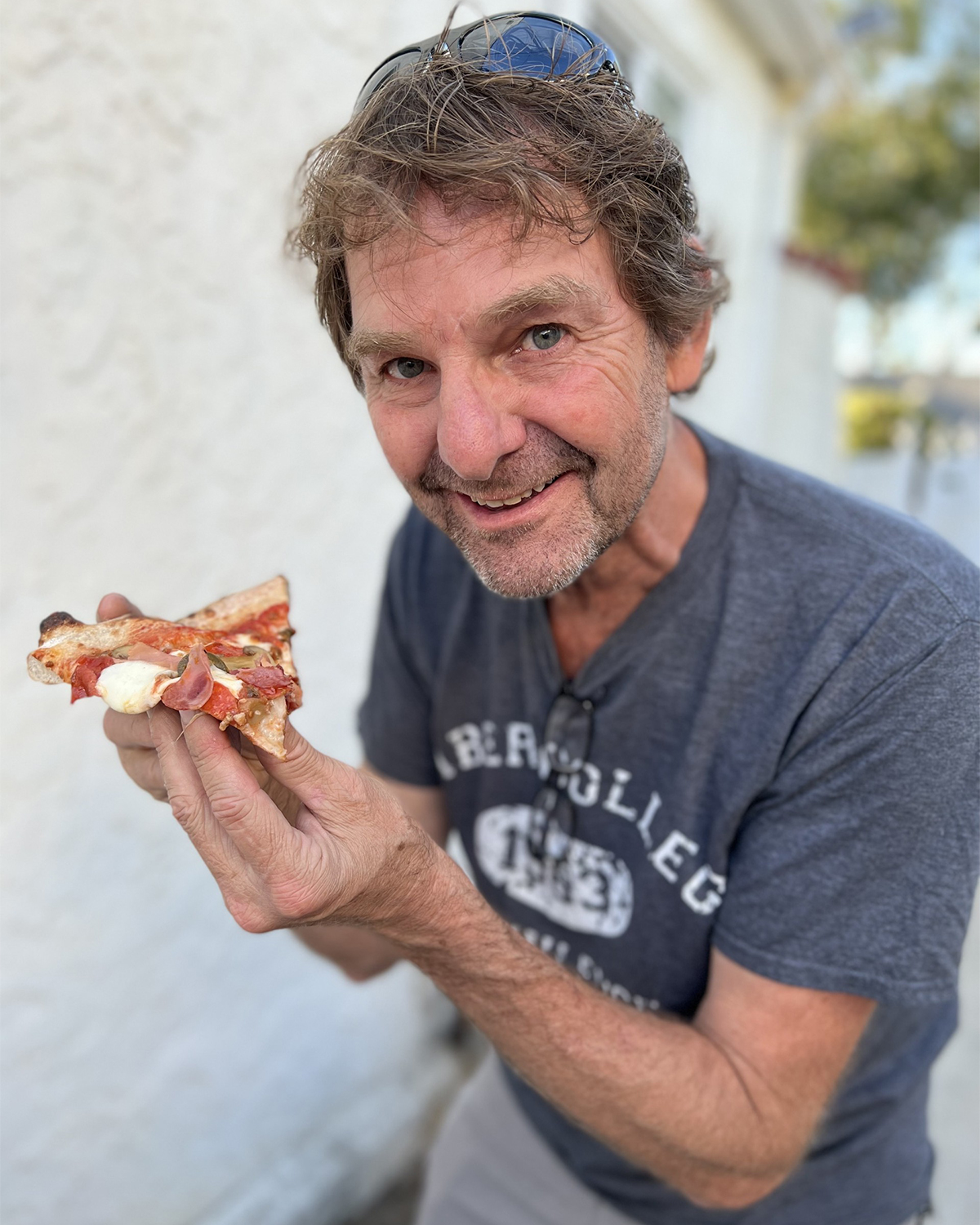
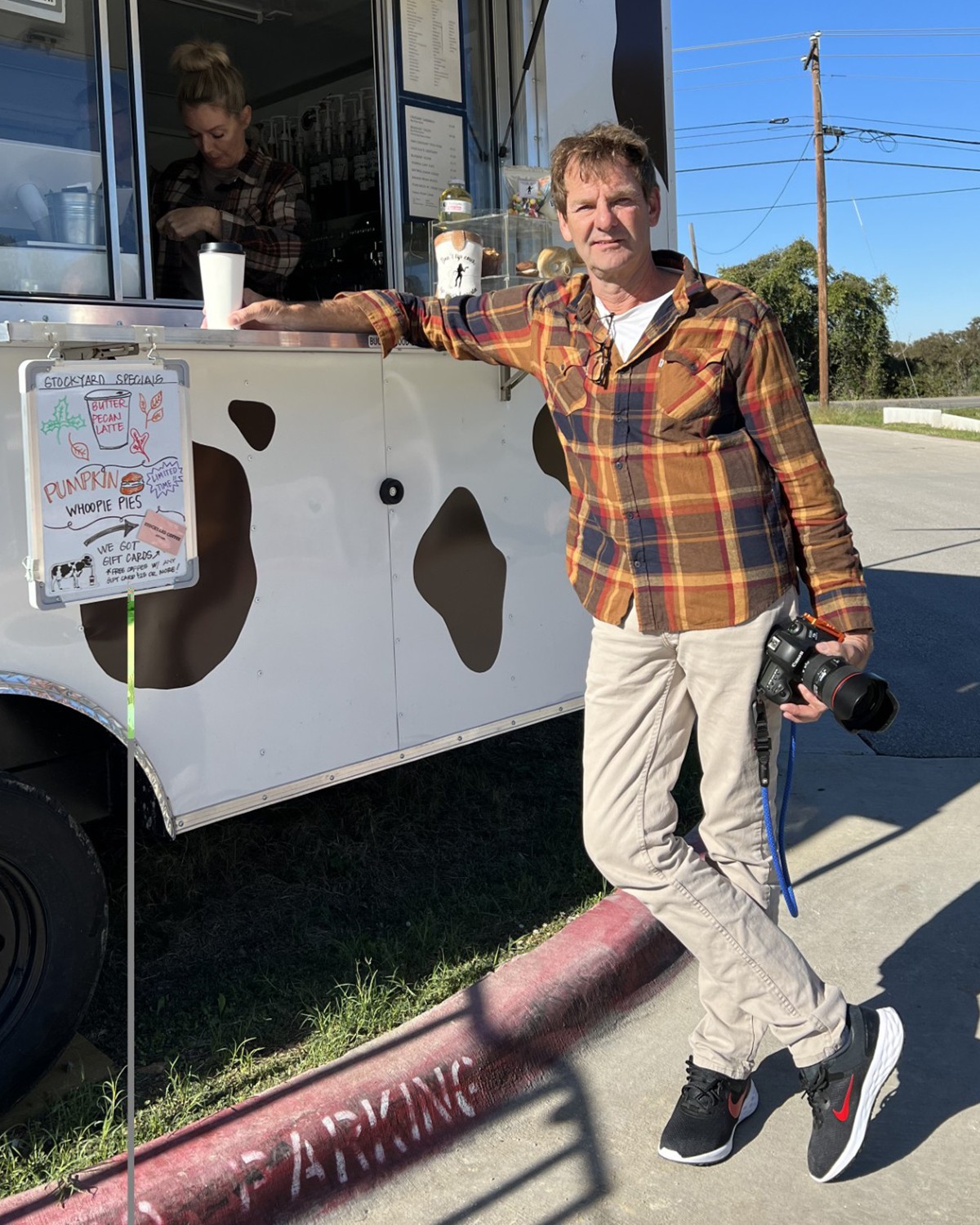
Image Credits
wedding photo Ashley Valera.
Popular
-
Maagic Collins on Building a Fearless Publishing Platform for Truth, Advocacy, and Underrepresented Voices
-
Los Angeles Barea on Turning Green Superheroes into a Global Movement for Youth-Led Change
-

Trisha DuVivier on Bridging the Franchisor–Franchisee Divide with Workhero and “Franulate”
-

Portraits of the Valley
-

LA’s Most Inspiring Stories
-
Cedar Boschan on Elevating Black Music Rights and Driving Urgent Conversations Around Credit, Equity, and Artist Protection


