





Today we’d like to introduce you to James Sved.
Hi James, so excited to have you on the platform. So before we get into questions about your work-life, maybe you can bring our readers up to speed on your story and how you got to where you are today?
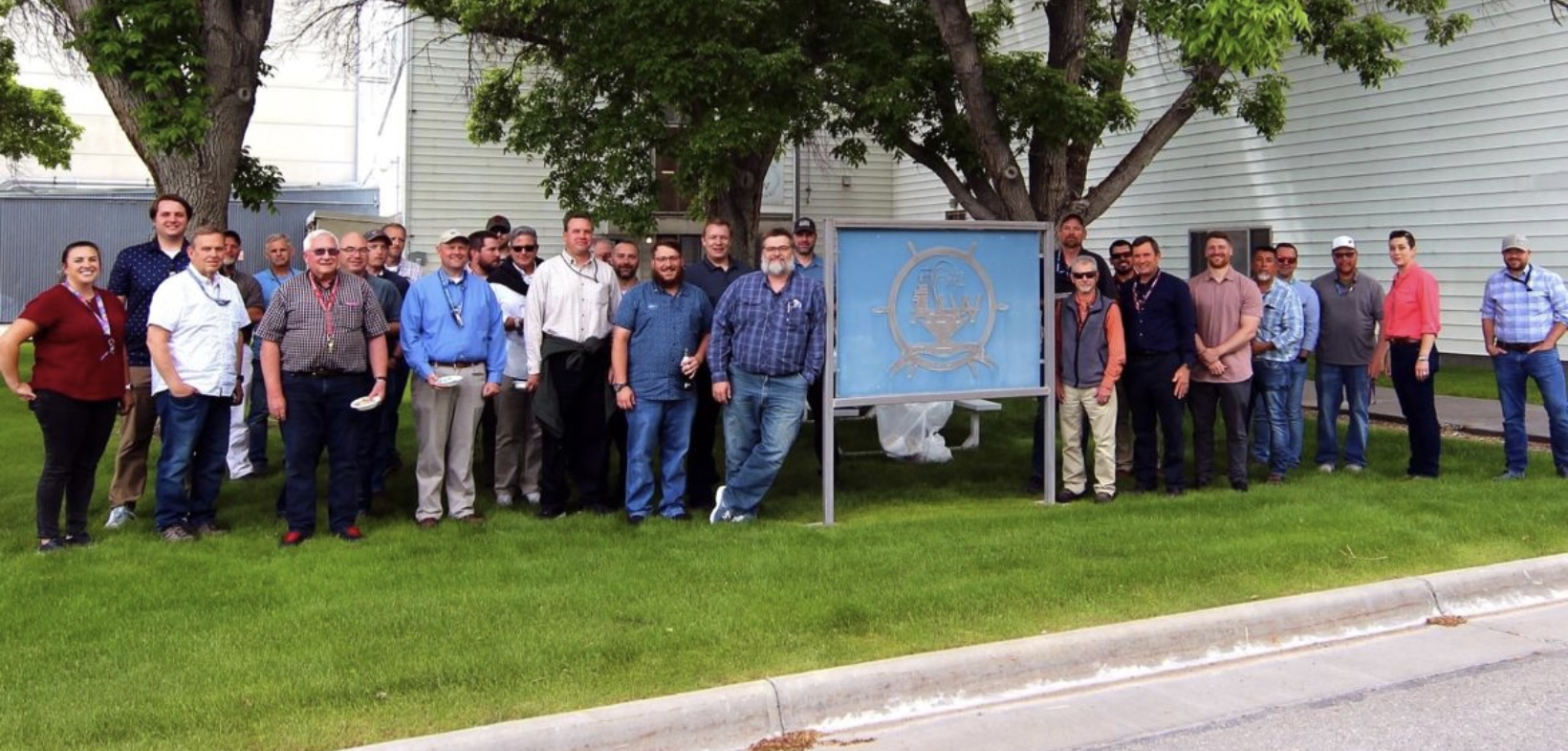
I am a restoration architect and architectural historian, called a visionary by my peers. I have lectured at universities, served as a museum executive, been a newspaper publisher, written for other newspapers and magazines, partnered with the Prince of Wales Trust, and was almost named the 14th Architect of the US Capitol. Along the way I have also become an archaeologist, an explorer, and an ocean conservationist. Not all these things necessarily go together for some, but they do for me. I spent three years as a subject matter expert at the US Naval Nuclear Laboratory, and in the process learned more about nuclear engineering, marine propulsion, and ocean science that I ever expected to.
I’m sure it wasn’t obstacle-free, but would you say the journey has been fairly smooth so far?
Smooth? Hardly. But it’s the challenge and the journey that keep it interesting, keep me getting up each morning, and always keep me trying to make the world a better place. Experience, I find, only comes from trial and error – and you learn as much from your failures as you do from your success. I guess for me it’s mostly about always learning something you didn’t already know. If you can do that, even your failures are successful.
As you know, we’re big fans of you and your work. For our readers who might not be as familiar what can you tell them about what you do?
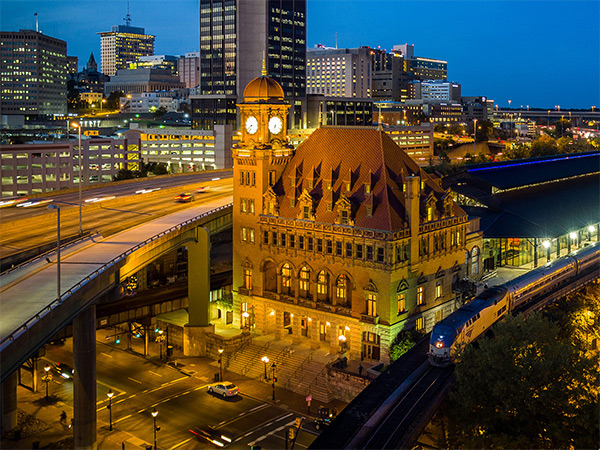
I’m mostly known for restoration architecture, like Richmond, Virginia’s Main Street Station, a 2004 Restoration Project of the Year recipient. Twenty years later, it was placed on a US Postal Service stamp as an architectural gem, and was called, “The most beautiful passenger railroad station in the South.” Why is this important? Because there is no point restoring a landmark if it isn’t going to have a lasting impact on a community, so I bake that long-term success into everything I do. Look, in the movie, “The Natural,” Robert Redford says, “I want people to say, ‘There goes Roy Hobbs, the best that ever was.’” If you measure your success in months not years; years not decades, that can’t happen. Main Street Station had been passed up by Amtrak as a tired old lady. It all but burned to the ground. It was virtually forgotten. Now it stands as the very symbol of Virginia’s capital city. That’s something to look back at with great pride. And it’s an excellent road map for success for Los Angeles, in the wake of last year’s devastating fires. If you’re going to rebuild, rebuild buildings that not only last, but that last with integrity, that get better with the passage of time. Let’s make LA’s architectural legacy as strong as the city’s resilience.
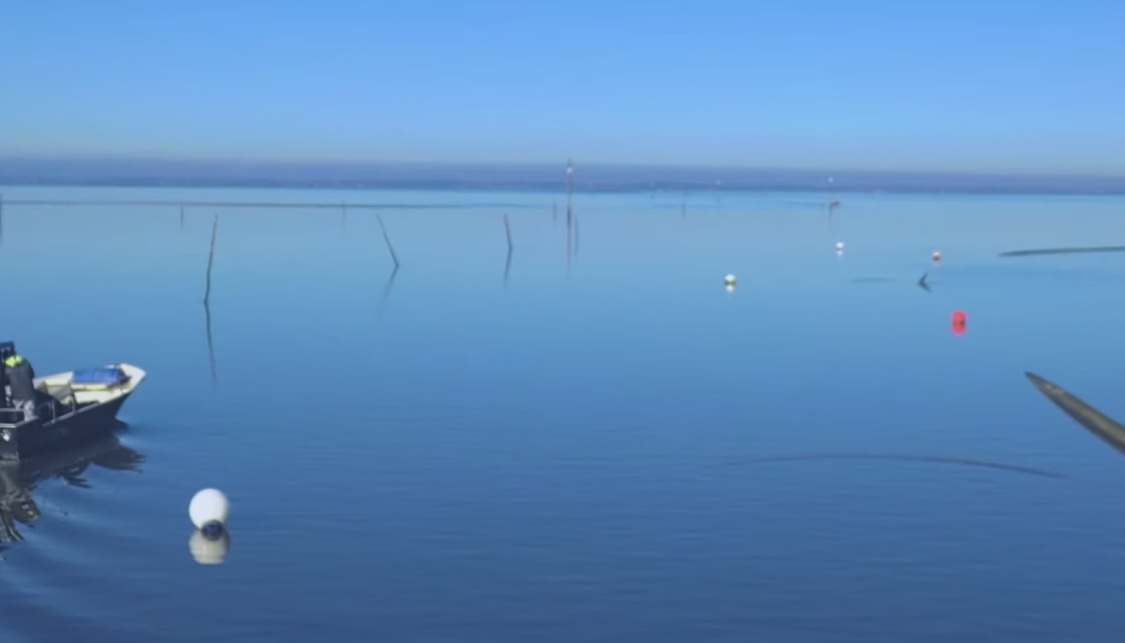
Looking forward, I am currently developing a start-up that uses natural , organic, and sustainable methods to restore marine biodiversity, clean up our oceans, and ultimately restore lasting economic prosperity to coastal communities. It’s called The Subsea Sustainability Project (https://subseasustainability.org). We’ve done enough harm to our oceans, the same oceans that gave us life. As we look outward to the stars, we owe it to this planet to leave it in better shape than this.
Are there any apps, books, podcasts, blogs or other resources you think our readers should check out?
Books, mostly. I was an English major as an undergraduate, so I have read all the classics of literature. In today’s fast paced world where the national attention span is 8 seconds or less, I think you can actually learn more from literature than you can from any apps, blogs, podcasts, or social media.
Pricing:
- Pricing? Only that nothing great comes cheaply. If it seems too good to be true, it probably is.
Contact Info:
- Website: https://svedrestoration.com
- Other: https://subseasustainability.org

Popular
-

LA’s Most Inspiring Stories
-

Portraits of the Valley
-

Rick Norris Learned That Building a Successful Business Means Building a Life You Actually Want to Live
-

How Olivia Rush Turned Survival Into a Mission to Help Others Keep Going
-

How Bibi Goldstein Is Helping Entrepreneurs Reclaim Their Time by Embracing the Power of Delegation
-

Victoria Hasson is Redefining Voice Coaching Through Community and Collaboration


