




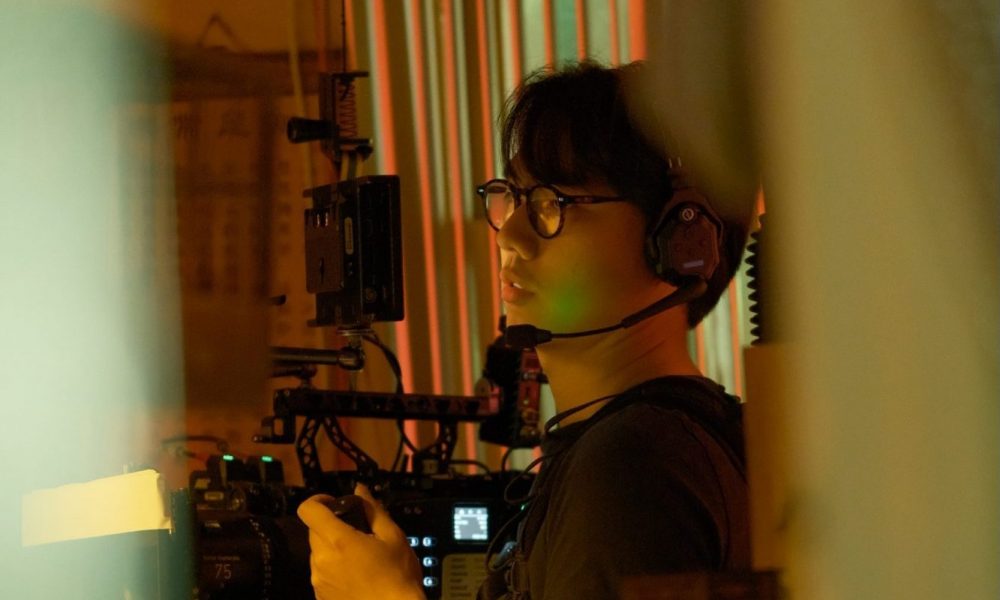
Today we’d like to introduce you to Guanting Du.
Alright, so thank you so much for sharing your story and insight with our readers. To kick things off, can you tell us a bit about how you got started?
My name is Guanting Du, and I am a cinematographer and photographer. I was born in Nanjing, Jiangsu Province, and from a young age, I was fascinated by the world of cinema. I knew that I wanted to be a part of it and create meaningful stories that could connect with audiences around the world.
I pursued my passion for film by studying film production and cinematography at the Shanghai Theatre Academy. It was an exciting time for me, and I was able to learn from some of the best professionals in the industry. I gained a wealth of knowledge, skills, and experience in film production and cinematography, and I was eager to put them into practice.
After completing my studies, I had the opportunity to study abroad in New Zealand, where I learned more about film and television arts at the Auckland University of Technology. It was an incredible experience, and I was able to broaden my horizons and gain a deeper understanding of the art of cinematography. I returned to China with a renewed sense of purpose and began working on various projects as a cinematographer, including narrative films, documentaries, and commercials.
In 2022, I earned my Master’s degree in Film Cinematography at the American Film Institute, which allowed me to further develop my skills and broaden my industry experience. It was an incredible opportunity to learn from some of the most talented professionals in the field, and I am eager to continue working on international film projects and collaborating with talented filmmakers from around the world.
During this time, I discovered that I was particularly drawn to the visual language of Asian cinema. I was inspired by the works of filmmakers such as Edward Yang and Akira Kurosawa, and I sought to use light, composition, and visual storytelling to create authentic and immersive worlds for audiences to explore. I believed that the best cinematography could convey emotions and tell stories without relying solely on dialogue, and I strived to achieve this through my work.
Throughout my career, I have had the opportunity to work on a wide range of projects, including short films, documentaries, and commercials. I am particularly proud of my short film “San Gabriel Valley,” which won Best Cinematography at the Rome Prisma Film Festival, selected in the prestige Canne Film Festival short film corner and earned Best Director and Official Selection honors at the Los Angeles International Short Film Festival and HollyShorts Film Festival.
Through my work as a cinematographer, I hope to explore themes of loneliness, connection, and human experience. I believe that film and photography have the power to create empathy, to build bridges between cultures and experiences, and to inspire people to see the world in new and meaningful ways.
As I look toward the future, I am excited about the possibilities that await me. I hope to continue working on meaningful projects, both in the United States and in China, and to share my unique perspective and vision with audiences around the world. I believe that my work can make a difference and contribute to the world of cinema in a meaningful way.
I’m sure you wouldn’t say it’s been obstacle free, but so far would you say the journey have been a fairly smooth road?
I find that one of the biggest challenges is finding consistent work. The film industry is highly competitive, and it can be tough to secure regular projects. I constantly need to network, search for new opportunities, and showcase my work to potential clients.
On top of that, as an Asian filmmaker, I often navigate cultural differences and stereotypes in the industry. There are times when my ideas or approaches might not align with Western standards or expectations, and it can create additional barriers. However, I believe that this also presents an opportunity to bring a unique perspective and creative voice to the projects I work on.
Appreciate you sharing that. What else should we know about what you do?
A cinematographer is responsible for capturing the visual elements of a film, including lighting, camera angles, and composition. They work closely with the director to help tell the story visually and create a specific mood or tone. They choose the cameras, lenses, and other equipment needed for each shot and work with a team of camera operators, gaffers, and grips to set up and execute the shots. They also work with the colorist and editor to make sure the final product looks consistent and achieves the desired effect. In short, a cinematographer is responsible for the visual style and quality of a film or TV show.
I’m known for “Picnic Area” “The Night Before Tomorrow” “San Gabrial Valley” and “Desert Dream”. Throughout my career, I have always been proud of my Asian background and the unique perspective and aesthetic that it brings to my work. I believe that my background has allowed me to approach filmmaking in a different way and has helped me to tell stories that are authentic, emotionally resonant, and visually stunning.
We all have a different way of looking at and defining success. How do you define success?
Success, to me, is the freedom to pursue my passions without external restrictions. It means having the autonomy to choose projects, express my artistic vision, and make a positive impact. This freedom fosters personal and professional growth, allowing me to continuously evolve and create meaningful work that resonates with audiences. Ultimately, true success lies in the ability to follow my artistic ambitions and create impactful stories that leave a lasting impression.
Contact Info:
- Website: guantingdu.com
- Instagram: https://www.instagram.com/du_guanting/


Image Credits
Christy He
Popular
-

Robin Olive on Building an Inclusive Performing Arts Movement and Expanding Opportunities for Every Student
-

Portraits of the Valley
-

LA’s Most Inspiring Stories
-

Que Johnson on Building Brands That Last: From Visibility to True Market Authority
-

Christina Wren Steps Into the Director’s Chair to Tell Stories That Feel Like Home
-

JordanL on ‘Breathe,’ Belief, and Building a Movement Beyond the Music


