




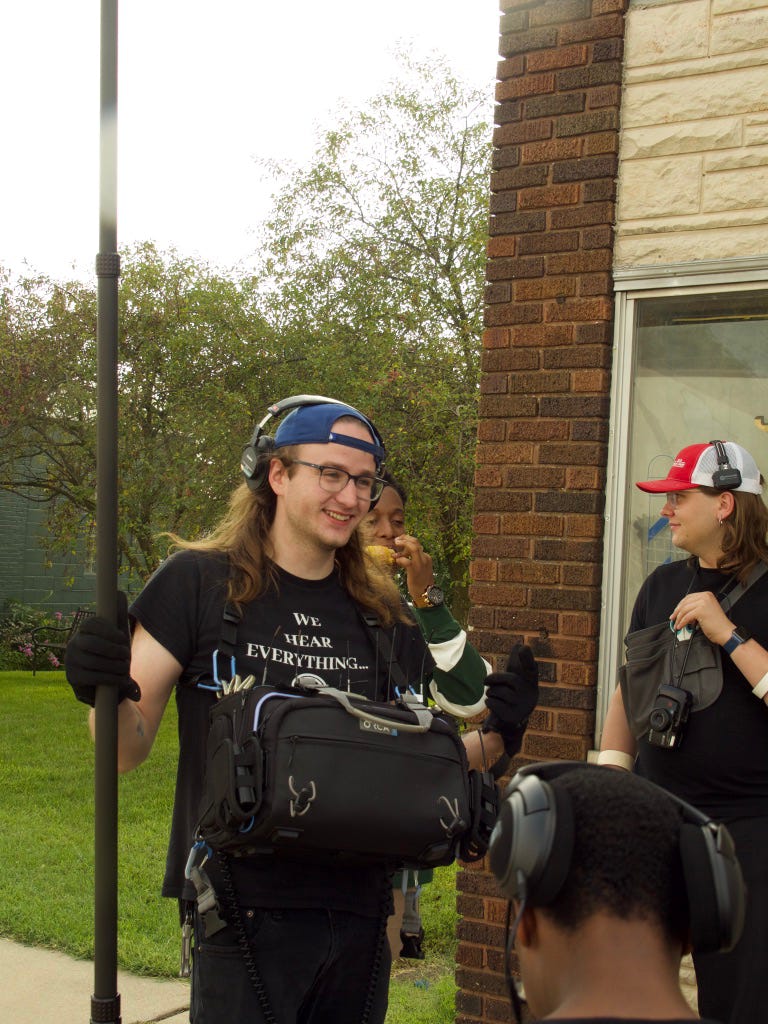
Today we’d like to introduce you to Edward Thomson
Hi Edward, so excited to have you on the platform. So before we get into questions about your work-life, maybe you can bring our readers up to speed on your story and how you got to where you are today?
I had a bit of an unusual path into film/television production. I was originally studying international human rights law and just taking some film classes on the side for fun. Then COVID hit and instead of my Fulbright program in Montreal, I was stuck on campus all summer. To fill the time, I hung out with my friends who were on campus that summer who all happened to be film majors, so I wound up on set a lot. From then I was hooked. While still in school, I had the opportunity to start working in the Detroit film industry as a boom operator. This allowed me to meet the small but strong community of Michigan Sound Mixers, get the mentorship I needed on my craft, and learn how a film set ran. In summer 2022, I made the move out to LA. I was lucky to be able to establish myself during the heightened levels of production from the COVID backlog which allowed me to meet fellow filmmakers and get on set as soon as I moved. I experienced a slow period after that, but I used it as an opportunity to recenter myself and make the most of what LA has to offer: networking and community. I used my free time to go to networking events and screenings, meet with more of the LA Sound Mixers to find that community I had loved in Michigan, and work on some projects of my own with other friends in the industry. These habits were helpful professionally as well as socially and helped to renew my love for film and the people who make it. Luckily, the slowdown didn’t last too long for me, but I kept those habits and they have been instrumental to my continued success.
Alright, so let’s dig a little deeper into the story – has it been an easy path overall and if not, what were the challenges you’ve had to overcome?
I’ve been lucky, but the road hasn’t always been smooth. From the start, I really struggled with accepting that film was what I wanted to do. Changing from International Human Rights Law presented an interesting moral dilemma: was I really going to leave a field that was all about helping people who need it most to go and make movies? Another struggle was feeling that I wasn’t cut out for this kind of work. I remember coming home from the set of my first feature and just breaking out into tears and dreading the coming weeks of shooting. I felt like I was doing an awful job and like there was no way I would be able to do this as a career, but since I had just switched majors and added a semester, I was stuck with my decision. This feeling didn’t end after that first feature and still pops up from time to time, but I’ve learned to deal with imposter syndrome and know that this is what I’m meant to do.
One of the biggest struggles has been getting used to the life of a freelancer. I’m the kind of person who thrives on routine, so a 9-5 office job would be perfect. I knew film didn’t work like that, but nothing prepared me for the reality of freelancing. I can deal with the long hours on set and the weeks of production with no breaks. In fact, I thrive in that environment. What I don’t do well with is the periods where I’m not on set. As a freelancer, there’s always work you can be doing. Whether it’s updating your website, finding the next job, networking, there’s an endless to-do list which makes it difficult to relax or be social. In addition, the financial stress of running your own business is always high and the long periods of no work make film particularly difficult. I really struggled with this financial balance when I first moved to LA and had a period of extreme self doubt that financial insecurity amplified. I was close to leaving LA and thinking of going to Law School as I originally planned, but through the support of my family and friends I was able to make it through and start to flourish in LA.
Can you tell our readers more about what you do and what you think sets you apart from others?
I’m a Production Sound Mixer, so I am responsible for all sound captured on set, during production. I could write a whole article on what the Sound Department does on set as it is frequently misunderstood, but my job starts in pre-production focusing on locations, gear, coordination with other departments, and how the director wants to utilize sound creatively. Once we get to production, my role blends creativity, technical knowledge, and lots of maneuvering set politics. I rely on my team (boom ops/utilities) to do much of the technical work like micing actors, learning blocking, mic selection, running cables, etc. while I focus on the creative aspect of sound, collaborating with the director and DP, coordinating with other departments to create as clean of a sonic space as possible, and thinking about what I can add to a scene with sound.
What I’m most proud of, and what sets me apart from others, is this focus on communication and collaboration. There’s this stereotype of the sound mixer as some grumpy old person who sits in the corner at their cart and acts like the world is against them, and I try to fight against that every day. Some of the Mixers I look up to the most like Simon Hayes and Mark Ulano have always stressed that, If you want to be as respected as other departments, you have to put in the work that they do. I make an effort to be heavily involved in pre-production and get the director and producers thinking about sound as early as possible. On set, I don’t just sit at my cart. I’m an active member of the filmmaking team, talking with the director, trying to get a better understanding of the shot from the DP, or going over coverage with the script supervisor. I am always trying to improve my knowledge of how other departments work and the gear they use so I can be a better collaborator. I’ve found that, when productions see that you actually care about their project, they’re eager to listen to you. The same goes for crew: when they notice that you’re interested in their role or appreciate what they’re doing, they’re more willing to help.
Who else deserves credit in your story?
I definitely owe the most to my parents. From being supportive of their son’s decision to abandon the path of law school in favor of going into a creative field to always being willing to listen even when they don’t understand, my parents have always given me the confidence I need to survive in this field.
My roommates have also been a great support network. Having a group of friends who you can go home to at the end of the day is such a privilege when first making the move to LA. Having a roommate involved in the film industry has been especially amazing. It’s nice to have someone to make the journey with as you can get encouragement from their successes and passion as well as just have someone to experiment with! Finally, my mentors in Michigan were an incredible help as I was first learning, and my professor Terri who was amazing and the source of that every artist needs: Someone who appreciates their work and encourages them to make more
Contact Info:
- Website: https://www.decabitsoundllc.com
- Instagram: https://www.instagram.com/decabitsound/
- Other: https://m.imdb.com/name/nm10274740/
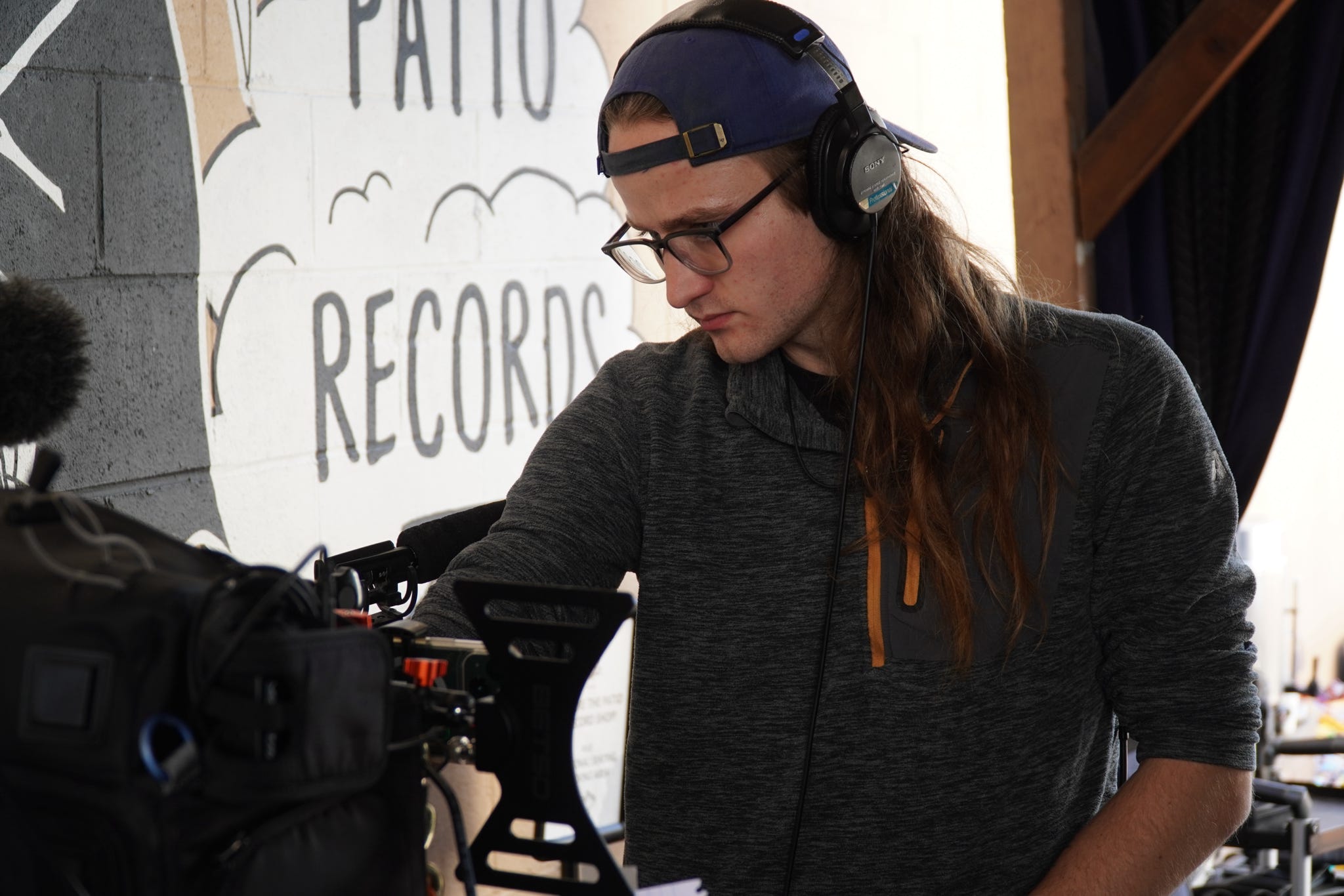
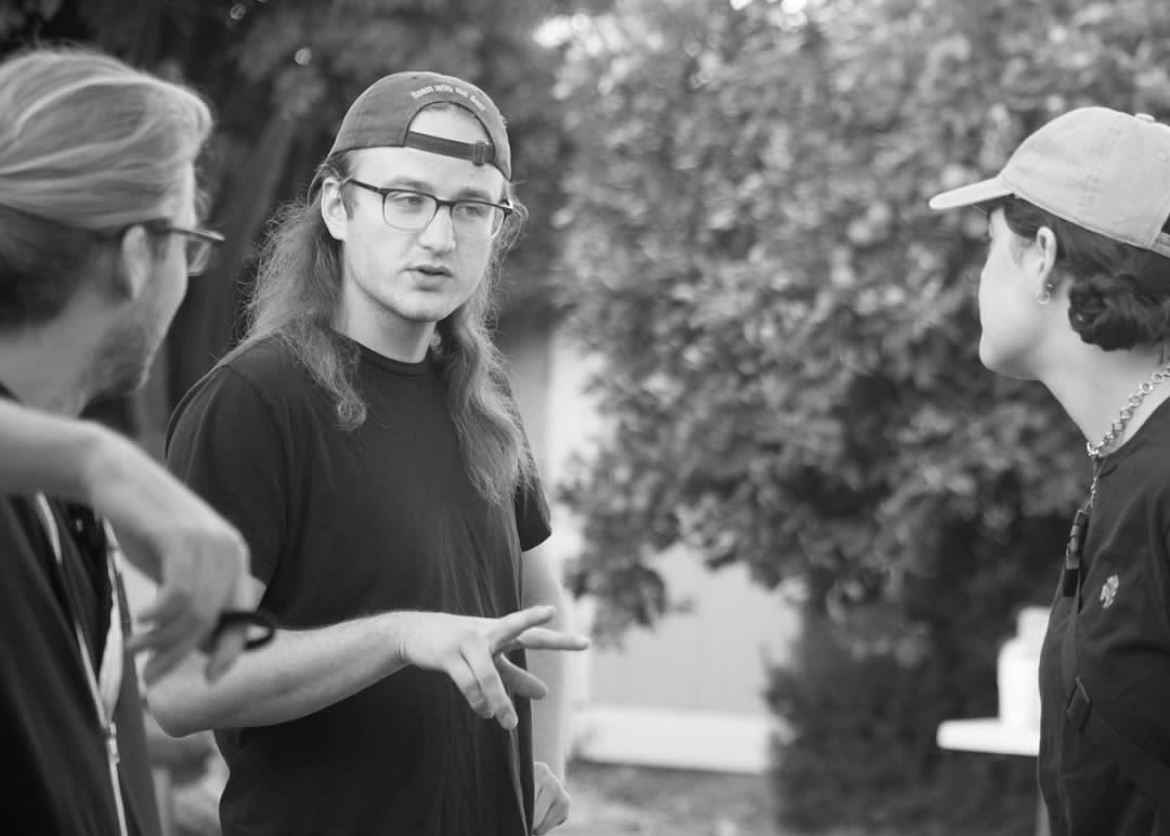
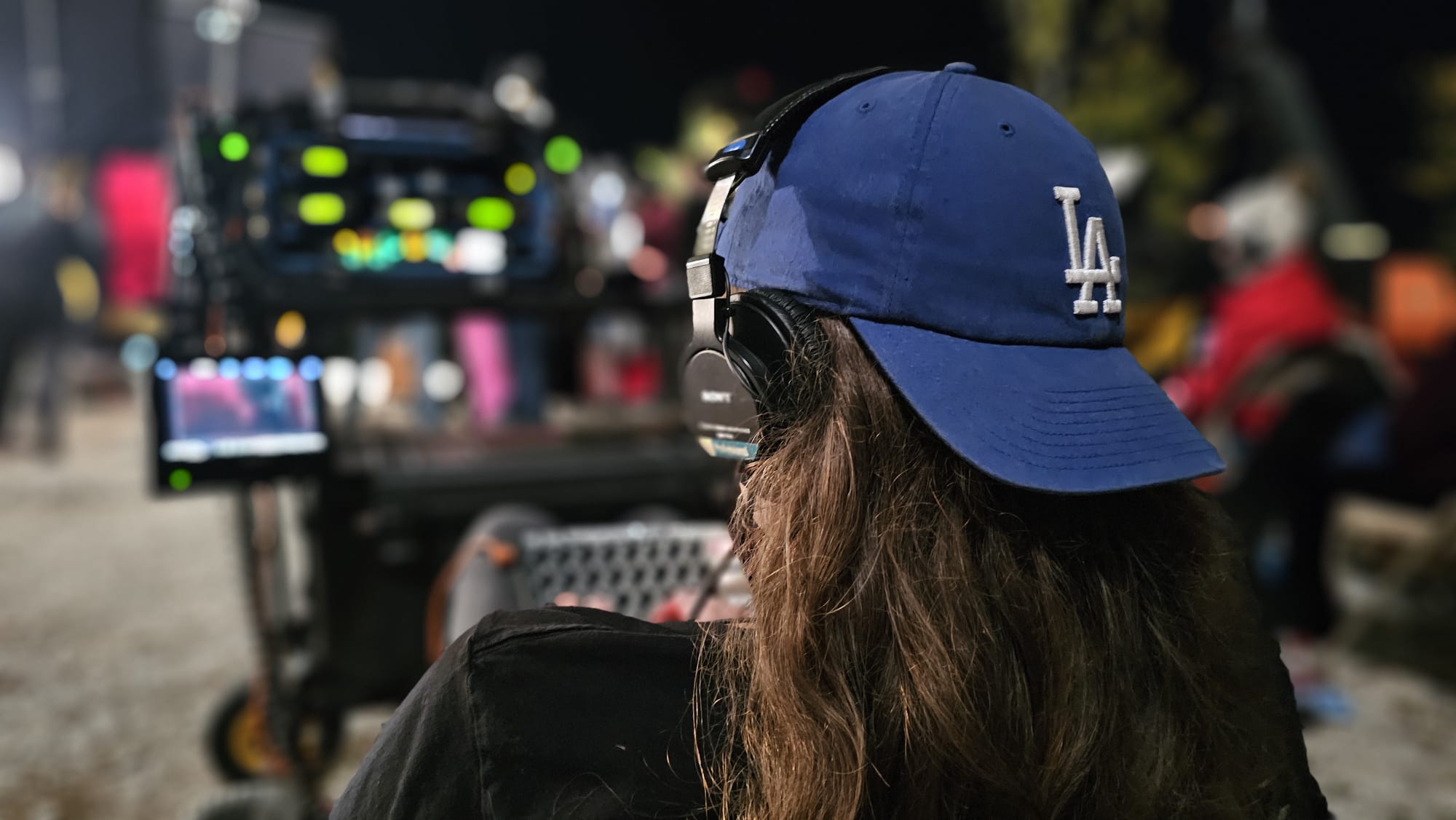
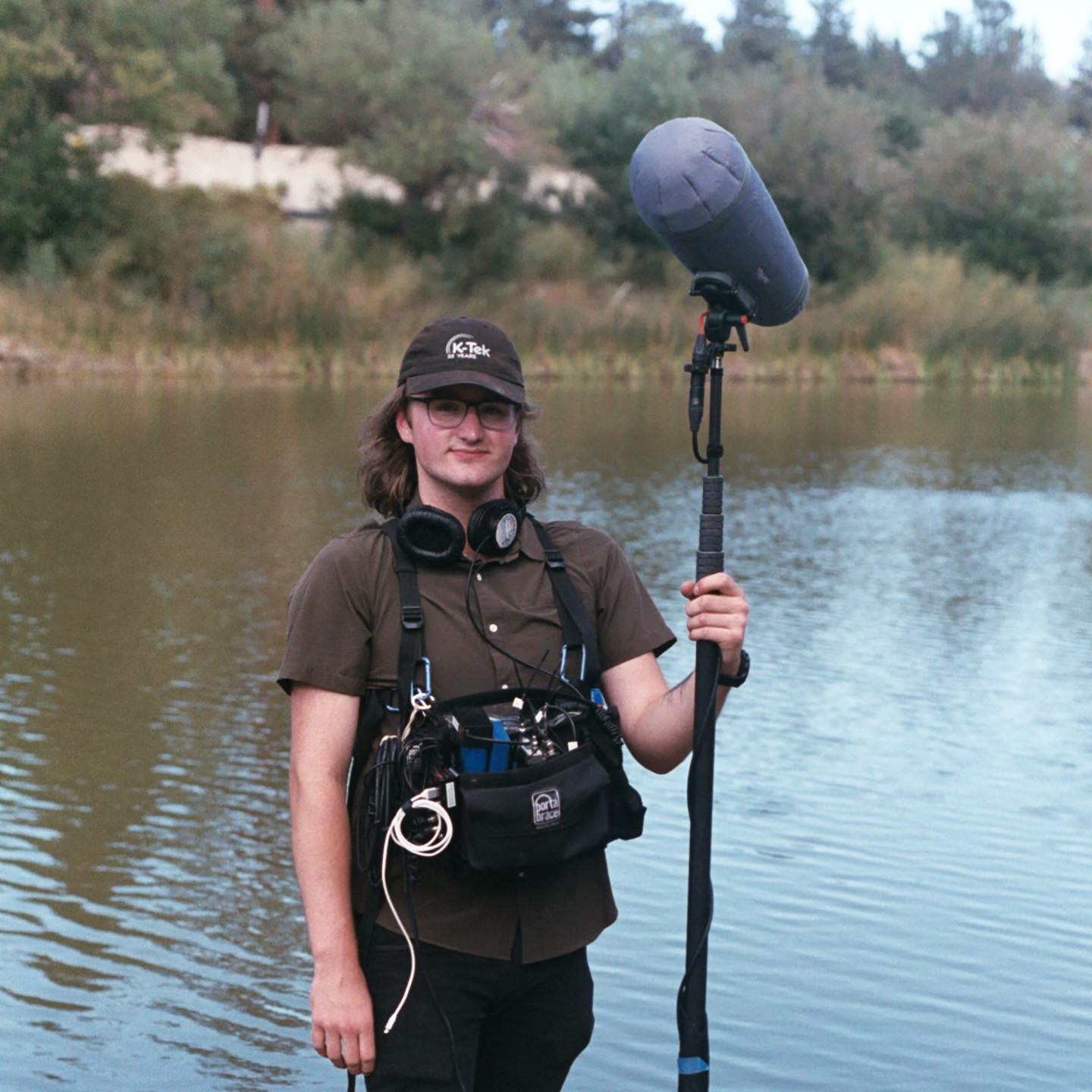
Image Credits
Photo 1: Zachary Miller
Photo 4: Bradley Winka/Alex Rynkiewicz
Photo 5: Tait Keller
Popular
-

Portraits of the Valley
-

LA’s Most Inspiring Stories
-

Que Johnson on Building Brands That Last: From Visibility to True Market Authority
-

Christina Wren Steps Into the Director’s Chair to Tell Stories That Feel Like Home
-

JordanL on ‘Breathe,’ Belief, and Building a Movement Beyond the Music
-

Megan Birney Rudert on How Access to Light Is Powering a More Sustainable and Equitable Future


