




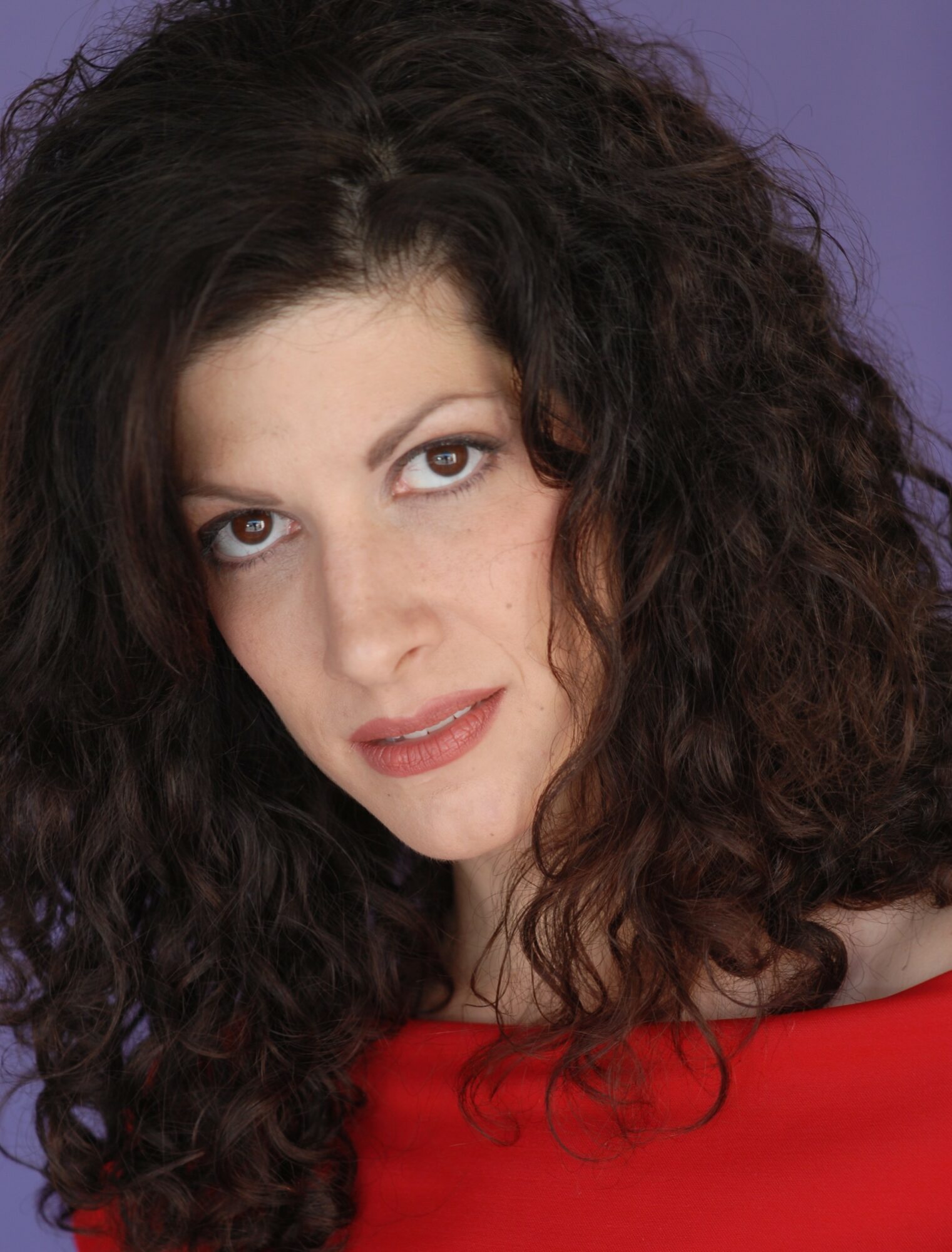
Today we’d like to introduce you to Danielle Busko.
Hi Danielle, so excited to have you on the platform. So before we get into questions about your work-life, maybe you can bring our readers up to speed on your story and how you got to where you are today?
As a very little child, my family would joke that I would one day be a Goodwill Ambassador…That’s not exactly the route I took, but they weren’t far off. Community, Serve Us is a lifelong journey that has been built by every interaction and experience that I’ve had. Throughout my life, I’ve allowed myself to be affected by all the human beings and interactions I’ve had and this called me to address the suffering and injustice that I’ve seen in the world.
And, really, it’s more than addressing injustices, it’s the common thread shared by everyone to matter, to be heard, to have their needs met, to be safe, to be recognized and to not just want the basics, but to thrive, to be genuinely cared for. I sincerely believe that these things are basic rights for everyone.
My graduate degree is in Forensic Psychology and I got my start working with at-risk youth in residential treatment which really gave me insight into how individual we really all are and how unique every person’s interactions are with the world. It made it super clear how important perspective and life experience is when you are considering the major issues in the world and how to solve them.
I was then asked by a local community in NE Ohio to develop and run a Diversion Program for at-risk youth. It was the first example of a program to include youth at-risk of expulsion from school in addition to those facing their first criminal charge. It was really amazing to see how the whole town came together around this program, contributing their unique skill sets to create a host of alternative interventions and programming, and it ended up having remarkable success. The recidivism rates went way down, the attendance, academic performance and graduation rates went way up. The statistical improvement was well beyond what you could expect to see in a program like this. Part of the reason for this amazing success was the collaborative approach. Everyone came together to create the solution…the police, school administrators, teachers, clear out into the county…mental health providers, social services, folks at the juvenile courts, etc. Besides this collaborative approach driving the success, there was another major reason that contributed to these outcomes that I’ll talk about in a minute.
WIth this success, I wanted to try my hand recreating it in a bigger city, so I moved to LA where I was an Investigator at the Los Angeles County Public Defender’s Office and then, I worked in private practice doing family violence risk and threat assessments. In both of those, I felt like I was part of the broken system, before “broken system” was a thing. Both ultimately contributed to the development of Community, Serve Us, as they furthered my understanding of the systemic issues we were dealing with; however, feeling like I was no longer using my skills for good, I left the work that not only was really important to me, but that I thought I was really good at.
I accidentally, or what I now say is divine intervention, ended up working in media. The first job I had was at a Hearst-owned advertising agency. When the President and CEO would come in to give quarterly status updates, they would talk about how we should use everything in the conglomerate to support our advertising customers. I began to realize how media could be used for so much more. This is where the idea for Community, Serve Us became a thing for me.
I realized that media could be the solution, but is a large part of the problem. It occurred to me that what was so successful about the work I did in the past had to do with the way that I told stories about the individuals involved. When I was sharing information about the youth, families, defendants that I worked with, I was telling these very factual-based stories that gave a full, unbiased view of their experiences. I realized that the problem we have currently is that stories are told from the right or the left, based on whoever owns the media outlet, and frequently, newscasters supplement facts with their opinions. When we watch the news or a documentary we are always yelling at the screen, “Why didn’t this person do this, or why didn’t that person do that?”
I was mitigating all of this upfront by giving unbiased, fair details from the perspective of all involved parties. I explained things like the medical history of the person or family involved and their struggles-to-date, the archaic laws that prevented social services from doing what would seem to be the logical thing, or how teachers are inundated with so many state and federal policies that it’s not always as easy as one may think to provide the in-classroom attention a child might need, or the operational and simple realities that the police are faced with, etc. I realized that in telling these full, 360° stories, no matter who I shared the information with, regardless of ethnicity, religion, gender, whatever…all they could ever say to me is, “How can I help?” So, it became clear that it was critical that we create a storytelling platform that allows us to bring these full stories to everyone, but rather than me telling the stories of others, allowing each participant to speak for themselves.
As I continued my career in digital media, advertising and entertainment, I identified other opportunities to create a platform that had features that could both make a real impact in identifying practical, innovative, people-centric solutions to the humanitarian crises that we are facing and also, fill a critical gap in the social impact ecosystem.
Can you talk to us a bit about the challenges and lessons you’ve learned along the way. Looking back would you say it’s been easy or smooth in retrospect?
Nothing worth doing is ever without challenges, especially when the work is rooted in service.
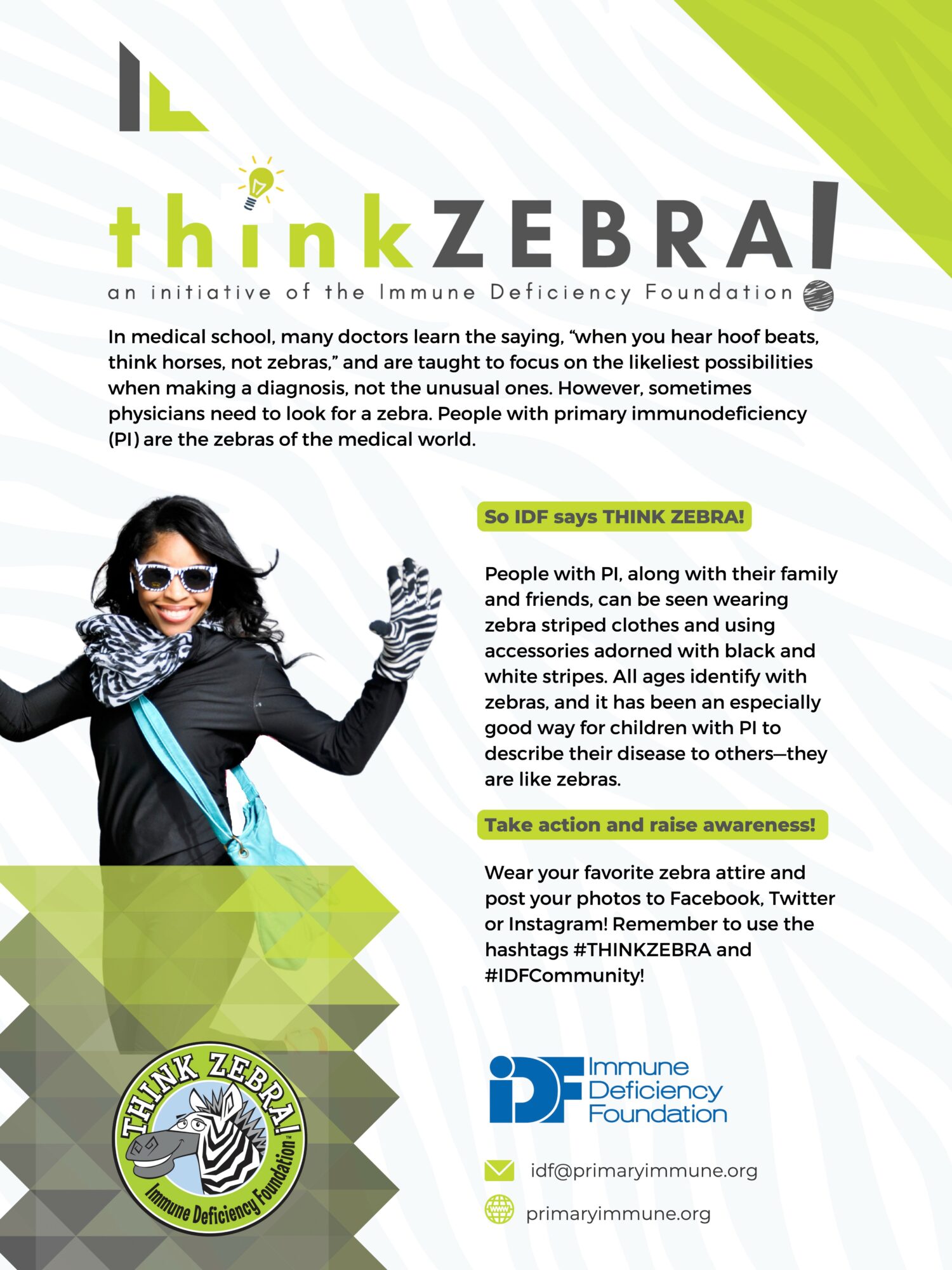
In August 2024, just as we were preparing to launch our beta, I was diagnosed with pneumonia. What followed were five urgent care and ER visits, appointments with a rotation of specialists, and months of illness. Nearly a year later, imaging still showed a “mass consistent with pneumonia.” It was during this time that I also learned that I am a “zebra.”
Obviously, I wasn’t diagnosed as being a striped horse, but it was confirmed that I have a primary immune deficiency. The same health condition most often associate with “The Boy in the Bubble.” The specific type that I have is nowhere near as severe as what he battled, but I will require bi-weekly infusions of human immunoglobulin for the rest of my life.
For nearly two years, I’ve struggled with the basic function of breathing, recurrent infections, debilitating exhaustion, and medication side effects. There are many days that my brain is ready to go, but I absolutely cannot peel my eyes open or get myself upright and during these bouts of exhaustion, I struggle to communicate, either verbally or in writing.
I work a full-time, day job, at one of the leading entertainment and media companies. When you lead enterprise, international programs, you have a responsibility to your team and consumers to be fully present for 8 (or, often more) hours a day. Managing my health, especially considering the current state of medical care and insurance, became a full-time job of its own. Doing so in combination with my work and building Community, Serve Us from the ground up was definitely no easy feat.
We successfully launched our beta and pilot season focused on the LA Wildfire Recovery and Other Disaster Recovery and Prevention in June 2025, but the progress has been slower than originally planned. Illness comes with a lot of impacts, including to consistency, outreach and the ability to build relationships with potential partners, mission-aligned foundations and community resources at the pace this kind of work demands.
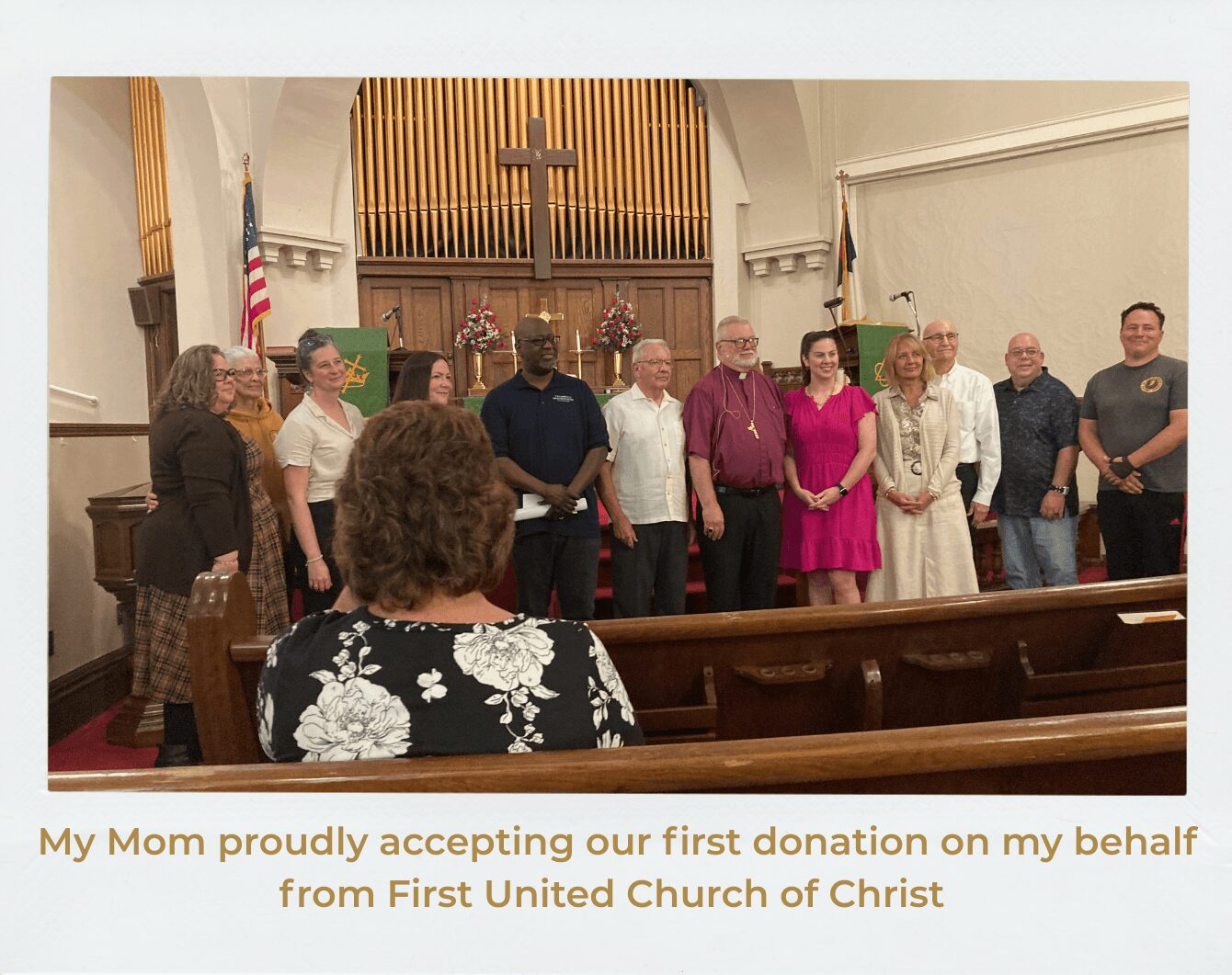
Where we have been very blessed is that once we’ve been able to share our mission and vision, the response has been incredibly strong, allowing us to align with really amazing supporters. We’ve had an exceptional Board of Advisors and the experts who contributed to our pilot season have continued to advocate for our work. I’m also unspeakably grateful that there exists a community of individuals willing to donate the lifesaving plasma that I require. It takes roughly 130 people to donate plasma annually to provide enough immunoglobulin to treat just one person with an immune deficiency.
Can you tell our readers more about what you do and what you think sets you apart from others?
Across humanitarian efforts, many nonprofits and community leaders serve the same populations but operate in silos, resulting in fragmented efforts and duplicated work. As previously discussed, traditional media rarely provides an unbiased, 360° view of complex issues and citizens lack a meaningful way to organize in order to share their solutions, skills and lived experience.
There are so many people with valuable input and ideas. This is where our audience participation tools came from. Through features like chat, idea boards and forums in our user community, we empower everyone across the U.S. and elevate underrepresented voices to lend their ingenuity, passion, and experience to solving these issues. Community leaders from towns who don’t get a lot of media coverage can share how they have found success, introverts and those with amazing ideas who don’t know how to get them in front of decision makers can interact directly with community leaders and share with our nationwide audience.
We aren’t just about finding solutions. We also support enabling them. We are currently building out our “Tribe Builder” resource request workflow that allows our users to create profiles highlighting special skills they’re willing to contribute to organizations and causes in which they believe. When a solution is identified, our partners can send targeted resource requests to activate the exact support they need from skilled volunteers to funding partners. While some challenges require capital, many can move forward through coordinated expertise and community engagement.
Community, Serve Us, a fiscally sponsored project of the non-profit, KARMANT Learning, addresses the need for a single, unified solution where everyday citizens, community leaders, and experts can come together to investigate the root causes of today’s biggest challenges, identify solutions that often involve a multi-disciplinary approach, and find the resources to act on these solutions.
We create seasonal, episodic content. Each season, tackling a different humanitarian crisis in a different city in the U.S. Our non-partisan storytelling platform allows the voices of all affected parties to share their lived experience and unmet needs. Through integrated immersive and VR experiences, live dialogue, AI-powered data aggravation, and a vibrant user community, users interact directly with decision makers, shaping policy, outcomes and our future by crowdsourcing actionable solutions.
Identifying the value of our proprietary platform, we created Studio Kula by Busko, Allen, Bodosi & Stefuliga LLC (“Studio Kula”), the parent company of Community, Serve Us and owner of our technology. A game-changer from social impact to entertainment, our solution is configurable and will be licensable by individuals, SMBs, corporations, and enterprises seeking to improve marketing outcomes, boost engagement, and grow profitability. We specialize in immersive digital environments that allow users to engage with content, ideas, and each other in ways that spark connection, ignite curiosity, and bring stories to life. We’ve developed a number of user journeys to demonstrate the value of our features across verticals. Studio Kula also gives us the opportunity to fund the critical work we do through our non-profit arm beyond annual donor and sponsorship drives.
Are there any books, apps, podcasts or blogs that help you do your best?
I don’t find myself as inspired by books, apps or podcasts as I do by my everyday human interactions. Most of my inspiration comes from the people I encounter throughout the day, whether it’s a colleague navigating a difficult moment with grace, a conversation that reveals something deeply human, or even a passing interaction while walking my dog.
Those moments consistently bring me back to what I see as the common thread across all of us: the need to be valued, understood, and connected.
That’s ultimately what drives my work.
Contact Info:
- Website: https://communityserve.us/
- Instagram: https://www.instagram.com/communityserve.us/
- Facebook: https://www.facebook.com/profile.php?id=61577254089871
- Linkedin: https://www.linkedin.com/company/community-serve-us/
- Youtube: https://www.youtube.com/channel/UCh-1obRnD-ZZID29_E8kTXA
- Other: https://www.studiokulamedia.com/
Popular
-
Los Angeles Barea on Turning Green Superheroes into a Global Movement for Youth-Led Change
-

Trisha DuVivier on Bridging the Franchisor–Franchisee Divide with Workhero and “Franulate”
-

Portraits of the Valley
-

LA’s Most Inspiring Stories
-
Cedar Boschan on Elevating Black Music Rights and Driving Urgent Conversations Around Credit, Equity, and Artist Protection
-

Robin Olive on Building an Inclusive Performing Arts Movement and Expanding Opportunities for Every Student


