



Today we’d like to introduce you to Brianna Young.
Brianna, we appreciate you taking the time to share your story with us today. Where does your story begin?
I started out in performing arts—music and theatre—and for a long time, singing and songwriting were my main creative outlets. But with everything that happened in 2020, there came a point where I found myself at a complete loss for words. I was emotionally overwhelmed and couldn’t sing or write lyrics the way I used to. That’s when I turned to visual art, almost instinctively. It gave me a new language—one rooted in gesture, motion, and texture. I started painting with my whole body, using everyday objects as tools, chasing a kind of subconscious release. What surprised me was how powerful it felt—not just as a form of expression, but as a healing experience.
That shift led me deeper into abstract painting and Jungian psychology, particularly shadow work—the process of confronting the parts of ourselves we often repress. My art began to reflect those themes: raw, intuitive marks that suggest something familiar yet elusive, triggering inner reflection in the viewer.
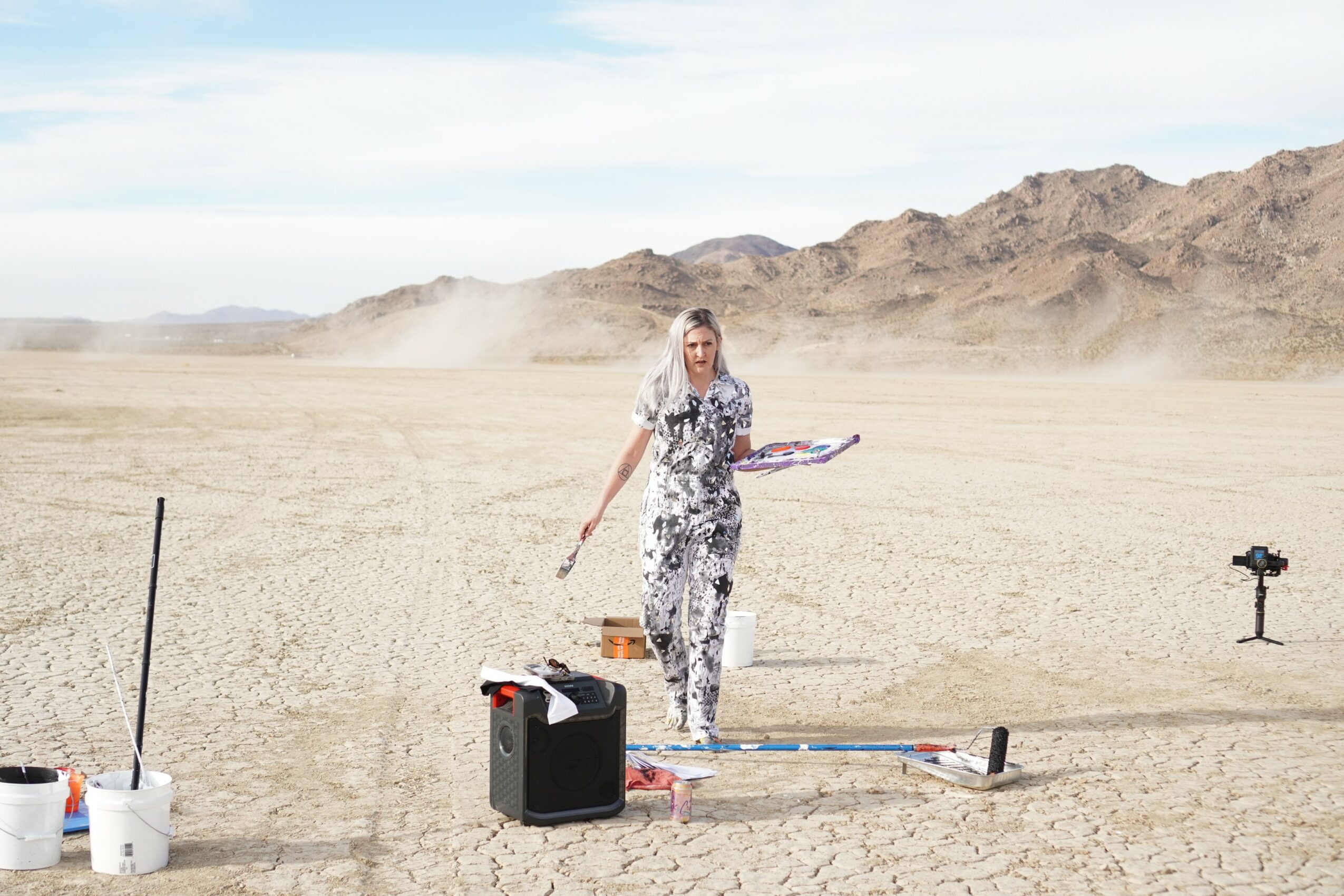
Now, after several years of focusing on fine art, I’m coming full circle. I’ve started writing music again and am preparing to release a new song and music video titled Unus Mundus, meaning “One World”. The song explores the balance of light and dark within ourselves, and ultimately, throughout the world. The music video features me painting an 18-foot-long canvas out in the desert, letting the landscape and the movement of my body guide the piece, and serves as a visual representation of that inner work. It’s dramatic, messy, and honestly one of the most exciting things I’ve done. For me, painting, music, and movement are all connected—they’re different languages for the same story I’m always trying to tell.
We all face challenges, but looking back would you describe it as a relatively smooth road?
The path hasn’t necessarily been an easy one, but certainly inspiring and full learning! When I transitioned from music and performance into visual art, I was actually overflowing with creativity—it felt like I had finally found the medium that could hold everything I was feeling but couldn’t put into words. That part was exciting and full of momentum. But emotionally, I was still nervous. I had built a bit of an audience through my music, and I wasn’t sure how people would react to such a big shift into abstract painting.
To my surprise, the support came quickly and sincerely. Very early on, I was contacted to have my work featured in The World of Interiors, and the feedback I received from viewers really blew me away. People were connecting with the work in a way that felt deeply personal—and that gave me the courage to keep exploring this new language.
Now that I’ve been painting for a few years, one of my biggest ongoing challenges is managing my ADHD and Dyslexia. I tend to push myself hard, take on too much, and then burn out—sometimes needing to step back completely to recover. That cycle can be tough to navigate, especially when I’m in love with what I do. I’m learning to work with my brain rather than against it—to build in rest, to honor my creative rhythms, and to trust that stepping away is sometimes part of the process, not a failure. I think a lot of artists go through similar cycles, especially when you’re passionate about your work and trying to do everything at once. Finding balance—between rest and momentum, creativity and structure—is an ongoing process for me.
But every struggle has helped me understand my process more deeply. It’s taught me to be more compassionate with myself, to trust the ebb and flow, and to honor the rhythm my brain and body actually need—not the one I think I should follow.
As you know, we’re big fans of you and your work. For our readers who might not be as familiar what can you tell them about what you do?
Visually, my work is raw, abstract, and heavily layered—built on movement, texture, and the tension between control and spontaneity. I work mostly on large-scale canvases and often paint on the floor so I can move around the piece and interact with it physically. I use nontraditional tools—things like skewers, bubble wrap, found materials—to create mark-making that’s unpredictable and tactile. That’s something people tend to notice right away: the depth and variation in texture. There’s a sense that the surface has a history, like it’s been weathered or lived in.
I’m most proud of how my work invites people into their own subconscious. I’ve had viewers say that a painting reminded them of a place they’ve never been, or a memory they didn’t realize they had. I love that—it means the work is doing what I hoped it would: bypassing language and going straight to feeling. That’s where the real transformation happens.
What sets me apart is how I blend movement, psychology, music, and intuitive process into a visual experience. My background in performance shows up in the physicality of my mark-making, but also in the energy each piece carries. There’s a kind of rhythm to the way my compositions build—some areas are loud and fast, others are soft and quiet. It’s not just something to look at, it’s something to feel with your whole body.
Ultimately, my goal is to create work that doesn’t tell people what to think—but gives them permission to reflect, remember, and reconnect with themselves in an unexpected way.
In terms of your work and the industry, what are some of the changes you are expecting to see over the next five to ten years?
I think we’re in the middle of a huge shift already—away from gatekeeping and exclusivity, and toward accessibility, individuality, and direct connection. Artists aren’t waiting around for traditional institutions to “validate” their work anymore. With social media, online galleries, and pop-up spaces, we’re able to build our own communities, show our work on our own terms, and connect with collectors and viewers directly. I think that’s only going to grow.
There’s also a deeper hunger for authenticity. People are looking for art that makes them feel something—not just decorative pieces, but work that speaks to what it means to be human right now. That puts artists who work intuitively or conceptually, like I do, in a really exciting position. Viewers are more open to engaging with abstract or emotional work as a form of personal reflection or healing.
I also see more blending of mediums—visual art intersecting with music, movement, technology, and even psychology. Artists are experimenting with immersive installations, performance-painting hybrids, and more experiential formats. Personally, I’m excited by that because it mirrors the way I work: nothing is ever just one thing.
In the next 5–10 years, I think we’ll see a continued rise in interdisciplinary practices, artist-run spaces, and more demand for work that’s emotionally intelligent and spiritually curious. The industry is opening up—and the artists who are willing to stay true to their voice while evolving with the times are going to thrive.
Contact Info:
- Website: https://briannayoungart.com
- Instagram: @briannayoungart
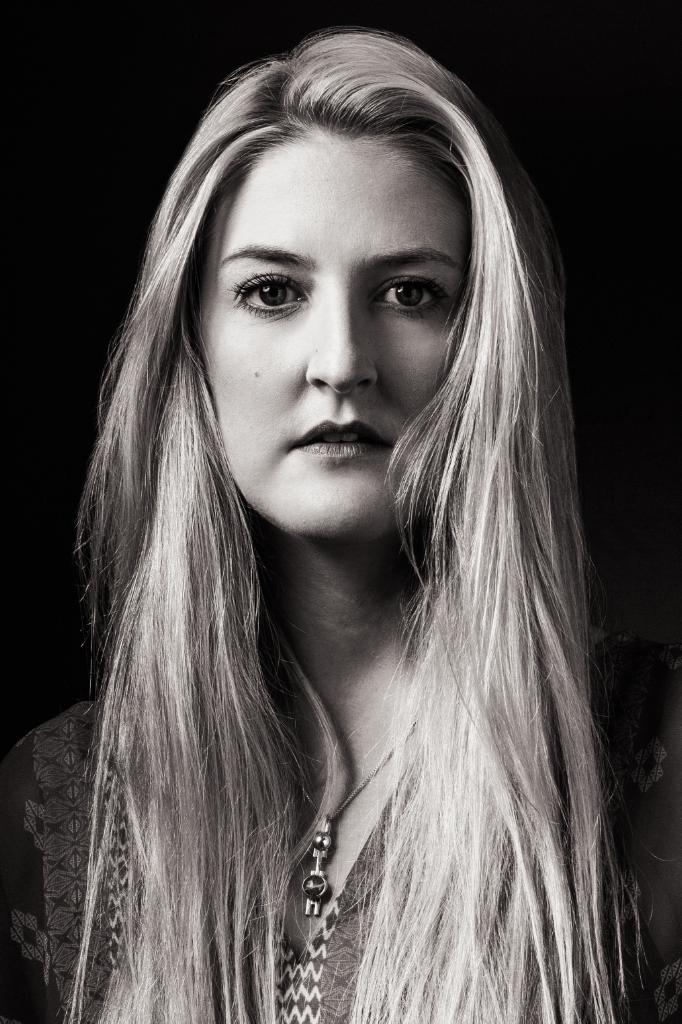
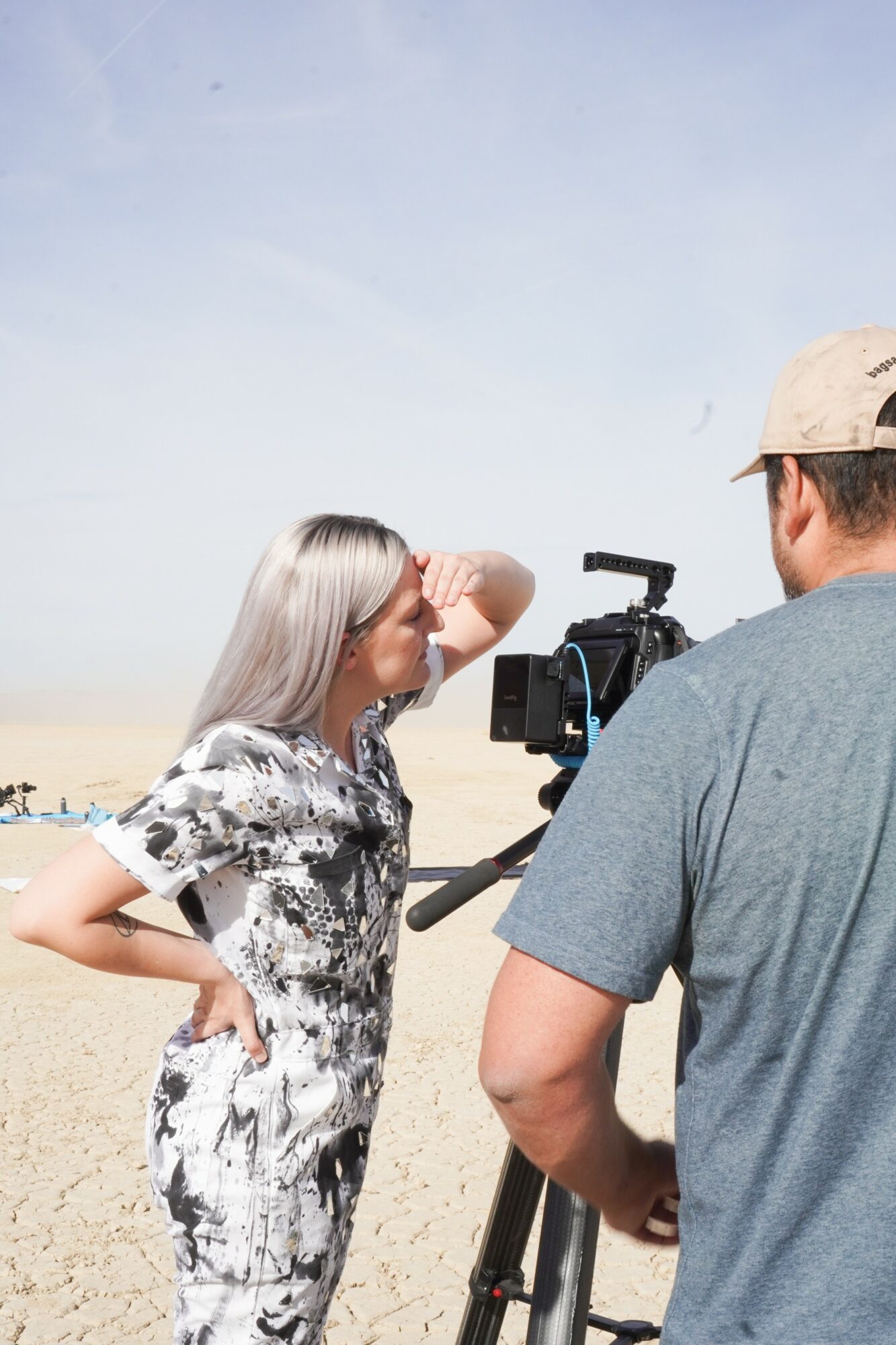
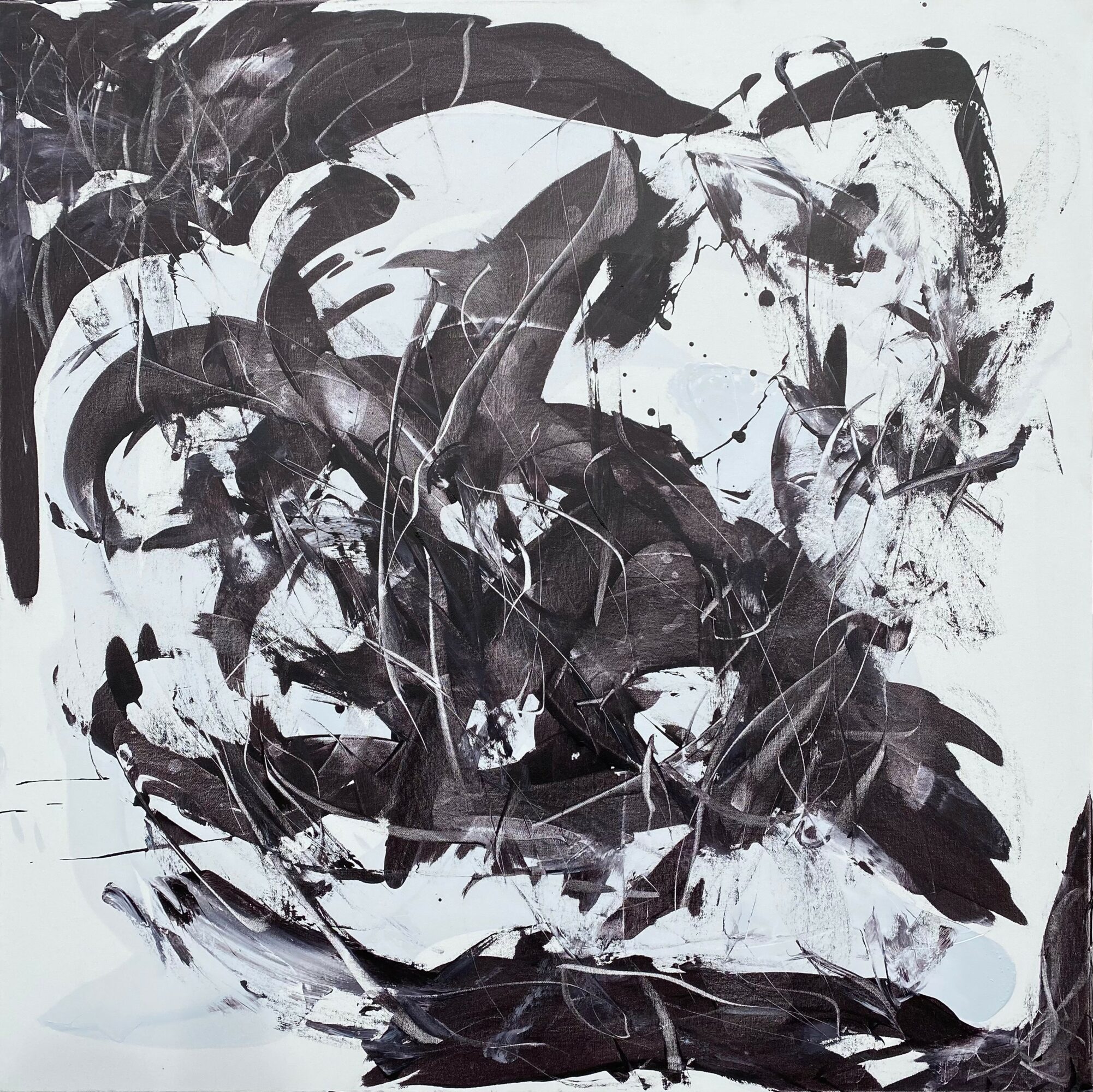
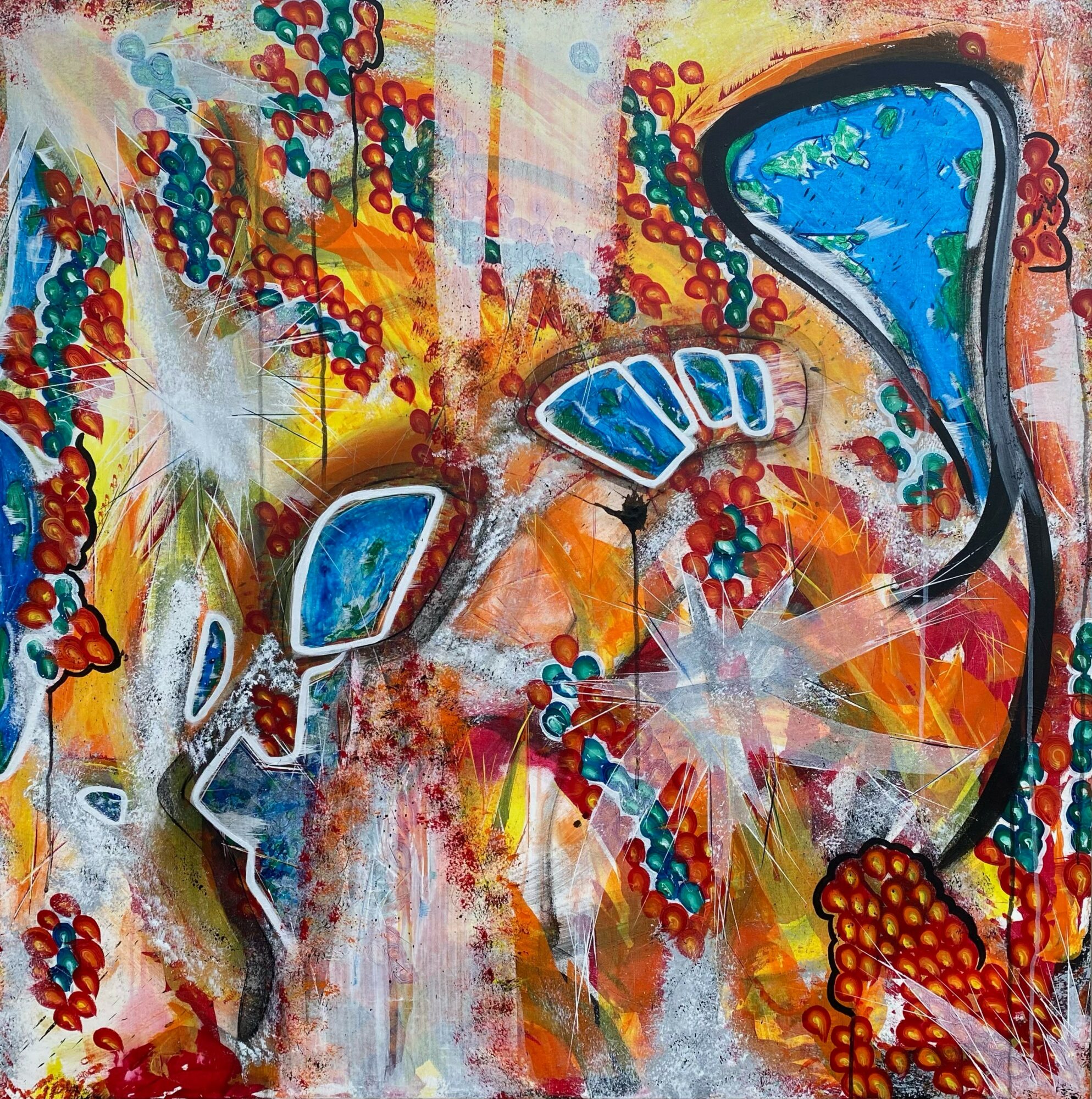
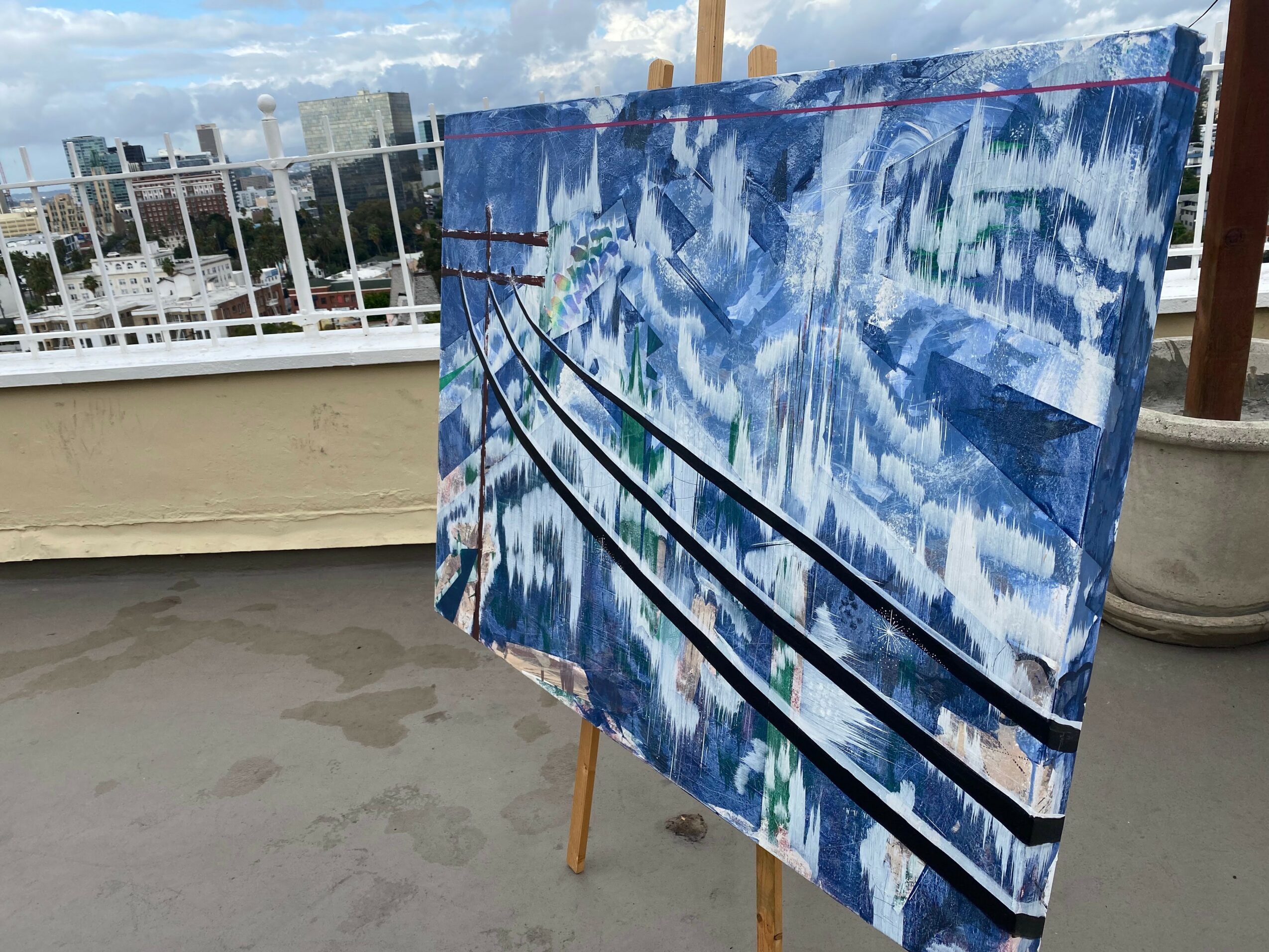
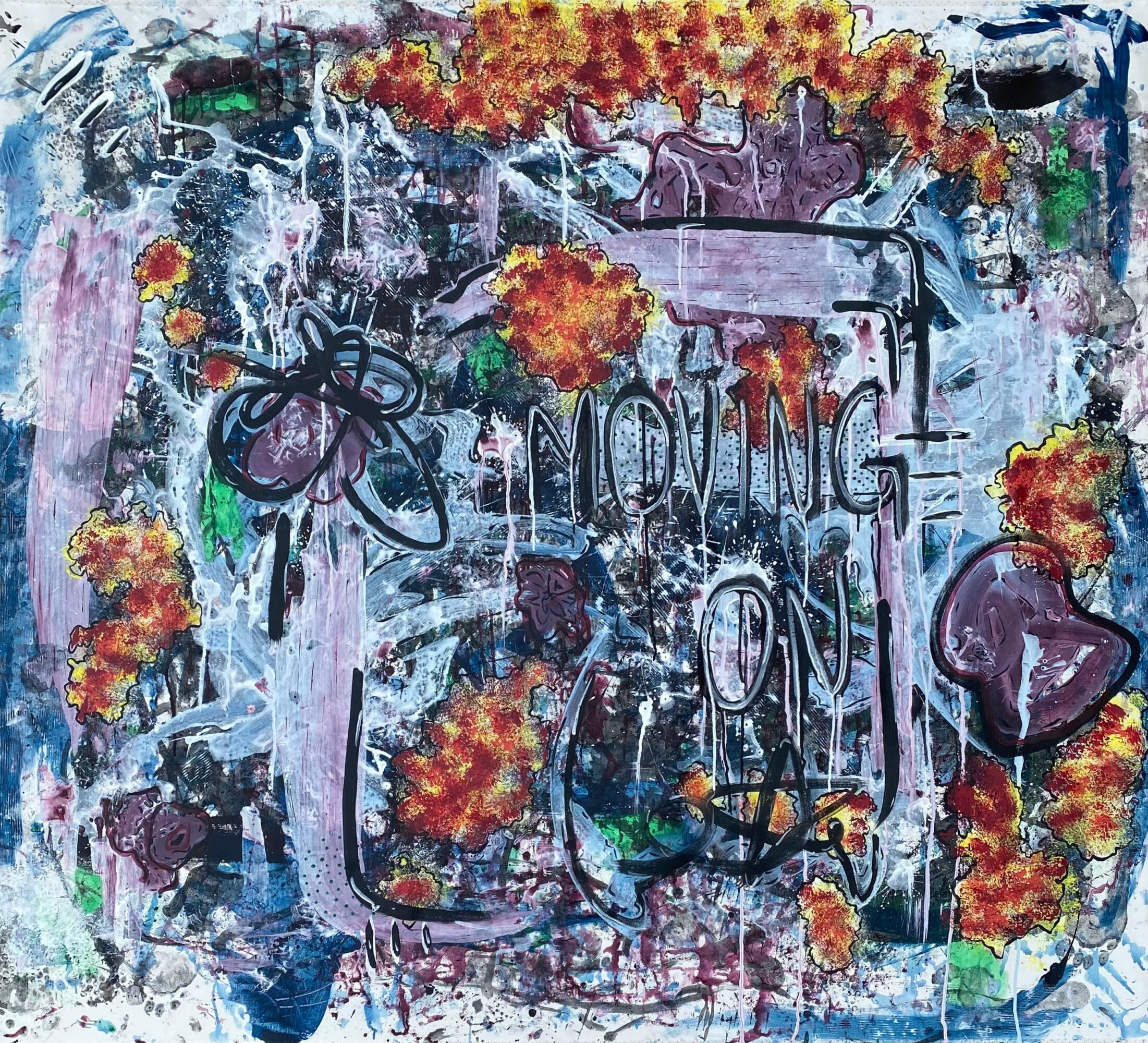
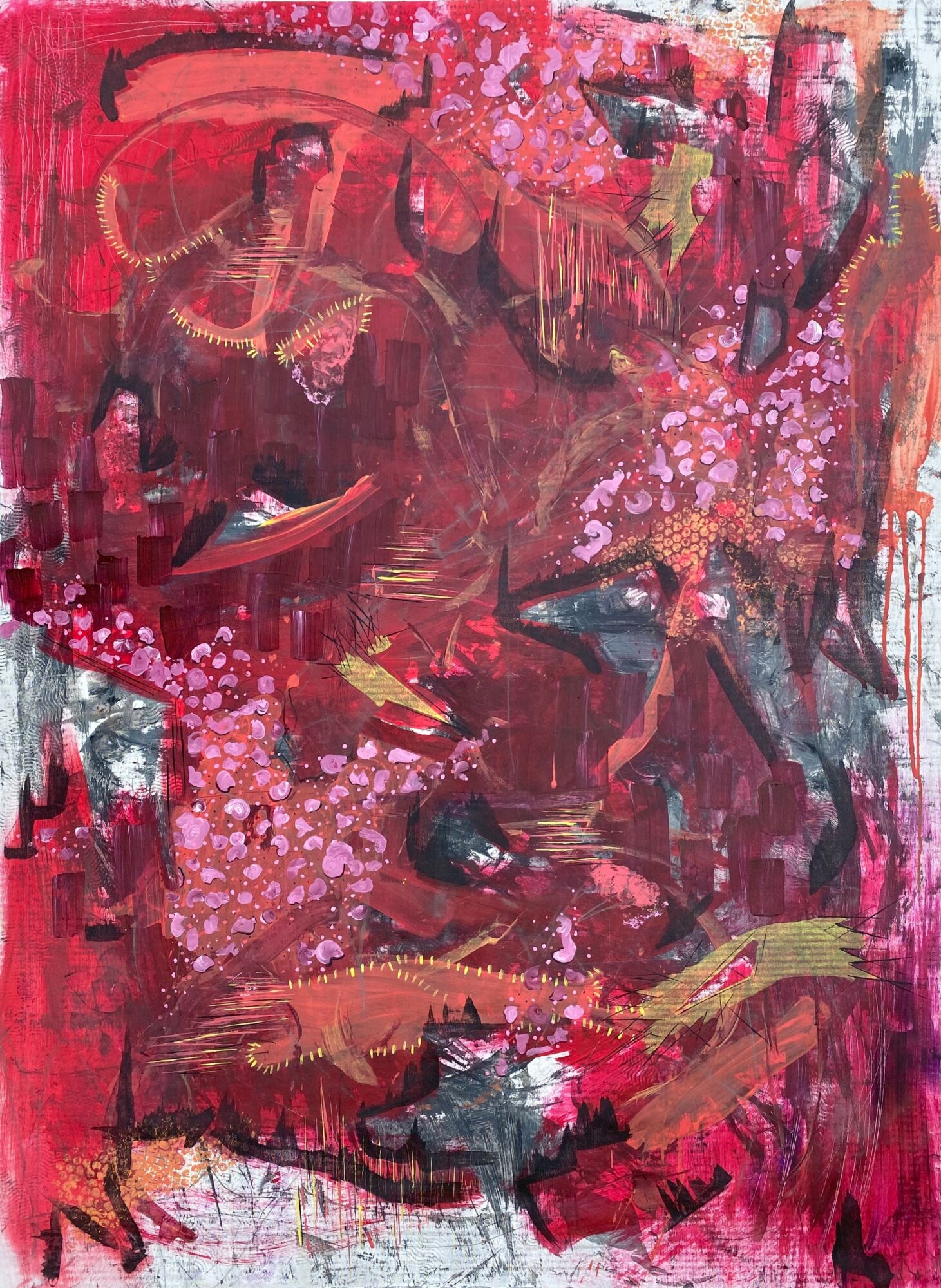
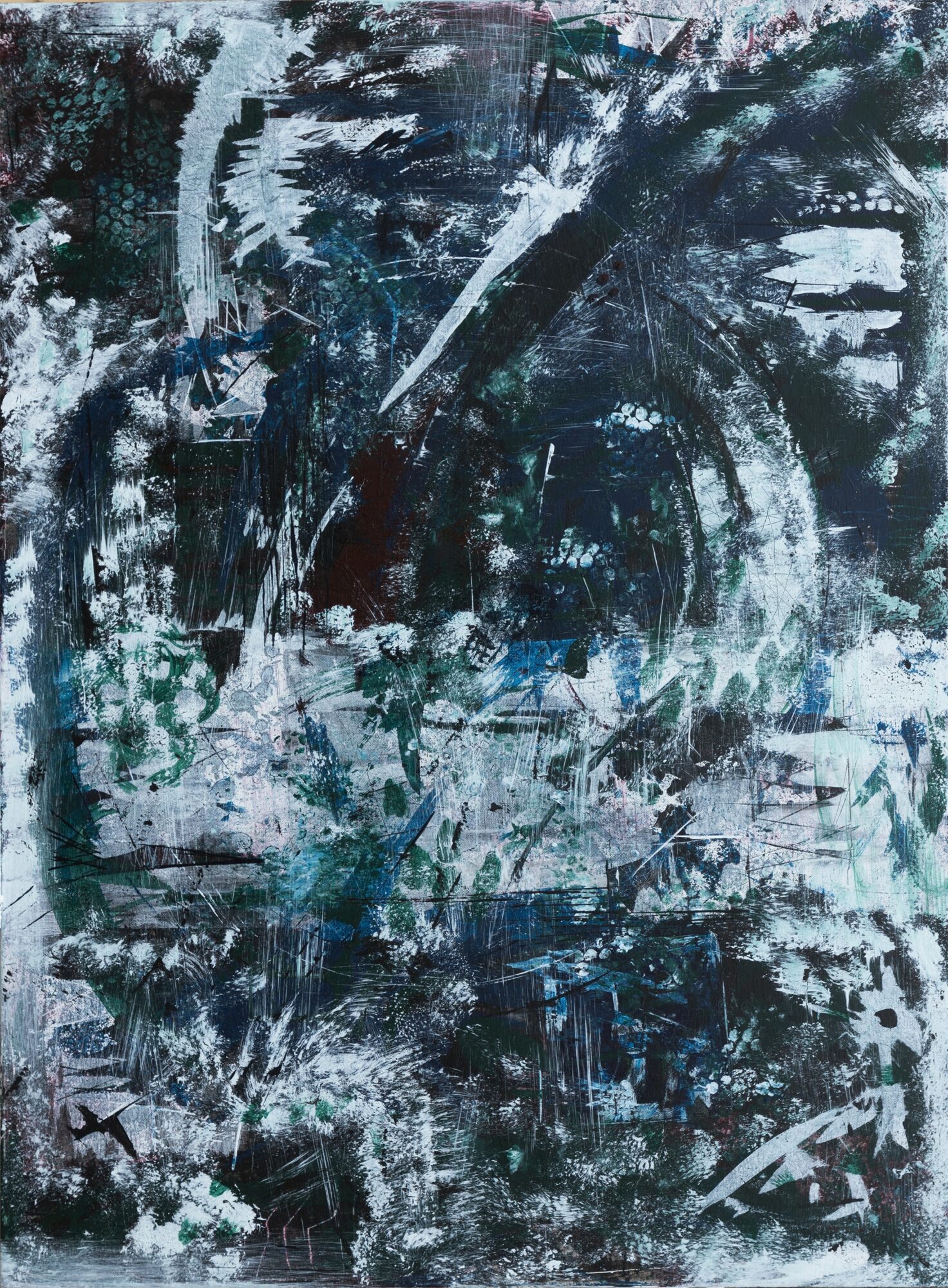
Image Credits
Main image in the desert and image of me looking in the camera: Özüm Oben Sendil – IG @ozumos
Black and white image of me: Siavash Hajizadeh – IG @portraitsbysia
Popular
-

Portraits of the Valley
-

LA’s Most Inspiring Stories
-

Greg Hex Is Turning the Everyday Kitchen Knife Into a Modern Design Object
-

Rick Norris Learned That Building a Successful Business Means Building a Life You Actually Want to Live
-
How Olivia Rush Turned Survival Into a Mission to Help Others Keep Going
-

How Bibi Goldstein Is Helping Entrepreneurs Reclaim Their Time by Embracing the Power of Delegation


