




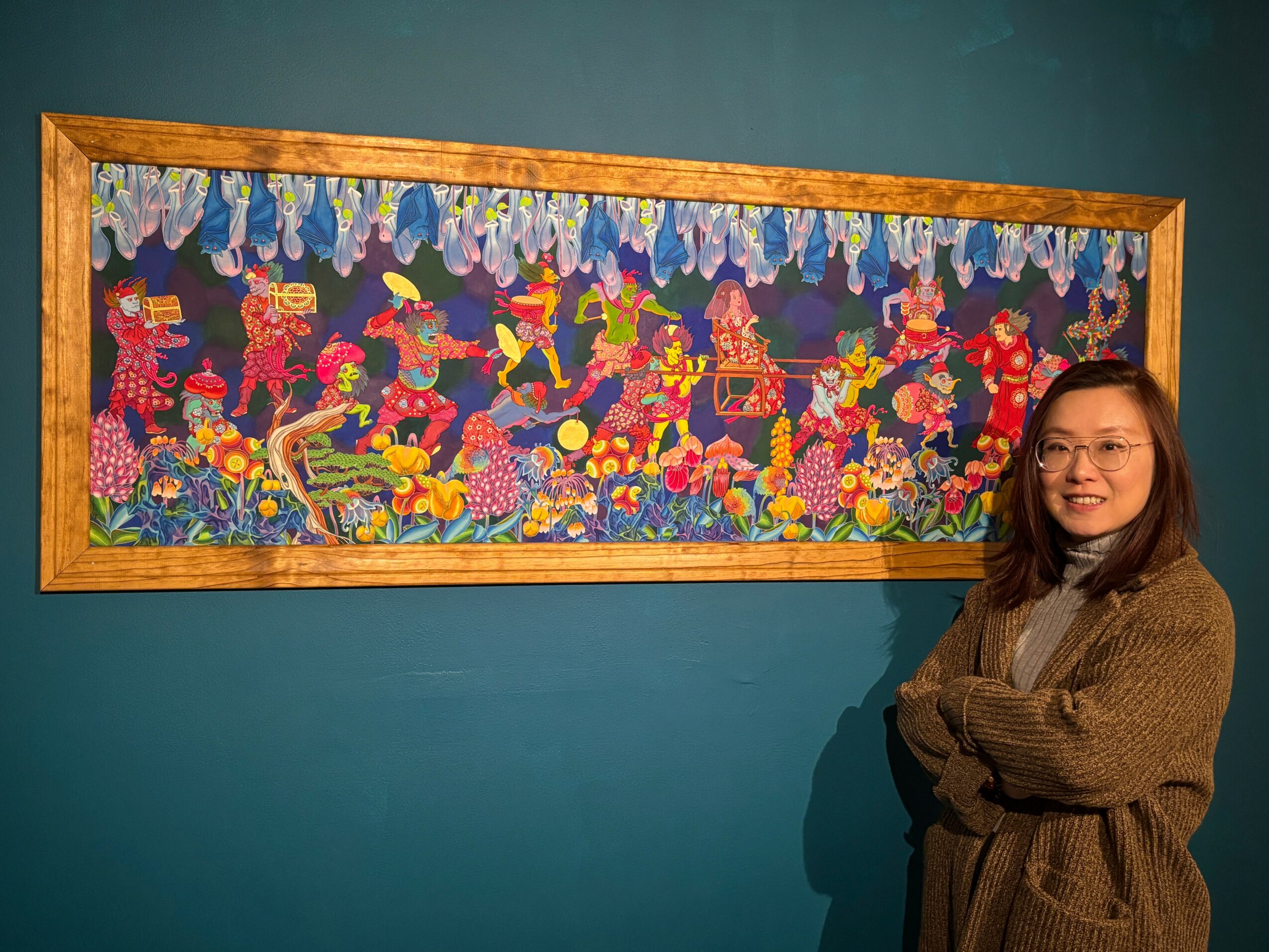
Today we’d like to introduce you to Ann Shi.
Hi Ann, so excited to have you on the platform. So before we get into questions about your work-life, maybe you can bring our readers up to speed on your story and how you got to where you are today?
I was raised in a home where visuals came before language. My father is a classical Chinese painting connoisseur and painter, and I still vividly remember the dance of his brush across rice paper—the rhythm, the stillness, the breath between each stroke. My mother, an opera singer and stage performer, brought another kind of expressiveness into our lives: full of sound, movement, and presence. These early memories shaped my senses long before I knew I’d work in the arts.
Like many first-generation immigrant, I first followed a more pragmatic path. I studied mathematics at Oxford University and worked in Manhattan as a risk analyst in banking for six years. It was a period of deep discipline and structure; but creativity always found its way in. I had a brief stint as a singer, and even when I was analyzing financial models and data, I found myself drawn to the concepts of form, pattern, and interpretation, that echoed my upbringing.
Eventually, I transitioned fully into the arts, earning a master’s degree in Art Business and stepping into curatorial practices. I was fortunate to work under brilliant mentors—first at the Moody Center for the Arts, and later at the Chao Center for Asian Studies at Rice University, where I served as assistant and then associate curator. Those years sharpened my eye and taught me to move fluidly between scholarship, institutional systems, and artists’ lived realities.
Today, I run a nomadic curatorial project space called “a poco art collective,” now based in Culver City. “A poco” means “a little,” drawn from “poco a poco”—a musical term—and also from the casual Italian and Spanish phrase that captures the spirit of my practice: slow, minimal, and ritualistic. It’s not about grand gestures, but about care, intimacy, and attention to process. We present experimental exhibitions, rituals, and gatherings that sit outside the traditional gallery model—staged in living rooms, patios, public parks, and other temporary spaces. Anywhere art can become an offering and a shared experience.
My journey hasn’t been linear, but each chapter—mathematics, finance, performance, curation—has shaped how I understand structure, intuition, and storytelling. I still think about my father’s brushwork when I install a show: the balance, the restraint, the sense of timing. All of it is part of how I curate.
Would you say it’s been a smooth road, and if not what are some of the biggest challenges you’ve faced along the way?
It definitely hasn’t been a smooth road—but it’s been a meaningful one. Building an independent, nomadic curatorial practice outside the commercial gallery system has meant facing constant challenges around funding, space, and sustainability.
Financially, it’s been difficult. I don’t have institutional backing or deep-pocketed patrons, so each show requires scrappy creativity—whether that means working with limited materials, negotiating for spaces, or producing events with almost no overhead. Securing sponsorships or grants is often an uphill battle, especially when the work is experimental, diasporic, or outside the mainstream art market narrative.
There’s also the daily reality of running things solo: collaborating with artists, managing timelines, coordinating shipping and installation logistics, and trying to sell work or generate income in ways that still feel aligned with the spirit of the project. It can be overwhelming, especially when collaborators drop out or schedules fall apart—or when I’m simply exhausted from carrying everything on my back—literally, since my space is a fourth-floor walkup. Some months I feel like I’m just surviving. Other months, something lands, and I remember why I do this.
And yet, in the midst of all that, there’s been so much support—especially from the art community itself. I’m deeply grateful to the artists who’ve trusted me with their work, who’ve shown up wholeheartedly and been generous with their time, ideas, and presence. I’ve also been lucky to have a small but steady circle of supporters—friends, collectors, collaborators—who believe in what I’m building and have helped in ways both large and small, whether offering a backyard for a show or helping hang work late into the night.
The road hasn’t been easy, but it’s been filled with care, reciprocity, and genuine connection. And that, to me, is what keeps this work alive. Each exhibition feels like a small ritual of faith—in art, in community, and in building something slowly—poco a poco.
Appreciate you sharing that. What else should we know about what you do?
I am an independent and nomadic curator, and founder of a poco art collective—an experimental curatorial platform based in Culver City. My work explores the intersections of mythology, ecology, diaspora, and feminist ritual. I specialize in exhibitions that are site-sensitive, slow, and ceremonial—bringing together artists to spaces outside the white cube, to homes, gardens, parks, temporary spaces where art becomes an offering rather than an object for spectacle.
What sets my practice apart is the way I approach curation not just as a profession or role, but as a spiritual and philosophical path of practice. My parents are both artists and practicing Buddhists who have lived by the Five Precepts for much of their lives, which emphasize compassion, restraint, and mindfulness, that shaped my understanding of a lifelong journey of inner cultivation and refinement. I carry that into my work, where exhibitions are designed not just for visibility, but for alignment—of space, body, intention, and time.
In many ways, I see curation as a kind of contemporary witchcraft: part meditation, part ritual, part invisible labor. I often work with elemental philosophies—Feng Shui, Wuxing, Taoist cosmology. These frameworks guide how artworks are placed, how events are timed, and how stories unfold in a space. I’m less interested in trends or market validation, and more interested in creating temporal portals—spaces where something real can happen between the art and the audience, even if it’s quiet, even if it’s fleeting.
Recent exhibitions include “Nüwa’s Garden: A Summer Offering in Clay, Fire, and Water,” which brought together 24 artists in a multisensory exploration of ecofeminist myth and material transformation, and “Borders of Paradise: Liminal Creatures in the Floating World,” which reframed East Asian monsters and migration through a diasporic lens. In both, the curatorial framework was as important as the artworks themselves—a structure of care, context, and invitation.
What I’m most proud of is the trust I’ve earned from artists. Many of them are working through personal or ancestral traumas, or navigating multiple identities at once. My role is to hold that space with integrity. And despite the challenges—working without major funding, doing everything from transport to install—I’ve been able to build a rhythm of exhibitions that feel both rigorous and intimate.
Each project is a kind of small invocation. And “poco a poco”—little by little—that’s how I hope to keep building: through attention, presence, and care.
How do you define success?
I don’t define success in conventional terms—fame, money, institutional recognition. Those things may come and go, but they’re external. For me, success is a deeply personal and evolving experience. It’s about alignment—between my values, my work, and the way I move through the world.
If I can create a space—no matter how small—where an artist feels truly seen, or where an audience member has a moment of stillness, resonance, or unexpected reflection, that’s success. If I can wake up and know that the work I’m doing is in service of something larger than ego or market trends—that it is rooted in care, integrity, and curiosity—that’s success.
I also think of success as sustainability. Not just financial, though that matters, but emotional and spiritual sustainability. Am I still growing, listening, learning—without compromising my core values? Am I building relationships that nourish? Am I able to slow down and practice “wu wei” without the burden of worry from the social definition of success? That, to me, is a quiet form of success—one that isn’t flashy but feels honest and lasting.
In many ways, I treat my curatorial practice like a long ritual or 修行—a disciplined path of spiritual cultivation or self-refinement through practice. So success is not a destination; it’s the daily practice of returning to intention, even when things are chaotic or uncertain. A good day writing in the studio, a thoughtful exchange with an artist, a show that feels held rather than rushed—that’s success to me. And it looks different every season.
Success, for me, isn’t the finish line. It’s an ongoing practice of staying compassionate, curious, and connected—to the work, to others, and to myself.
Pricing:
- Curatorial Advisory: I am available for curatorial collaborations with institutions, project spaces, and private collections. Fees vary by scope.
- Acquisition Advisory: Works featured in a poco art collective exhibitions are often available for acquisition through direct inquiry. Prices generally range from $300 to $15,000, depending on the artist, medium, and scale. Please email me (ann@apoco.art) for a current price list or to schedule a studio visit.
- Speaking Engagements and Writing: Honoraria for public talks, walkthroughs, or commissioned essays typically range from $500 to $2,000, depending on the format and research involved.
- Art Appraisal Services: I offer USPAP-compliant appraisal services for private collectors, estates, and institutions. Hourly rate available upon request.
- Collector’s Circle / Anchor Patron Program: a poco art collective offers a limited-entry Collector’s Circle program for patrons interested in long-term collecting and impact-based support. Annual tiers begin at $1,000/year, which includes private previews, studio visits, and early access to exhibition works.
Contact Info:
- Website: https://www.apoco.art/
- Instagram: https://www.instagram.com/a.poco.art.collective/?hl=en
- LinkedIn: https://www.linkedin.com/in/ann-shi/
- Youtube: https://www.youtube.com/@apocoart
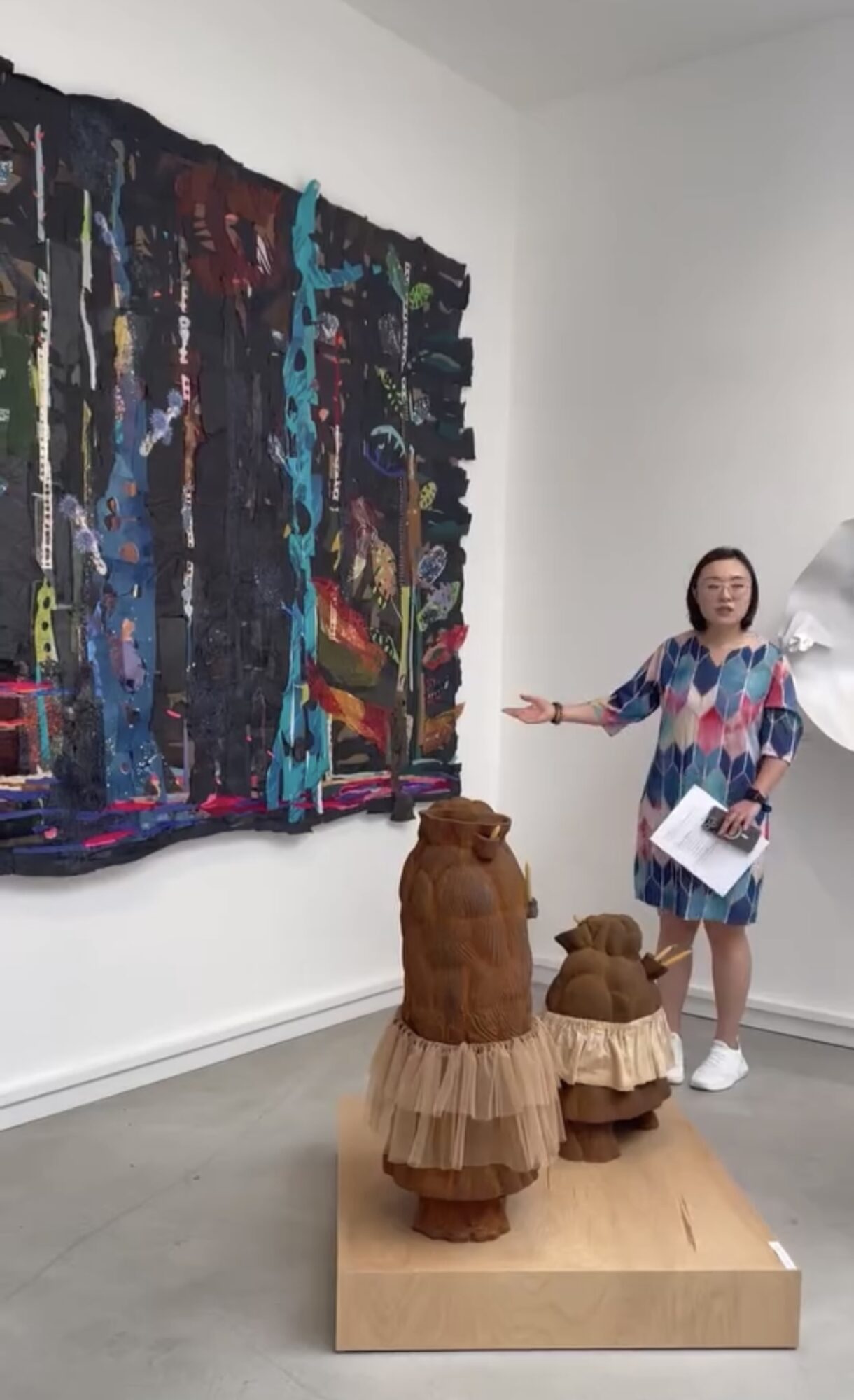
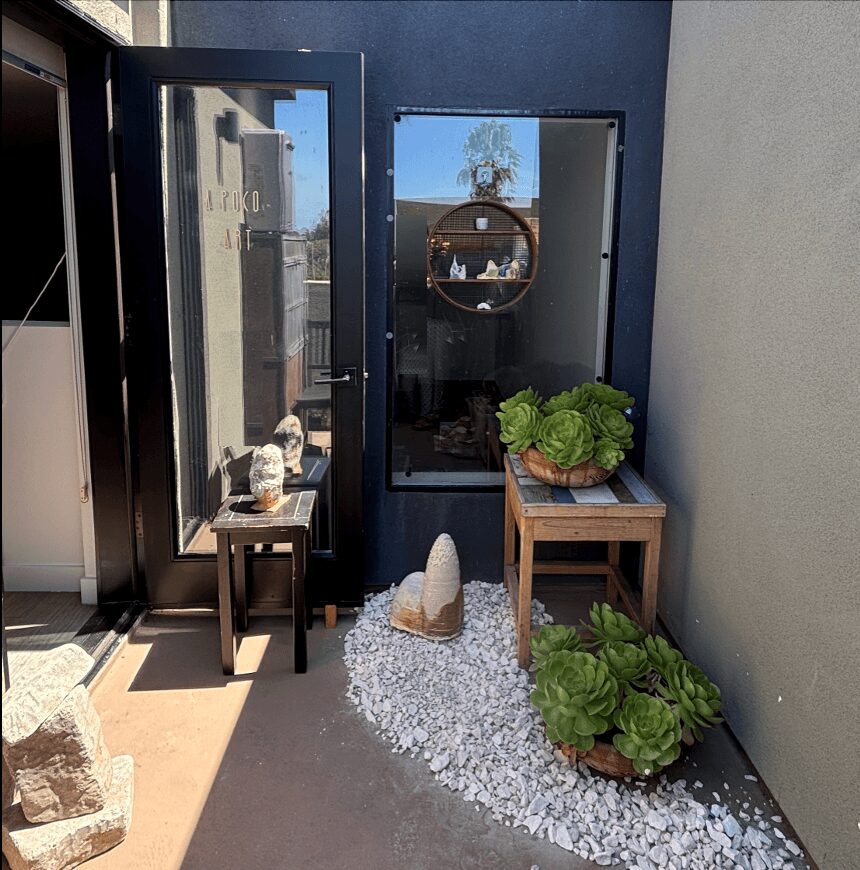
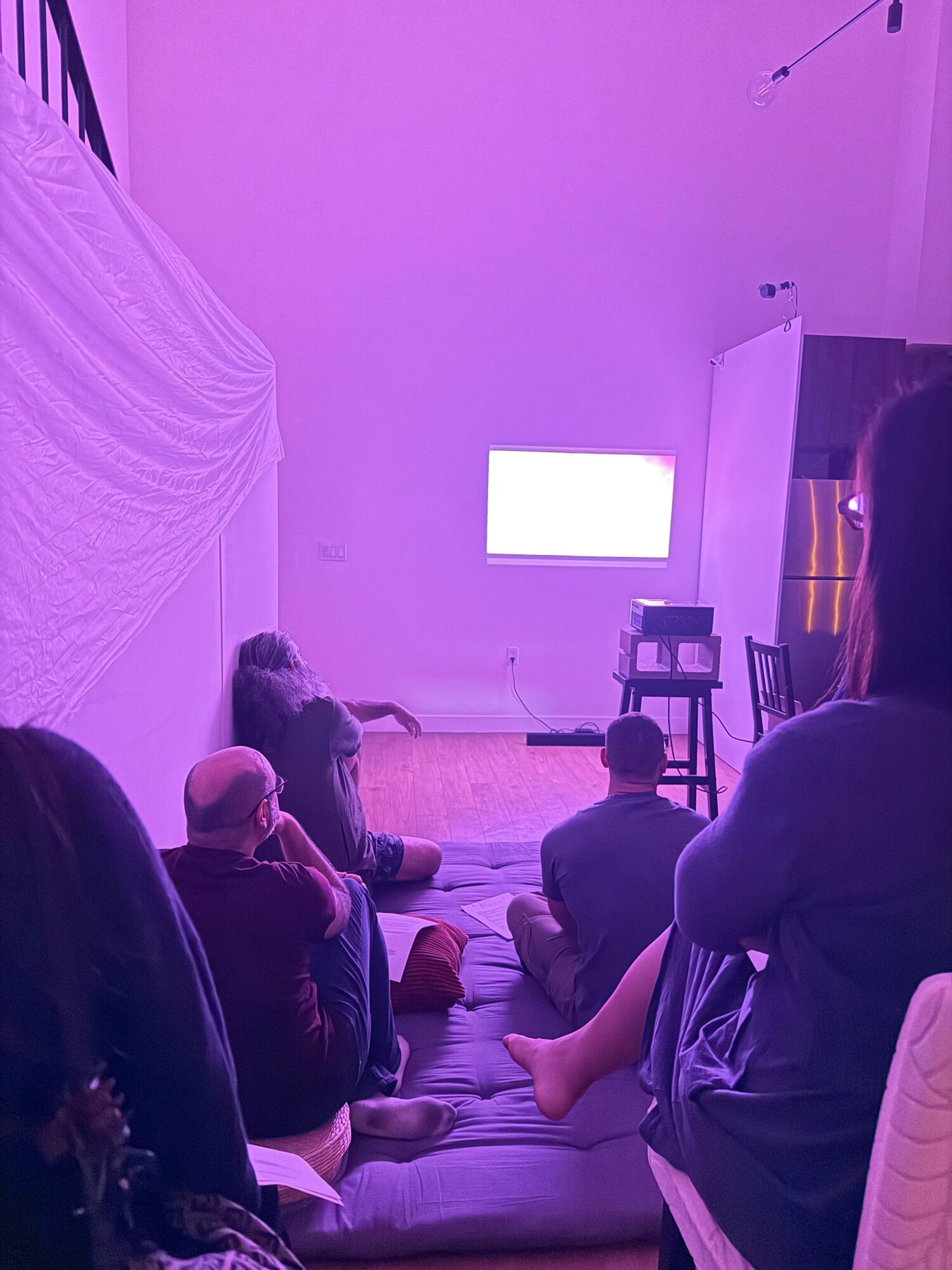
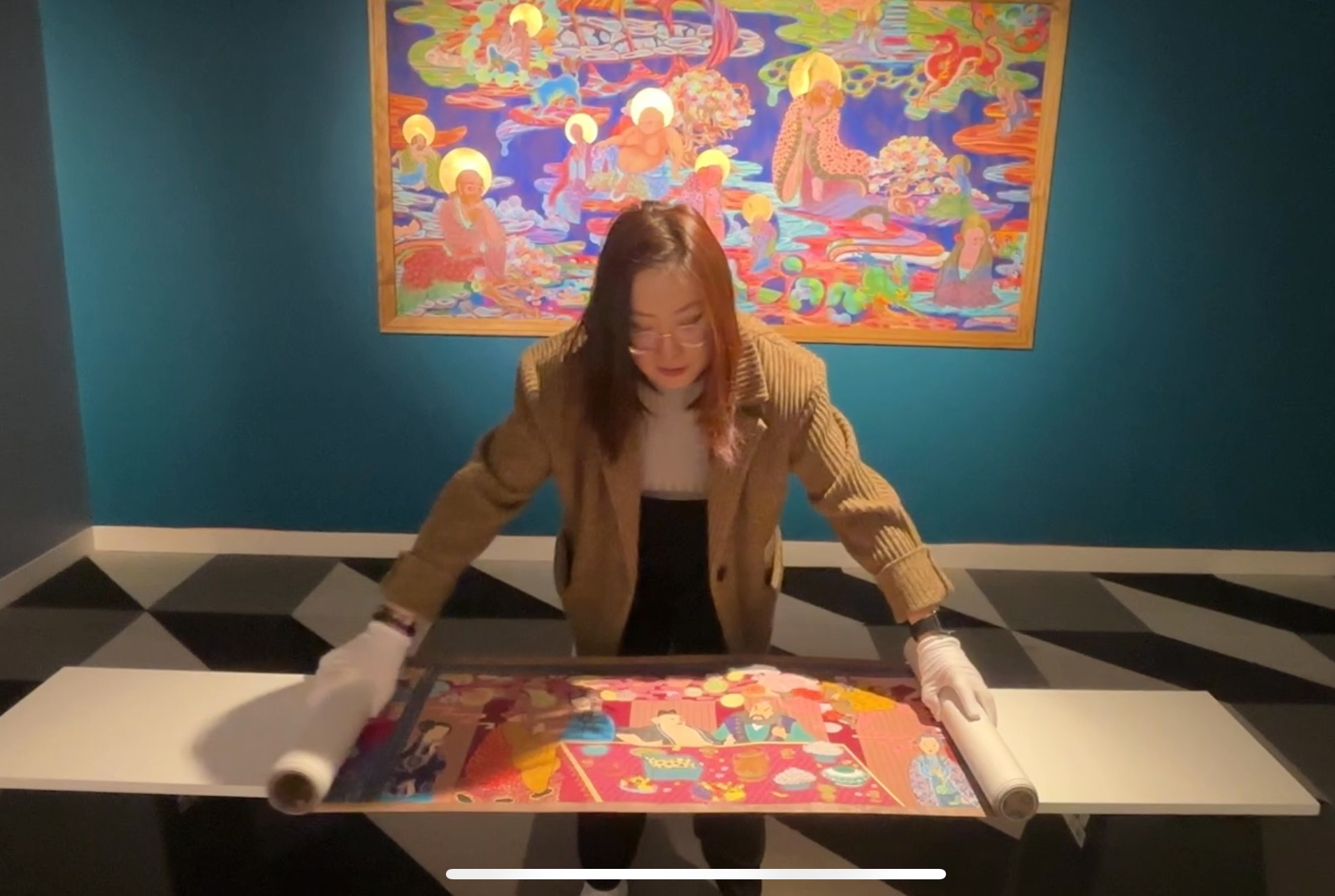
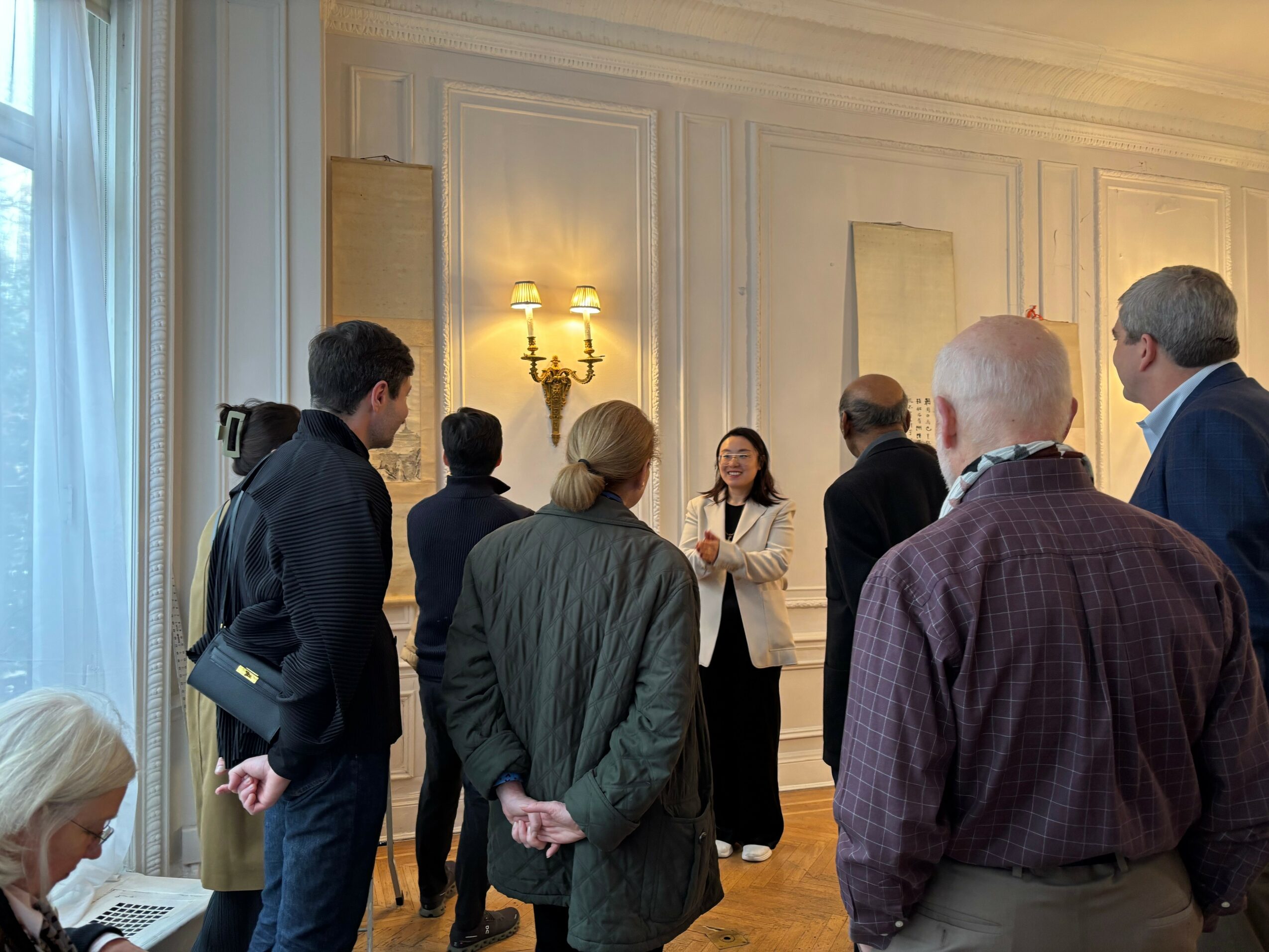
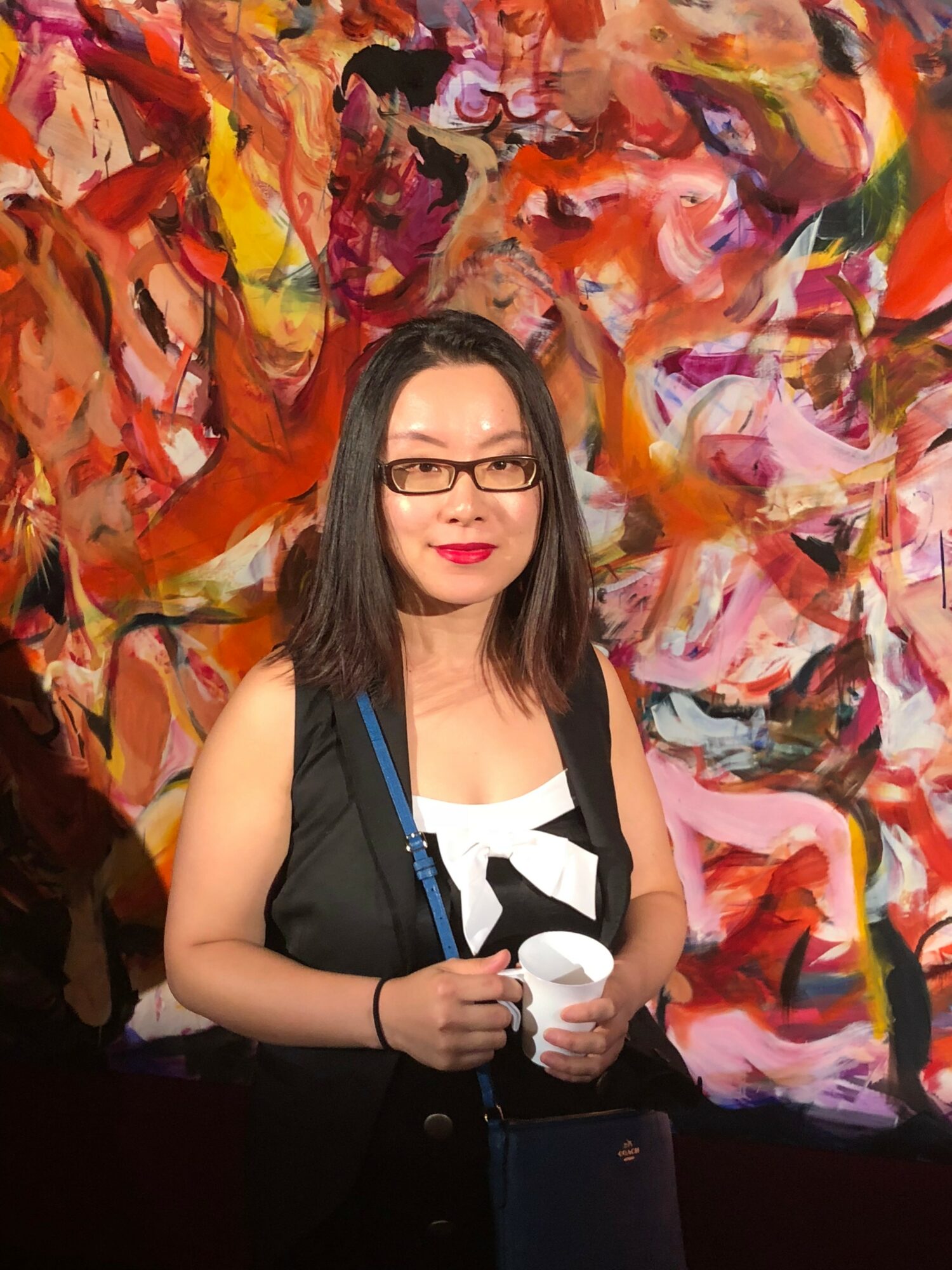
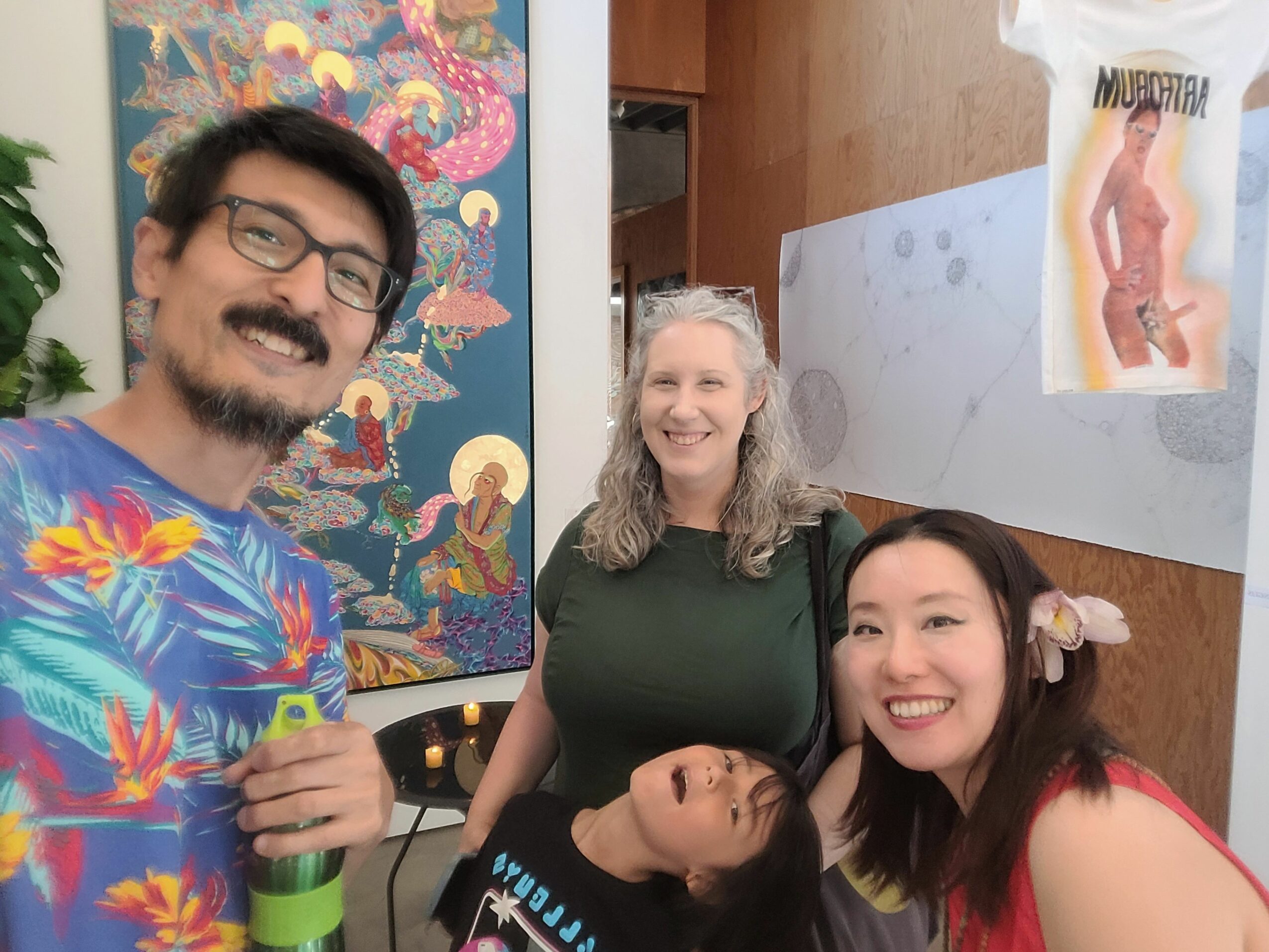
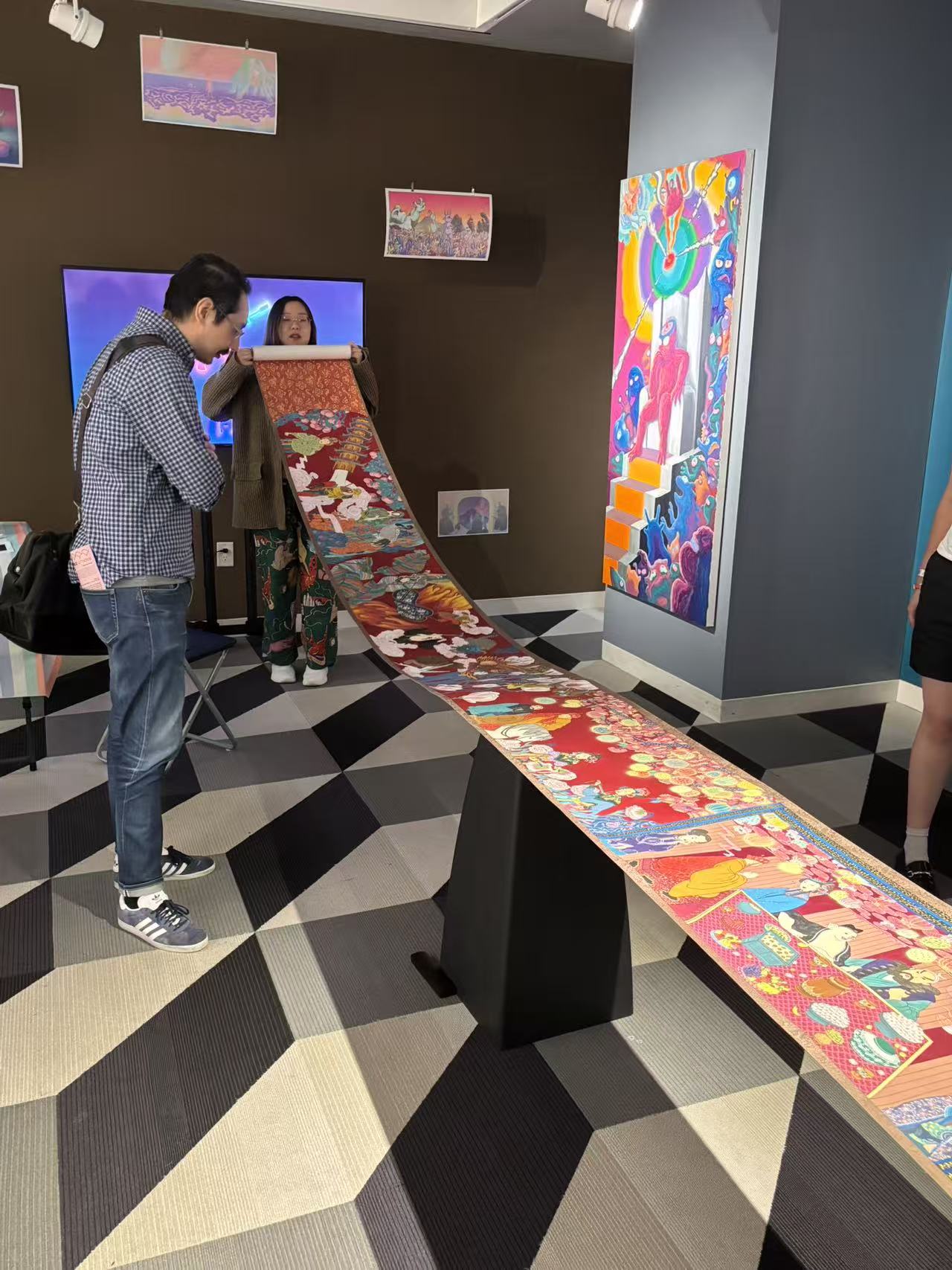
Image Credits
Takashi Horisaki, Catherine Shi, Chuman Zhang
Popular
-

Robin Olive on Building an Inclusive Performing Arts Movement and Expanding Opportunities for Every Student
-

Portraits of the Valley
-

LA’s Most Inspiring Stories
-

Que Johnson on Building Brands That Last: From Visibility to True Market Authority
-

Christina Wren Steps Into the Director’s Chair to Tell Stories That Feel Like Home
-

JordanL on ‘Breathe,’ Belief, and Building a Movement Beyond the Music


