




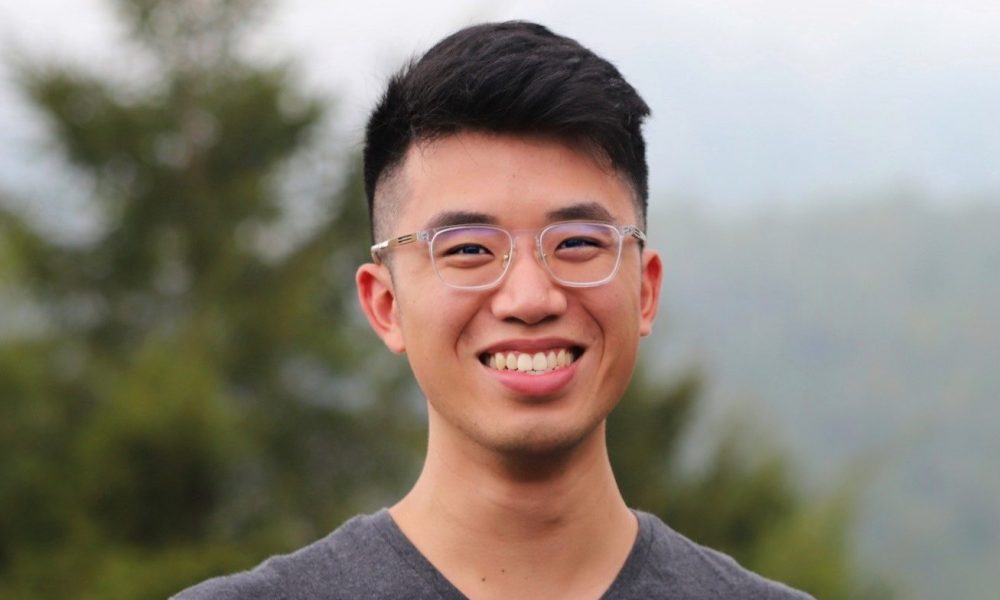
Today we’d like to introduce you to Andy Hsu.
Hi Andy, thanks for joining us today. We’d love for you to start by introducing yourself.
I was born and raised in Taiwan before coming to the US for college. Currently, I’m a final-year student in this interdisciplinary program that combines design, business, and technology at USC called Iovine and Young Academy.
Growing up in Taiwan, there’s always been a big focus on academics. A large part of the education system focuses on exams and memorization. Often, how you did on the college entrance exam would 90% determine where you’d end up for university. In middle school, each week you’d see how you rank among your classmates. As someone interested in multiple subjects, especially the arts, I found it suffocating. After trying out a summer program in the US, I decided to shift my path to aiming for studying abroad in college.
I stumbled upon this USC major when I was browsing through USC’s list of majors. The ability to explore multiple disciplines while having an education that integrates them appealed to me so much. As I learned more about it, it became obvious “this is it.” Throughout the four years in the program, I’ve learned so much. Whether it’s peers from diverse backgrounds with different strengths, the project-based curriculum with frequent collaboration, or the abundance of opportunities and free time to explore, I was able to prepare myself with the knowledge, skills, and experiences before officially starting my early adulthood.
One of the major lessons I’ve had early on is to be resourceful and chart your own path. Because everyone has such different interests, there’s no single “path of success.” Some people are big into tech while others are into entertainment. This diversity encouraged me to think critically about what I want, prompting me to take a gap year during covid.
My covid year in Taiwan was transformative for my personal and professional growth. I completed my military service in the Taiwanese army, took classes at a local university, explored product management as a career path, had a relationship, and helped built a life-coaching community. These experiences took me out of my usual American college bubble and met people with radically different worldviews and perspectives.
Professionally, I became super interested in learning how to build great software products. This made me decide to focus my early career on digital product design to hone my craft and practice execution. After coming back from my gap year, I was able to work with design consulting with Google Creative Lab, Adidas, and Roblox. Most recently, I interned at Amazon in Seattle working on their enterprise HR tool serving global Amazon employees. It gave me a taste of designing at a world-class company at scale, but I realized I wanted to join a fast-growing startup with energy, community, and agility. So after college, I will be diving into the startup world joining a series B fintech startup Mercury!
Can you talk to us a bit about the challenges and lessons you’ve learned along the way. Looking back would you say it’s been easy or smooth in retrospect?
It wasn’t easy transitioning to a completely new culture and phase of life when I first moved to the US. Being far away from home, surrounding myself with insanely talented peers, and trying to figure out what to do in life were some sources of anxiety at the time.
Thankfully, I took a class about mindfulness first semester of school, and that really opened up my world to practicing meditation and learning to be self-compassionate. I realized my perfectionist tendencies and started to combat that by learning self-love. Instead of chasing unrealistic ideals, I tried accepting what I can’t control and working on what I can control. Learning to treat myself as how I would treat a friend was also a big mindset shift for me. Now, I’ve been practicing mindfulness for four years and it’s allowed me to slow down, appreciate the present moment, and be more resilient toward the ups and downs of life!
Besides that, it was also a bit stressful going through the product design recruiting cycle. There were just a lot of rejections, getting ghosted, or waiting in a state of limbo. Now looking back, it wasn’t a fun time but I definitely learned a lot through continually seeking help and getting feedback from mentors and designer friends. For anyone going through a similar journey, you got this! All you need is one yes! It’s a marathon, not a sprint!
Thanks – so what else should our readers know about your work and what you’re currently focused on?
I am a software product designer passionate about creating user-centric digital experiences and interfaces that solve specific problems. After school, I will be joining the fintech startup Mercury as a product designer working on creating financial tools that help startup founders on their entrepreneurial journey.
I started out my career working at startups as a designer, designing visual brand identities. Some of my early experiences include working as a graphic designer for USC’s football team, a photographer at Daily Trojan, and a design intern at an early-stage startup. Working in tech made me interested in product strategy, so I explored product management and management consulting through a couple of internships and projects during my gap year. After working on improving user retention at a leading chatbot provider in Asia and launching new products at the photo collage app PicCollage, I realized I enjoyed the craft of design so I decided to focus on product design early in my career.
Because of my diverse experiences, I was able to consult with companies like Google, Adidas, and Roblox on their design strategy, specifically on new initiatives and their future-shaping products. I then learned that I want to see the solution I came up with iterate over time, so in-house might be a better place. This brought me to design at Amazon. I realized even though big tech is a great place to learn processes, I’d prefer a startup environment where I have more ownership and faster feedback cycles. This realization made me intentionally look for smaller companies and led me to the awesome team at Mercury.
In the beginning, I thought I was behind a lot of my peers because I didn’t have a clear path to focus on. However, in hindsight, I realized it’s because I’ve been through the windy road of exploring all these different career explorations and having unique experiences like being in the military and taking a gap year that made me stand out from others. They gave me the perspectives to think holistically and be open about new things, which have been immensely helpful as a designer.
In terms of your work and the industry, what are some of the changes you are expecting to see over the next five to ten years?
As artificial intelligence and generative art started getting more mainstream attention, there is going to be more practical application of AI in the day-to-day work of a knowledge worker, especially a designer. Mundane, repetitive tasks could be automated and complicated workflows can be streamlined to unlock creativity.
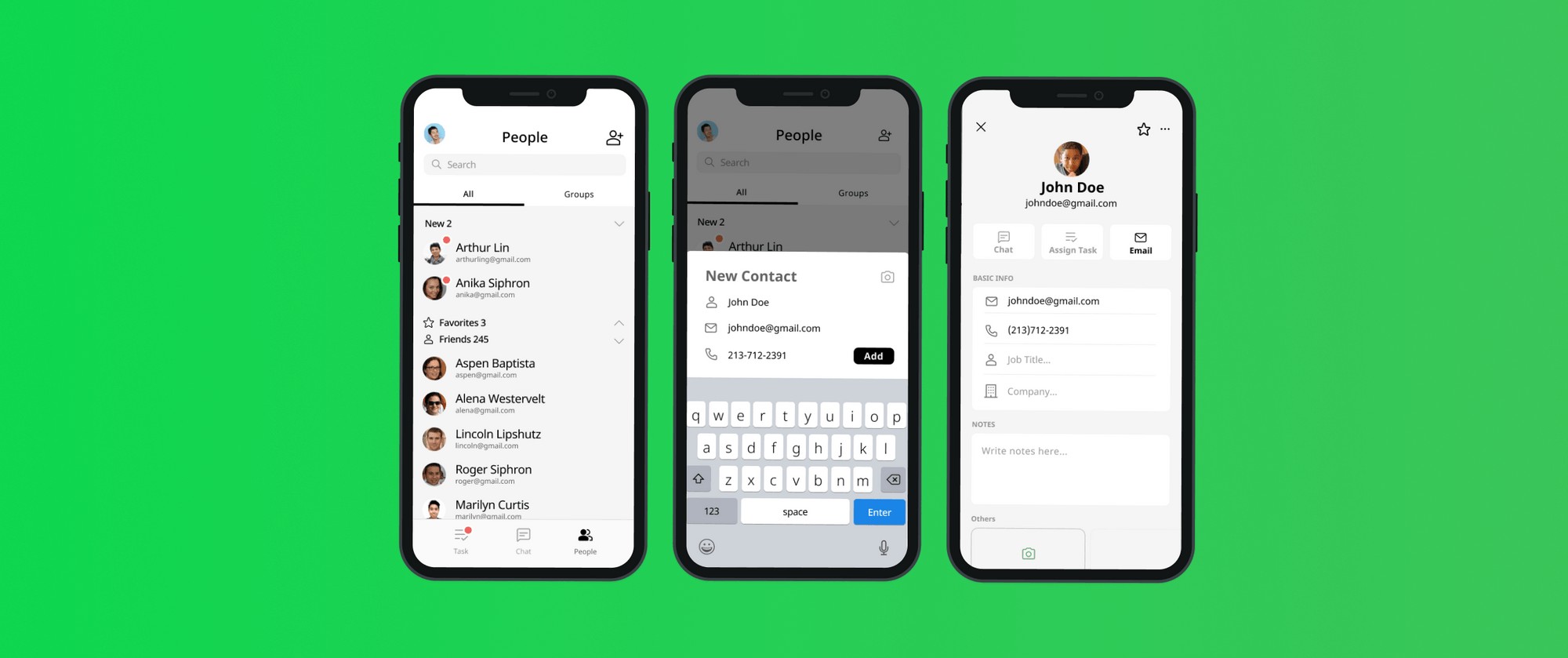
In addition, as the world continues shifting into remote work, the amount of time people spend on the Internet is only going to increase. This makes tools that augment people’s productivity and creativity super important. Currently, there’s been a massive adoption of notetaking apps like Notion or Roam that help people capture and record ideas. However, people still have to do it proactively, which has lots of friction and isn’t intuitive. Thus, the next wave of software would be integrated into knowledge workers’ existing habits, making the process of revisiting, keeping, and coming up with ideas as smooth as possible!
Contact Info:
- Website: https://andyhsu.co
- Twitter: https://twitter.com/andyhsuco
- Other: https://www.instagram.com/wisdomwaltz

Popular
-

Portraits of the Valley
-

LA’s Most Inspiring Stories
-
Robin Olive on Building an Inclusive Performing Arts Movement and Expanding Opportunities for Every Student
-

Que Johnson on Building Brands That Last: From Visibility to True Market Authority
-

Christina Wren Steps Into the Director’s Chair to Tell Stories That Feel Like Home
-

JordanL on ‘Breathe,’ Belief, and Building a Movement Beyond the Music


