




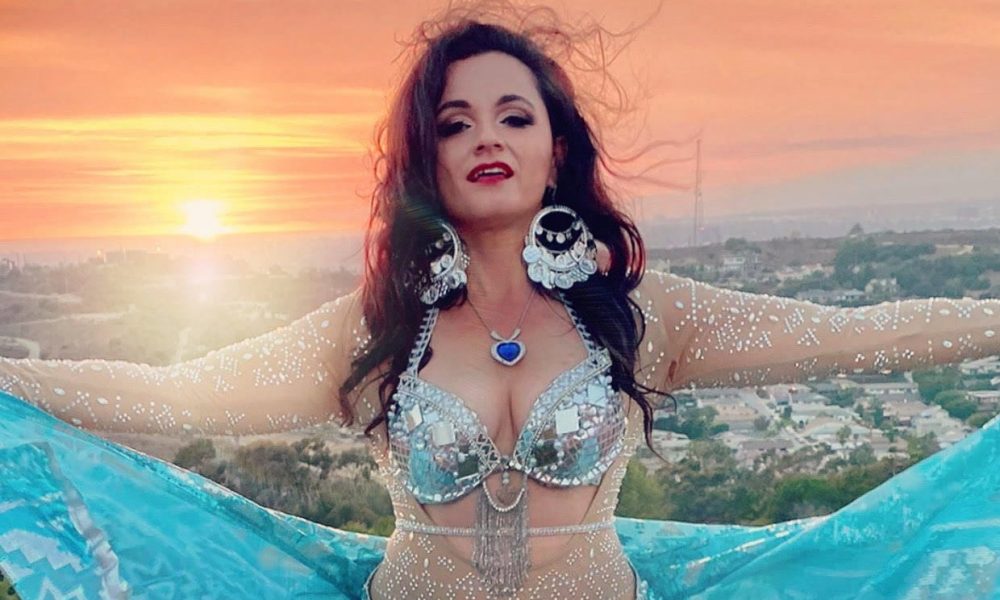
Today we’d like to introduce you to Adrianne Raqs.
Hi Adrianne, please kick things off for us with an introduction to yourself and your story.
Back in 2007, I was in a rut. I was physically inactive and really struggling creatively and mentally after completed my MFA degree in visual arts. Graduate school took everything out of me and I needed something fun to occupy my time while figured out my life. A friend of mine taught belly dance and performed professionally, she suggested I try out her classes as it could really help me find some fun and confidence. I figured why not?! And so I bought myself a coin hip-scarf and showed up. Little did I know this decision would change my life.
For a long time, belly dancing was just something fun I did once a week. I really enjoyed the music, the friendships I was making in class and learning to move my body in new ways. I’m very fortunate that my first few teachers were incredibly knowledgeable about the culture and meaning behind the songs and dances. So many belly dance teachers spread an orientalist fantasy of this dance style and it really hinders dancers and the public for appreciating the complexity and beauty this dance and culture offer. I didn’t realize it at that time, but my initial teachers set me up for success.
I had been casually taking classes for about five years when I was approached by a professional working dance troupe to join them. I figured why not give it a try? Then BAM! Quicker than lightning striking, I was gigging all weekend long at the hottest Arab-American clubs here in Southern California. I had “the look” and it helped me gain popularity. I was fortunate I was taught a lot about the culture as it relates to the dance as it helped me relate to the audiences as they sang along to songs I danced to. I soon learned that the heart of belly dancing is the connection and interaction the dancer has with the audience.
After a while gigging does wear out. It looks glamourous, glitter costumes, people clapping and cheering you on, wallets full of cash. But it wears on you after a while. It’s a fast and harsh life. You have to learn to stand up for yourself, set boundaries and always hustling for that next gig. When you gig, you’re dancing for the audience and what they want so the dance isn’t always creatively fulfilling. So I switched things up and decided to dance for just myself on my own terms. I stopped gigging, got a “day job” and got a dance coach and started really focusing on the dance and pushing myself technically and creatively in the dance.
I soon found myself working on amazing projects that help show this dance style as it should be, devoid of the stereotypical fantasy you see on most media outlets and showcasing the beauty and history of the dancers and musicians that make up this dance style. I was the associate producer on the award-winning film “The Fez Documentary” (produced by Roxxanne Shelaby) that looked at the rich history of the first Arab-American nightclub on the West Coast and its influence on dance music and the community. I worked with another dancer, Faizeh, to create some really high-level online shows during 2020 and 2021 that showcases dancers across the globe. Something that wasn’t possible before 2020.
I’m proud of how far I’ve come. From just a casual class student to a professional gigging dancer to a professional artist and producer. It hasn’t been an easy journey, but I’m forever grateful for it!
We all face challenges, but looking back would you describe it as a relatively smooth road?
One of the biggest struggles for me has been standing up for myself and what is right. During my nights as a professional dancer, it was hard speaking up. I was always taught to be polite and not to get into confrontations. But when you work as a dancer, there are always people wanting to take advantage of you, they either want you to work for free or they see all the tips you made and they want a cut. And you also have people looking down on you, thinking belly dancing is something frivolous and doesn’t require hard work. I’ve been told it’s just some “cute hobby”. Learning to stand up for what I deserve, whether it’s pay or respect took a lot of practice. But it’s helped me grow as a person, and I’m much stronger because of these struggles.
Thanks for sharing that. So, maybe next you can tell us a bit more about your work?
I’m most proud of showcasing how beautiful real belly dancing is. Not the fantasy version of it. The orientalist view of the dancer being mysterious and peeking out from a veil does a lot of damage to the view of Arabs in general. Simplifying them to a sexualized, orientalist view. When the dance as it is performed in their culture it is complex and has so many sides to it. I’m proud that I’m always striving to showcase that.
What sort of changes are you expecting over the next 5-10 years?
With the pandemic shaking things up in the belly dancing community, it dethroned a lot of big stars and let a lot of lesser-known dancers take the spotlight. I’m hoping in the next 5-10 years to focus more on dancers that are amazing at technique, expression and are good teachers, instead of just clout.
Contact Info:


Suggest a Story: VoyageLA is built on recommendations from the community; it’s how we uncover hidden gems, so if you or someone you know deserves recognition please let us know here.
Popular
-

Los Angeles Barea on Turning Green Superheroes into a Global Movement for Youth-Led Change
-

Trisha DuVivier on Bridging the Franchisor–Franchisee Divide with Workhero and “Franulate”
-

Portraits of the Valley
-

LA’s Most Inspiring Stories
-

Cedar Boschan on Elevating Black Music Rights and Driving Urgent Conversations Around Credit, Equity, and Artist Protection
-

Robin Olive on Building an Inclusive Performing Arts Movement and Expanding Opportunities for Every Student


