




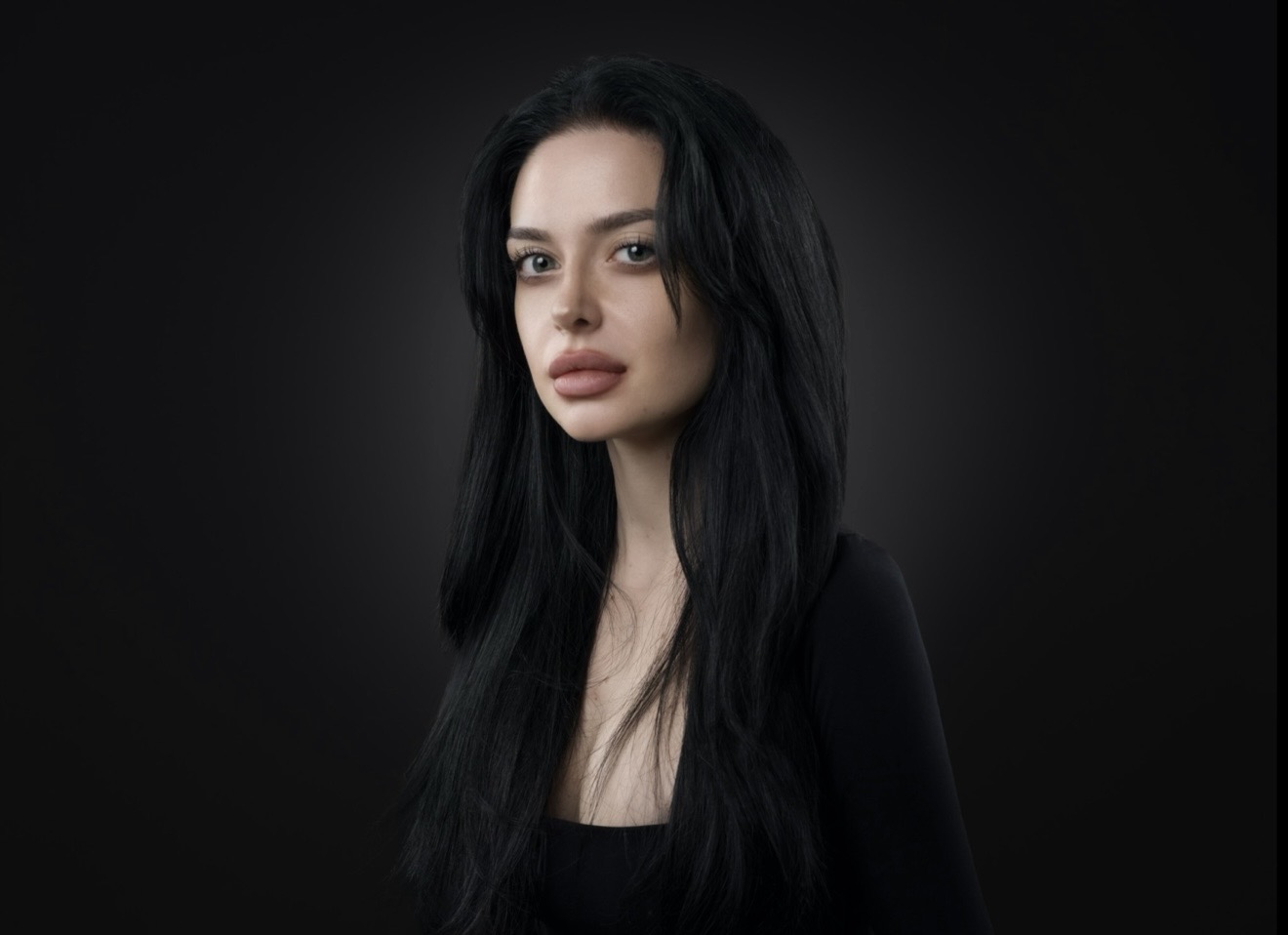
Today we’d like to introduce you to Willow Grey.
Hi Willow, so excited to have you on the platform. So before we get into questions about your work-life, maybe you can bring our readers up to speed on your story and how you got to where you are today?
My story starts with a little girl who learned to speak through art because words were not always safe, or enough.
I tested into school early and started at four because of my art. Adults called me “art director,” and people said my emotional intelligence was savant level. I was the youngest in every room, smaller than everyone, and already reading everything. Faces, pauses, tone shifts, danger. I grew up moving constantly, and my home life was unstable in ways that teach you hypervigilance before they teach you childhood. The kind of environment where you learn that love can be real and still not be safe, and that your job is to adapt. The one and only love that has ever grounded me has been my mom, my only family and my best friend. Everything I do is equally for her – and to provide her one day with the life she sacrificed to raise me all on her own.
I was bullied and painfully shy for most of my life. I lived inside my head because the outside world felt like something I had to survive. Stories became my escape, and for a while, they were also my only proof that a different life existed. But even as a kid, I had this internal refusal. Some part of me kept saying, this is not all you are. This is not how it ends.
At fifteen, I made a decision that became a vow. I was going to do everything in my power to build a future that could not be taken from me. I chased excellence like it was oxygen. Dean’s list, perfect grades, the hardest classes available, International Baccalaureate. I worked every spare second to save money to move to Los Angeles. I didn’t have a safety net. I didn’t have industry connections. I had grit, a brain that wouldn’t quit, and a belief that impact mattered more than comfort.
At sixteen, I started a non profit for homeless women, and I spent years doing hands on work for Portland’s homeless community. After work I would walk store to store collecting day old food and distribute it to houseless people around the city and to local food banks. That wasn’t a hobby. It was a worldview. It taught me that suffering is not abstract, and that you either look away or you become someone who acts. It set my North Star early. If I ever “make it,” it has to mean something. It has to reach people.
Also at sixteen, I had the epiphany that changed my entire personality and path. I read a fantasy romance series and it hit me with this brutal clarity. I was more comfortable in fictional worlds because I hated my own life. I loved strong female protagonists because they were everything I wanted to be and did not yet believe I could become. I remember thinking, I cannot keep surviving by escaping. I have to become the kind of person who can live in the real world like it belongs to her.
So I put the stories down, not because I stopped loving them, but because I decided I would stop watching power and start embodying it. I trained myself out of social anxiety. I forced myself to speak even when my throat tightened. I forced myself to be on camera even when I wanted to disappear. I took acting classes until one in the morning. I studied constantly. I worked. I trained boxing. I did leadership work at school and got elected to student council, which still feels surreal because the freshman version of me could barely say hi to someone. Within a year, I had transformed. Not because I got lucky. Because I decided to become the protagonist of my own life and then I did the work until my nervous system believed me.
That same year, my life got darker in a way that nearly ended it.
At sixteen, I developed a severe eating disorder that became life threatening. There were moments I couldn’t safely walk down the street without risking my heart. I refused to let it take my future. I refused to be removed from school. I recovered with sheer force and stubbornness, which is not romantic, it’s brutal, but it’s true. That period taught me the first rule that has shaped everything since. When I choose to live, I become unkillable in spirit. Not invincible, not untouched, but relentless.
I finished high school with a perfect GPA and full IB coursework, earned the outstanding student scholarship, and moved to Los Angeles alone at seventeen to attend USC on a full ride. I did not come to LA for glamour. I came because stories are religion here, and I wanted to build worlds that could hold people the way books held me. I’ve always loved adaptations because some worlds mean too much to stay trapped on a page. I wanted to make the unreal real. I wanted to build myth you could step into.
I graduated USC in 2023 with a near perfect GPA, through the strange unreality of Covid era college. During school I starred in my first feature film. I started modeling at nineteen and continue to this day. Modeling taught me professionalism, discipline, and how to walk into judgment without turning it into shame. It taught me that being seen can be power if you know why you’re doing it.
Immediately after graduation, I worked for Toby Gad, a diamond certified Grammy winning songwriter and producer, and I effectively ran his record label for a year. That taught me the pace and standards of real excellence. It taught me how to execute under pressure, how to lead without needing permission, and how to hold taste as a non negotiable. It also proved something to me. I can hang at the top. I don’t fold.
Then the industry shifted (again) and I moved fully back into film and television production. But I came back with a different hunger. I stopped waiting for permission, stopped waiting for someone to hand me a role or a script or a world. I decided to write it myself.
That is where Persephone was born.
Persephone started as myth and became my blueprint. It is a fantasy world, but it is also the story of what it costs to become sovereign. It is about power, loss, transformation, and the moment a woman stops being shaped by what happened to her and starts shaping the world back. It is also my way of building a world that can outlive me. An IP that can expand into books and adaptation and everything I’ve been training for since I was sixteen. I’m obsessive about craft. I rewrite constantly. I study structure and voice and pacing. I care about standards. I’m not interested in making something that is merely good. I’m creating a franchise. I am creating something inevitable.
And then the most defining recent trauma happened, and it accelerated everything.
I met my ex at nineteen and fell in love. We broke up at twenty, and I mourned him for years while he tried to villainize me in his music (he’s an artist) and rewrite the public narrative. He always had the bigger platform, and he always used that to his advantange. And then, on August 4th, 2025, I uncovered credible evidence that made me realize what I thought was love had been tangled with control and abuse in ways I didn’t fully understand until the truth surfaced. I’m careful with details because it’s not a story I tell for drama, but the reality is this: I experienced a level of psychological harm and violation that shattered my sense of reality. For years, someone I trusted had complete access to and control over my entire life and being in ways that forced me to question everything I thought I knew. That was his intention – control. When I uncovered this years-long, crime committed against me, I lost my job, my home, my stability, my sense of safety. I went into hiding for a few months because survival required it. There was an FBI investigation. There was fear. There was disbelief. There was the sick realization that the one person you love can also be the one person capable of intentionally causing you harm, and be addicted to watching that suffering unfold their own amusement.
That season broke me in a way that was not poetic. It was bone deep. It was the kind of darkness where you learn what you are made of because there is no one coming to rescue you. And I did not get rescued. I rebuilt myself. Alone. Slowly. Violently honestly. I grieved, I raged, I learned, and I made a decision that has become the second rule of my life.
I will never be silent again.
My entire life has been trauma after trauma, and at some point you either let that turn you into a ghost, or you turn it into fuel. I chose fuel. I chose alchemy. I chose impact. I chose to take everything that tried to reduce me and use it as evidence that I was built to create something larger than a normal life. I threw myself into work. I threw myself into Persephone. I threw myself into becoming so competent, so precise, so grounded in truth that no one could ever rewrite my reality again.
That is the real story of my voice. Of the world I am building.
I spent my whole life learning it, protecting it, growing it. From the shy kid who couldn’t speak, to the teenager who forced herself onto camera, to the woman who can walk into any room in Los Angeles and connect with anyone because she learned people like a survival skill. But after 2025, my voice expedited because it had to. I stopped performing palatability. I stopped explaining myself to people committed to misunderstanding me. I learned boundaries. I learned evidence. I learned how to tell the truth cleanly. I learned how to hold my power without asking anyone to validate it. Trauma made me sharper, not smaller. It made me brave in a way that is quiet and terrifying. It made me impossible to manipulate.
Right now I work around one hundred hours a week in film and television, producing at a high level, and I write in every spare crack of time because my life depends on making meaning out of what I’ve lived. I’m building an ecosystem, not a hobby. Writing, producing, acting, modeling, adaptation. Persephone is the flagship, but it’s also the proof of concept for something bigger. I’m not chasing a role. I’m building a world that manufactures roles. I’m building a modern mythology that can hold other people the way stories once held me.
I still love community. I still love connecting. I made it my mission to know people in this industry because I’m not interested in being a lone genius in a room, I’m interested in building something real with real humans. But the difference now is that I connect from a place of sovereignty, not hunger. I know who I am. I know what I’m building. I know what I survived.
Fire was my nickname as a kid, and it still fits. But now it means something specific. I have walked through fire repeatedly, and I’m still here. Not as a cautionary tale, but as a creator. As a builder. As a storyteller who turns pain into myth, myth into art, and art into impact.
That is Willow Grey.
A woman who refused to disappear. A woman who chose to become the protagonist. A woman who is taking everything that tried to break her and turning it into a body of work that outlives her.
We all face challenges, but looking back would you describe it as a relatively smooth road?
No. It has not been smooth. It has been the opposite of smooth, honestly. It has been a road that keeps trying to set itself on fire, and every time it does, I just learn how to walk through it without losing my direction.
The first struggle was simply where I came from. I grew up in instability. Moving constantly. A home environment that taught me hypervigilance before it taught me peace. When you grow up like that, you are not just trying to succeed, you are trying to become a functional human while carrying a weight most people never see. I learned to read rooms and people as a survival skill, and that helped me later in the industry, but it came from a place I wouldn’t wish on anyone.
Then there was being the shy kid. I was bullied and socially anxious for most of my childhood and early teens. I didn’t feel like I belonged anywhere. I loved stories because they were safer than real life, and I built entire worlds in my head because reality felt like something I had to endure. One of the biggest struggles was learning how to be seen without feeling like visibility was danger. That is not something you just “get over.” I had to train myself out of it. I had to force myself to speak, to take up space, to go on camera, to be perceived. I had to become my own exposure therapy.
At sixteen, it got life threatening. I developed a severe eating disorder that nearly killed me. People often talk about that kind of thing in vague terms, but it was physical danger. It was my heart. It was not being able to safely walk down the street. And I was still trying to keep my grades perfect, keep my scholarship hopes alive, keep my future intact. Recovering from that while still being a teenager building a life plan was one of the hardest things I’ve ever done, because it wasn’t just recovery, it was choosing to live when a part of me didn’t want to be here anymore. That’s the truth. I had to claw my way back with stubbornness and discipline and an almost irrational belief that my life was meant for more than surviving.
Another struggle was money. People romanticize ambition, but it’s expensive to be ambitious when you don’t come from resources. I worked constantly. I saved every spare dollar to get to LA. I built my resume and my grades like my life depended on it, because it did. I didn’t have a safety net to fall back on if something went wrong. So I learned to be strategic early. That pressure is exhausting, but it also builds you.
Even the good things were hard. I started a non profit at sixteen and spent years doing direct service work for Portland’s homeless community. That shaped my soul, but it also exposed me to grief and trauma daily. You don’t walk city streets handing out food and looking people in the eyes without it changing you. It’s emotionally heavy work, and I did it while still being a kid trying to survive my own life.
Then there’s the reality of this industry. It’s not a straight line. You can do everything right and still have doors closed. You can be talented and still be ignored. You can work harder than everyone in the room and still not be chosen. There’s rejection. There’s comparison. There’s the constant feeling that you are behind, even when you’re doing more than most people can sustain. There’s also the strange loneliness of being ambitious, because you’re living in the future all the time. I had to learn how to hold my vision without needing anyone else to validate it.
USC during Covid was its own kind of struggle. I graduated with a near perfect GPA, but the experience was surreal. The world shut down. The normal networking and creative pipeline got disrupted. It felt like training for a marathon while the track kept moving under you. And then, just as I graduated and tried to fully re enter the industry, the strike happened. Again, the timing of my life has been a pattern of building something and then having the world shift.
Professionally, I also had to learn how to be taken seriously early. I was younger than most people around me. Smaller. A woman. Pretty, which sounds like it would help, but in many rooms it makes people underestimate you, or project onto you, or test boundaries. I had to learn how to be warm without being swallowed. How to be kind without being used. How to be capable enough that people stop seeing you as “young” and start seeing you as a force.
And the biggest struggle recently has been personal trauma that detonated my life.
I’m careful with details because it’s not a headline to me, it’s my life, but the truth is that in 2025 I experienced a level of psychological harm, abuse, and violation that shattered my sense of reality. Someone I loved and trusted had access to and complete control over my life in ways I did not understand until the truth surfaced. In August 2025, everything collapsed. I lost my job, my home, my stability. I went quiet publicly for months while the federal investigation process unfolded. I had to face the sickest kind of grief, realizing the person you loved could also be the person willing to watch you suffer.
That period was not a setback, it was a rupture. It broke me in a way that wasn’t poetic. It was bone deep. And it forced a decision. Either I let it destroy me, or I rebuild myself so completely that nothing like that can ever own me again.
So no, it hasn’t been smooth. It has been brutal. It has been unfair. It has been isolating at times. And I still wouldn’t trade the woman it made me.
Because the other side of every struggle is that I learned how to turn pain into fuel. I learned how to create meaning out of chaos. I learned how to work at a level that makes me undeniable. I learned how to use my voice and stop performing palatability. I learned boundaries. I learned truth. I learned how to hold my power without asking anyone to hand it to me.
I think people see what I’m building now and assume it’s confidence or luck or momentum. It’s not. It’s survival with a vision. It’s discipline. It’s the choice, over and over again, to keep going. And that choice is why I’m here, and why I’m only getting started.
As you know, we’re big fans of you and your work. For our readers who might not be as familiar what can you tell them about what you do?
My work is storytelling, full stop. I just happen to tell stories through multiple mediums, because I’ve never fit neatly into one lane and I don’t want to.
I’m a producer and creative operator in film and television, I’m a writer building my own original IP, I’m an actor, and I’m a model who uses shoots as visual narrative, not just “pretty pictures.” Everything I do is in service of the same obsession, turning emotion into myth, and myth into something you can see, feel, and live inside.
What I specialize in is world building, tone, and transformation. I’m drawn to stories that feel epic but intimate, glamorous but haunted. Mythic femininity. Power earned through suffering. Beauty with teeth. The moment a woman realizes she can’t go back to who she was, and chooses to become something else. I love the tension between light and dark, softness and brutality, romance and danger. I’m obsessed with the aesthetics of reverence, ritual, and ruin. Gothic romance. Ancient symbolism. Divine feminine imagery. Regality. Underworld opulence. Sacred nature. I’m drawn to places and visuals that feel like a portal, fog, stone, water, gold, candlelight, velvet, dark florals, ash, moons, salt air, old churches, hot springs, anything that looks like a myth could step out of it.
That same pull shows up in the shoots I conceptualize and the roles I want to act in. I’m not interested in being a blank canvas. I’m interested in being a character. My shoots always have a narrative spine. Even if it’s a single image, it’s a scene from a larger universe. A siren who looks holy until you realize she’s dangerous. A queen who survived her own ending. A girl in white who is not innocent, she’s just calm. I’m known for a specific kind of presence, cinematic, intentional, emotionally loaded. People call it intense, and I take that as a compliment. I don’t do empty. I do charged.
In production, I’m known for being frighteningly competent. I can run logistics, protect creative, and execute under pressure without losing taste. I’m the person who can hold chaos and still make it beautiful. I’m fast, I’m organized, I’m strategic, and I’m unshakeable when things go sideways, which happens constantly in this industry. I’ve worked at a high level across music and film, including running a record label operation for a Grammy winning producer, and then moving back into film and television where I’m now producing and working insane hours while building my own projects in the margins.
But the work I’m most proud of is Persephone, because it is not just a project, it is the culmination of everything I’ve survived and everything I’m here to create.
Persephone is my original mythic fantasy romance IP, built to live as a novel series and as a screen adaptation, with a world big enough to expand for years. It’s the story I wish I could have crawled into when I was younger, except I’m not escaping into it anymore, I’m building it as a world other people can live inside too.
At its core, Persephone is about a woman who is underestimated, controlled, and treated as a symbol, until she becomes a sovereign. It’s about the cost of power and the seduction of darkness, the way love can be both salvation and threat, and the moment you realize you can’t be innocent and free at the same time. It’s a story about transformation that doesn’t ask permission.
The hook is that it takes the familiar myth and makes it feel dangerous and modern without losing the ancient weight. It’s not a retelling that stays small and domestic. It’s a new mythology with political stakes, divine politics, and a central romance that is as addictive as it is morally complicated. Think court intrigue with underworld glamour, a heroine whose softness is a weapon, and a love story that feels like fate and war at the same time.
The world is split between divine realms with their own rules, economies, and power structures. The gods aren’t distant icons, they’re political forces. Every alliance is a negotiation. Every relationship has consequence. The Underworld is not just death, it’s governance, judgment, memory, and desire. The living world is not just “above,” it’s control, reputation, performance, and the cage of expectation.
Persephone begins as someone shaped by other people’s needs. She’s been defined by innocence, by beauty, by what she represents to others. But inside her is something feral and old. She doesn’t know it yet. She doesn’t have language for it yet. She just knows she is suffocating.
Then she is pulled into the Underworld, and instead of being destroyed by it, she recognizes it. The darkness doesn’t corrupt her, it reveals her. Hades is not a caricature villain, he is a ruler, a strategist, and a man who has spent centuries alone with responsibility and restraint. Their connection is not simple. It’s not a rescue fantasy. It’s a collision between two forces who recognize themselves in each other, and who both understand that love is not soft when the stakes are eternal.
As Persephone descends, she starts to see the architecture of power, not just in the gods, but in herself. She learns what she is capable of. She learns that her voice is not a plea, it’s a decree. She learns that she can be both adored and feared, and that fear, when owned, can be freedom.
And the romance is built the way I like romance, as a crucible. Intimacy that feels like danger. Trust that has to be earned. Chemistry that is undeniable, but so are the consequences. The story asks, who are you when you stop trying to be good, and start trying to be true.
I’m also proud of Persephone because it’s not just about fantasy, it’s about impact. I’m writing for the girls who were too sensitive, too intense, too haunted, too quiet. I’m writing for the women who have had their reality rewritten by other people and had to claw it back. I’m writing for the moment when you realize you can turn what tried to break you into a crown.
What sets me apart from others is that I’m not creating from a distance. I’m creating from lived fire. I’ve spent my whole life learning how to survive and then learning how to turn survival into art. I don’t romanticize pain, but I do know how to alchemize it. I’m relentless. I’m precise. I’m obsessive about craft and taste. I’m equally comfortable in logistics and in mythology. I can run a set, build a deck, write a chapter, and direct a visual story in a shoot. I understand how stories move people emotionally, and I understand how projects get made in the real world.
I also think I’m known for a specific kind of intensity and clarity. When I want something, I don’t dabble. I build. I outwork. I learn. I iterate. I become undeniable. I’ve never had a safety net, so I became my own.
And most importantly, I care. I care about making work that lasts. I care about making work that means something. I’m building worlds, but I’m also building a legacy, something that outlives me and gives other people language for what they’ve lived. That has always been the point.
So what I do is tell stories that feel like a portal. What I specialize in is transformation, myth, and power. What I’m known for is being cinematic, intentional, and unreasonably capable. What I’m most proud of is Persephone, because it’s not just my project, it’s my proof of concept. And what sets me apart is that I’m not trying to enter someone else’s world.
I’m building my own.
What would you say have been one of the most important lessons you’ve learned?
The most important lesson I’ve learned is that no one is coming to save you, and that is not a tragedy, it’s a kind of freedom.
For a long time, I thought if I worked hard enough, if I was good enough, if I was perfect enough, life would eventually become fair. That the right people would see me, protect me, choose me. That love would mean safety. That truth would automatically win. That effort guaranteed security.
It doesn’t.
People can love you and still fail you. People can praise you and still misunderstand you. People can smile at you and still take from you. And sometimes the person you trusted most will be the one capable of harming you in ways you didn’t even think to defend against. That reality shattered me, and then it sobered me. It taught me that hoping is not a plan. Trust is not automatic. Love is not proof.
So the lesson became this: you have to choose yourself in a way that doesn’t require permission.
You have to build your own safety. Your own standards. Your own evidence. Your own voice. You have to be willing to tell the truth even when it costs you, and you have to stop outsourcing your reality to other people’s opinions. You have to stop performing palatability. You have to stop shrinking so someone else can stay comfortable.
And once you really learn that, everything changes. Your fear changes. Your work changes. Your relationships change. You stop waiting. You stop begging. You stop negotiating with your own intuition. You become unmanipulable because you’re finally loyal to yourself.
The other part of that lesson is what I do with it. I’ve learned that pain is either poison or fuel. It will either rot you from the inside, or it will become the fire that powers your life. I don’t romanticize trauma, but I refuse to waste it. I refuse to let it turn me into someone small or bitter or silent. I turn it into craft. Into discipline. Into impact. Into story. Into a life that is bigger than what happened to me.
So that’s the lesson. No one is coming to save me, and that means I get to save myself. Over and over again. And that choice has made me stronger than anything that tried to break me.
Contact Info:
- Instagram: https://www.instagram.com/willowgrey/?hl=en
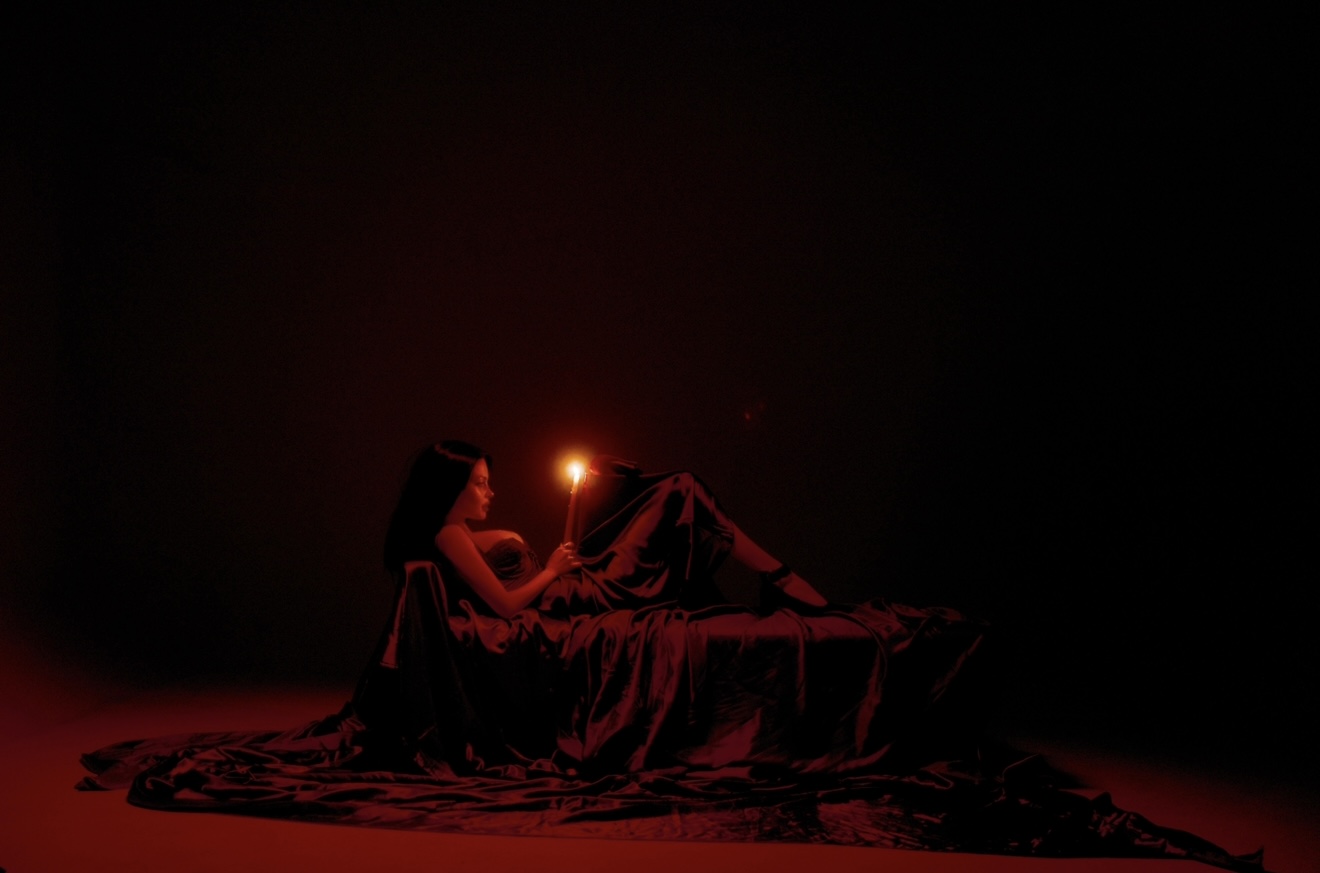
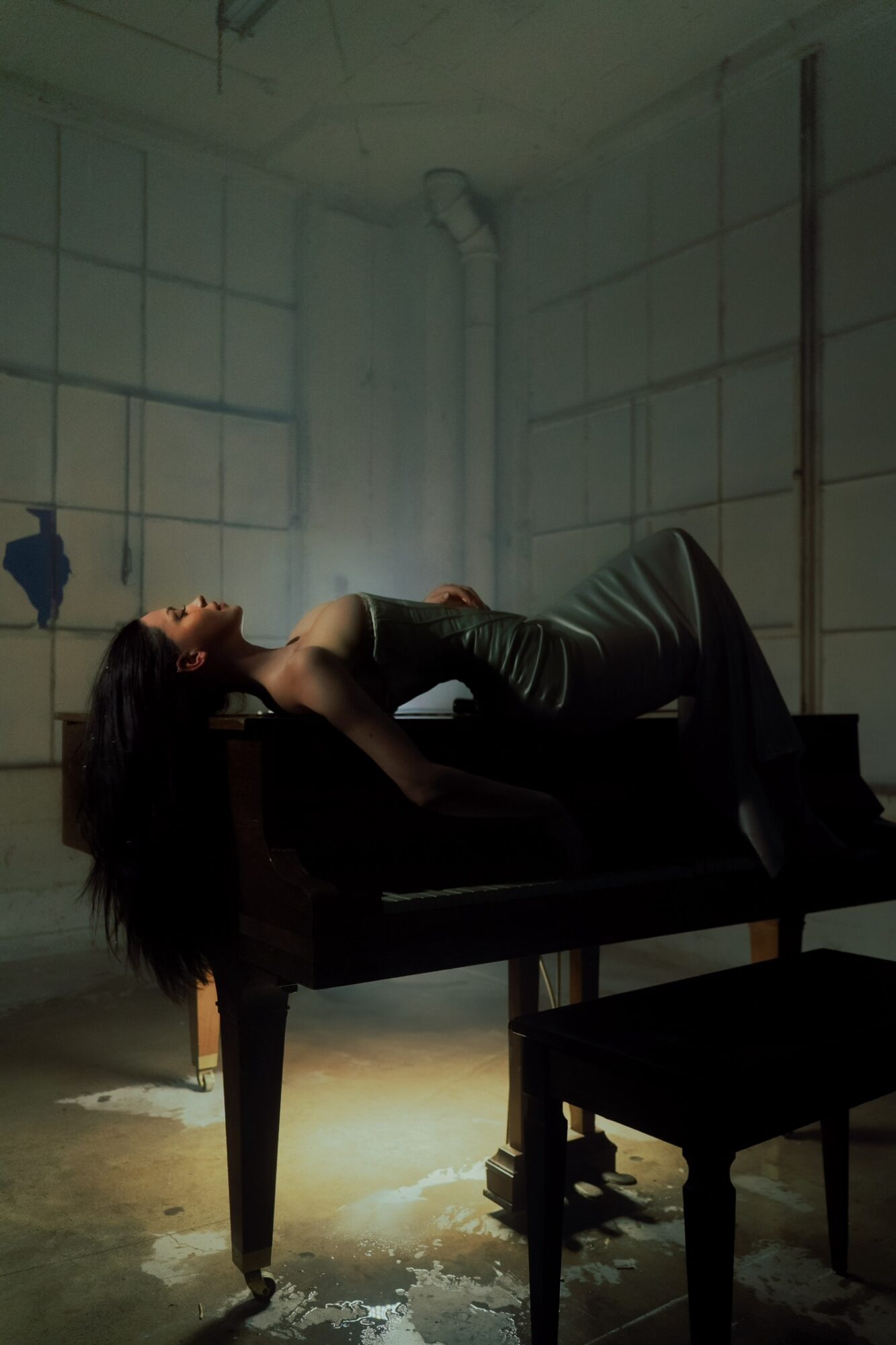
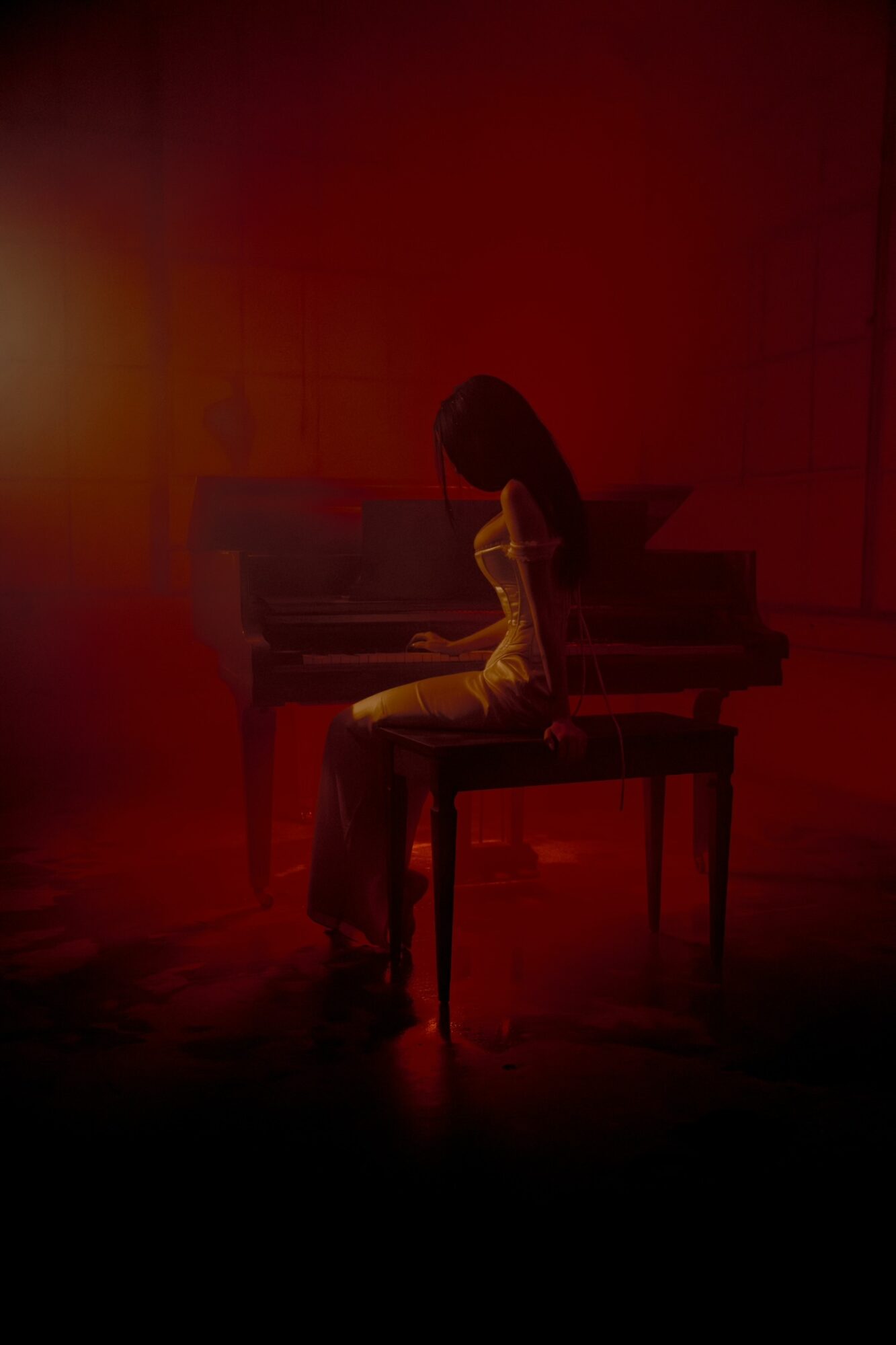
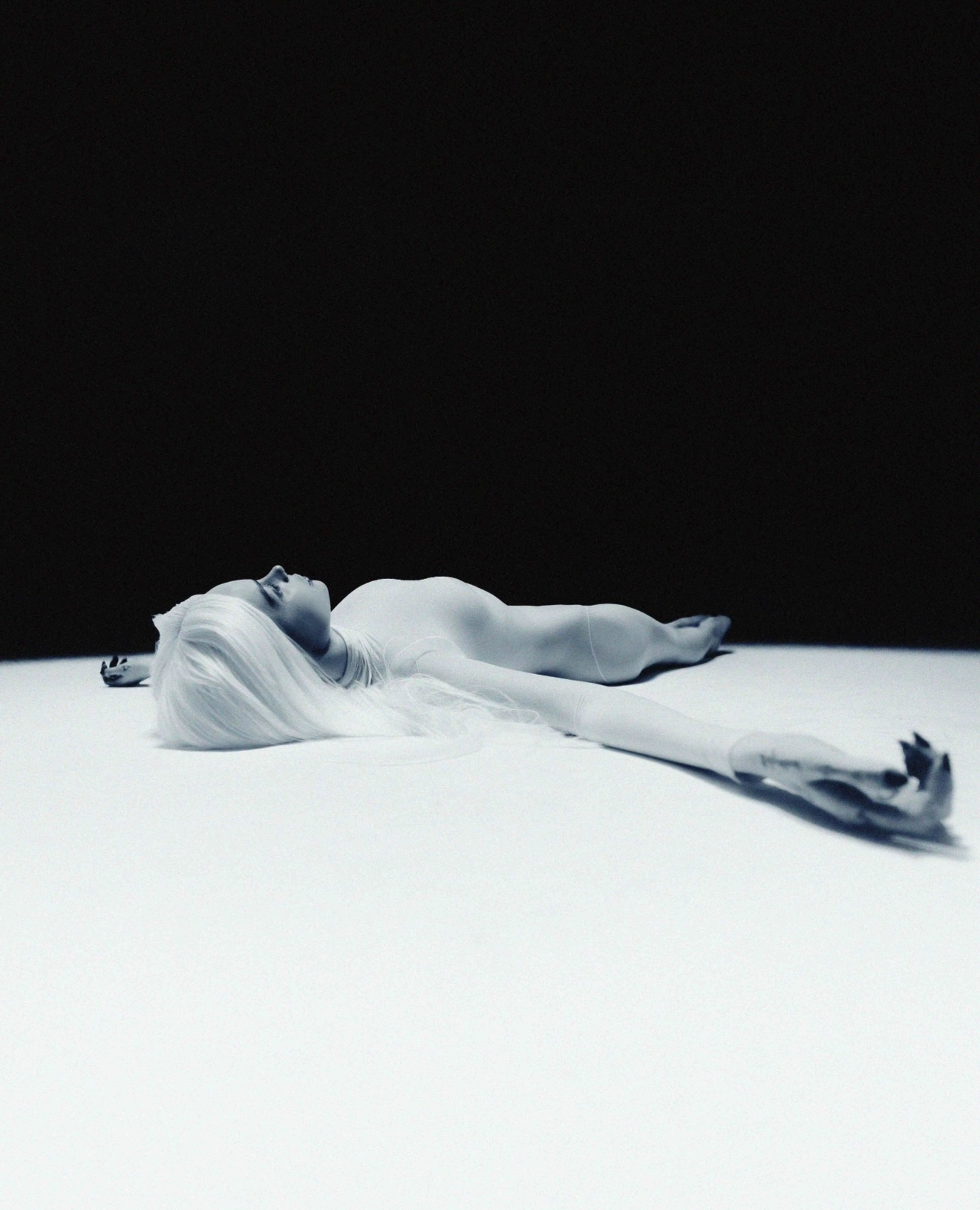
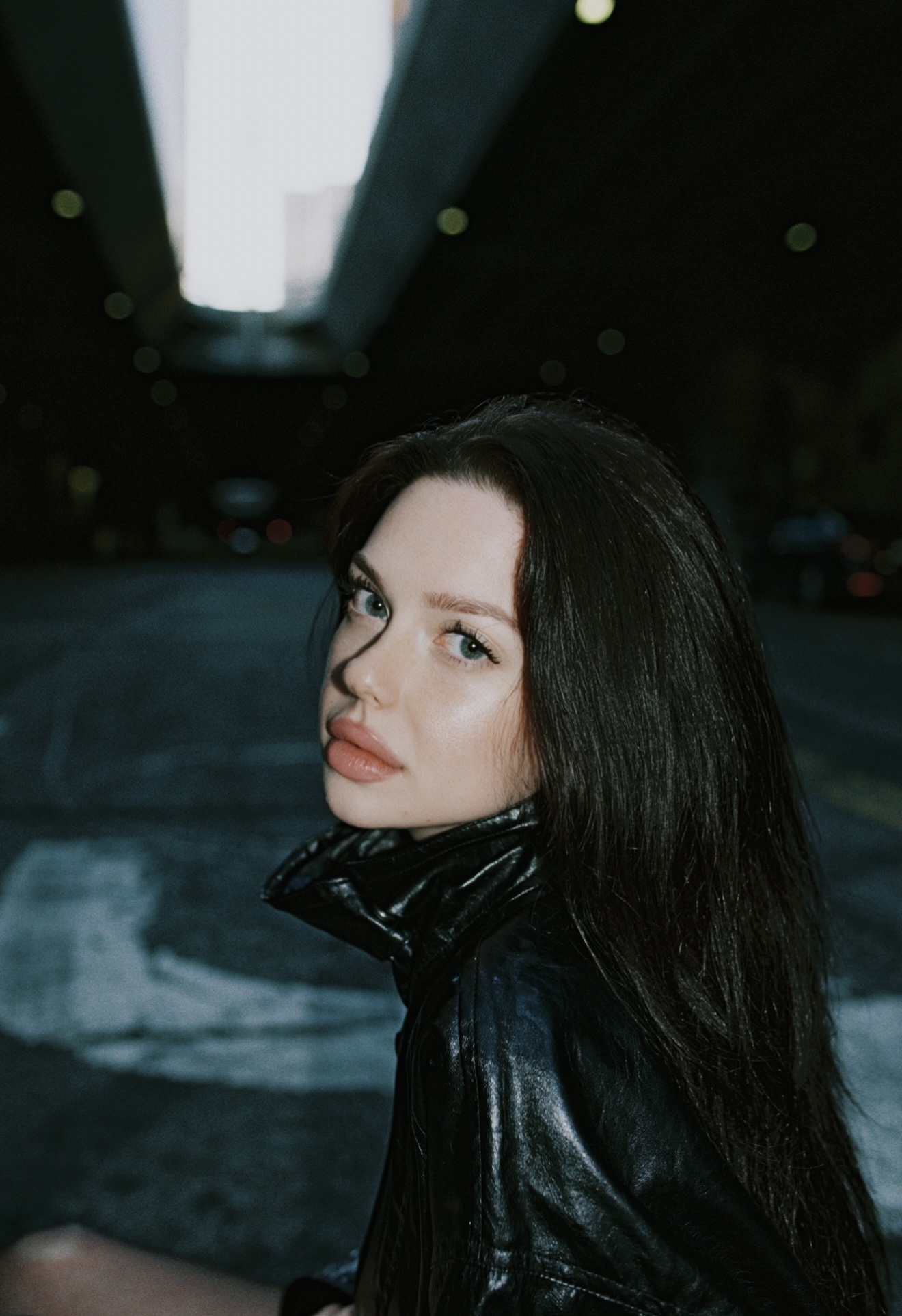
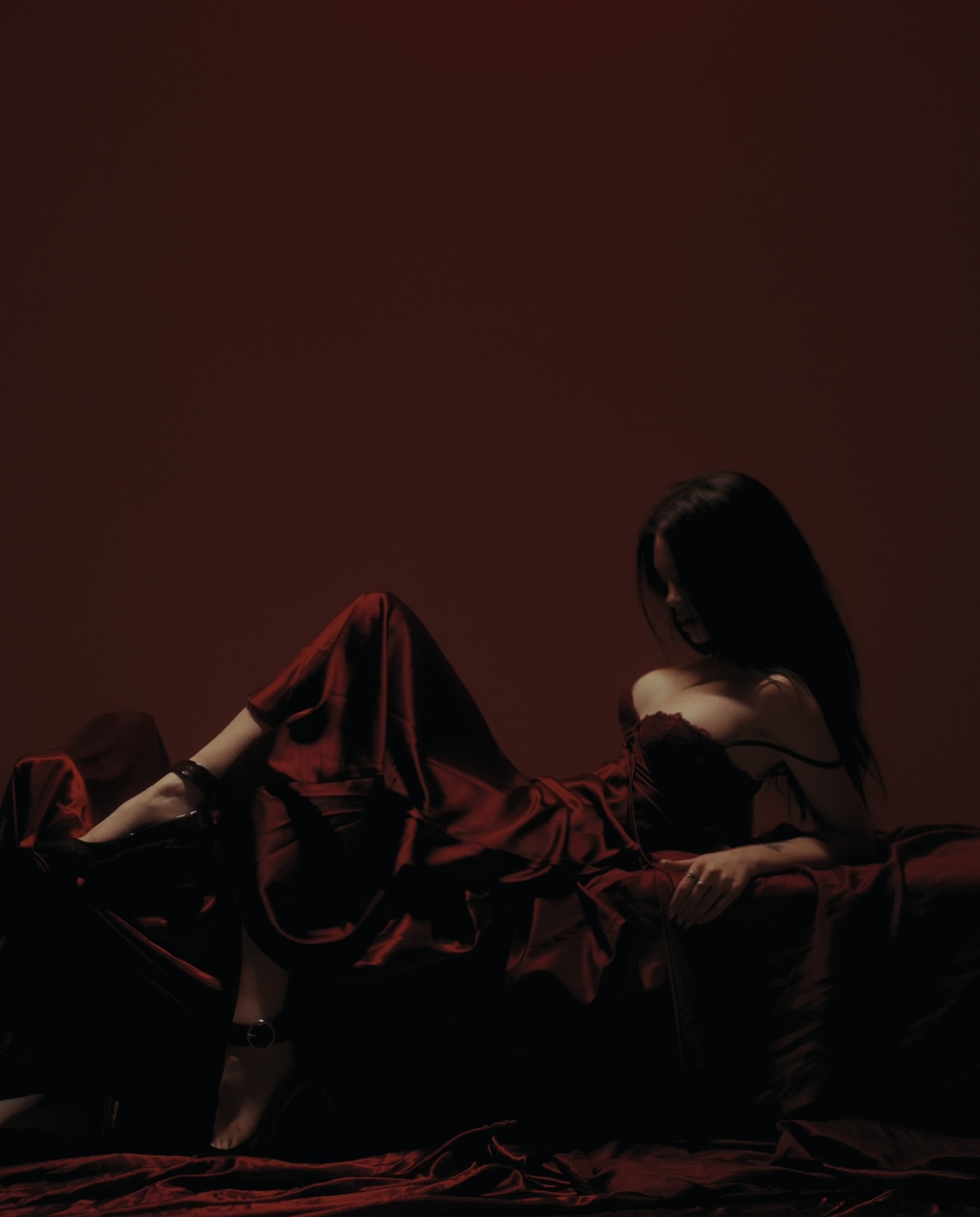
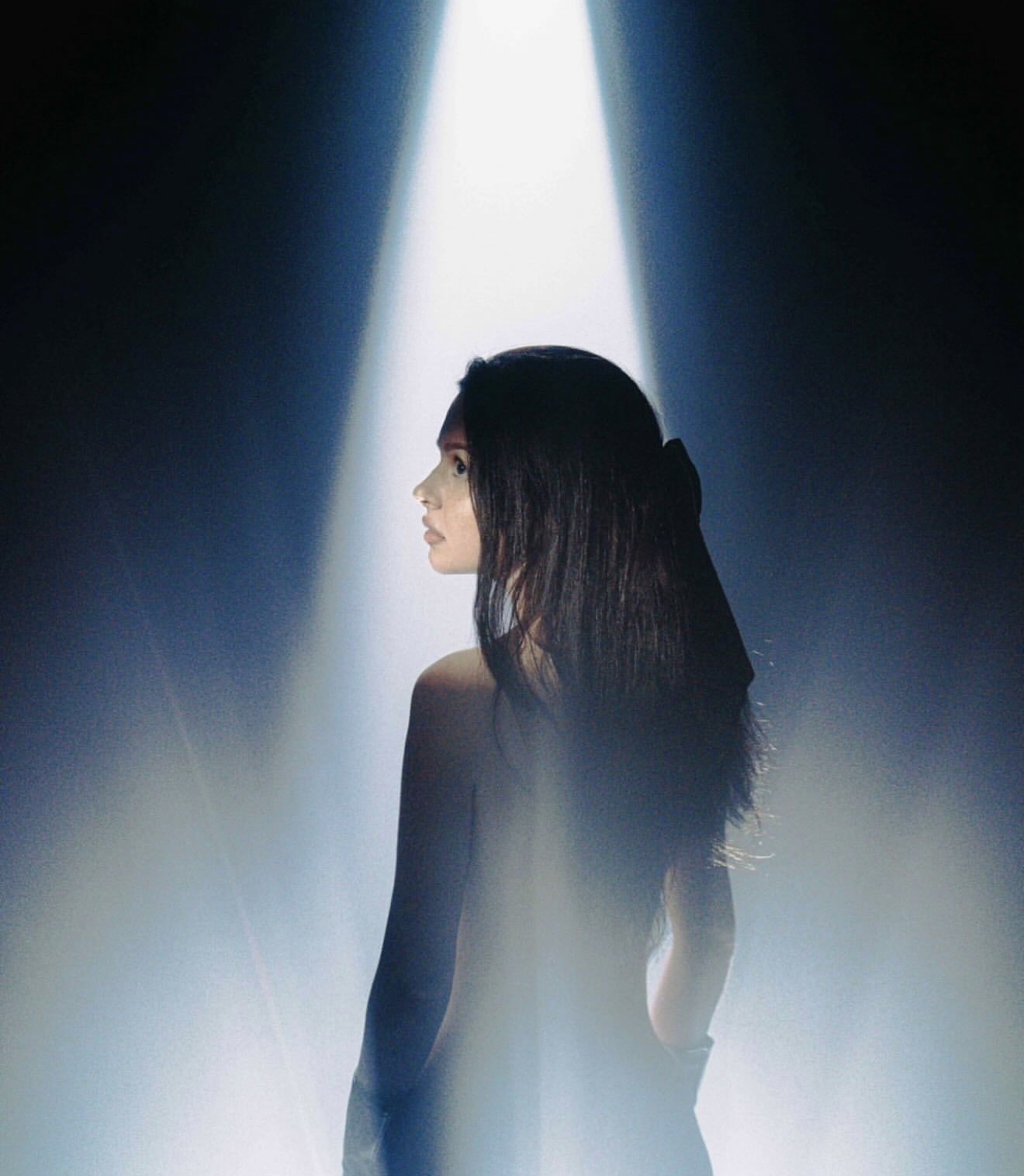
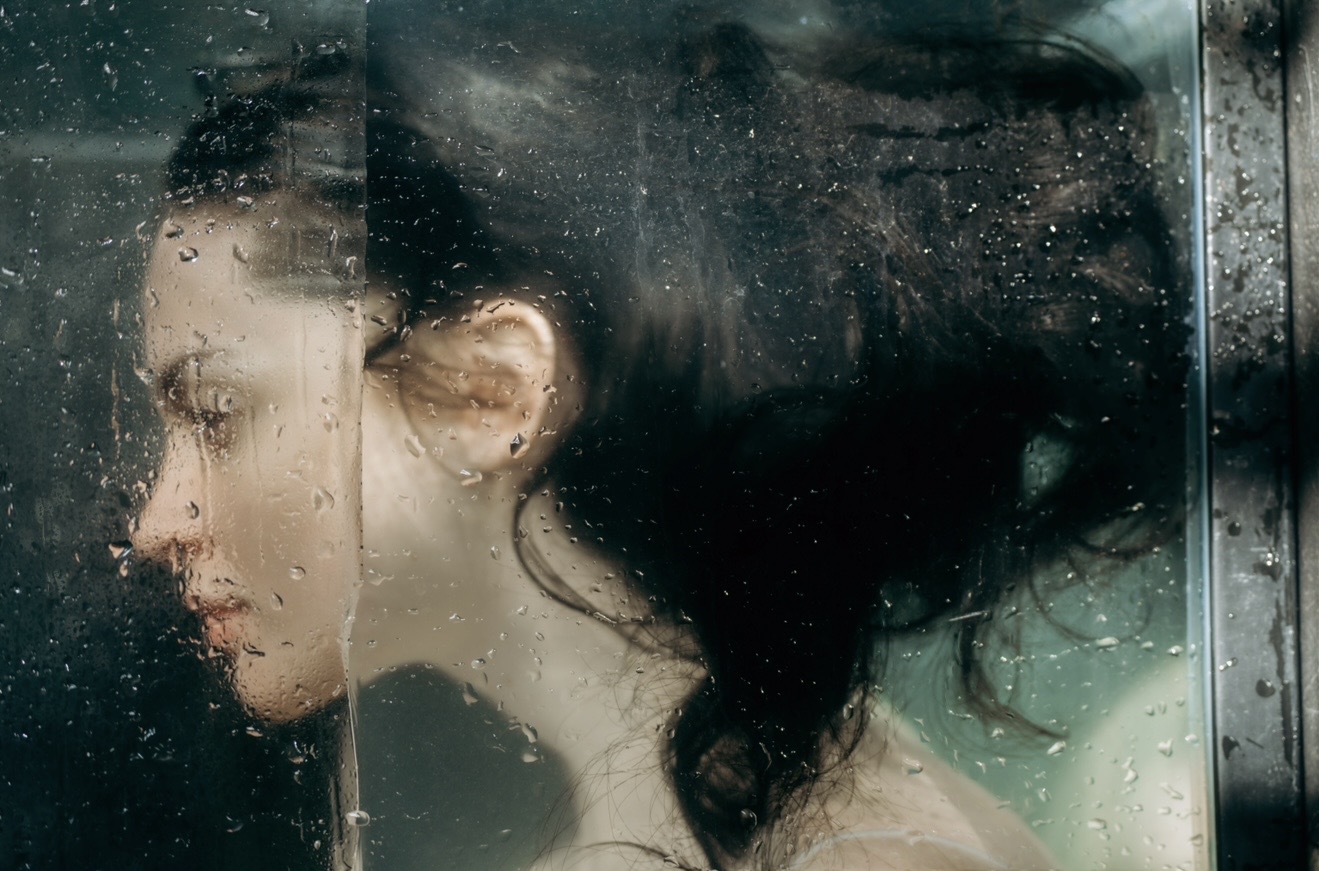
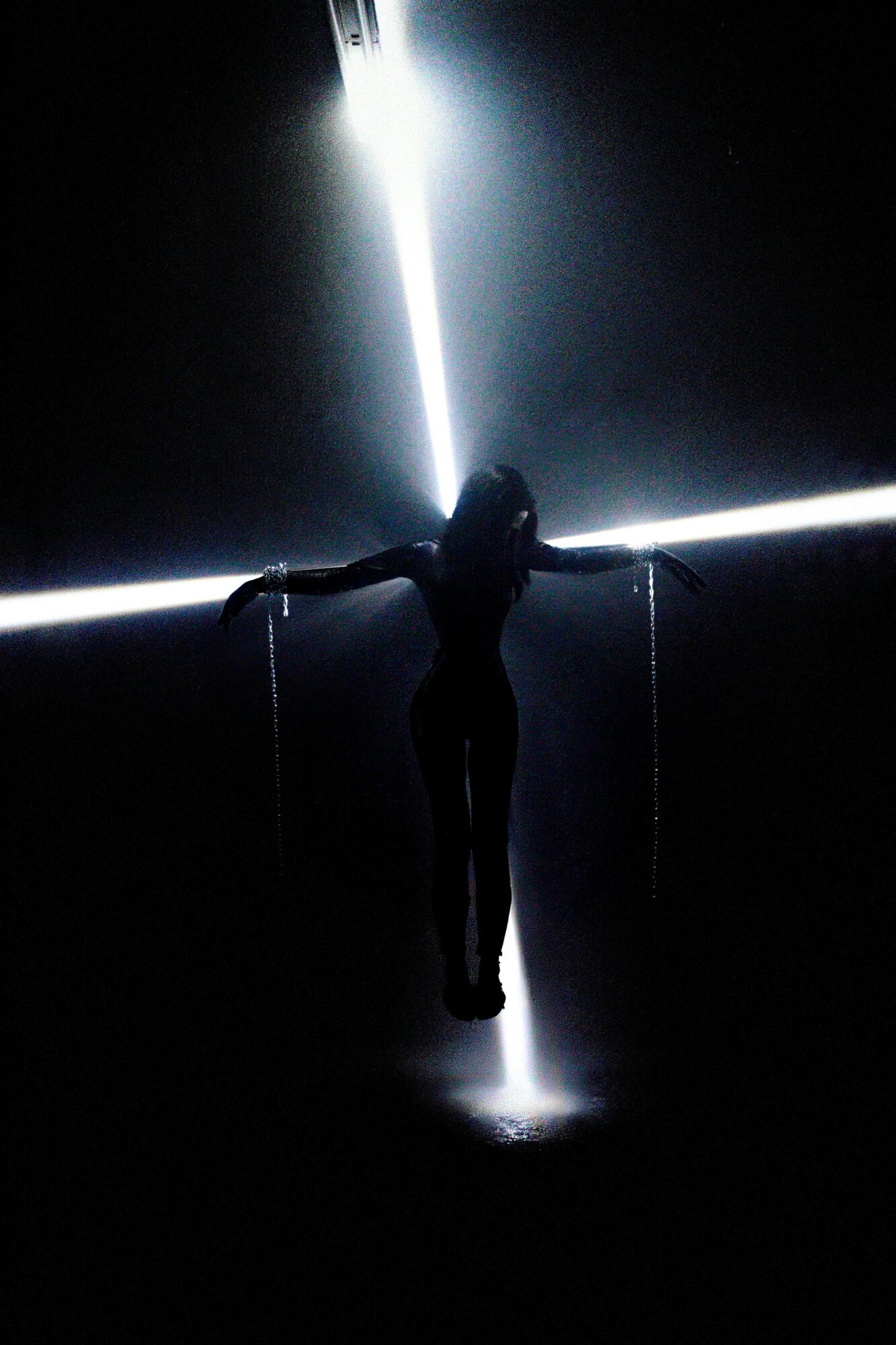
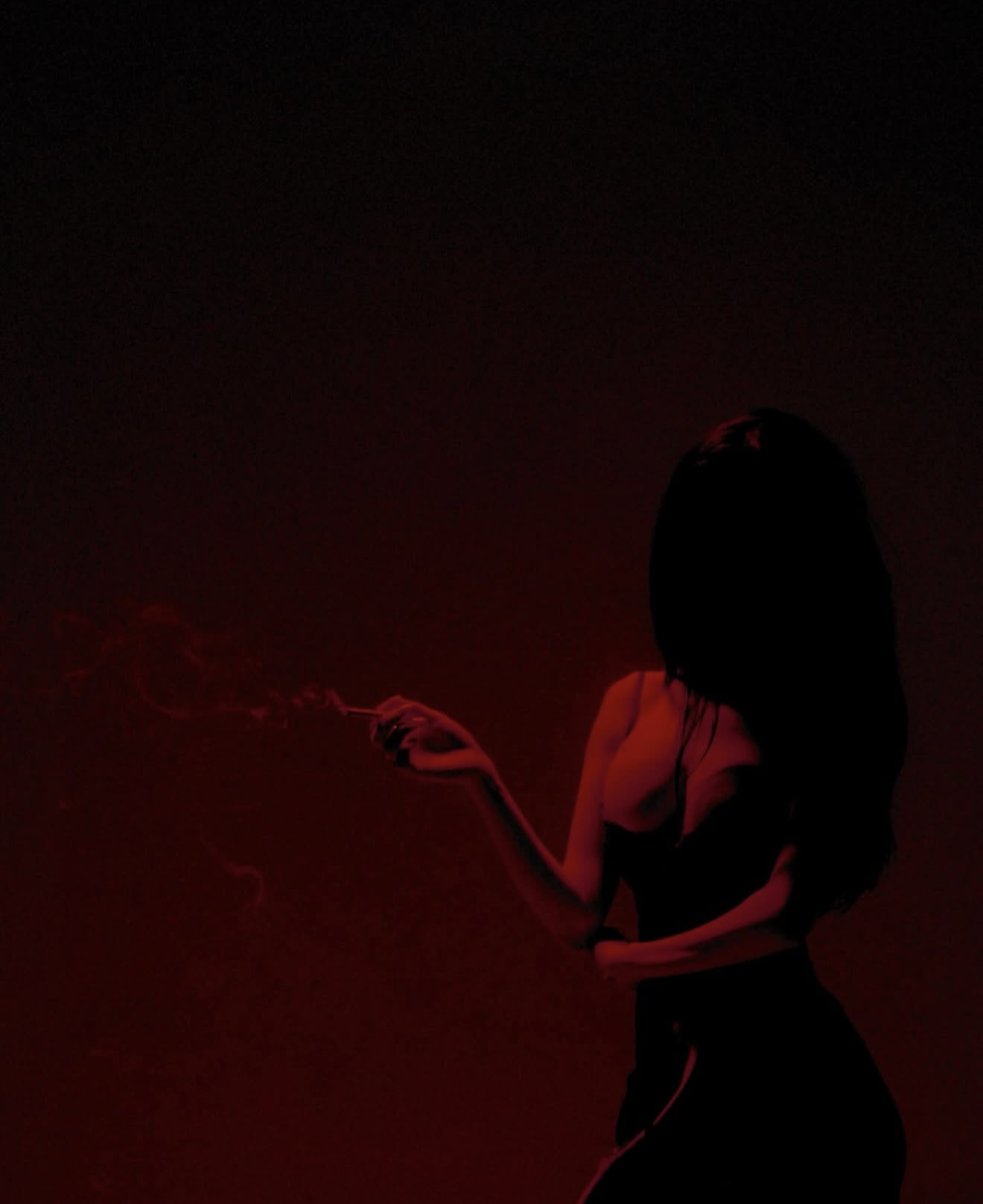
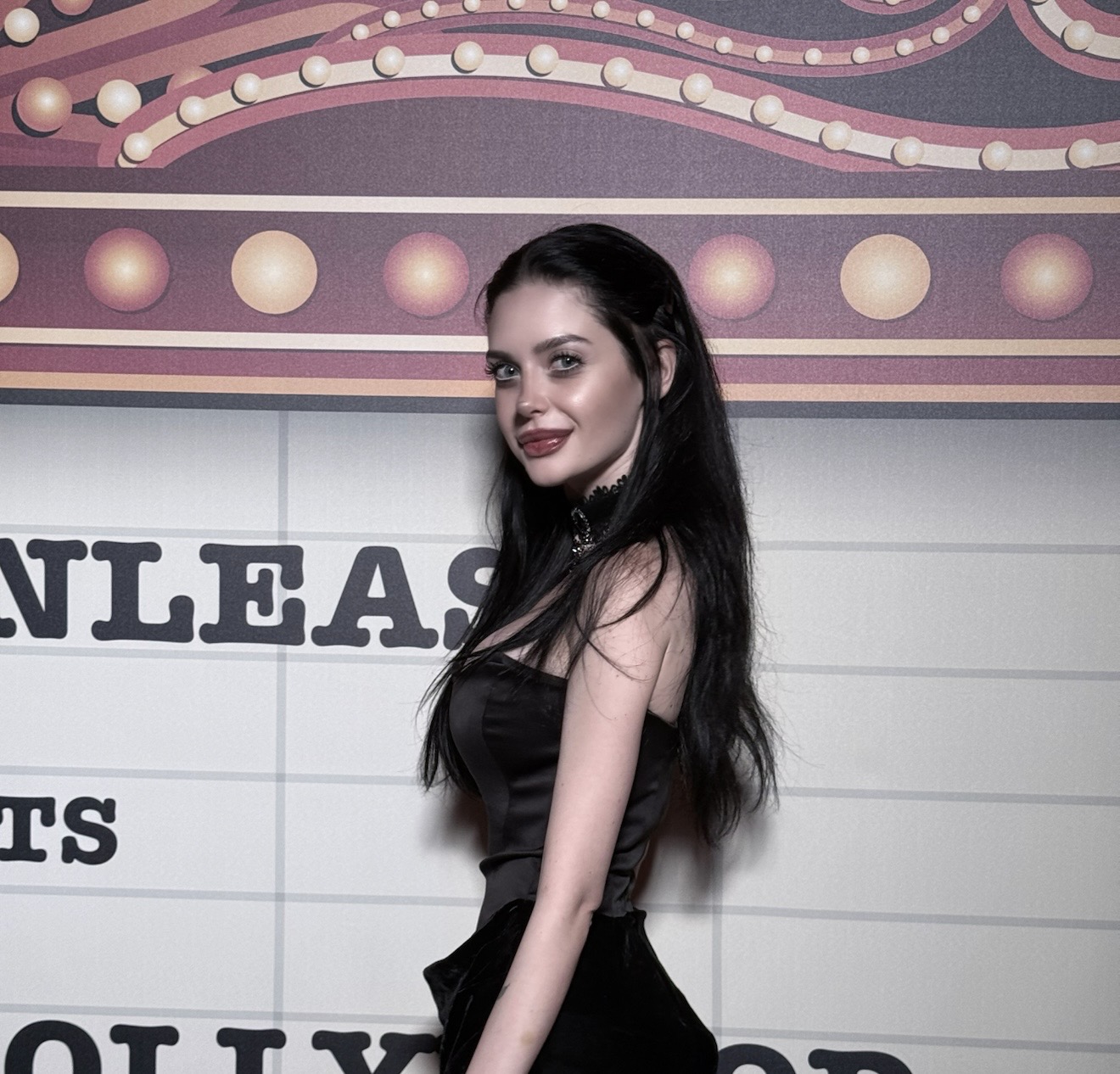
Image Credits
@moodydarkroom for all but 3: the main headshot, the underwater one, and the red carpet photo.
Popular
-
Cedar Boschan on Elevating Black Music Rights and Driving Urgent Conversations Around Credit, Equity, and Artist Protection
-

Portraits of the Valley
-

LA’s Most Inspiring Stories
-

Robin Olive on Building an Inclusive Performing Arts Movement and Expanding Opportunities for Every Student
-

Que Johnson on Building Brands That Last: From Visibility to True Market Authority
-

Christina Wren Steps Into the Director’s Chair to Tell Stories That Feel Like Home


