



Today we’d like to introduce you to Tino Wu.
Hi Tino, it’s an honor to have you on the platform. Thanks for taking the time to share your story with us – to start maybe you can share some of your backstory with our readers?
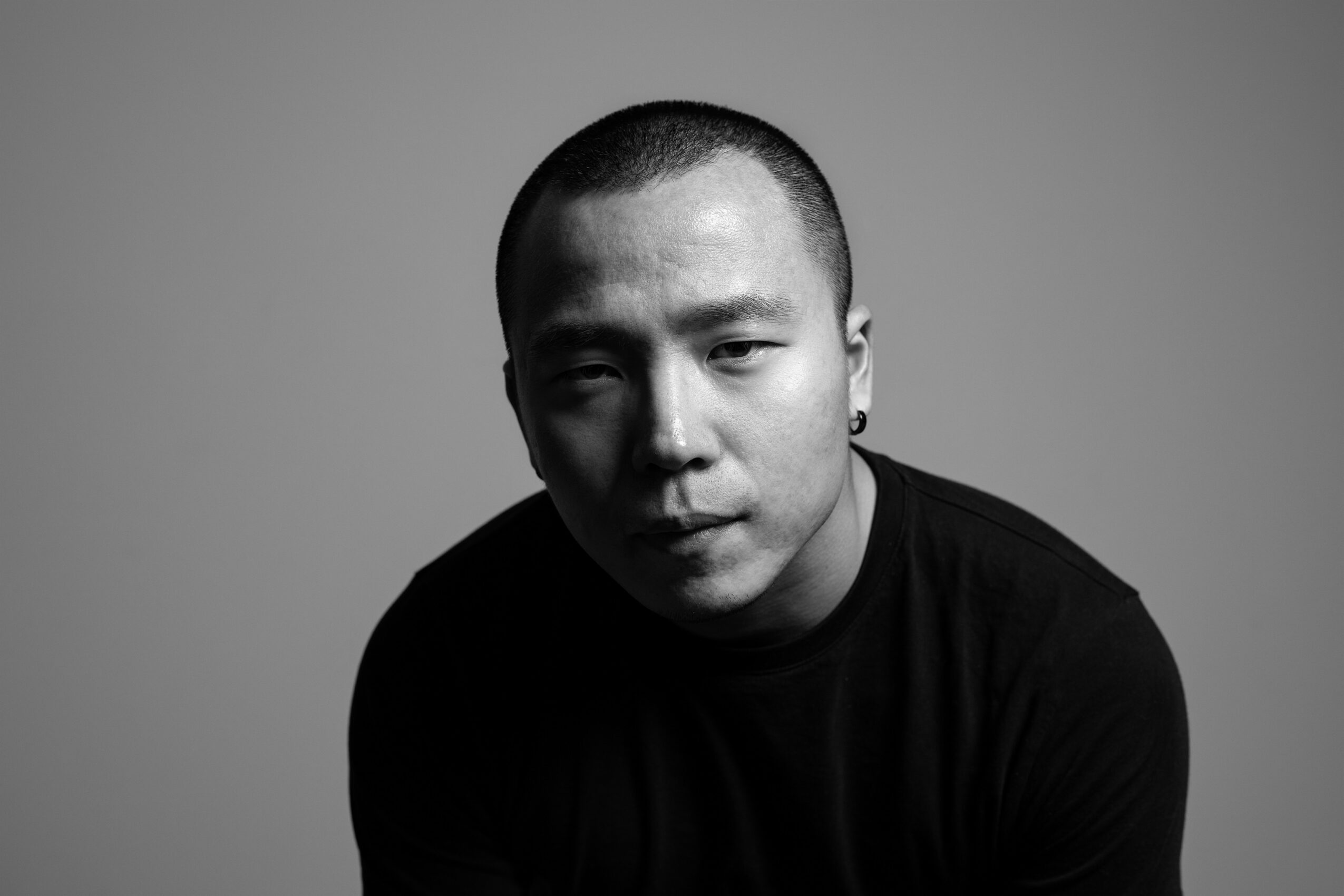
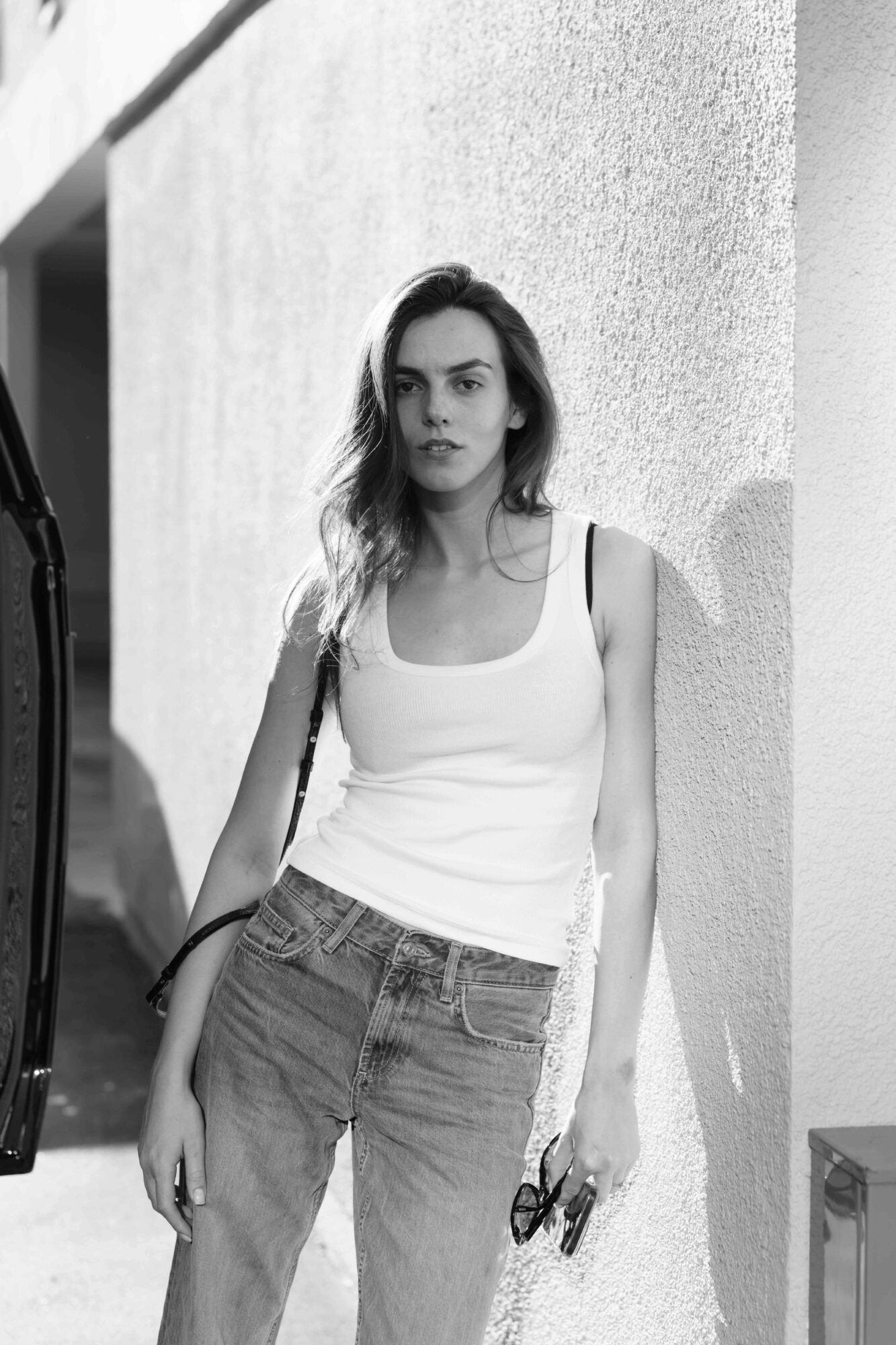
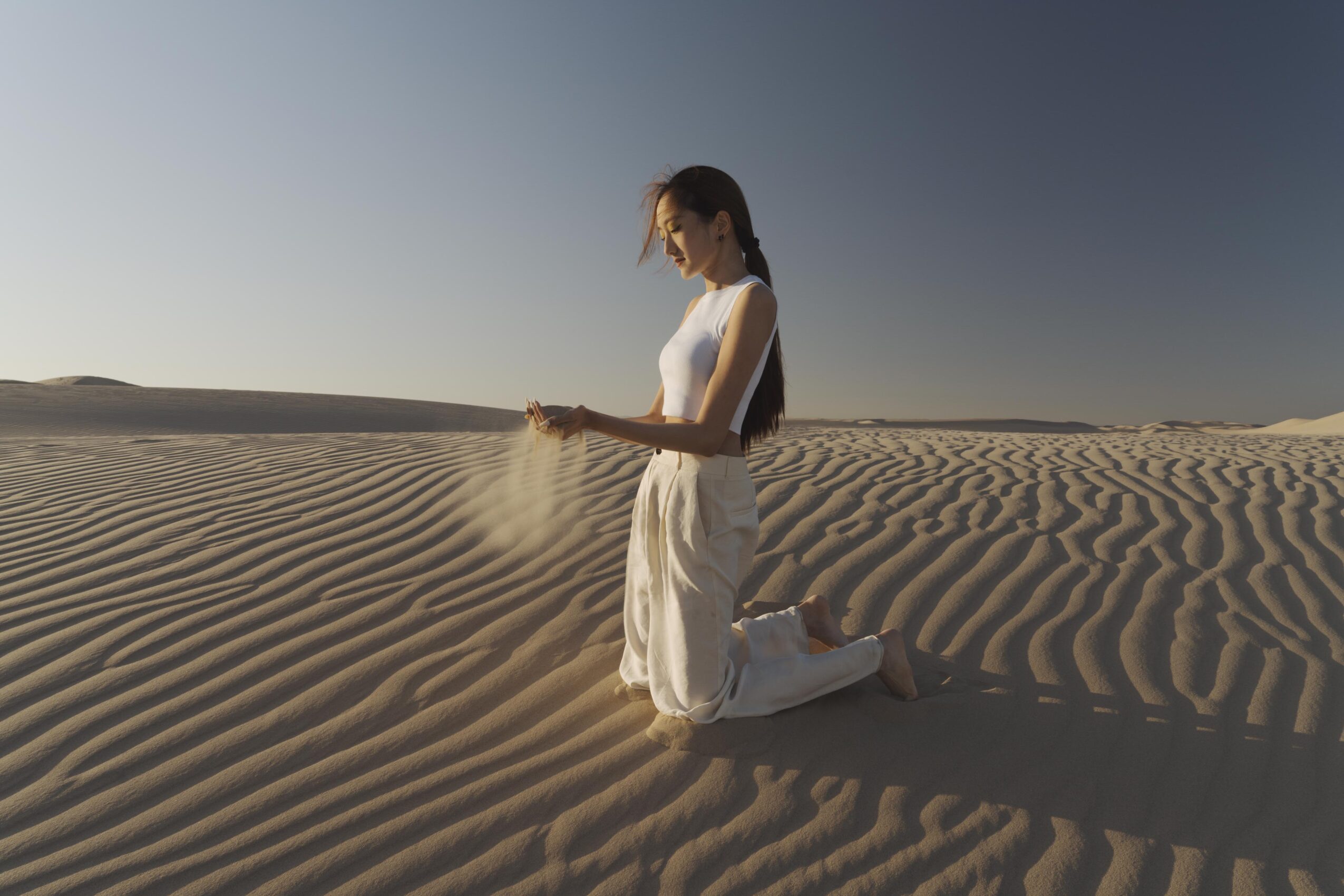
I started with a background in fashion and visual arts, always being interested in how people express themselves through visuals.
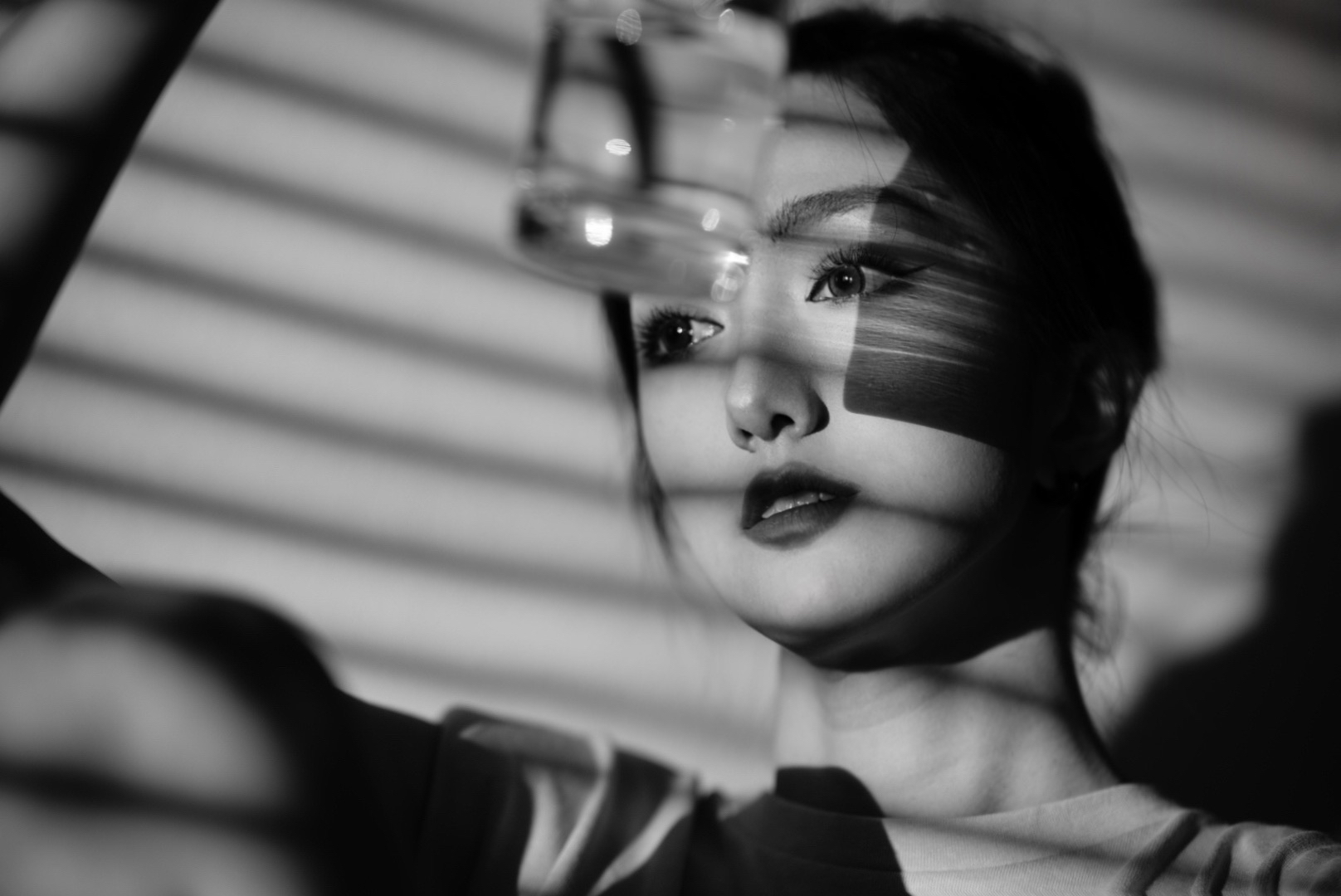
Photography became a natural extension of that, but over time I realized I was less interested in just taking photos, and more interested in understanding what makes an image work — especially when it comes to people.
Working in different environments, from fashion to content production, I began to focus more on observation — how people behave in front of the camera, how moments happen, and how visual choices affect perception.
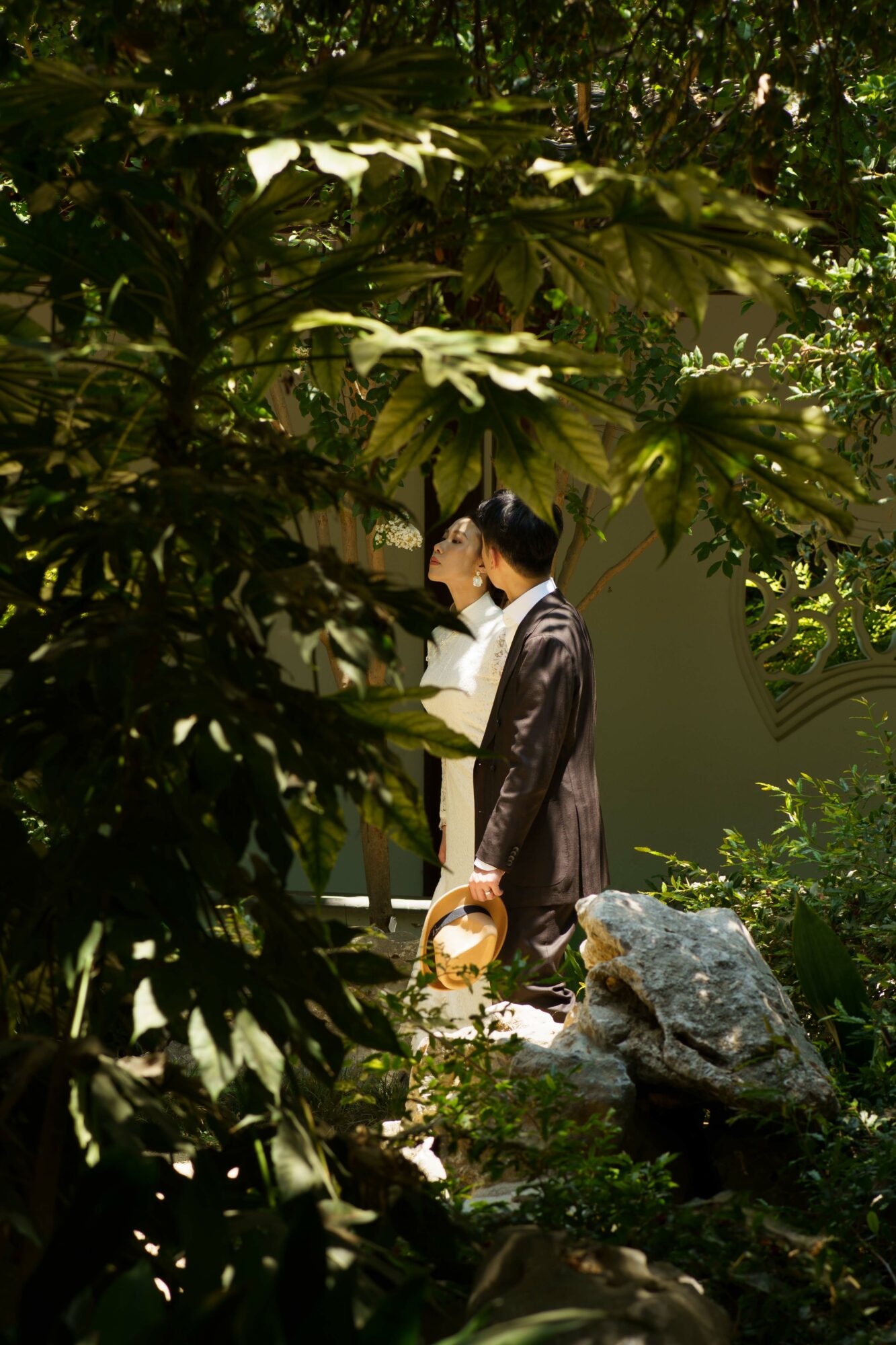
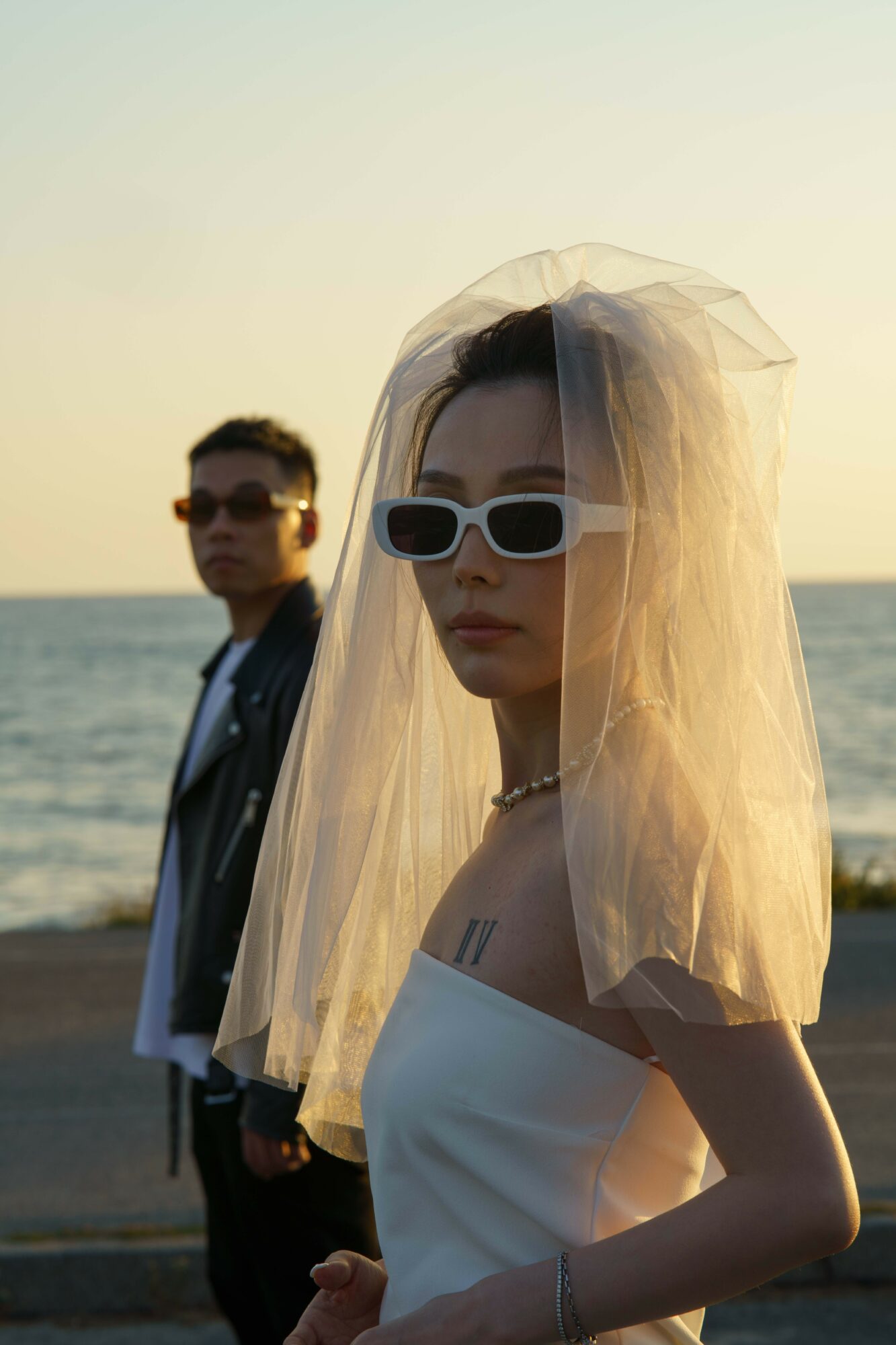
Now, I approach my work as a combination of visual creation and storytelling, using photography and content to explore how people and ideas are presented, and how that connects to branding and audience perception.
Alright, so let’s dig a little deeper into the story – has it been an easy path overall and if not, what were the challenges you’ve had to overcome?
It hasn’t been a smooth road, but most of the challenges were not external — they were about figuring out direction.
Early on, I thought doing better work simply meant improving technical skills or creating more visually appealing images. But over time, I realized that wasn’t enough. The real challenge was understanding what gives an image meaning, and how it connects to people, context, and purpose.
Another challenge was navigating the gap between creative work and real-world value. It took time to understand that creating something visually strong doesn’t automatically translate into impact — whether for an audience, a brand, or a client.
That shift pushed me to think more in terms of structure and intent — not just how to create, but why something should exist and what it does for the viewer.
Looking back, those challenges were necessary. They moved me from focusing purely on execution to developing a more complete way of thinking about visual work, storytelling, and communication.
As you know, we’re big fans of you and your work. For our readers who might not be as familiar what can you tell them about what you do?
I’m more interested in understanding how people are seen.
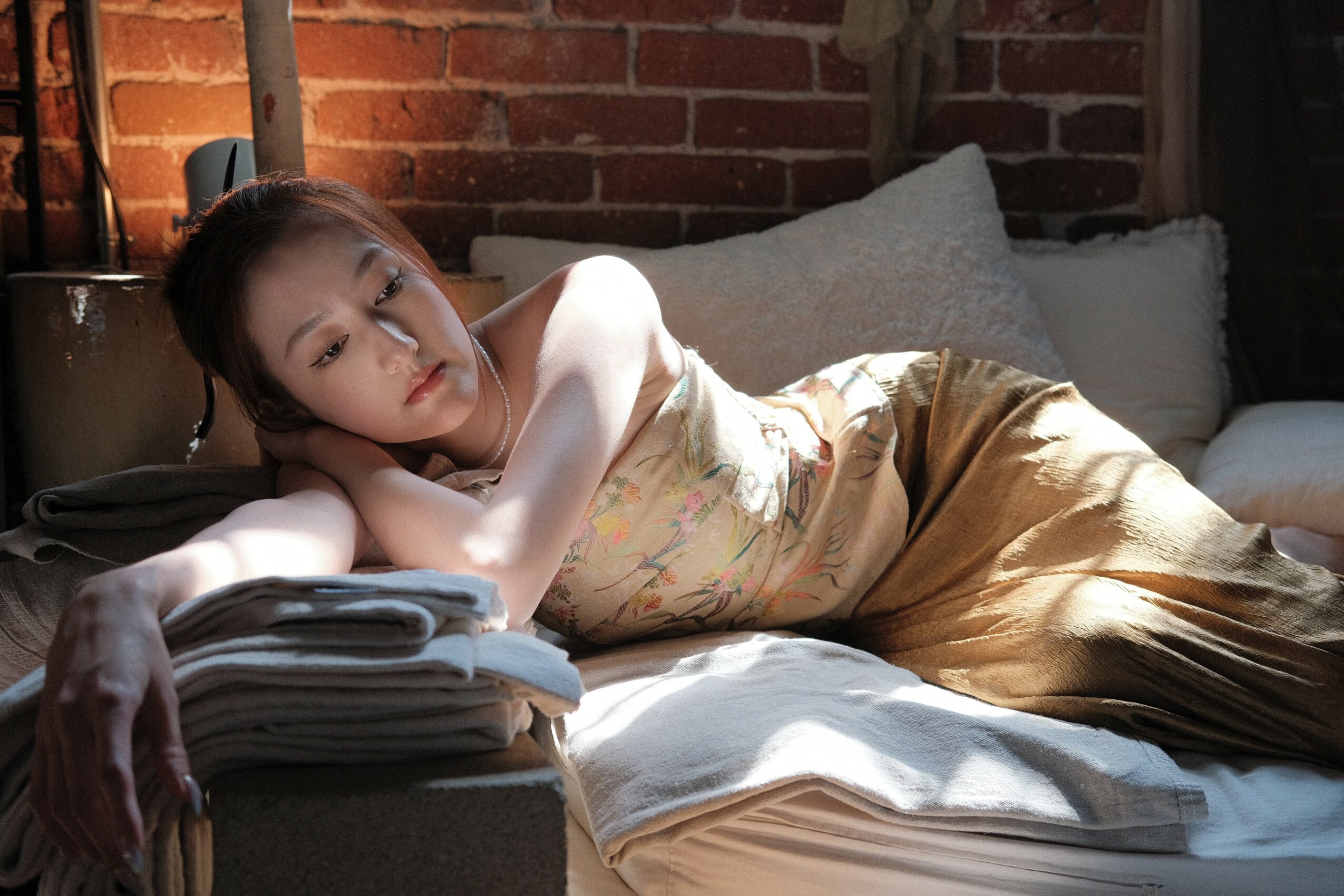
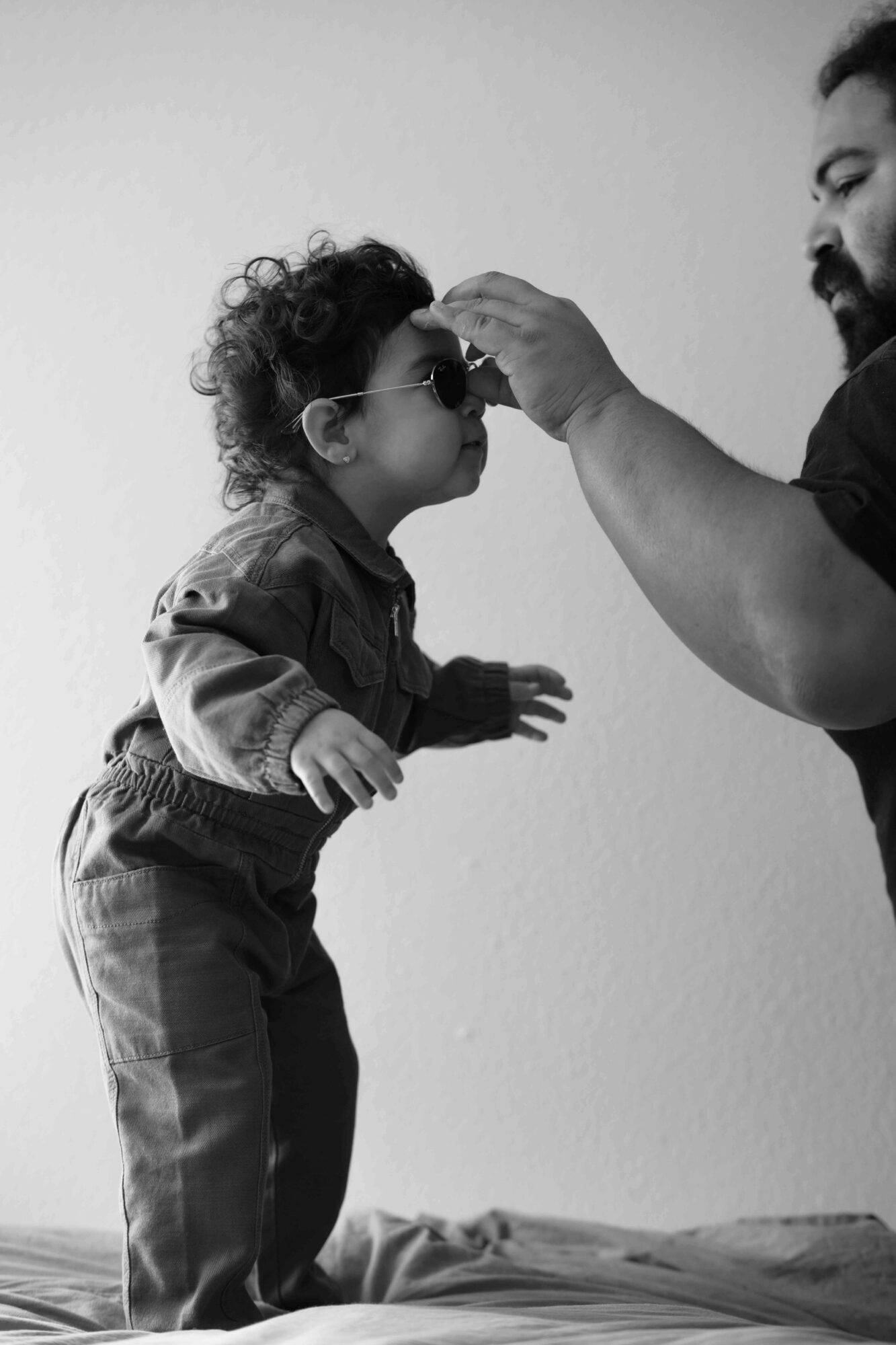
My work spans photography, video, and content, but the core of it is observation — how presence, posture, timing, and context shape perception. A small shift in angle or moment can completely change how someone is understood.
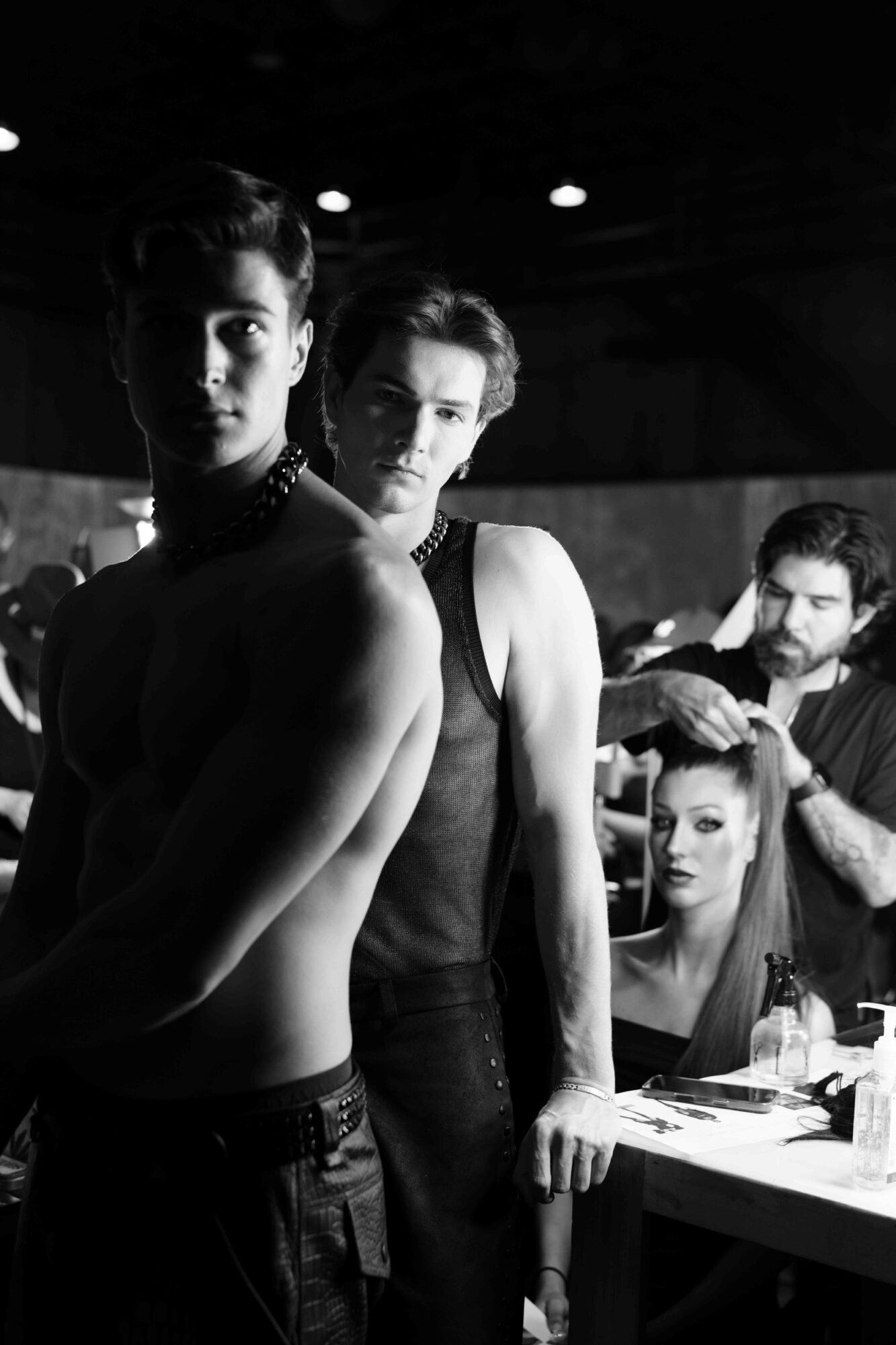
I’m particularly drawn to environments like backstage or real-world interactions, where there’s a tension between performance and authenticity. Those in-between moments often reveal more than anything staged. What sets me apart is that I approach visual work as a system rather than just an aesthetic. I think about intention, structure, and impact — not only how something looks, but what it does to the viewer.
More recently, I’ve been interested in applying this way of thinking beyond images, into areas like product and brand — where design is not just about appearance, but about solving real problems and shaping perception.
That way of thinking is what I value most in my work, and what I continue to build on.
Can you tell us more about what you were like growing up?
Growing up, I wasn’t just interested in what things looked like. I was more focused on whether they made sense.
I often found myself questioning the purpose behind things, especially in creative work. Why something is done a certain way, whether it actually serves a function, or if it’s just following a pattern without real intention. That tendency made me less comfortable with purely decorative or surface-level expression. I was drawn to different forms of making — drawing, photography, design, but I didn’t see them as separate disciplines. To me, they were all different ways of exploring structure, proportion, and how something comes together.
Personality-wise, I’ve always leaned toward thinking in systems. I tend to connect things, look for underlying logic, and understand how small elements contribute to a larger whole.
Looking back, that combination questioning purpose, exploring structure, and thinking in systems shaped the way I approach creative work today.
Contact Info:
- Website: https://tinofoto.com
- Instagram: @tiinowu
- Yelp: https://www.yelp.com/biz/tino-foto-los-angeles
Popular
-
Los Angeles Barea on Turning Green Superheroes into a Global Movement for Youth-Led Change
-

Trisha DuVivier on Bridging the Franchisor–Franchisee Divide with Workhero and “Franulate”
-

Portraits of the Valley
-

LA’s Most Inspiring Stories
-

Cedar Boschan on Elevating Black Music Rights and Driving Urgent Conversations Around Credit, Equity, and Artist Protection
-
Robin Olive on Building an Inclusive Performing Arts Movement and Expanding Opportunities for Every Student


