



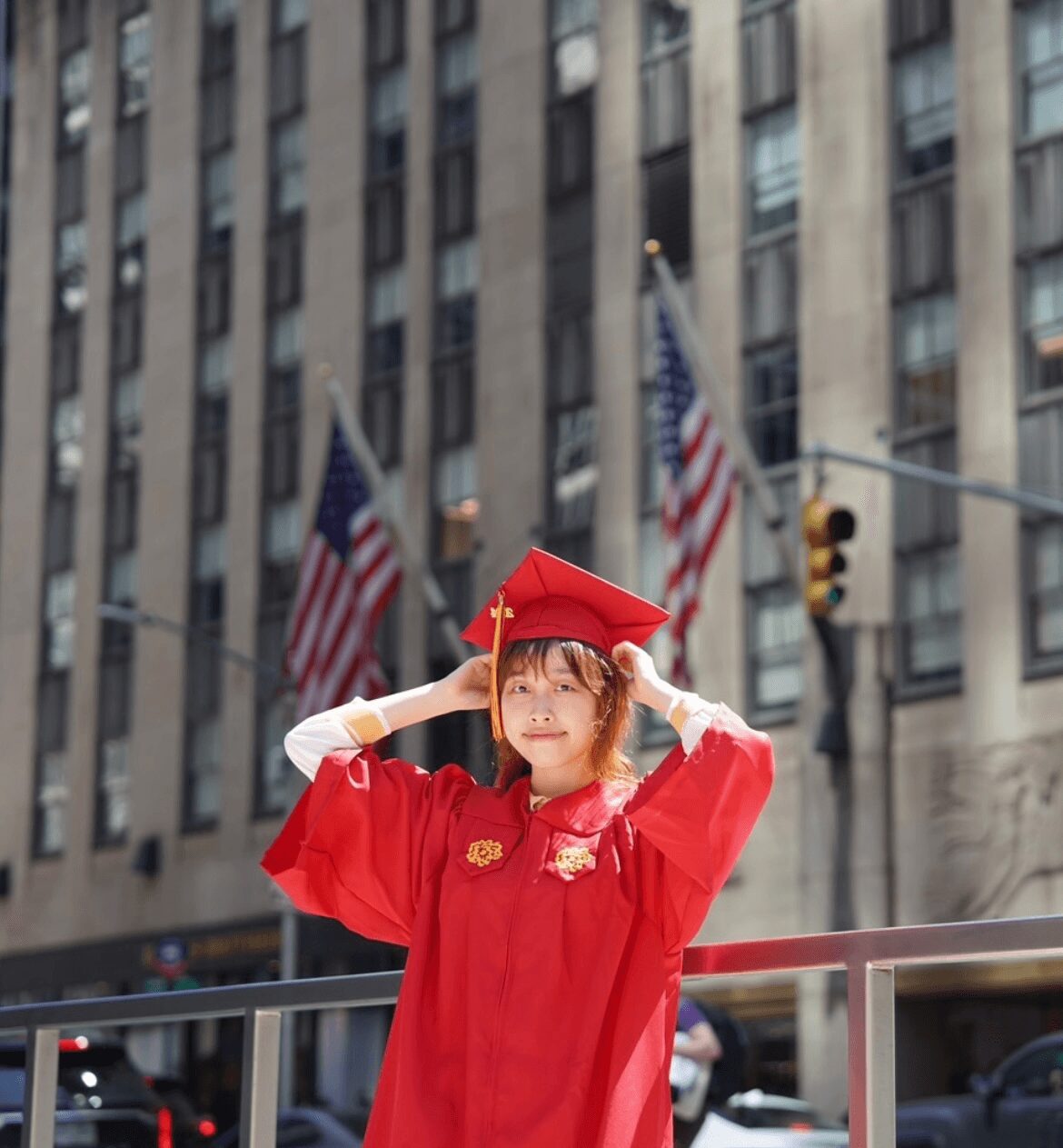
 Today we’d like to introduce you to Stella Wu
Hi Stella, please kick things off for us with an introduction to yourself and your story.
My journey at SVA was far from smooth. In my first year, I struggled to find my own way of drawing, as I was still bound by the constraints of the Asian education model. For a long time, I had been conditioned to draw in a realistic style, which made me forget how to draw spontaneously and loosely. I could only create when I had photos as references, and without them, I lacked the confidence to show my work. Drawing had become a source of pressure for me because I believed that only highly realistic art would be considered great or a display of superb skill.
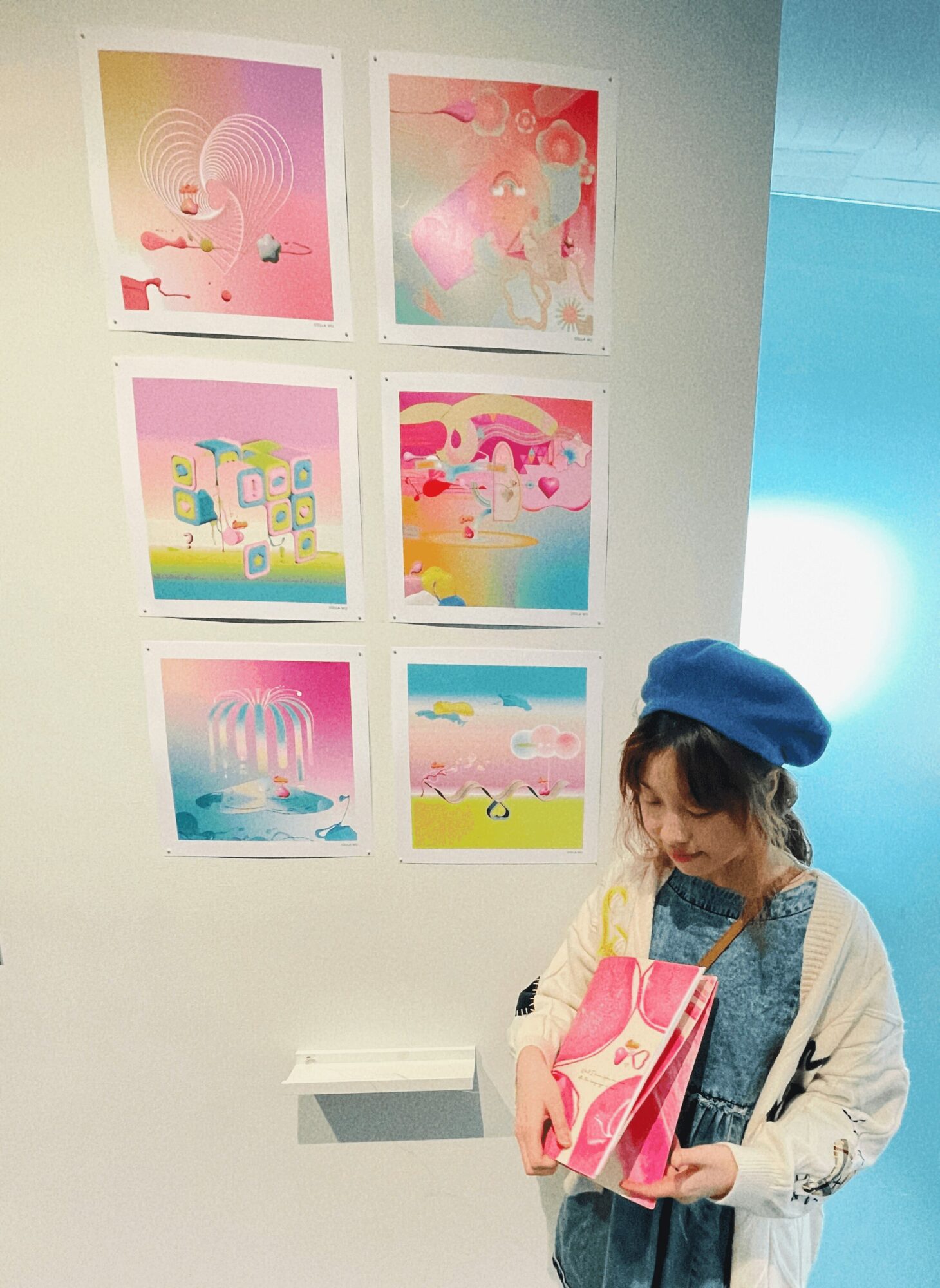
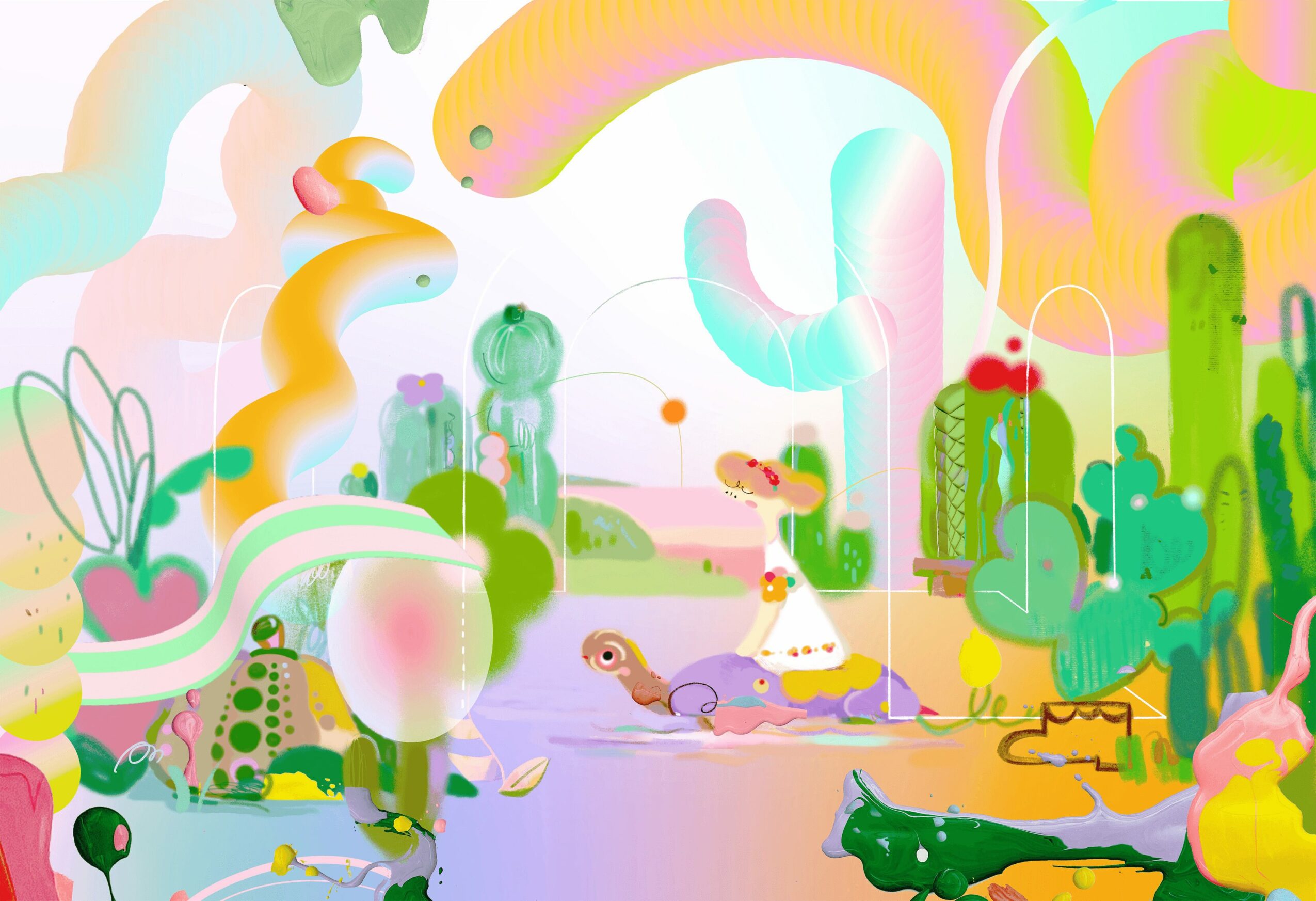
Before I found my own visual language—my so-called “style”—I chased after what was popular, like cute subjects. As a result, I became stuck with the adjective “cute” and could only produce work that fit that label. This created a significant limitation in my art. However, I vividly remember my painting teacher telling me, “You can do more than just cute,” which was a revelation. It prompted me to let go of those self-imposed rules. I decided to stop caring about fitting into a mold, and that’s when I fell in love with abstraction. In abstraction, I found the freedom I had been missing, and it has profoundly impacted my work ever since.
Alright, so let’s dig a little deeper into the story – has it been an easy path overall and if not, what were the challenges you’ve had to overcome?
Here’s a revised version:
My journey at SVA was far from smooth. In my first year, I struggled to find my way of drawing, as I was still bound by the constraints of the Asian education model. For a long time, I had been conditioned to draw in a realistic style, which made me forget how to draw spontaneously and loosely. I could only create when I had photos as references, and without them, I lacked the confidence to show my work. Drawing had become a source of pressure for me because I believed that only highly realistic art would be considered great or a display of superb skill.
Before I found my own visual language—my so-called “style”—I chased after what was popular, like cute subjects. As a result, I became stuck with the adjective “cute” and could only produce work that fit that label. This created a significant limitation in my art. However, I vividly remember my painting teacher telling me, “You can do more than just cute,” which was a revelation. It prompted me to let go of those self-imposed rules. I decided to stop caring about fitting into a mold, and that’s when I fell in love with abstraction. In abstraction, I found the freedom I had been missing, and it has profoundly impacted my work ever since.
Can you tell our readers more about what you do and what you think sets you apart from others?
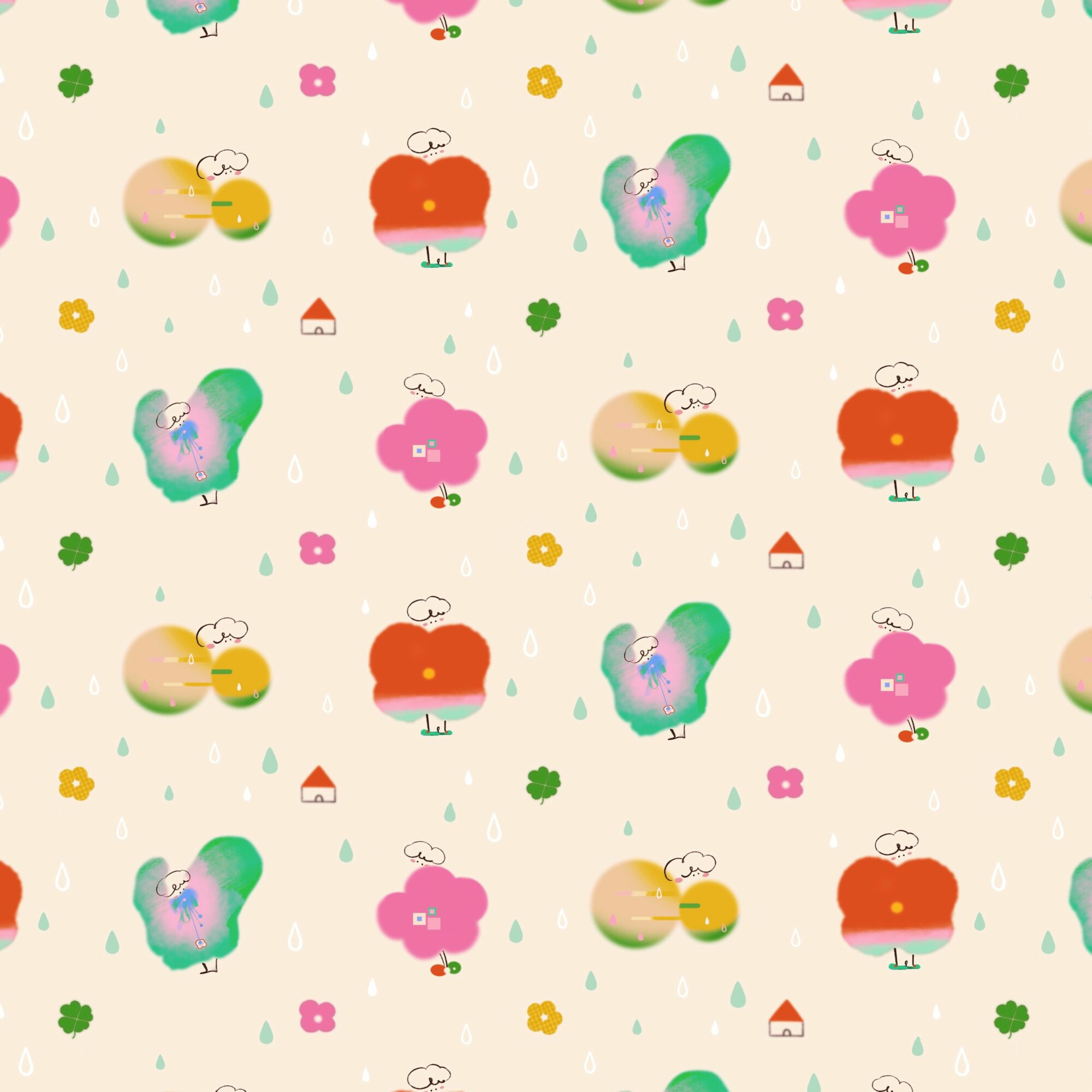
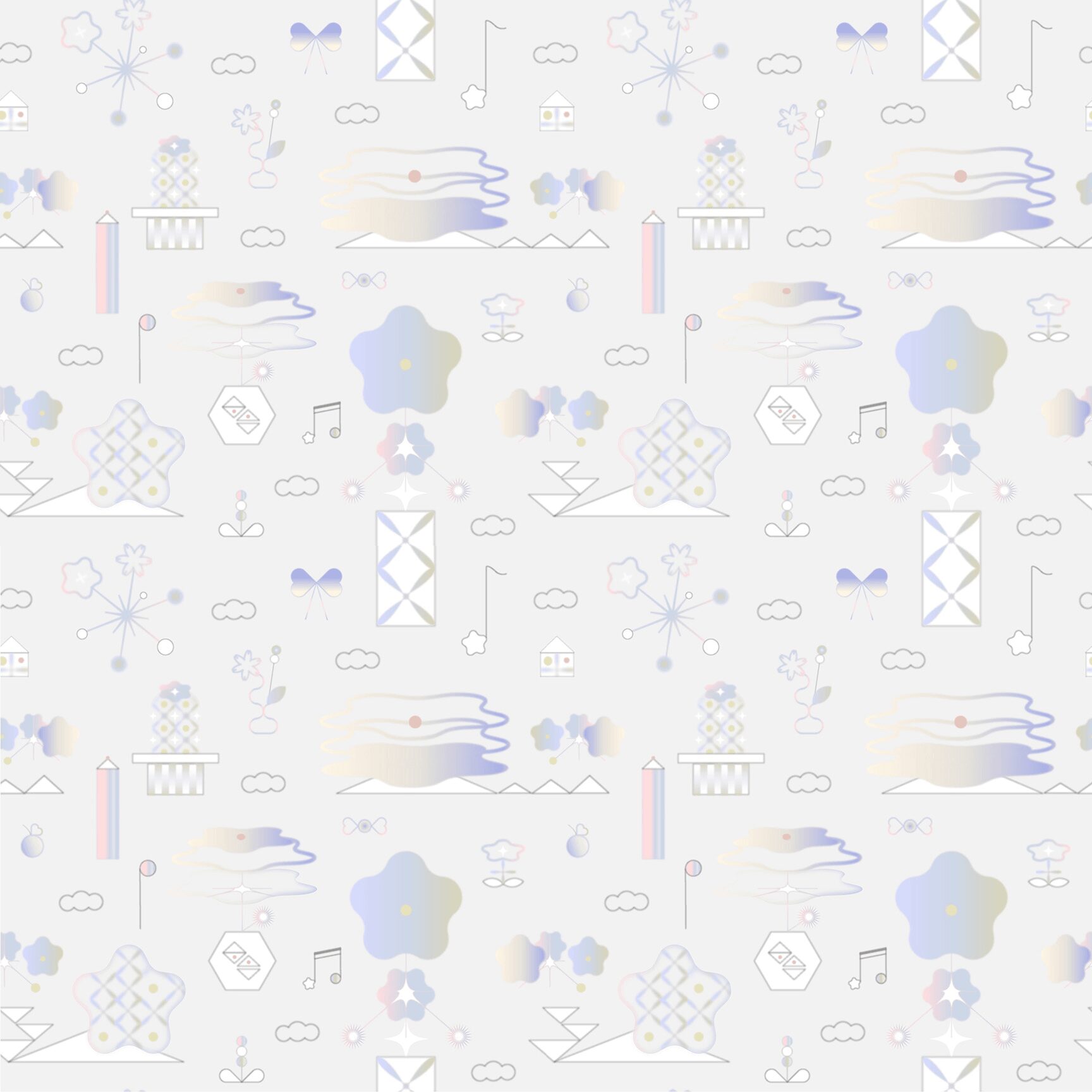
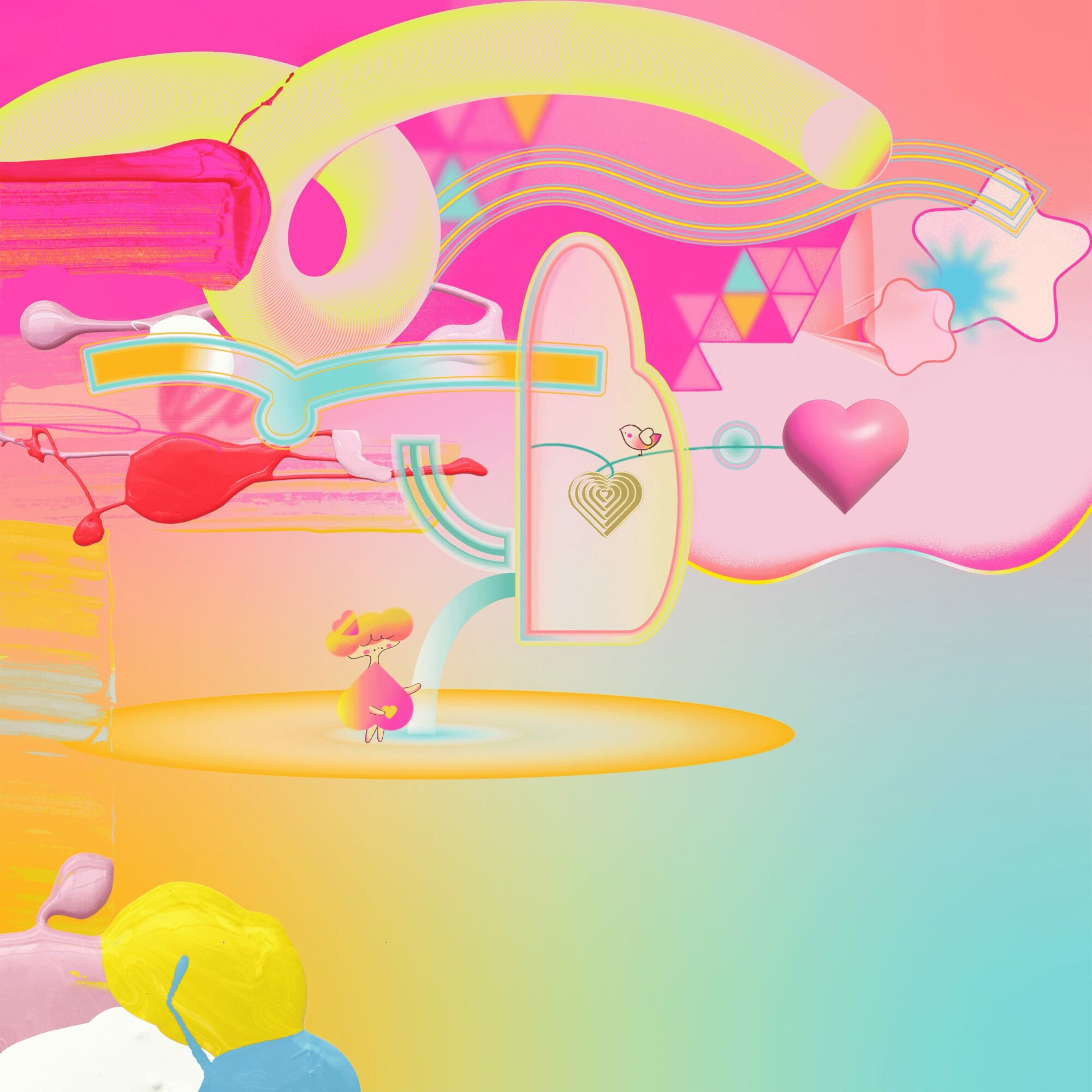
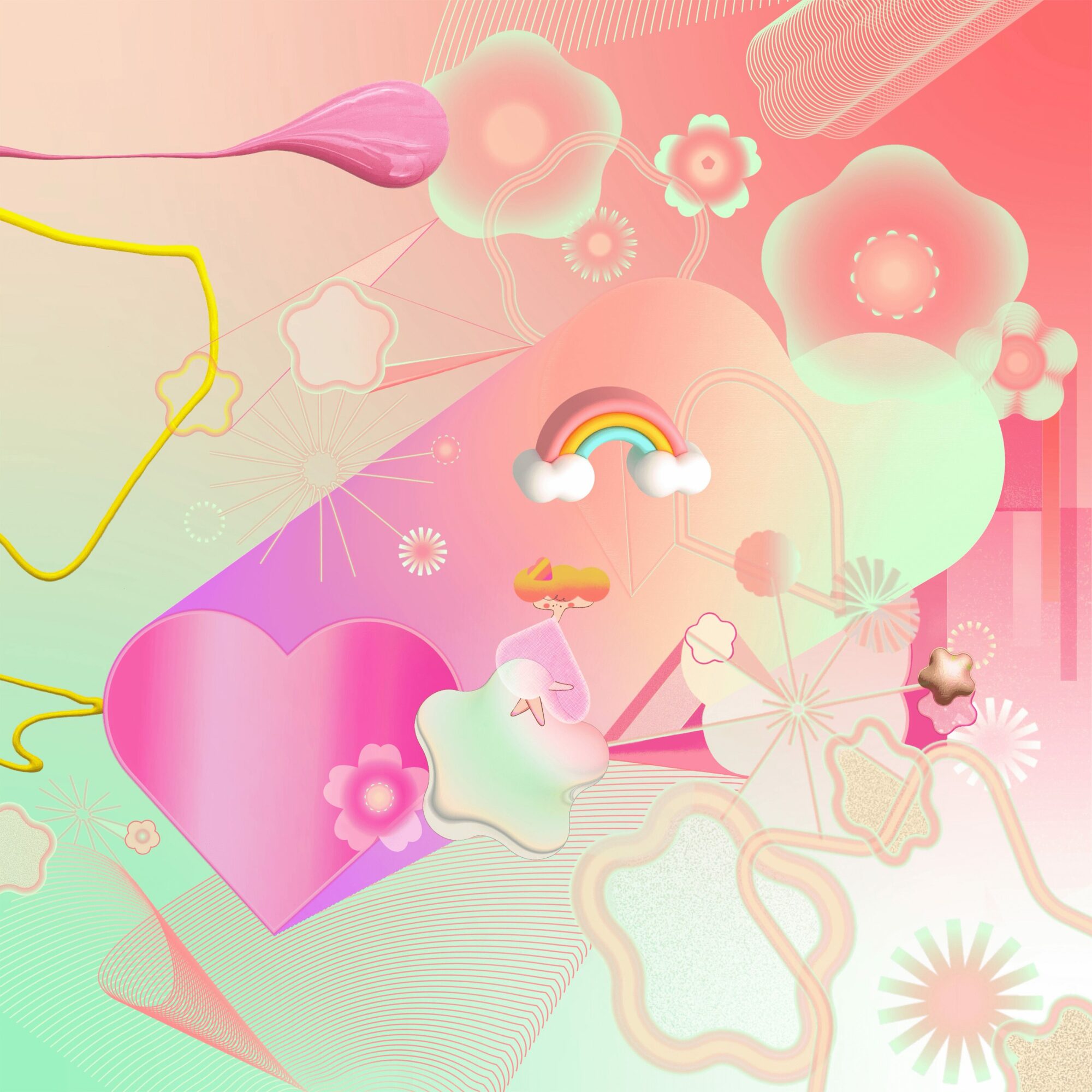
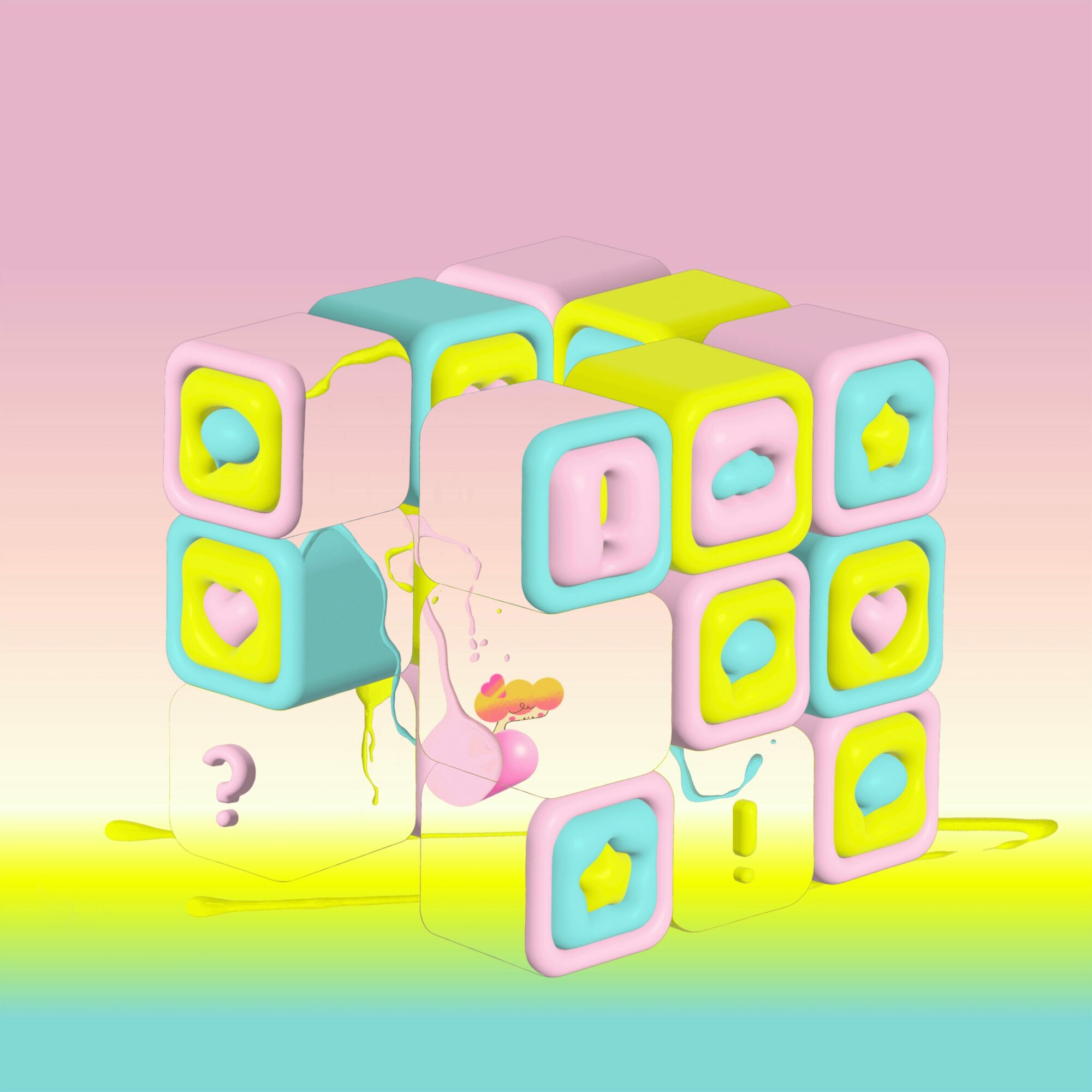
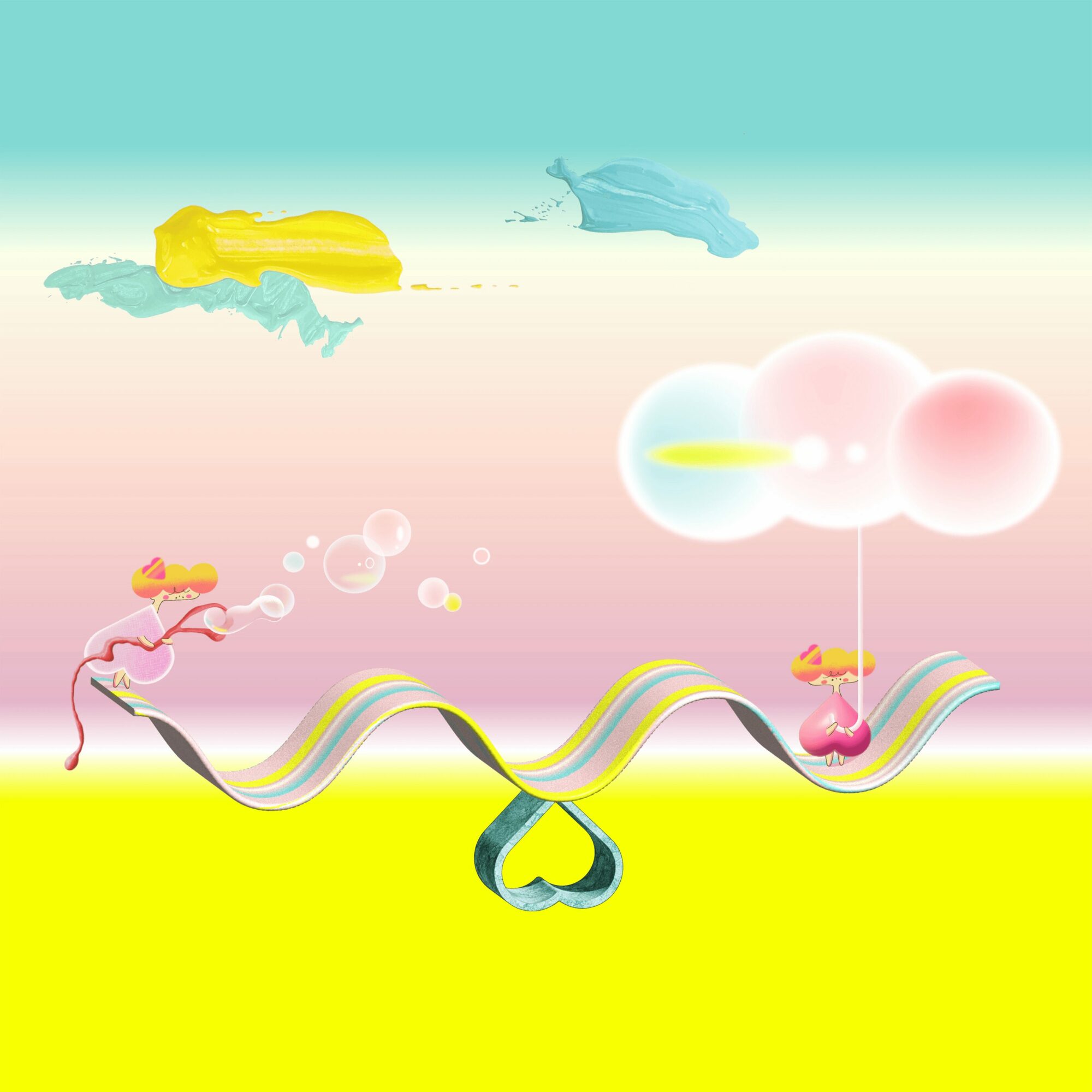
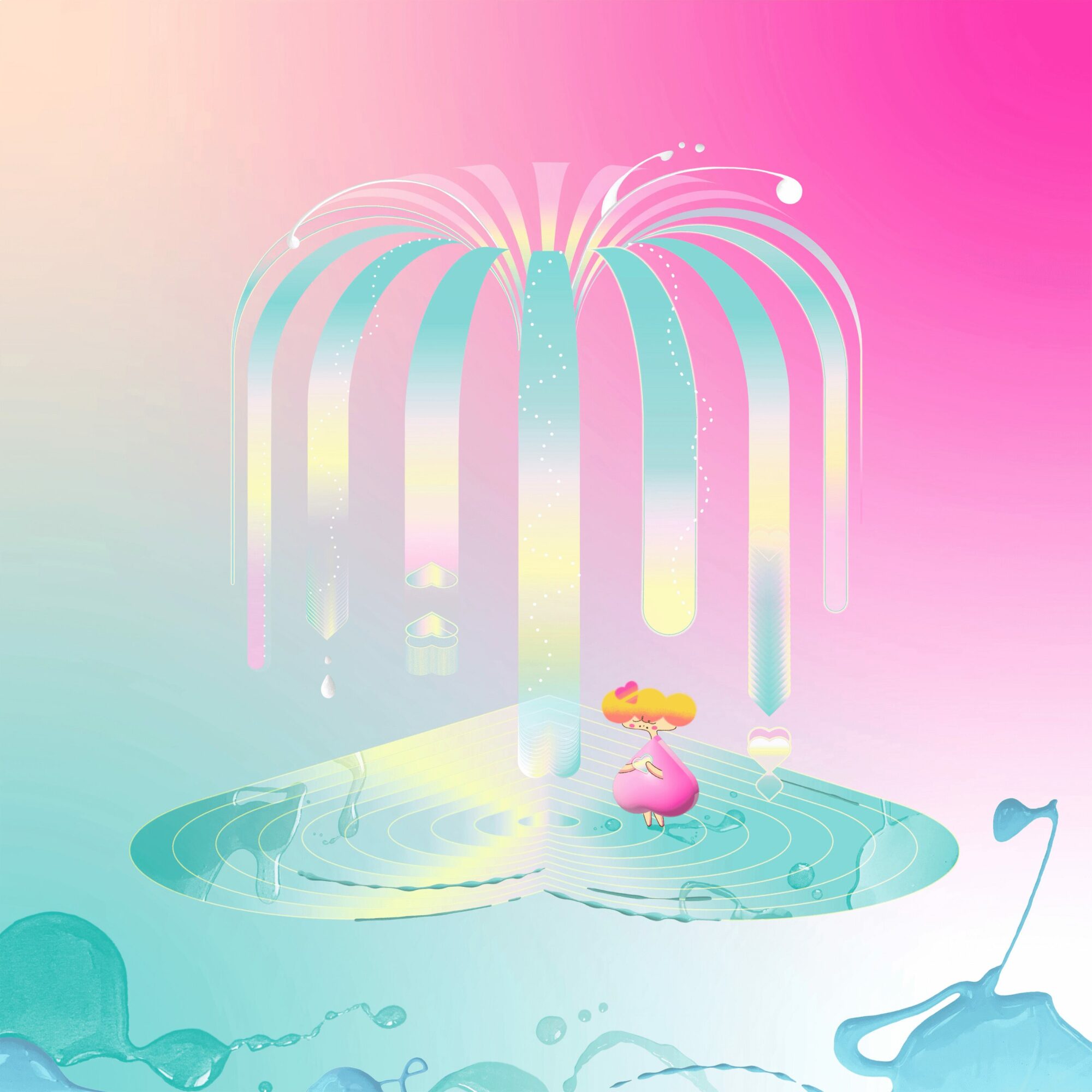
I specialize in mixed media art and illustration, with a focus on creating innovative collages that blend different mediums to challenge traditional perceptions of art. What I’m most proud of is my willingness to be different, which truly sets me apart. I constantly push myself to explore new ways of making art, always moving forward after mastering one method to try another. This approach keeps me motivated and excited in my creative journey. I also embrace the fusion of technology and art, believing that continuous learning, experimentation, and curiosity are crucial for an artist’s growth.
Where do you see things going in the next 5-10 years?
Over the next 5-10 years, I see the art and illustration industry evolving in several significant ways:
1. Increased Integration of Technology: The fusion of technology and art will continue to grow, with more artists using digital tools like AI, augmented reality (AR), and virtual reality (VR) to create immersive and interactive experiences. This shift could open new avenues for storytelling and expression, allowing artists to push the boundaries of traditional media.
2. Rise of Mixed Media and Hybrid Art Forms: As artists continue to experiment with different materials and techniques, mixed media and hybrid art forms will likely become even more popular. This trend will challenge conventional notions of what art can be, encouraging innovation and cross-disciplinary collaboration.
3. Sustainability and Eco-Conscious Art: With growing awareness of environmental issues, there will likely be a stronger emphasis on sustainable practices in art. This could involve using eco-friendly materials, upcycling, or creating art that addresses environmental themes. Artists may also explore ways to reduce their carbon footprint through digital creation and distribution.
4. Personalization and Custom Art: As consumers seek more personalized experiences, there could be a rise in demand for custom art that reflects individual tastes and identities. Artists might increasingly offer bespoke services, creating unique pieces tailored to clients’ preferences.
5. Globalization and Cultural Exchange: The global art market will continue to expand, fostering greater cross-cultural exchange. Artists from different parts of the world will increasingly influence each other, leading to a more diverse and interconnected art scene.
6. Social Media and Community Building: Social media will remain a powerful tool for artists to showcase their work, connect with audiences, and build communities. Platforms may evolve to offer more sophisticated tools for collaboration and monetization, giving artists greater control over their careers.
7. Shift Toward Inclusivity and Diversity: The industry will likely continue its move towards greater inclusivity and diversity, both in terms of the artists represented and the subjects explored in their work. This shift will enrich the art world with a wider range of voices and perspectives.
These trends suggest that the art and illustration industry will become more dynamic, interconnected, and innovative, offering exciting opportunities for artists who are willing to adapt and explore new possibilities.
Contact Info:
- Website: https://www.stellallaart.com/
- Instagram: https://www.instagram.com/stellalla.art/
Popular
-
Maagic Collins on Building a Fearless Publishing Platform for Truth, Advocacy, and Underrepresented Voices
-
Los Angeles Barea on Turning Green Superheroes into a Global Movement for Youth-Led Change
-

Trisha DuVivier on Bridging the Franchisor–Franchisee Divide with Workhero and “Franulate”
-

Portraits of the Valley
-

LA’s Most Inspiring Stories
-
Cedar Boschan on Elevating Black Music Rights and Driving Urgent Conversations Around Credit, Equity, and Artist Protection


