




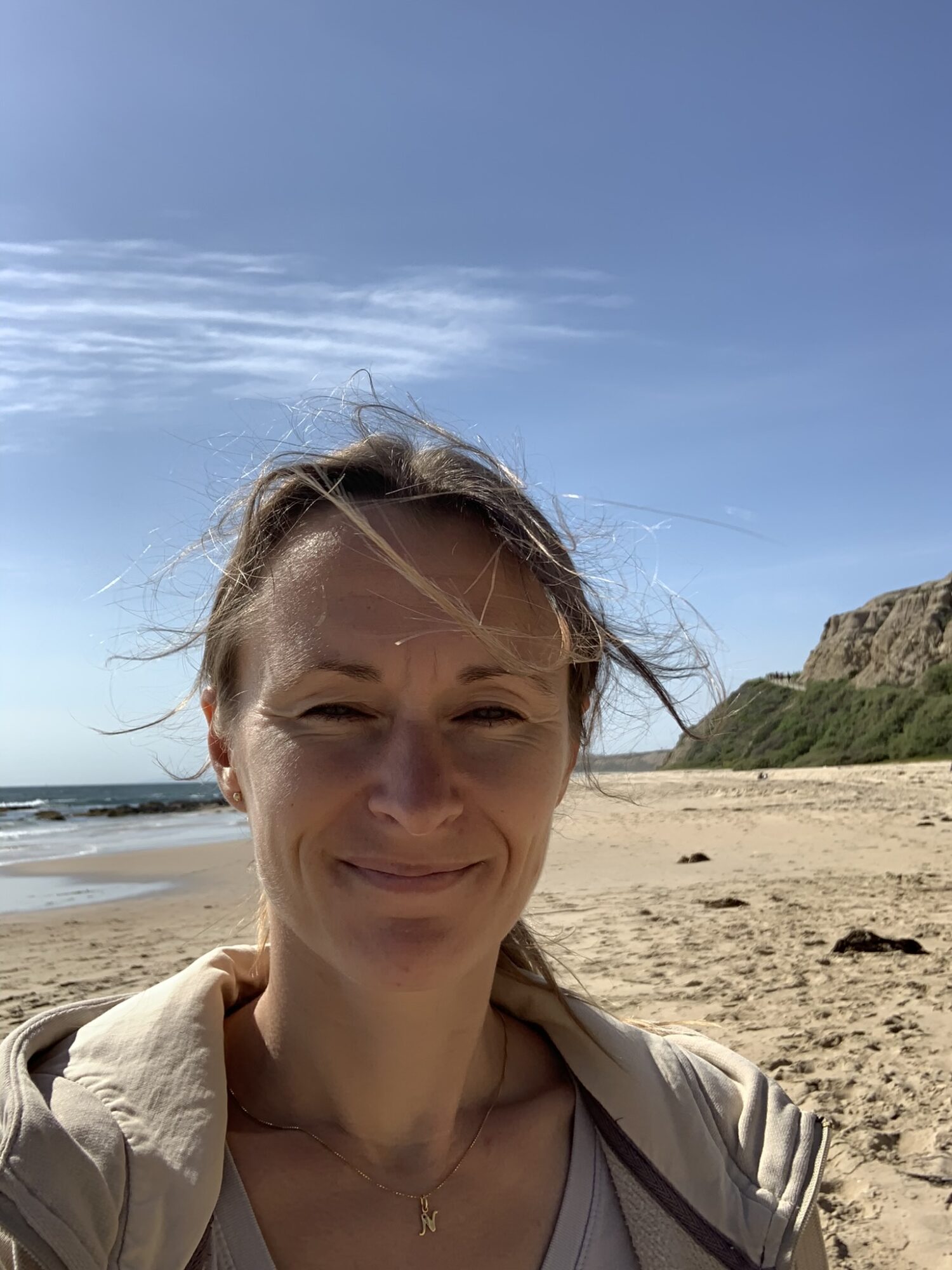
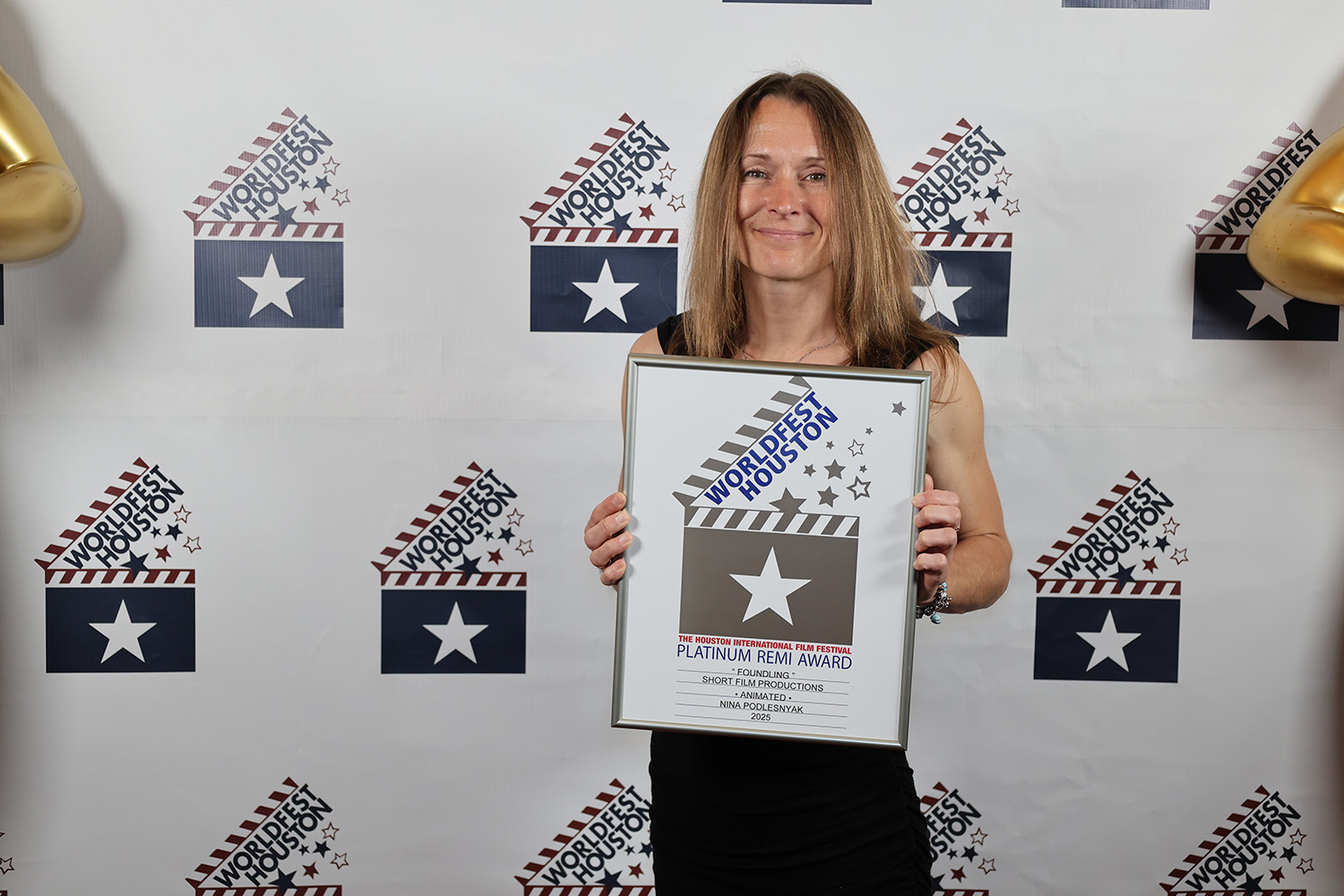
Today we’d like to introduce you to Nina Podlesnyak.
Hi Nina, it’s an honor to have you on the platform. Thanks for taking the time to share your story with us – to start maybe you can share some of your backstory with our readers?
I think my path into animation was a little unusual. I actually studied math in university and worked as a software engineer for a while. But creatively, it started much earlier, I loved drawing as a child. I had a few animated movies on VHS tapes, and I would pause them frame by frame and copy the characters into sketchbooks. I went to art school for several years when I was younger, but for a long time art was something I carried alongside more “practical” choices.
Eventually I found my way back to it through sketching and illustration. Around 2016 I started drawing regularly again and slowly moved into digital art, even though at first I absolutely hated drawing digitally. Then one day there was an online drawing challenge with prompts, and that’s where Yens was born, the very first digital drawing I truly loved. Soon after, Spinny appeared too, and those characters slowly became their own little world.
I started posting illustrations online and eventually got my first offer to illustrate a book. I was terrified, but I said yes, and that became the beginning of my illustration career in 2017. At the same time, I kept creating personal work with Yens and Spinny just for myself, never really expecting a larger audience.
Animation came later. I always loved it, but it felt unreachable to me for a long time. I didn’t have formal animation training, and I assumed you had to follow a very traditional path into the industry. So instead I experimented on my own. I tried frame-by-frame animation, Blender, Maya, different programs and workflows, mostly just out of curiosity. Then in 2021 I discovered Spine 2D, and something finally clicked. It allowed me to make the kind of atmospheric animation I had imagined for years, quiet scenes with warmth, light, movement, and emotion.
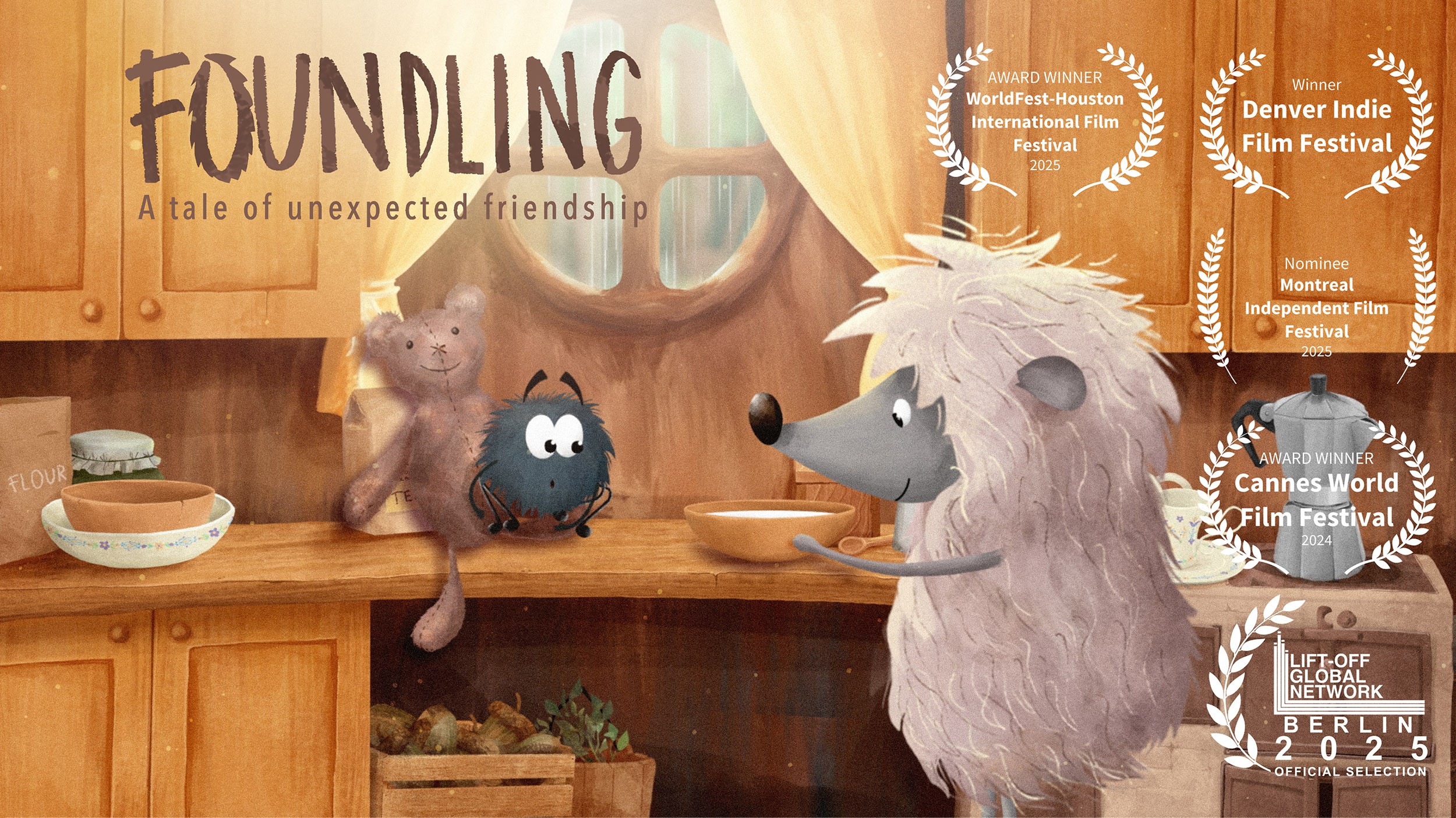
That eventually led to my short film Foundling, which became a huge learning experience. I had to teach myself storytelling, editing, cinematography, pacing, all the things beyond simply making characters move. I learned constantly while making it through online courses, books, YouTube videos, and a lot of trial and error.
The film took several years to finish while I balanced freelance work, family life, and other projects. After it was released, I submitted it to festivals, and eventually uploaded it to YouTube mostly so people from Instagram could finally watch it. I wasn’t expecting much, but the response completely surprised me. The film reached a much bigger audience than I ever imagined, and for the first time I realized these quiet little stories could genuinely connect with people.
Now I’m continuing to build the world of Yens and Spinny through short animated episodes and personal storytelling projects. It still feels a little unreal sometimes, because for many years it was just something I quietly made for myself.
Would you say it’s been a smooth road, and if not what are some of the biggest challenges you’ve faced along the way?
Definitely not. I think from the outside it can sometimes look like things happened quickly once the film found an audience online, but there were many years before that where I was mostly creating in isolation, experimenting, failing, changing direction, and trying to figure things out on my own.
One of the hardest parts was simply not knowing whether any of it would lead anywhere. For a long time I was making personal work mostly for myself while also trying to earn a living through illustration and freelance projects. I didn’t really know other people in animation, so I often felt disconnected from the industry and unsure whether I even belonged in it. I didn’t have formal training, and for years animation felt very intimidating and out of reach.
Technically, there was also a huge learning curve. I had to teach myself almost everything step by step, animation software, storytelling, editing, cinematography, sound, pacing. When I started making Foundling, I honestly only knew how to create atmosphere and simple movement. I had no understanding of film structure or how scenes should flow together emotionally. So the project itself became my school.
Balancing creative work with family life was another challenge. I have three kids, freelance deadlines, an online shop, social media, and all the small invisible tasks that come with daily life. There were periods where I worked very late into the night trying to finish projects, especially while also taking on full-time animation work for clients. At one point I got severely burned out and realized I couldn’t continue building someone else’s vision while trying to make my own work at the same time.
Emotionally, I think disappointment was also something I had to learn to handle better. Earlier in my career I would try something new, prints, books, videos, different types of content, and if it didn’t succeed immediately, I would assume I had failed. Over time I realized creative careers are often built on many attempts, not one perfect plan. Most things won’t work the way you expect them to, and that’s normal.
Even after finishing Foundling, I struggled with expectations. I submitted the film to festivals and secretly hoped for a big breakthrough, so when things moved slowly, it was difficult emotionally. But looking back, every stage taught me something important, including the frustrating parts.
I think the biggest thing that kept me going was that I genuinely loved the world I was building. Even during periods when almost nobody was watching, I still wanted to spend time with these characters and make their world feel real. That made it easier to continue through the uncertain parts.
As you know, we’re big fans of you and your work. For our readers who might not be as familiar what can you tell them about what you do?
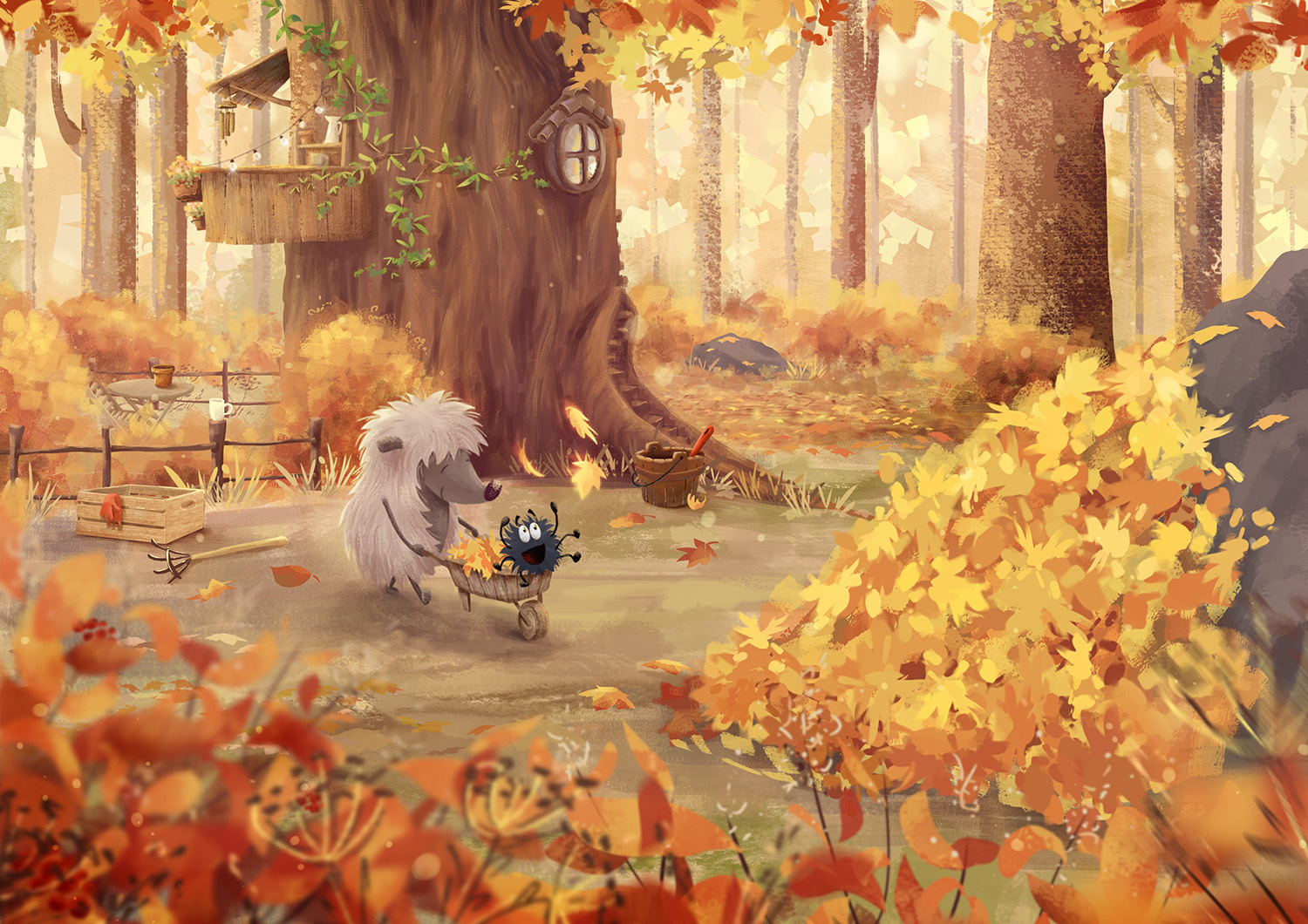
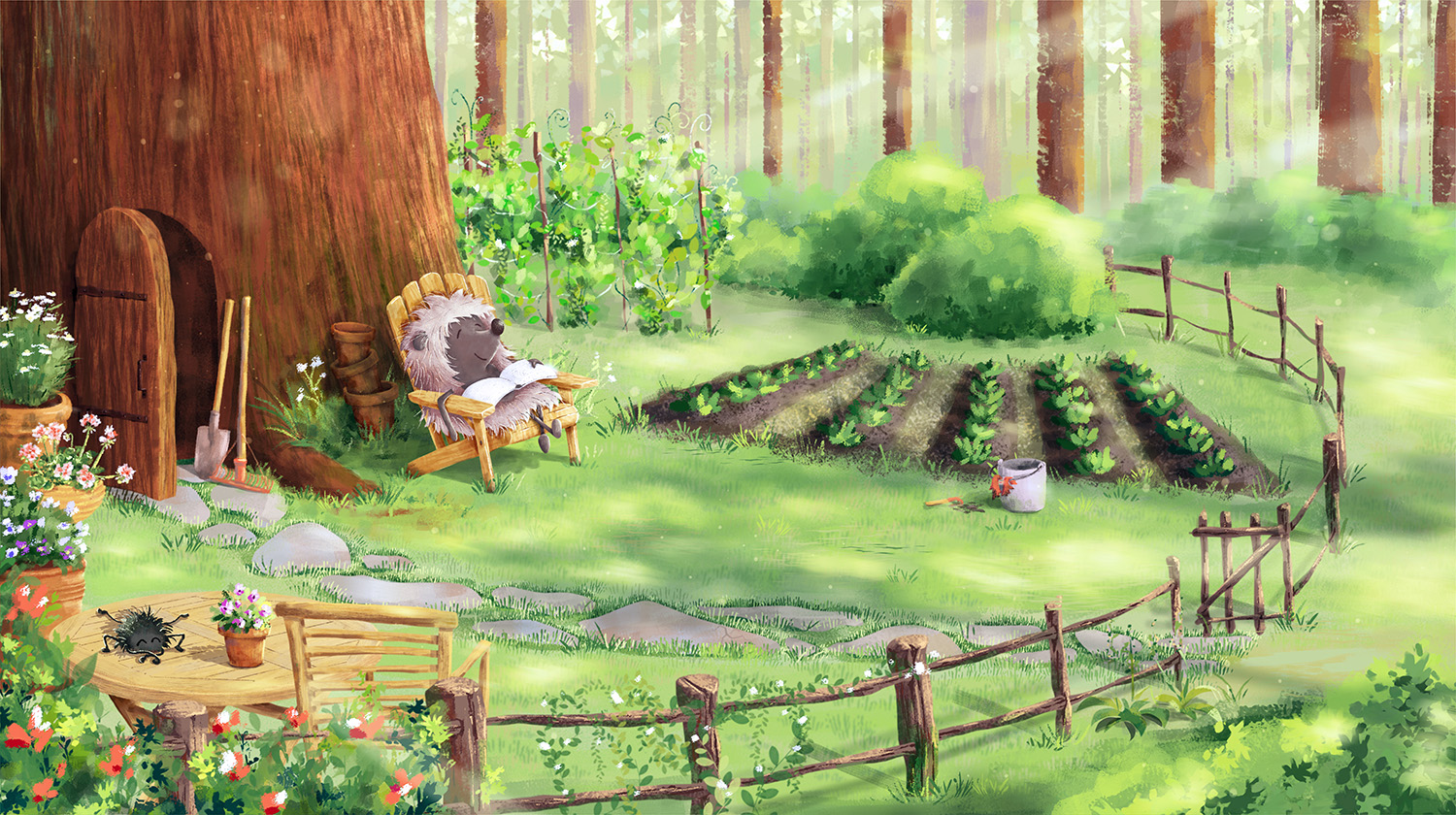
I’m an independent illustrator and animator, and most of my work revolves around creating quiet, atmospheric stories centered around my original characters, Yens and Spinny. I create short animated films, illustrations, and small story-driven projects that all exist within the same world.
My work is usually focused less on big action or dialogue, and more on mood, emotion, and small moments, things like rain against a window, warm light in a room, gardening, tea, long walks, or the feeling of being safe somewhere familiar. A lot of people describe my work as cozy or comforting, and I think that’s probably the closest description. I’m very interested in creating spaces people emotionally want to return to.
Technically, I work mostly as a solo creator. I handle writing, visual development, backgrounds, animation, lighting, compositing, editing, and much of the sound design myself. Over the years I’ve built a workflow that combines illustration and 2D rig animation in a way that feels very painterly and cinematic. I love finding efficient ways to make still illustrations feel alive through movement, atmosphere, and lighting.
I think what sets my work apart is that it’s deeply personal and very consistent emotionally. I never really approached Yens and Spinny as “content.” For many years I was simply building a world I personally wanted to spend time in. Because of that, the stories tend to come from genuine experiences and emotions rather than trends or market expectations. Almost every animation is inspired by some real feeling or memory, sitting near a fireplace, watching rain through a window, sketching outside, quiet family moments, or the feeling of slowing down after a difficult day.
I’m also very attached to long-term worldbuilding. Instead of constantly reinventing styles or characters, I’ve spent years slowly developing the same world and letting audiences become familiar with it over time. I think people enjoy returning to places and characters that feel emotionally reliable.
What I’m most proud of is probably that the work found an audience while staying true to itself. I never expected Foundling or the Yens and Spinny world to resonate with so many people, especially because the stories are quiet and unconventional in some ways. Seeing viewers leave deeply personal comments about how the film comforted them or reminded them of childhood has meant more to me than numbers or views.
I’m also proud that I learned so much independently. I came into animation without formal industry training, so every project involved figuring things out step by step. Looking back, I think the willingness to continue creating before feeling fully “ready” became one of my biggest strengths.
If we knew you growing up, how would we have described you?
I was a very quiet and imaginative kid. I loved drawing, animals, nature, and animated movies, and I could spend hours completely absorbed in my own little worlds. I was also very emotional and observant, small things like rain on windows, warm light, or certain music stayed with me for a long time. I think a lot of the atmosphere in my work now comes directly from those childhood feelings. At the same time, I was also very practical and academic, which is probably why I eventually ended up studying math and working in software engineering before fully returning to art.
Contact Info:
- Website: https://YensandSpinny.com
- Instagram: https://www.instagram.com/storyincolors
- Facebook: https://www.facebook.com/share/17QS3iwEF1/?mibextid=wwXIfr
- Youtube: https://youtube.com/@storyincolors
- Other: https://NinaPodlesnyak.com
Popular
-

Portraits of the Valley
-

LA’s Most Inspiring Stories
-
Robin Olive on Building an Inclusive Performing Arts Movement and Expanding Opportunities for Every Student
-

Que Johnson on Building Brands That Last: From Visibility to True Market Authority
-

Christina Wren Steps Into the Director’s Chair to Tell Stories That Feel Like Home
-

JordanL on ‘Breathe,’ Belief, and Building a Movement Beyond the Music


