




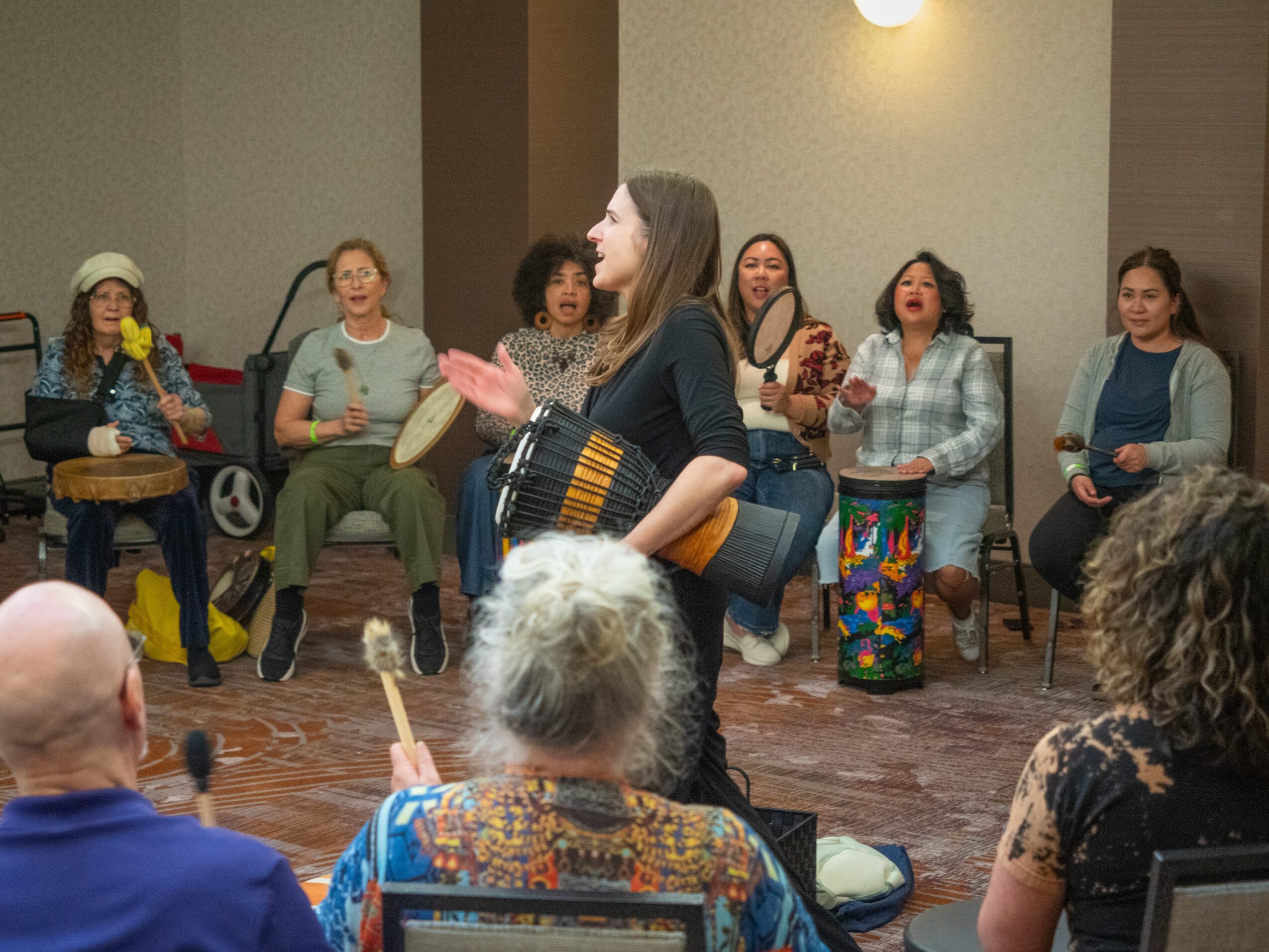
Today we’d like to introduce you to Natalie Duque.
Hi Natalie, so excited to have you with us today. What can you tell us about your story?
I’ve always been a musician. When I was a kid, I begged my mom for music lessons. My happy place was the back seat of her car, belting Wilson Phillips like I was headlining Madison Square Garden. She did not ask for this, but she endured it anyway, and eventually put me in lessons. It’s the greatest gift she’s ever given me.
Music has always been my lifeline. It steadied me growing up in a single-parent home where things didn’t always feel predictable. It steadied me as a teenager in New York City, experiencing the trauma of 9/11 firsthand. And decades later, it steadied me again when the life I had built began to crumble.
At 40, I was back in school for a career change, going through a divorce, raising two small kids, newly diagnosed as neurodivergent, and so burnt out I felt like a marshmallow left too long in the fire. Extra crispy.
Like a lot of people in burnout, I tried every wellness trick in the book. None of it worked. Eventually I realized the problem wasn’t that I was broken. It was that I was using the wrong tools.
So I turned to the one thing that has never failed me: music.
This was all happening while I was in school becoming a music therapist, learning the neuroscience behind music’s effect on the body while simultaneously using it to survive one of the hardest seasons of my life. What the research kept pointing to, and what my body kept confirming, was rhythm. Steady rhythm is what brings back your spark from burnout.
What began as survival became a calling. Today, as a Board-Certified Music Therapist and founder of Rhythm & Rise LLC, I create rhythm-based spaces where high-functioning people can step out of performance mode, reconnect, and feel steady together.
We all face challenges, but looking back would you describe it as a relatively smooth road?
It hasn’t always been a smooth road. The biggest challenge has been building a business that doesn’t fit neatly into a box, and doing it inside a wellness industry that is both booming and oversaturated at the same time.
I’m genuinely glad people are waking up to the importance of wellness. But a lot of what’s out there looks the same: the mindfulness apps, the desk yoga. And for people experiencing the level of burnout that’s become normal right now, that’s not always enough.
Rhythm and sound are unconventional. Most high-functioning people haven’t experienced this kind of work before, which means part of my job is earning their trust before they ever step into a session. That requires more trust-building upfront. But once they’re in the room, or even on a Zoom, something shifts. And that’s what keeps me going.
Great, so let’s talk business. Can you tell our readers more about what you do and what you think sets you apart from others?
I bring rhythm into rooms that need it, and that looks a little different depending on who I’m working with.
For workplace teams, I lead something called The Rhythm Reset. It’s a 60–90 minute on-site experience where I bring drums and singing bowls right into the office. We start with a guided drum circle that anyone can do (no musical background needed), and we close with a sound bath that helps people unwind and reset. By the end, the room feels different. People who walked in tense or unsure usually leave feeling lighter, more open, and more connected.
Outside of that, I offer virtual sound baths, community drum circles around LA, and workshops focused on burnout and rhythm-based approaches to managing stress.
What sets my work apart is the combination of clinical training and lived experience. I’m a Board-Certified Music Therapist (MT-BC), so I understand the science of how rhythm and sound impacts the body. But I also know burnout from the inside because I’ve lived it. That combination shows up in every session.
And honestly, what I’m most proud of is who this work reaches. It’s not just the people who already love wellness. It’s the skeptics. The ones who say, “I don’t really do meditation,” or “I don’t have time for this.” Those are often the people who feel the shift the most.
If there’s one thing I’d want readers to know, it’s this: rhythm isn’t just something musical. It’s something the body responds to. And when it’s used intentionally, it creates a real shift in how people feel, relate, and move through stress.
What was your favorite childhood memory?
Every holiday season, my mom would take me to her best friend Linda’s house for a big Christmas party. It was always loud and crowded and honestly, a little too much for me as a kid. But Linda’s sister Sandy flew in from California every year, and Sandy was a musician. At some point during every party, the two of us would disappear into another room and just jam together. She’d teach me songs she wrote on guitar, we’d sing, and the noise and chaos of the party would disappear around me. Those parties I used to dread became something I looked forward to all year. All because of one person and a quiet moment to connect through music.
Contact Info:
- Website: https://www.rhythm-rise.com/
- Instagram: https://www.instagram.com/natalieduqueofficial/
- Facebook: https://www.facebook.com/RhythmAndRiseOfficial
- LinkedIn: https://www.linkedin.com/in/natalieduqueofficial/
- Youtube: https://www.youtube.com/@rhythmandriseofficial
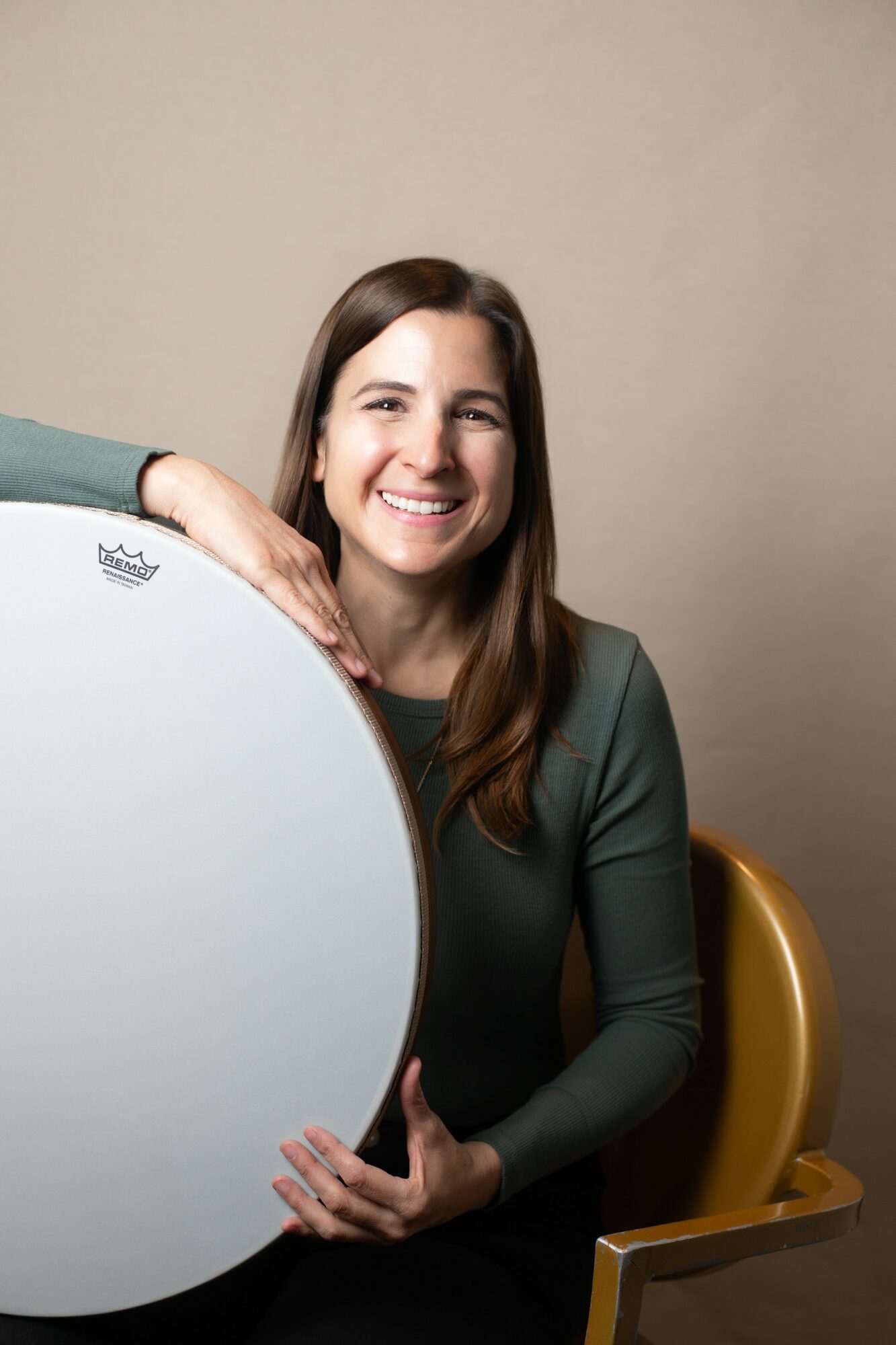
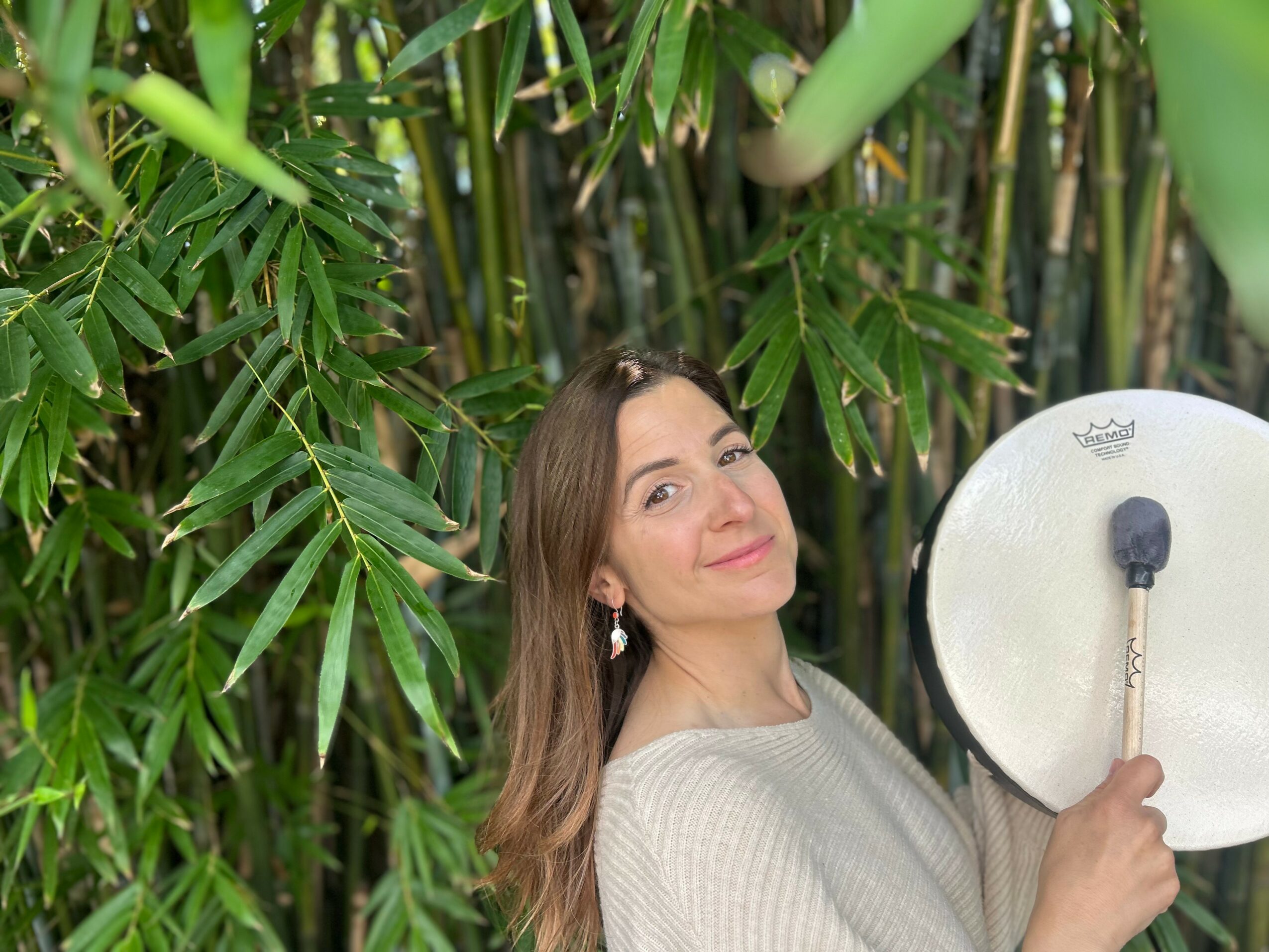
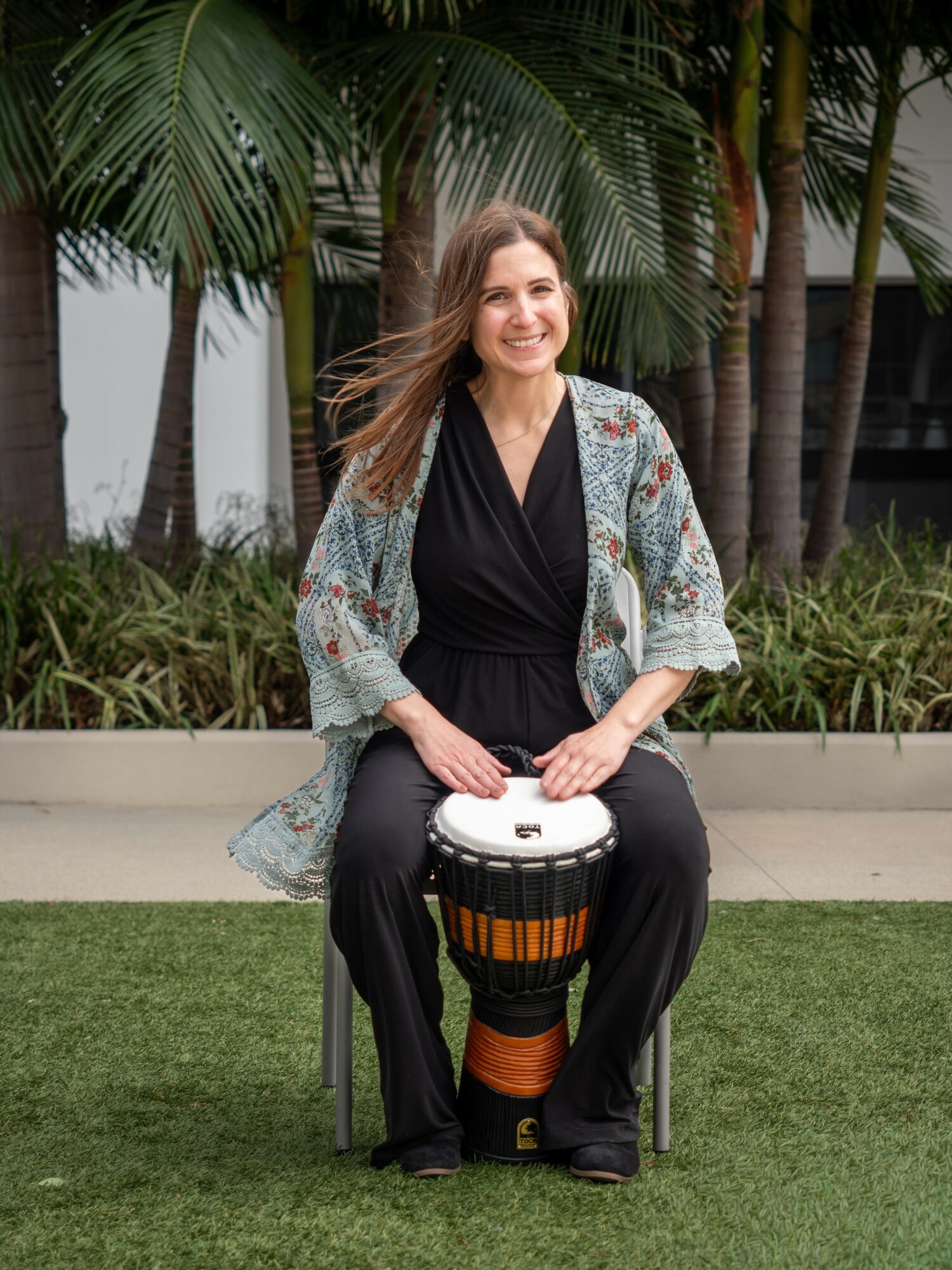
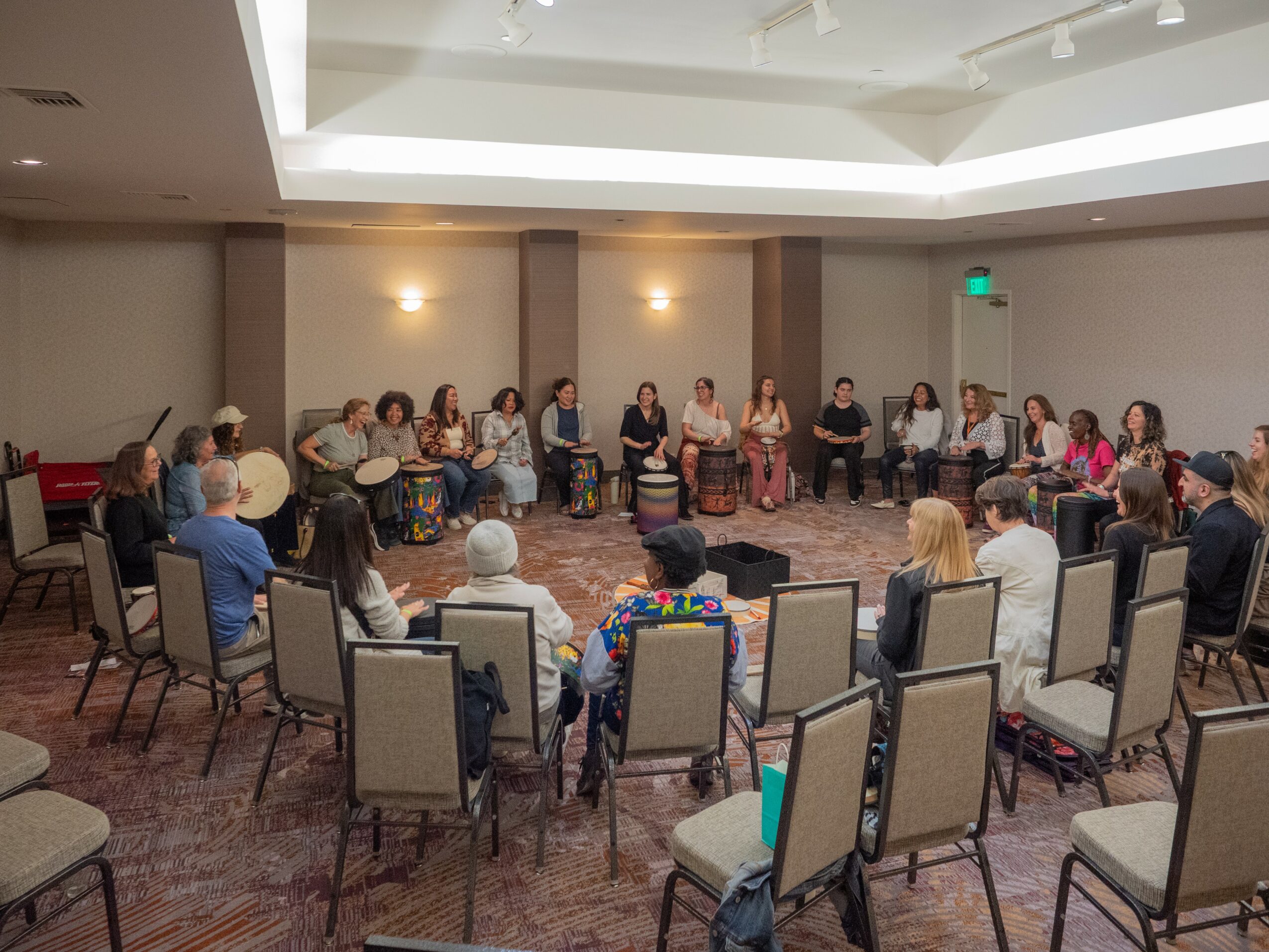
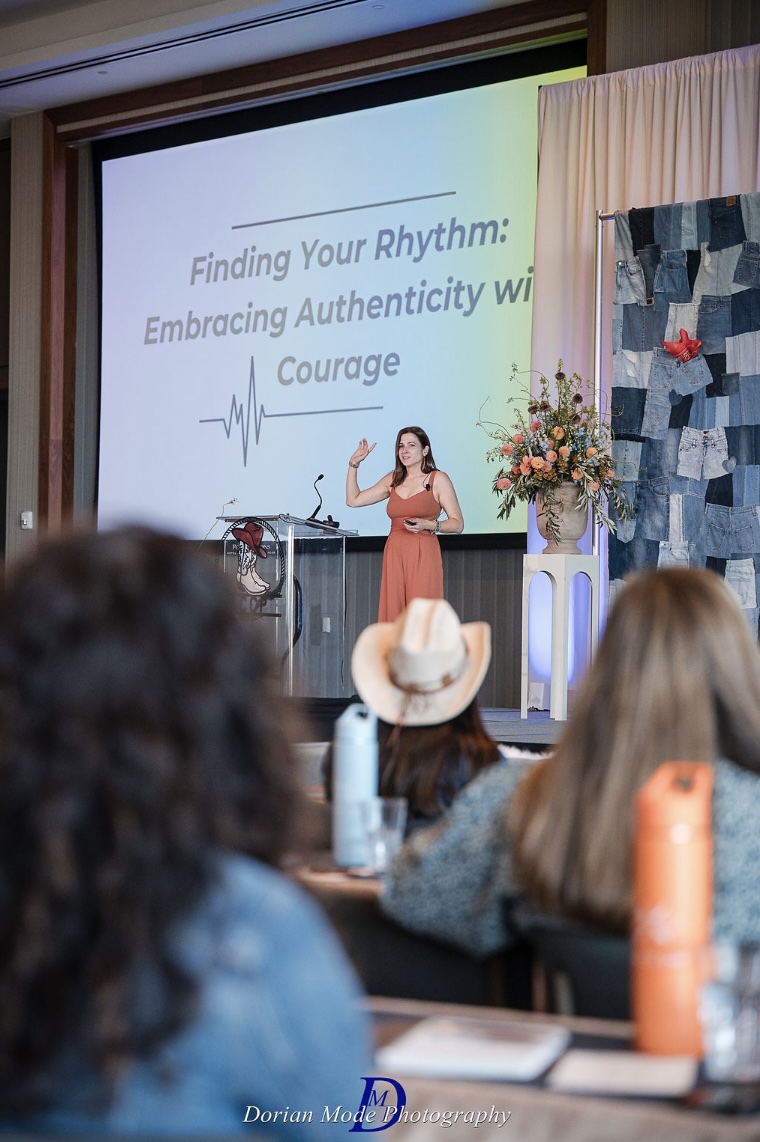
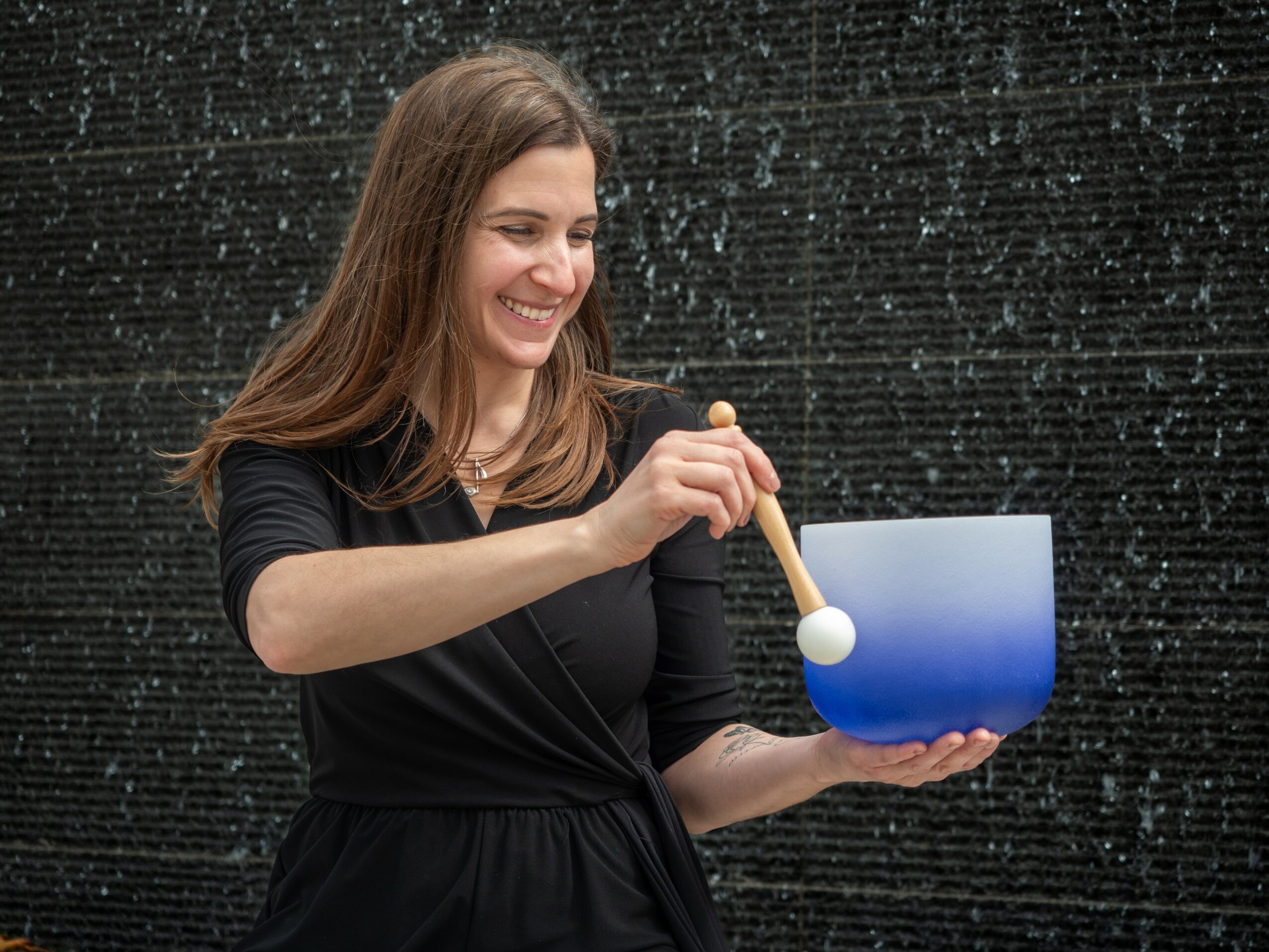
Image Credits
Yatin Parkhani
Kendra Greenberg Photography
Dorian Mode Photography
Popular
-

Portraits of the Valley
-

LA’s Most Inspiring Stories
-
Robin Olive on Building an Inclusive Performing Arts Movement and Expanding Opportunities for Every Student
-

Que Johnson on Building Brands That Last: From Visibility to True Market Authority
-

Christina Wren Steps Into the Director’s Chair to Tell Stories That Feel Like Home
-

JordanL on ‘Breathe,’ Belief, and Building a Movement Beyond the Music


