



Today we’d like to introduce you to Natalia Ghilascu.
Hi Natalia, we’d love for you to start by introducing yourself.
My journey has been one of reinvention, curiosity, and the courage to pursue a vision before I had all the answers. I began my professional career in Moldova as a journalist, where I discovered that the most meaningful part of my work was connecting with people and telling stories that deserved to be heard. Reporting on human rights, discrimination, social inequality, and the experiences of marginalized communities taught me that journalism is about more than sharing information. It is about helping people understand lives and perspectives different from their own.
Over time, I became increasingly drawn to documentary filmmaking because it offered another way to preserve human experiences and bring overlooked histories to wider audiences. I wanted to create stories that would remain meaningful long after the cameras stopped rolling.
A major turning point came in 2015, when I was selected for the Hubert H. Humphrey Fellowship Program at Arizona State University’s Walter Cronkite School of Journalism and Mass Communication. My experience in the United States introduced me to new approaches to journalism, media production, and creative collaboration. More importantly, it encouraged me to imagine possibilities beyond the professional path I had already established.
As I began connecting with Moldovan and Romanian immigrants in America, I discovered remarkable stories of people rebuilding their lives, launching businesses, preserving their cultural identities, and contributing to their new communities. I realized that many of these experiences were inspiring but remained largely invisible outside their immediate circles.
That realization helped inspire HORA in America and later the Making Waves web series, platforms dedicated to sharing immigrant stories and celebrating the people shaping their communities. One project looks back at a painful chapter of history; another introduces audiences to people creating new opportunities in America. Both reflect the same belief that has guided me throughout my career: every story has the potential to deepen our understanding of the human experience.
Moving between countries and professional disciplines has taught me that we do not have to abandon who we were to become someone new. We can build on our experiences, embrace uncertainty, and allow our vision to grow. I enjoy the freedom to keep becoming the person I aspire to be while doing work that reflects my values. I want to preserve memories, celebrate human achievement, connect cultures, and encourage people to look beyond the differences that separate us.
Today, I see my journey not as a finished achievement but as an ongoing process of becoming. I want to keep creating meaningful work, discovering untold stories, and building platforms that allow other people to be recognized. For me, the most exciting part of the journey is knowing there are still stories to tell, opportunities to create, and possibilities I have yet to imagine.
Alright, so let’s dig a little deeper into the story – has it been an easy path overall and if not, what were the challenges you’ve had to overcome?
No, it has not always been a smooth road. Some of the most important lessons in my life have come from periods when I had to step into unfamiliar territory, adapt to new circumstances, and find the confidence to continue without knowing exactly how things would unfold. Being an immigrant has reinforced a belief I carry with me: starting over is not starting from nothing. We take our knowledge, courage, experience, and vision wherever we go. Sometimes, a new beginning is simply the place where our potential finally has room to grow.
One of my greatest challenges has been learning to begin again without losing sight of who I am. I built my professional foundation in Moldova, where I developed my skills as a journalist and a strong commitment to telling stories about human rights and social justice. Coming to the United States opened new possibilities, but it also meant adapting to a different media landscape, building professional relationships, and finding new ways to apply the experience I had gained.
Starting over can be humbling. You may have years of experience behind you, yet still need to prove yourself in a new environment. I learned that a new beginning does not erase what you have accomplished. You bring your knowledge, perspective, values, and determination with you. Sometimes, you simply need to find a different way to put them to work.
Building something of my own has brought another set of challenges. Journalism and filmmaking require creativity, but they also demand patience, resources, collaboration, and persistence. The stories that matter most are not always the easiest to finance, produce, or bring to an audience. Opportunities may take longer than expected, and progress can be difficult to measure when you are working toward a long-term vision.
My documentary, The Exile from Bessarabia, taught me a great deal about that kind of persistence. The film explores the persecution and deportation of Roma during World War II and preserves testimonies connected to a painful chapter of history that deserves greater recognition. Although the documentary received the Best National Documentary award at the Cronograf festival in 2013, its journey did not end there. Its renewed international exposure and festival recognition followed in 2026 reminded me that a story can find new audiences and meaning many years after it is created.
Developing HORA in America and the Making Waves web series has also required me to think like an entrepreneur, not just a journalist. I have had to learn how to build a platform, develop partnerships, reach audiences, and keep moving forward when the next step is not immediately clear.
I am inspired by the philosophy of purpose and leadership associated with Oprah Winfrey: the idea that we should not allow our circumstances to determine the limits of our potential. I remind myself that I do not need to know every step before beginning. I need a vision worth pursuing, the courage to take the next step, and the willingness to learn along the way.
The challenges have made me more resourceful and more confident in my ability to adapt. They have also helped me redefine success. Today, success means not only what I accomplish, but what I learn, the stories I bring into the world, and the opportunities I help create for others.
Can you tell our readers more about what you do and what you think sets you apart from others?
My work brings together journalism, documentary filmmaking, television production, and media entrepreneurship. Across these disciplines, I am drawn to stories about identity, resilience, cultural memory, and the human experiences that connect us beyond our differences. I started producing short video documentaries about religious minorities, abuses in the psychiatric Moldovan institutions, HIV and people who lived in penitentiaries, Roma discrimination and LGBT groups.
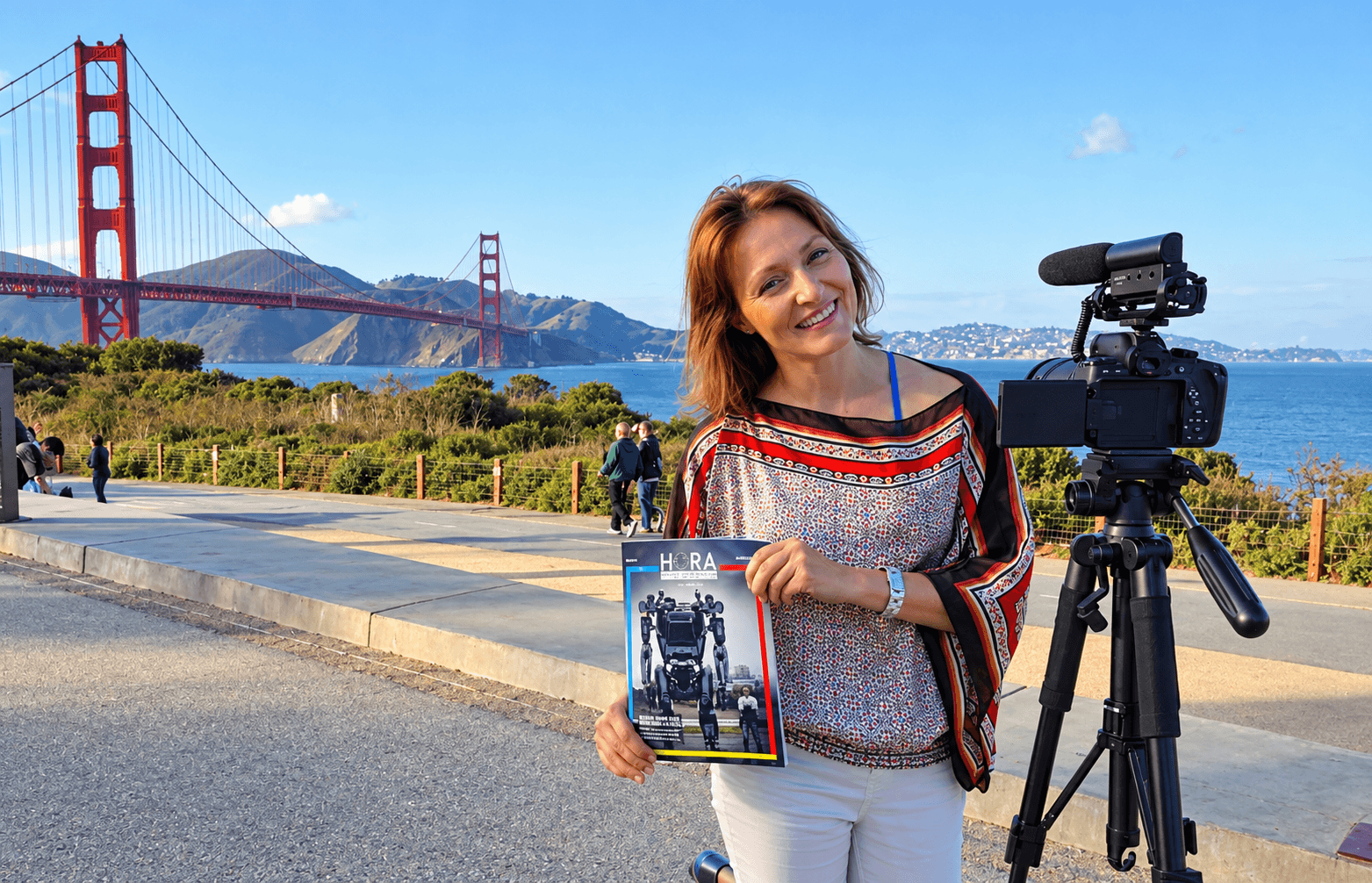
After coming to USA, I became the founder of HORA in America, a media platform and magazine highlighting the experiences and achievements of Romanian- and Moldovan-American immigrants. I interview entrepreneurs, professionals, artists, community leaders, and other individuals whose journeys reveal what it takes to build a life, pursue an ambition, and contribute to a new community.
What interests me most is not simply what people have achieved, but what it took to get there. Behind a successful business may be years of uncertainty and sacrifice. Behind an artist preserving a cultural tradition may be a determination to keep a part of their identity alive. Behind a personal success story may be setbacks that the public never sees. That is why I liked to organize some unique film festivals back home in 2015 such as Cinema and Photography productions “Equal chances for everyone” to promote the talents of people with disabilities where their short films were screened and valued. The jury included representatives of the UN in Moldova, American Councils and local experts.
I want audiences to understand those human dimensions. Immigrants are not simply people who have left one country behind; they are also people bringing knowledge, creativity, ambition, and cultural richness to the places they now call home. Through my work, I hope to make those contributions more visible similar to the Romanians from California Illustrated Encyclopedia where my biography and career path as artist and journalist was published in 2019.
My documentary filmmaking explores similar themes from a different perspective. In The Exile from Bessarabia (Prigoana din Basarabia), which I co-directed with Sergiu Ene, I helped bring attention to the persecution and deportation of Roma during World War II. The documentary preserves testimonies connected to a tragic history that deserves a more prominent place in public memory.
The film received Best National Documentary at the Cronograf festival in 2013 and gained renewed international exposure in 2026. Its recent recognition includes an Award of Merit at Documentaries Without Borders International Film Festival, a Special Jury Award at Germany International Film Festival, an Honorary Trophy at Awareness Film Festival in Santa Monica recently in October 2026, Best Human Rights Film at Chicago Women Film Fest, Best Historical Film at Berlin Indie Film Festival, and Merit Award recognition from Activists Without Borders in the United Kingdom, also in October 2026.
I am proud of several recognitions I received in the past, such as United National Media Award for promoting human rights in 2011, or when my first short film “Angel Back” got the first award for the Best Short Film at Chicago Paranormal Film Festival in 2026. I also felt happy when I was reading the local Moldovan news when my film was nominated for the Best Short Film at Los Angeles Independent Film Festival and people wandering what was the film about.
What sets me apart is the way I combine a journalist’s curiosity with a filmmaker’s sensitivity to human detail and a producer’s understanding of how stories reach audiences. I am interested in both the facts and the emotions behind them. I want people to feel that they have encountered a real human being, not simply a headline, a statistic, or a polished success story.
I am also building a distinctive creative identity of my own. I want my work to be recognizable not just by its subject matter, but by its perspective, authenticity, and the connections I create with the people I interview. For me, developing a personal brand does not mean making everything about myself. It means developing a clear voice and a consistent purpose that audiences can recognize and trust.
I am especially proud that my work spans both historical storytelling and the lives of people shaping the present. One preserves the memories of those who suffered injustice; the other celebrates people creating opportunities for themselves and their communities. Both ask us to look more closely, listen more carefully, and recognize the value of experiences that might otherwise go unnoticed.
Ultimately, I want HORA in America and Making Waves to become lasting records of immigrant experiences and cultural contributions. I want my documentaries to preserve important histories, and I want my interviews to encourage people to recognize potential in themselves and others. If my work helps someone feel represented, understand a history they never knew, or see a new possibility for their own life, then I know I am doing something worthwhile.
How do you think about happiness?
What makes me happy is knowing that the work I do can give meaning to someone’s experience, preserve an important memory, or inspire another person to believe in what is possible. That sense of purpose gives me energy and curiosity as I begin each new day.
I feel especially fulfilled when people connect with my work—when an interview resonates with an audience, a film brings an overlooked history to light, or someone tells me that a story changed the way they see the world. As a journalist, filmmaker, and media entrepreneur, I want to develop a voice that is distinctly my own: a way of seeing people, recognizing untold stories, and turning individual experiences into something that speaks to a wider audience. When people recognize that perspective, it encourages me to keep growing while remaining true to myself.
I like to take further steps and find my work more valuable when shared with other people. I felt happy to challenge the thinking of young students by screening some of my previous short video documentaries in Moldovan schools. With a caravane of Hope and Diversity initiative we went with representatives from minority groups from school to school to discuss or debate how the new generation becomes responsible for the future life we are going to lead. Sometimes stories made people cry, other times they staid silent or surprised. I just had a feeling of duty to raise awareness and only when someone was touched by my film, I had a sense of fulfillment.
Through HORA in America and the Making Waves web series, I find happiness in giving people a different platform to share their journeys. I love discovering the person behind the achievement—the immigrant who built a business despite uncertainty, the artist keeping a cultural tradition alive, or the individual whose contribution has gone unrecognized for far too long.
There is something special about the trust people place in me when they sit down for an interview. Sometimes, a conversation begins with professional accomplishments and gradually reveals much more: a difficult decision, a personal sacrifice, a fear someone had to overcome, or a dream they refused to abandon. When people feel comfortable enough to open up, I consider it a privilege. It reminds me that my job is not simply to ask questions, but to listen with empathy and help others understand the person behind the story.
I am a spiritual person, and I believe in the energy we put into the world. I believe that kindness, sincerity, generosity, and a genuine desire to do good have a way of returning to us, sometimes in unexpected forms. Recognition is meaningful, and I am grateful when my films and interviews receive attention. But the deepest satisfaction comes from knowing that the work mattered to someone—that a person felt seen, a forgotten memory was preserved, or an audience discovered a story it might otherwise never have encountered.
My documentary, The Exile from Bessarabia, reflects this feeling particularly strongly. Knowing that the film can bring international attention to the persecution of Roma during World War II gives me a profound sense of purpose. It reminds me that storytelling can connect generations and preserve experiences that must not disappear from our collective memory. A recent publication by International Holocaust Remembrance Alliance mentioned that this documentary is one of the fewest produced in Eastern Europe and those Roma women testimonies from Moldova were the only ones found to be documented in this film production.
I have also come to believe that if the opportunity you are looking for does not exist, you can create it. If the platform you need is missing, you can build it. And when you do, you can make room for others whose voices and talents deserve to be recognized. That is one of the reasons I continue building HORA in America and exploring new creative projects. I want my success to mean something beyond my own accomplishments.
If my work helps someone feel less invisible, gives a forgotten story a new life, or inspires another person to take a chance on a dream, then I feel I have accomplished something meaningful. For me, happiness is not a final destination or a list of awards. It is the opportunity to keep learning, remain grateful, and create a life and body of work that reflect who I truly am.
Contact Info:
- Website: https://www.horainamerica.com
- Instagram: https://www.instagram.com/horainamerica/
- Facebook: https://www.facebook.com/natalia.ghilascu
- LinkedIn: https://www.linkedin.com/in/nataliaghilascu
- Youtube: https://www.youtube.com/@NataliaGhilascu
- Other: https://www.imdb.com/name/nm5640150
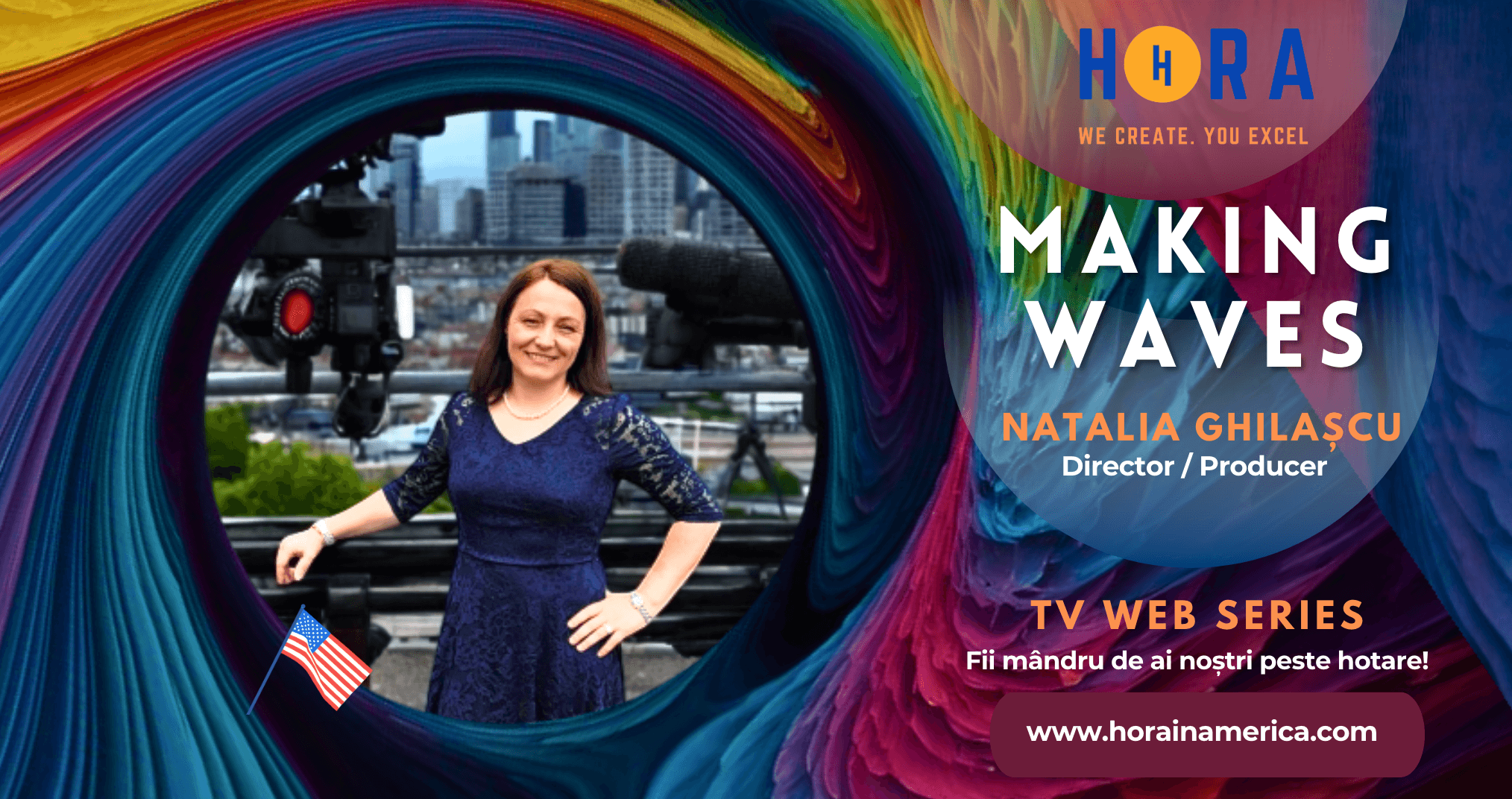
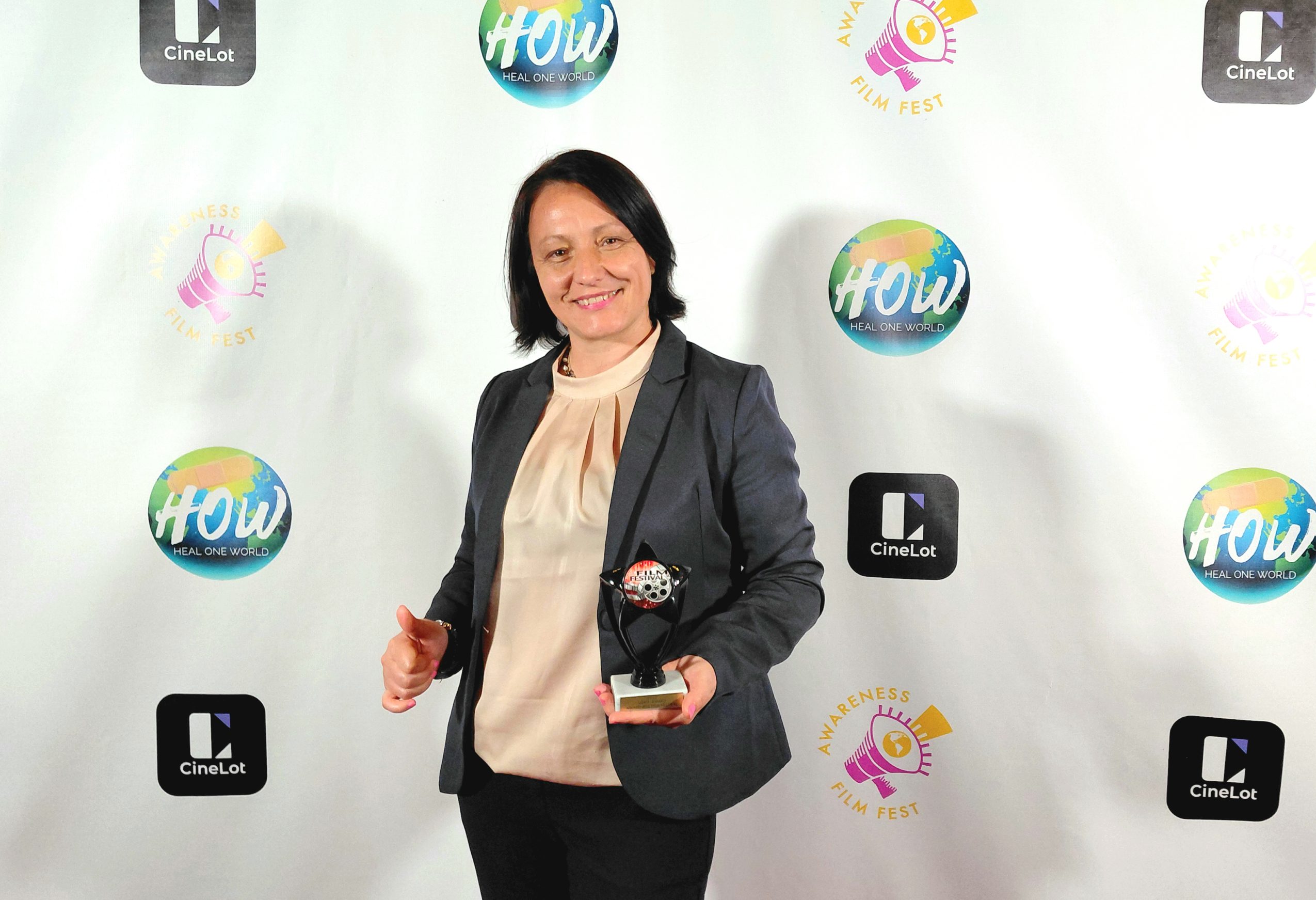
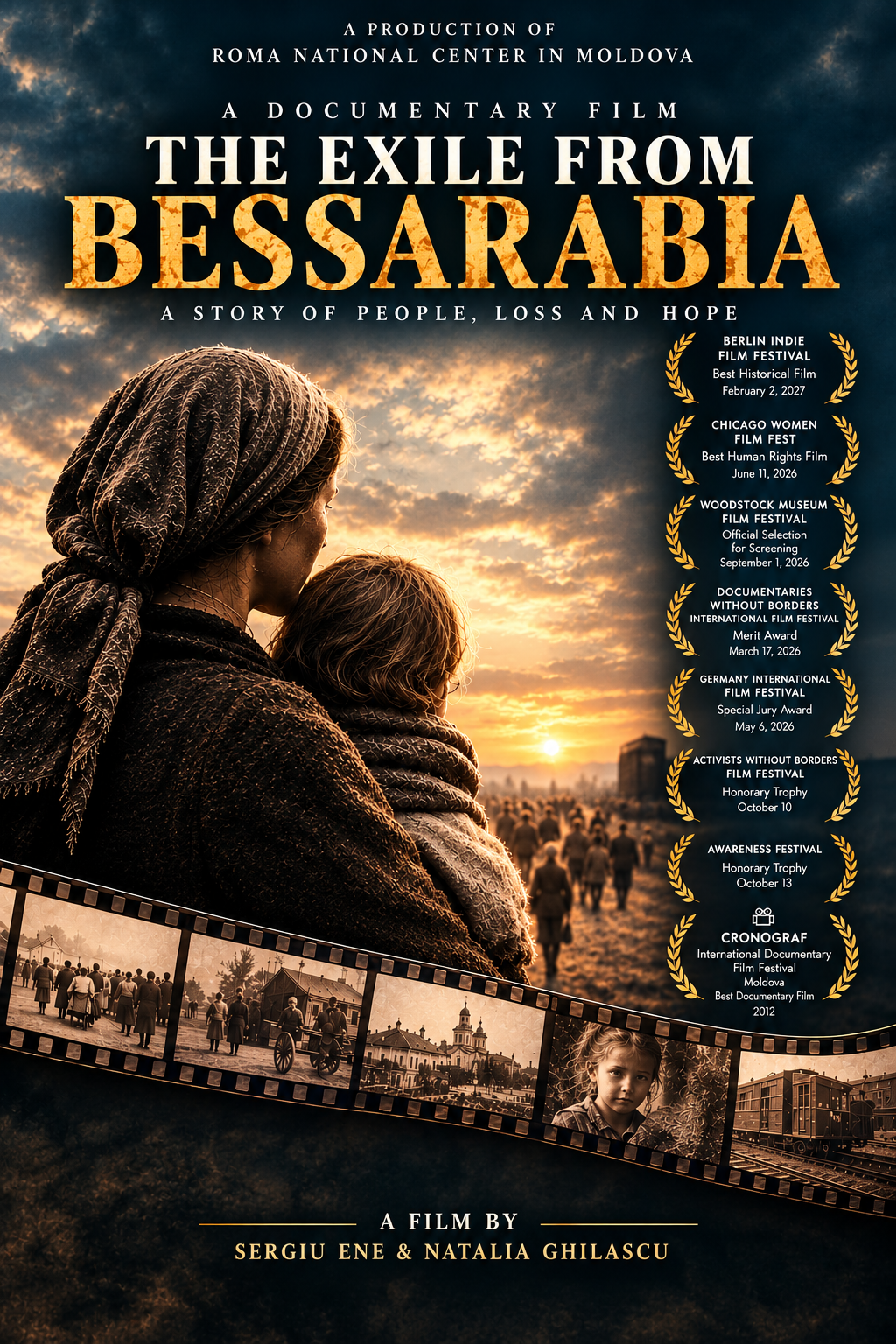
Image Credits
Kiran Reddy Paidi
Popular
-

Portraits of the Valley
-
LA’s Most Inspiring Stories
-

Greg Hex Is Turning the Everyday Kitchen Knife Into a Modern Design Object
-

Rick Norris Learned That Building a Successful Business Means Building a Life You Actually Want to Live
-
How Olivia Rush Turned Survival Into a Mission to Help Others Keep Going
-

How Bibi Goldstein Is Helping Entrepreneurs Reclaim Their Time by Embracing the Power of Delegation


