




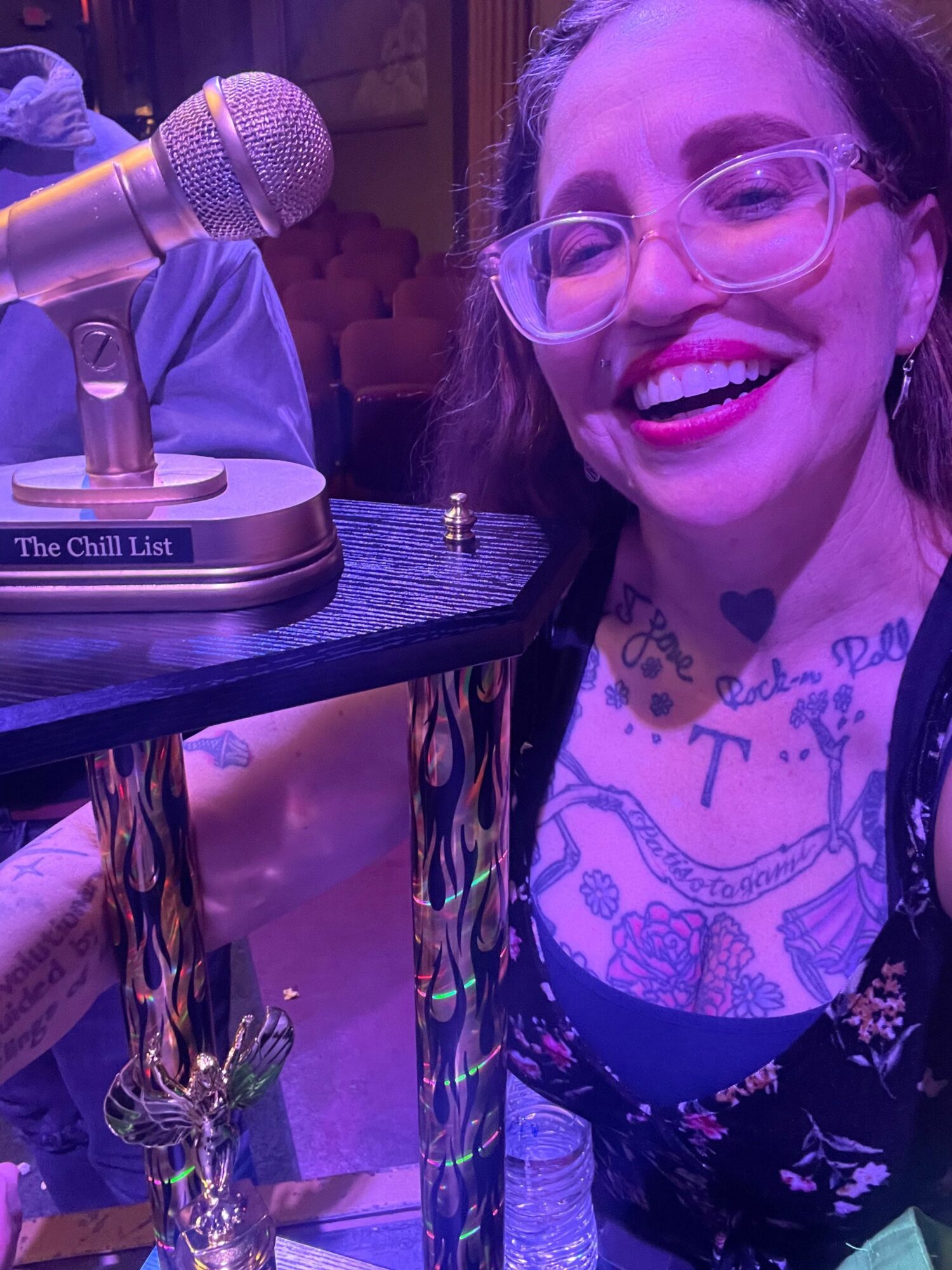
Today we’d like to introduce you to Missy Fuego
Hi Missy, it’s an honor to have you on the platform. Thanks for taking the time to share your story with us – to start maybe you can share some of your backstory with our readers?
I became a writer and spoken word artist in 1996 and a slam champion in 1997. I grew up in LA, but in 1996 I moved to the San Francisco Bay Area. I always knew I wanted to tell stories and in the 90s spoken word made that very accessible. I became a slam champion by accident. I honestly needed quick money and someone told me about slams. I had no idea there were even rules when I first went! But luckily I didn’t break any of them and I won. I walked into a venue off the street, did two poems, and walked out with $100 and in 1997 that was a lot of money. I started doing slam for money but became a slam poet through the chance to be on slam teams and my work began to take clearer, more intentional shape. Audiences of slam attend them like church— they look to be lifted, to be taught something, to feel something, not just be entertained. As an author of also fiction and poetry, slam also helped me tap into voice better and my books carry the same sound as my spoken word. I built the first half of my career being based in San Francisco, while I have spent the second half of my career here in my hometown of LA. I built much of my success before the internet and social media, from touring and performing steadily for fourteen years in the United States, Canada, Mexico, Cuba, and Europe. I have gotten where I am today because of drive, community, and my willingness to evolve—even if that means starting over.
I’m sure it wasn’t obstacle-free, but would you say the journey has been fairly smooth so far?
As my late father used to say, “Nothing worth having is ever smooth, mija” The truth is there are times when the poems and the stories feel effortless, feel easy. It’s true that when you love something it can be easy. But being an American Artist is a real challenge. I feel like some of my successes could have been easier. There was a lot of gate-keeping when I was becoming a writer. For example, in order to even get any magazine jobs in the 90’s to early 2000’s you had to know someone. Had to. You could not even get an interview unless someone already knew you and vetted you. The same was true of publishing and academia. If you wanted in, you had to have an “in” and they had to speak for you, a writer couldn’t really speak for themselves. On top of that, I was always riding this weird wave: I was an author, but also a spoken word artist and slam champion. Sometimes I knew the right people and sometimes I just couldn’t because back then a writer had to choose. You had to choose one genre, one form, you had to commit to one thing. I did not commit to only one form and this made it tougher to get my foot in the door in some places. Slam was also not perfect and sometimes still bothers me! One of the biggest obstacles I’ve faced as a slam poet has not been the scores, or the audience— but the way I have been treated by male poets. There can be a lot of sexism in slam and it doesn’t seem obvious to audiences but poets have seen it. For a long time male slam poets were still getting the opportunities. Even now, I can out-score a bunch of men in a slam and they will spend their time congratulating each other while they come over to me and give me “feedback”— like, didn’t I just beat you?! This can make slam harder sometimes.
Thanks – so what else should our readers know about your work and what you’re currently focused on?
I am known for writing for weirdos, outcasts, and freaks. I’m invested in creating work that feels familiar, feels like home, but is something a reader hasn’t seen before. I find myself living in the past, rooted in spaces that have the ability to haunt me unless I put them into stories. I want to build upon the same world and exhaust what it means to live a story rather than just tell it. Much of my work is based on my own life, so my process is listening, really listening to the whispers of the past and focusing on a voice that can carry a reader through time (much of my fiction is about the 90s). I’m inspired by underdogs, the unexpected, and the underground. I’m motivated by voice, first-person narrative, and by writing an anti-hero that has the power to persevere. I want to write about more complex, interesting, and exciting Chicanas. I want Chicanas to do more than be in the home or in the fields— I want to see them in the university and at the punk show, I want to see them Queer and in-love, I want to see them make mistakes and make amends. My work also hopes to challenge what it means to be a young adult— that sex and sexuality do exist in YA and that writing about sex and coming of age is important to understanding how we see youth. I am known for being the author of six books, a Lambda Literary Finalist, and a Slam Champion. I have written for the Washington Square Review, On Our Backs Magazine, Razorcake, Ladybox, and Encyclopedia Brittanica. I served as a professor of Literature and Creative Writing at UC San Diego from 2015-2020 and as a teaching-artist in Los Angeles. Along with being the 2024 Los Angeles Erotica Slam Champion, I was also on the West Hollywood Slam Team who are the Chill List Slam Team Champions. I am very proud to co-produce two popular slams with independent businesses, Black-Owned Harold & Belle’s and Queer-Femme-Owned Equator Coffees, in Los Angeles with my best-friend and former WeHo Slam teammate, Tee. I am a proud cast-member of the Poetry Brothel-LA and love giving private readings as well as connecting directly to a listener. I am recently very proud to have been a 2024 Tin House Summer Resident in Young Adult Fiction for my seventh book and first YA book. Applying to Tin House was a huge, exciting risk as I was applying in a new genre and they accept only 1% of the applicants that apply. I also had the privilege to be of service to my Queer Community as a 2024 Los Angeles LGBTQIA Center Summer Resident. I think what sets me apart is that I live, breathe, and cause radical trouble for the creative underground. My job my whole adult life has been to be gonzo, to be a big mouth for a cause, to disrupt with purpose. At the same time, I value rules and principles. I like that I can be both tame and wild in the same career.
What matters most to you?
Right now, in this moment, what matters most to me is continuing my work (writing, producing, & advocating), being there for other artists, and ending fascism. I was blessed to have periods in my life where I got to care about my adventures, be the main character, live like I was gonna die tomorrow and those adventures were truly great. I lived during times that felt exciting because anything felt possible at the end of the 20th century. I built a reputation, a career, and a new-kind of Literature doing whatever I wanted. I thought I had earned that; but it was a privilege to be as gonzo, wild, and free as I have been in my career. Today is different. Today is not just a gift it is a demand and one that you have to make because so many of us do not have power over our own futures right now, Today we live in a country and a society of apathy. Today is dangerous because the level of institutional hate and oppression is higher than I have ever seen. Today my books are banned in some states and there are places in my own country I will never travel to and I did not say that before. Today I don’t just write for myself, to hear my own voice. I write for others. I have spent a lot of time using my writing to get through my own depression, pain, and suicidal tendencies. Now I want to use my writing and performance to build. It’s like a hammer: the tool can be used to smash things, or build things. It’s a choice, a perspective. In the beginning my writing was a smasher of systems and expectations. Now my writing is a builder of options and longevity.
Contact Info:
- Website: https://melizabanales.wordpress.com
- Instagram: missyfuego
- Facebook: Meliza Bañales
- Youtube: Missy Fuego
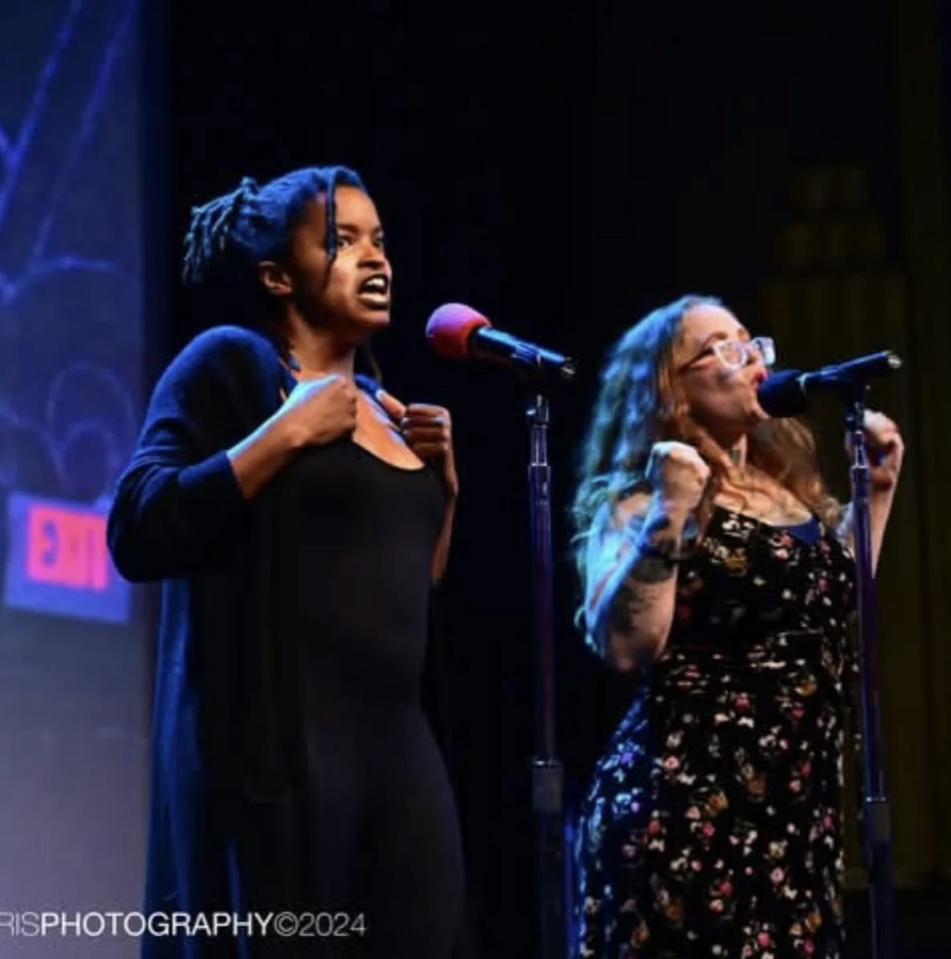
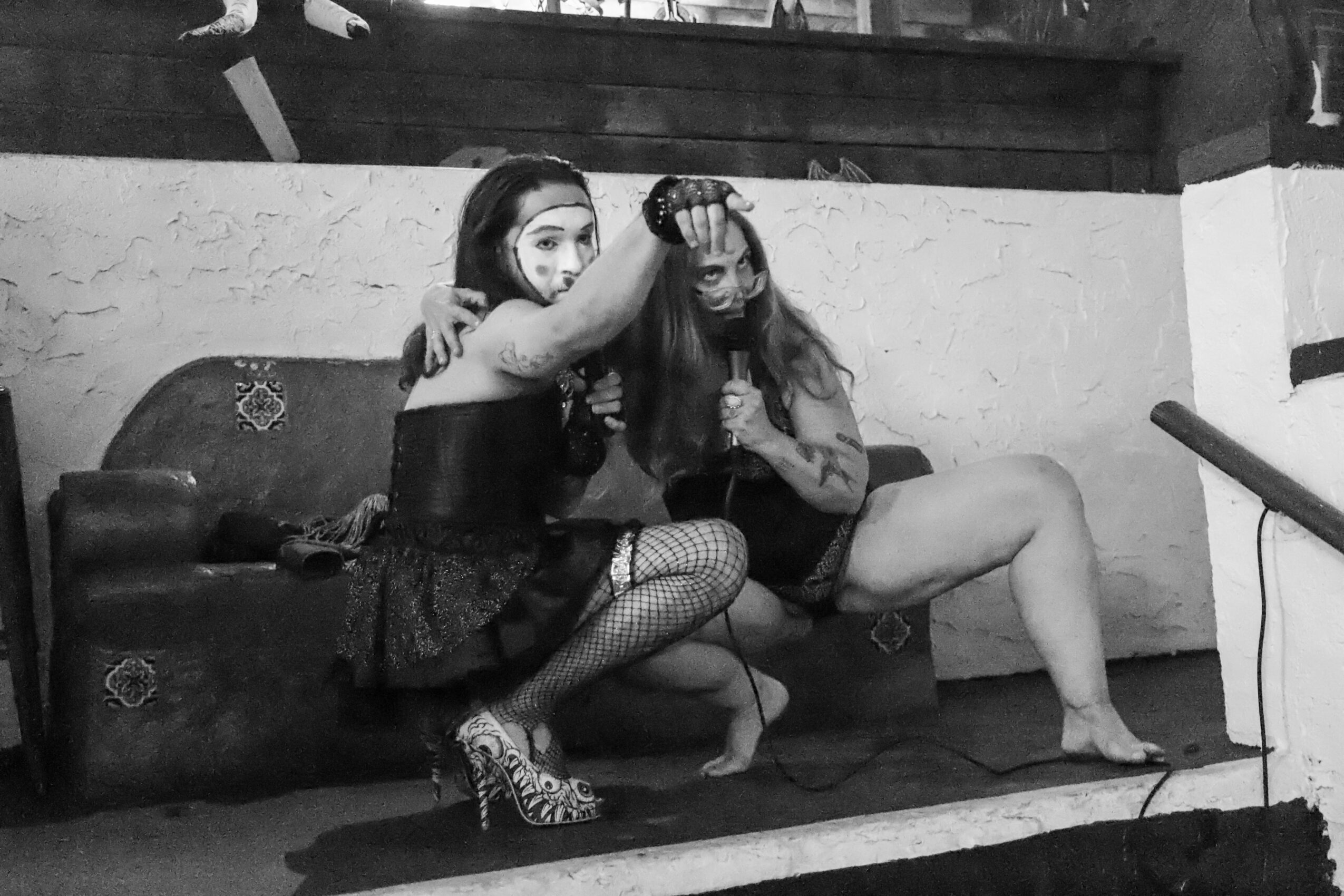
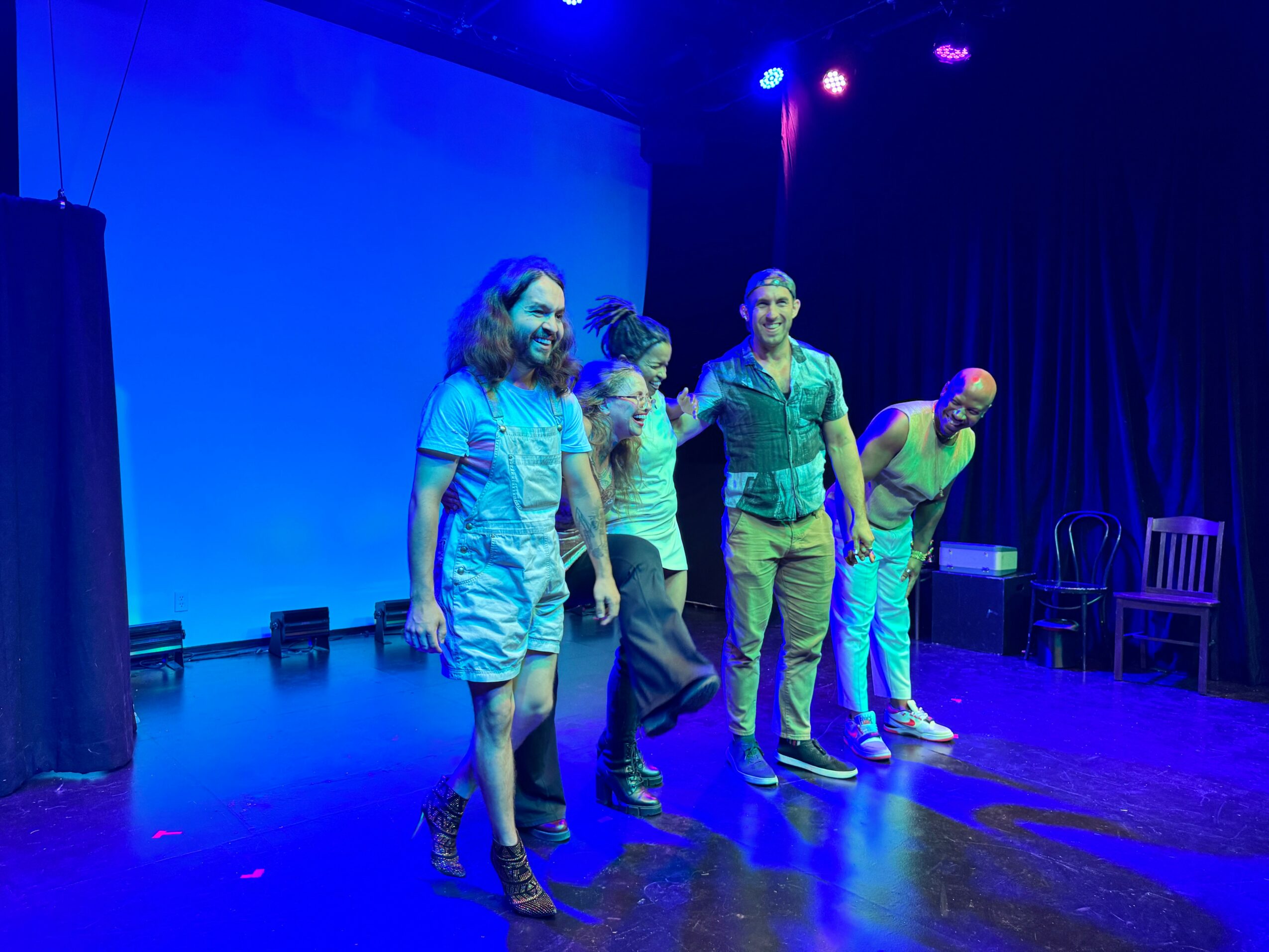
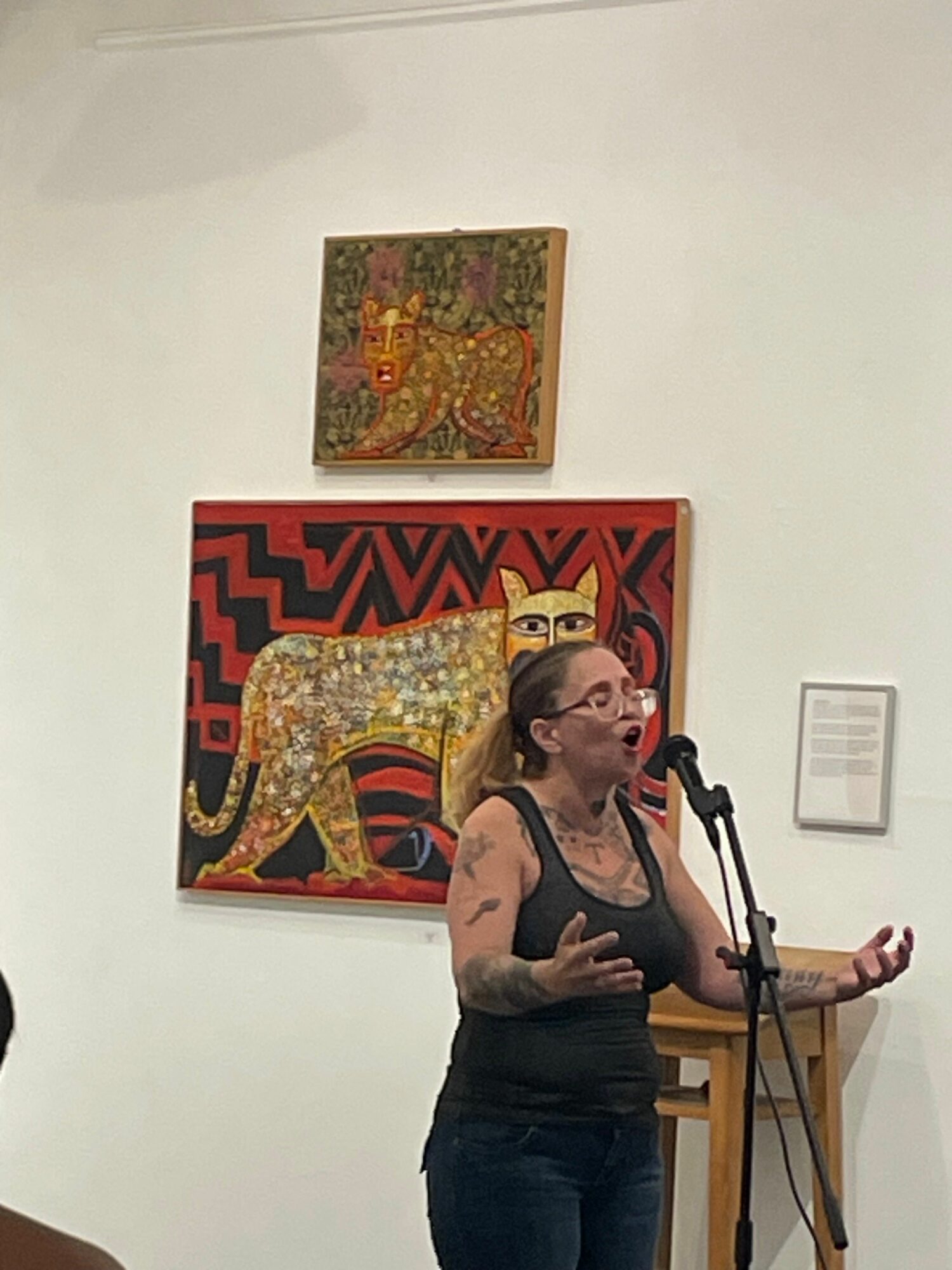
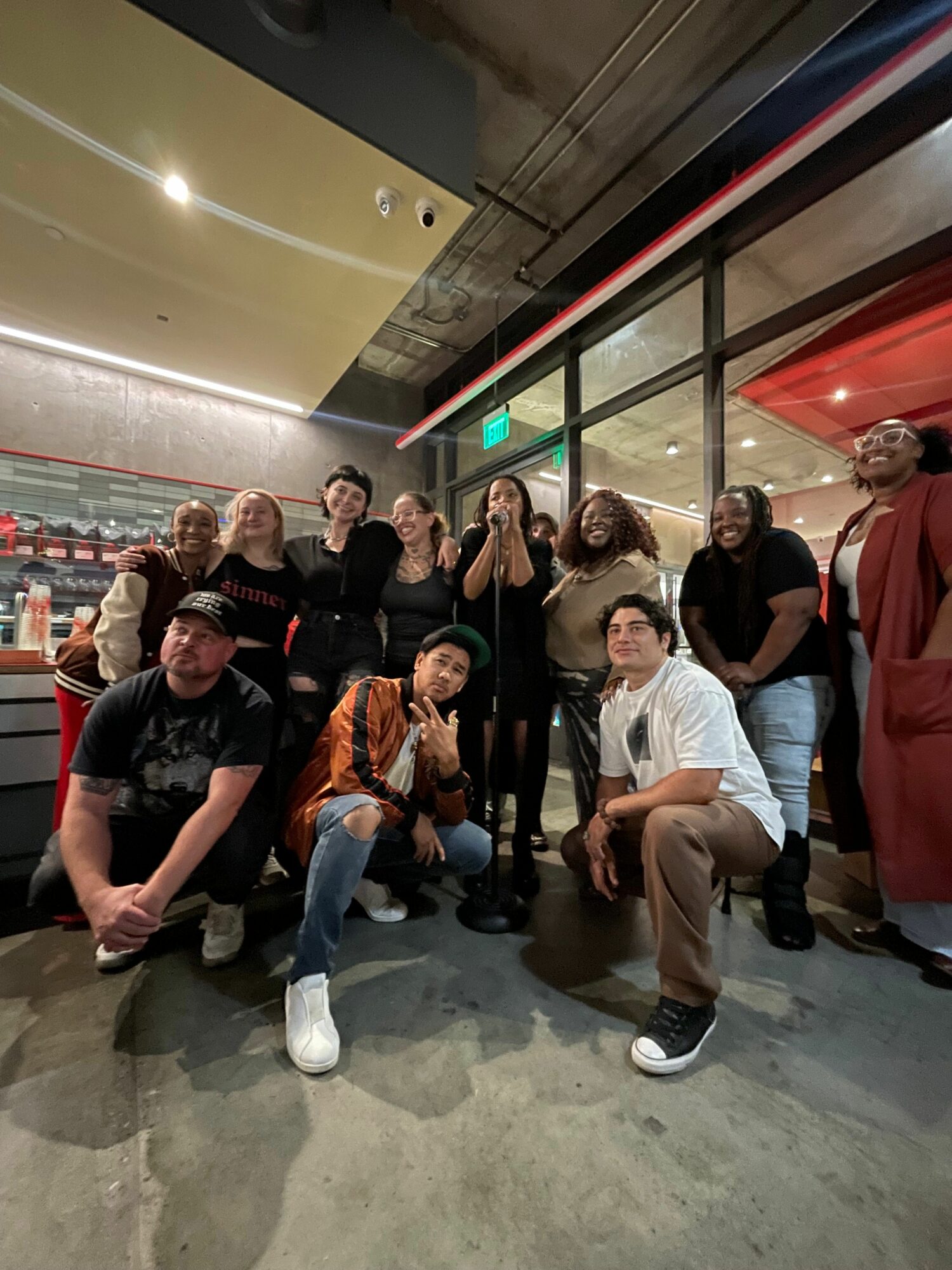
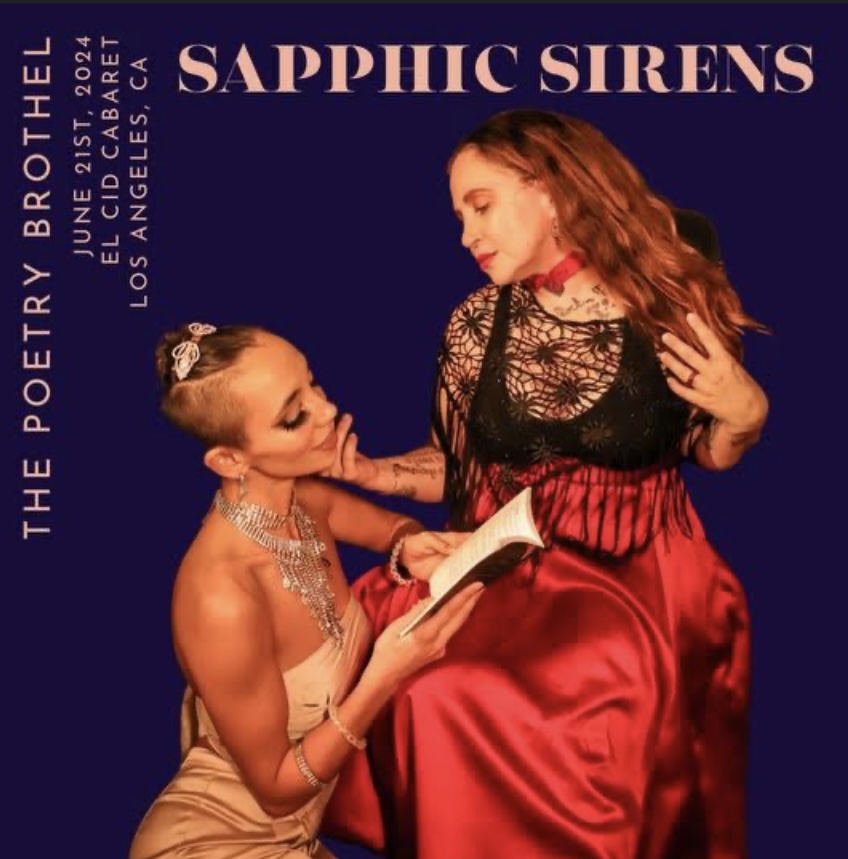
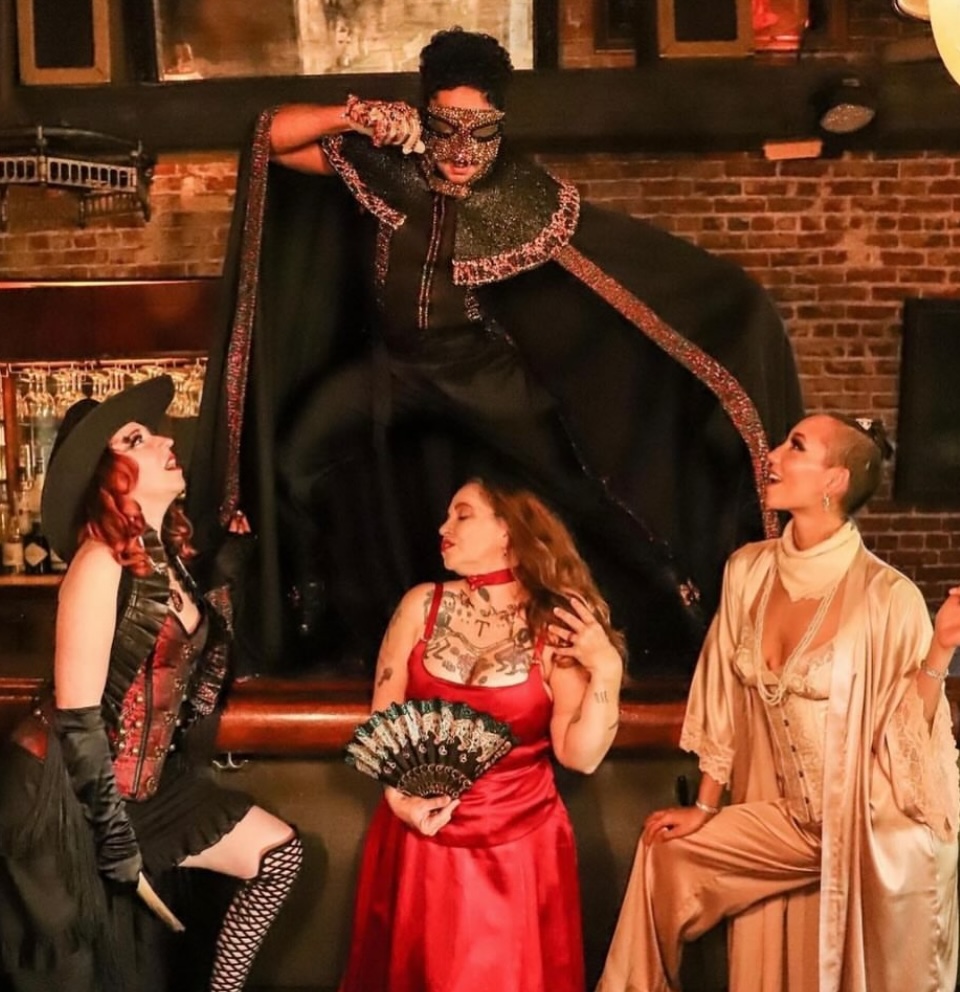
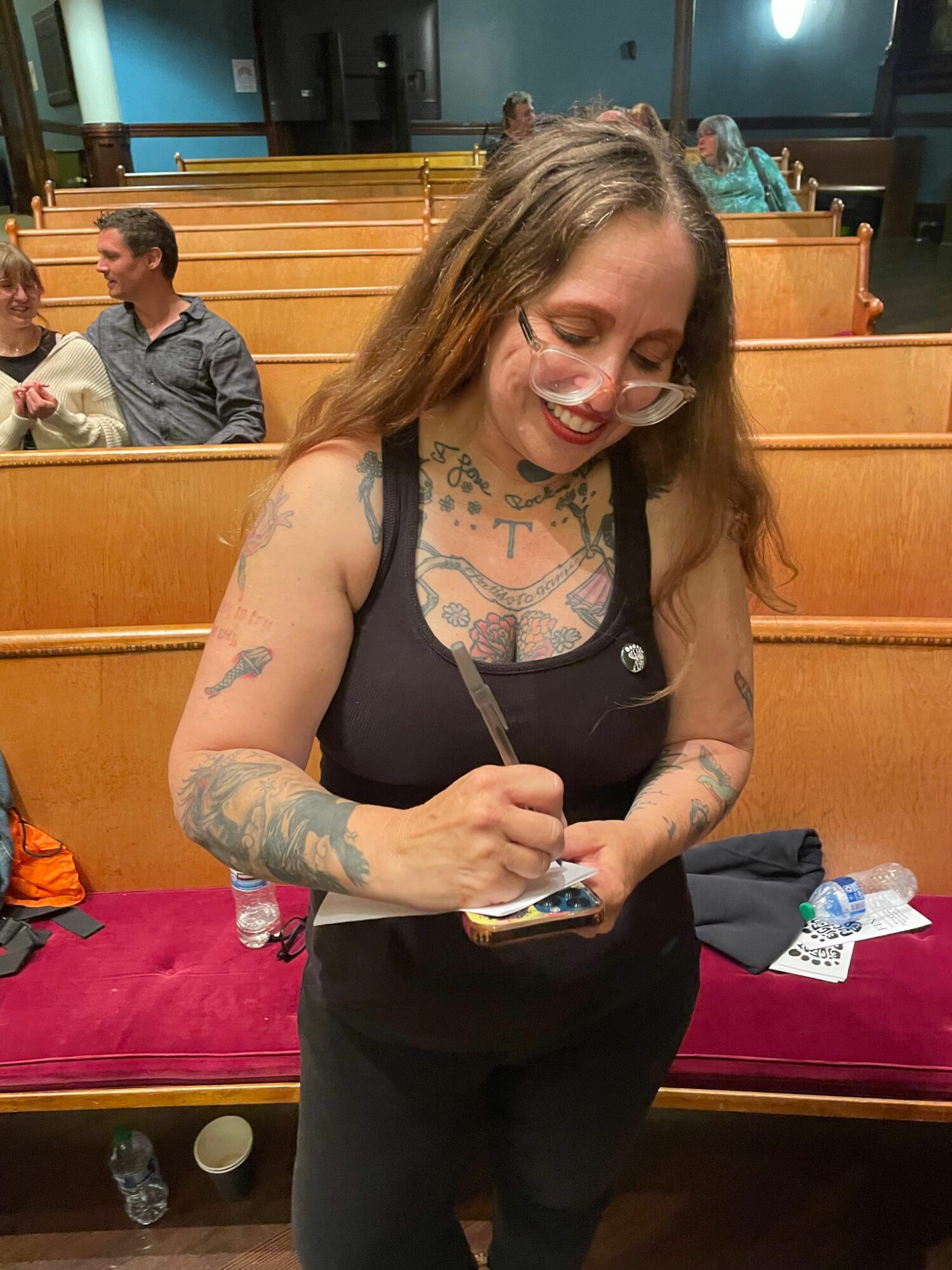
Image Credits
RIS Photography
Daniel J Sliwa
Popular
-

Portraits of the Valley
-

LA’s Most Inspiring Stories
-
Robin Olive on Building an Inclusive Performing Arts Movement and Expanding Opportunities for Every Student
-

Que Johnson on Building Brands That Last: From Visibility to True Market Authority
-

Christina Wren Steps Into the Director’s Chair to Tell Stories That Feel Like Home
-
JordanL on ‘Breathe,’ Belief, and Building a Movement Beyond the Music


