




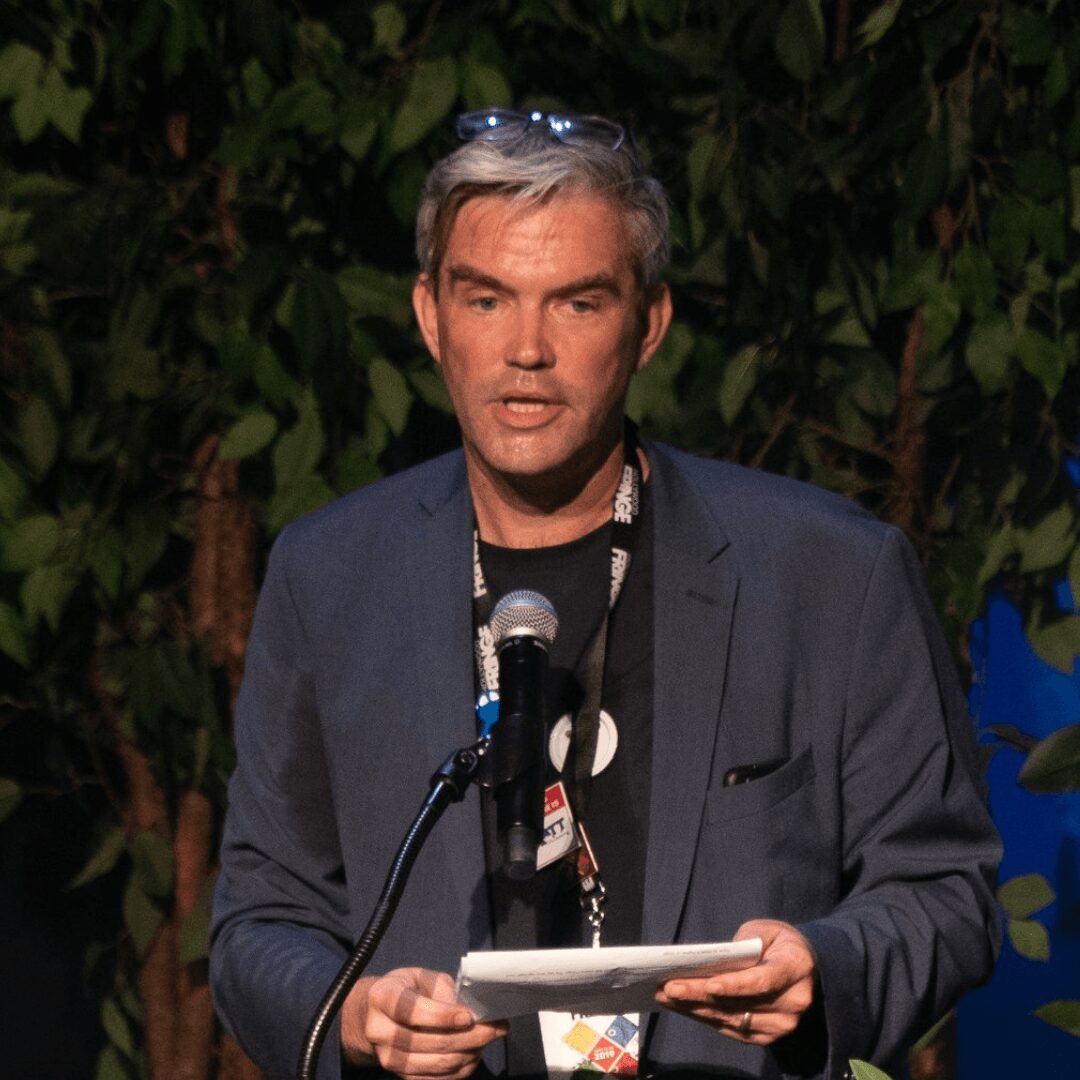
Today we’d like to introduce you to Matthew Quinn.
Hi Matthew, thanks for sharing your story with us. To start, maybe you can tell our readers some of your backstory.
My love of theater really began back at New Trier High School outside Chicago, where I discovered improv, story theater, and the electricity that happens when a group of people build something together. Those early experiences taught me that performance could be fluid, collaborative, and deeply rooted in community — an idea that has shaped my entire career. When I landed at NYU’s Gallatin Division, I produced my first Off Broadway show, Don Nigro’s Seascape with Sharks and Dancer, at the Jean Cocteau Theatre. That experience opened my eyes to the world of producing, and I realized I was just as passionate about supporting artists and building systems as I was about being onstage.
After college I moved to San Francisco and founded Combined Artform with my partner, Bertha Rodriguez. Together with collaborator Steve Kahn, we opened Off Market Theaters — a three-theater and gallery complex that we built from the ground up. In 2007 we relocated to Los Angeles and expanded into Theater Asylum, which quickly became a key home base for independent theater in Hollywood. Over the years we’ve produced, co-produced, presented, booked, or hosted more than 1,500 productions across Los Angeles, San Francisco, and New York.
A big part of my producing identity has come from helping shows grow into long-running audience favorites. In San Francisco I produced a ten-year annual run of David Sedaris’s The Santaland Diaries, which became a beloved holiday tradition. In Los Angeles I produced Pulp Shakespeare, playing a crucial role in the show’s long-term success and its six-month sold-out run. And in 2019 I co-produced the sold-out Off Broadway and Los Angeles engagements of Latina Christmas Special at the SoHo Playhouse. Each of these productions reinforced my commitment to supporting distinctive voices and creating sustainable paths for artists to reach new audiences.
One of the most meaningful chapters of my career has been my involvement with the Hollywood Fringe Festival. I was the first registered venue, served on the inaugural advisory committee, and helped launch early cultural staples like Office Hours, the How to Produce workshops, participant lanyards, the Asylum Promotion Program, and what eventually evolved into the Hollywood Encore Producers’ Award. Those initiatives helped extend the life of more than 800 shows and created opportunities for artists to move into bigger theaters, national tours, and New York runs. Supporting artists as they rise is still one of the most rewarding parts of what I do.
That experience eventually led to new festival models, including HITFEST, which my partner Bertha and I created alongside Hudson Theatres, Stephanie Feury Studio Theatre, and other collaborators. HITFEST gives standout festival shows a curated midweek platform for nine months out of the year — keeping them visible, connected, and growing long after the traditional June festival season ends. It’s a flexible and artist-centered model, which is at the heart of everything we build.
I’ve also had the chance to work internationally, especially through scouting at the Edinburgh Festival Fringe. My first year there was 2019, and returning in 2023 reminded me how powerful it is to connect with artists from all over the world. That work continues through my role as West Coast scout and social media coordinator for the International Fringe Encore Series at the SoHo Playhouse, where I help identify exceptional shows from Hollywood, Edinburgh, Adelaide, and beyond for Off Broadway runs. Some of the artists and productions I’ve scouted include The Day I Became Black, Gil Scott-Heron Bluesology, Wounded, Abortion Weekend, Made in America, and The Movement You Need.
During the pandemic, like many artists and producers, I pivoted into digital producing and social media strategy. I helped create livestream events including the online edition of Latina Christmas Special with Sharon Gless, rebuilt SoHo Playhouse’s digital presence, implemented influencer programs, and significantly grew their online engagement. I also managed digital content for the San Diego International Fringe Festival, increasing their engagement by thirty percent in a single season.
Today, through Combined Artform + Asylum, I continue to support artists, venues, festivals, and small businesses across Los Angeles and beyond — producing, consulting, building systems, and helping work expand into touring, digital, and film formats. Right now I’m especially excited about the 30 Minutes or Less Festival, which embodies everything that first drew me to theater: immediacy, creativity, and storytelling without barriers. Short-form work is accessible, experimental, and full of possibility. It creates a natural bridge between stage and screen and offers a welcoming entry point for artists at every stage of their careers. Building spaces like that — where artists truly feel empowered to create — is why I love this work and why I’m still as passionate about theater today as I was back in that high school classroom.
I’m sure it wasn’t obstacle-free, but would you say the journey has been fairly smooth so far?
It has definitely not been a smooth road. Live theater has always been challenging, and the pandemic made everything harder. Venues closed, companies disappeared, and audience habits changed in ways we are still adjusting to. Running multi venue spaces meant navigating rising costs, lease pressures, staffing shortages, and the emotional weight of supporting hundreds of artists through unstable times. There were years when we were fighting to keep theaters open or juggling so many productions that we were just trying to make it all work. Even now, rebuilding stability in a post pandemic landscape takes constant creativity, flexibility, and a willingness to rethink how the model works.
Can you tell our readers more about what you do and what you think sets you apart from others?
I work at the intersection of producing, venue management, festival creation, and artist development. For more than twenty five years I have built multi venue theaters, created festivals, scouted internationally, and helped shepherd independent shows into longer runs, tours, and Off Broadway opportunities. I specialize in designing systems that make it easier for artists to succeed, whether that is scheduling, audience flow, backstage logistics, marketing frameworks, or festival models like the Hollywood Encore Producers’ Award, HITFEST, or the 30 Minutes or Less Festival. A lot of my work happens behind the scenes, but the impact shows up in how many productions get extended, how many artists return, and how many shows make the leap to the next level.
My love of innovation has always been a major part of my work. It was in San Francisco back in 2002, following the dot-com era, we created Tilted Frame, the first technology based improv company in the country. Long before remote collaboration was part of our daily lives, we were connecting actors in two different cities, performing live through early broadband video tools and experimenting with split screens, real time feeds, and hybrid digital/theatrical formats. Tilted Frame became a proving ground for new models, new tools, and new ways to produce live performance—an early expression of my ongoing interest in inventing events, structures, and systems that push theater forward. That commitment to innovation continues to shape how I build festivals, how I advise artists, and how I design production ecosystems that can evolve with the times.
What do you like best about our city? What do you like least?
What I like best about Los Angeles is the creative energy and the mix of people who live and work here. This city has an incredible range of artists from every background, discipline, and perspective. There is always someone making something new, whether it is in a small black box, a storefront gallery, a backyard performance space, or a major venue. LA also has a generous and collaborative spirit in its theater communities. At their best, people here support each other, share resources, and lift each other up. The potential here is enormous, and being able to help shape that ecosystem has been one of the most rewarding parts of my career.
What I like least is how hard the city can be for small theaters and independent artists. Rising costs, inconsistent funding, and the loss of performance spaces have made it increasingly difficult for companies to stay open and for new work to survive. The city has the talent and the imagination, but the infrastructure has not kept up, and that creates real challenges for anyone trying to build or maintain cultural spaces. Even so, I stay hopeful. Every year I see artists fighting to keep creating, and I believe Los Angeles can continue to grow into an even stronger and more supportive arts city if we keep investing in the people and the places that make it special.
Contact Info:
- Website: www.combineartformasylum.com / www.30minutesorlessfestival.com
- Instagram: @combinedartformasylum
- Facebook: https://www.facebook.com/combinedartformasylum
- LinkedIn: https://www.linkedin.com/in/matthewvquinn/
- Youtube: https://www.youtube.com/@CombinedArtformAsylum
- Other: https://www.30minutesorlessfestival.com
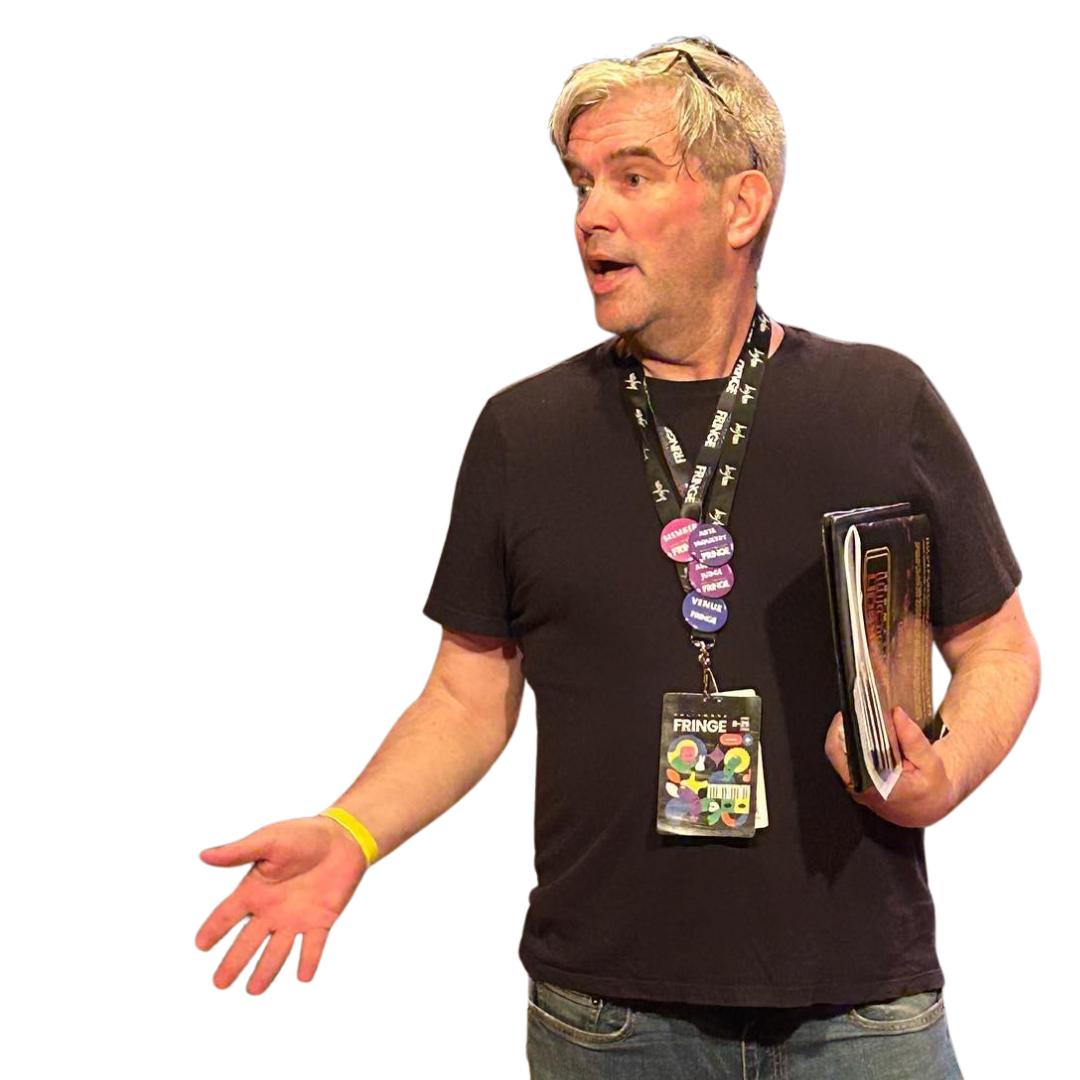
Image Credits
Picture of me at podium – Matt Kamimura
All others – Combined Artform
Popular
-
Cedar Boschan on Elevating Black Music Rights and Driving Urgent Conversations Around Credit, Equity, and Artist Protection
-

Portraits of the Valley
-

LA’s Most Inspiring Stories
-

Robin Olive on Building an Inclusive Performing Arts Movement and Expanding Opportunities for Every Student
-

Que Johnson on Building Brands That Last: From Visibility to True Market Authority
-

Christina Wren Steps Into the Director’s Chair to Tell Stories That Feel Like Home


