



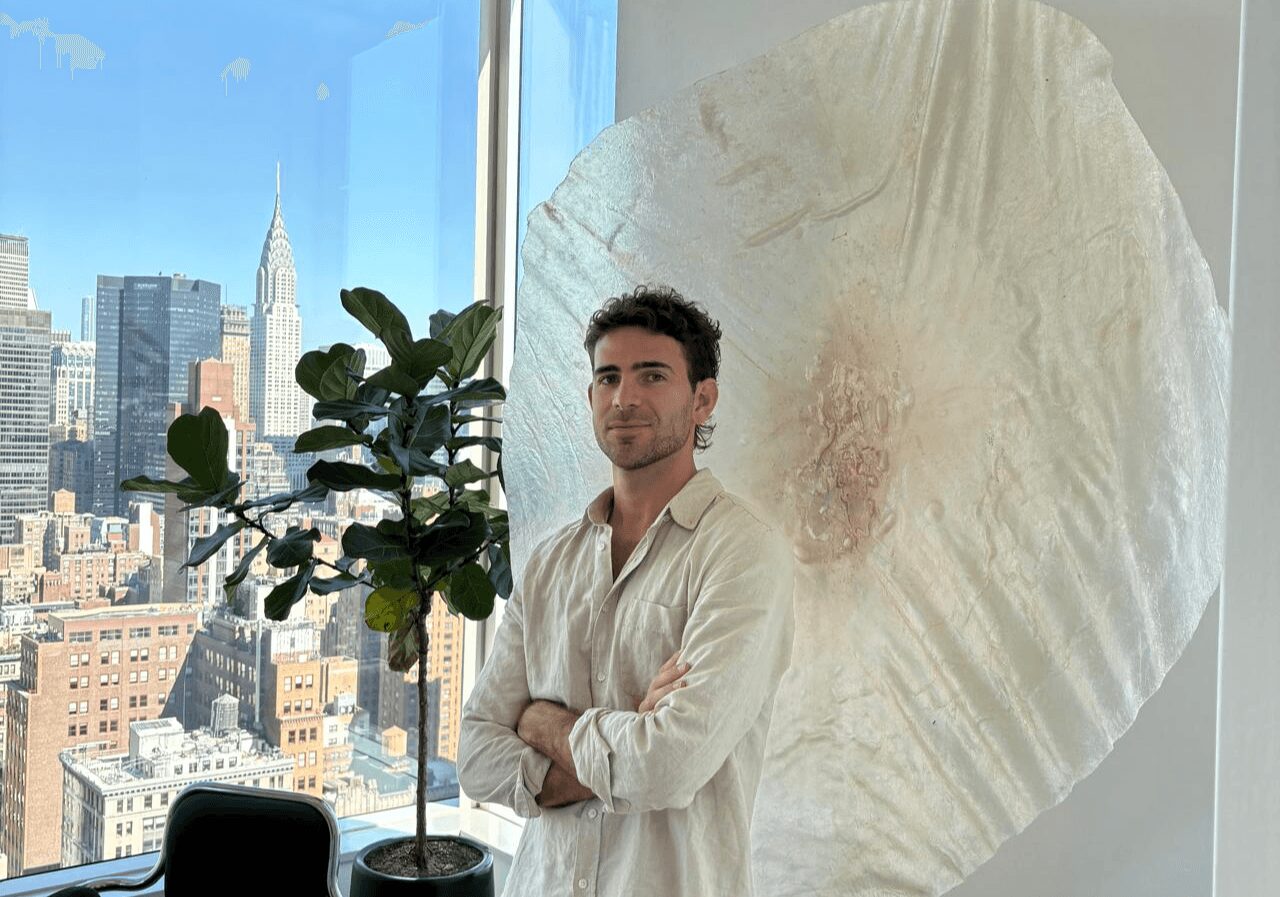
Today we’d like to introduce you to Matteo Giussani.
Hi Matteo, thanks for joining us today. We’d love for you to start by introducing yourself.
I grew up in Argentina and studied architecture. Coming from a family of professional tennis players, travel and exposure to different cultures were always part of my upbringing, which shaped how I see space and context early on.
During my studies, I did an exchange in Spain, and that experience shifted my perspective. It made me realize I didn’t want to stay in one place or within one way of thinking. I wanted to keep growing through different environments. After graduating, I moved to the U.S., which became a turning point in my career.
I started in architecture, but pretty quickly realized I was more interested in how spaces feel and operate than just how they’re drawn. That pushed me into a more hands-on and multidisciplinary path, working across interiors, retail environments, and installations.
At the same time, I was producing my own art pieces and wanted to exhibit them, so I started researching galleries in New York. I noticed that many of them were designed by the same architecture studios, and that’s when it clicked. There was an opportunity not only to create the work, but also to shape the spaces that frame and present it.
Early on, I focused on cultural and exhibition spaces, working on projects where art, architecture, and experience come together. From there, my work expanded into large-scale residential projects, then into interiors and decoration, where I developed a more detailed and material-driven approach.
Alongside that, I have always been curious about materials. I tend to go deep into exploring one at a time, understanding how it behaves and how far it can be pushed.
Around 2023, I spent some time back in Argentina and took sailing classes. One afternoon, I noticed a small sailboat being repaired with resin and fiberglass. That moment stuck with me. It was the first time I really paid attention to those materials.
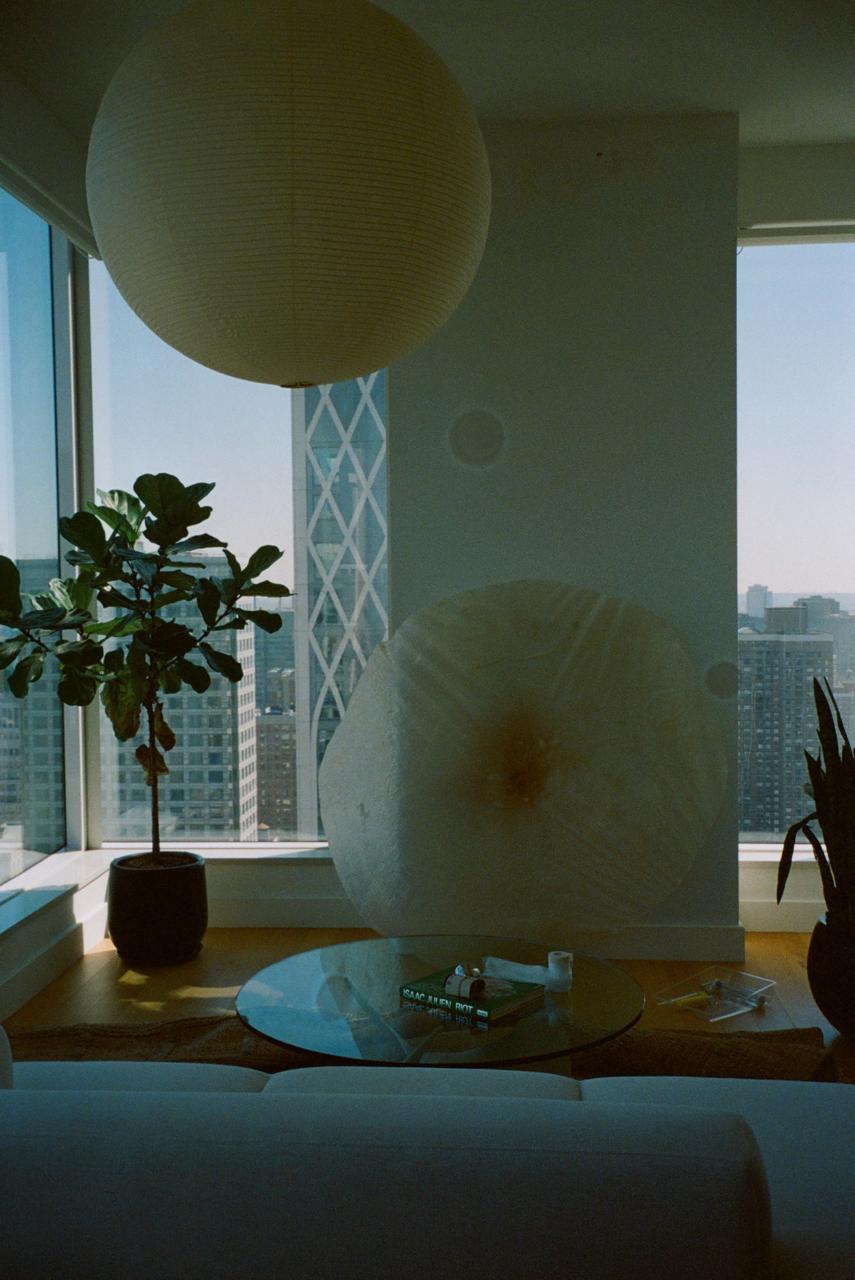
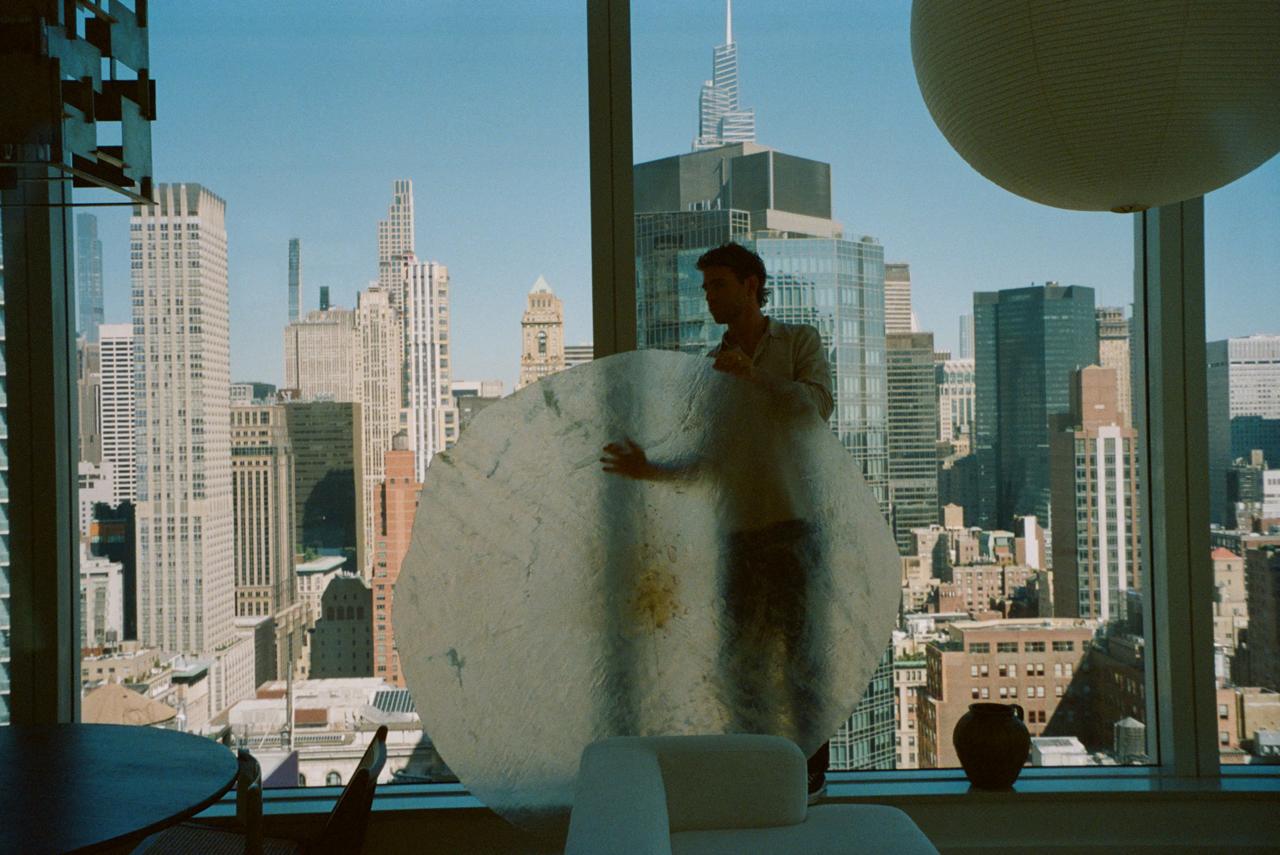
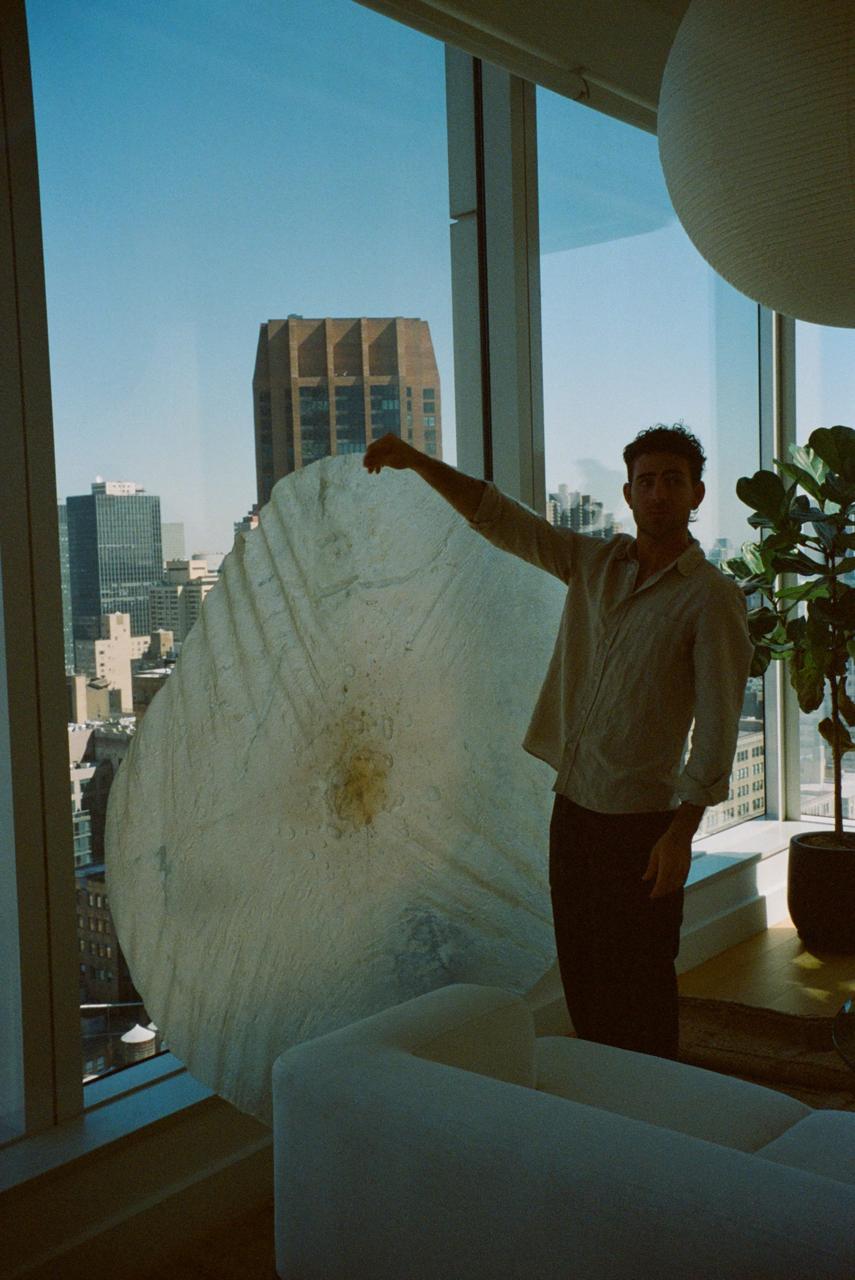
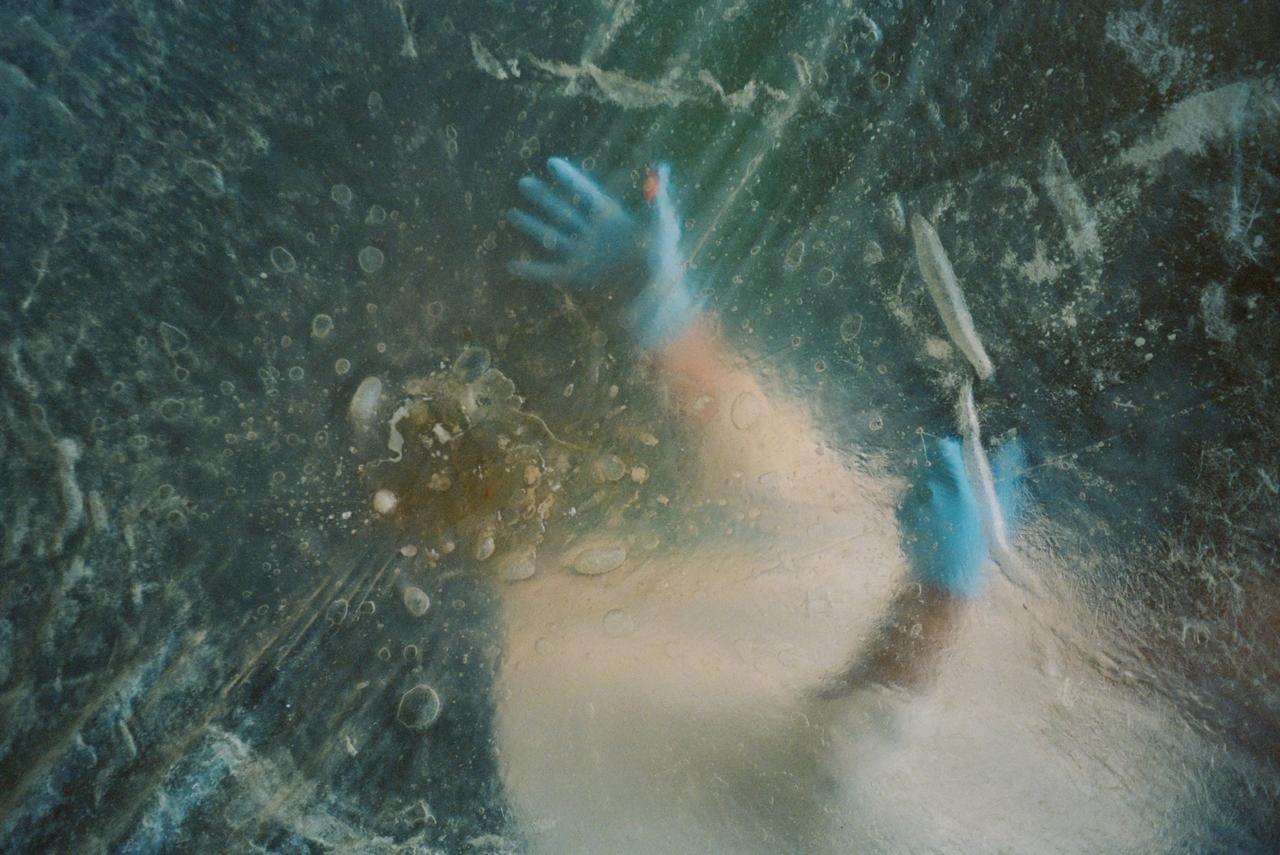
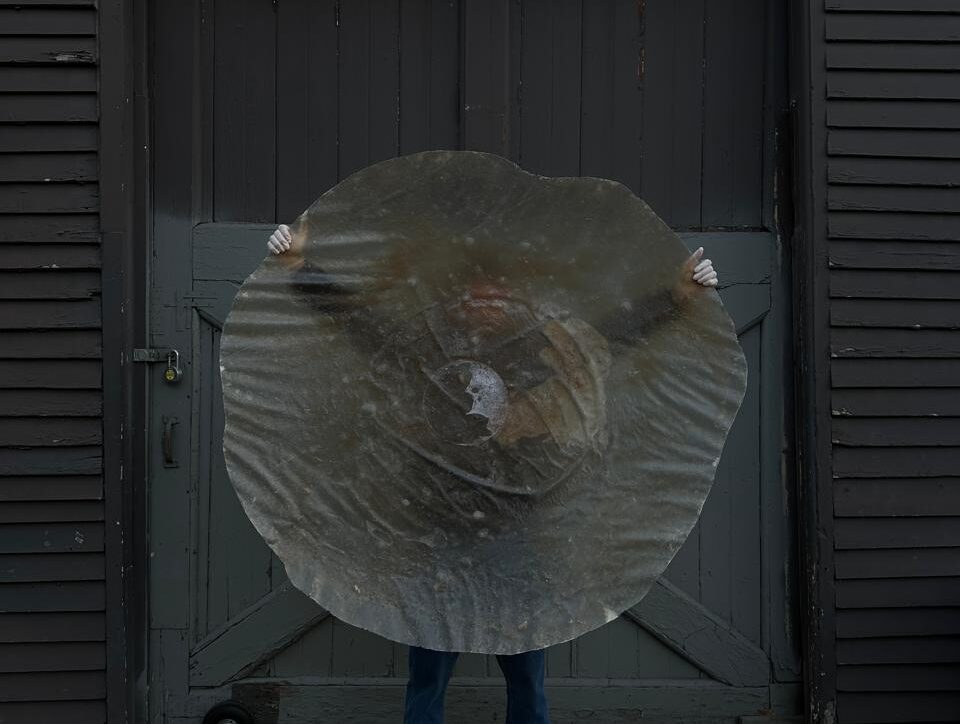
That is how I discovered what has now become the main medium in my work. Since then, I have been developing pieces that explore light, depth, and translucency, and that practice feeds directly into how I approach space.
Today, my work has evolved into developing spatial design and experiences for brands, ranging from temporary retail activations to permanent environments. These projects bring together everything I have been building over time. Concept, material, narrative, and execution.
At this point, I do not really separate disciplines. Whether it is an object, an interior, or a full environment, it is all part of the same way of thinking. Designing across disciplines is not about doing many things. It is about connecting them in a way that feels cohesive, intentional, and built.
Alright, so let’s dig a little deeper into the story – has it been an easy path overall and if not, what were the challenges you’ve had to overcome?
Not really. One of the biggest challenges has been balancing the different types of work I do. On one side, I’m working on spatial projects for brands that move fast and require coordination across teams, timelines, and fabrication. On the other, I’m developing my own art pieces, which are much slower and more experimental.
That difference in pace and mindset is not always easy to manage. Client work demands precision and delivery, while personal work requires time, testing, and a willingness to fail.
Working with materials like resin and fiberglass comes with a lot of trial and error. Most of the process is not visible. It involves testing, adjusting, and starting over until something feels right.
Moving to the U.S. and rebuilding everything from scratch was another challenge. A new network, new context, and new expectations, all while needing to perform at a high level. It has not been smooth, but it has been necessary. It is what keeps the work evolving.
As you know, we’re big fans of you and your work. For our readers who might not be as familiar what can you tell them about what you do?
I work as a multidisciplinary designer, focusing on spatial design, retail environments, and installations. My work often sits between architecture and brand developing concepts and carrying them through to execution with a strong focus on material and detail.
Alongside that, I develop my own sculptural pieces, working with resin and composite materials to explore light, translucency, and form. That personal practice keeps the work more experimental and grounded in material.
A big part of my approach is bringing my own cultural background into the work, while also learning from the context I’m working in. Each project becomes a dialogue not something imposed, but something that responds to its environment and influences.
What I’m most proud of is being able to operate across both worlds delivering large-scale projects while also building a body of work that feels personal and intentional.
I think what sets me apart is staying involved through the full process. I’m not just focused on the concept, but on how things are actually made and built, which results in work that feels more resolved and detailed.
What sort of changes are you expecting over the next 5-10 years?
I think the industry is moving toward more immersive and material-driven experiences. There’s a shift away from purely visual design into work that people can actually feel, move through, and connect with in a more direct way.
There’s also the growing overlap between disciplines like architecture, art, and brand that dont operate separately, and I think that will continue to blur.
Personally, over the next five years I see myself expanding more into my sculptural body of work, bringing those objects into real environments where people can experience them physically. The goal is to move beyond isolated pieces and create moments that feel immersive and carry a stronger narrative.
Contact Info:
- Website: https://matteogiussani.com
- Instagram: matteogiussani_ or on_studioo
Popular
-

Robin Olive on Building an Inclusive Performing Arts Movement and Expanding Opportunities for Every Student
-

Portraits of the Valley
-

LA’s Most Inspiring Stories
-

Que Johnson on Building Brands That Last: From Visibility to True Market Authority
-

Christina Wren Steps Into the Director’s Chair to Tell Stories That Feel Like Home
-

JordanL on ‘Breathe,’ Belief, and Building a Movement Beyond the Music


