




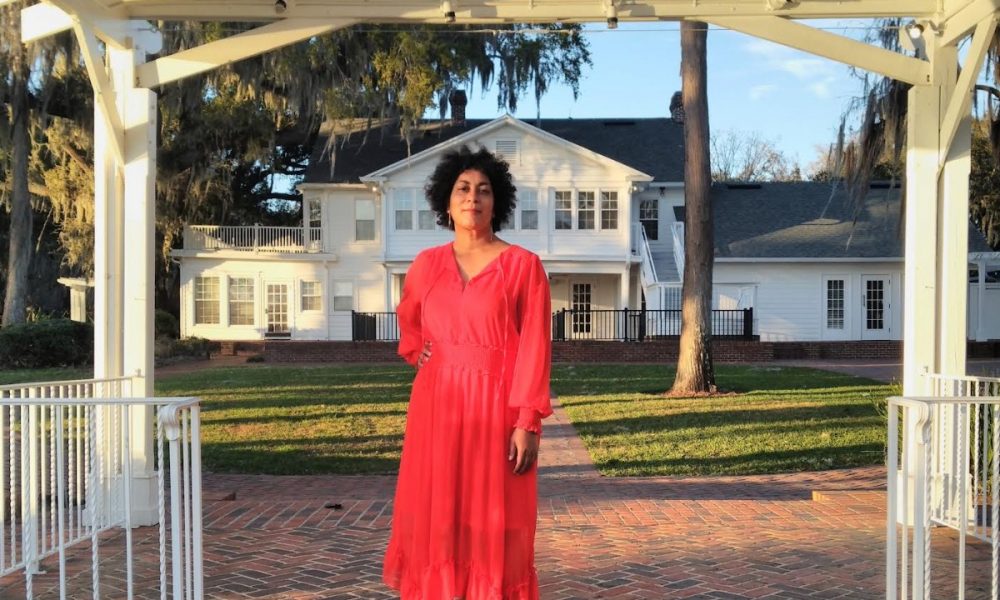
Today we’d like to introduce you to Lucia Cortez.
Hi Lucia, it’s an honor to have you on the platform. Thanks for taking the time to share your story with us – to start, maybe you can share some of your backstory with our readers.
I was born and raised in Venezuela. My childhood was a constant journey between the eastern coast, near Trinidad and Tobago, and the Venezuelan capital, Caracas, as I spent a lot of time under the care of my grandma. With her, I learned how to cook Caribbean food, sew and weave, and how to appreciate nature through the simplest care of small things, such as a little seed or a warm and fragile little worm. That inspired me to study biology and to begin my own journey in science.
It began when I was 15 years old with a fellowship in a biomedical lab, then focused on studying leprosy and leishmaniasis diseases to develop an experimental vaccine. There, I performed immunoelectrophoresis assays, and the whole project allowed me to be awarded as a young scientist at the Venezuelan Science Festival in 1988. Since then, I have worked in different research labs and in the field, and then I found a good setting for my professional goals in plant science by developing an early career as a botanist fully dedicated to exploring tropical forests. That passion brought me to the US in 1998 to study the ecology and systematics of tree ferns, but it took until 2006, when I stayed here, having to dedicate my time and effort to raising a daughter and working in academic and industrial labs. Some of the experiences from these labs shaped my character thoroughly because I had to overcome situations and become resilient to the pressure and impacts of the job disadvantages and exclusions for being Hispanic and a woman.
After decades of ups and downs with changes in life and job settings, I decided to use my job and life experiences, taking my scientific background and the tools that I had applied to overcome difficulties in an integrative way for advocacy, particularly on environmental matters. Therefore, I’m currently dedicated to studying with a resilient approach conflicts related to environmental issues and promoting alternative and holistic methods and approaches to address human problems related to the environment.
I created an opportunity to work it out through my first company, We Plant City LLC, which promotes well-being and nature appreciation through the practice of relaxation techniques, stress management, and meditations that help people reconnect with nature.
Alright, so let’s dig a little deeper into the story – has it been an easy path overall, and if not, what were the challenges you’ve had to overcome?
Not smooth at all. Anything in life isn’t a straight line towards what you want, and it takes time to learn it. I was raised in an underdeveloped country with the scheme of having to be successful in school, graduate, attain a career, and build up a family because it is the paradigm for women’s development and stability.
The expectation was to have a husband and kids, a salary, if possible, keep the husband happy, and have a house and needs covered. But, in my family, I’m considered the black sheep, the rebel who explored jungles as a profession, the first woman who married a foreign guy, and the first woman who suddenly migrated out, leaving “mama” and everything behind. However, I had decided to become a mother, assuming the responsibility and time-consuming task of caring for a child, with all the personal and social implications, such as resigning my professional expansion to keep my own family in a country where it means to build a new life from scratch. Anyway, nothing was as expected, and I ended up rebuilding myself, from myself and by myself several times because the marriage wasn’t perfect, the salaries weren’t that good, and caring for a child after a divorce was emotionally and financially more demanding since I didn’t have relatives beside me or anyone else to support me.
On a professional level, there were struggles too, sometimes even more painful. Some companies don’t care about reassuring you as a person or as an employee. With the excuse of being a modern business, they appear to be progressive and motivated to construct a sustainable and equitable labor atmosphere in the facade, but in reality, the structure is pyramidal, the power is vertical, still gender-based, and the management is usually biased. Unfortunately, those elements are still articulated in an anachronistic model of business. Nevertheless, I found good opportunities too, with excellent coworkers and clients who motivated me to keep going and demonstrated confidence in my capabilities.
On a spiritual level, the struggles have raised many questions, and logically, I have actively searched for answers by testing my own beliefs. My faith has increased with the experience, and I have applied creative solutions as well. For example, I made an effort to sing in a choir to learn piano, nature photography, belly dancing, tennis, sculpture, pottery, painting, and drawing, apart from practicing Hatha and Bikram yoga, reiki tummo, etc.
A good thing about the challenges in life is that they arrive, you navigate them, and they are done. So, you move up to the next one, and when you turn your back around, there is a considerable distance and time from the beginning. Being able to identify the distance and value the memories from that time to let them go is extremely powerful.
We’ve been impressed with We Plant City LLC, but for folks who might not be as familiar, what can you share with them about what you do and what sets you apart from others?
We Plant City is more than a new challenge to me. It’s a commitment, not a project, so I don’t conceive of this startup as a form of job or only like a specific vehicle to attain financial stability; this is my creation. I was very scared to make it because my financial situation has been limited in recent years. Also, because of the lack of knowledge and experience in managing sales and tax reports. Despite having a great group of friends and a supportive community, I didn’t have anyone to involve in the business, and many tried to convince me to get rid of the intention and focus on getting a regular job instead. Similarly, people who offered me certain administrative help then failed to fulfill what they had offered, causing delay and agitation. For instance, the business was born with me really naked, in all senses.
The branding process of We Plant City has been a practice of consistency and patience, like all the beautiful and valuable things in life. I set up the logo, which consists of a dove and a lotus flower, symbolizing peace and resilience. The color green that identifies the company purposely represents nature, which embraces the beginning and growth, with the vision of transmitting the core values of the company: authenticity, integrity, and positive transformation. That’s why We Plant City means collectively planting good intentions, like seeds and stands for “harvesting health and peace” because both health and peace are intrinsically authentic, integral, and transformative, like fruits.
The business surged as a solution for people who are in need of relaxation and are seeking tools to manage stress, anxiety, etc., without any involvement in philosophic or religious matters. I focus on stress management tools and breathing techniques that can be applied at any place and at any time, as these become sustainable and affordable to everyone. Moreover, many believe that yoga and meditation are the same or that they need to invest too much time, physical effort, and financial resources in relaxation tools and classes.
I believe that practicing in open public spaces such as city parks, recreational parks, national parks, etc. promotes relaxation through a connection to nature and helps people to know and be compassionate with other species, thus the biodiversity plays an important role to keep healthy our urban and rural areas and the natural resources. When people have an active interaction with nature, such as contemplating a sunset or simply listening to birds singing songs, they tend to be aware of their well-being and to develop positive actions towards the environment.
Additionally, the business offers sustainable products for practicing yoga and/or meditation. This is pivotal because many products, such as clothes, mats, water bottles, etc., that are currently popular and available for these practices are mainly manufactured with derivatives of petroleum, and because of that, we become involuntary contributors of pollution for water (PFAS), air, and soil.
People can get involved with We Plant City’s services through classes and memberships and purchase the products directly on the website. Currently, there are several classes in public places every week, or everyone can book a special or private session simply by emailing [email protected] or contacting on the website, weplantcity.com, on Instagram, Facebook, or LinkedIn.
We Plant City is MWBE certified, fully active, and operational in Florida for now.
We all have a different way of looking at and defining success. How do you define success?
Success is a mental construction. It’s rooted in our values and goals. Usually, we set up our values and goals based on our morals and culture, which are related to our space (geography) and time. That’s why they can vary from one person to another and from a circumstance to a situation.
I think the important side of defining success in practical terms is identifying our desires, why, and how to set up those values and goals. Then, we can manage them by identifying how to measure their accomplishments and what type of emotion develops with them.
Generally, we measure it by whether a desire is fulfilled; we tend to develop positive emotions, and when it is not fulfilled, we tend to develop negative emotions. If we embrace the positive emotions and not the outcome, we don’t need to judge if it’s good or bad, nor do we need to get worried about achieving success.
Pricing:
- Class: $15
- Memberships: from $25 to $49
- Private meditation session: $225/hr
Contact Info:
- Website: weplantcity.com
- Instagram: https://www.instagram.com/weplantcity/
- Linkedin: https://www.linkedin.com/in/we-plant-city-582067288/
- Twitter: https://twitter.com/weplantcity
- Youtube: @LuciaWePlantCity
- Yelp: https://www.yelp.com/biz/we-plant-city-longwood





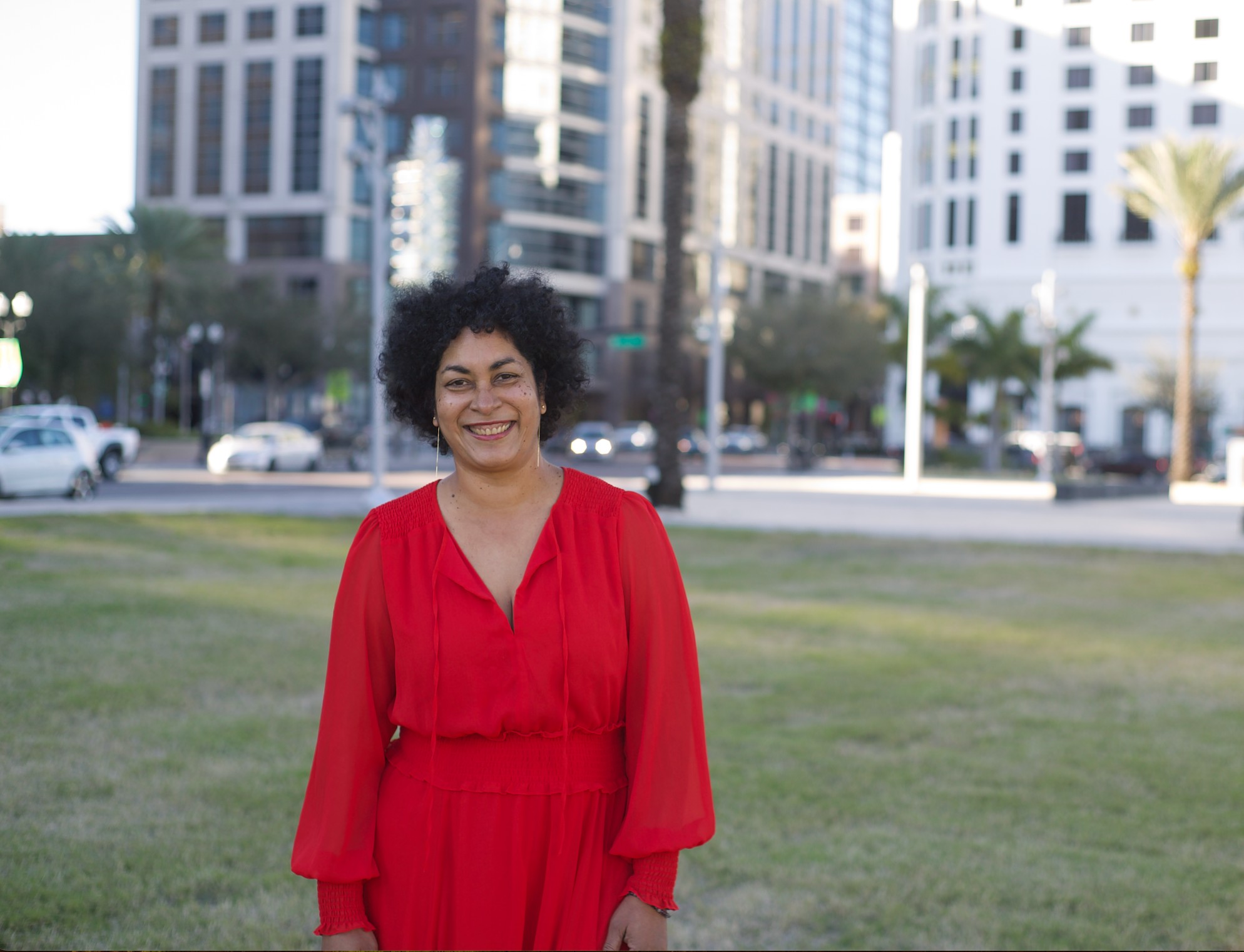

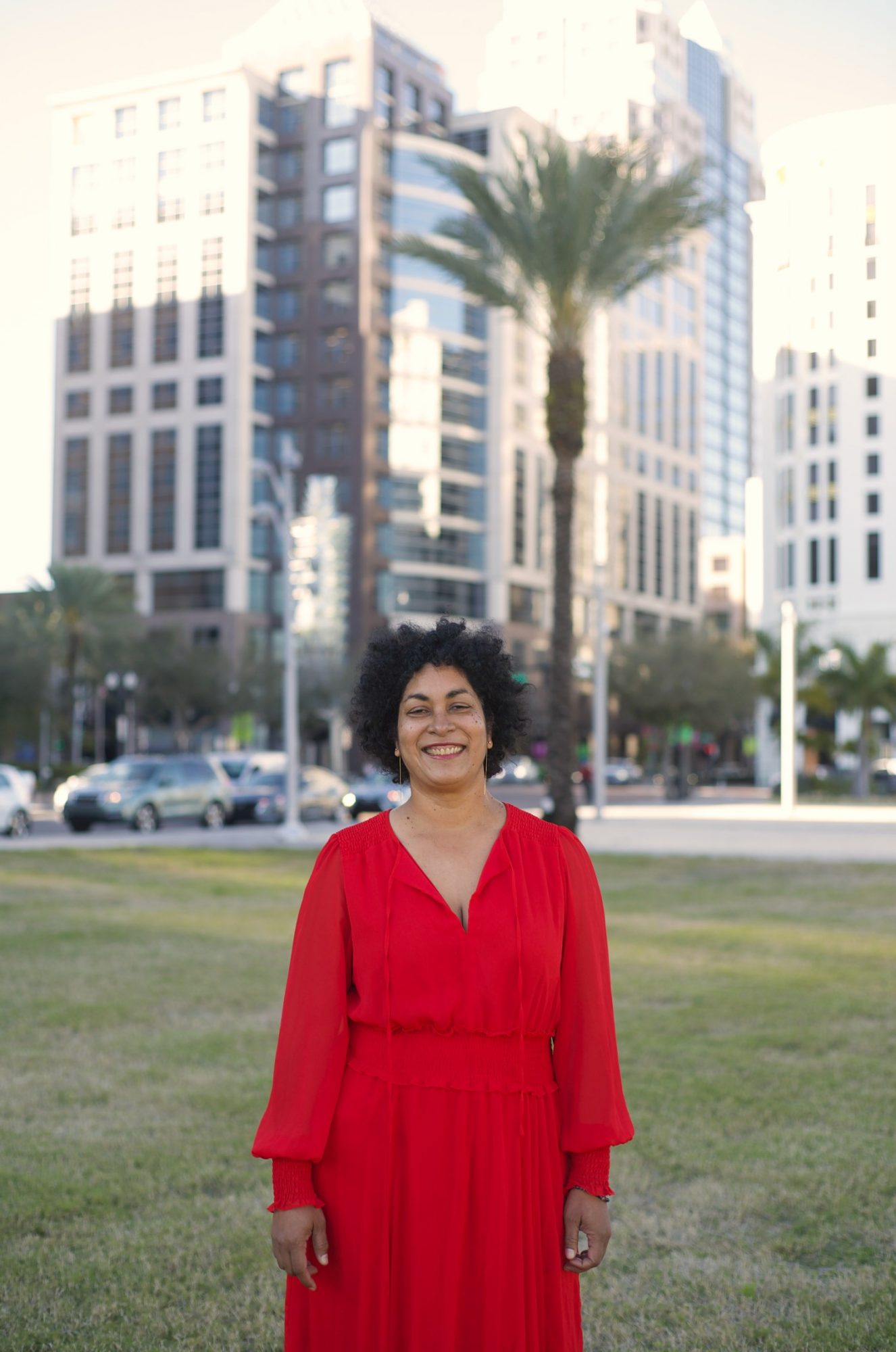
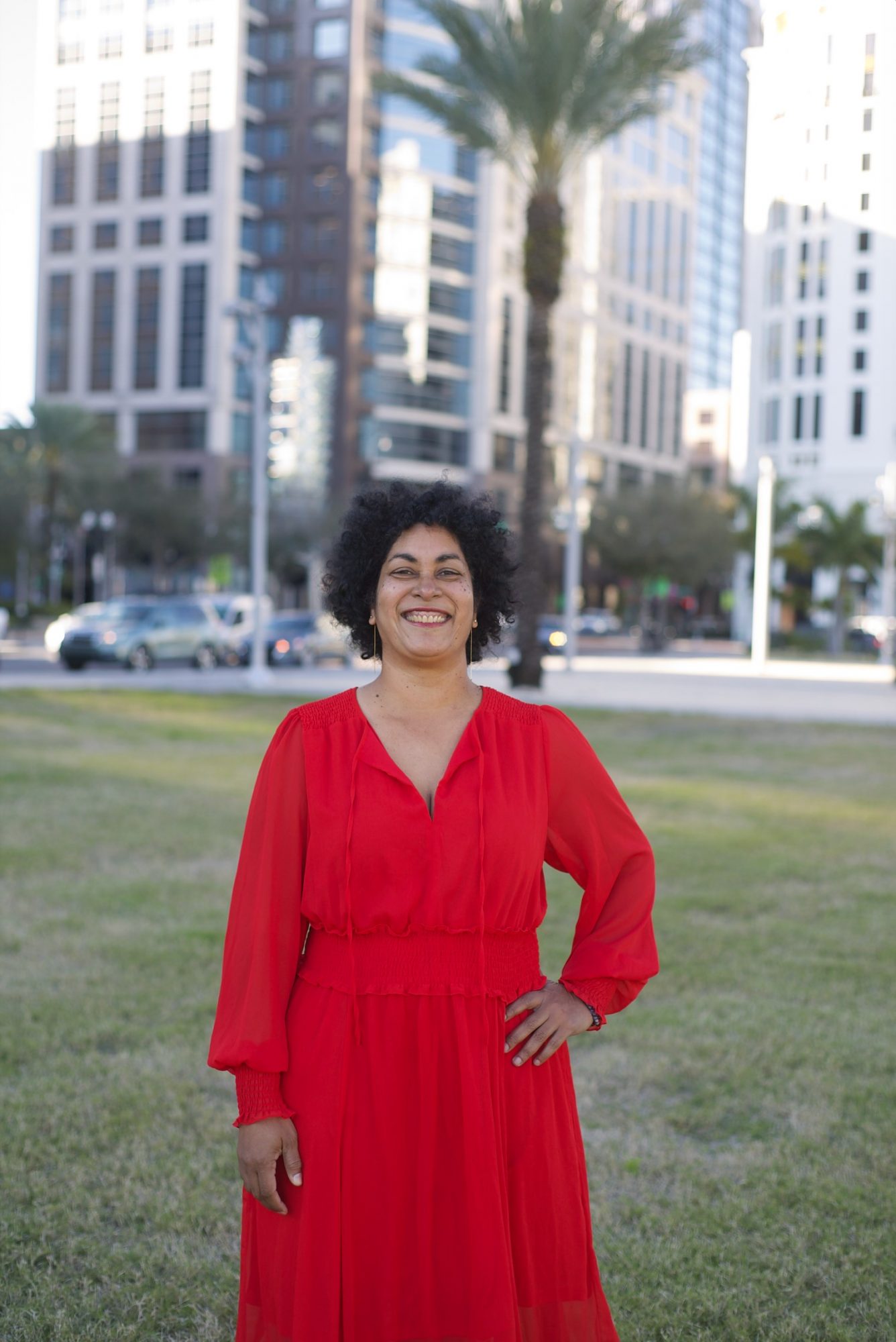
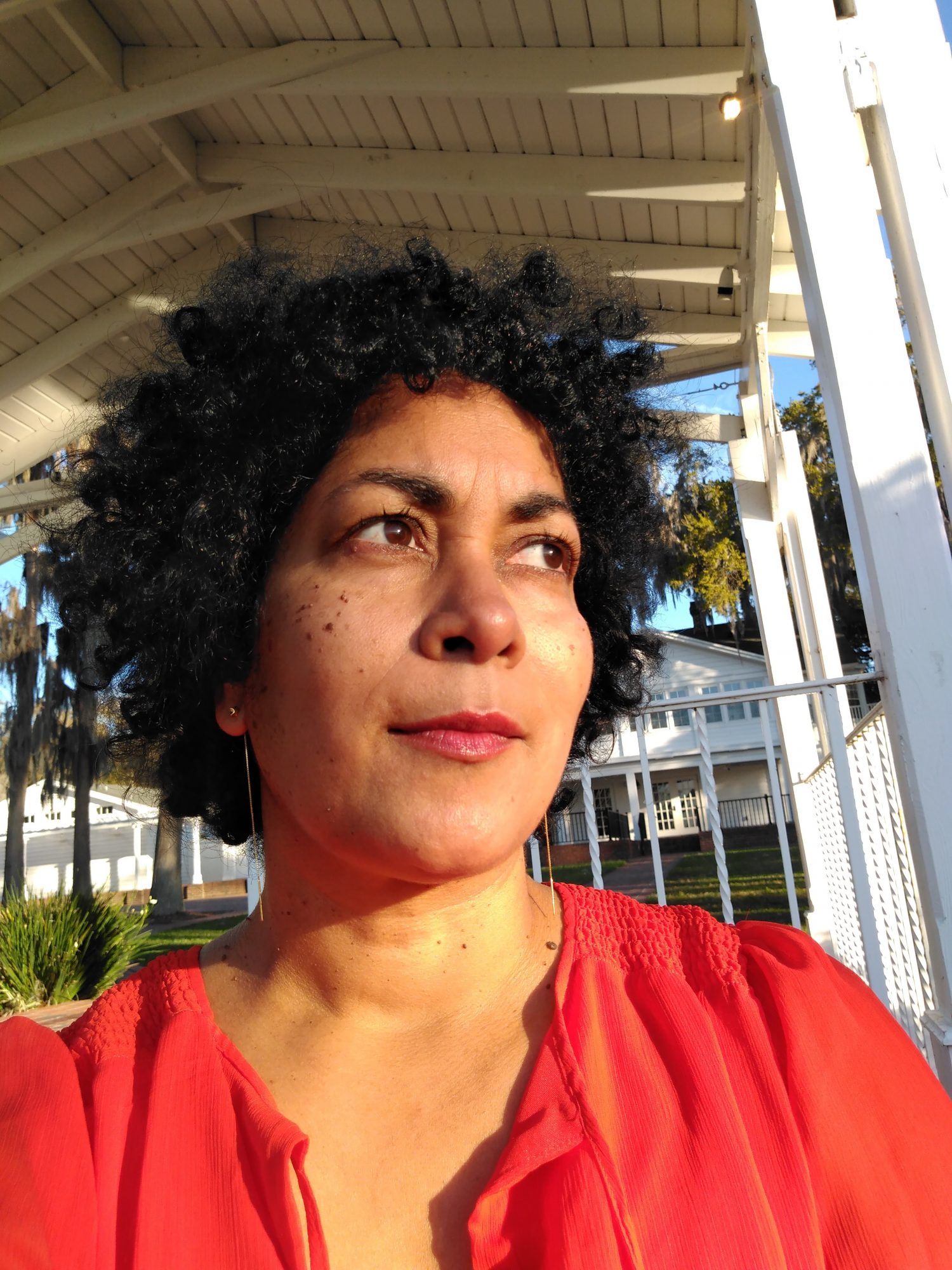

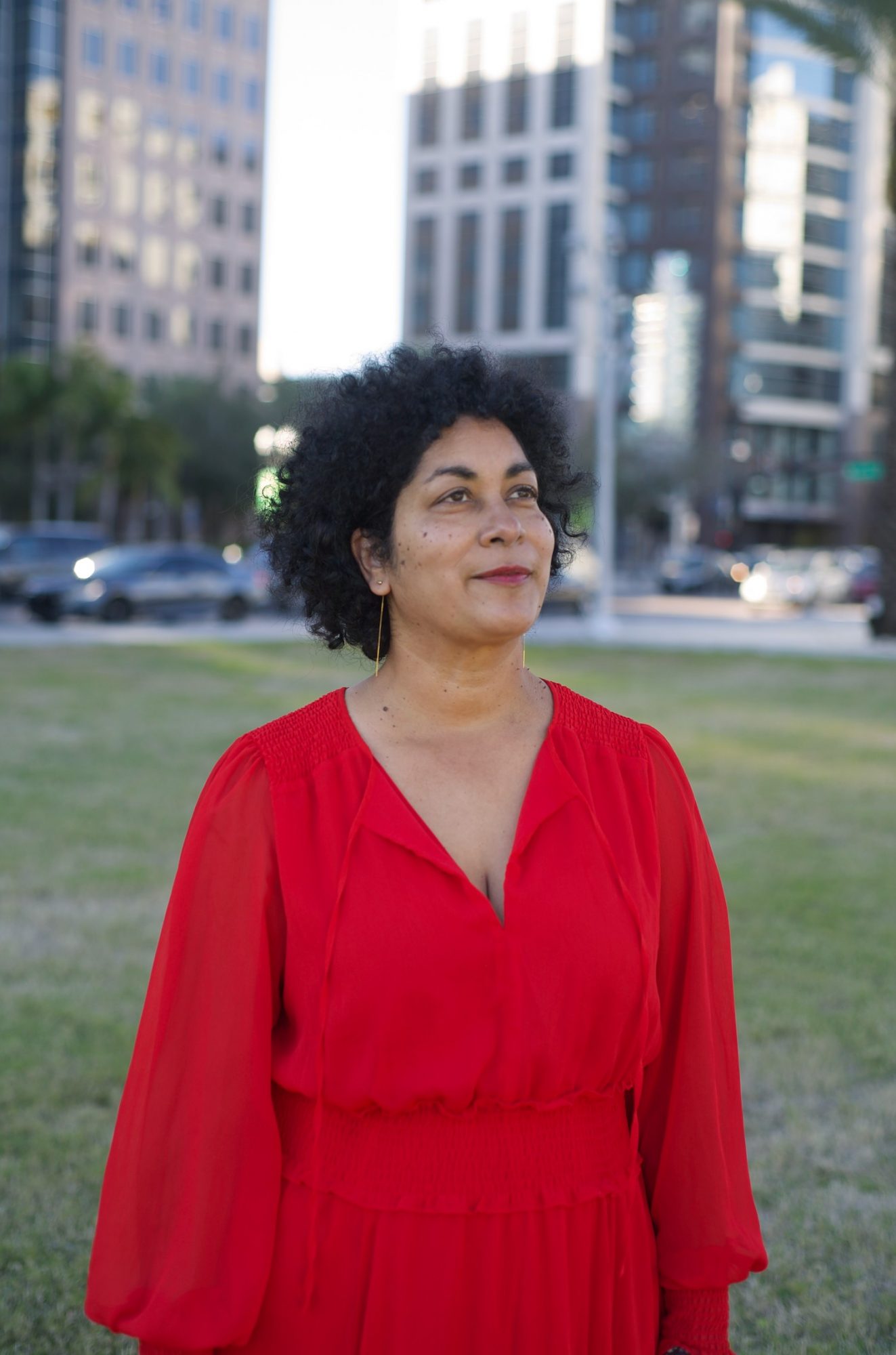
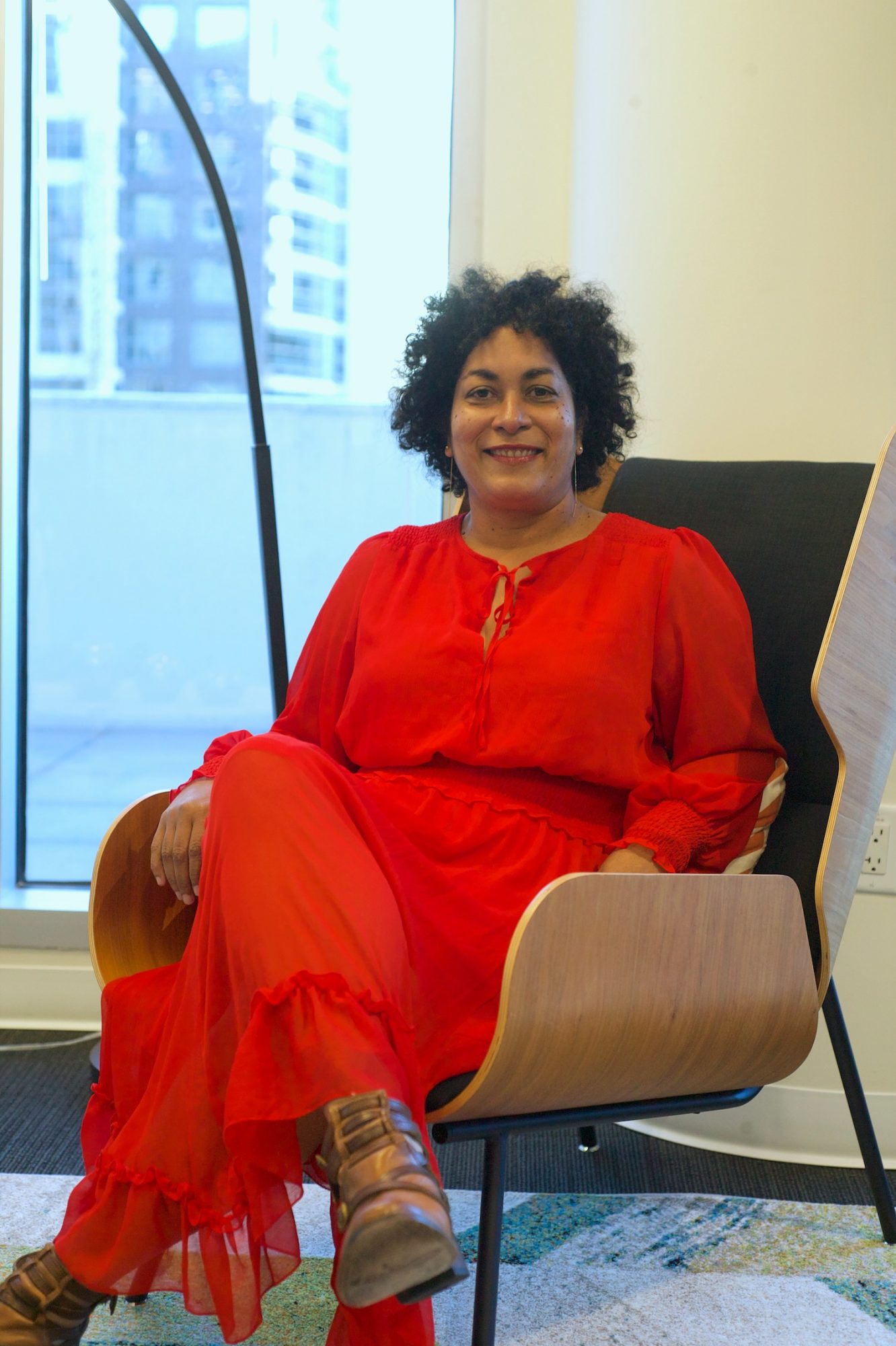
Image Credits
Steven Waschka
Lucia Cortez
Popular
-
Los Angeles Barea on Turning Green Superheroes into a Global Movement for Youth-Led Change
-

Trisha DuVivier on Bridging the Franchisor–Franchisee Divide with Workhero and “Franulate”
-

Portraits of the Valley
-

LA’s Most Inspiring Stories
-

Cedar Boschan on Elevating Black Music Rights and Driving Urgent Conversations Around Credit, Equity, and Artist Protection
-

Robin Olive on Building an Inclusive Performing Arts Movement and Expanding Opportunities for Every Student


