




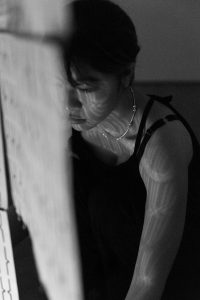
Today we’d like to introduce you to Kuan-Ya Wu.
Hi Kuan-Ya, we’re thrilled to have a chance to learn your story today. So, before we get into specifics, maybe you can briefly walk us through how you got to where you are today?
My name is Kuan-Ya Wu, but I usually go by just Kuan. I am a multidisciplinary artist based in Los Angeles California. I was born and raised in Taiwan and moved to LA in 2018. I began my art practice at an early age back in kindergarten, but it was definitely more of an interest than a career path when I entered college. I am currently in my senior year at ArtCenter College of Design in the Fine Art Department. In addition to being a fine artist, my focus for the past two years, I have also been passionate with curatorial practice; building an exhibition was a way for me to connect with my community as well as making fine art approachable by the general public.
Alright, so let’s dig a little deeper into the story – has it been an easy path overall and if not, what were the challenges you’ve had to overcome?
The path of pursuing an art career was definitely not easy. I was raised in a rather traditional culture and was not taking art seriously enough to see it as a job. How can being an artist support myself financially has been a task while being an international student also comes with many restrictions on finding jobs in the United States. When I first transferred to ArtCenter in 2020, the school was completely remote due to COVID-19. It was a hard transition in terms of adopting to a new environment and finding a community without access to campus or meeting people in-person. However, it allowed me to sit with myself longer to discover my interest and things that I want to develop in my art practice, and with the support from faculty I was able to begin interning with the exhibition department remotely and starting to learn more about the industry.
Appreciate you sharing that. What else should we know about what you do?
My practice focuses on the search for a “safe space.” It is driven by a deep curiosity and interest in the details and objects of our everyday surroundings and their relationship with the feeling of security and insecurities. With my practice growing through time and with experimentation of how a safe space relates to diverse scenarios, I see the process of creating a safe space almost like a lab experiment. It starts with a question, an expected result, and a formula to prove the theory. However, my expressions are rather sentimental and generous than legitimate. Safe space is not confrontational, it is a space where black and white exist and so is the gray area in between. Safe space is somewhere private and intimate, where I encourage my audience to feel vulnerable as I develop conversations with them sincerely. Safe space is uncanny, for I hope to separate my audience from the chaos of reality.
My work is a realm that feels surreal but keeps a sense of familiarity to still be able to understand the language, to feel related, and to have a beginning point to start thinking. Often when people talk about me as an artist or about my work, the first thing that comes to their mind is “that artist that lets you touch everything.” There is a lack of color in my work as I left my installation of white with exposure of what the material can look like. I work with daily objects as materials, especially paper, all kinds of paper, paper towels, toilet paper, and more. The texture is language that I take on to provide sensation for my audience. I want my audience to feel trusted and be confident that it is okay for them to approach my pieces as they put thoughts together in their mind of what they are looking at and what they are feeling at the moment.
Is there a quality that you most attribute to your success?
I always regard myself as a people person, and that reflects both in my art practice and how I put an exhibition together. I find inspiration by talking to people and enjoy the community that exchanges ideas. To be able to understand an individual and having people willing to tell me their story is something I always appreciate. In 2022, I began curating exhibitions on campus, and that brought me outside of the fine art bubble and I began to get to know people from other departments. A strong communication skill allows me to be comfortable with working with a big group of people, and it is also rooted for the relationship that I want between me as an artist and my audience. In the previous question, I pointed out vulnerability as part of my art. Vulnerability stands crucial in my work, and to be sincere with my audience allows me to start a conversation with them. When thinking about the idea of safe space and insecurity, it can be discussed just on the surface level but also can be made into deep conversations. A handwritten letter is what I used for my solo exhibition. Compared to a printed press release, I want to talk to my audience more intimately. By writing a letter, it can lower the boundary between an artist and a viewer. I hope to make them feel like talking to a friend and that my works are made for them and for everyone that encounters it.
Contact Info:
- Website: https://kuanyawu.cargo.site/
- Instagram: https://www.instagram.com/_kartsy__/
- Linkedin: https://www.linkedin.com/in/kuan-ya-wu-650b2920a
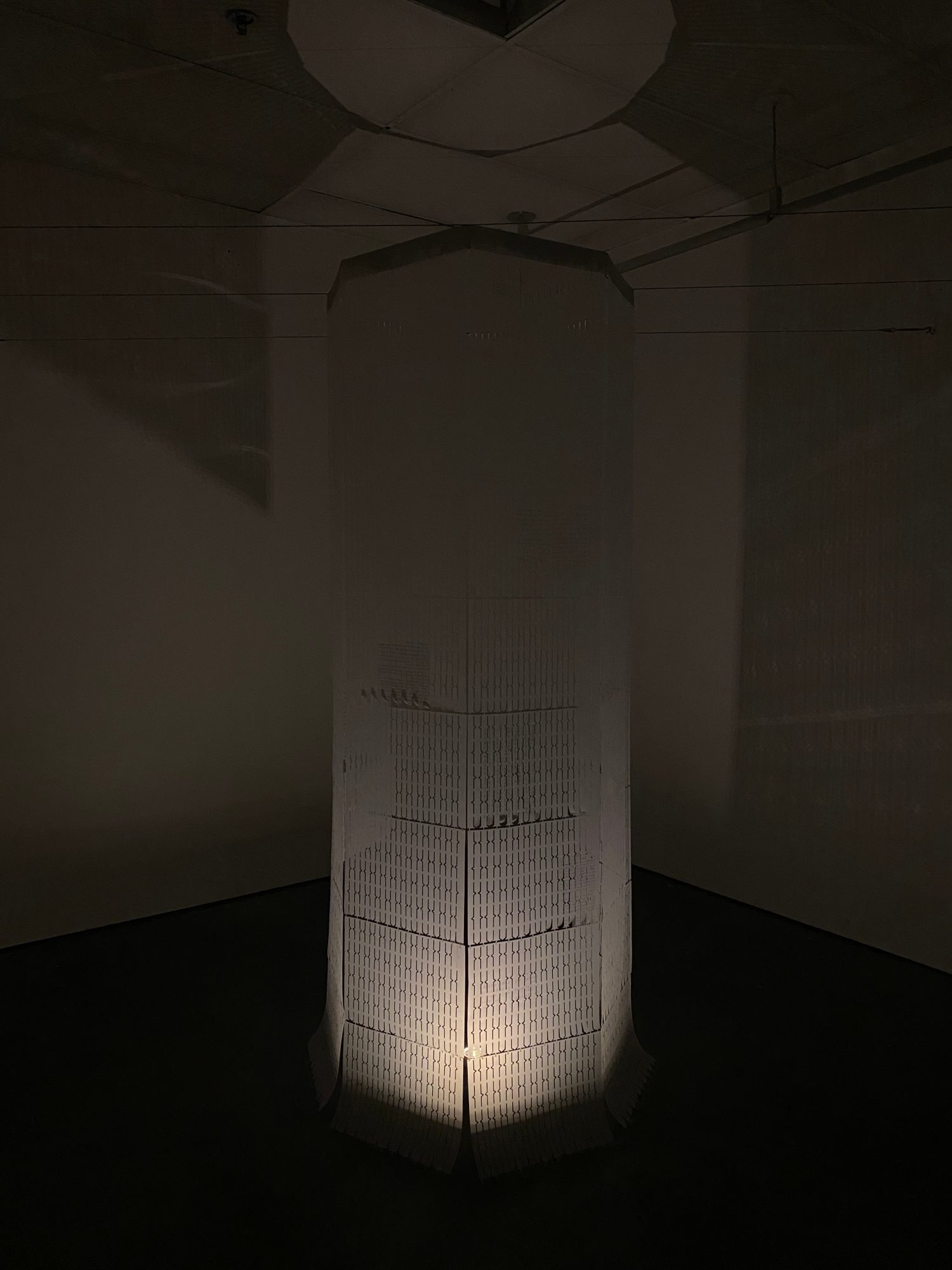
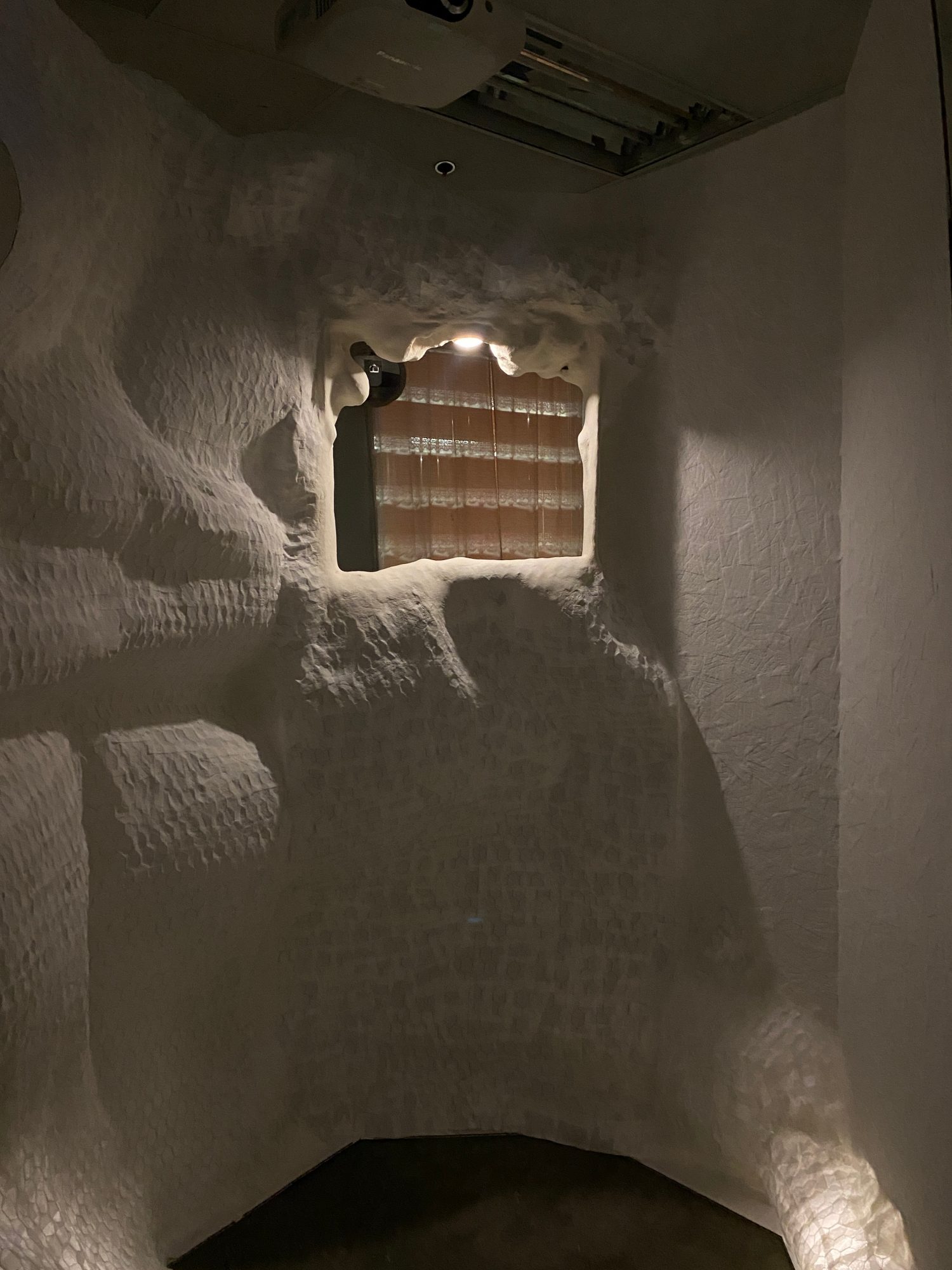
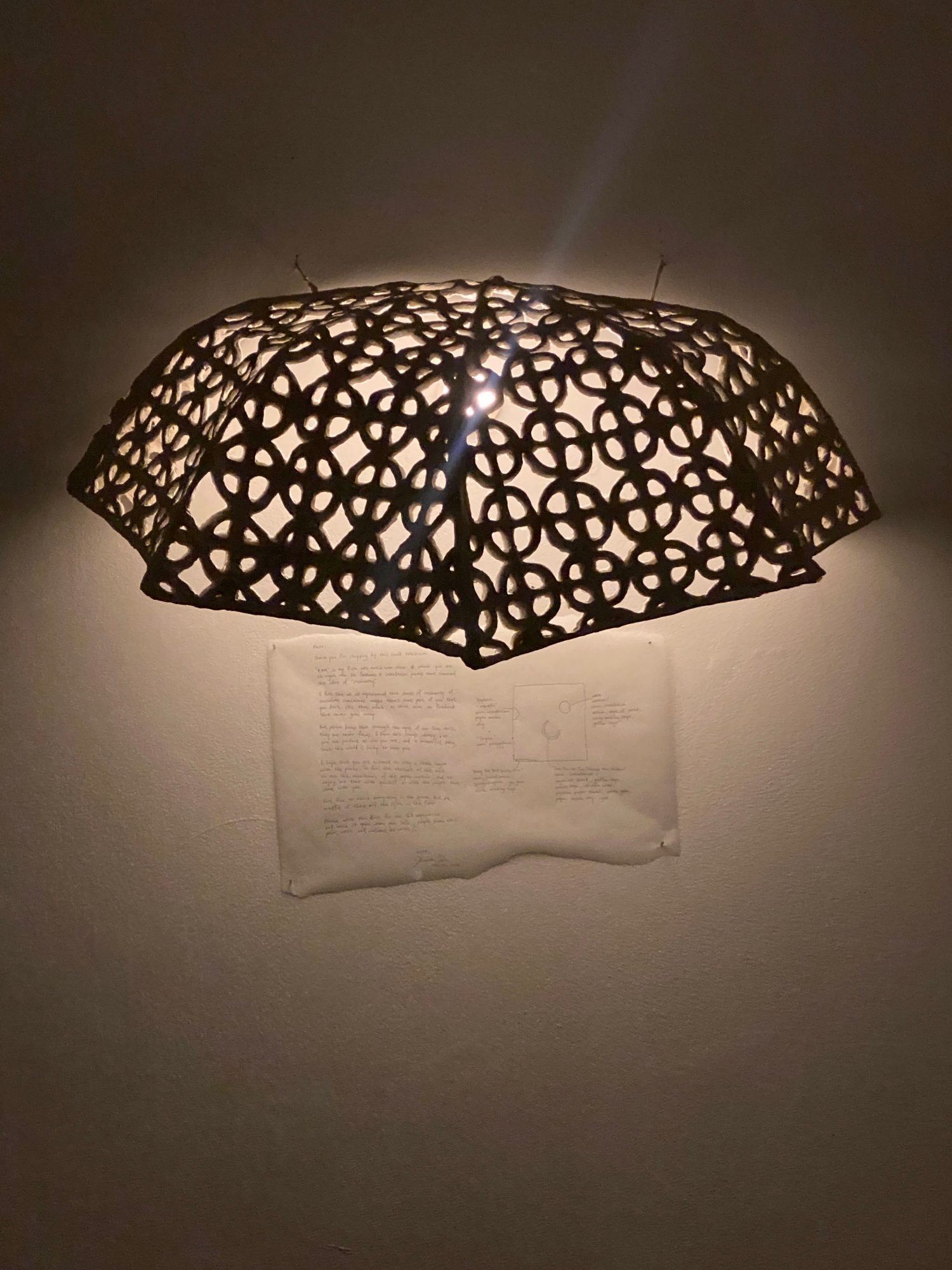
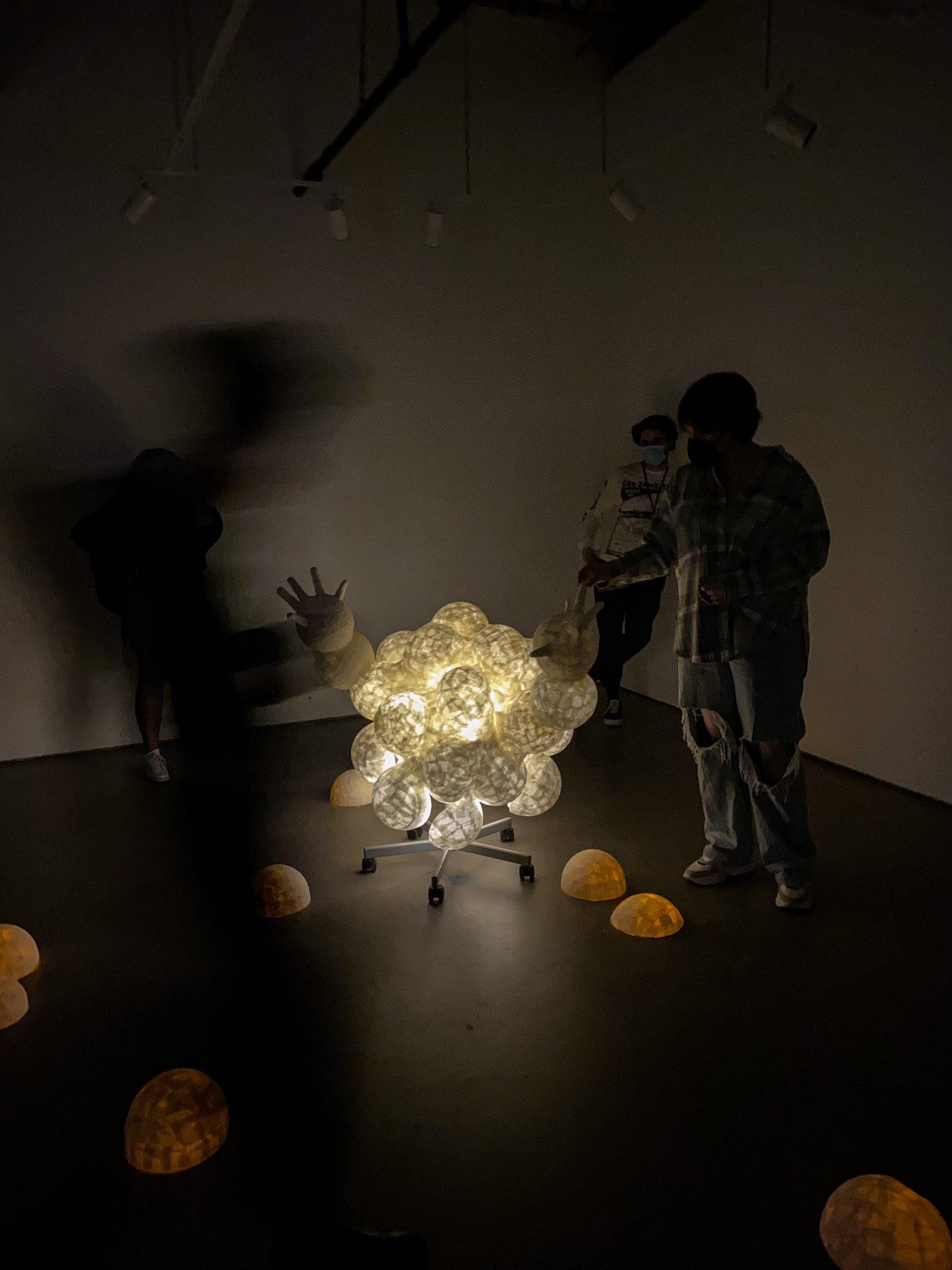
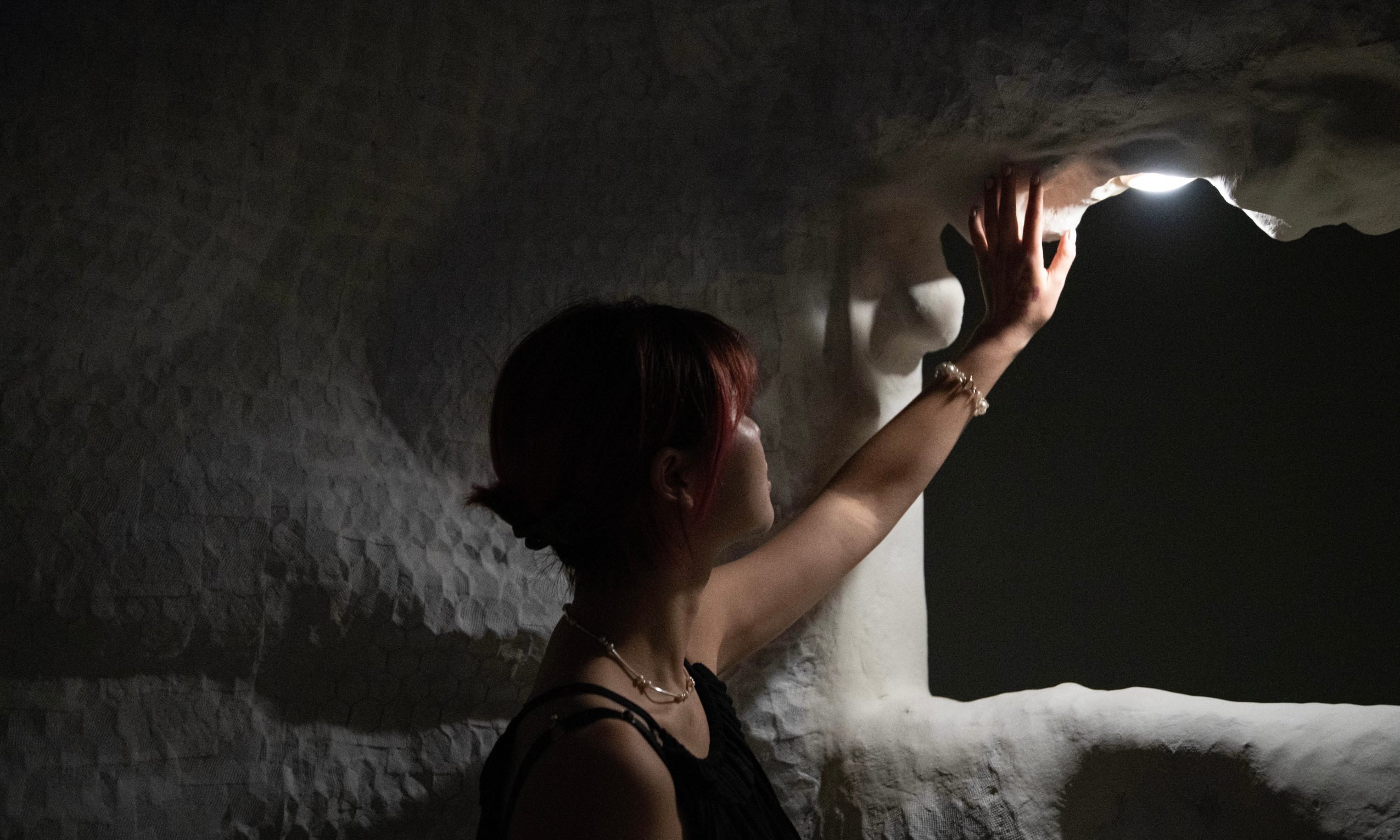
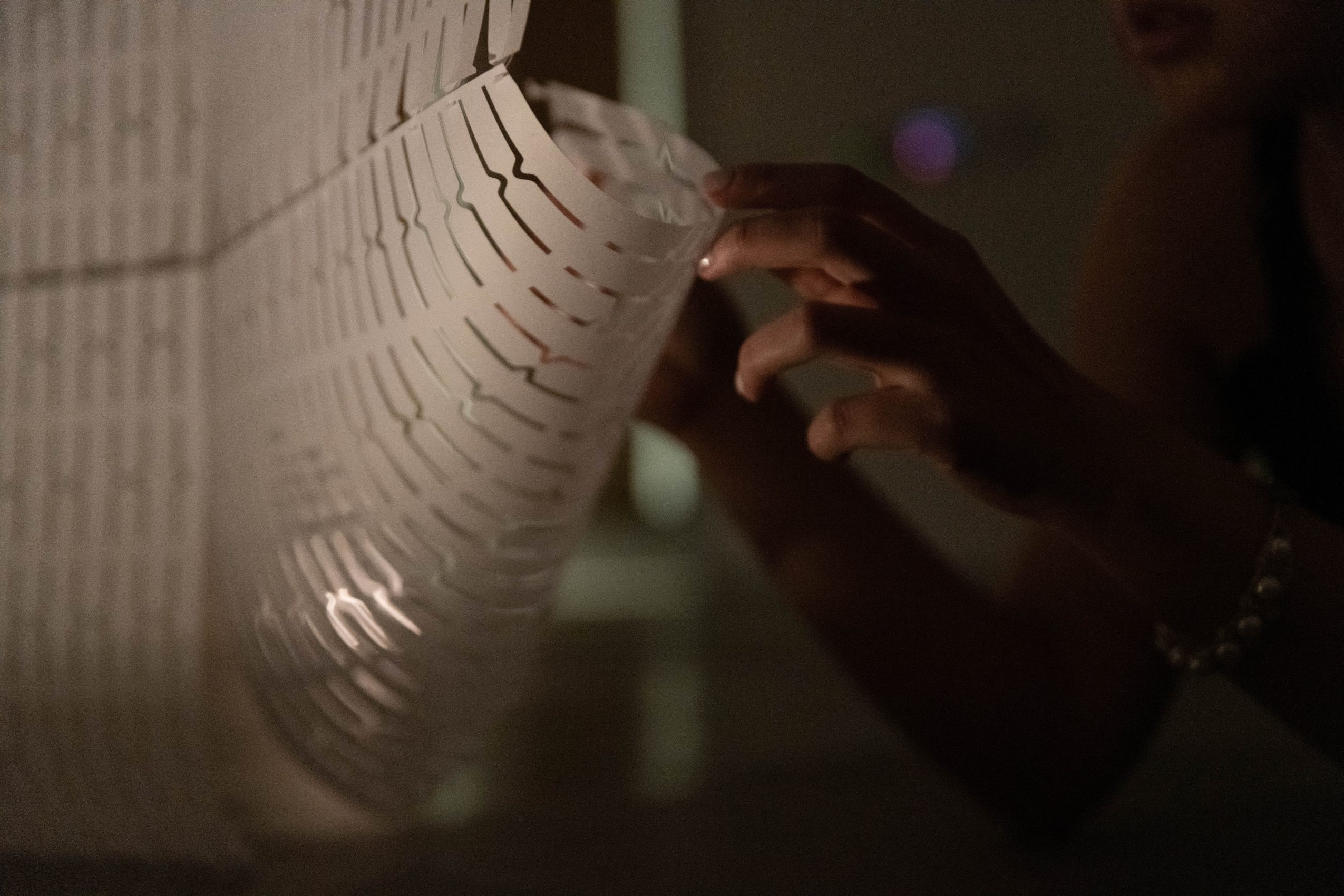 Image Credits
Amanda Villegas Kuan-Ya Wu
Popular
-

Portraits of the Valley
-

LA’s Most Inspiring Stories
-

Robin Olive on Building an Inclusive Performing Arts Movement and Expanding Opportunities for Every Student
-

Que Johnson on Building Brands That Last: From Visibility to True Market Authority
-

Christina Wren Steps Into the Director’s Chair to Tell Stories That Feel Like Home
-

JordanL on ‘Breathe,’ Belief, and Building a Movement Beyond the Music


