




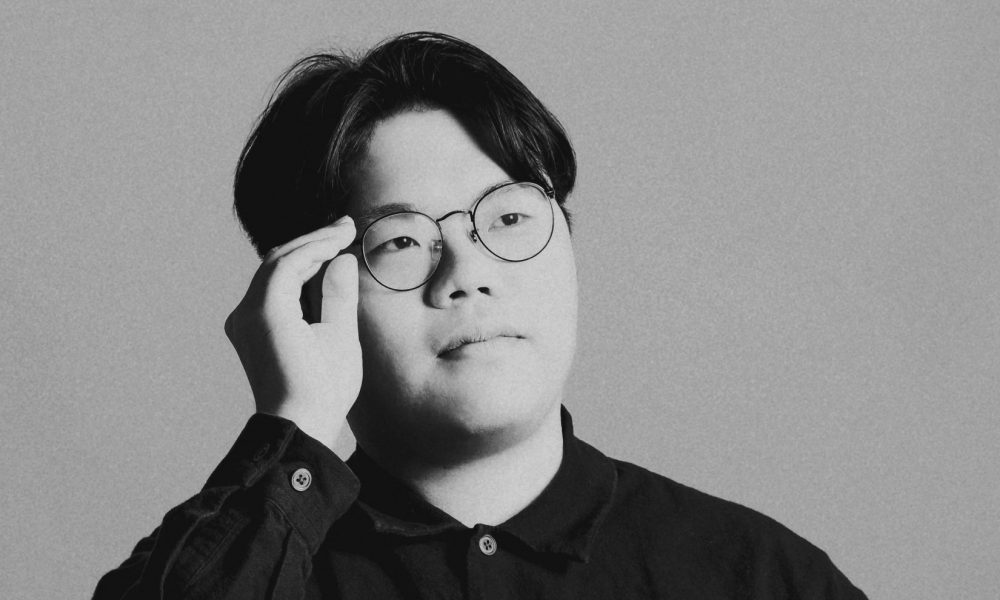
Today we’d like to introduce you to Kevin Von
Hi Kevin, please kick things off for us with an introduction to yourself and your story.
My journey in design began at a young age, fueled by my fascination with robotics and programming, influenced by my mother, a computer teacher, and various anime centered around robots. This interest blossomed further during high school as an art student, where I honed my aesthetic sense and observation skills, crucial for a career in design.
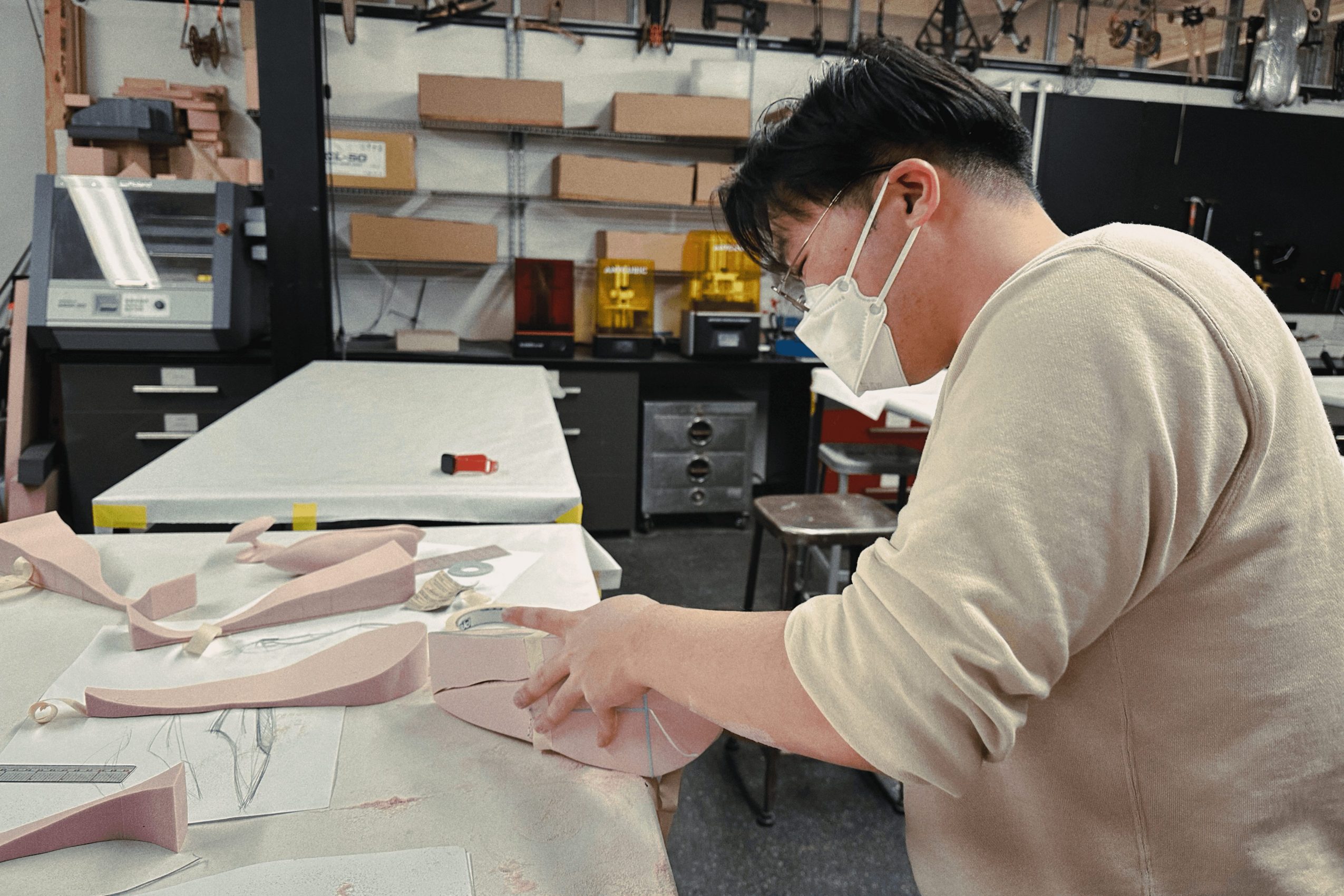
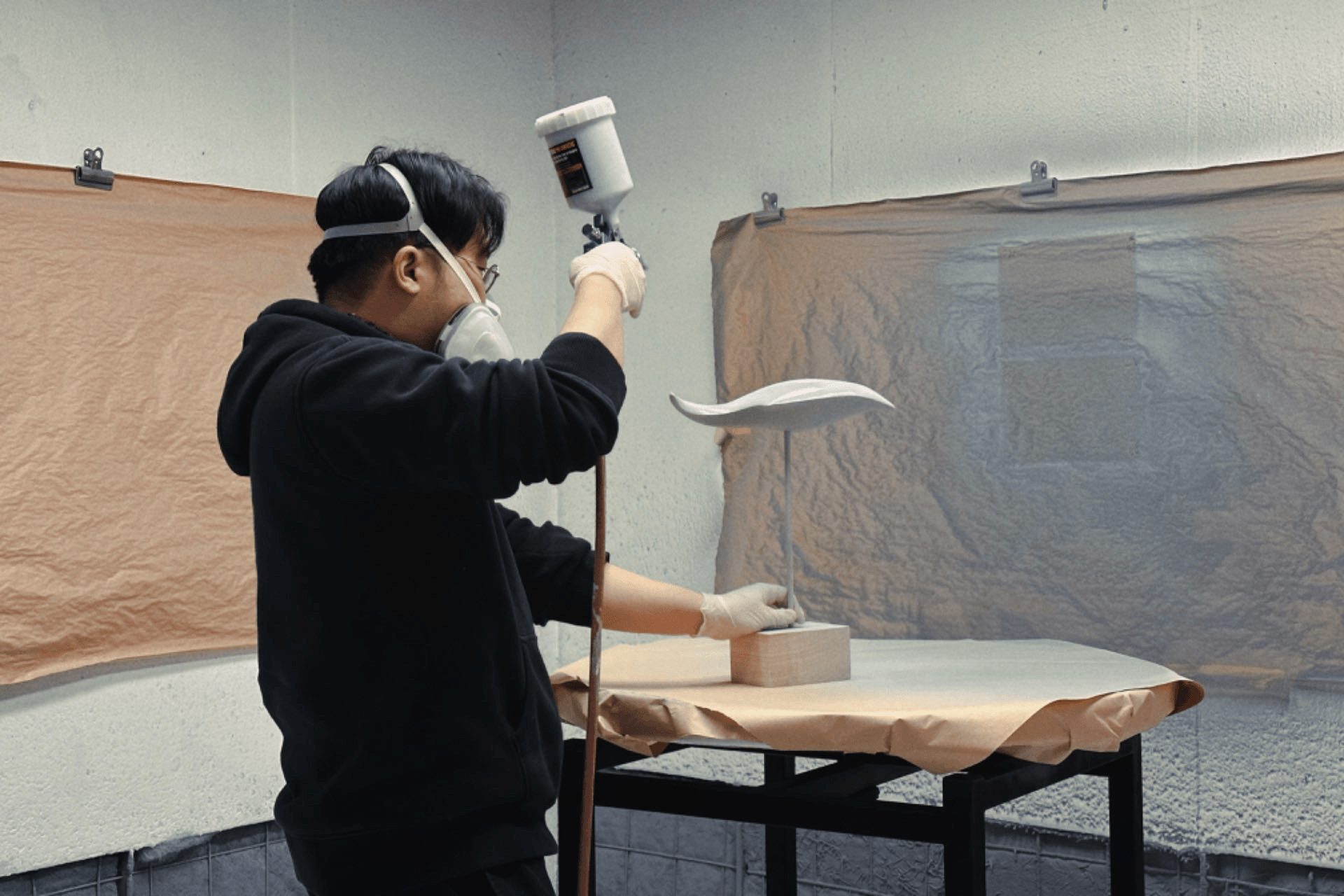
For my undergraduate studies, I studied industrial design at Shih Chien University in Taiwan. I was drawn to Shih Chien because of their impressive graduation exhibitions, particularly a project where students built a full-scale speedboat using 3D printing and handcrafted methods. This experience solidified my decision to study there, and the practical, hands-on curriculum provided me with essential skills in techniques like 3D modeling, woodworking, 3D printing, and product prototyping.
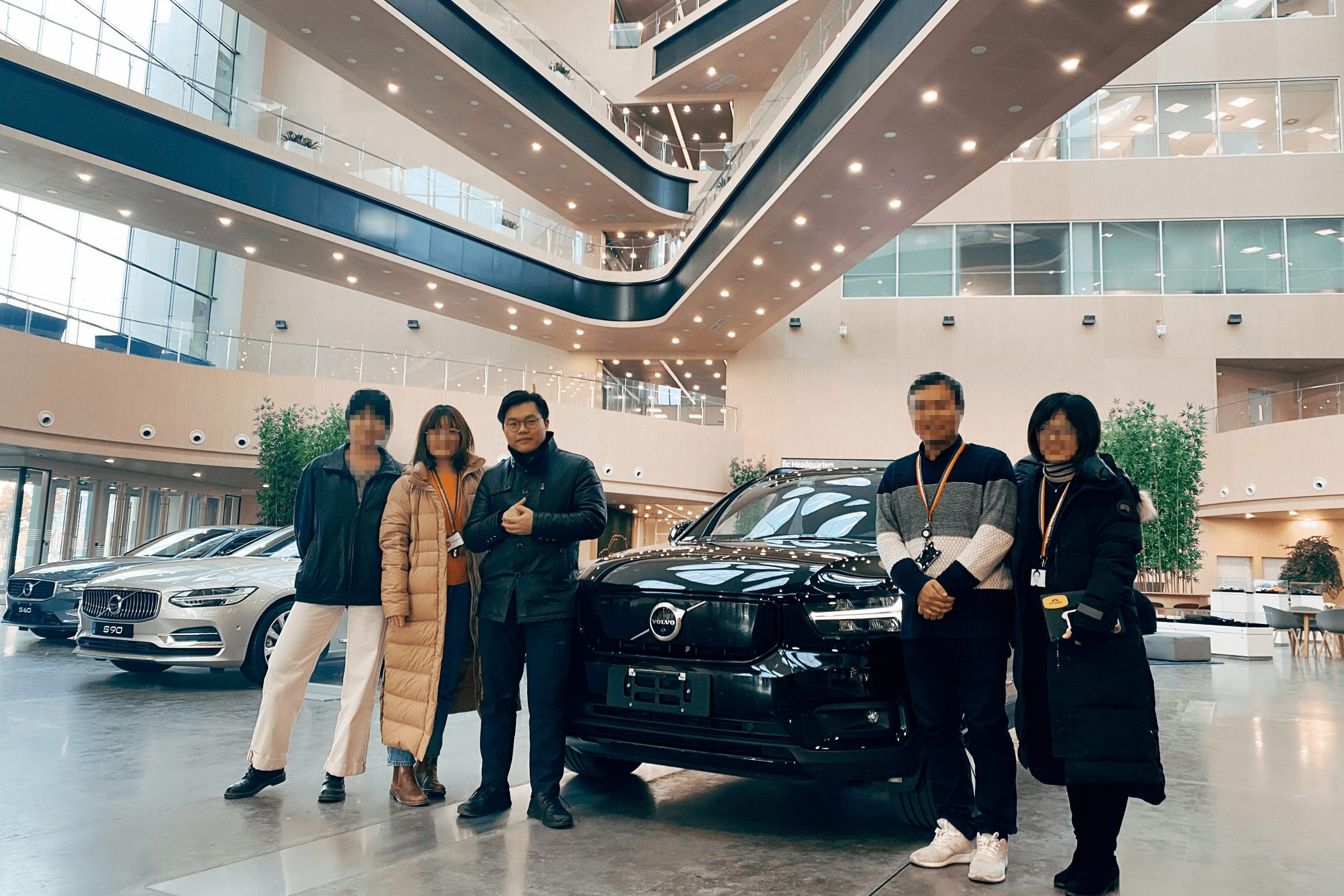
During my junior year, I met a professor who was an ArtCenter alum. He taught me that industrial design is about creating new unique user experiences, not just aesthetically pleasing products. Under his guidance, I worked on a user experience design project, which helped me get an internship at Volvo’s Asia Pacific headquarters in Shanghai. The pandemic prevented me from returning to Taiwan, so I applied for internships in China and was fortunate to gain invaluable experience at Volvo. There, I collaborated with marketing, engineering, and product management teams, learning how to deliver digital products to users and working with major companies like Tencent, Alibaba, and Huawei.
Following this, I participated in an exchange program at Pforzheim University in Germany, which broadened my horizons and improved my English proficiency. This experience also enhanced my technical skills in 3D and 2D rendering, crucial for my thesis project back in Taiwan.
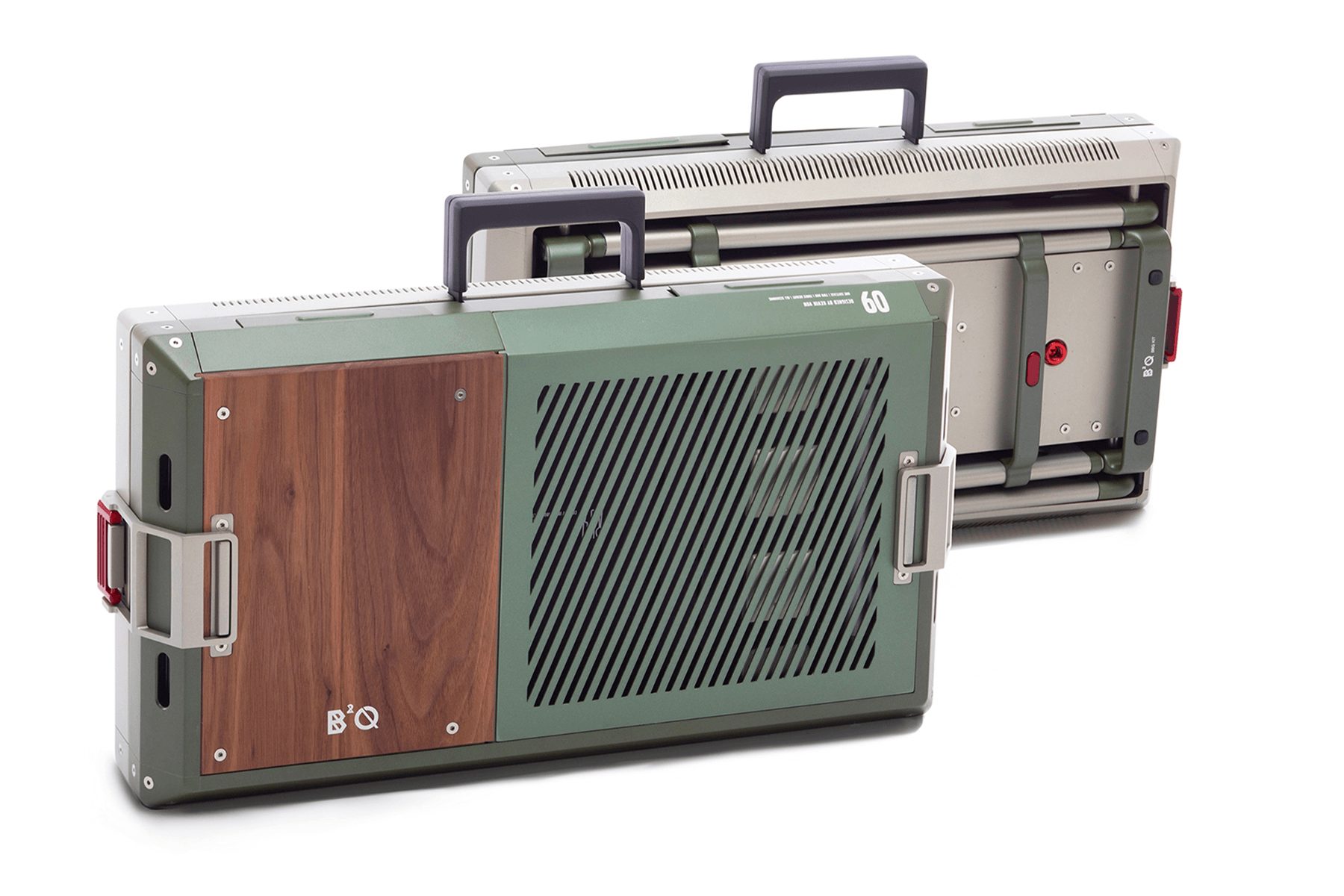
My final project back in Taiwan was pivotal. The graduation project required us to complete two full-scale prototypes within four months. One of my projects was the B2Q KIT, a barbecue grill, which garnered many awards and attention. This project opened doors for me to engage with manufacturers, helping me understand the commercial viability and areas for improvement. Consequently, I interned at Pro Iroda in Taiwan for a month, collaborating with their engineering team to develop the next generation of the B2Q KIT, creating a functional prototype using sheet metal.
All the projects I did before paved the way for my journey to ArtCenter. My first year at ArtCenter was incredibly challenging, as the workload was unprecedented. However, these challenges honed my skills in various aspects of design and pushed me to think more deeply about business-related aspects. One recurring question from our professors was, “How do you make money through this idea?” This perspective was new to me and crucial in integrating business considerations into design. The B2Q KIT project, in particular, made me realize the importance of a sound business model alongside great design. These experiences led me to decide to spend my second year at ArtCenter also studying at the Drucker School of Management to gain business-related skills and knowledge. There, I took courses in financial accounting, marketing, business analytics, and business strategy. These courses taught me how to analyze data and develop effective business strategies.
An important aspect of my time at Drucker was the focus on self-awareness. Many courses were designed to help me gain a deeper understanding of myself and think about my future career path. This self-awareness has been invaluable in shaping my future plans and professional direction.
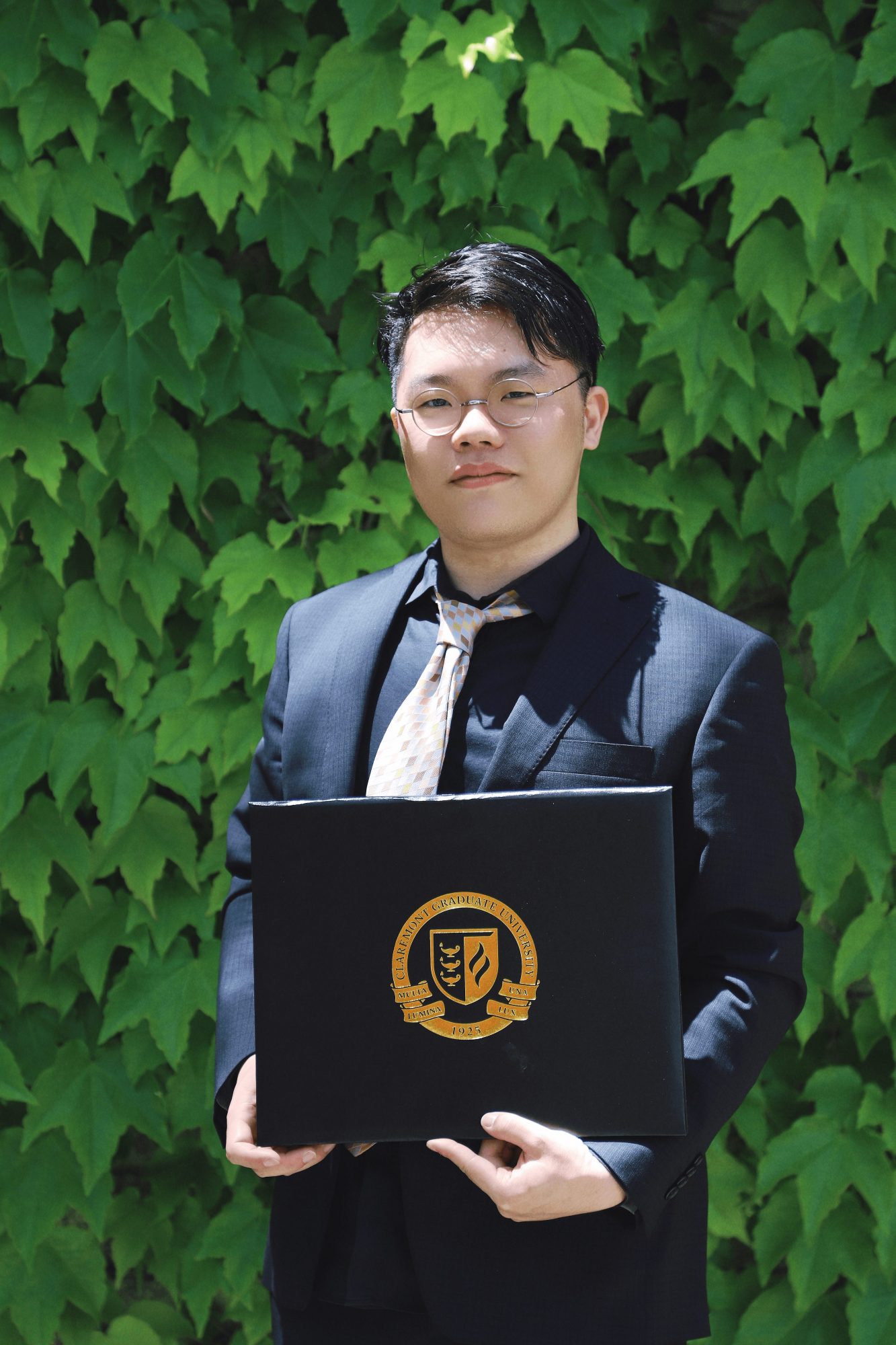
Now, as I prepare to graduate from ArtCenter, I am excited about the future. My journey has been shaped by a blend of technical skills, artistic vision, and business acumen, all of which have prepared me to create impactful designs and innovative user experiences.
Alright, so let’s dig a little deeper into the story – has it been an easy path overall and if not, what were the challenges you’ve had to overcome?
No, it definitely hasn’t been a smooth road. One of the biggest challenges I faced was during my thesis project in 2022. After returning to Taiwan, I had to choose a professor from my university to guide me through the project. I chose a professor who was the past president of the design institute. She provided tremendous support and valuable resources, helping me refine my design. However, she wasn’t one of the five professors responsible for evaluating our progress and grading our final project. Every two weeks, we had to present our progress to these five professors, who would critique our work. Unfortunately, I faced a lot of criticism and skepticism during these reviews. Despite the strong support from my main professor, the feedback from the review panel was consistently negative. They doubted my design direction and even considered failing me at one point. In the end, I received a grade of D, which was 62 out of 100 points.
This experience was disheartening and made me question my abilities and the validity of my design. However, my past experiences gave me the confidence to stick with my vision. I believed in my design and continued to refine it, eventually submitting it to various competitions where it won several awards.
The tight schedule added to the challenge. Completing two projects in four months required extensive effort. Despite the limited time and lack of substantial support from the review professors, I persisted with my original ideas. This period was particularly painful because my work was constantly questioned and rejected. However, go through it strengthened my resolve and boosted my confidence in my design skills. This resilience has been invaluable at ArtCenter. When my ideas are challenged or denied, I am better equipped to defend them or convince others in a more effective way.
However, resilience doesn’t mean stubbornness. Some ideas do need reevaluation and adjustment. At ArtCenter, I met Andy, who has been instrumental in identifying core issues in my designs. His constructive feedback has helped me avoid stubbornly sticking to flawed concepts. This balance between resilience and openness to feedback is a crucial lesson I’ve learned through these challenges.
Thanks for sharing that. So, maybe next you can tell us a bit more about your work?
We’d love to learn more about your work. What do you do, what do you specialize in, what are you known for, etc. What are you most proud of? What sets you apart from others?
I define myself primarily as an industrial designer, although I also work on many UX design projects. In my view, industrial design is a broad discipline that encompasses user experience design. Industrial design is not just about creating physical products; it starts with research to identify user needs and pain points, and then uses technology or innovative methods to solve these problems, providing value and benefits to users. The solutions we create are not limited to physical products like phones or computers but can also include digital applications or service systems. It all depends on the best way to address the user’s pain points and problems. This comprehensive approach is what I am currently focused on.
One of my most notable works is my undergraduate thesis project – B2Q KIT, which gained significant exposure and won several awards. It was featured in prestigious design magazines such as DesignBoom and Yanko Design, which I am very proud of. However, this project also made me realize that there is always room for improvement.
Through my ongoing studies, I have honed my ability to use research to identify pain points and needs in people’s lives and address them with attractive, straightforward solutions. I utilize design methods to conduct interviews and employ various design tools to analyze people’s behavior. These insights gained from research drive my design decision-making process, ensuring that my solutions are both innovative and user-centered.
Moreover, my education at the Drucker School has further enhanced my understanding of business design. I now have a better grasp of how to match a great design with an appropriate business model, ensuring that the product is successful both in design and commercially. This integration of design and business acumen is crucial for creating impactful and sustainable products.
We’d love to hear about how you think about risk taking?
From my perspective, I see risk as a friend and an opportunity. I constantly take risks and embrace challenges to improve myself. Through these experiences, I learn from failures, which often become a driving force for my progress.
One significant instance of risk-taking was my decision not to stay at Volvo in Shanghai, despite my boss wanting me to remain and contribute to the team. At that time, I had a stable job opportunity, but I had higher aspirations for my design career. I decided to pursue further studies in the United States to achieve my goals. This decision was risky because I wasn’t certain I would find a better or more stable job than the one at Volvo. Sometimes, I wonder if it was a missed opportunity, but leaving Volvo allowed me to acquire far more knowledge and experience than I had imagined. These past three years have transformed me into a more independent and confident designer.
For me, taking risks is about aligning with my future aspirations and current circumstances. While there might come a time when I become more cautious about taking risks, especially when I have a family and settle down, I believe that embracing challenges while I am young is crucial. If I don’t take these opportunities now, they may become scarce in the future. Thus, my willingness to take risks and face challenges is a valuable aspect of my growth and development as a designer.
A quote that has always inspired me comes from the movie *Into the Wild*: “The core of man’s spirit comes from new experiences” This quote has continually encouraged me to keep moving forward and embrace new challenges.
Contact Info:
- Website: https://kevinvon.com/
- Instagram: https://www.instagram.com/von_kevin/

Popular
-

Finding Balance Through Art: Theresa Croft on Blending Music, Wellness, and Visual Storytelling into a Holistic Creative Identity
-

From Street Corners to City Tours: Chef Chuck Glaster on Building SOULD Out Into a Culture-Driven Culinary Movement
-

Portraits of the Valley
-

LA’s Most Inspiring Stories
-

From Rock Bottom to Calling: How Hasani McLean-Davis Found Purpose Through Faith and Music
-

Building a Scalable, Soulful Travel Brand: How Abboud Khallouf Turned Morocco Into a Global Experience


