




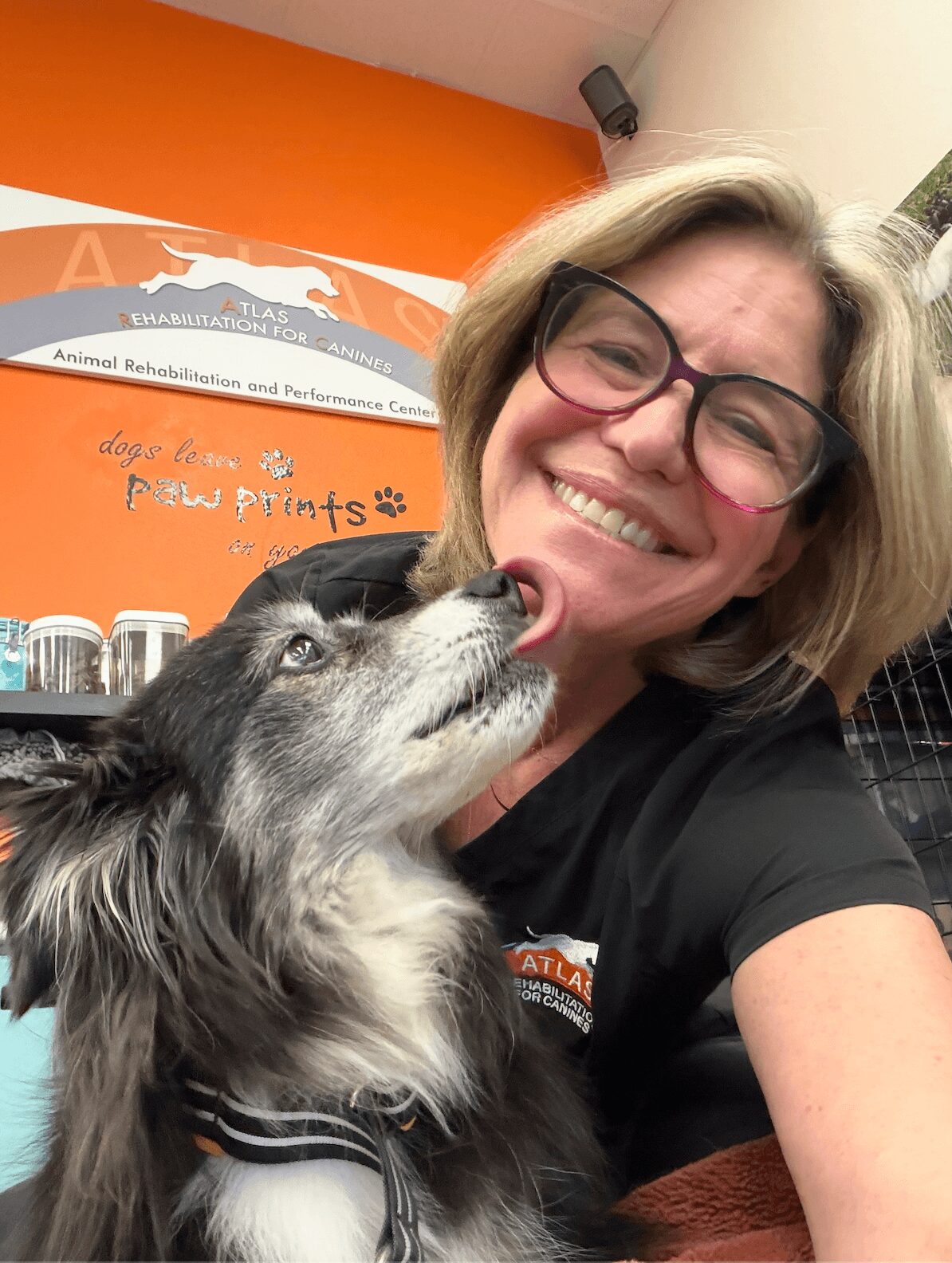
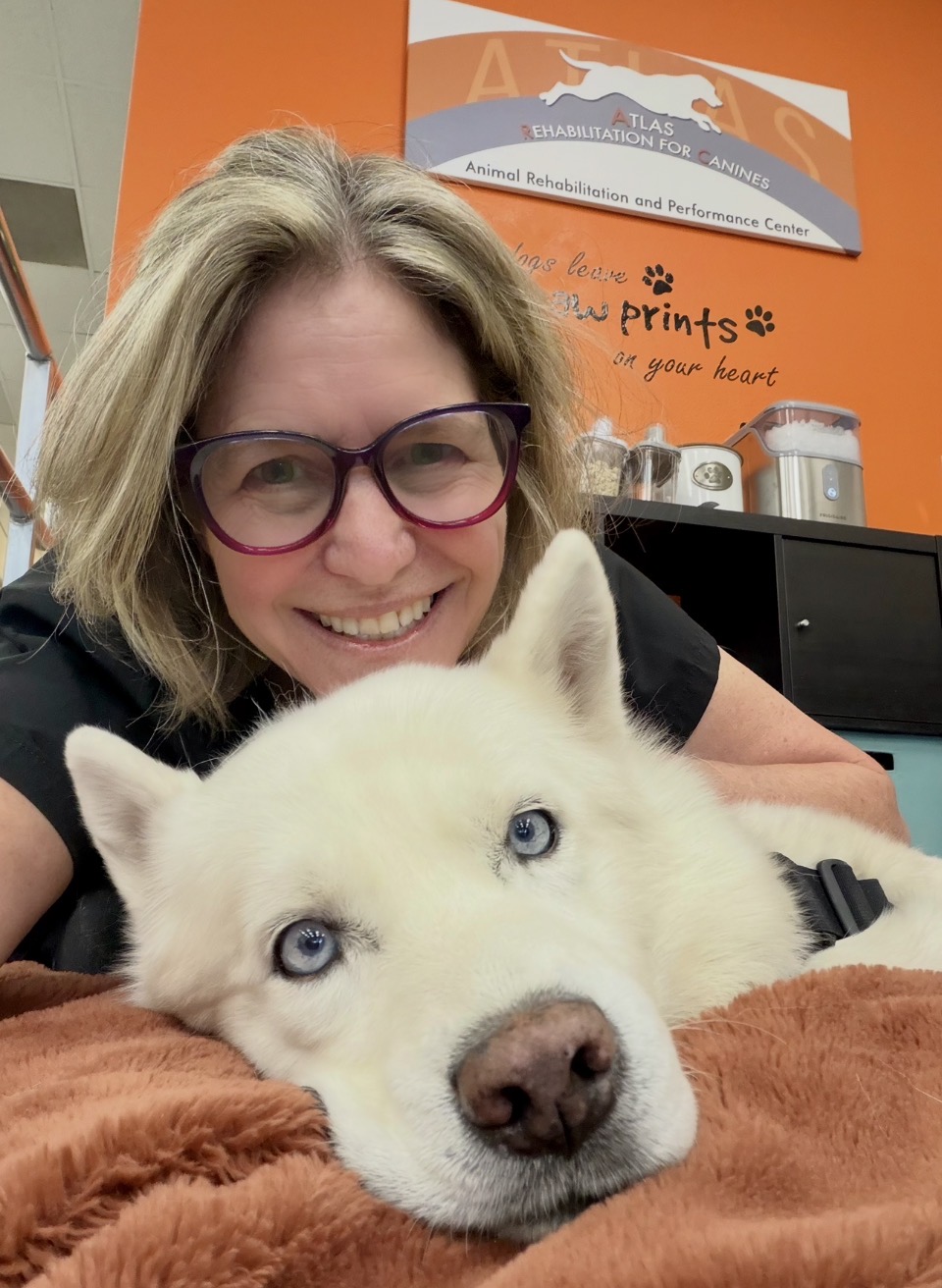
Today we’d like to introduce you to Karen Atlas.
Hi Karen, we’d love for you to start by introducing yourself.
My name is Karen Atlas, and healing dogs is my jam.
I’ve been a licensed physical therapist for nearly 30 years, originally working in human outpatient orthopedics and neurology. But about 17–18 years ago, my career took an unexpected turn because of my own dog, Teddy.
We adopted Teddy injured, and after going from veterinarian to veterinarian searching for answers, I kept hearing the same recommendations: crate rest and anti-inflammatories. Knowing what physical therapy could offer on the human side, I couldn’t accept that those were the only options. So I made the decision to get the education and training I needed to help him myself.
That decision changed the course of my life.
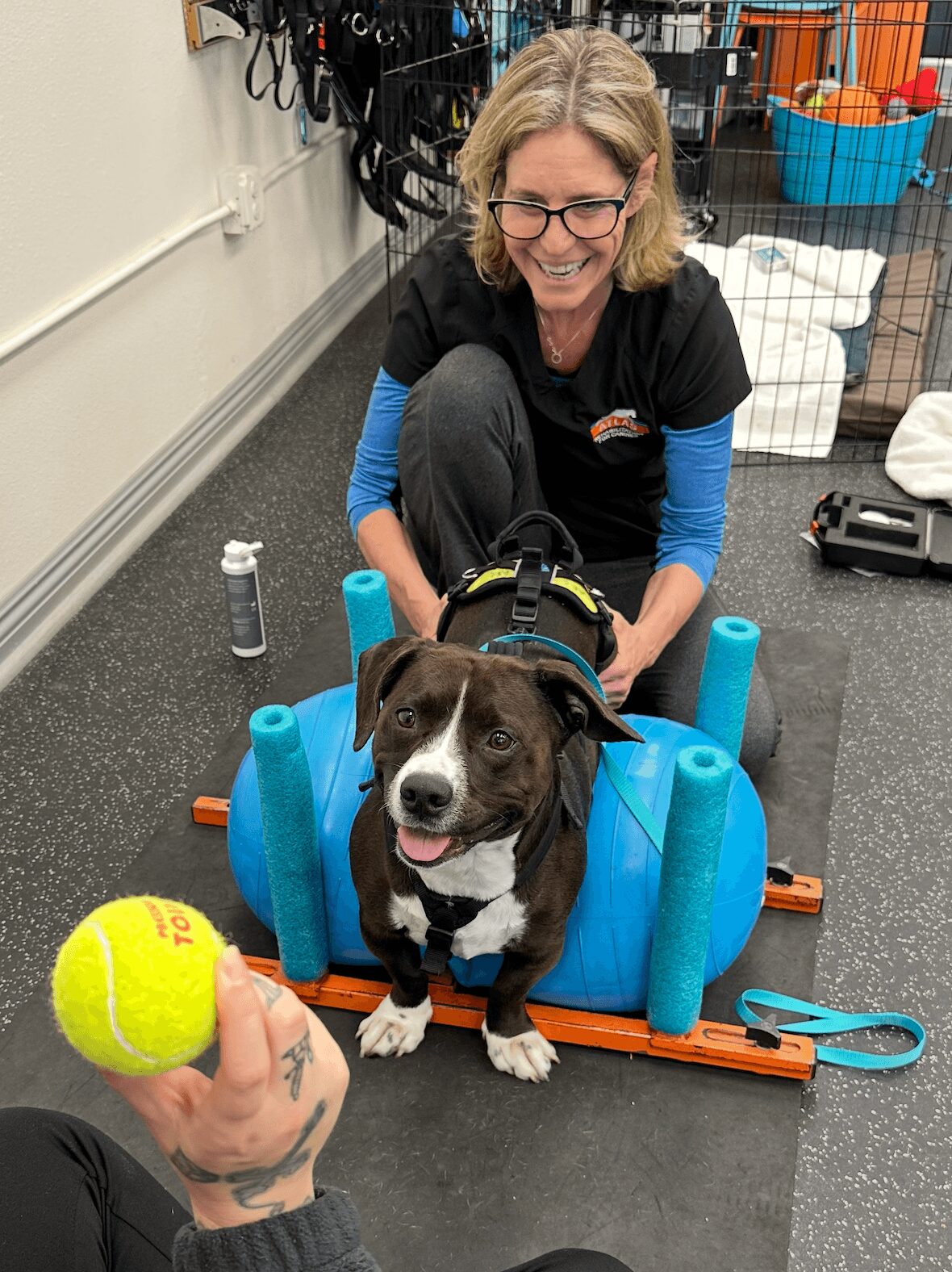
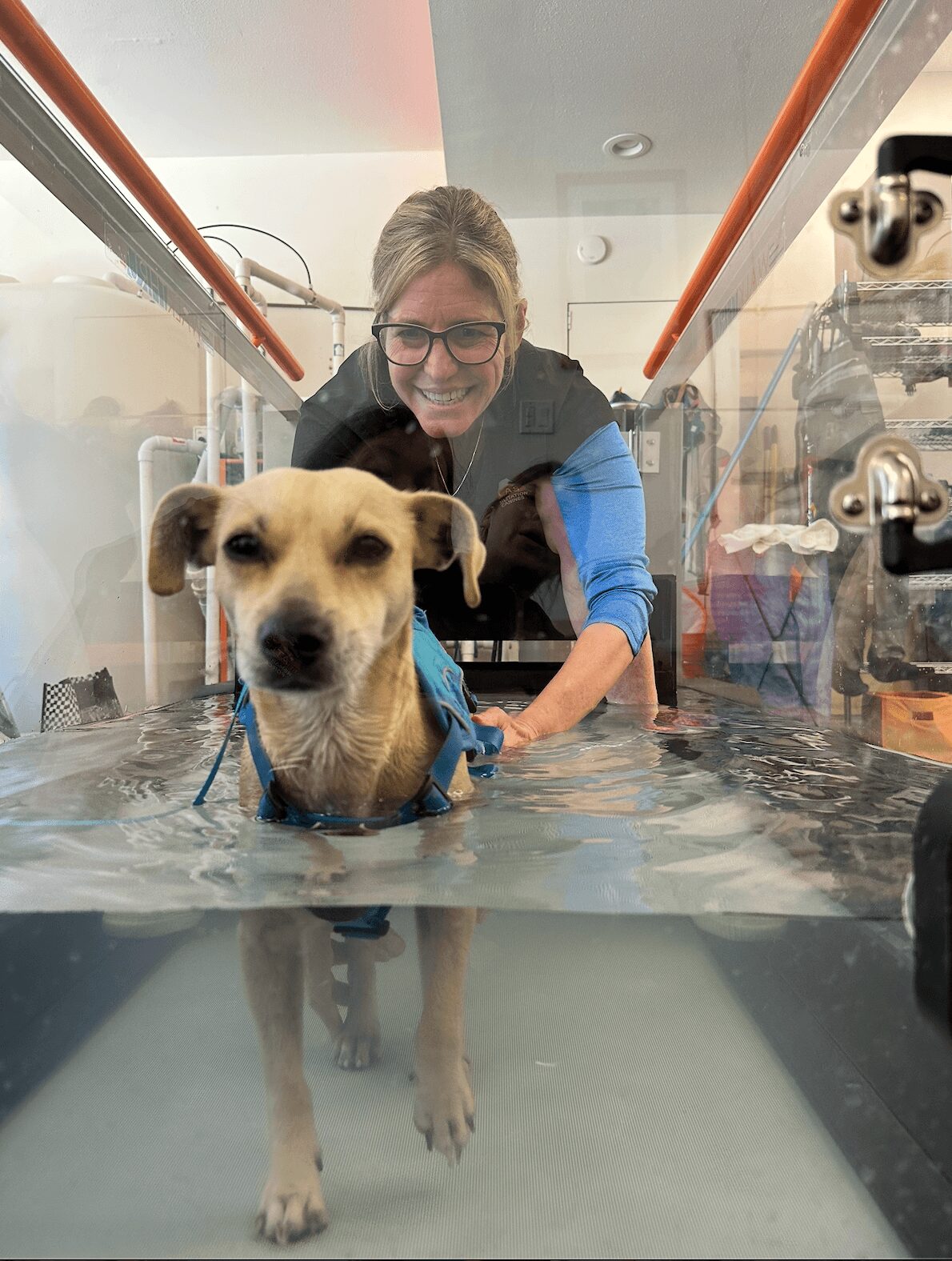
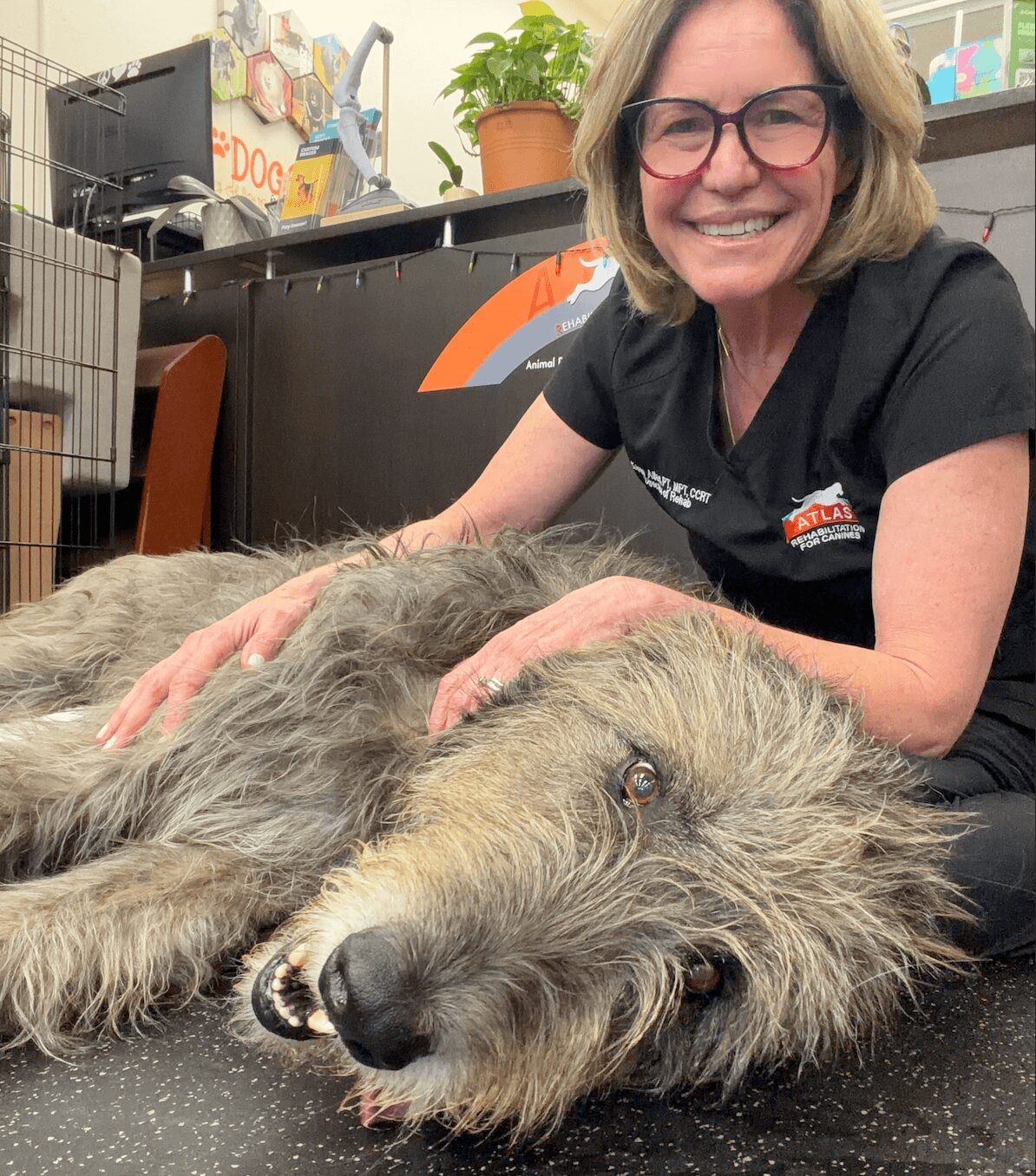
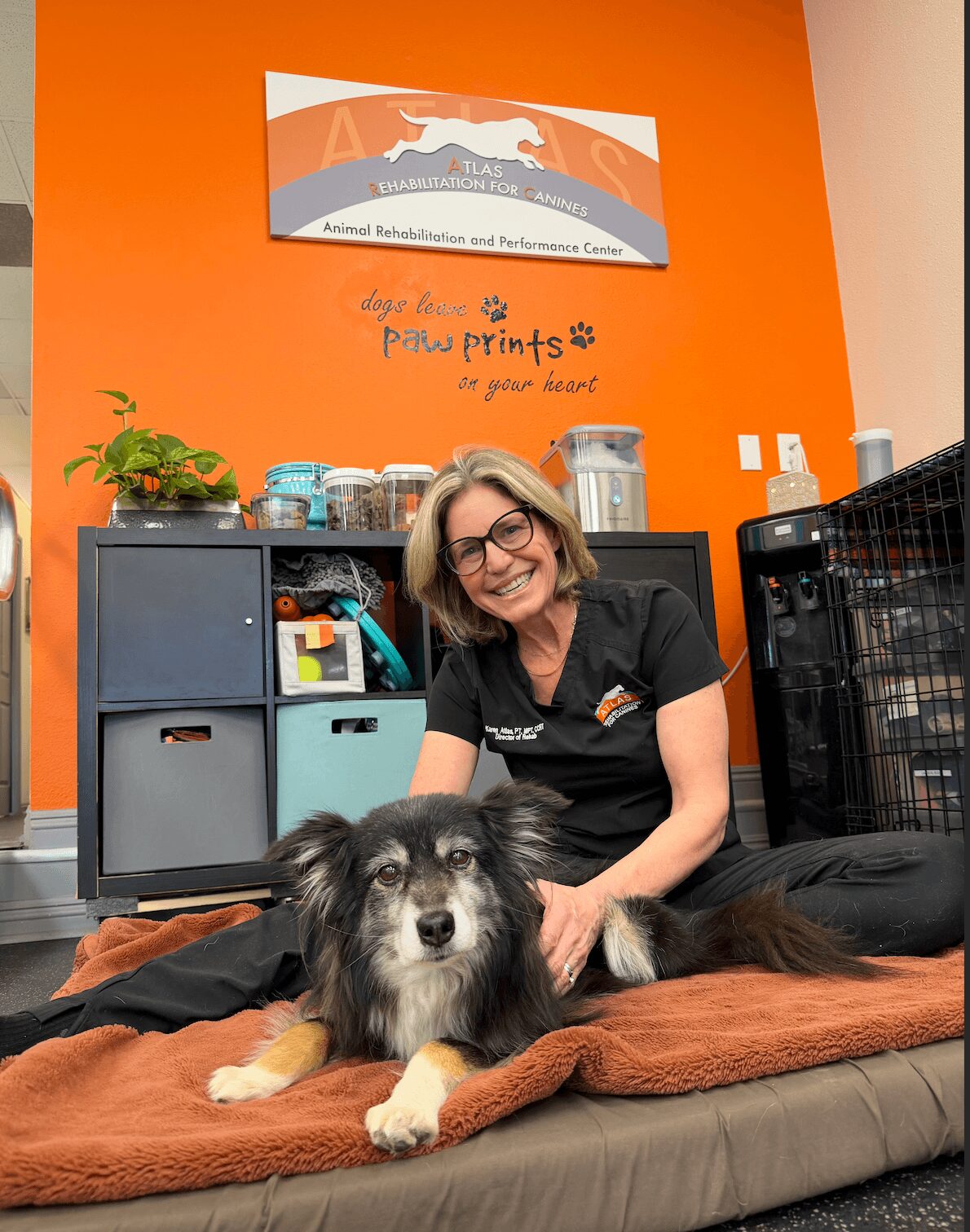
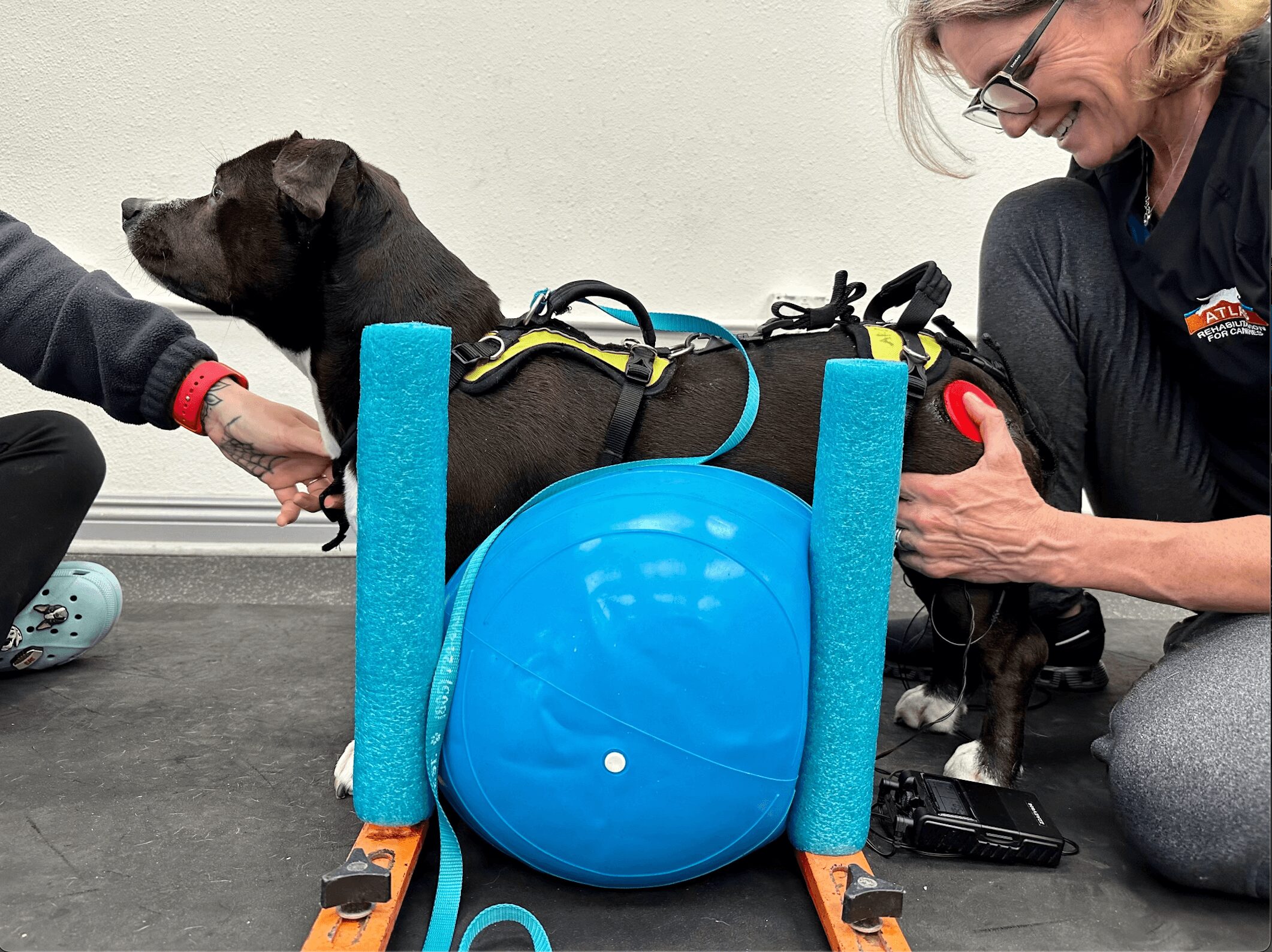
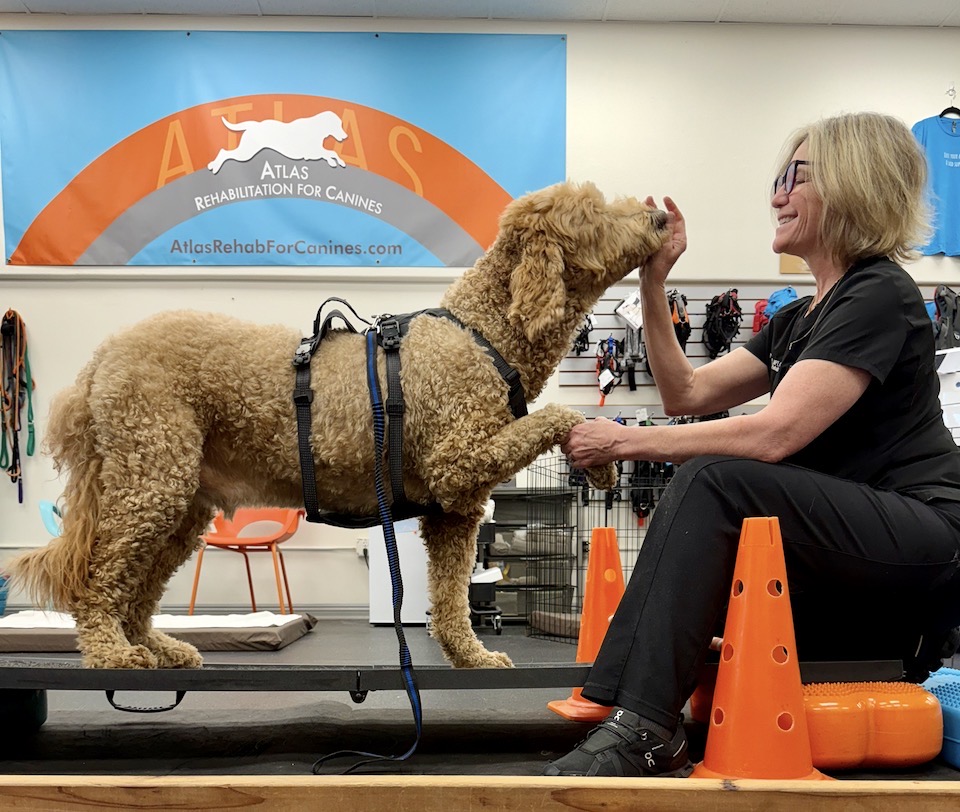
What started with one dog grew into a career…and really, a calling…dedicated to helping animals move better, recover from injury, and live fuller lives. Today, I own and operate Atlas Rehabilitation for Canines in Santa Barbara, where we focus on canine physical rehabilitation and integrative care.
Along the way, I’ve also had the privilege of working closely with search-and-rescue (SAR) dogs. That work took on even deeper meaning after the 2018 Montecito debris flow tragedy, when I witnessed firsthand the incredible service and sacrifice of SAR teams responding in our own community. Supporting those handlers and dogs became deeply personal to me and further reinforced the importance of preserving and protecting the health of these working animals.
As my clinical work evolved, I began to recognize a much larger issue: access to care for animals in California is limited not by lack of skill or demand, but by outdated laws and regulatory structures. In California, veterinarians cannot refer their animal patients to anyone besides another veterinarian. So even if referring to an animal PT is in the best interest of the patient, they are not legally allowed to make that referral. Physical therapists are legally restricted to treating only humans. The legal framework simply has not kept pace with modern standards of collaborative animal healthcare.
That realization led me to found the Animal Physical Therapy Coalition in 2017 so I could run legislative bills to create the policy solutions we need in California.
What began as a small grassroots effort has grown into a strong, highly respected Coalition of nearly 70 organizations, including industry-leading veterinarians, physical therapists, credentialed veterinary technicians, educators, working dog advocates, animal welfare groups, and pet owners. We are all united around the core tenet that collaboration between qualified professionals improves outcomes and changing laws are necessary to expand access to and choice of essential care for animals.
Over the years, I’ve worked with state agencies, participated in legislative and regulatory discussions, spoken nationally and internationally, and mentored professionals entering the field. But at the center of everything I do is one core belief: collaboration over competition. I truly believe the future of animal healthcare depends on professionals working together rather than protecting their turf.
Alright, so let’s dig a little deeper into the story – has it been an easy path overall and if not, what were the challenges you’ve had to overcome?
Has it been a smooth road? Hard no. It’s been anything but smooth.
Building a career in animal physical therapy and rehabilitation was challenging from the very beginning because I was stepping into a professional space that didn’t really exist yet in California. In many ways, it was up to me to help blaze the trail. Unlike states such as Nevada and Colorado, which established collaborative frameworks decades ago, California never clearly defined how veterinarians and physical therapists could work together to benefit animals. That meant I was trying to build a career right at the intersection of two professional licensing boards…something most people probably don’t realize has been a massive hurdle.
Early on, I had to earn trust one relationship at a time, especially within the veterinary community. As a physical therapist entering the animal healthcare world, I knew I had to prove both my clinical value and my commitment to collaboration. Through education, consistency, humility, and patient outcomes, those trusted relationships slowly began to grow. Today, we receive referrals from across the state, with people often traveling hours to access our specialized services and care.
But the clinical side was only the beginning.
The much greater challenge came when I stepped into the political and regulatory arena to advocate for broader policy reform. Let me tell you…politics is no joke and certainly not for the faint of heart.
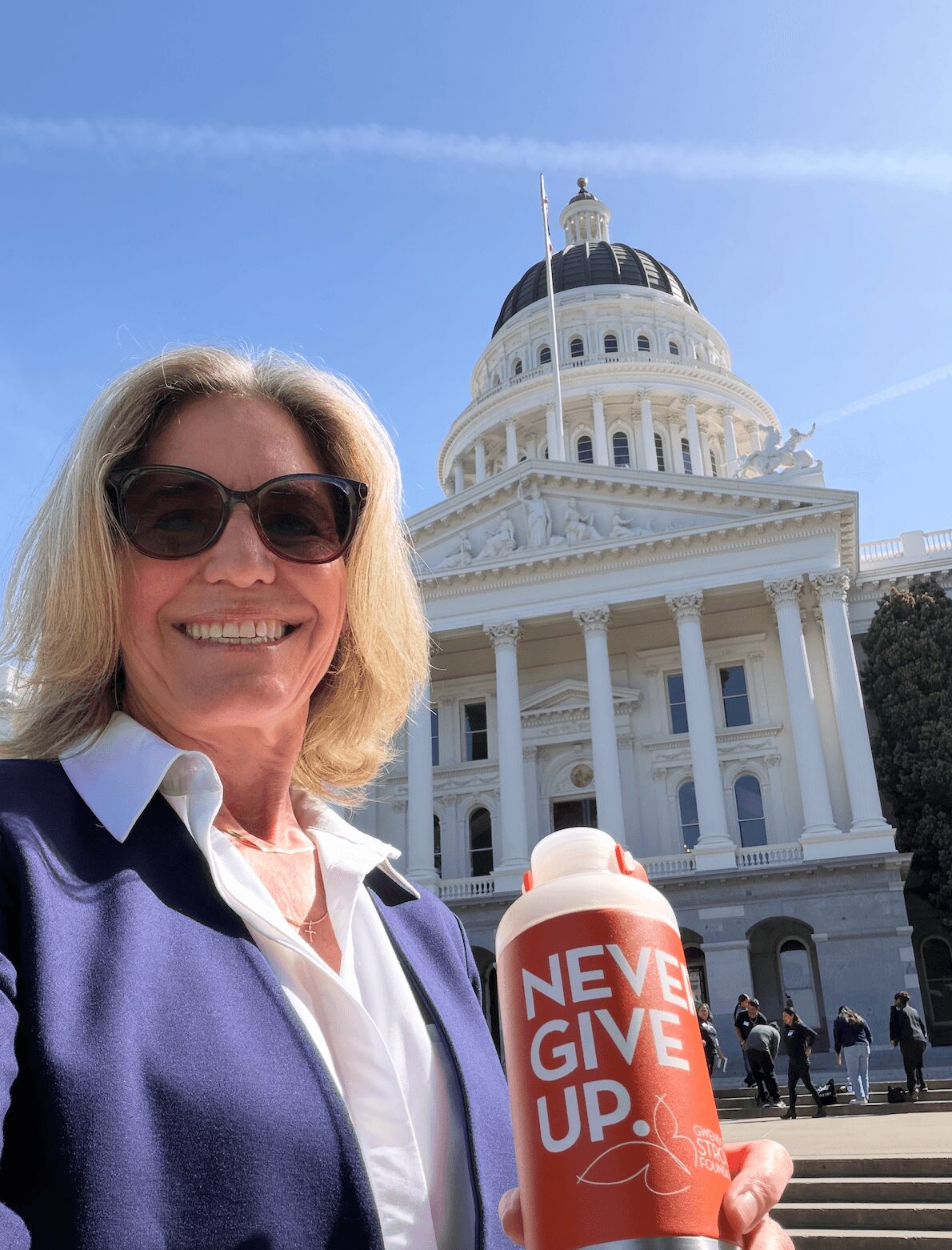
For more than 15 years, I’ve consistently shown up at meetings of the California Veterinary Medical Board and the Physical Therapy Board of California, served on stakeholder task forces, met with legislators and attorneys, and spoken publicly about the need for policy reform to improve collaboration and access to care. Along the way, I’ve encountered significant resistance and opposition…not only from individuals and organizations, but at times from the regulatory boards themselves, which I found especially surprising.
What surprised me most was realizing how strongly systems will protect the status quo, even when change could clearly improve access and outcomes for animals. At times, my mission has been misunderstood, mischaracterized, and even intentionally distorted. But dirty tactics are expected when stepping into political and regulatory territories. People are serious about their turf. Fortunately, I’ve come to realize that increased opposition means I’m moving the needle.
I understood early on that challenging an entrenched system would likely come with a personal and professional cost…I just didn’t know to what extent. At different points in this journey, my livelihood, character, reputation, and ability to earn a living have all been on the line. I’ve been stretched beyond what I thought were my limits mentally, emotionally, physically, and financially. I’ve bent plenty of times, but I didn’t break.
Over time, I’ve come to understand what John Lewis meant when he talked about “good trouble.” Meaningful change requires a willingness to step into discomfort, to be vulnerable and exposed, and to keep showing up even when it would be much easier to stay home and be quiet.
What has grounded me through it all is remembering why I started this work in the first place: to help animals and the people who love them. Despite all the challenges, that mission has always made the fight worth it.
What gives me the most confidence is the deep belief that this journey has always been guided by a purpose far greater than myself. My responsibility is simply to stay faithful, trust the path I’m being led down, and continue moving forward with courage, even in the face of fear.
Can you tell our readers more about what you do and what you think sets you apart from others?
What I’m most proud of is really twofold.
First, the clinical impact. There is nothing quite like helping improve an animal’s quality of life and seeing the ripple effect that has on the humans who love them. Whether it’s helping a dog walk again, recover from injury, return to search-and-rescue work, or simply move comfortably without pain, that work never stops mattering.
Second, I’m incredibly proud of helping create a more collaborative professional space within animal healthcare. Through the Coalition, we’ve brought together groups that historically haven’t worked closely together and created meaningful dialogue around access to care, education, and collaboration. That progress matters because real change happens when people stop protecting territory and instead start building workable solutions together.
I’ve been called a disruptor, and just last week, a maverick…and honestly, I’m okay with that. I don’t just work within systems; I work to improve them. I don’t intimidate easily, and when it comes to advocating for animals and access to care, I’m as gritty as they come.
A big part of my mission is trying to flip the (false) script that professionals have to compete in order to succeed. I believe the future of animal healthcare depends on interprofessional collaboration…taking more of a “one health” approach by bringing different skill sets, perspectives, and license-types together to create something stronger, more effective, and ultimately better for the greater good.
I’m known for saying “collaboration over competition” because I believe animals benefit most when healthcare professionals are empowered and encouraged to work together. My advocacy focuses on modernizing California’s regulatory framework to better support collaborative care models and improve access to qualified non-vet professionals. We’ve made meaningful progress, but there is still important work ahead to get it right. Passing a piece of legislation is the answer.
Can you share something surprising about yourself?
What might surprise people is that I never originally set out to become a business owner or entrepreneur. I stepped into that role out of necessity while building something that simply didn’t exist yet. But somewhere along the way, I discovered how much I genuinely love creating, leading, and building something meaningful from the ground up. Now, I honestly can’t imagine my life any other way. In many respects, I feel like I was created to do the work I do. I’m in my element. No question about it.
Another thing people may find surprising is that one of my biggest fears has always been public speaking…and I know so many people can relate to that. Yet these days, I regularly find myself speaking at legislative meetings, regulatory hearings, conferences, and advocacy events throughout California and beyond. Maybe that doesn’t surprise other people quite as much anymore, but it still surprises me. Becoming a public speaker was definitely never part of my ‘original plan’. So much for ‘my plan’.
What I’ve learned is that courage is not the absence of fear; it’s being willing to keep stepping forward despite it. I did it anyway. I continue to do it anyway. Even through the personal hardship and discomfort, I’ve continued showing up because the mission matters more than my fear.
Beneath all of the advocacy, leadership, and public-facing work, I’m actually quite introspective and deeply grounded in my faith.
My relationship with Jesus is central to who I am and shapes how I lead, serve, and navigate challenges. Earlier in life, I cared deeply about what others thought of me and spent much of my life trying to please people. Over time, that changed. Now, I live for what I call an “audience of One,” and that perspective has brought tremendous freedom, clarity, and peace into my life.
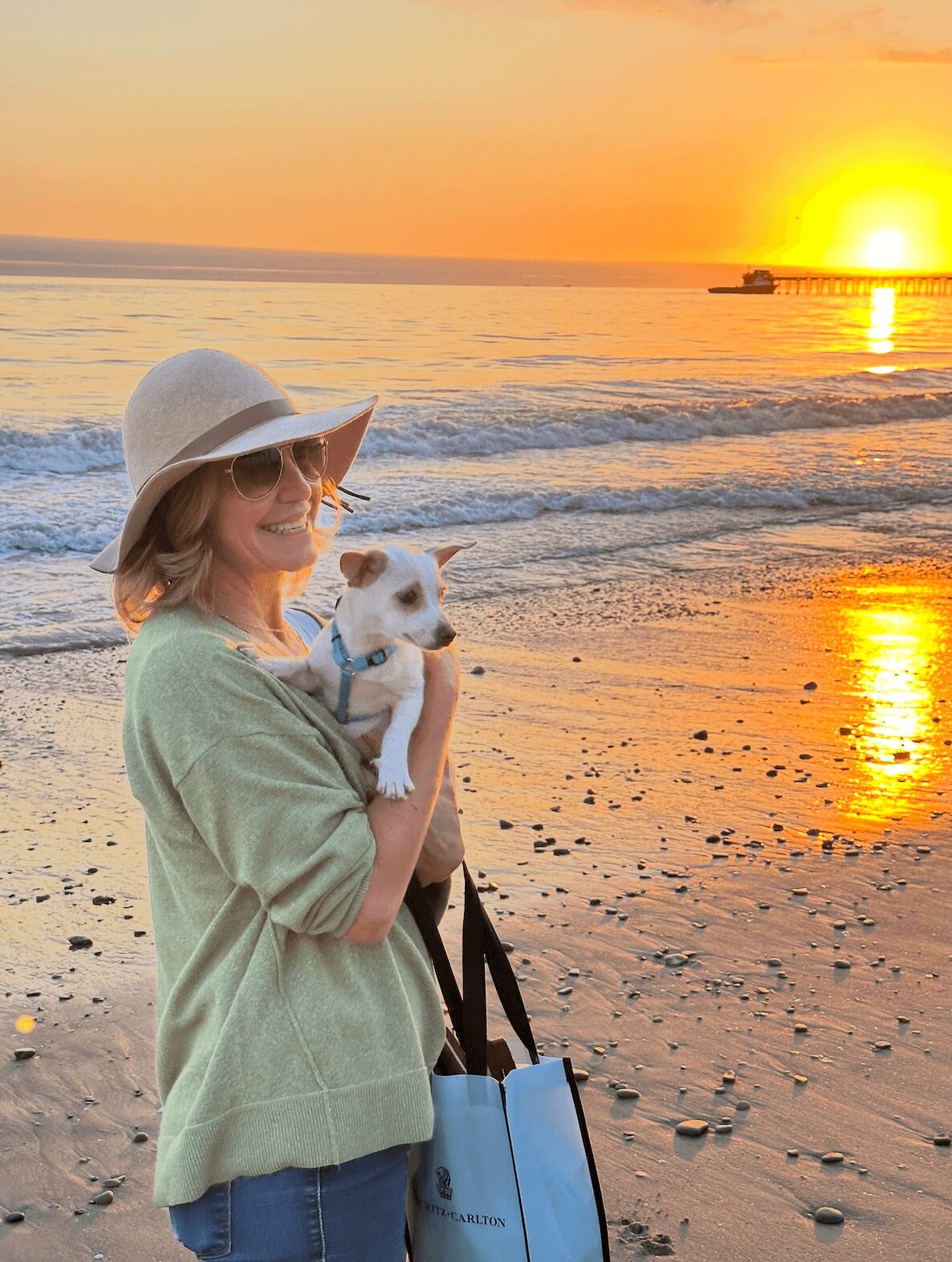
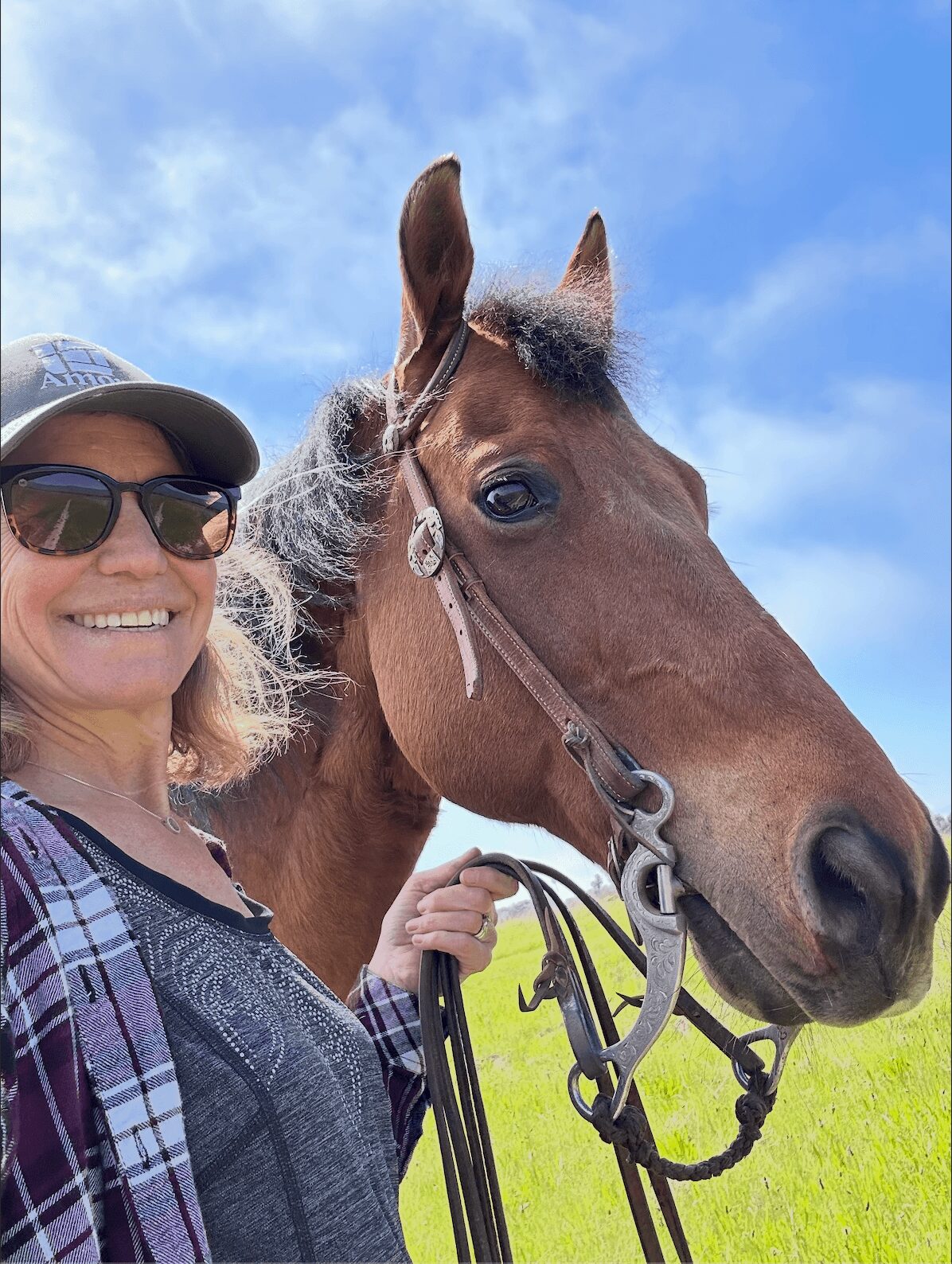
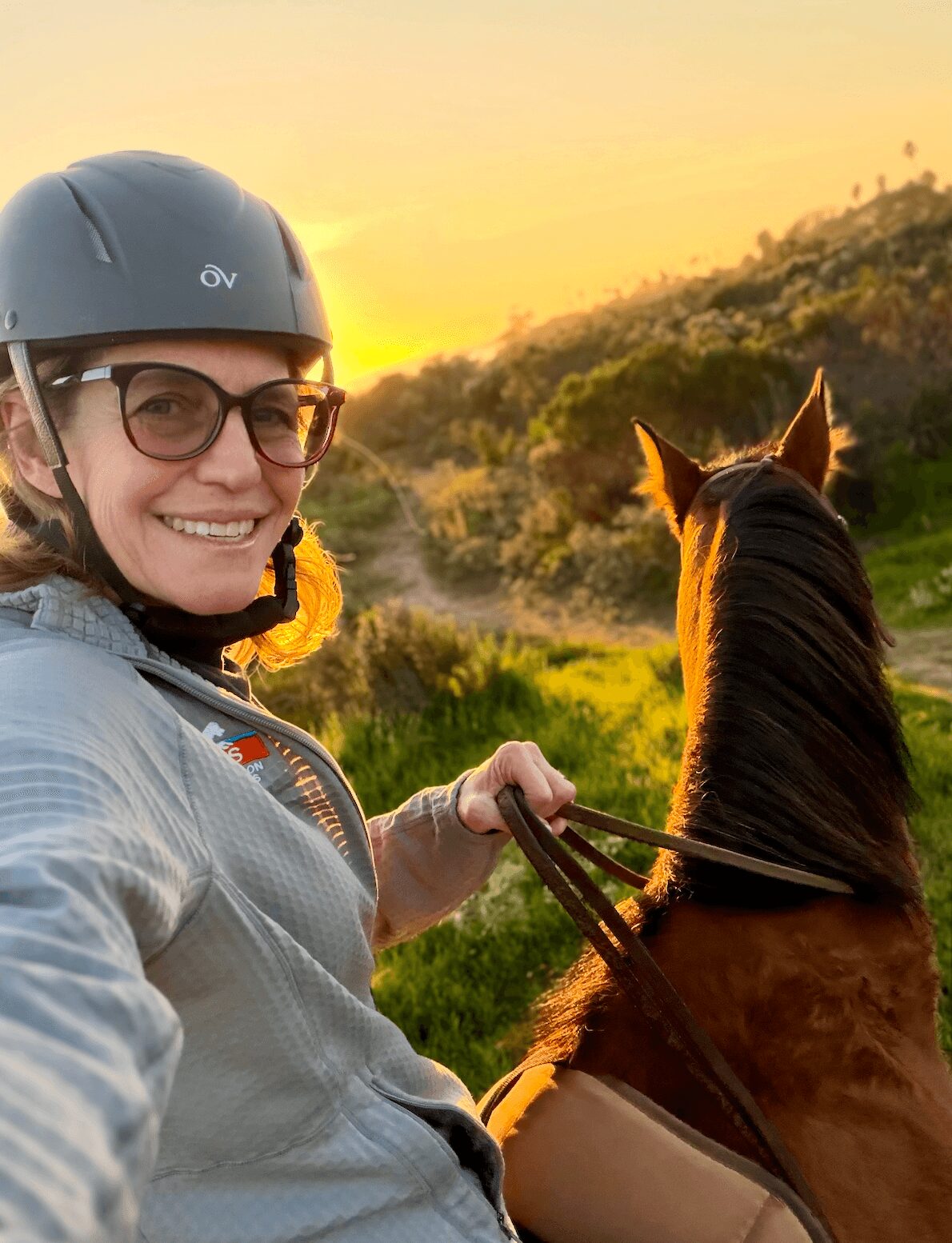
I truly believe God blessed me with a special ability to connect with animals, and that connection has shaped both my personal life and professional journey. While my clinical work focuses on dogs, I’ve always had a deep love for horses as well. Riding gives me the opportunity to reconnect with God and nature, stay grounded and refueled, and it is often where I go to find the clarity and perspective I need for whatever decision lies ahead.
In many ways, I guess you could say I’m blazing trails both professionally and literally on horseback. I seem to be drawn toward the path less traveled and it’s been a wonderful process of trusting the direction and obeying the call God has set out for me. Again, not easy, but still wonderful.
At the end of the day, I believe my success is not simply the result of hard work and passion, but also of staying aligned with the purpose God placed on my life.
Contact Info:
- Website: www.atlasrehabilitationforcanines and www.caapt.org
- Instagram: @atlasrehabforcanines https://www.instagram.com/atlasrehab4canines/
- Facebook: https://www.facebook.com/atlasrehabforcanines and. https://www.facebook.com/animalphysicaltherapycoaltionAPTC/
- Youtube: https://www.youtube.com/@AtlasRehabilitationforCanines
Popular
-

Portraits of the Valley
-

LA’s Most Inspiring Stories
-

Robin Olive on Building an Inclusive Performing Arts Movement and Expanding Opportunities for Every Student
-

Que Johnson on Building Brands That Last: From Visibility to True Market Authority
-

Christina Wren Steps Into the Director’s Chair to Tell Stories That Feel Like Home
-
JordanL on ‘Breathe,’ Belief, and Building a Movement Beyond the Music


