



Today we’d like to introduce you to Joey Bachrach.
Alright, so thank you so much for sharing your story and insight with our readers. To kick things off, can you tell us a bit about how you got started?
My story has never been a straight line, and I think that’s what makes the music I create today so personal.
For a long time, I never imagined I’d be in a position to release music, let alone build something that could make a difference in other people’s lives. My journey has been shaped by loss, addiction, heartbreak, self-discovery, and ultimately, recovery. I got sober on November 22, 2017, and that decision changed the entire trajectory of my life.
Over the years, my husband, Andrew Fox, and I have poured our hearts into building spaces where LGBTQ+ individuals can feel safe, supported, and celebrated. We founded Rainbow Hill Sober Living in 2021, followed by Rainbow Hill Recovery in 2023. In 2025, we took that mission even further by launching Rainbow Hill Foundation, a 501(c)(3) nonprofit dedicated to expanding access to LGBTQ+ affirming recovery resources, housing scholarships, food security, and support for transgender and gender-nonconforming individuals.
But somewhere along the way, another part of my story started asking to be told.
Music has always been deeply connected to emotion for me. It’s the soundtrack to our happiest memories, our worst heartbreaks, and those moments when we’re trying to figure out who we are. I wanted to create something that captured all of that. Not just the beautiful parts of life, but the messy, complicated, sometimes self-destructive parts that we don’t always talk about.
That’s how Rainbow Hill, the music project, was born.
What started as a creative outlet quickly became something much bigger. In October 2025, I released my debut album, Brick by Brick, and since then, I’ve continued building a catalog of synth-pop and indie-pop music that explores love, addiction, nostalgia, heartbreak, healing, and the complicated beauty of being human.
With releases like Pink Cloud, Afterglow, Crash Bloom, and Pink Palm Motel, I’ve been able to explore different sides of my creativity while weaving pieces of my own experiences into the music. I love the contrast of taking something emotionally heavy and wrapping it in bright synths, infectious melodies, and nostalgic production. Sometimes the songs you want to dance to are the ones carrying the deepest stories.
And there’s another layer to this project that makes it especially meaningful to me: the music gives back.
Proceeds from music purchases on platforms like iTunes and Amazon are donated to Rainbow Hill Foundation. Every album, every song, and every person who chooses to support the music has the opportunity to contribute to something beyond the art itself. It’s my way of connecting two things I’m incredibly passionate about: creative expression and giving back to a community that deserves so much more support.
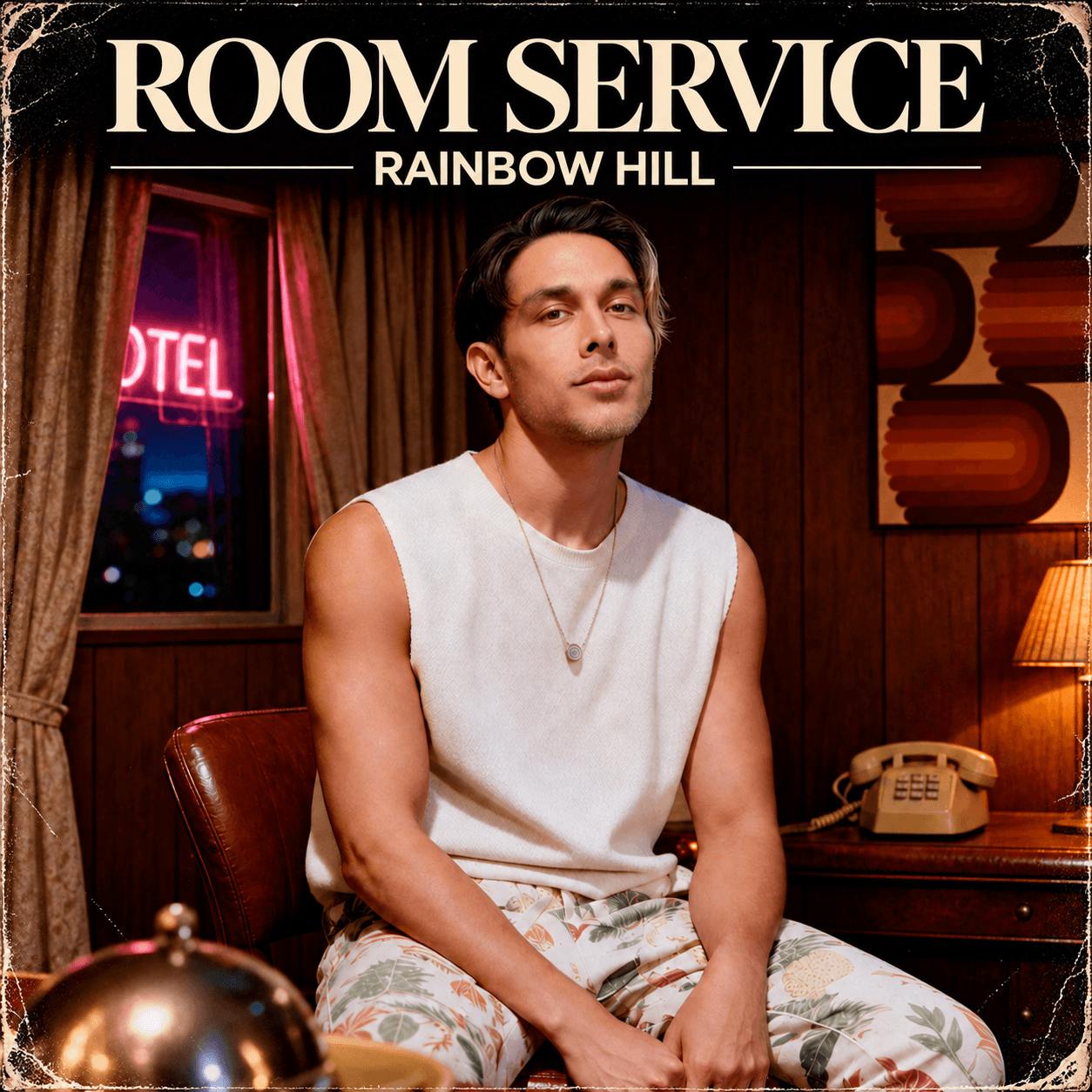
Now, as I approach nine years of sobriety, I’m preparing to release my next album, CHECKOUT, on November 22, 2026, the anniversary of the day I got sober. It’s a deeply personal project built around the imagery of motel rooms, late-night memories, relationships, and the emotional baggage we carry with us. The lead single, Room Service, offers a glimpse into that world.
There’s something incredibly full-circle about releasing this album on my sobriety anniversary. Nine years ago, I was just trying to figure out how to rebuild my life. Today, I’m creating music, building businesses, supporting my community, and finding new ways to turn the experiences that once nearly destroyed me into something meaningful.
I never set out to become a traditional recording artist. I set out to tell stories, create something people could connect with, and hopefully make someone feel a little less alone.
And if the music can help someone through a difficult night while also helping another person access the resources they need to rebuild their life, then that’s something I’m incredibly proud of.
For me, Rainbow Hill has always been about the same thing, whether it’s through treatment, sober living, philanthropy, or music: creating something beautiful out of the things we once thought would break us.
We all face challenges, but looking back would you describe it as a relatively smooth road?
I don’t think anything truly meaningful comes without its share of challenges, and my journey has certainly been anything but a smooth road.
Long before Rainbow Hill became a music project, a treatment center, or a foundation, there was a version of me who was simply trying to survive. Losing my father, struggling with addiction, navigating my identity, and finding my place in the world were experiences that shaped me in ways I’m still discovering today. There were moments when I genuinely didn’t know what my future would look like, let alone whether I’d have the opportunity to build something meaningful.
Getting sober wasn’t some magical moment where everything suddenly fell into place. It was the beginning of an entirely different kind of work. I had to learn how to sit with uncomfortable emotions, rebuild relationships, trust myself again, and figure out who I was without the things I’d spent years using to escape. Recovery taught me that healing isn’t linear, and that lesson has followed me into every part of my life, including music.
When Andrew and I started building Rainbow Hill, we faced challenges that tested us financially, emotionally, and personally. Creating spaces specifically for the LGBTQ+ community meant taking risks and believing in a vision that not everyone immediately understood. There were sacrifices, sleepless nights, setbacks, and plenty of moments when we questioned how we were going to make everything work. But we kept going because we knew firsthand how important it was for people to have somewhere they could truly belong.
Interestingly, stepping into music brought an entirely new set of challenges.
There’s something incredibly vulnerable about taking experiences you’ve spent years processing privately and turning them into songs that complete strangers can listen to, interpret, and form opinions about. Writing about heartbreak, addiction, complicated relationships, and the parts of myself I’m not always proud of requires a level of honesty that can be uncomfortable. Some songs are inspired by experiences I’ve made peace with, while others have forced me to revisit emotions I thought I’d already worked through.
There’s also the challenge of building an audience as an independent artist. The music industry is incredibly crowded, and getting people to discover your work without the backing of a major label or a massive promotional budget takes persistence, creativity, and a willingness to keep showing up even when the numbers aren’t where you’d like them to be. You can pour your heart into a song, spend countless hours developing its sound and visual identity, and still have to fight for that first listen.
I’ve also had to learn that not everyone is going to understand what I’m creating, and that’s okay. Music is subjective. Some people will connect with the lyrics, others will connect with the production, and some won’t connect at all. Learning not to measure the value of my work solely by streams, algorithms, or outside validation has been an important part of the process.
What makes this journey different for me is that the music has a purpose beyond commercial success. Through Rainbow Hill Foundation, I’m able to connect my creative work to something tangible. When someone purchases a song or album, those proceeds can help support initiatives designed to make recovery resources and community support more accessible. That gives me a reason to keep creating, even when the challenges of being an independent artist feel overwhelming.
And I think that’s ultimately what I’ve learned from both recovery and music: you don’t have to have everything figured out to keep moving forward.
There was a time when I thought the hardest chapters of my life were the end of my story. Today, those same experiences have become the inspiration behind songs, albums, and a mission that’s bigger than me.
I still face challenges. I still have moments of self-doubt. I still wonder whether the music will reach the people who need to hear it. But I’ve learned that success isn’t always about how quickly you get somewhere. Sometimes it’s about looking back and realizing how far you’ve come.
If there’s one thing I hope people take away from my story and my music, it’s that the things you’ve survived don’t have to define your limitations. Sometimes they become the very things that give your life, and your art, its greatest purpose.
Thanks for sharing that. So, maybe next you can tell us a bit more about your work?
At my core, I’m a storyteller. Whether it’s through the work Andrew and I do in the recovery community, the initiatives we’re building through Rainbow Hill Foundation, or the music I create under Rainbow Hill, everything I do comes back to one thing: finding ways to turn personal experiences into something that can make a difference in someone else’s life.
Musically, Rainbow Hill lives somewhere between synth-pop, indie-pop, and nostalgic electronic music. I’m drawn to atmospheric production, infectious melodies, emotionally charged lyrics, and songs that feel like they belong in the soundtrack of someone’s life. I love creating music that sounds bright, energetic, and almost euphoric on the surface, while the lyrics tell a much more complicated story underneath.
Every single song I write is rooted in something I’ve actually lived through. Nothing is fictional. The heartbreak, the addiction, the complicated relationships, the mistakes, the moments of self-destruction, the healing, and the growth are all real. Some songs revisit chapters of my life that I’ve made peace with, while others bring me face-to-face with memories and emotions I thought I’d left behind. Writing music has become another way for me to process those experiences, and sometimes that means being more vulnerable than I’m entirely comfortable with. I’m not creating characters or inventing stories. I’m opening up pieces of my own life and putting them into songs.
And there’s something about my creative process that I want to be completely transparent about, because I think it’s an important conversation to have as technology continues to change the music industry.
I use artificial intelligence as part of my music production process.
I’m not hiding that, and I don’t think there’s any reason to.
I write my own lyrics. I develop the concepts behind the songs, the stories they tell, and the emotions I want listeners to feel. I spend countless hours experimenting with sounds, tempos, arrangements, melodies, production styles, and the overall atmosphere of each track. I’m incredibly particular about how a song should feel, from the opening seconds to the final note. Sometimes that means going through version after version until something finally captures what I’ve been hearing in my head.
AI is one of the tools that helps me translate those ideas into finished music, including the vocal performances. The voice listeners hear isn’t my own, and I think being upfront about that matters. But the creative direction, the songwriting, the vision, and the decisions behind the music are mine.
I see AI as a creative instrument, not a replacement for creativity.
Technology has always changed how music is made. Synthesizers, drum machines, digital recording software, and countless other innovations have opened doors for people to create in ways that weren’t previously possible. I believe AI is another evolution of that process, and like any technology, what matters is how you choose to use it.
For me, it’s about accessibility and expression. I have stories I want to tell, melodies and sounds I want to explore, and a very specific creative vision. AI gives me the ability to bring those ideas to life without needing the resources of a traditional recording studio or a major record label.
But what really sets Rainbow Hill apart is what happens beyond the music.
This isn’t a project I created simply to chase streams, recognition, or commercial success. It’s directly connected to Rainbow Hill Foundation, our 501(c)(3) nonprofit supporting the LGBTQ+ community through recovery scholarships, food security initiatives, and assistance for transgender and gender-nonconforming individuals.
Proceeds from purchases of my music on platforms like iTunes and Amazon go toward supporting the Foundation’s mission. That means someone can discover a song because they love the melody, connect with it because of the lyrics, and ultimately contribute to something that helps another person find stability, support, or a second chance.
I think there’s something really beautiful about that.
We’re living in a time when there’s a lot of debate about artificial intelligence and its place in creative industries. I understand those concerns, and I respect the artists, musicians, vocalists, and producers who have dedicated their lives to their craft. I don’t see what I’m doing as competing with or replacing them. I’m using the tools available to me to create something original, express myself, and hopefully do some good in the process.
And I think that’s a conversation worth having. Instead of only asking whether AI belongs in music, perhaps we should also be asking what people are creating with it, how transparently they’re using it, and what purpose that creativity serves.
What I’m most proud of isn’t a particular song, album, or streaming milestone. It’s the fact that I’ve found a way to connect my love of storytelling and music with a cause that means everything to me.
With my upcoming album, CHECKOUT, releasing on November 22, 2026, my ninth sobriety anniversary, I’m continuing to explore that intersection of personal storytelling, nostalgic pop production, and philanthropy. It’s a project that represents how far I’ve come creatively and personally.
I know my approach to making music isn’t traditional, and I’m perfectly comfortable with that. I think creativity has always been about finding new ways to express something meaningful.
At the end of the day, I’m not asking people to connect with Rainbow Hill because of how the music was made. I’m hoping they connect with it because of how it makes them feel.
If a song I wrote helps someone feel understood, gives them something to dance to during a difficult chapter, or reminds them that they’re not alone, then I’ve accomplished something meaningful.
And if that same song can help support someone else’s journey toward recovery, safety, or stability through Rainbow Hill Foundation, then I’ve accomplished something even bigger.
That’s what sets Rainbow Hill apart for me. The technology is simply a tool. The stories are human. The emotions are real. And the mission behind it all is something I believe in wholeheartedly.
Is there anyone you’d like to thank or give credit to?
When it comes to the music, this has been a journey I’ve taken entirely on my own. From writing every lyric to developing the sound, experimenting with production, and shaping the creative direction of each release, Rainbow Hill has been an incredibly personal project. There hasn’t been a team of songwriters behind the scenes or someone else telling me what stories to share. It’s been me, my memories, my experiences, and countless hours spent turning those things into music.
But while I’ve created the music on my own, I could never honestly say I got here entirely by myself.
Because the truth is, every person who has ever been part of my life has contributed to the person I am today, and in many ways, to the songs I’ve written.
Some people gave me beautiful memories. Others gave me lessons I never wanted to learn. There were people who loved me, people who broke my heart, people I hurt, people who believed in me, and people who walked away when I needed them most. There were relationships I thought would last forever and friendships I eventually had to let go of to protect my peace and my sobriety.
And every single one of those experiences left something behind.
If you’ve ever been part of my life, there’s a possibility that a piece of our story has found its way into a song.
I never use names, and that’s intentional. My music isn’t about exposing anyone, assigning blame, or reopening old wounds. It’s about telling my truth through the emotions and memories those experiences left with me. Sometimes the lyrics are about love. Sometimes they’re about regret, resentment, forgiveness, or the realization that two people can share something meaningful and still not be meant to remain in each other’s lives.
I think one of the most beautiful and complicated things about growing older is realizing that not everyone who enters your life is meant to stay. Some people are there for a lifetime, while others are only there for a chapter. But that doesn’t make their impact any less significant.
There are people I no longer speak to who have inspired some of my most meaningful lyrics. And while our relationships may have ended, I can still acknowledge that knowing them changed me. Some taught me what love could feel like. Others taught me what love shouldn’t feel like. Some helped me discover parts of myself I didn’t know existed, while others forced me to confront parts of myself I needed to change.
Even the painful experiences gave me something I can now transform into art.
Of course, my husband, Andrew, deserves recognition for being such an important part of the life I’ve built. While the music itself is my own creative endeavor, having someone beside me who understands my history, believes in the bigger mission behind Rainbow Hill, and has shared in building the Foundation means more than I can put into words.
And I have to acknowledge the recovery community as well. The people I’ve met throughout my sobriety journey have continually reminded me why sharing our stories matters. Not everyone has the opportunity, resources, or support to rebuild their life, and that’s a big part of why connecting the music to Rainbow Hill Foundation is so important to me.
But if I could give credit to one group of people who may never even realize how much they’ve influenced my music, it would be everyone who has ever left an imprint on my heart, for better or worse.
Some of you are the love songs. Some of you are the heartbreak songs. Some of you are the songs about learning to walk away. And some of you are the reason I finally learned how to love myself.
You may never know which lyrics are about you, and that’s perfectly okay.
Because somewhere along the way, I’ve learned that you can be grateful for someone’s place in your story without wishing they were still part of your present.
I wrote the songs. I created the music. But life, and everyone who has crossed my path, gave me the stories worth telling.
And for that, I will always be grateful.
Pricing:
- $7.99
- $7.99
- $7.99
Contact Info:
- Website: https://rainbowhillfoundation.org/
- Instagram: https://www.instagram.com/rainbowhillmusicofficial/
- Youtube: https://youtube.com/@rainbowhillmusic?si=tv_Z1ZmdvtHLfiQ7
- Other: https://open.spotify.com/artist/5qDmPfImJLcgC3KkdtdZKe
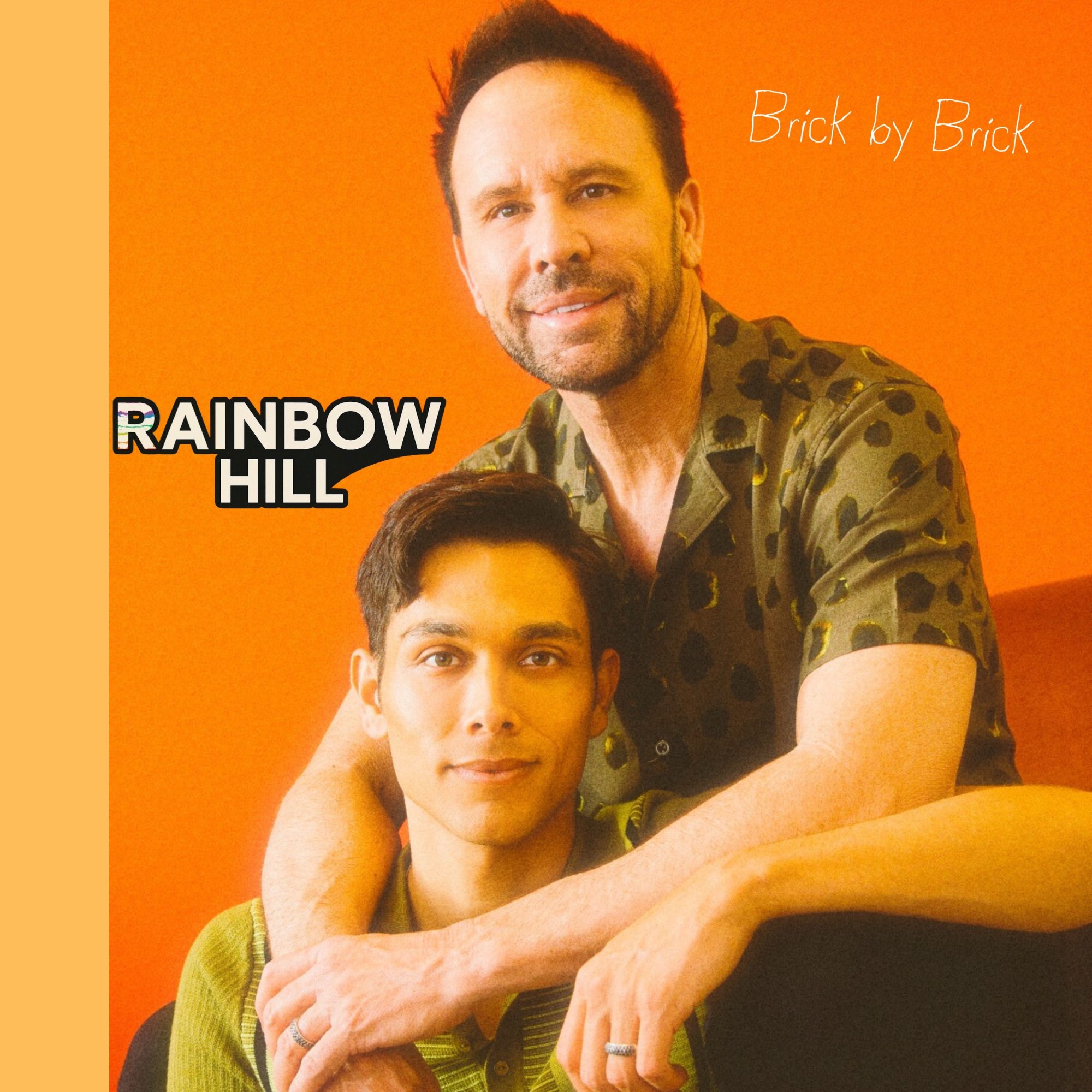
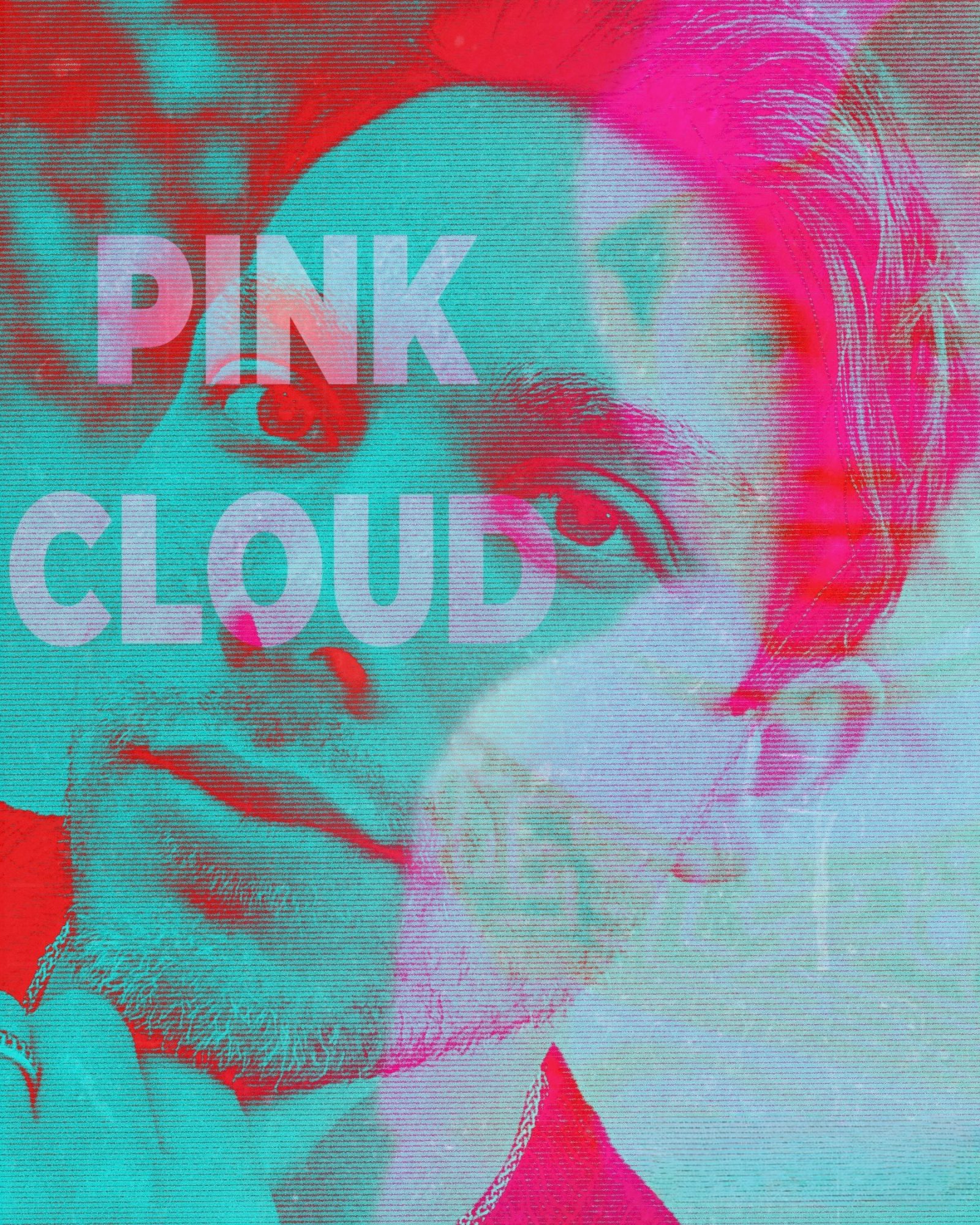
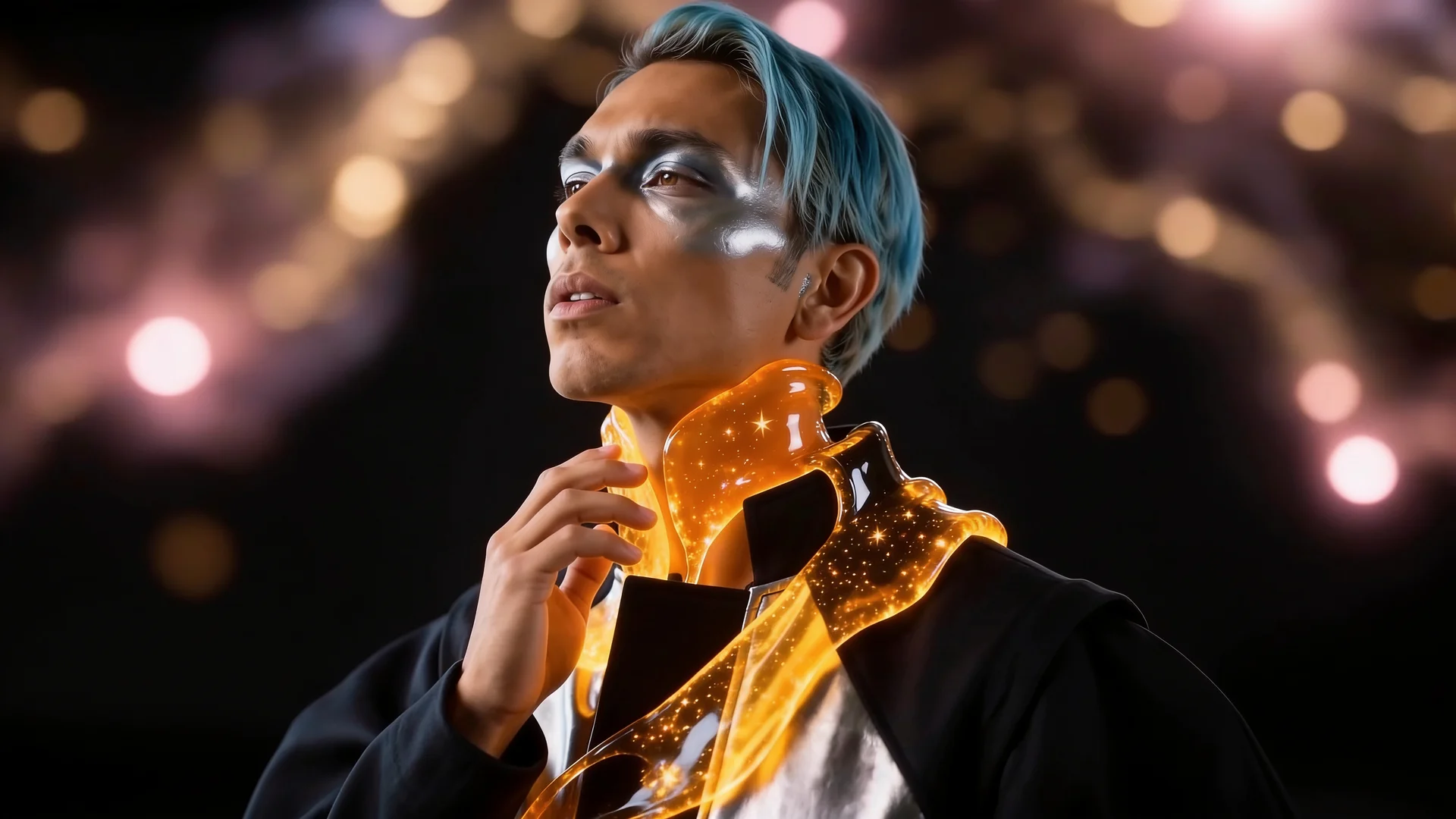
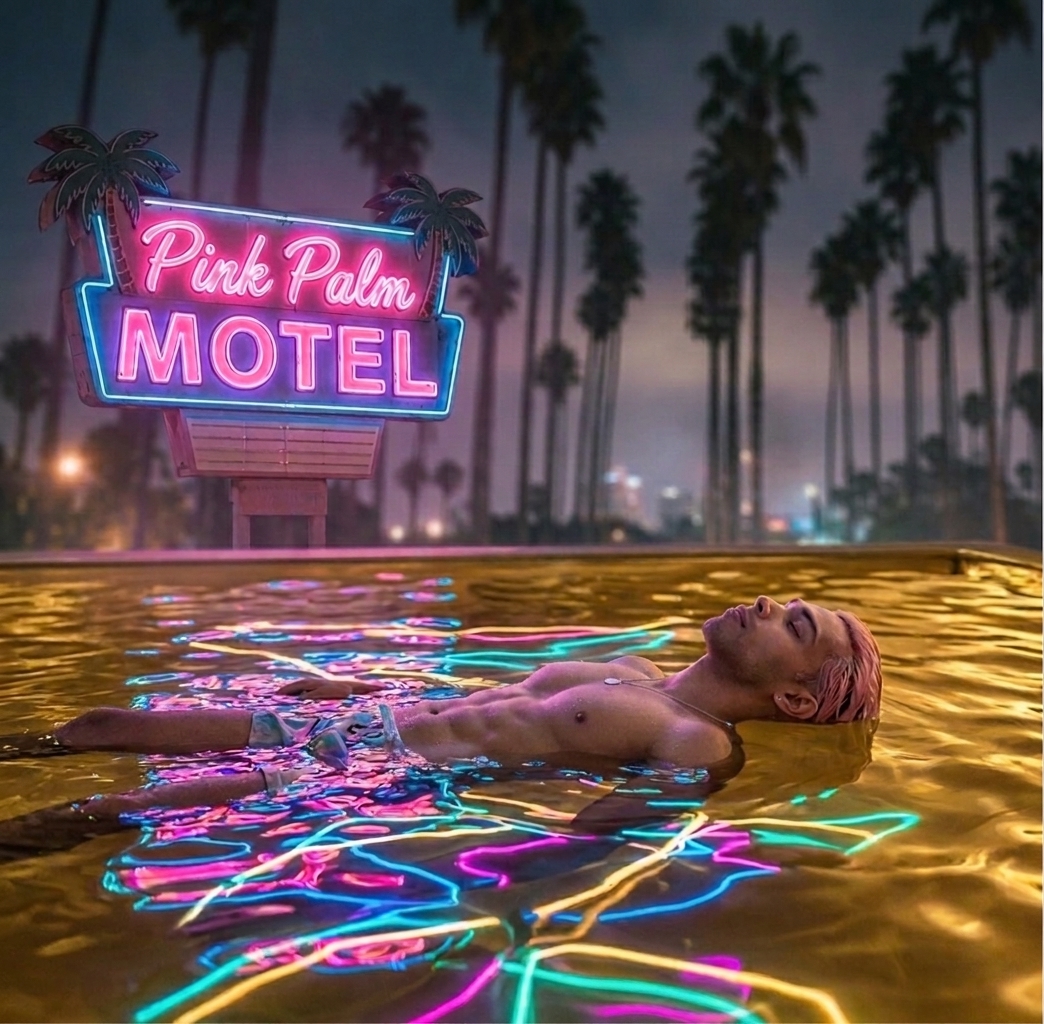
Image Credits
all photos and images were taken by me Joey Bachrach and Ziv Sade
Popular
-

Portraits of the Valley
-

LA’s Most Inspiring Stories
-

Mason Ewing Is Bringing a World of His Imagination to Life Through Film
-

Dr. NanaEfua Afoh-Manin Is Rethinking What It Means to Be Healthy, Not Just Healed
-

Greg Hex Is Turning the Everyday Kitchen Knife Into a Modern Design Object
-

Rick Norris Learned That Building a Successful Business Means Building a Life You Actually Want to Live


