



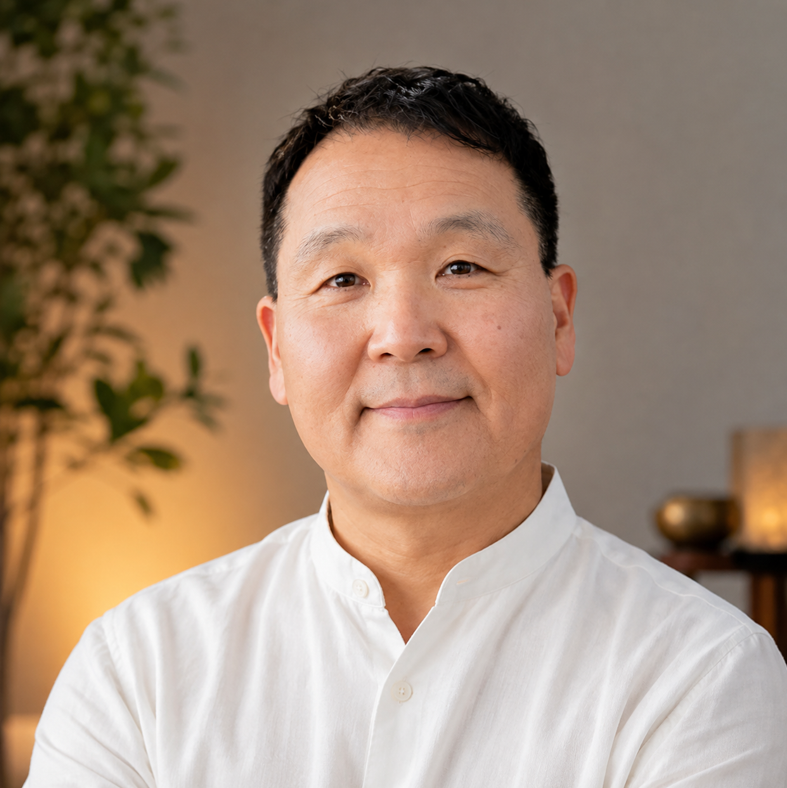
Today we’d like to introduce you to James Kim.
Hi James, thanks for joining us today. We’d love for you to start by introducing yourself.
For most of my adult life, I looked like a very ordinary person from the outside. I had a job, made a living, and spent my weekends like everyone else. I wasn’t living what I would call a particularly bad life.
But inside, I was not happy.
For reasons I couldn’t understand, I carried a lot of anger and sadness. There was always a heaviness in my chest, almost like a stone I was carrying around every day. I kept asking myself, “Why do I feel this way? What is wrong with me?”
I tried very hard to find an answer. I read countless books and explored yoga, meditation, breathing practices, mind control, hypnosis, and many other forms of self-development. Many of them helped me feel better for a while, but eventually the same anger, sadness, and uncomfortable feelings would come back.
What frustrated me most was that nobody could really explain to me where these feelings came from or how to truly let them go.
Around that time, my older sister was going through one of the most painful periods of her life. We had always been very close. After she married, she eventually went through a divorce and was separated from her child. She was devastated. She cried often, couldn’t sleep, and struggled just to get through each day.
I tried to help her as much as I could. Talking helped a little, but I could see that she was still suffering deeply.
Then one of her friends told her about a seven-step meditation practice and suggested that she try it. I was actually against the idea at first. I told her, “Going somewhere like that isn’t going to change anything. You have to solve your own problems.”
But my sister said, “I’m already suffering this much. What do I have to lose?”
So I told her to give it a try.
About a month later, she came home.
I still remember seeing her. She looked completely different from the person who had left. She was smiling. She looked peaceful, bright, and genuinely happy. I was shocked because I knew how much pain she had been in.
I asked her, “What happened to you? How did you change this much?”
She just smiled and said, “You should make some time and try it yourself.”
Until then, I had been skeptical. But I had seen the change in my sister with my own eyes, so I thought, “There must be something different about this.”
I took some vacation time from work and decided to go for just one week.
When I arrived, I found ordinary people just like me. From morning until evening, we learned how to meditate and practiced the method step by step.
At first, I didn’t really understand it. But after about three days, something began to change. My mind started to feel lighter.
As I looked back over my life, I began to understand where so much of my anger, fear, and sadness had come from.
I grew up in a very strict, traditional household. My father was extremely stern. If we made mistakes, we could be severely punished. My brother, my sister, and I were often hit, and even my mother experienced violence from my father.
As a child, home was a place where I was always tense.
I learned that the safest thing was to stay quiet, not express myself, and act as though everything was fine. If I didn’t say much and didn’t cause any problems, there was less chance of being yelled at or punished.
I didn’t realize it at the time, but year after year I was storing fear, anger, resentment, and sadness inside myself.
Eventually that anger also turned toward me. I began to dislike myself. I would compare myself with other people and think, “Why was I born this way? Why am I only capable of this much? What is the point of living like this?”
During the meditation, for the first time, I could clearly see how deeply those experiences had shaped the way I thought about myself, other people, and life.
I cried a great deal over the next several days.
But those tears felt different. I wasn’t simply remembering painful things. I was learning how to let go of the resentment, guilt, fear, and negative thoughts that I had carried for so many years.
That was the biggest difference for me.
Before this, whenever my mind was troubled, I had mostly tried to calm it down — focusing on my breathing, relaxing, or distracting myself until I felt better. This practice taught me something I had never understood before: instead of only calming the painful thoughts and emotions, I could look at where they came from and let go of what I had been holding onto.
As I continued, the anger and resentment began to lose their hold on me. For the first time in my life, I experienced a kind of peace that I had always wanted but never knew how to find.
I remember crying again, but this time because I was so grateful. I thought, “So this kind of peace was possible for me too.”
As I continued through the different stages of the practice, the experience became much deeper than simply feeling less stressed. For many years I had wondered about the biggest questions in life: Who am I? Where did I come from? Why am I here? What is the meaning of my life?
Through meditation, I came to a very personal understanding of those questions. I began to feel that underneath all the fear, resentment, memories, and ideas I had built up about myself, there was something much bigger and more peaceful.
For me, it felt like discovering that the answer I had been searching for outside of myself had been inside me all along.
That experience completely changed the direction of my life.
I realized that even the painful parts of my past had brought me to this point. Because I knew what it was like to live with anger, sadness, and a heavy heart, I also understood how many other people were walking around carrying the same kind of pain while having no idea what to do with it.
At that point, I made a decision.
I didn’t want to spend the rest of my life simply working for a paycheck while doing something that no longer felt meaningful to me. I wanted to help people who were suffering the way I had suffered and show them that there may be another way to live.
I left my job, completed the training to become a meditation instructor, and came to the United States in 2004.
I have now spent more than 22 years teaching this meditation practice and helping people from many different backgrounds.
What still moves me most is seeing someone walk in carrying stress, anger, sadness, or years of emotional weight and then gradually begin to feel lighter.
I know that feeling because I was once that person.
I never imagined that the pain I wanted so badly to escape would eventually become the reason I could understand and help other people.
Looking back now, I don’t see my difficult past as something that only hurt me. In a strange way, it also led me to the work I believe I was meant to do.
I’m sure it wasn’t obstacle-free, but would you say the journey has been fairly smooth so far?
It definitely hasn’t been a smooth road.
One of the biggest challenges was leaving a stable job and choosing a completely different direction for my life. I knew what I wanted to do, but knowing your purpose and actually changing your whole life around it are two very different things.
Then, in 2004, I came to the United States and essentially started over. I had to adjust to a new country, a different culture, and a different language while trying to share something that was very personal and meaningful to me.
Another challenge has been learning how to explain meditation in a way that ordinary people can understand. Many people come in thinking meditation simply means closing your eyes, breathing, and trying not to think. Others are skeptical because they have already tried many things and still feel stressed, angry, anxious, or emotionally exhausted.
I understand that skepticism because I was once the same way.
So over the years, I learned not to try to convince people with big ideas or complicated explanations. I try to meet people where they are and help them look at their own experience. When someone begins to understand why certain thoughts and emotions keep repeating, and they start to feel even a little lighter, that experience speaks for itself.
There have certainly been difficult periods, but I think those challenges have made me a better teacher. They taught me patience. They taught me to listen more carefully. And they reminded me that everyone carries a story that we cannot see from the outside.
After more than 22 years of doing this work, I still don’t take it lightly when someone trusts me enough to share what they are going through. I know how hard it can be to ask for help, because I also spent many years trying to find my own way out of that heaviness.
Thanks – so what else should our readers know about Atlantic Meditation?
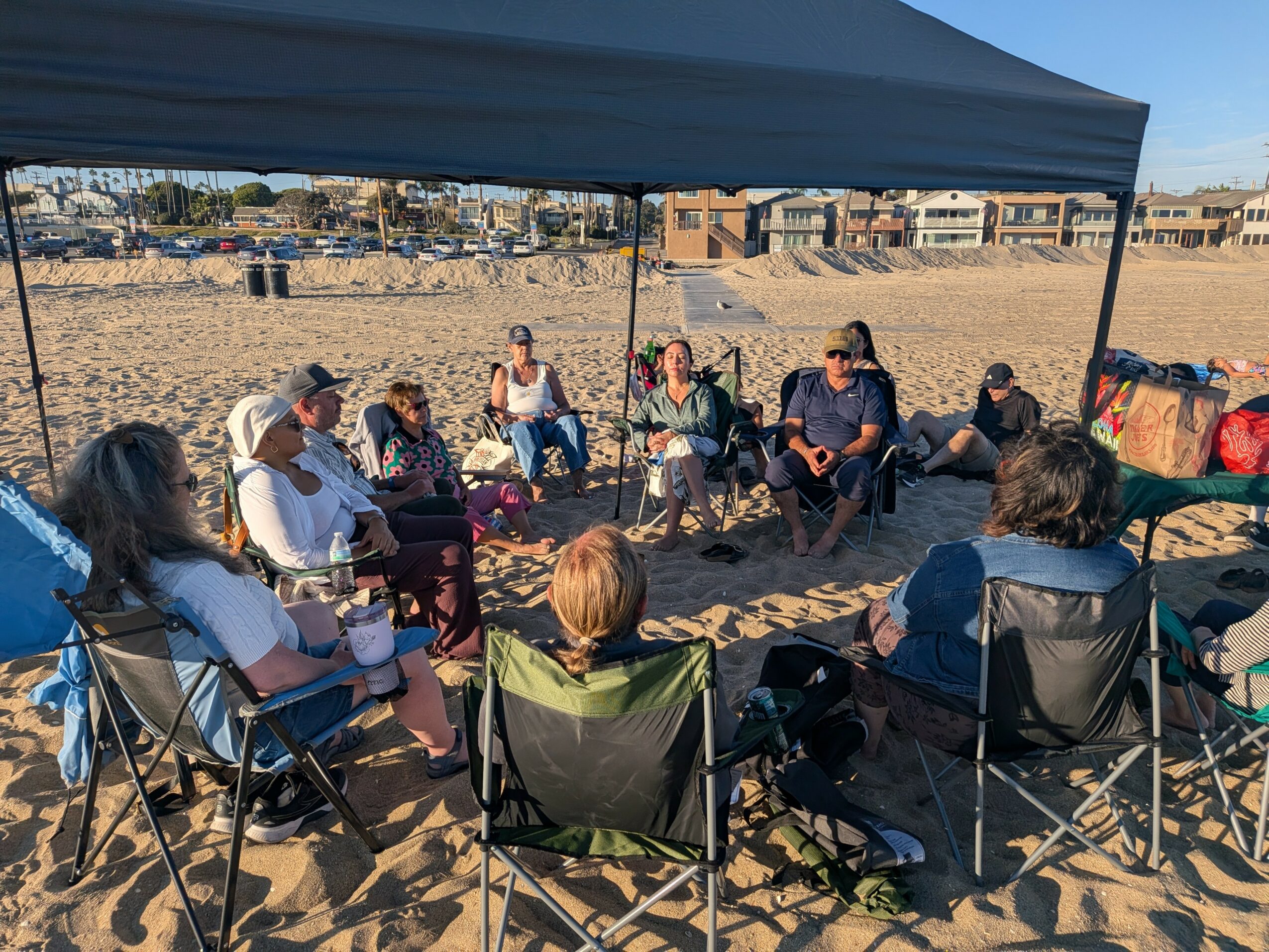
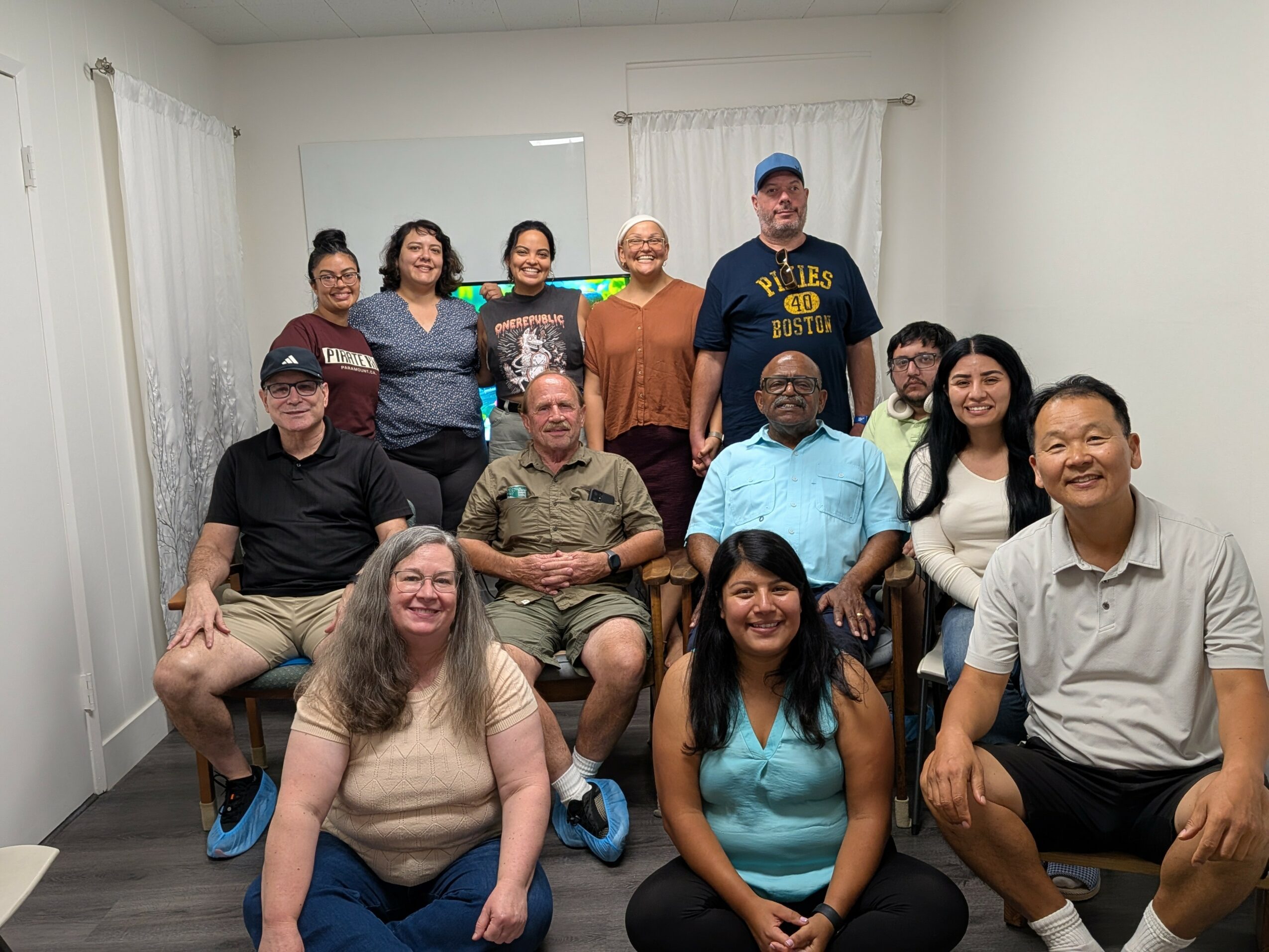
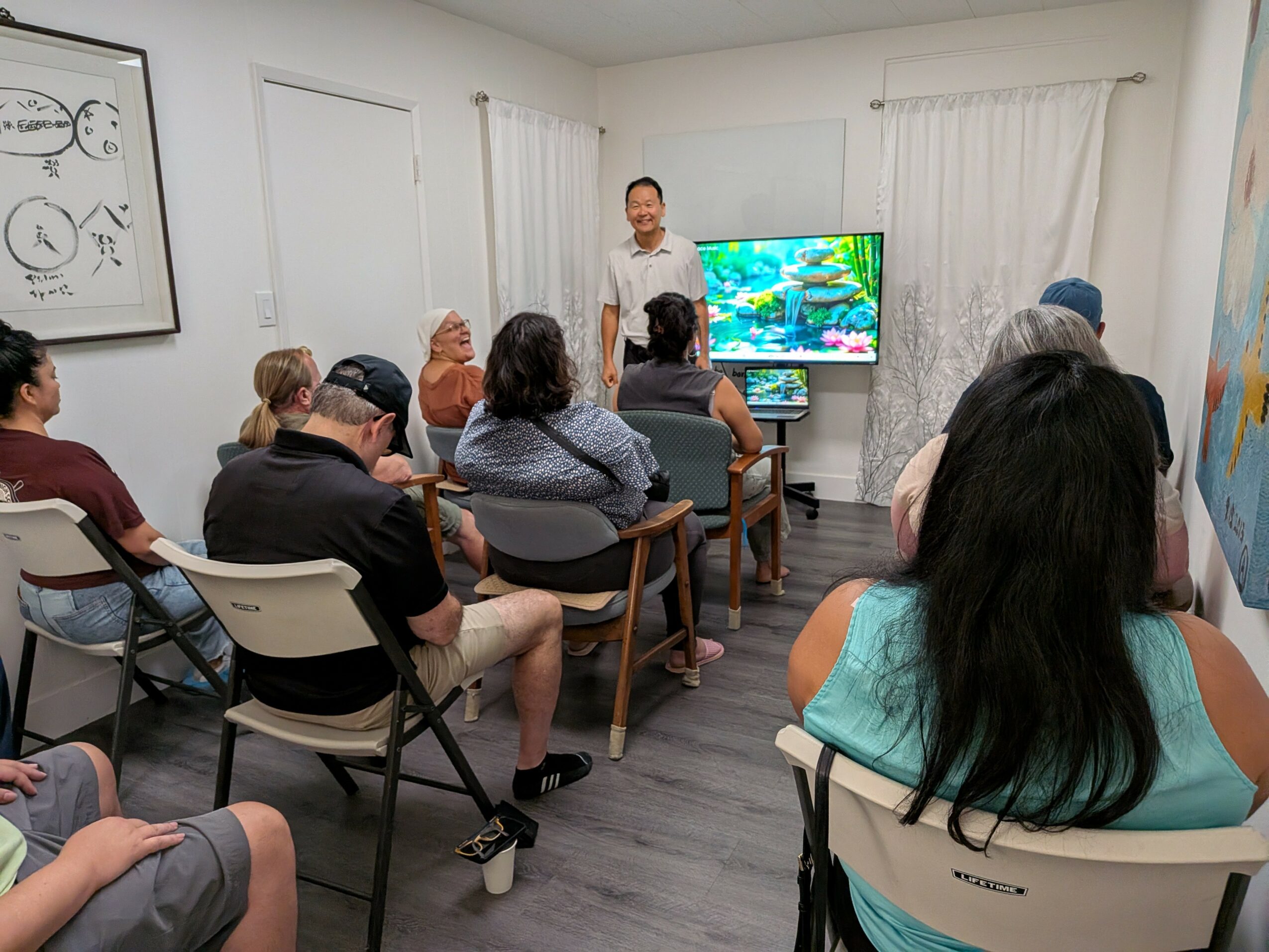
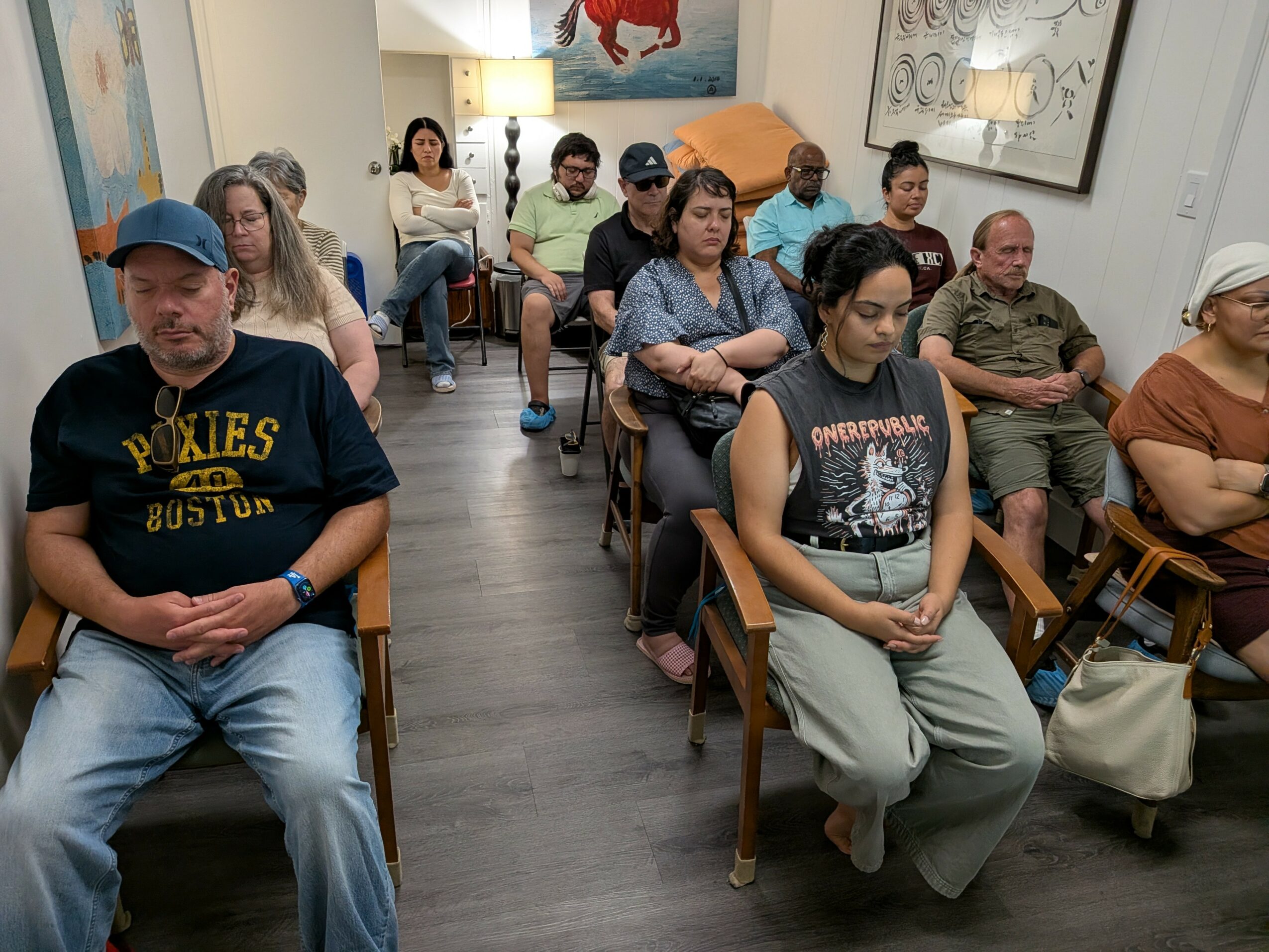
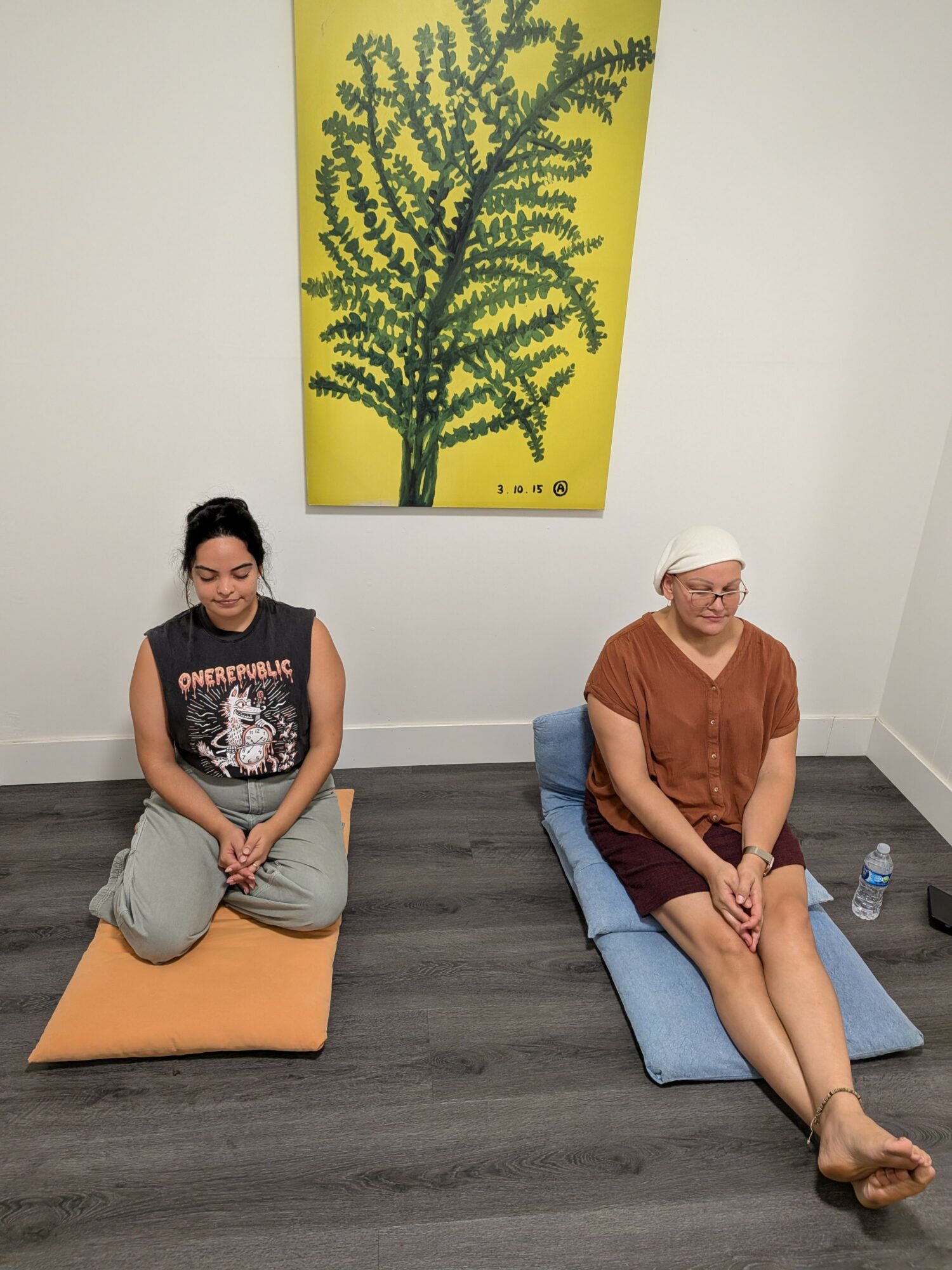
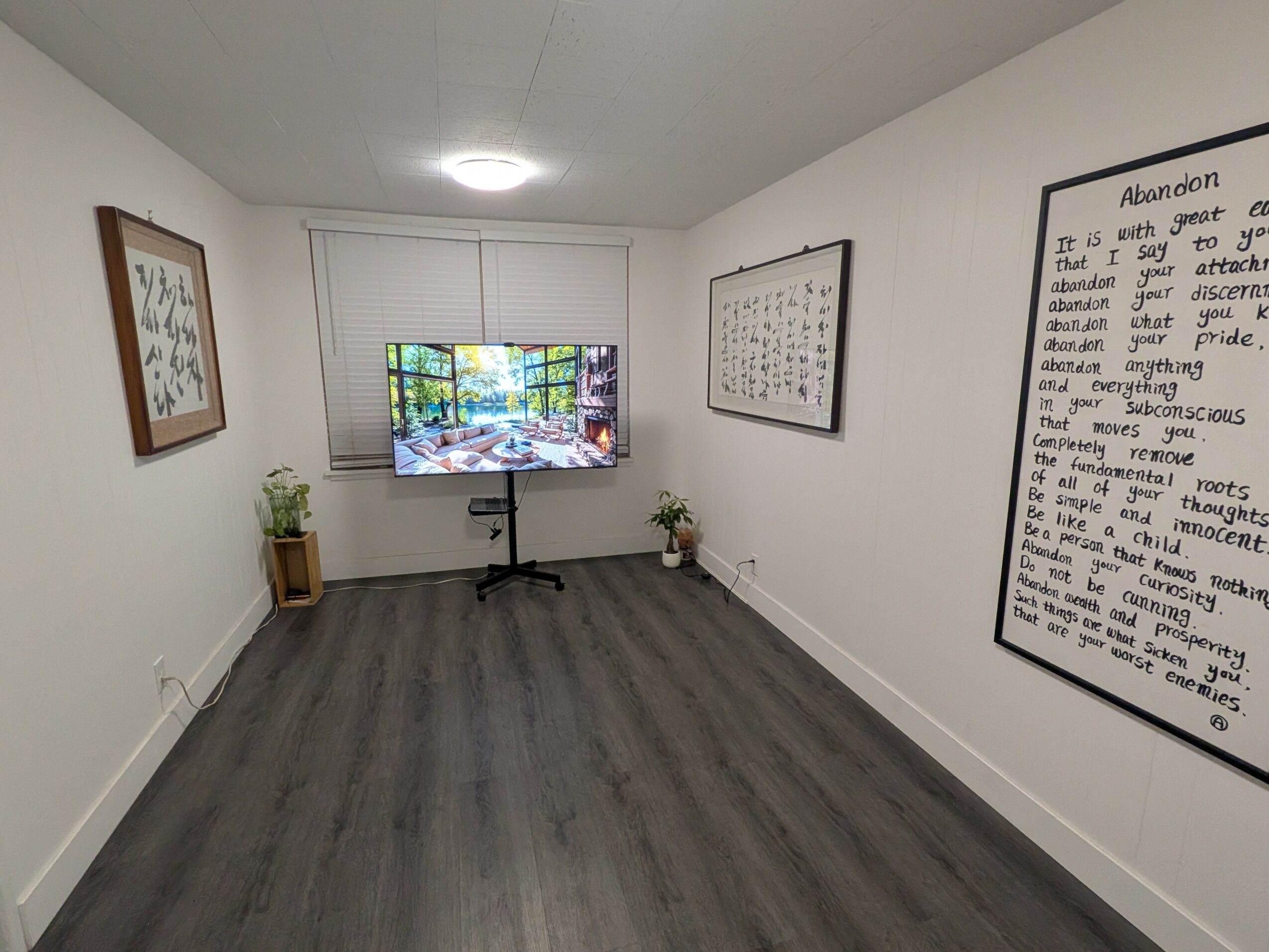
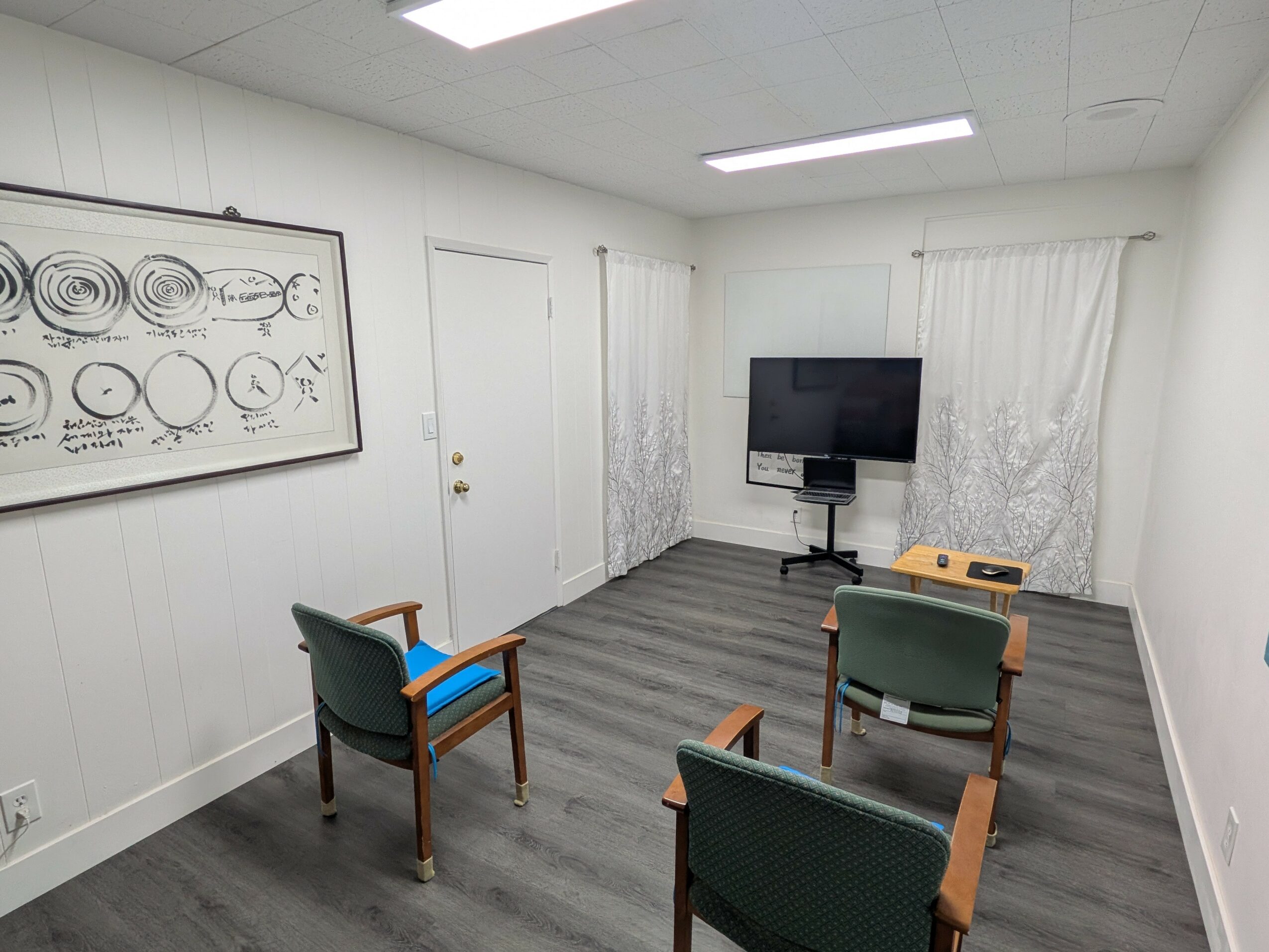
Atlantic Meditation is a meditation center in Long Beach where we help people who are dealing with stress, overthinking, anxiety, poor sleep, emotional heaviness, or simply feeling stuck in their lives.
What makes our approach different is that we don’t only teach people how to calm their minds for a few minutes. We use a structured 7-Step Method that helps people look back on the thoughts, memories, and emotional patterns they have been carrying and learn how to let go of them.
I think many people can relate to this. Something happens years ago, but when we remember it, we can still feel the same anger, sadness, fear, or resentment as if it happened yesterday. We may try to distract ourselves, think positively, exercise, or relax, and those things can certainly help. But sometimes the same thoughts and emotions keep coming back.
Our meditation is designed to help people understand why those patterns keep repeating and gradually release what they no longer need to carry.
We work with people from many different backgrounds. Some have meditated for years, but many have never meditated before. Some come because they cannot stop thinking. Some are under a lot of stress. Some are having trouble sleeping. Others may not have one specific problem — they just know that they don’t feel peaceful inside and want something in their life to change.
One thing that is very important to me is that people don’t have to be “good at meditation” before they come. You don’t have to know how to stop your thoughts, sit perfectly still, or believe in anything in particular. We guide people step by step from where they are.
After more than 22 years of teaching, what I am most proud of is not the number of people I have taught. It is seeing the small but meaningful changes in their lives — someone telling me they are sleeping better, that they reacted differently during an argument, that a thought that used to bother them no longer has the same power, or simply that they feel lighter and more peaceful.
That is really what Atlantic Meditation is about. Helping people put down some of the emotional weight they have been carrying so they can live their everyday lives with more peace, clarity, and freedom.
Can you talk to us a bit about the role of luck?
I used to think of luck as something simple — good things happen and we call it good luck, bad things happen and we call it bad luck.
But looking back on my life now, I see it very differently.
Some of the experiences that felt like the worst things at the time eventually led me to the most meaningful parts of my life.
My difficult childhood, the anger and sadness I carried for years, and even the pain my sister went through after her divorce were not things I would ever have chosen. At the time, they felt like suffering, not luck.
But if my sister had not gone through that difficult period, she may never have tried the meditation practice that changed her. And if I had not seen such a dramatic change in her with my own eyes, I probably never would have tried it myself.
That one chain of events completely changed the direction of my life.
It eventually led me to leave my job, become a meditation instructor, come to the United States, and spend more than 22 years helping other people.
So today, I’m careful about labeling something as simply “good luck” or “bad luck.” Sometimes an experience that feels terrible in the moment can lead us somewhere we never expected.
I don’t believe that means we should be grateful for every painful thing that happens to us. Pain is still pain. But I have learned that even difficult experiences can become meaningful when we understand them, grow through them, and use what we learned to help someone else.
In that sense, I feel very fortunate. Some of the hardest parts of my life eventually showed me what I wanted to do with the rest of it.
Pricing:
- $20 Introductory Meditation Session — 40 minutes, beginner-friendly
Contact Info:
- Website: https://www.meditationlb.org/
- Instagram: https://www.instagram.com/atlanticmeditationlb/
- Facebook: https://www.facebook.com/AtlanticMeditationLB/
Popular
-

Portraits of the Valley
-

LA’s Most Inspiring Stories
-

Greg Hex Is Turning the Everyday Kitchen Knife Into a Modern Design Object
-

Rick Norris Learned That Building a Successful Business Means Building a Life You Actually Want to Live
-

How Olivia Rush Turned Survival Into a Mission to Help Others Keep Going
-

How Bibi Goldstein Is Helping Entrepreneurs Reclaim Their Time by Embracing the Power of Delegation


