



Today we’d like to introduce you to Gregorio Davila.
Hi Gregorio, thanks for sharing your story with us. To start, maybe you can tell our readers some of your backstory.
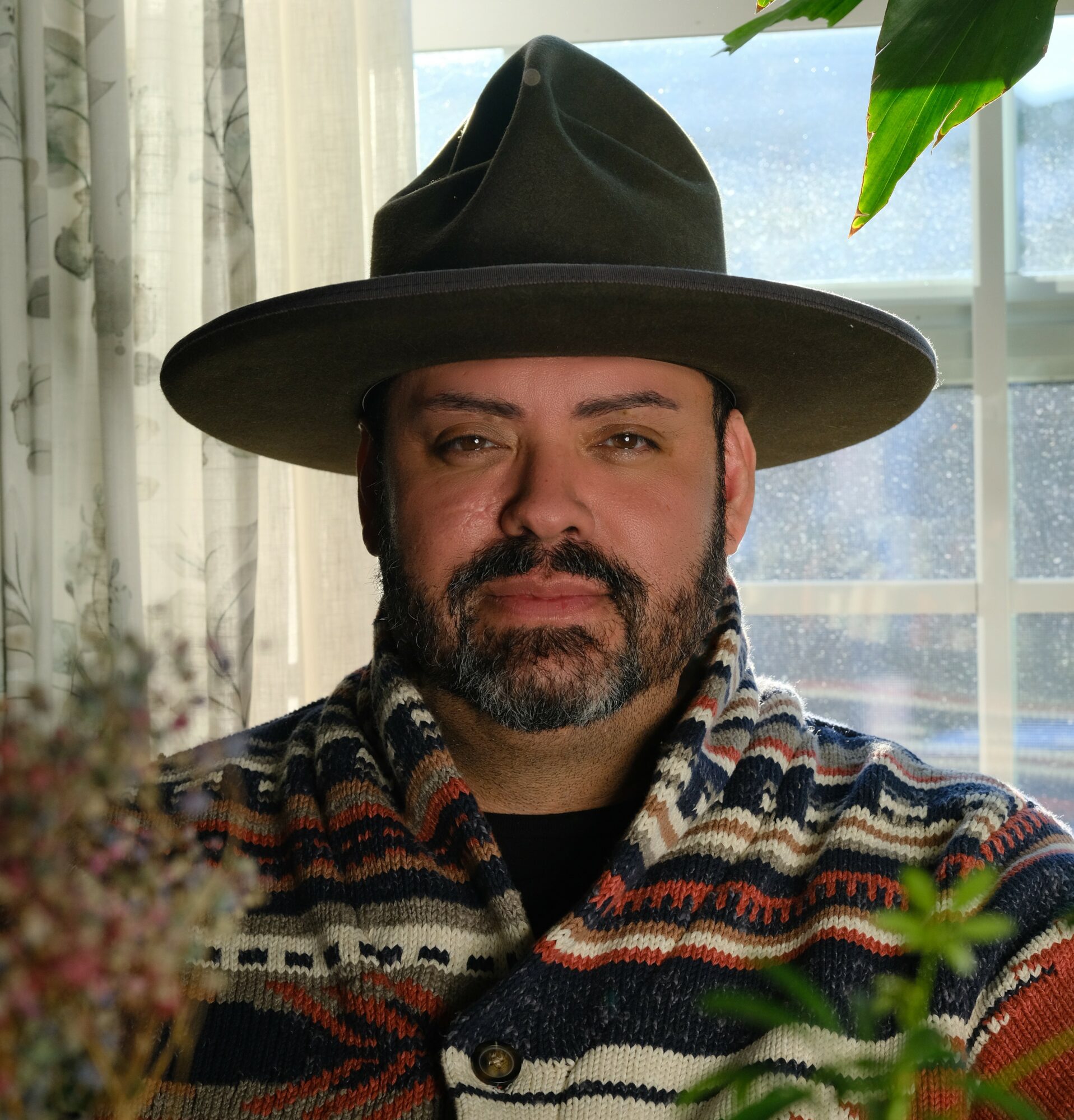
I’m a Queer Latine documentary filmmaker in Los Angeles.
I was born in Hemet, CA, to a mother from Phoenix, AZ, and a father from Jalisco, Mexico. Growing up in a small working-class town, “Hollywood” and filmmaking seemed like an unreachable impossibility in the 80’s and 90’s. I spent a lot of time struggling with my sexuality, where there were virtually no other Queer people to look up to or see as a role model of what my life could be as an openly Gay man. And literally the weekend after I graduated highschool I left.
I spent my 20’s in Seattle, WA, where I came out and lived openly, which was a relief and also exciting in so many ways. But something still felt off. At the time, the LGBT community in Seattle was very white. And coming from a Mexican family and community in Southern Californa there was a disconnect. And it didn’t help, of course, that the vast majority of Queer media at the time was also vastly white; from the local and national magazines, the models you’d see on those covers, to the sparse but emerging LGBT film and television representation, it was all very whitewashed. I wanted to make films at the time, but was frustrated by the stories I would see in independent Queer films of the 90’s, which mostly dealt with white men in drag or dying of AIDS. Not that there’s anything wrong with that, because it satisfied one side of my identity, my Queer side, but there just always felt like something was missing. After I took a trip to San Francisco in the late 90’s and went to the legendary Queer Latino club Esta Noche, and discovered a whole new world where LGBT people and the Latino community and culture intertwined, I realized what my mission as an artist and filmmaker could be. And that’s been my work ever since: blending Queeer and Latino/Chicano culture.
Alright, so let’s dig a little deeper into the story – has it been an easy path overall and if not, what were the challenges you’ve had to overcome?
I always wanted to be a filmmaker and storyteller, but didn’t have access to college. So everything I know is self-taught. At the time to learn about screenwriting and filmmaking, I went to Barnes and Noble to read books, Borders Books, and the public library. These days, I learn mostly from YouTube tutorials. Being an independent documentary filmmaker can be challenging, particularly when it comes to funding your films. All my projects have relied on grants, and even then, there usually wasn’t enough money, so you had to get creative. Finding the money is always a huge challenge, particularly when you’re making films that aren’t necessarily “mainstream” stories. Those are harder to find funding for, especially now, after the budget cutbacks in the arts that focused on minority storytelling. So there’s never enough money, and I ended up just doing many of the jobs myself, which meant I had to teach myself how to edit, color correct, do graphics and sound mixing, etc. I edit all my films and trailers myself, which has been very rewarding artistically.
Appreciate you sharing that. What else should we know about what you do?
Most of my work focuses on LGBTQ history and stories, particularly marginalized communities within the LGBTQ community, with a strong focus on Latine stories and histories. The first documentary film I made was in 2001 called “Bent Fest 2001,” a vivid chronicle of a five-day music festival in Seattle featuring an all-queer band lineup. The film received local critical acclaim and remains notable for its rare early footage of now-influential artists, including Gossip, The Butchies, Traci & The Plastics, and The Chromatics. After I moved back to Southern California and settled in L.A. to devote myself to making films, I made my first short documentaries, “Nancy From East Side Clover” and “Jeanne Cordova: Butches, Lies & Feminism,” which have screened internationally and garnered multiple festival awards. Jeanne Cordova: Butches, Lies & Feminism received the Grand Jury Prize for Best Documentary Short at Outfest 2017. Then my first feature documentary, “L.A. A Queer History,” explores the rich and often overlooked LGBTQ+ history of the Los Angeles region. The film has received wide recognition, including a 2022 NETA Public Media Award, a 2022 MIPCOM Diversify Award at the Cannes film festival, and two 2022 Los Angeles Press Club Awards. My most recent feature, “Unidad: Gay and Lesbian Latinos Unidos”, chronicles the founding of the first queer Latinx organization in the United States—formed in Los Angeles in 1981 (Gay & Lesbian Latinos Unidos-GLLU). The film earned a Silver Telly Award and a 2024 Los Angeles Press Club Award. Both L.A. A Queer History and Unidad: Gay and Lesbian Latinos Unidos broadcast streamed on PBS. I’m currently working on my latest feature doc titled “Joey Terril: Homeboy Beautiful”, which is about the life and times of the legendary Queer Chicano Angelino artist, Joey Terrill, which will broadcast and stream on PBS after brief festival run this year.
Contact Info:
- Website: https://www.exoticofilms.com/
- Instagram: https://www.instagram.com/gregorio_adam_davila/
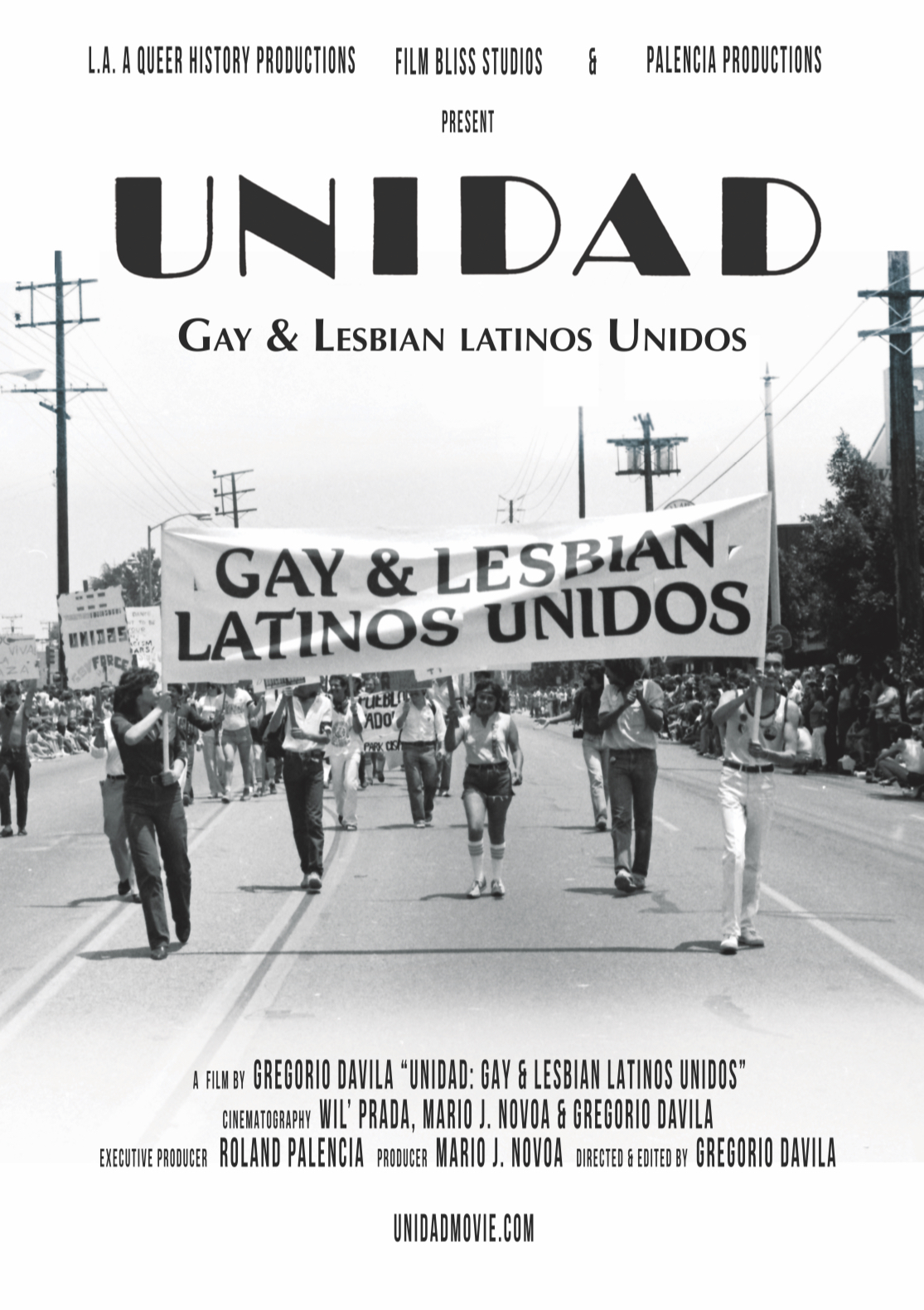
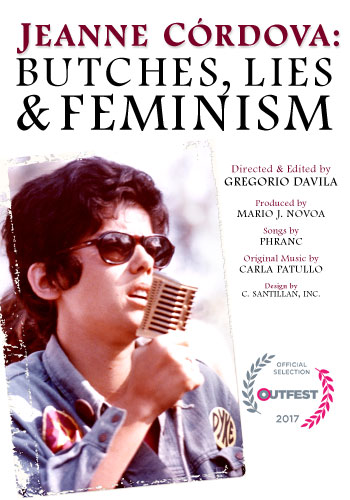

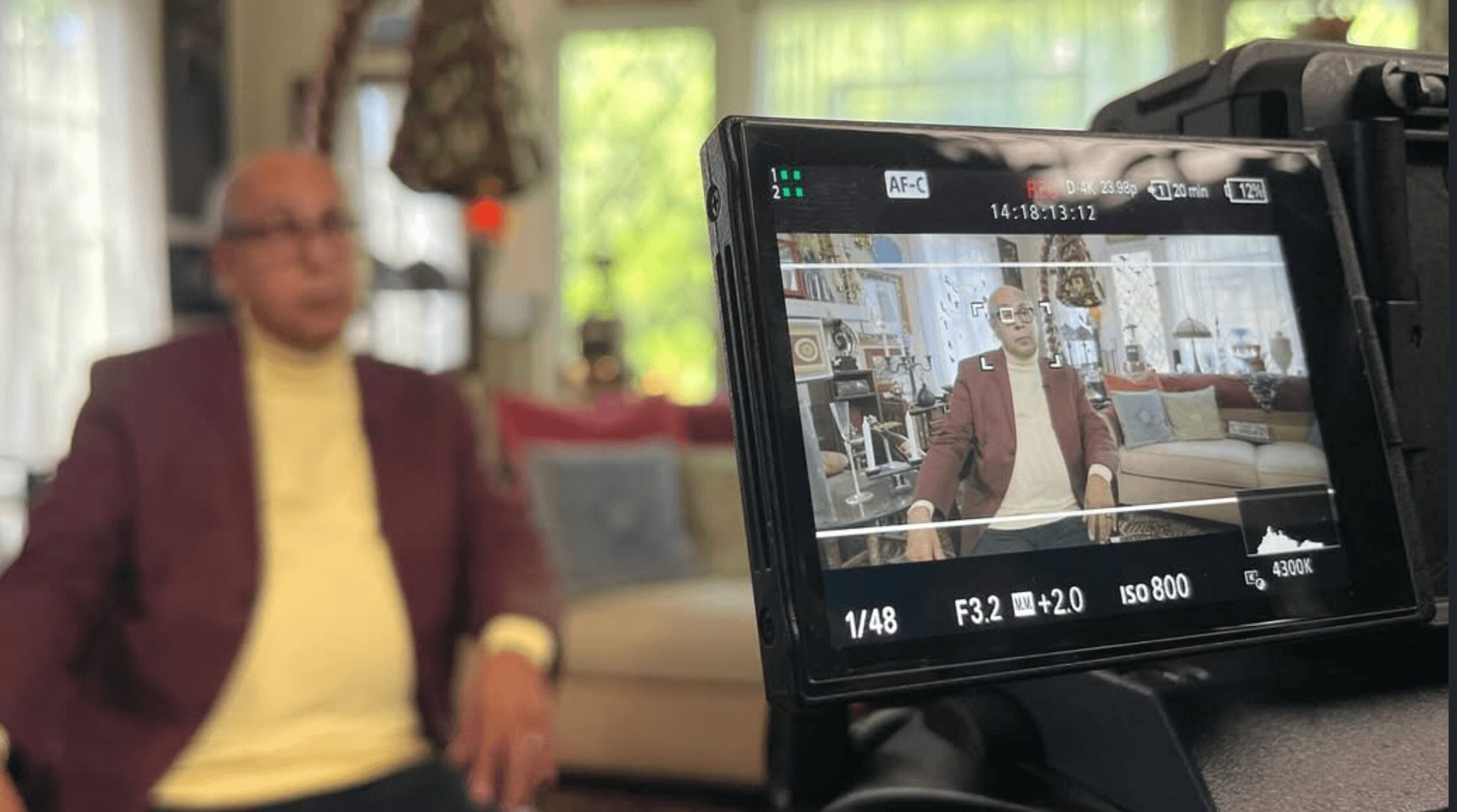
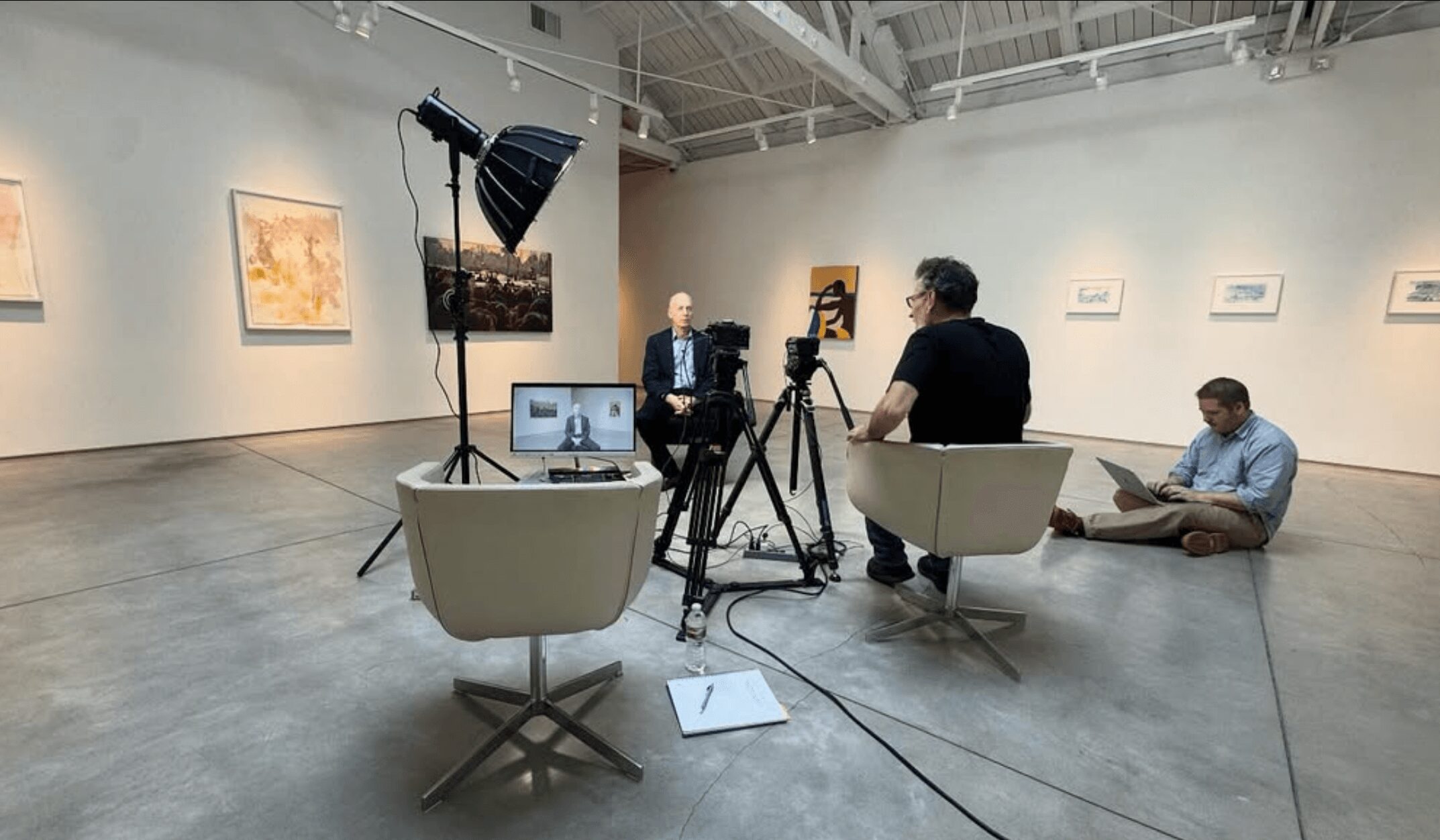
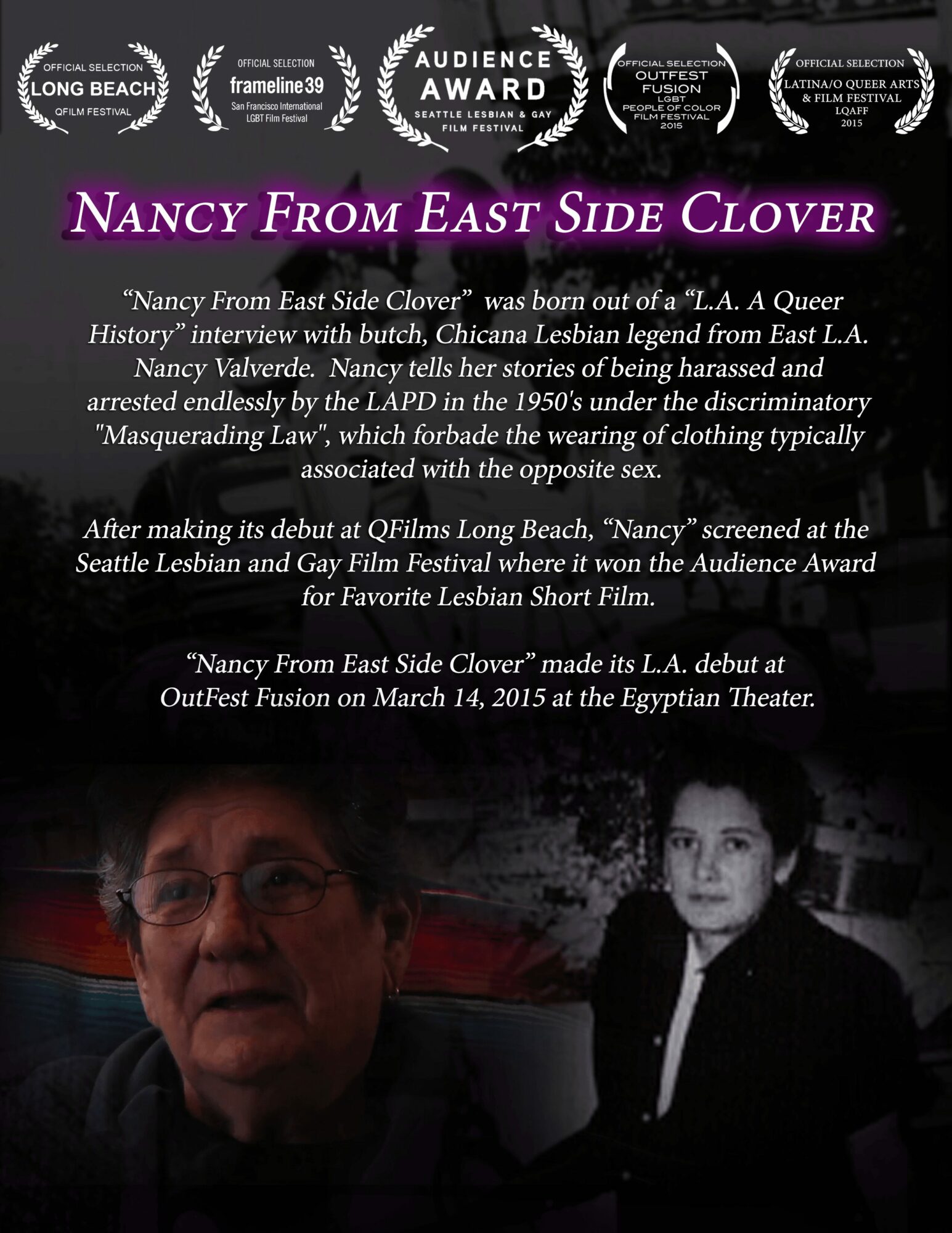
Image Credits
Gregorio Davila
Popular
-
Jolana Nika on Redefining Modern Connection Through Intentional, Real-Life Experiences
-
What did suffering teach you that success never could?
-
Who saw you clearly before you could see yourself?
-
Who taught you the most about work?
-
Is the public version of you the real you?
-
What are the biggest lies your industry tells itself?


