





Today we’d like to introduce you to Eric Hallquist.
Hi Eric, can you start by introducing yourself? We’d love to learn more about how you got to where you are today?
I’ve been making art since I was a child, but I didn’t seriously pursue it until I discovered digital art around 2009. At the time, I had just finished high school and was struggling to figure out what I wanted to do with my life. I started creating artwork in Photoshop for an online Street Fighter IV forum community, mainly making signature banners for other members. What started as a hobby quickly grew, and before long I had become the forum’s graphic designer.
Over the next few years, I began pushing myself into larger personal projects, creating digital paintings inspired by the things I loved at the time, whether it was comic book characters like Spawn and the X-Men or cinematic environments and landscapes. Around the same time, I discovered artists online whose work completely changed my perspective on what digital art could be, and it made me want to pursue it professionally.
I eventually enrolled at The Art Institute of Philadelphia as an art major after trying college previously and feeling lost in other directions. While I was doing well academically, I had also started taking on paid freelance work, mostly within the electronic music industry. Dubstep was rapidly growing at the time, and I began creating tribute artwork for artists I admired. Those pieces unexpectedly gained traction and led directly to paid opportunities with artists and record labels. It quickly became clear that freelance work was becoming a real career path for me.
Not long after, I made the decision to leave school and pursue art full-time. I spent years working as a freelance digital artist within the music industry, creating artwork for major artists and labels while continuing to develop my own personal work on the side.
Roughly eight years into my freelance career, I was offered an opportunity to work in-house as a contractor for one of my longtime clients in Los Angeles. Moving to LA to pursue my career full-time felt like a dream come true and opened the door to a much larger creative network and new opportunities.
After the pandemic, I felt pulled toward larger-scale projects in the games industry. Shortly after, I was contacted by the team behind DrDisRespect, who were beginning early development on what eventually became a AAA game studio. I was brought on to help create concept art that would help establish and sell the vision for the project. Over the next four years, I worked alongside an incredibly talented team of developers and artists from studios behind games like Halo, Doom, and Call of Duty. Unfortunately, the studio eventually shut down due to funding challenges, which forced me to reevaluate my next steps during a difficult period for the entertainment industry.
After returning to my hometown to regroup, I realized I still believed deeply in what I wanted to create as an artist. Instead of stepping away from art, I decided to fully invest in building my portfolio, online presence, and personal work. I continued creating new pieces, releasing tutorials and digital assets, and focusing on the type of work that felt most meaningful to me creatively.
Around that time, I received advice from artist and longtime friend Steve Wang, who encouraged me to narrow my focus and fully commit to the type of art that inspired me most. Fantasy environments and cinematic worldbuilding had always been my biggest passion, so I leaned fully into that direction. As I started creating more personal fantasy pieces inspired by the atmosphere and storytelling of games like Elden Ring, I began to feel like each artwork was contributing to a larger world and narrative. That realization eventually became the foundation for my current fantasy IP and the direction I continue building today.
Today, I continue balancing freelance client work with building my own personal projects and worlds. More than anything, my journey has taught me that if you genuinely believe you have something meaningful to create, you have to continue pursuing it even through uncertainty, setbacks, and failure. Those moments are often what shape both the artist and the person you eventually become.
We all face challenges, but looking back would you describe it as a relatively smooth road?
It definitely hasn’t been a smooth road, and I think that’s true for most creative careers. One of the biggest challenges early on was simply uncertainty. Freelance work can be unpredictable, especially when you’re first starting out. There were periods where I questioned whether I was making the right decisions by pursuing art full-time instead of following a more traditional path.
Another challenge was learning how to evolve creatively without losing confidence in myself. As an artist, it’s easy to constantly compare your work to others or feel like every new piece has to be your best work ever. I spent years putting a lot of pressure on myself creatively, which sometimes made it difficult to simply finish projects and move forward. Over time, I learned that growth often comes from consistency rather than perfection.
The entertainment industry itself has also gone through major shifts over the years. The pandemic, layoffs across games and entertainment, and the rapid rise of AI created a lot of uncertainty for artists everywhere, myself included. After the studio I had been working with shut down, I had to take a step back and seriously reevaluate where I wanted to go creatively and professionally.
At the time, moving back home honestly felt like a setback, but looking back now, it ended up being an important reset period for me. It gave me time to reconnect with why I started making art in the first place and helped push me toward building more personal work and creating worlds and stories that genuinely reflected my interests and identity as an artist.
I think one of the biggest lessons I’ve learned is that setbacks are almost unavoidable in any creative field. What matters most is whether you continue creating through those moments and stay connected to the reason you wanted to do it in the first place.
Appreciate you sharing that. What else should we know about what you do?
I’m a digital artist primarily focused on cinematic fantasy environments, worldbuilding, and concept art. Over the years I’ve worked across music, entertainment, and games, creating artwork for artists, studios, and larger creative projects, but the work I’m most passionate about has always been centered around atmosphere, storytelling, and building worlds that feel immersive and emotionally grounded.
A large part of my workflow combines both 2D and 3D techniques. I use tools like Blender, 3DCoat and many others alongside traditional 2D digital painting workflows to create works that feel cinematic and believable while still maintaining a strong sense of mood and artistic interpretation. A lot of my inspiration comes from fantasy films from the 1980s/early 2000s, Lord of the Rings, books, classic dark fantasy artwork and games like Elden Ring that place a heavy emphasis on environmental storytelling and atmosphere.
Recently, much of my focus has gone toward building my own dark fantasy IP through a series of connected artworks and animated pieces. What I enjoy most is creating environments that feel like fragments of a larger forgotten world, places that suggest history, mystery, loss, and mythology without needing to explain everything directly. I love when an image feels like it exists in the middle of a larger story.
One thing I’m probably most proud of is continuing to evolve and stay creatively curious throughout my career. I’ve worked in several industries and on many different types of projects, but I’ve never stopped pushing myself to learn new workflows, experiment with new ideas, and refine my artistic voice. Over time, I think that persistence has helped me create work that feels more personal and recognizable to who I am as an artist.
More than anything, I want my work to make people feel something. Whether it’s scale, loneliness, mystery, awe, or nostalgia, I think the emotional atmosphere of an image is what stays with people long after they’ve seen it.
If you had to, what characteristic of yours would you give the most credit to?
think persistence and creative curiosity have been the two most important qualities throughout my career. The creative industry changes constantly, trends shift, technology evolves, and there are always periods of uncertainty or self-doubt. I’ve learned that the people who continue growing are usually the ones who keep creating and stay genuinely curious, even during difficult periods.
For a long time, I put immense pressure on myself to make every piece perfect, but over time I realized that consistency and momentum are often more valuable than perfection. Some of the biggest breakthroughs in my work came from simply continuing to experiment, finish projects, and trust my instincts creatively.
I also think it’s important to stay connected to what genuinely inspires you instead of constantly chasing what feels popular or safe. The work that has resonated most with people has almost always been the work that felt the most personal and authentic to me as an artist.
Pricing:
- Commission pricing varies depending on scope, usage, complexity, and whether a project includes animation or worldbuilding development. Most projects are quoted individually based on the needs of the client.
Contact Info:
- Website: https://artstation.com/solidsoulart
- Instagram: https://instagram.com/solidsoulart
- Facebook: https://www.facebook.com/iamsolidsoul
- LinkedIn: https://www.linkedin.com/in/solidsoulart/
- Twitter: https://x.com/solidsoulart
- Youtube: https://www.youtube.com/solidsoulart
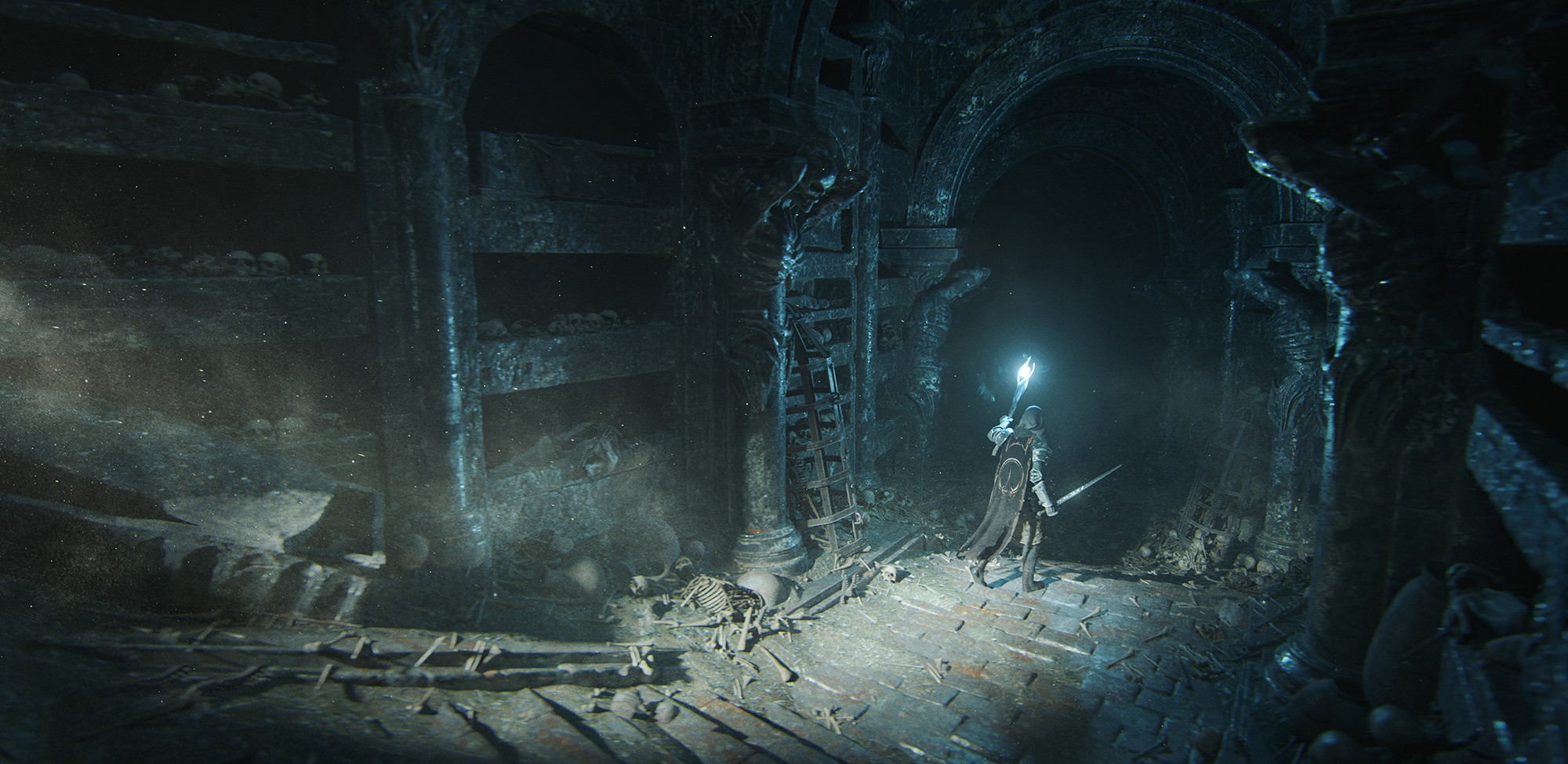
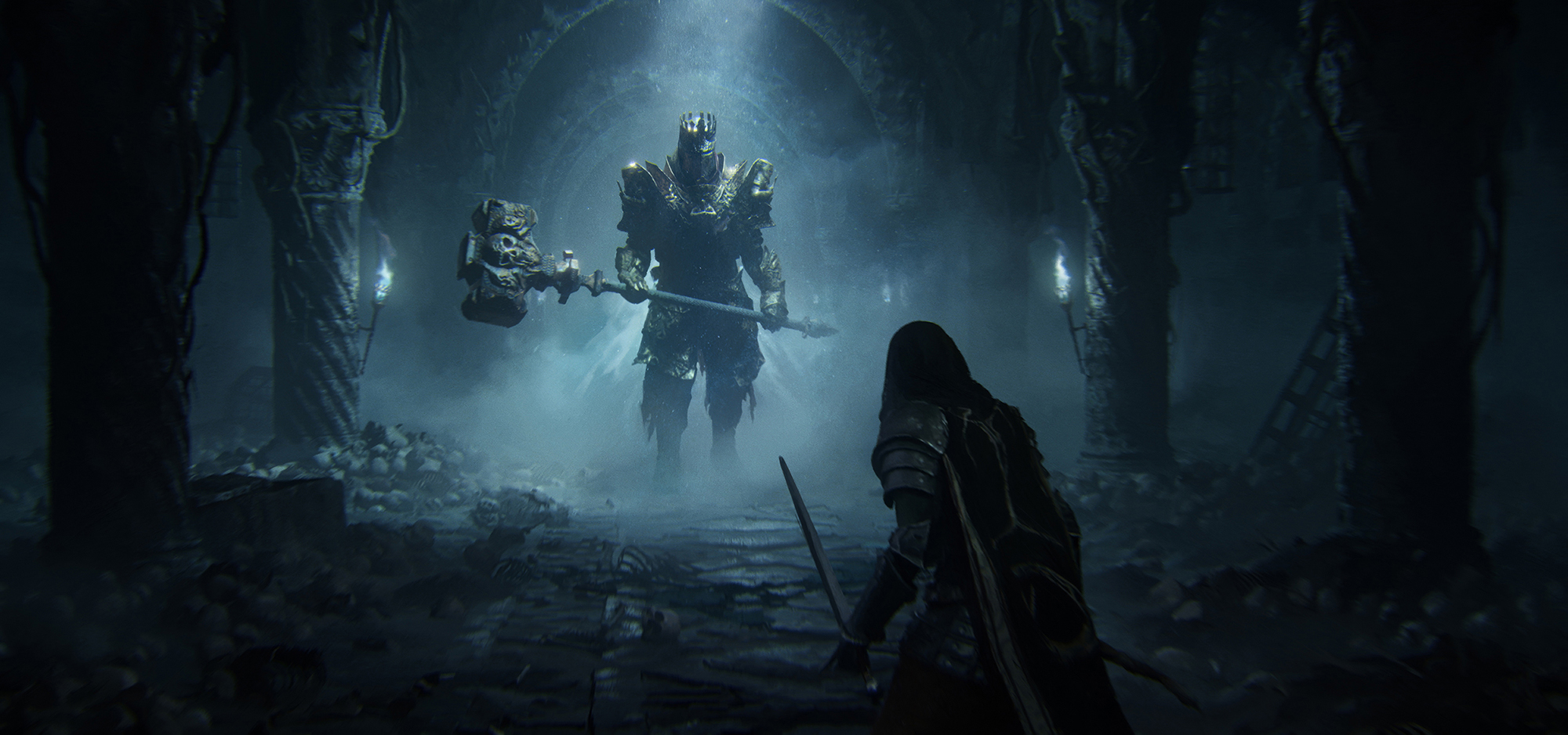
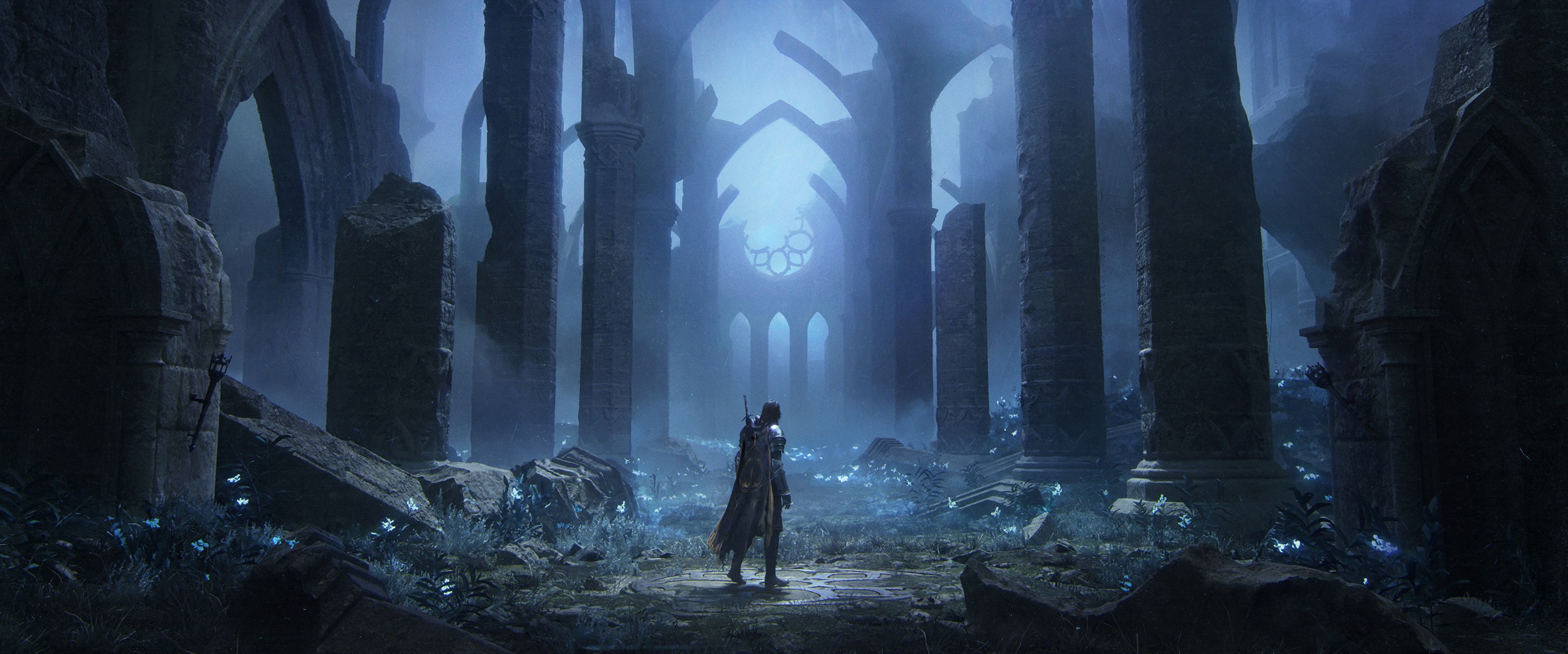
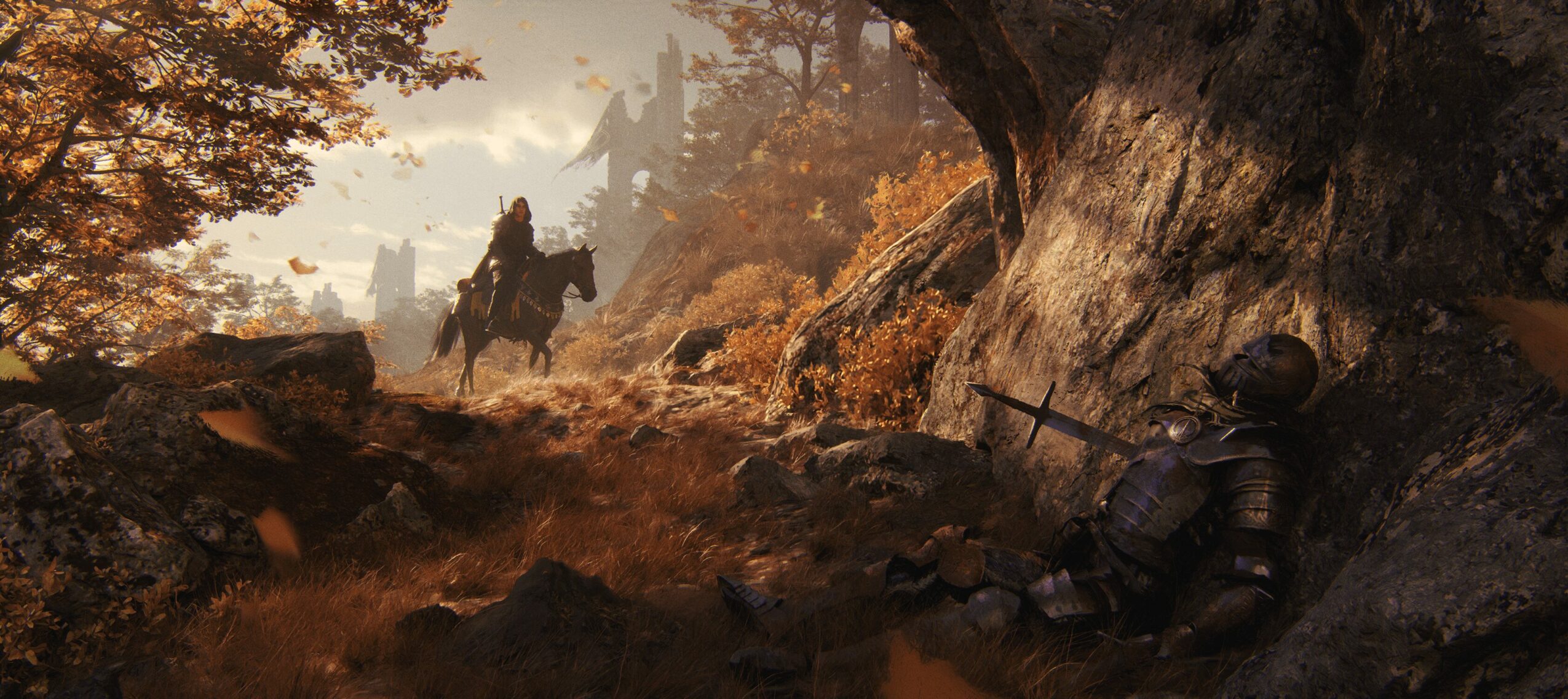
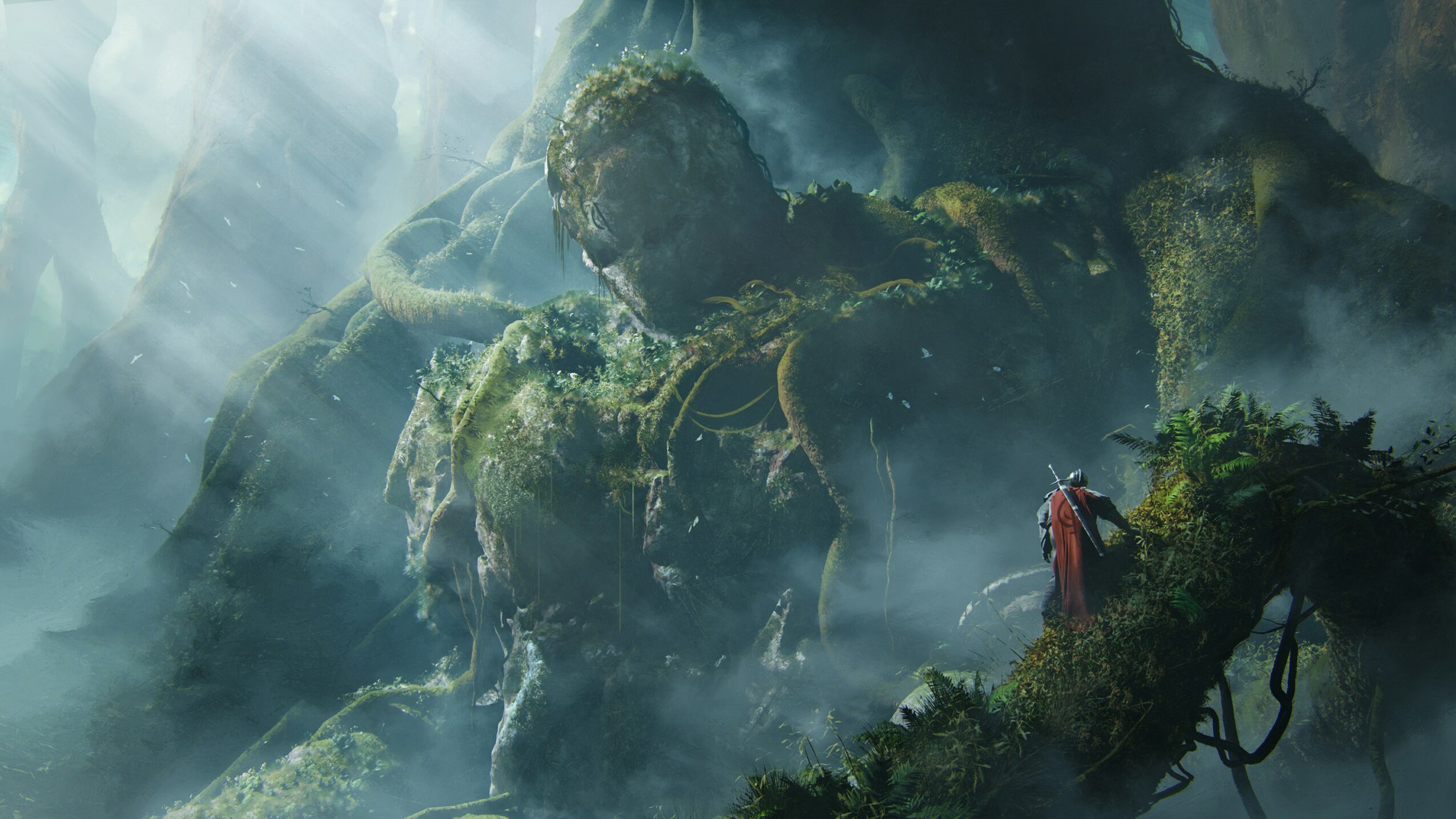
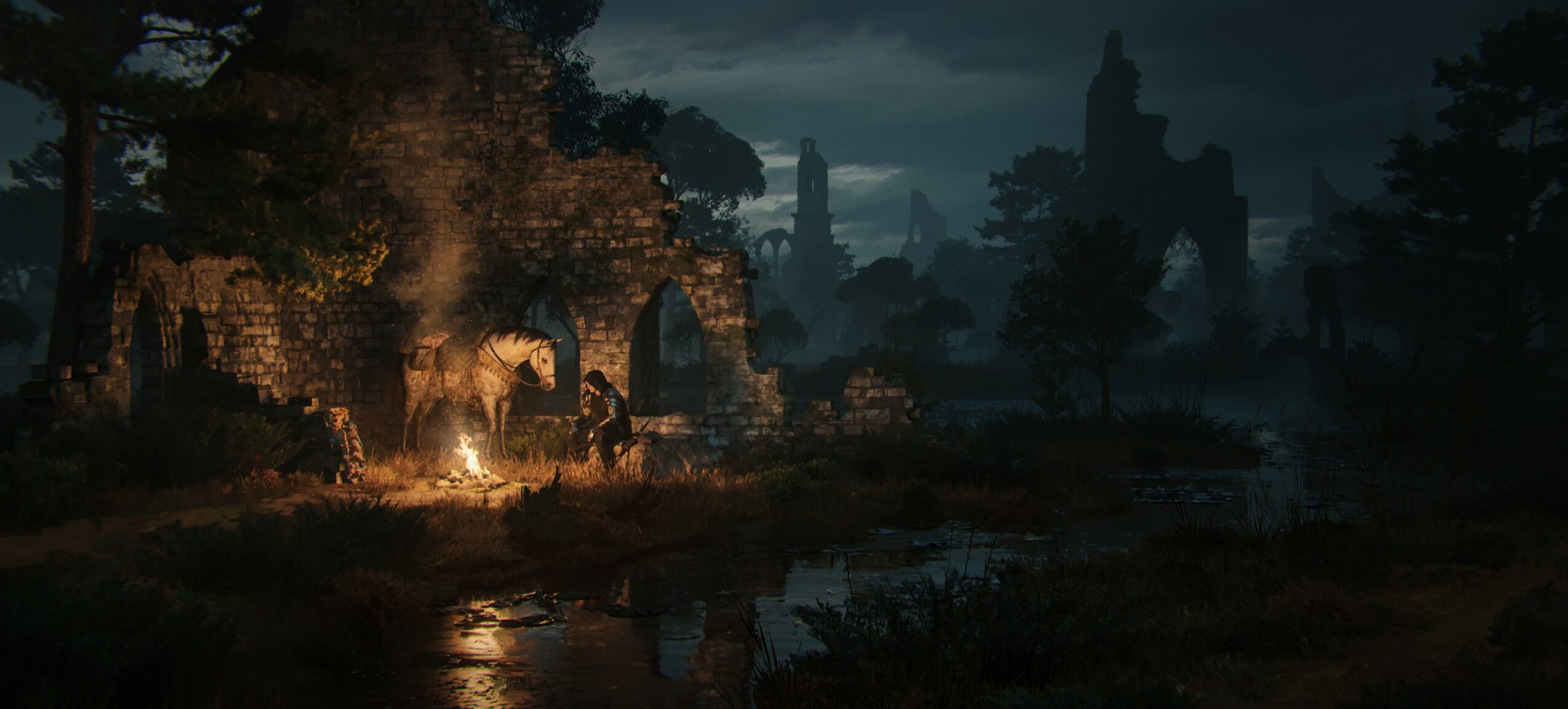
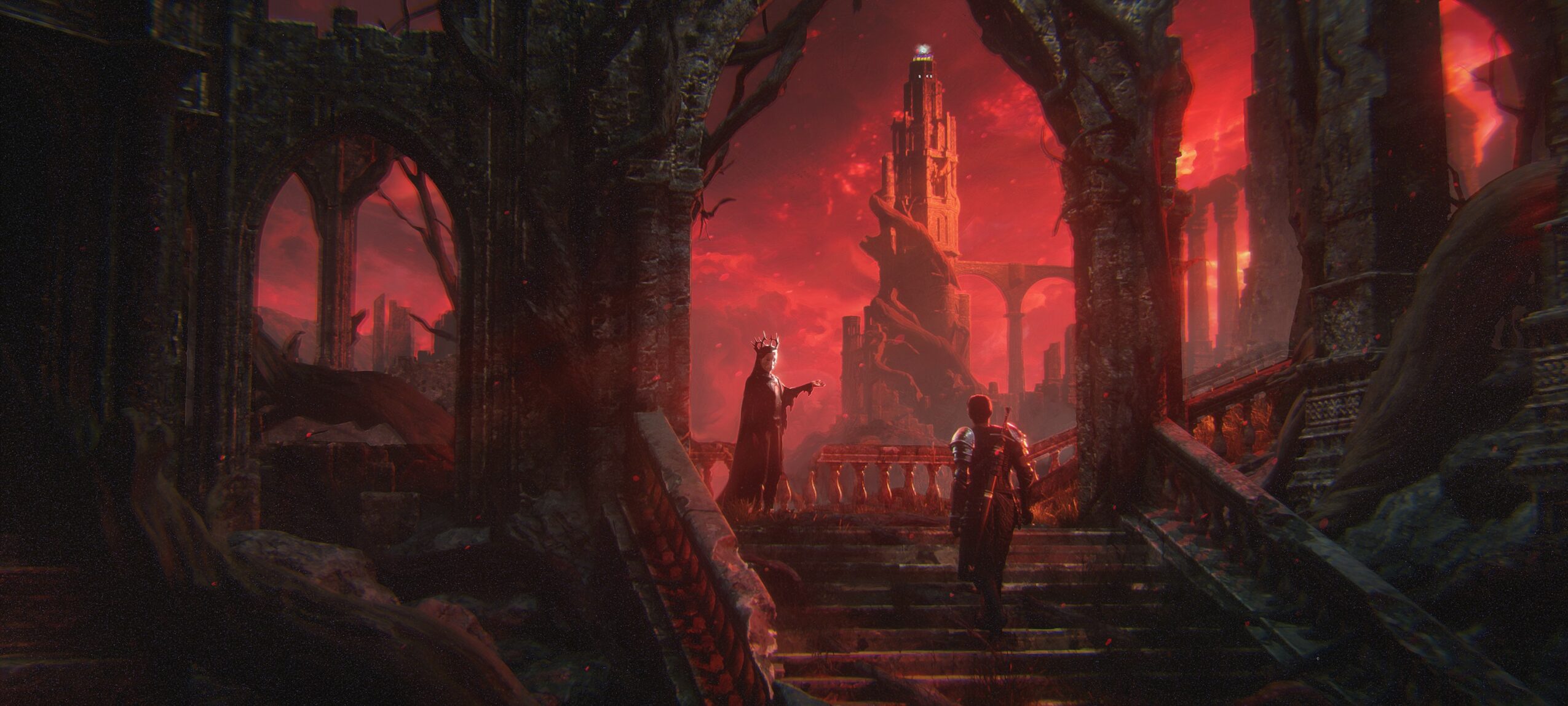
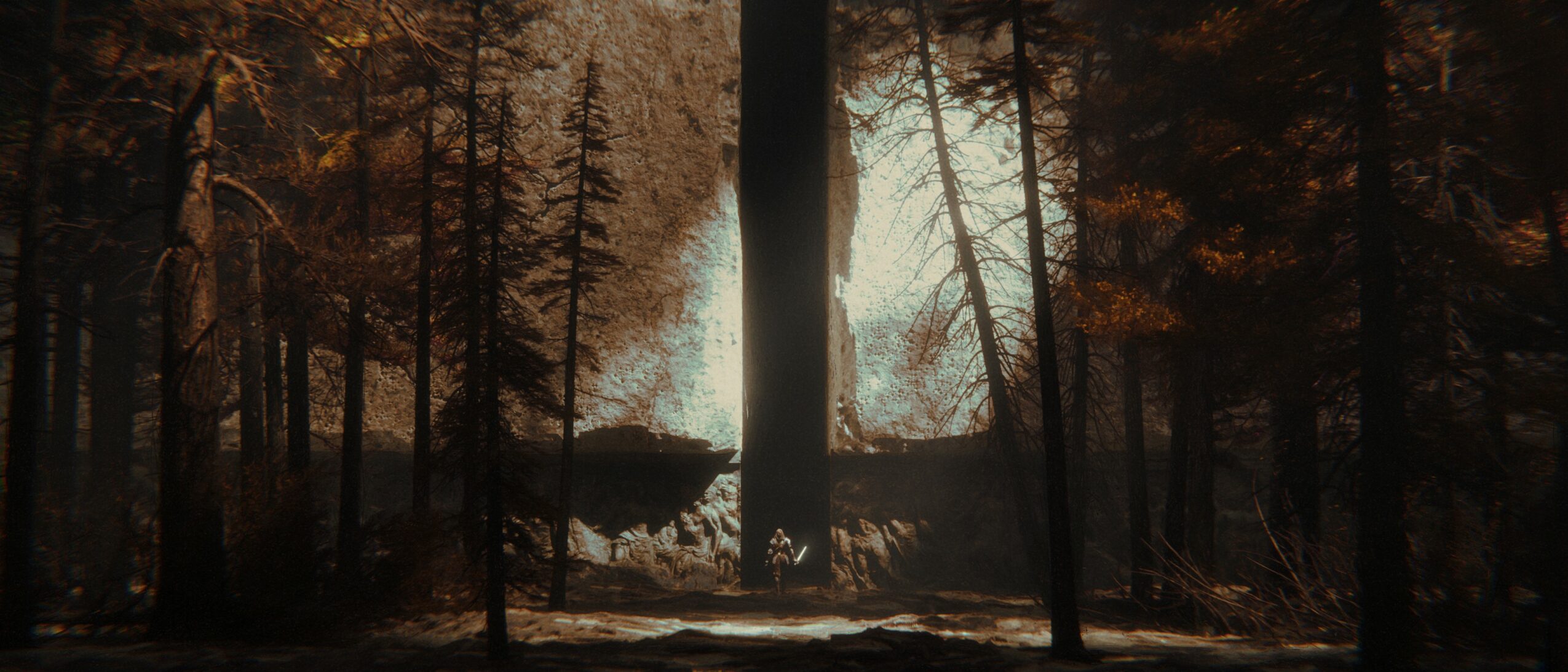
Image Credits
All artwork and images by Eric Hallquist
Popular
-

Portraits of the Valley
-

LA’s Most Inspiring Stories
-

Robin Olive on Building an Inclusive Performing Arts Movement and Expanding Opportunities for Every Student
-

Que Johnson on Building Brands That Last: From Visibility to True Market Authority
-

Christina Wren Steps Into the Director’s Chair to Tell Stories That Feel Like Home
-
JordanL on ‘Breathe,’ Belief, and Building a Movement Beyond the Music


