





Today we’d like to introduce you to Eliana Lev.
Hi Eliana, so excited to have you on the platform. So before we get into questions about your work-life, maybe you can bring our readers up to speed on your story and how you got to where you are today?
Early in my clinical training, I was struck by a recurring pattern. Many of the people I worked with were insightful, articulate, and deeply self-aware, yet they remained stuck in the same emotional and relational cycles. They could explain their histories and name their patterns with impressive clarity, but that understanding alone rarely translated into meaningful change. That tension led me to become curious about what else was at play beneath insight. Learning about the role of the nervous system, unconscious defenses, and relational dynamics that operate outside of conscious awareness changed the game for me. My work has grown out of that curiosity and a commitment to helping people access change on an emotional and experiential level, rather than intellect alone.
Alright, so let’s dig a little deeper into the story – has it been an easy path overall and if not, what were the challenges you’ve had to overcome?
It hasn’t been a smooth road, and many of the challenges emerged early in my clinical training. I felt a strong pressure to do therapy “correctly,” which led me to rely heavily on theory and technique as a way of managing uncertainty. Over time, I had to learn to tolerate not knowing and to trust my clinical intuition and the information I was picking up in my own body during sessions. Noticing tension, shifts in emotion, or a sense of distance or closeness helped me understand what was happening beyond the words being spoken. That shift toward a more embodied and relational way of working was challenging, but it ultimately allowed me to respond with greater precision and authenticity, and it remains central to how I practice today.
Great, so let’s talk business. Can you tell our readers more about what you do and what you think sets you apart from others?
My work focuses on helping patients who struggle with anxiety, chronic self-criticism, emotional disconnection, and low self-worth, often in the context of high achievement and external success. Many of the patients I work with are highly self-aware yet find themselves repeating painful relational patterns, engaging in people-pleasing or perfectionism, struggling with boundaries, or feeling disconnected from their emotional and bodily experience. I often work with patients who have not felt fully helped by prior therapy and are seeking a more direct and engaged approach.
I practice from a psychoanalytic and relational perspective, with close attention to unconscious dynamics, attachment patterns, and the ways the nervous system shapes emotional experience and behavior. In addition to traditional talk therapy, I specialize in Ketamine-Assisted Psychotherapy when clinically appropriate, particularly with patients for whom insight alone has not led to meaningful or lasting change.
What I’m most proud of is building a practice that prioritizes identifying entrenched patterns as they unfold in the therapeutic relationship and helping patients engage emotional experiences they’ve often learned to manage, avoid, or intellectualize, rather than feel.
Where we are in life is often partly because of others. Who/what else deserves credit for how your story turned out?
I’ve been shaped by a number of supervisors and mentors who played a central role in helping me develop my clinical voice. Claudia Feldman, Michele Gomes, Sidonie Freeman, and Scott Shapiro were instrumental in teaching me how to think psychodynamically and work relationally with patients. Their guidance helped me develop technical skill while also learning to trust myself in the room and work more personally and relationally with patients.
My own psychoanalysis has also been one of my most important teachers. Being in the patient role required me to face my own fears around dependency, inadequacy, and rejection, and gave me a lived understanding of what it takes to stay engaged in difficult emotional terrain over time. That experience continues to inform my work and my respect for the therapeutic relationship.
I’ve also learned a great deal from my patients. Early in my career, I put significant pressure on myself to perform and avoid mistakes. Over time, my patients helped me recognize that my best work happens when I trust my clinical intuition, remain present, and engage honestly with what is unfolding in the room.
Pricing:
- Individual- $250
Contact Info:
- Website: https://www.elianalev.com/

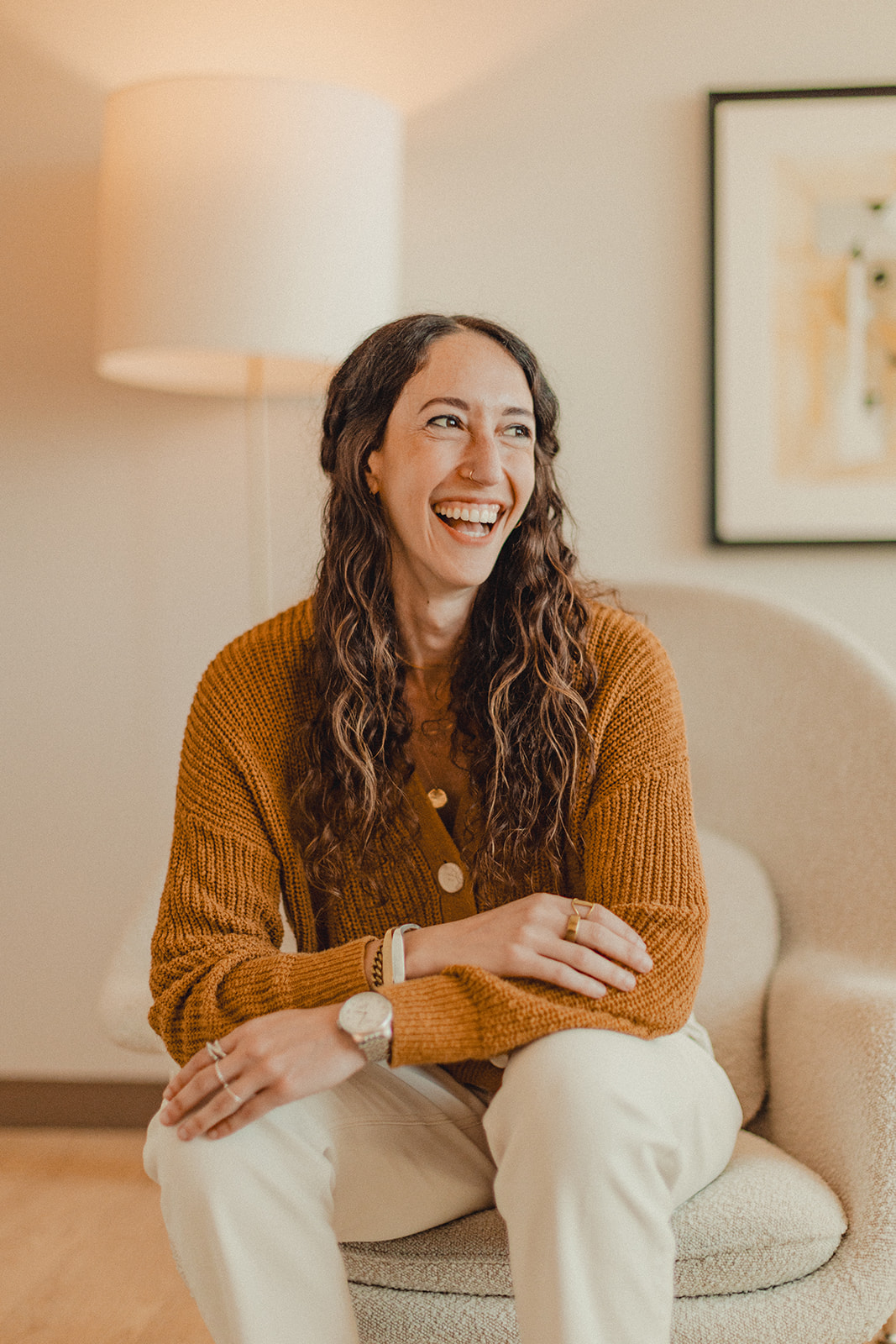
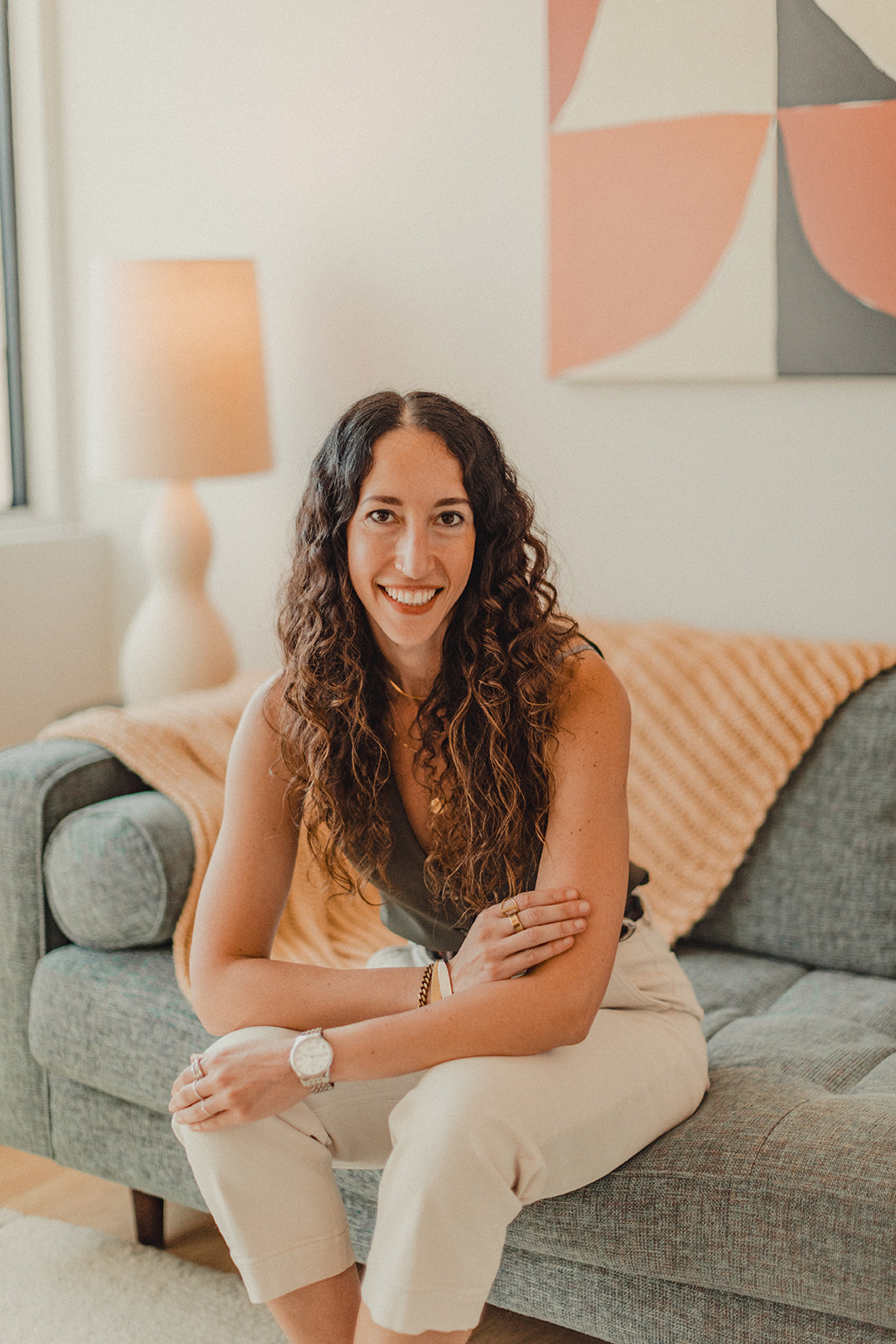

Image Credits
Peter Amend
Popular
-

LA’s Most Inspiring Stories
-

Portraits of the Valley
-

Rick Norris Learned That Building a Successful Business Means Building a Life You Actually Want to Live
-

How Olivia Rush Turned Survival Into a Mission to Help Others Keep Going
-

How Bibi Goldstein Is Helping Entrepreneurs Reclaim Their Time by Embracing the Power of Delegation
-

Victoria Hasson is Redefining Voice Coaching Through Community and Collaboration


