




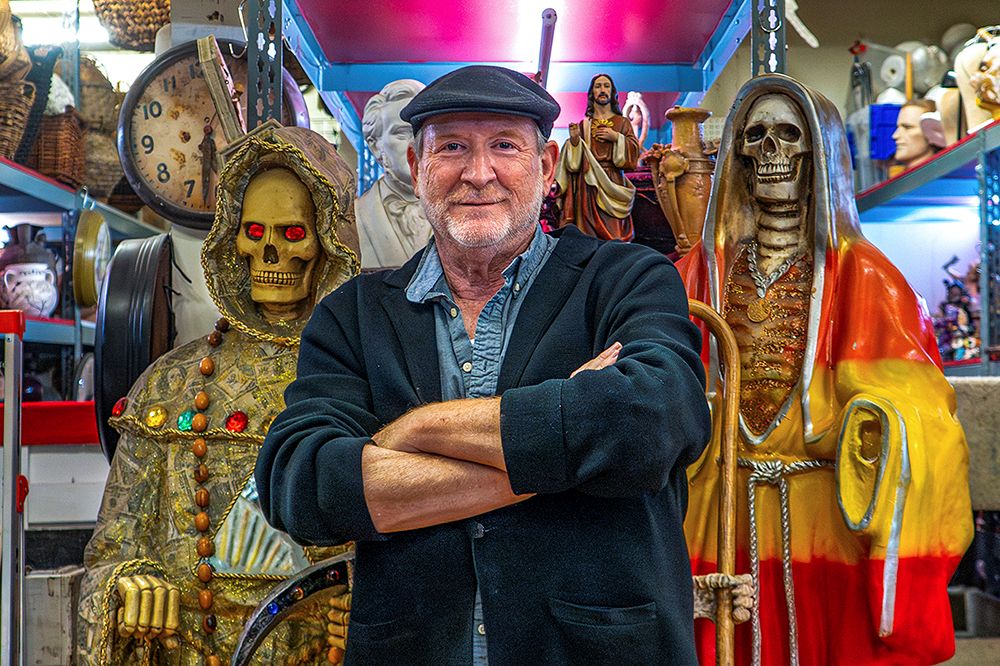
Today we’d like to introduce you to Edward L. Rubin.
Alright, so thank you so much for sharing your story and insight with our readers. To kick things off, can you tell us a bit about how you got started?
Accepting myself as an artist was a long and bumpy road. I came from a family that appreciated art and creativity but did not accept and value it as an actual profession. Consequently, I felt that being an artist was not only impossible, but wrong. Instead of studying art in college – which I would have loved – I went to architecture school at U C Berkeley, and then got a Masters of Fine Art Degree in Set and Costume Design from Carnegie-Mellon University. After graduate school, I moved to New York City and apprenticed with theatre set designers, then moved back to Los Angeles and began working as an Art Director and Production Designer for films and television. I did many, many shows, and won many awards (one Emmy Award win, six nominations) and, despite my success, I was deeply unhappy. Why? Because it wasn’t my art. I was working for other people, servicing their ideas, creating their products. Yes, I was very good at it. But was it fulfilling to me? No. Fortunately, when I wasn’t designing sets, I was painting, and over the years I developed a mastery of the pastel medium. I took photos of the people in my movies and I painted them. I took photos of California landscapes and painted them. I started entering painting competitions and won. One day, on a whim, I entered a photo competition with a shot I had actually forgotten about and I became, to my absolute astonishment, a finalist in Photographer’s Forum Magazine’s Annual Best of Photography 2010. I couldn’t believe it! I realized that I had an entire body of work as a photographer that I had only used as reference material for my paintings; I didn’t see my photos as valid works of art by themselves. Immediately, I turned away from painting and started photographing all kinds of subjects. It definitely took me a while to really accept myself as a photographer, perhaps because it was so unexpected, or maybe because I needed time to prove to myself that my images were worth doing. I really applied myself, and my interest and engagement with the medium became more and more passionately intense, and people started being genuinely moved by what I was doing. That’s when I knew I was on the right path. A lot of therapy really helped, too.
Can you tell our readers more about what you do and what you think sets you apart from others?
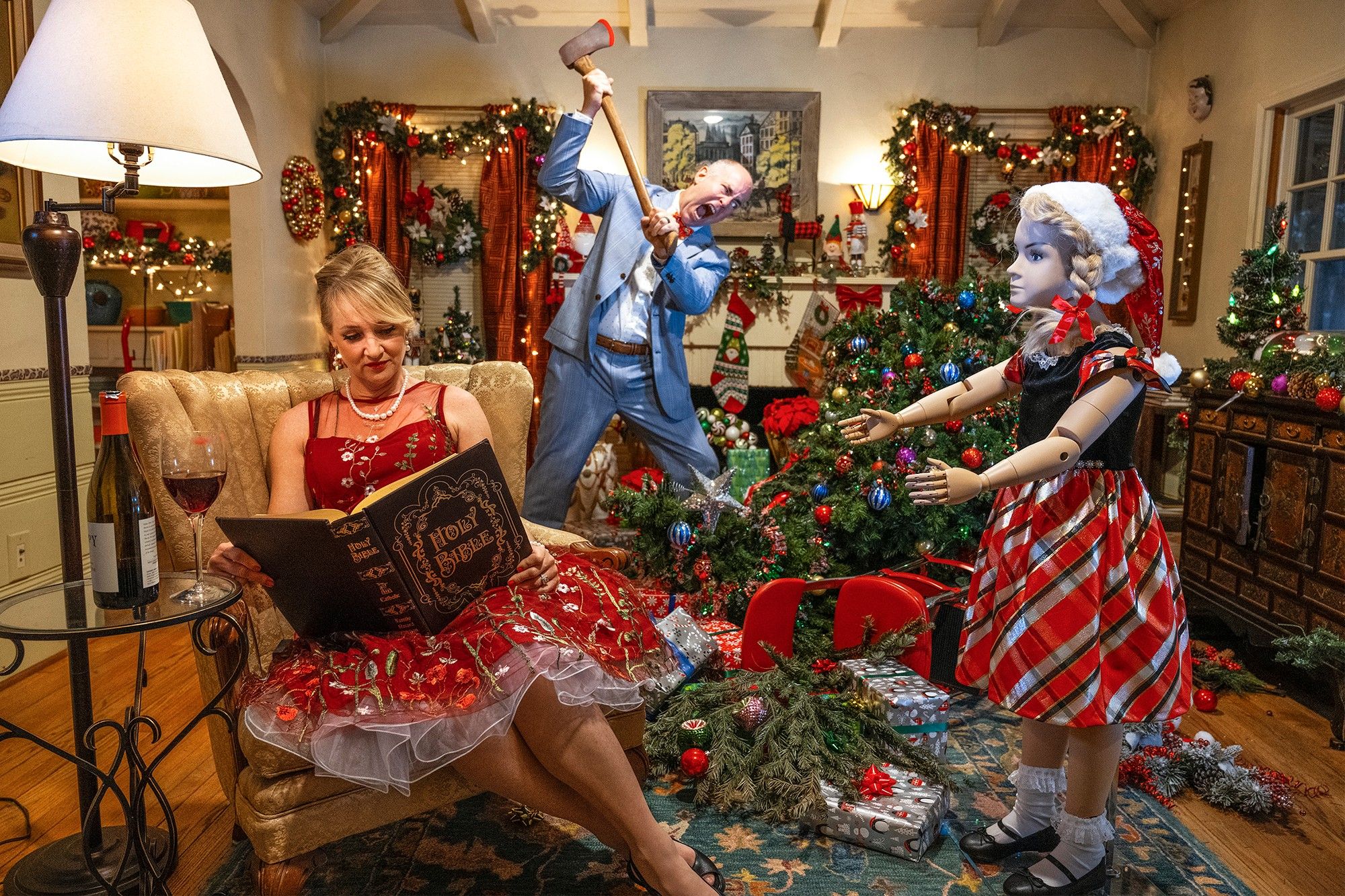
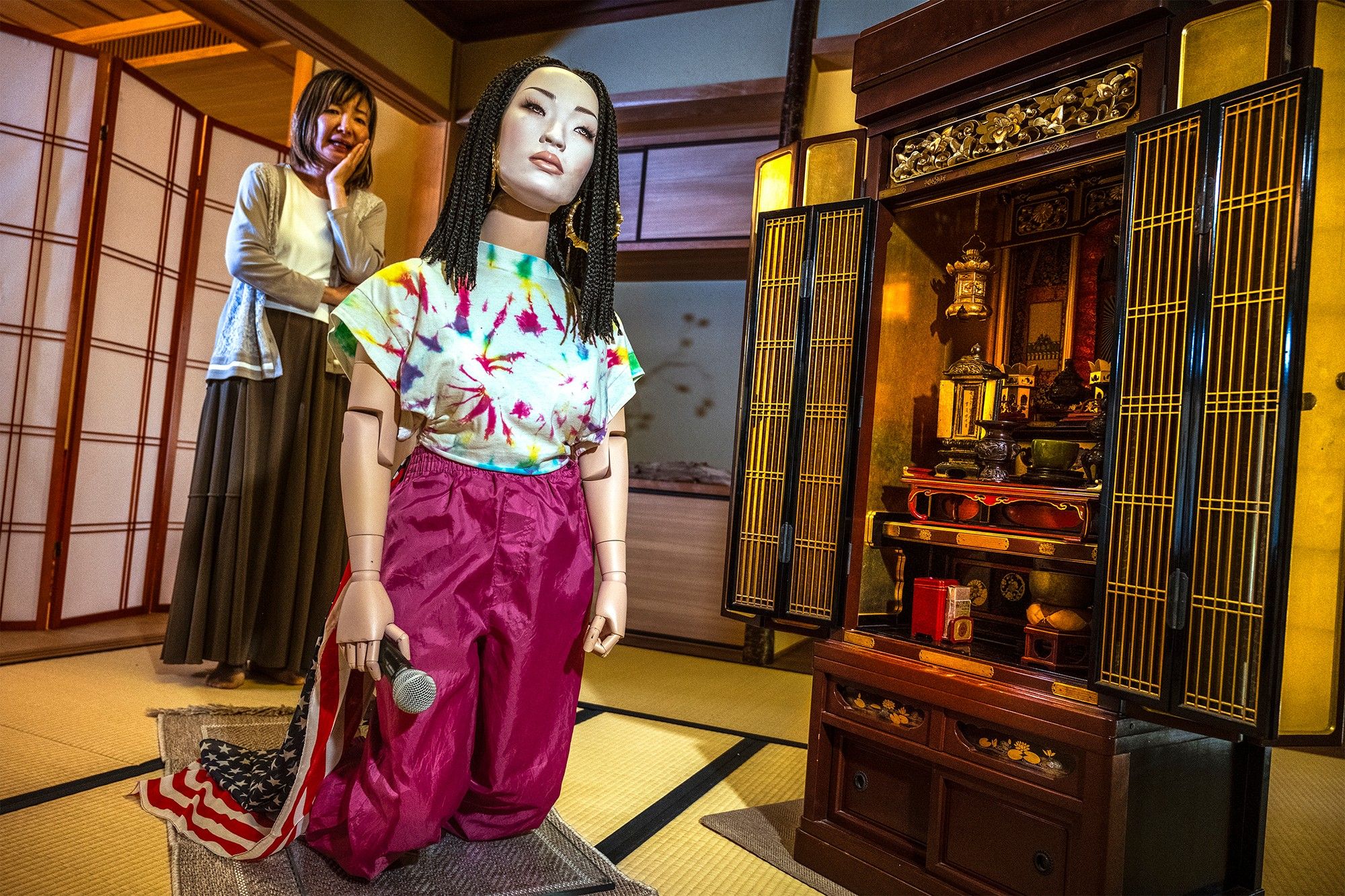
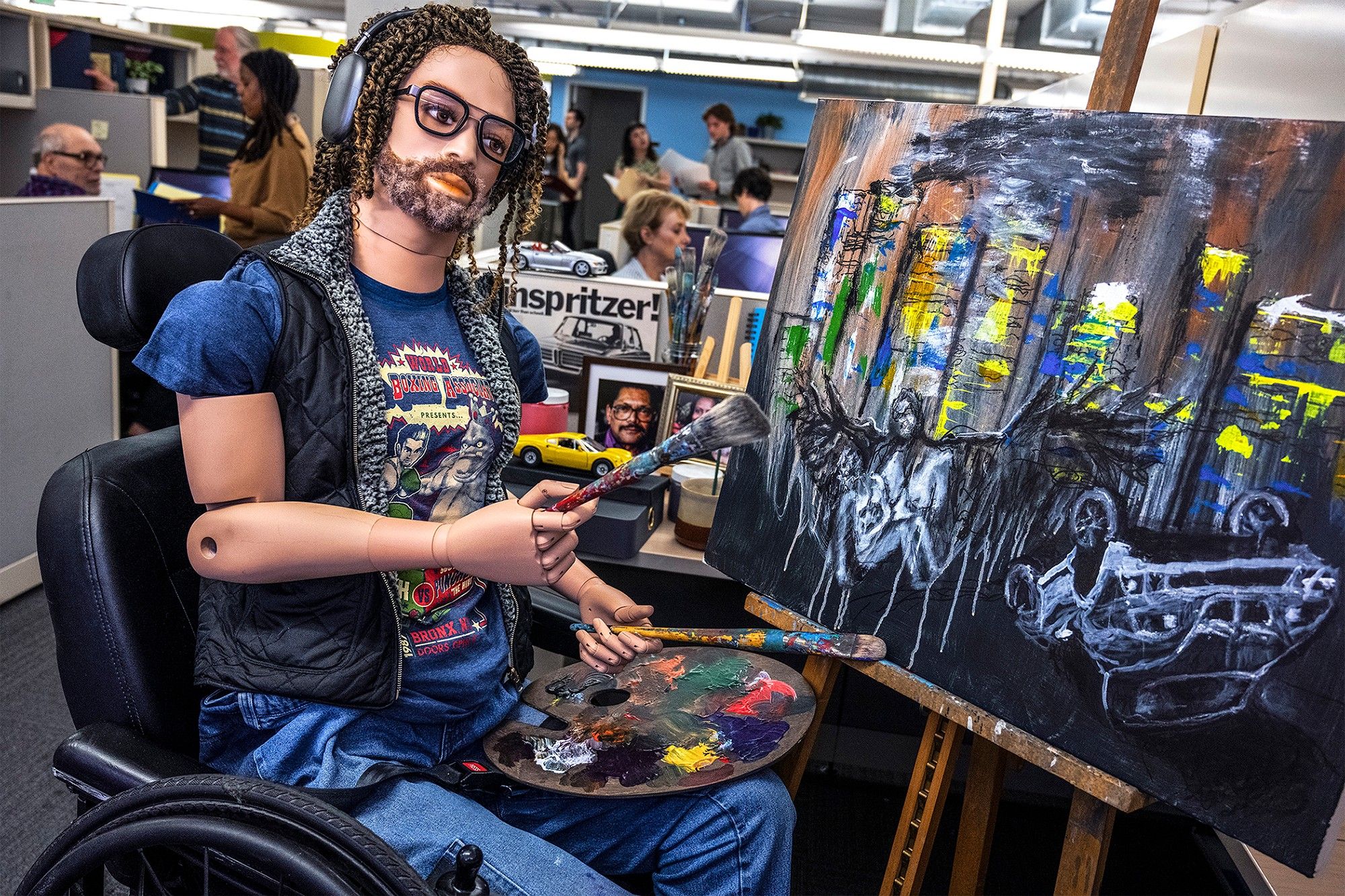
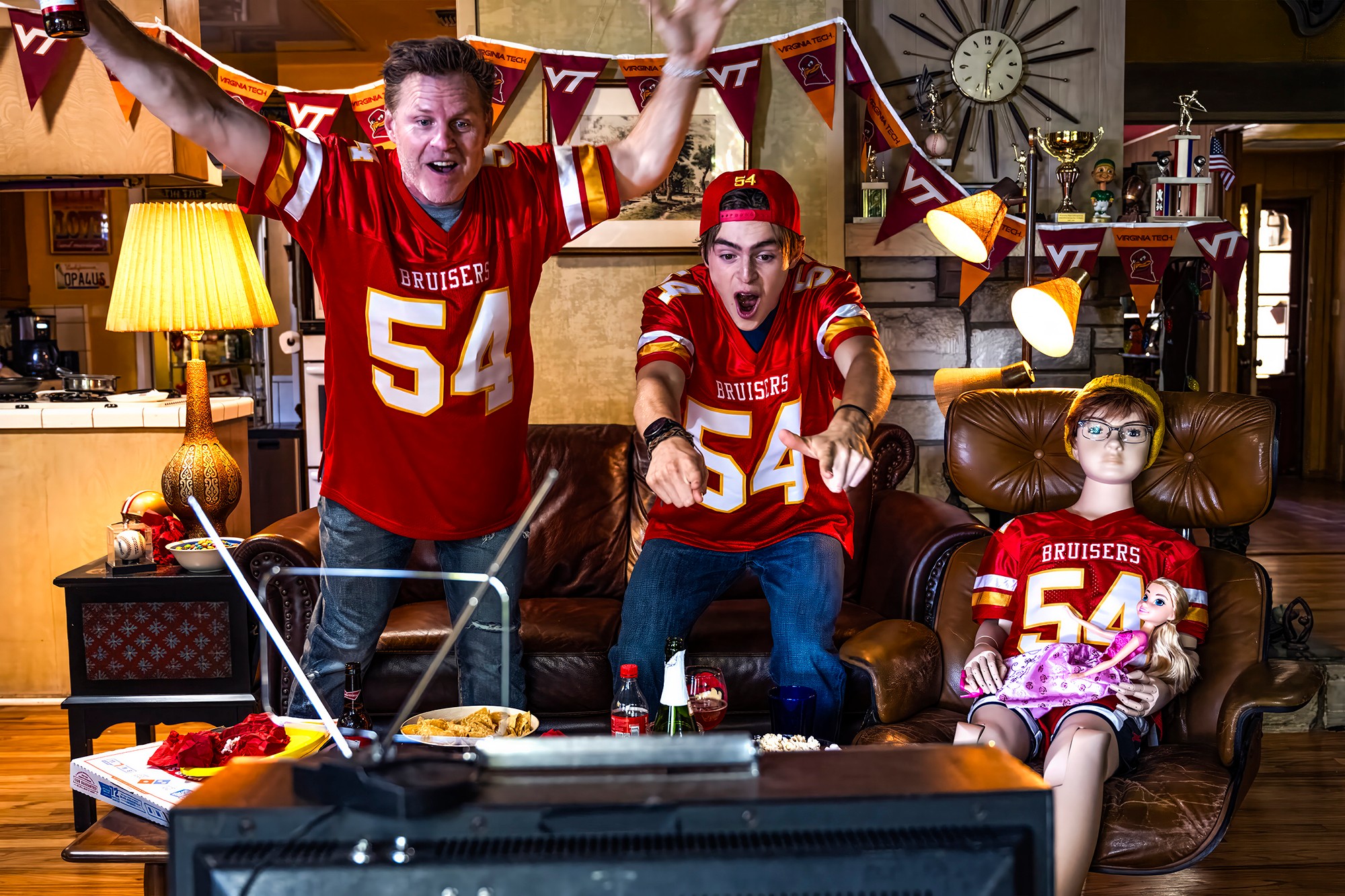
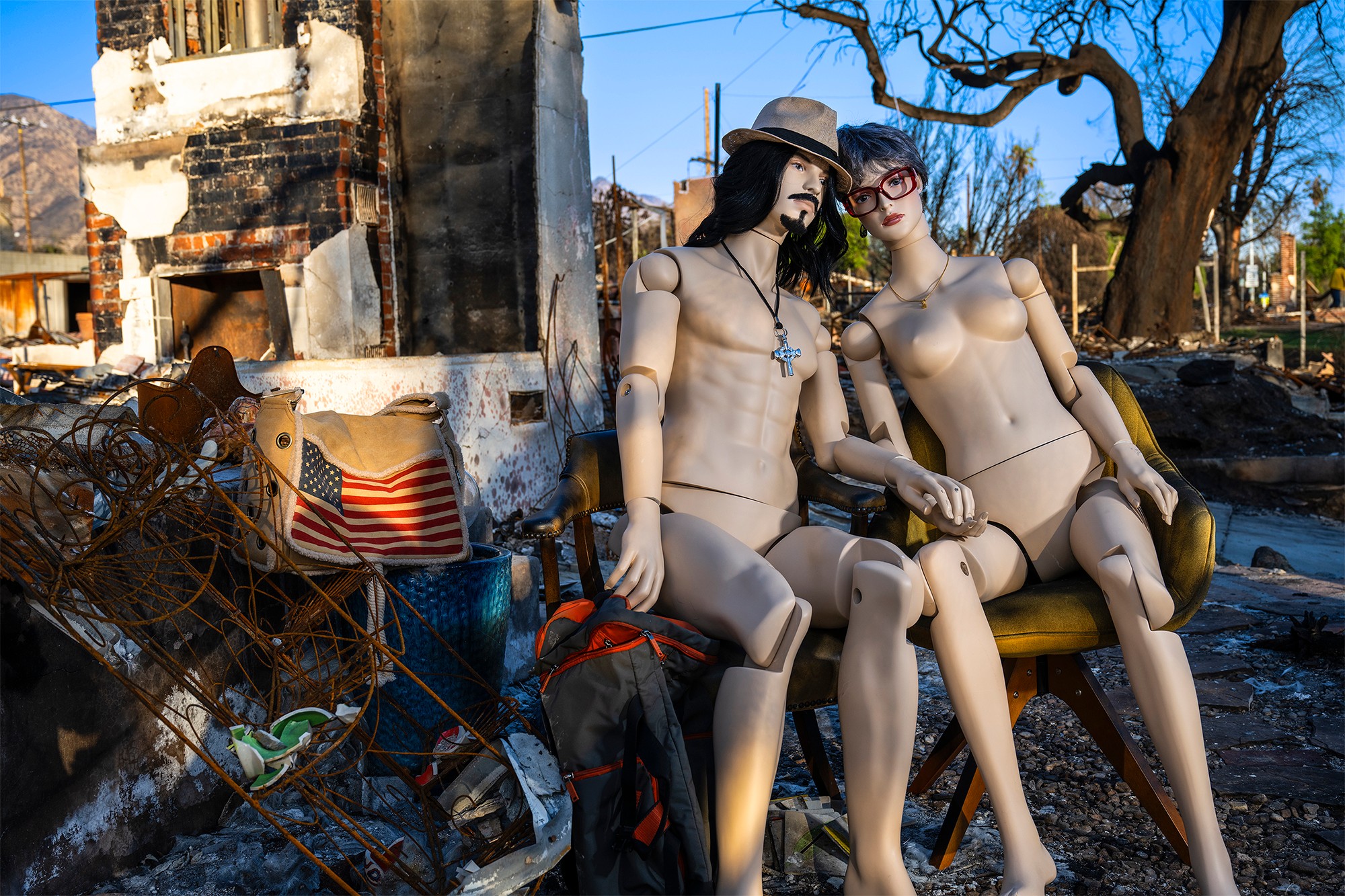
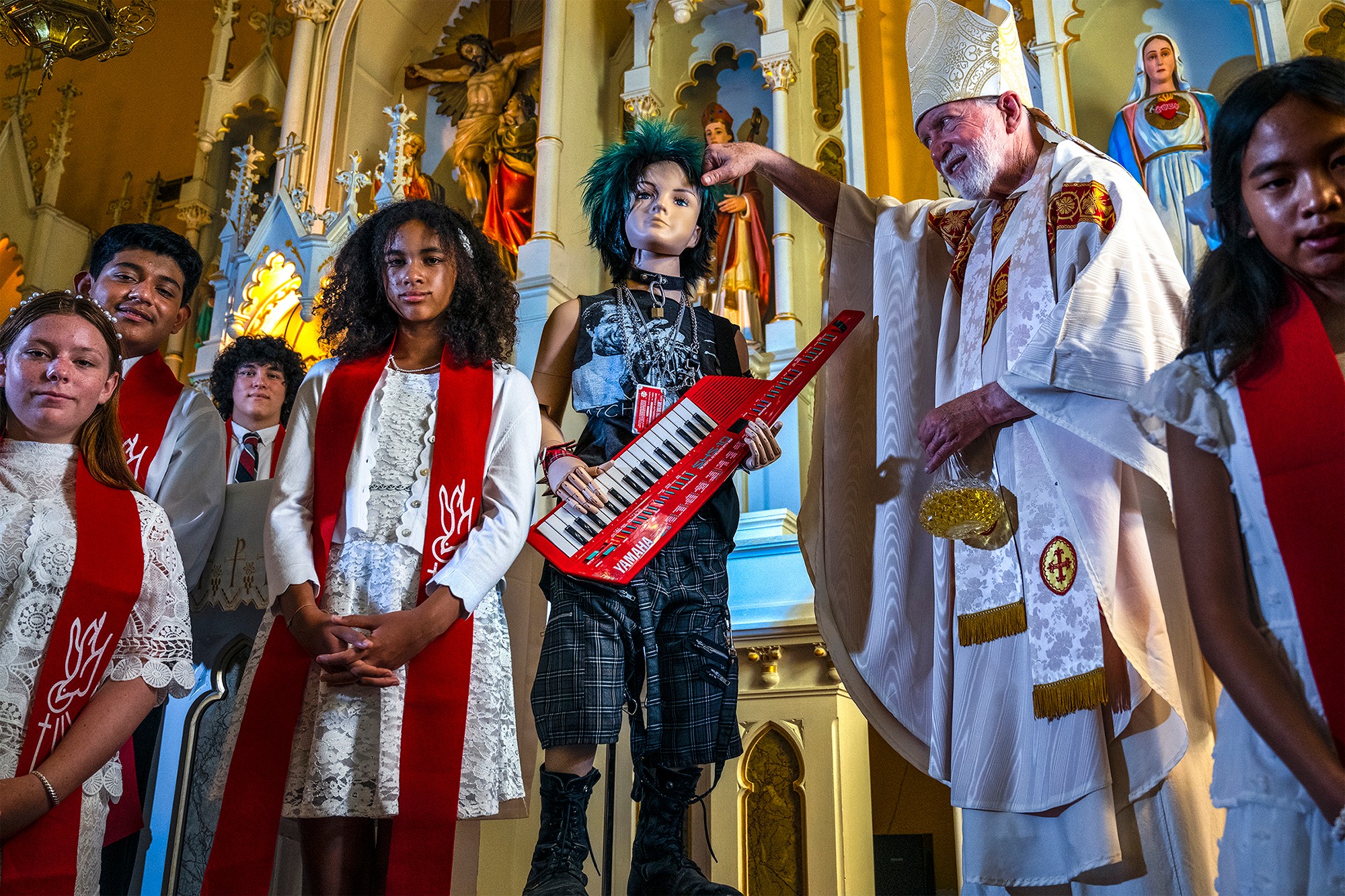
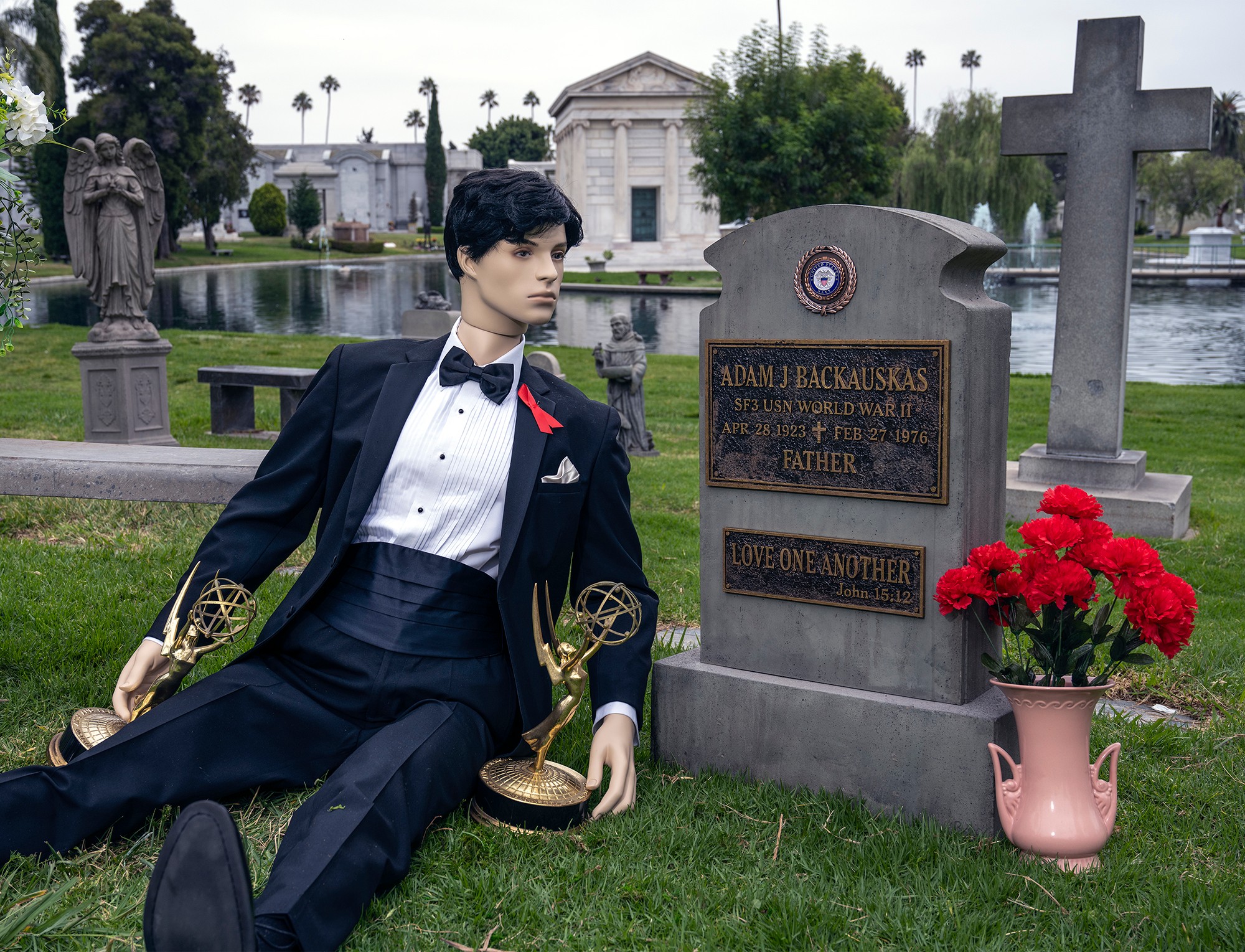
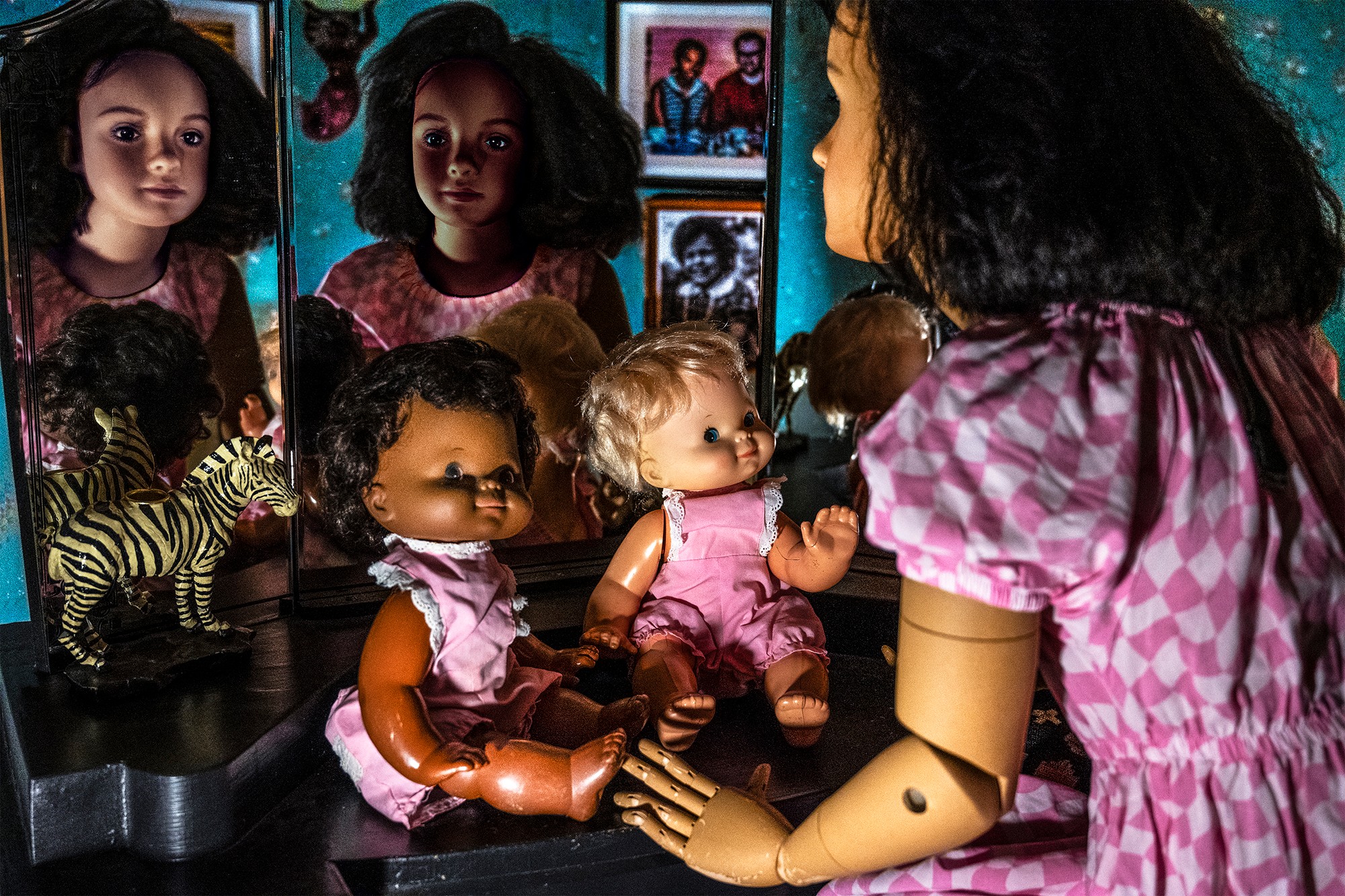
I have always been a storyteller, and the world is full of stories. It has been my passion to tell these stories, first through painting, then through sets and environments that I designed for film and television, and now through photography. The narrative portraits in the MY MANNEQUIN MOMENT series show the transcendent moment in a person’s life when they know, they really, really know, that they are not meant to be where they are, or be doing what they are doing, or that whatever they are involved with, or think, is neither for their highest good nor in their best interest; it does not reflect their authentic selves. We are born into belief systems that carve grooves in our heads about success, normalcy, power, sex, inferiority, superiority, race, class, masculinity, femininity, and beauty. At what point do we stop listening to the voices placed in our head and start listening to that one true Voice within us, our Sacred Self? That’s the “Mannequin Moment.” And why mannequins? Because they are abstracted idealizations of human beings that represent unattainable perfection. They are false dreams personified–literally. I use them as surrogates for my subjects in their decisive moment when they no longer fit in, when the veil is lifted; when they realize that they are the mannequin in their own life. How many of us have ever felt like that? Everyone. My design background in show business specifically enables me to create these images in a way that others, without this background, would be hard pressed to accomplish. I am the director, the set and costume designer, the cinematographer, property master, casting director and producer of each shot; this is my training in action. I intersect cinematic space with theatrical lighting, meticulous composition, symbolic props, and emotional nuance of color and hue in one photograph that contains a world, one photograph that tells us something profoundly important about someone in a particular situation, time, and place. They are my “mini movies,” and their creation is uniquely mine. However, my hope is that viewers recognize themselves in these portraits, see and feel their own struggles, knowing they are not alone. And, in this knowing, they are empowered to step into their own greater, beautiful, authentic unfolding.
We all have a different way of looking at and defining success. How do you define success?
All of the different avenues I have taken are now conflating in my current body of work, MY MANNEQUIN MOMENT. I wish I could say that I knew this would happen, but I didn’t. I was planting seeds along the way, sometimes gracefully, sometimes less so, but – no matter what – I kept going. I would try something, learn from it and apply what I learned to the next project. I still do that. Why? Because everything builds on itself, everything contributes, and that’s how art happens. That’s success. And anyway, there is no such thing as “failure.” There is only experimentation. I love my work, and that is essential for success as an artist. Loving my work means I value what I create and that I respect and honor the process of creating it. Loving my work means it is worth doing, and that this particular expression is mine, and mine only, to do. I claim it and I dedicate my life to it. It is my total passion, and it, in turn, permeates and guides every aspect of my life, every day. I breathe art in, and I breathe art out. I love knowing that.
Pricing:
- Pricing for fine art tends to be highly individualized. Each piece varies based on size, medium, production process, editioning, and the professional presentation required—such as framing, matting, printing, and archival materials. Because of this, I prefer to discuss pricing directly with collectors so I can guide them toward the work that best fits their aesthetic and their budget.
Contact Info:
- Website: www.edwardlrubin.com
- Instagram: @edwardlrubinphoto
- Facebook: https://www.facebook.com/edward.l.rubin.2025
- Other: I can be contacted by email at ed@edwardlrubin.com, or through my agent: Mateja (Mattie) Lavelle Curator & Co. — Founder + Creative Director hello@curatorandco.net 213.279.8098 www.curatorandco.net
Popular
-
Robin Olive on Building an Inclusive Performing Arts Movement and Expanding Opportunities for Every Student
-

Portraits of the Valley
-

LA’s Most Inspiring Stories
-

Que Johnson on Building Brands That Last: From Visibility to True Market Authority
-

Christina Wren Steps Into the Director’s Chair to Tell Stories That Feel Like Home
-
JordanL on ‘Breathe,’ Belief, and Building a Movement Beyond the Music


