




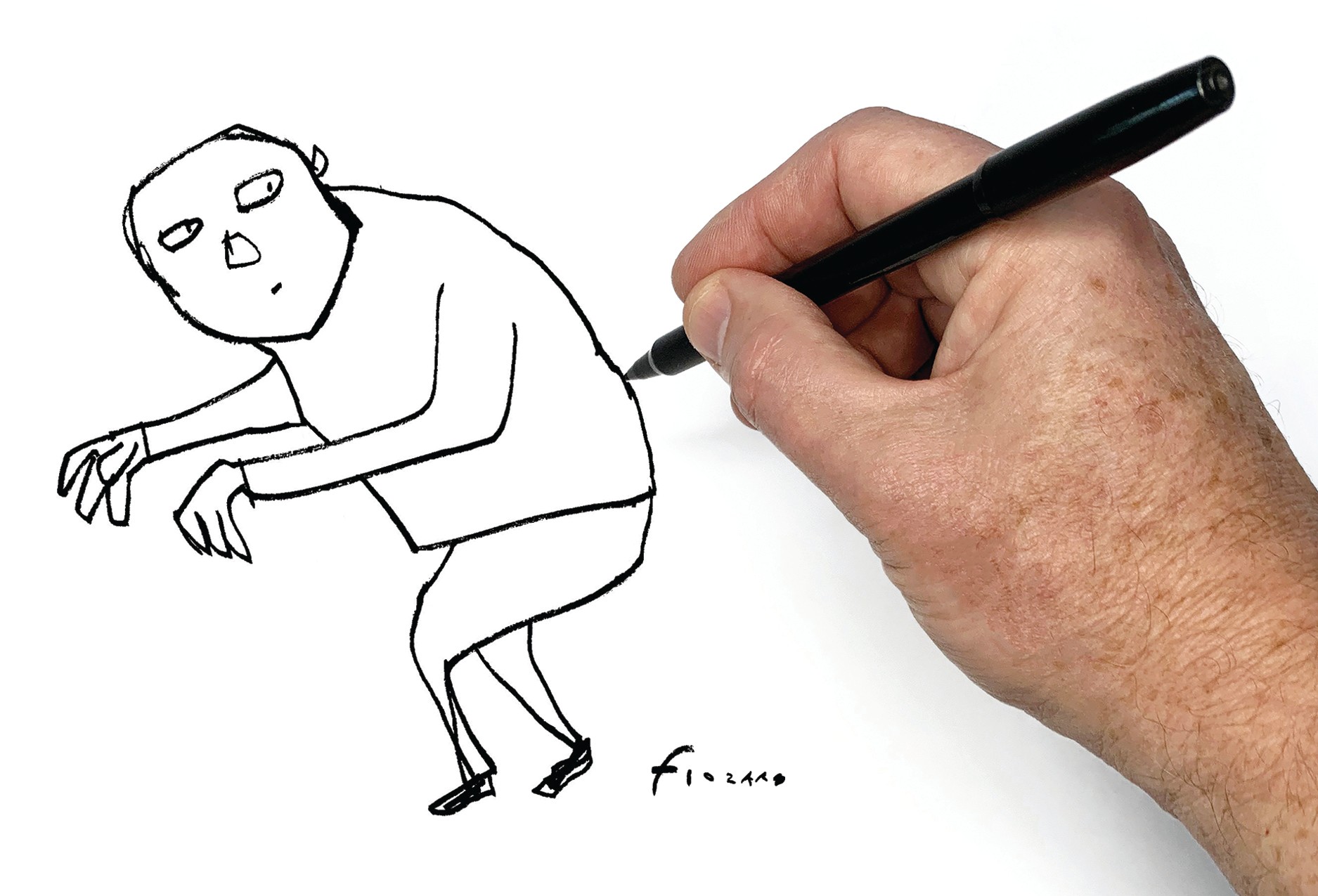
Today we’d like to introduce you to Darrell Fusaro.
Hi Darrell , please kick things off for us with an introduction to yourself and your story.
Recently, at a Los Angeles Public Library, a teenager in a flat-bill Dodgers cap sat across from me at a folding table covered in old magazines, scissors, and glue sticks and said, “I’ve got nothing to say.”
Forty-five minutes later, he was holding a finished story in his hands—something he had written and illustrated himself. That moment is basically my work now.
None of it was a straight line. I’ve built miniature effects for the film “Con Air,” exhibited alongside Andy Warhol, and worked as a producer on CNN’s Emmy-nominated “Local Edition.” Before that, I was in the U.S. Coast Guard, where I was fortunate to be recognized for helping build relationships between military and civilian law enforcement.
On paper, it doesn’t look like one path. It barely looks like the same person.
But the real turning point wasn’t any of that. It was a moment when a U.S. Marine Corps Gunnery Sergeant looked me in the eye and told me, very directly, that I was a phony. It hit hard—but it was also a relief. It forced me to stop leaning on old stories and start paying attention to what actually felt true.
That shift led me toward the work I do now—writing, creating, and teaching in places like public libraries, where I’ve seen how quickly people change once they realize they actually do have something to say. Most people have something to say—they just haven’t given themselves permission to say it yet.
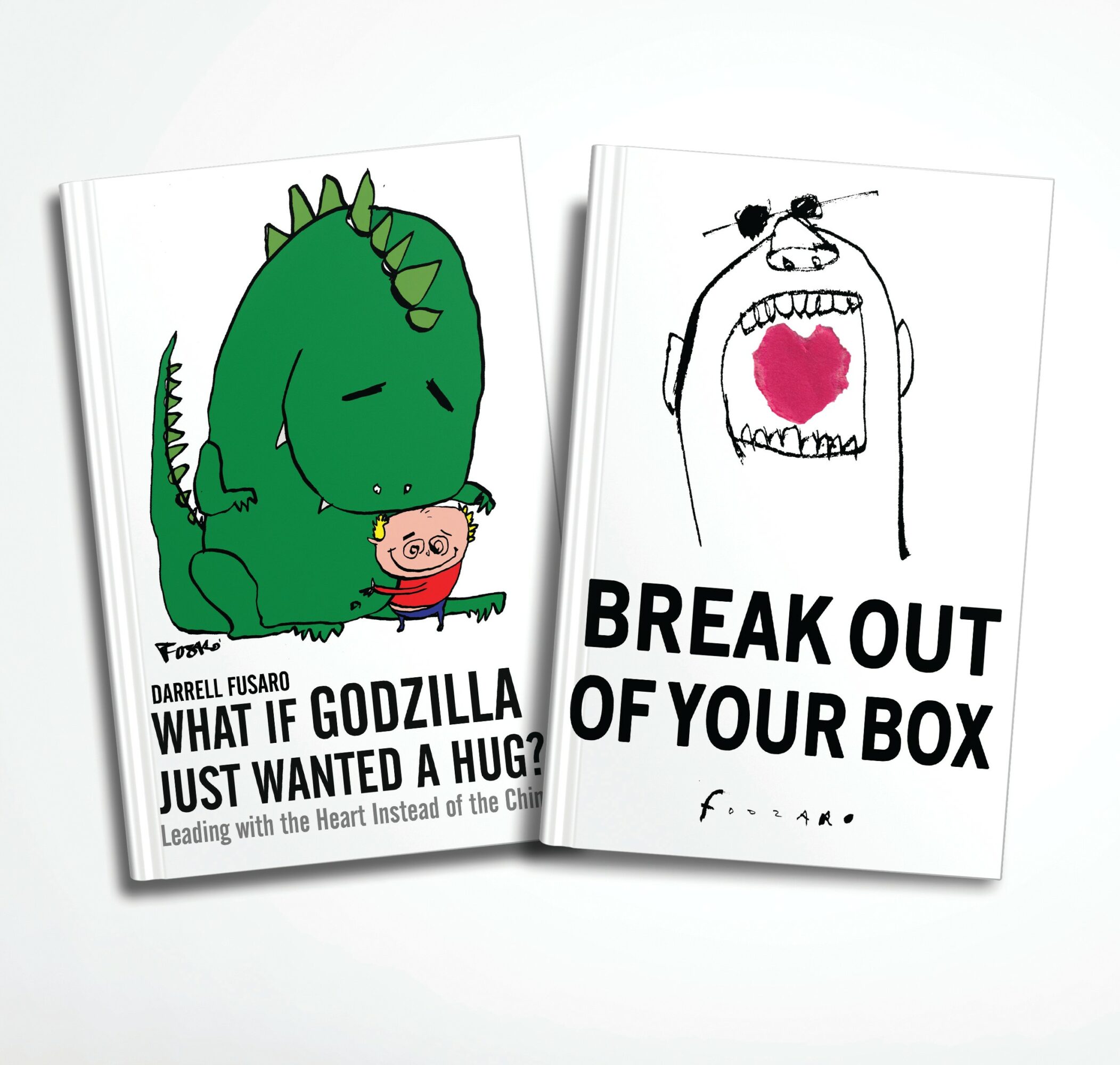
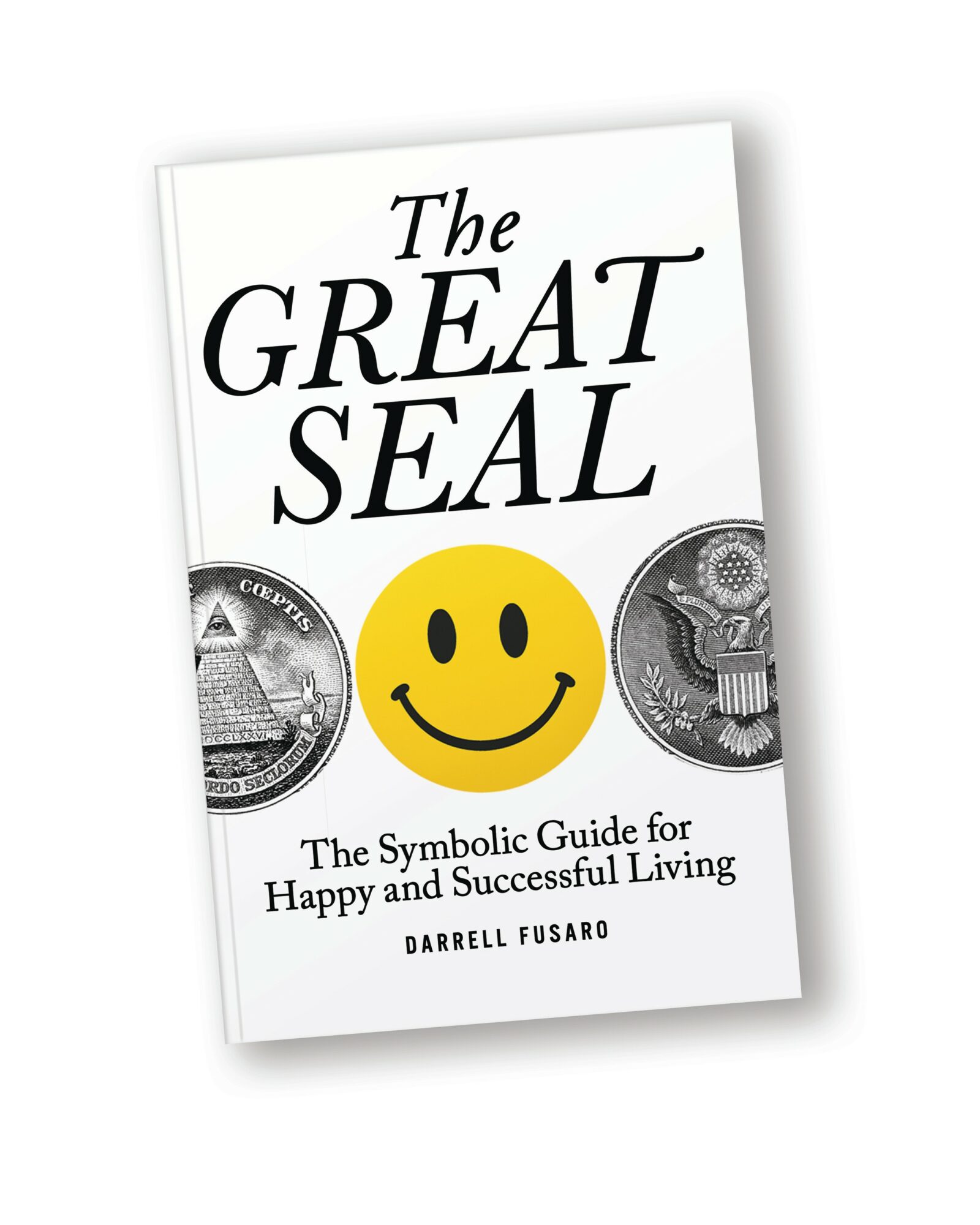
That same realization led me to create the books “What if Godzilla Just Wanted a Hug?” and the recently released “The Great Seal: The Symbolic Guide for Happy and Successful Living.” With “The Great Seal,” I was fascinated by how one of the most meaningful symbols in American history has been sitting in plain sight—on the back of the one-dollar bill—yet most of us have never really looked at it.
Whether it’s through a workshop, a book, or a conversation, my work now is about helping people recognize that sense of meaning and authorship in their own lives. Because once someone sees it, they don’t go back to seeing things the same way.
Can you talk to us a bit about the challenges and lessons you’ve learned along the way. Looking back would you say it’s been easy or smooth in retrospect?
It hasn’t been a smooth road—and looking back, I wouldn’t want it to be.
The biggest challenge wasn’t a lack of opportunity—it was figuring out what was actually mine to pursue. I’ve moved through very different worlds—military, film, art, media—and for a long time, it was easy to adapt to what was expected instead of asking what felt true.
There were periods where things looked like they were working from the outside, but internally it felt off. Nothing obvious to fix—you just know something isn’t aligned.
The hardest part wasn’t doing the work—it was trusting that it counted. Especially when the path didn’t look conventional. And I’ve found that if something keeps returning to your attention, it’s usually not random—it’s pointing somewhere.
A book about the deeper meaning of the Great Seal, or teaching creativity through zine-making in a public library—those aren’t obvious choices. But the more honest and specific the work is, the more it connects. Most of the real progress came from learning to trust that, even without a clear roadmap.
Alright, so let’s switch gears a bit and talk business. What should we know about your work?
At a basic level, I’m an artist and author—but more than that, I’m interested in the moment something clicks for someone. The moment they see something differently and realize they’re not stuck.
Most of my work lives in that space. Whether it’s a book, a workshop, or a conversation, I tend to take ideas that feel abstract or distant and make them simple and usable.
A good example is “The Great Seal: The Symbolic Guide for Happy and Successful Living.” It grew out of a simple observation: one of the most meaningful symbols in American history has been sitting in plain sight—on the back of the one-dollar bill—yet most people have never really looked at it. I’m less interested in the symbol itself than in what happens when someone sees it clearly and begins applying its deeper meaning in their own life..
The same thing carries into the workshops I lead—whether it’s visual art, trusting intuition, or journaling. In one setting, someone learns to trust a creative nudge they would have normally second-guessed. In another, they write something that brings unexpected clarity.
The form changes, but the shift is the same. And once someone experiences that shift—even in a small way—they tend to trust it a little more the next time.
If there’s something that sets my work apart, it’s probably that combination of creativity and practicality. I’m not trying to impress people with ideas—I’m trying to make them usable.
What I’m most proud of isn’t any one project. It’s those moments where someone recognizes their own voice or direction a little more clearly than they did before. That tends to stay with them—and that feels like it counts.
If we knew you growing up, how would we have described you?
Growing up, I was observant—especially when it came to people. More of a watcher than someone trying to be the center of attention. I was always noticing small things: how people acted, how situations played out, the little details most people seemed to move past.
I had a strong imagination, but I didn’t always have a clear outlet for it. So it showed up in different ways—drawing, building things, coming up with ideas that didn’t necessarily fit anywhere at the time. Looking back, it makes a lot more sense now than it did then.
There was also a period where I leaned pretty heavily on my past to explain who I was. It gave me a kind of identity—but it also kept me stuck. At some point, I realized there’s a difference between understanding your story and using it as a reason not to move forward.
A lot of what I do now was already there—it just wasn’t organized yet. The curiosity, the creativity, the tendency to question things.
The difference now is that I trust my intuition more. And I’ve seen that when you pay attention to what naturally holds your attention, it usually leads somewhere useful—even if it doesn’t make sense right away.
Contact Info:
- Website: https://www.darrellfusaro.com
Popular
-

Portraits of the Valley
-

LA’s Most Inspiring Stories
-

Que Johnson on Building Brands That Last: From Visibility to True Market Authority
-

Christina Wren Steps Into the Director’s Chair to Tell Stories That Feel Like Home
-
JordanL on ‘Breathe,’ Belief, and Building a Movement Beyond the Music
-
Megan Birney Rudert on How Access to Light Is Powering a More Sustainable and Equitable Future


