




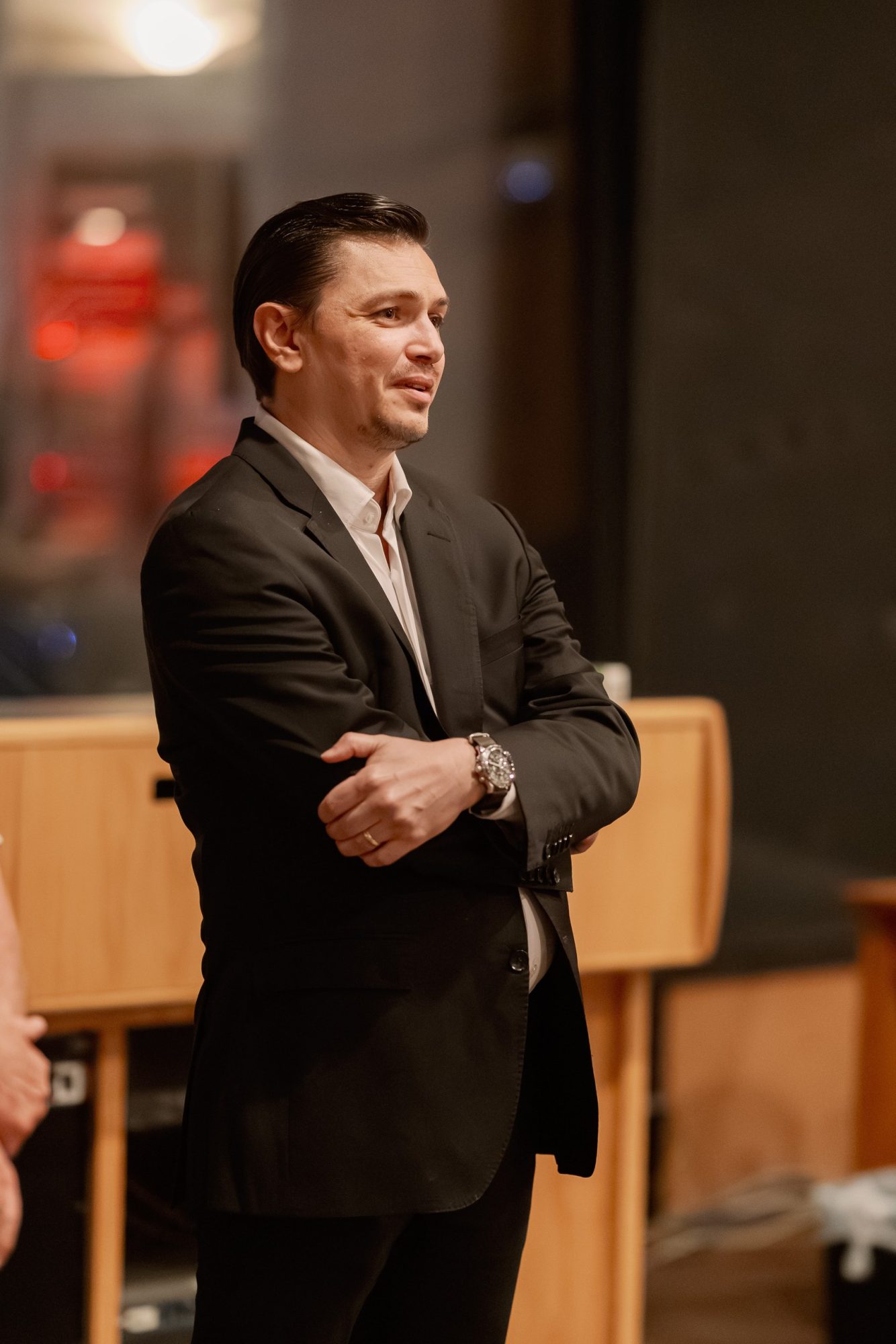
Today we’d like to introduce you to Charles-Henri Avelange.
Hi Charles-Henri , thanks for joining us today. We’d love for you to start by introducing yourself.
I arrived in the United States from the south of France in March 2005, and the first people who truly welcomed me were firefighters and their families. That connection changed the direction of my life as a composer.
In 2006 I released my first orchestral album, The Age of Heroes, dedicated to America’s first responders and veterans. Around that same time, during a day spent with a fire crew in Washington State, one of the firefighters showed me the words of The Fireman’s Prayer, written decades earlier by firefighter Alvin William “Smokey” Linn.
I read it and, almost immediately, I could hear the music. I knew it was meant to be an anthem. For the next 19 years, that piece stayed with me. Life continued; I built a career scoring film and television projects, I married, I moved to Los Angeles… but I never let go of the idea of bringing The Fireman’s Prayer fully to life.
After working with the Los Angeles Children’s Chorus on a project for the Make-A-Wish Foundation, by the end of 2024 The Fireman’s Prayer was making its way back as one of my top priority project. Shortly after, the devastating fires in Los Angeles in January 2025 hit us hard, and the need for this anthem felt more urgent than ever.
This year we finally began recording it. I partnered with The Los Angeles County Fire Museum Association and the California Fire Foundation as well as various other private donors. And in May we recorded the Los Angeles Master Chorale and the Los Angeles Children’s Chorus at Sony Pictures Studios, on the legendary Barbara Streisand Scoring Stage. In July we returned with a 90-piece Hollywood Scoring Orchestra all conducted under Grant Gershon.
The final session, with the California Professional Firefighters Pipes & Drums Corps, takes place later this month. What began as a private vow nearly two decades ago is now becoming a completed anthem to honor all firefighters. Over 180 of some of the best musicians in the world brought together to deliver the biggest thank-you ever made to the fire service.
In many ways, everything I’ve done as a composer has led me back to this project. It is both the longest journey of my career and the one that feels most necessary.
Can you talk to us a bit about the challenges and lessons you’ve learned along the way. Looking back would you say it’s been easy or smooth in retrospect?
It has not been a smooth road at all. For a long time, The Fireman’s Prayer existed only as a private promise I had made to myself and to the firefighters I had come to know. There were years when I wondered if it would ever move beyond my studio.
The practical challenges were significant. Bringing together a full adult choir, a children’s chorus, a large orchestra, and a professional pipes and drums corps is expensive and logistically complex. To me firefighters are some of the finest people our society has to offer, so I stubbornly wanted only the best musicians and facility to record this piece of music.
Finding the right partners, raising the funds, and earning the trust of major ensembles took time. There were moments when the project felt stalled, and I had to keep reminding myself why I had started it in the first place. There was also the personal weight of carrying something that mattered so much to other people. I knew how deeply the prayer resonates with firefighters and their families. That made the responsibility feel heavier.
I didn’t want to release anything that didn’t do justice to the words or to the people who live them, but also the living family of the original author of the poem A.W. “Smokey” Linn. For 19 years I kept wondering, “what will they think?”
What kept me going was the consistent support from the fire service itself. People like now retired Redmond Fire Captain John Stockman, everyone at the Washington State Council of Firefighters, Deputy Chief of the California Governor’s Office Of Emergency & Rescue Lawrence Collins, everyone at the Los Angeles County Fire Museum Association and the California Fire Foundation and so many others who believed in the piece long before it was fully realized.
And then, after the fires in Los Angeles, the need became clearer. The struggles didn’t disappear, but the purpose became impossible to ignore. Looking back, the long road was part of what shaped the project. It forced me to be patient and to keep refining both the music and the mission until the moment was right.
Alright, so let’s switch gears a bit and talk business. What should we know about your work?
I’m a composer and sound designer working in film, television, and concert music. Over the years I’ve scored many independent features, television specials, and created original works for nonprofit organizations, including the first official theme for the Make-A-Wish® Foundation.
What has defined my work most, though, is a long-standing connection to the military and fire service. My first orchestral album, The Age of Heroes, was dedicated to firefighters, veterans, and all the people who serve. That thread has run through almost everything I’ve done since.
I’m most proud of The Fireman’s Prayer. It is the biggest music I have ever composed. It is the project that has required the most patience and the one that means the most to me. For nearly 20 years I worked to turn a beloved firefighters’ poem into a full orchestral and choral anthem. I was so inspired I decided to include bagpipes into this piece, not even knowing of the American firefighters tradition of bagpipes in the service. I remember when they heard the first mock-up rendition of it they asked “How did you know about the bagpipes? It’s our instrument!” I didn’t. It was like the music was telling me what to do as I was composing it.
This year we recorded it at Sony Pictures Studios with the Grammy® winning Los Angeles Master Chorale, the Los Angeles Children’s Chorus, a 90-piece Hollywood Studios orchestra, and the California Professional Firefighters Pipes & Drums Corps. It is becoming the first anthem of its kind for the American fire service, and all of the composer’s profits from the recording will go back to firefighter organizations.
What sets this work apart, I think, is the combination of craft and purpose. It was written and recorded with the same care as a major film score, yet it exists outside the usual commercial system. It was created specifically so that firefighters and their families would have a piece of music that belongs to them. For memorials, ceremonies, and moments of remembrance. That sense of responsibility has shaped every decision along the way in my career, but also my life.
How do you define success?
I used to define success more by external measures. Getting the right credits, working with certain filmmakers or studios or ensembles, or seeing how big a release a project I worked on was getting. Those things still matter, but they’ve become secondary.
With The Fireman’s Prayer, success has taken on a different meaning. It is the feeling that the music is truly serving the people it was written for. When firefighters hear it and recognize something of their own experience in it, or when a family member of a fallen firefighter tells me it gave them a moment of comfort, that feels like success in a way that a review or an award never quite has. The Art Cover for example, was designed based on comments I received from many firefighters who told me how and when they thought about the poem.
After we recorded the Los Angeles Master Chorale and Los Angeles Children’s Chorus earlier in May, a friend of mine forwarded a video he took with his cell phone of that recording session to his friend, a fire captain from the East Coast who had just lost two of his crew in a terrible accident. He sent him that video of the choirs singing these words as loud as they could in the majestic Barbara Streisand Scoring Stage. I was told that fire captain responded “thank you so much for sending me this. It helps a lot right now.”
I let you imagine the emotion I left knowing that my music at moment, helped someone like that, going through something that tragic. To have find a way to give back in a meaningful way to those who give us so much, and sometimes everything, that is success to me.
And it is also the knowledge that the work is finished with integrity. We took the time to record it properly. With the right musicians. If I would have had a penny every time someone told me “you’ll never get that ensemble,” or “you’ll never get firefighters to perform on it,” the project would have been fully funded by now!
But to me having firefighters perform the bagpipes part on it was never in question. It had to. It literally gives this piece of music its soul. And in the right room. The Sony Scoring Stage is the best and biggest recording facility in the country.
And with the intention that the profits would return to the fire service. Completing something that has lived with me for nearly 20 years, and knowing it can now live on its own for the people who need it, is the clearest definition of success I have right now.
Pricing:
- $250 lets you make a special dedication displayed on our future website
- $1 or anything you can donate
- $5000 or more gets you sponsor status
Contact Info:
- Website: http://www.charleshenriavelange.com
- Instagram: https://www.instagram.com/charleshenriavelange/
- Facebook: https://www.facebook.com/charleshenriavelange
- LinkedIn: https://www.linkedin.com/in/charleshenriavelange/
- Twitter: https://x.com/charlesavelange
- Youtube: https://www.youtube.com/c/CharlesHenriAvelange
- Other: http://www.enginecompany51.org/products/firemans-prayer
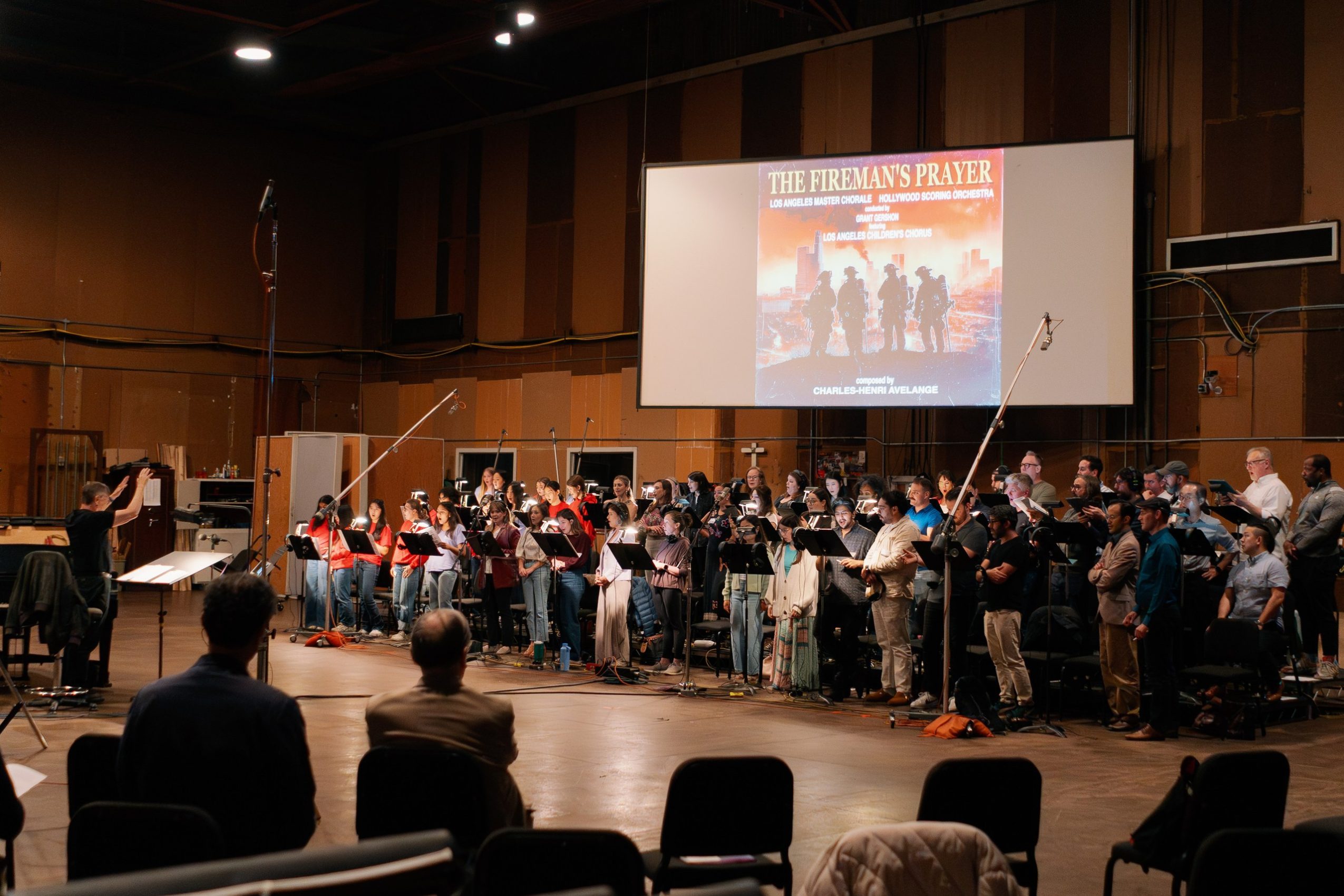
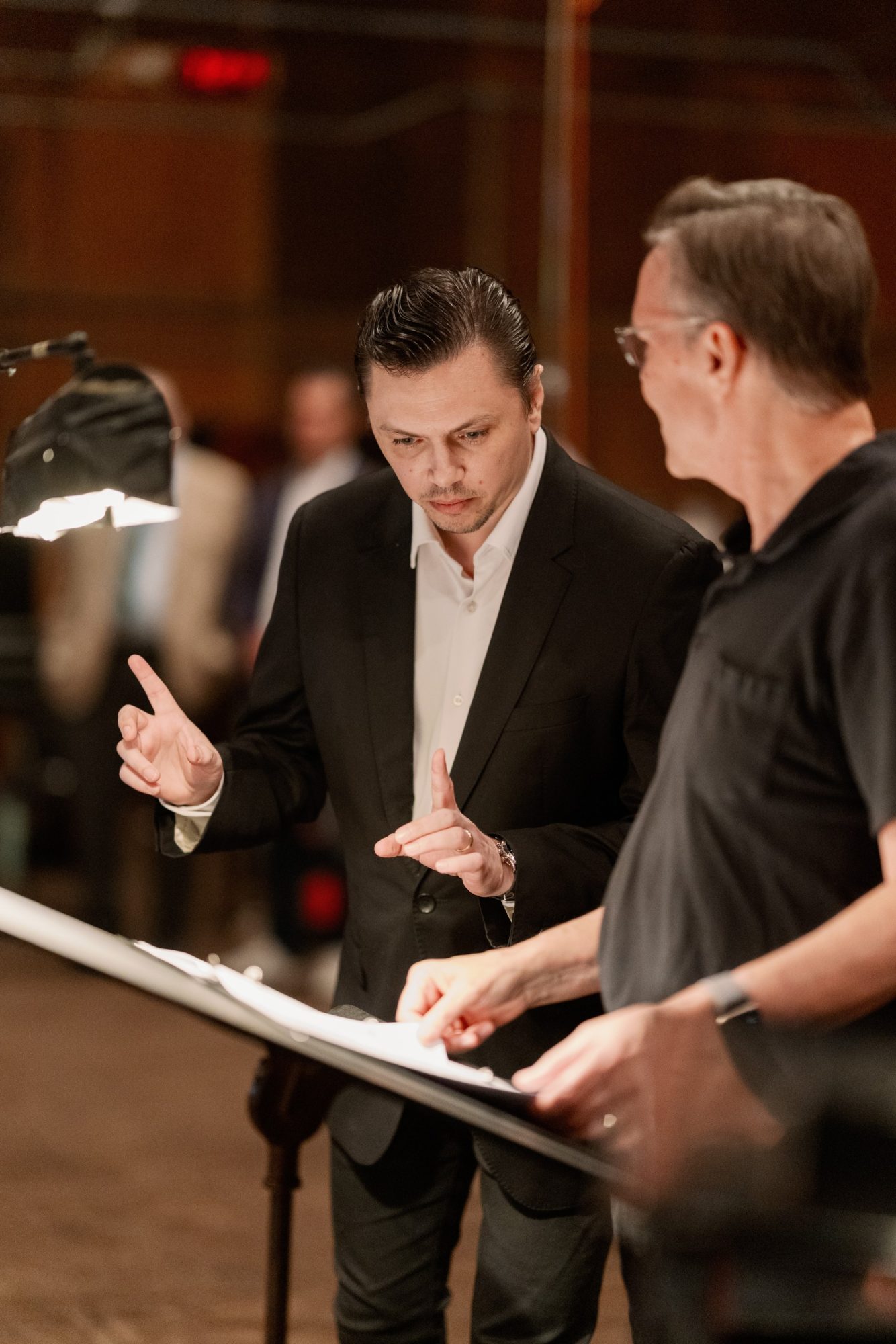
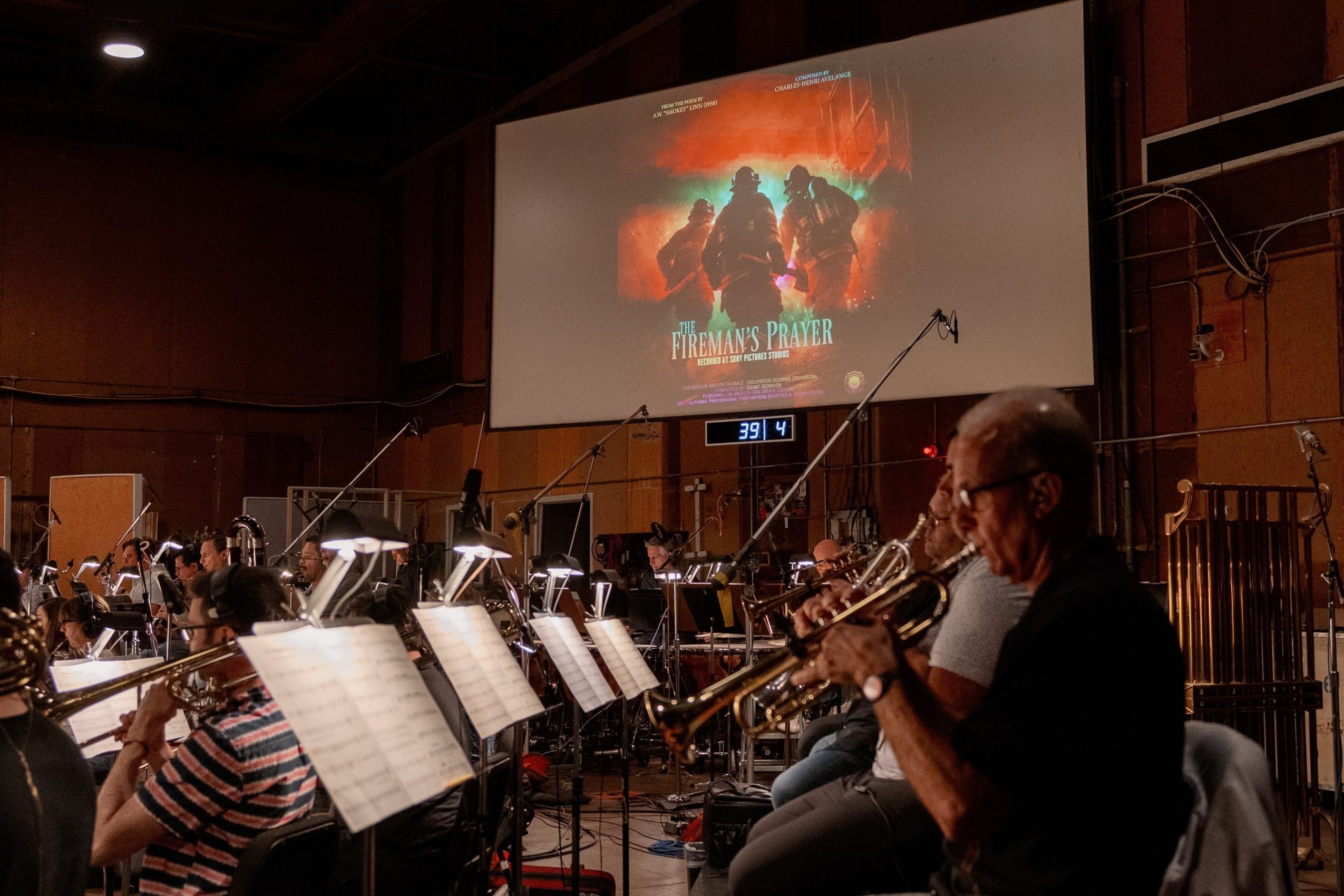
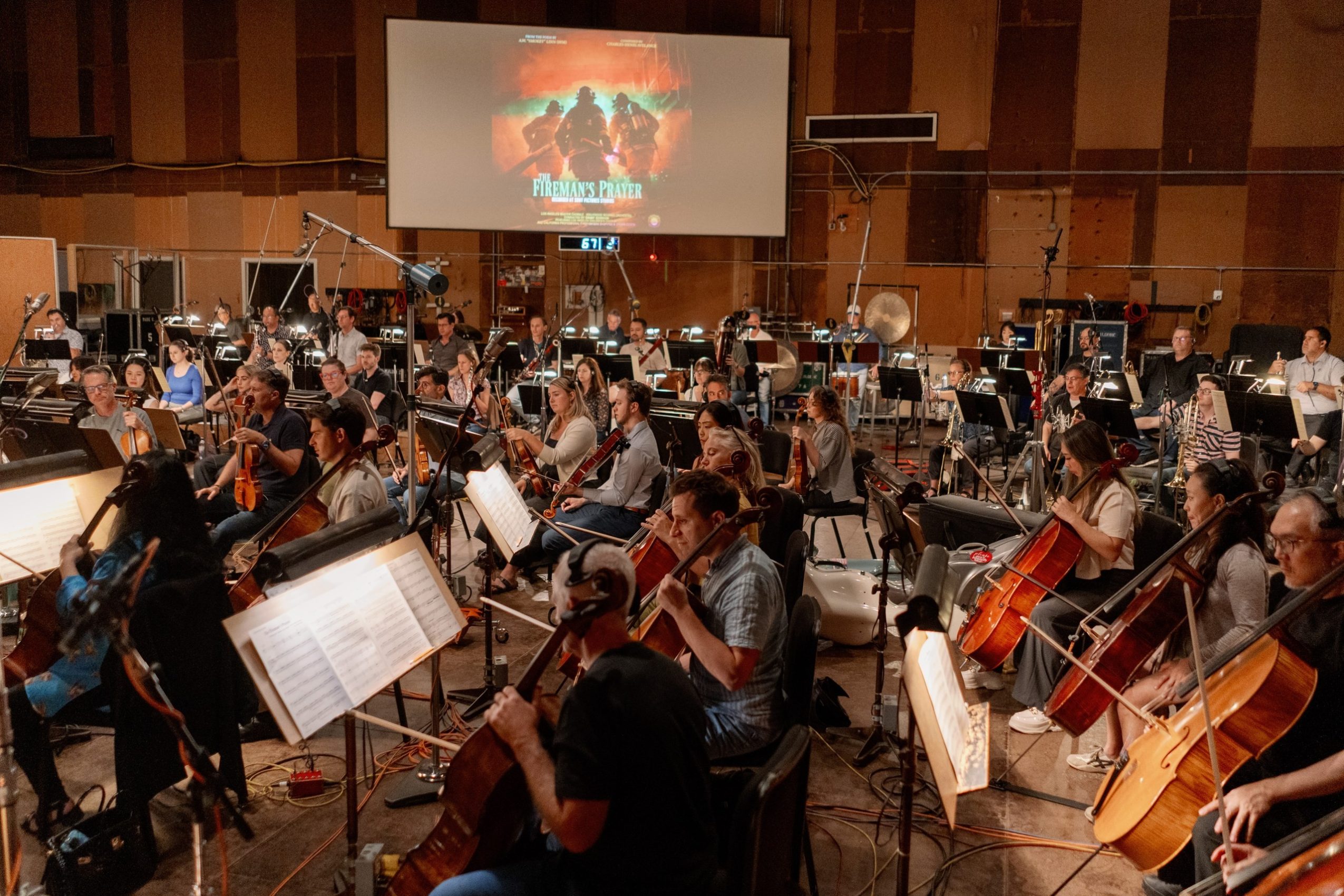
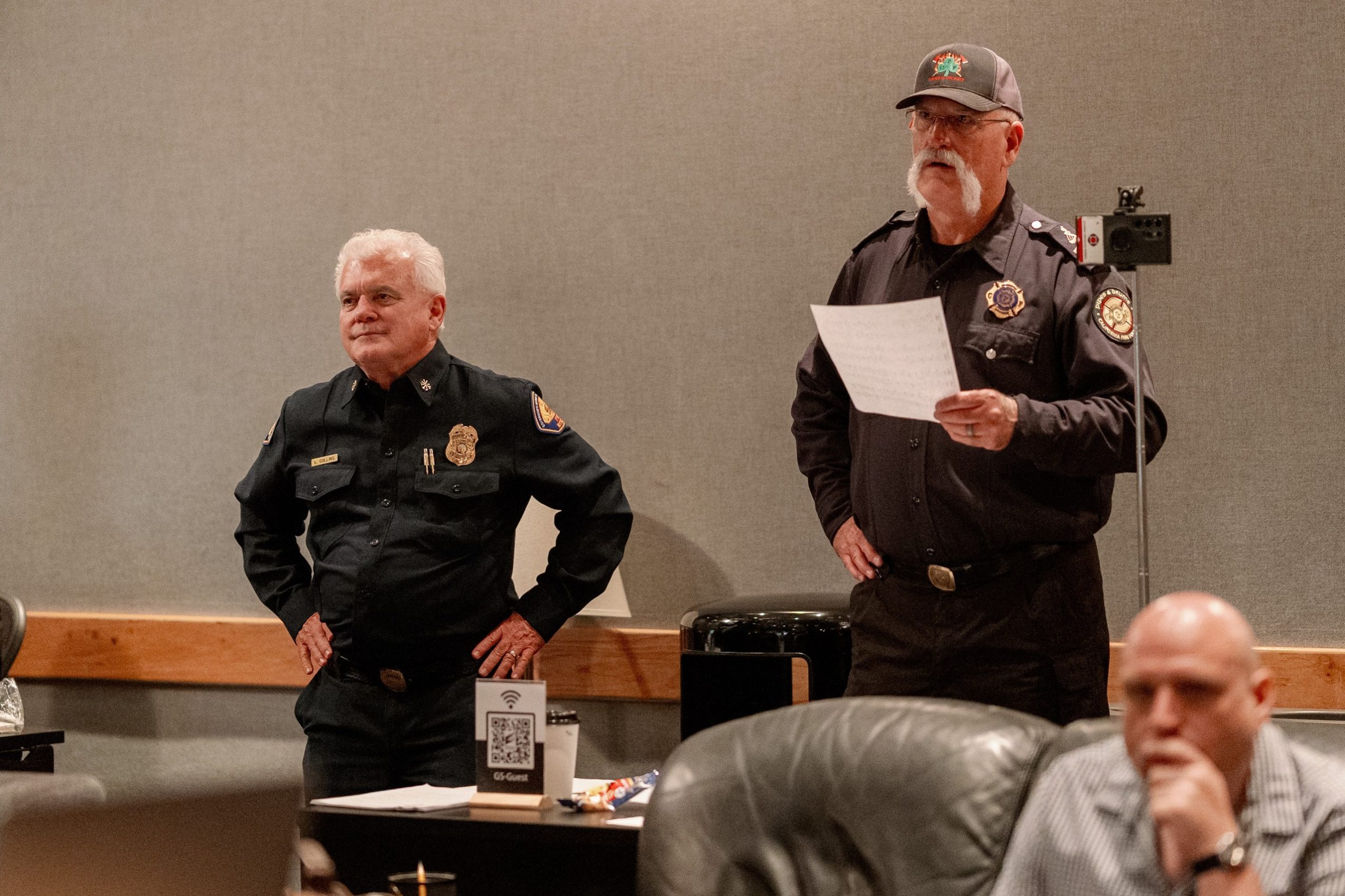
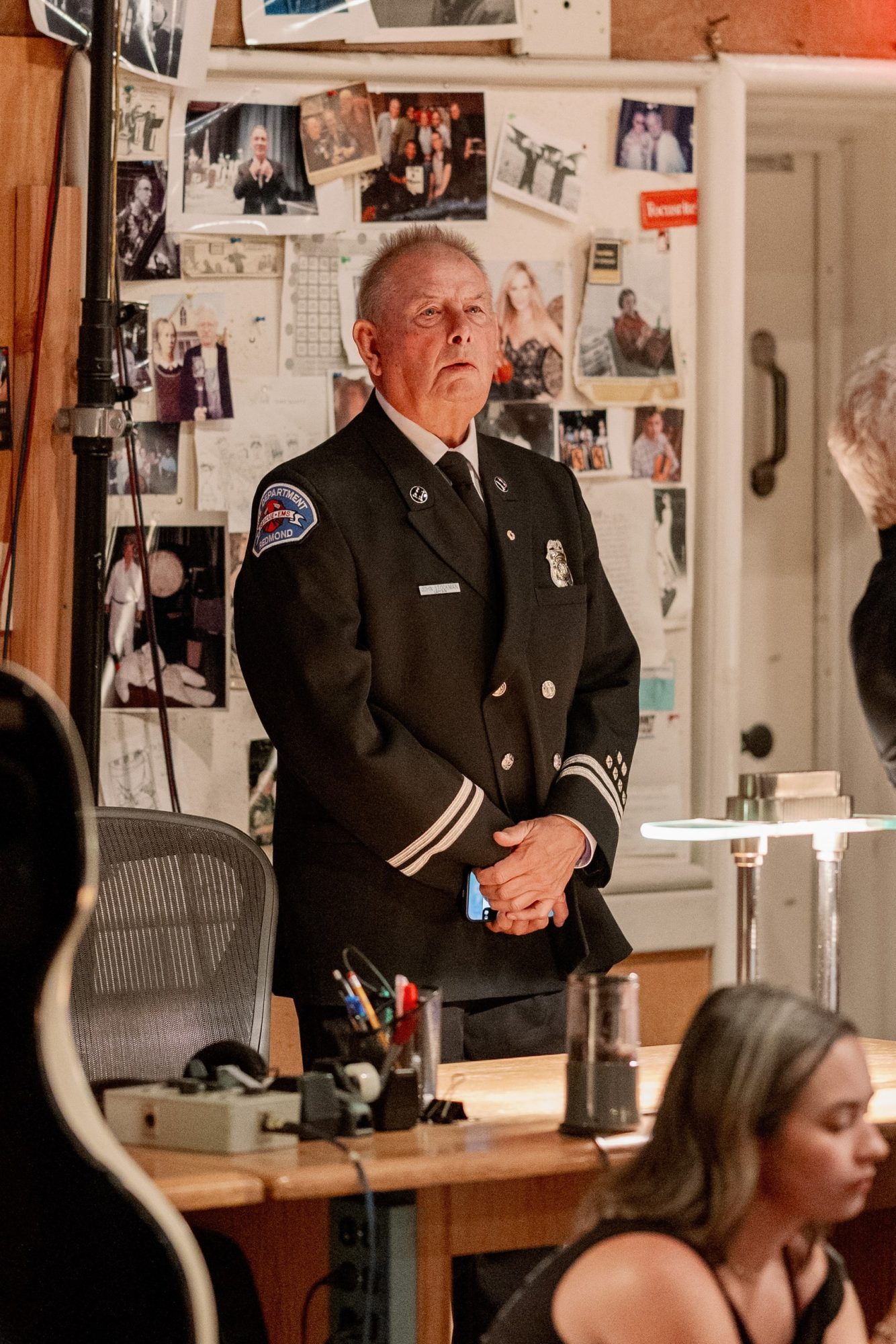
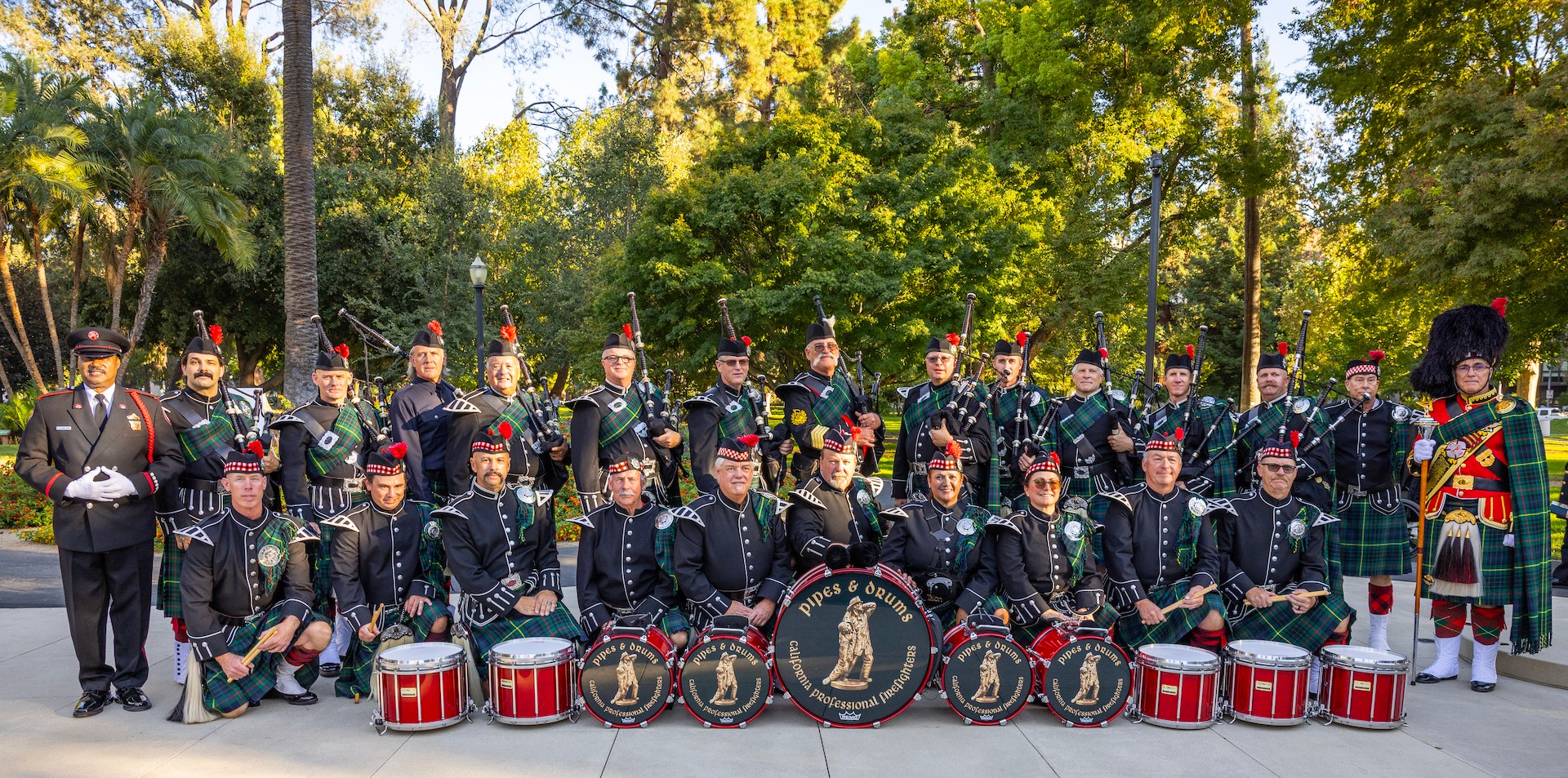
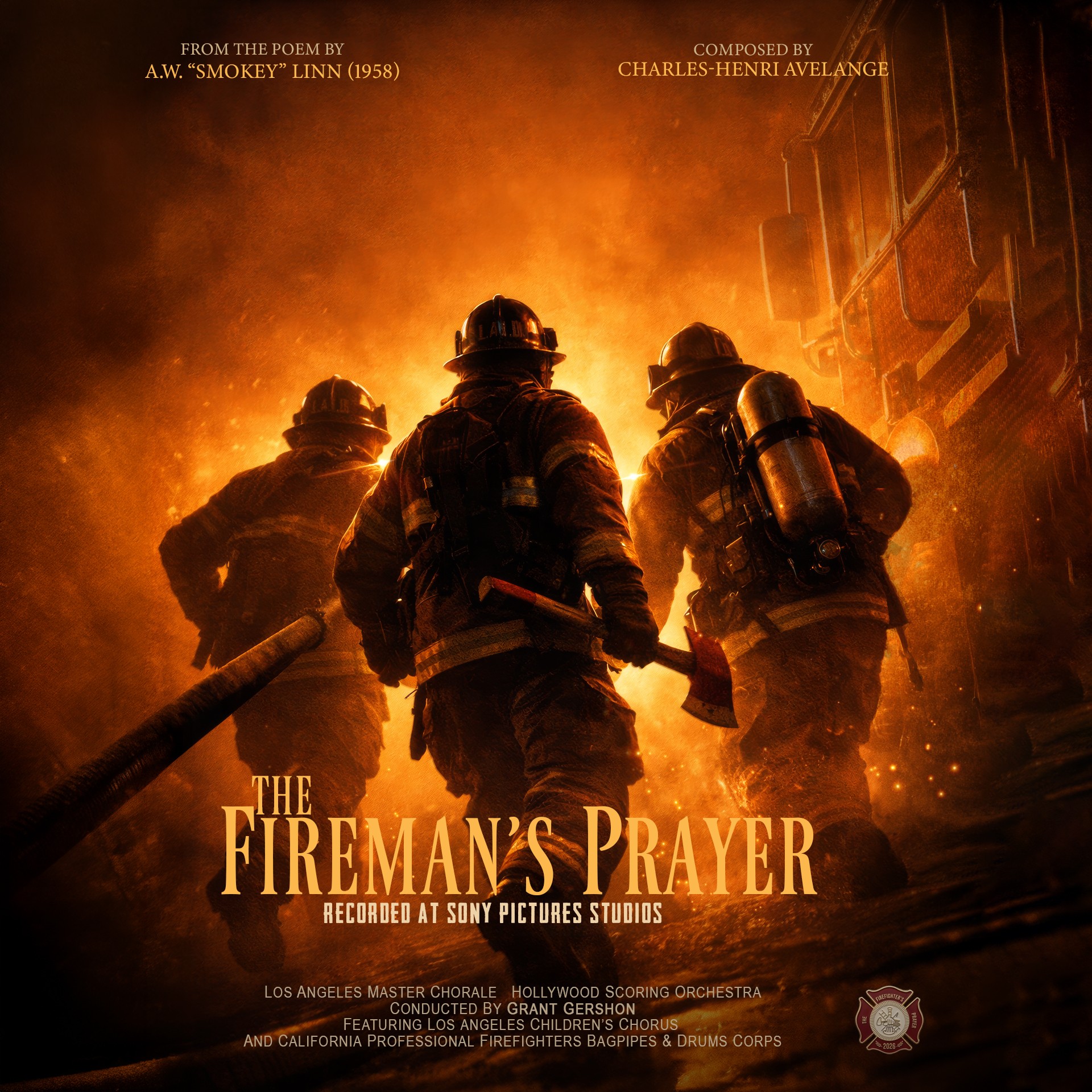
Image Credits
All pictures (except bagpipes group) by Slava Pedan. California Professional Firefighters Pipes & Drums Group Picture: Courtesy of the California Fire Foundation.
Popular
-

Portraits of the Valley
-

LA’s Most Inspiring Stories
-

Greg Hex Is Turning the Everyday Kitchen Knife Into a Modern Design Object
-

Rick Norris Learned That Building a Successful Business Means Building a Life You Actually Want to Live
-

How Olivia Rush Turned Survival Into a Mission to Help Others Keep Going
-

How Bibi Goldstein Is Helping Entrepreneurs Reclaim Their Time by Embracing the Power of Delegation


