




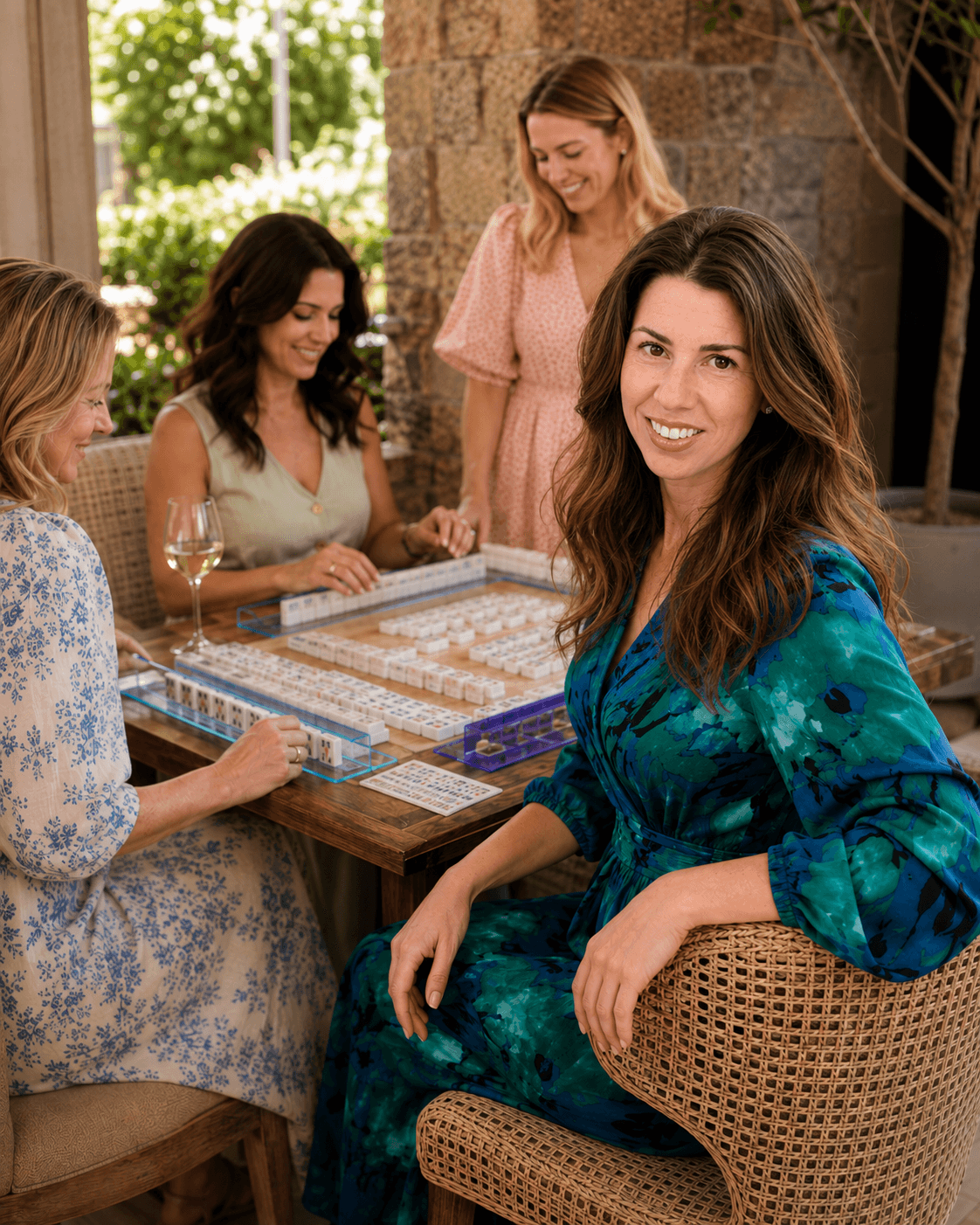
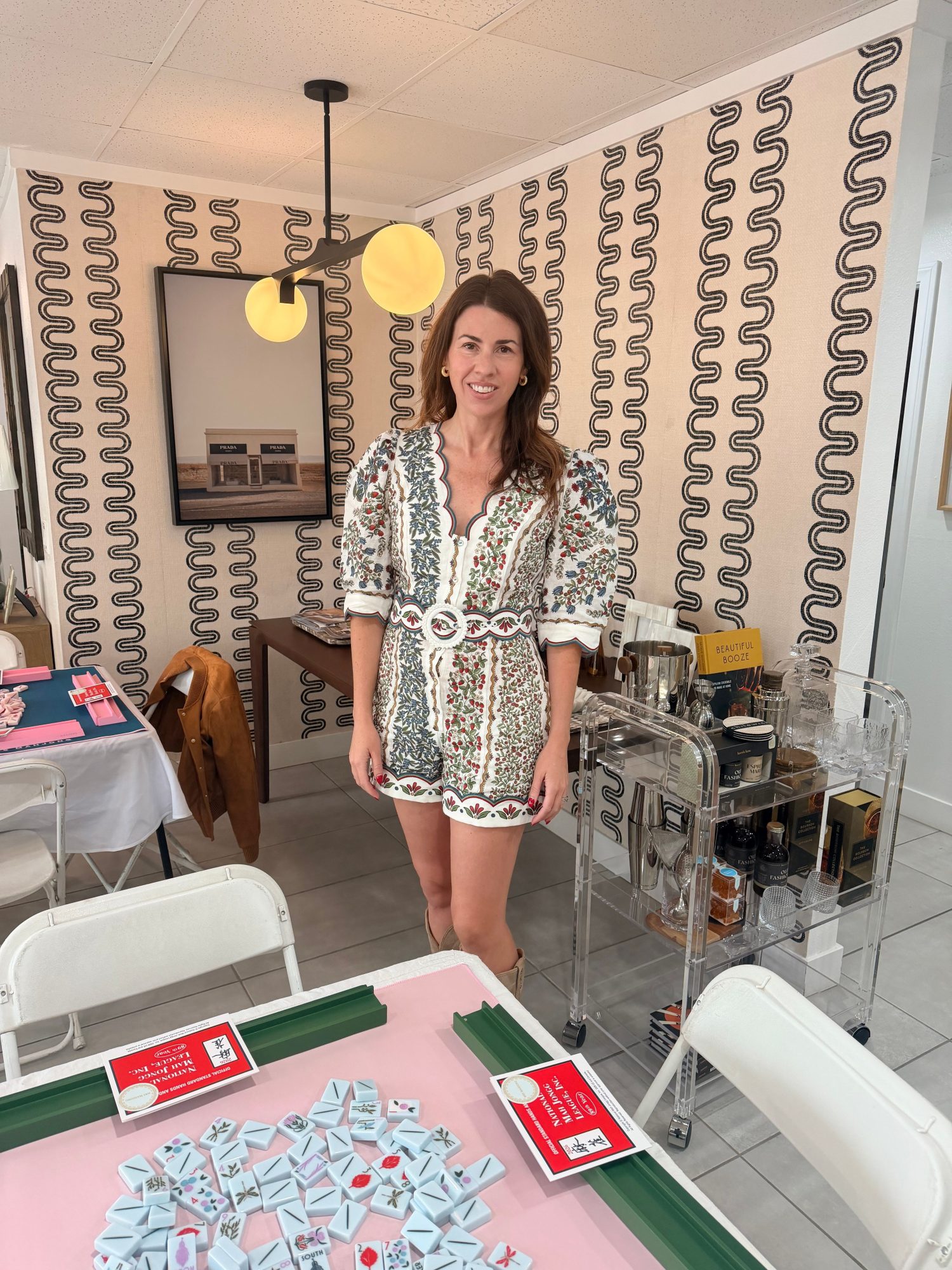
Today we’d like to introduce you to Brenna Gibbs.
Brenna, we appreciate you taking the time to share your story with us today. Where does your story begin?
I’m a native Californian who spent most of my adult life elsewhere. I studied international politics at Georgetown, took a master’s in art history at the University of London, and spent years in the auction world — Sotheby’s and Christie’s, in rooms from Madrid to Los Angeles. I have spent the past twenty years in communications for high-tech companies, leading teams around the world. I speak several languages and I still travel every chance I get; that part of my life never really switched off. I came home to Southern California with two decades’ worth of experience building things that hold up under pressure, and absolutely no intention of teaching a tile game for a living.
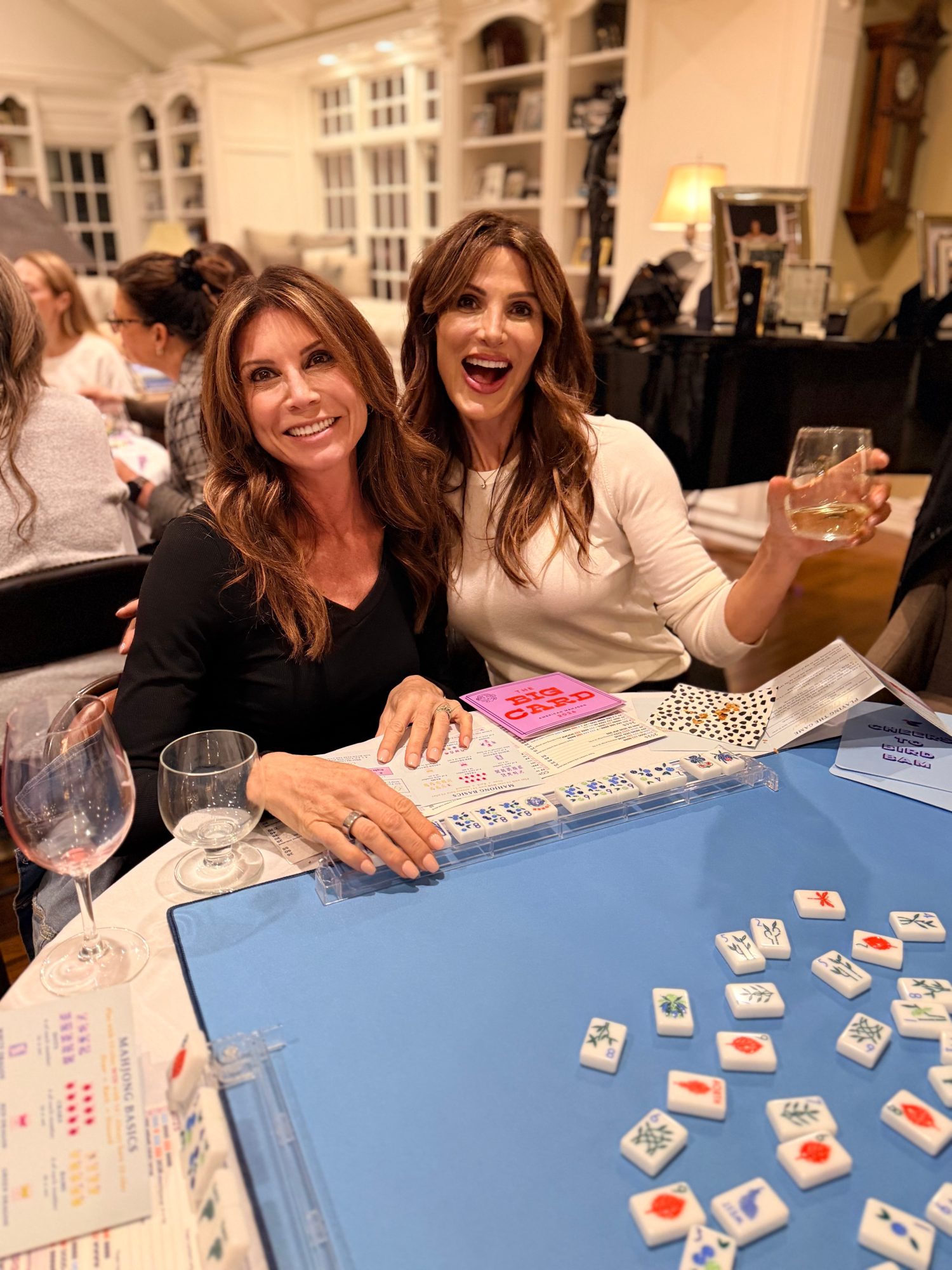
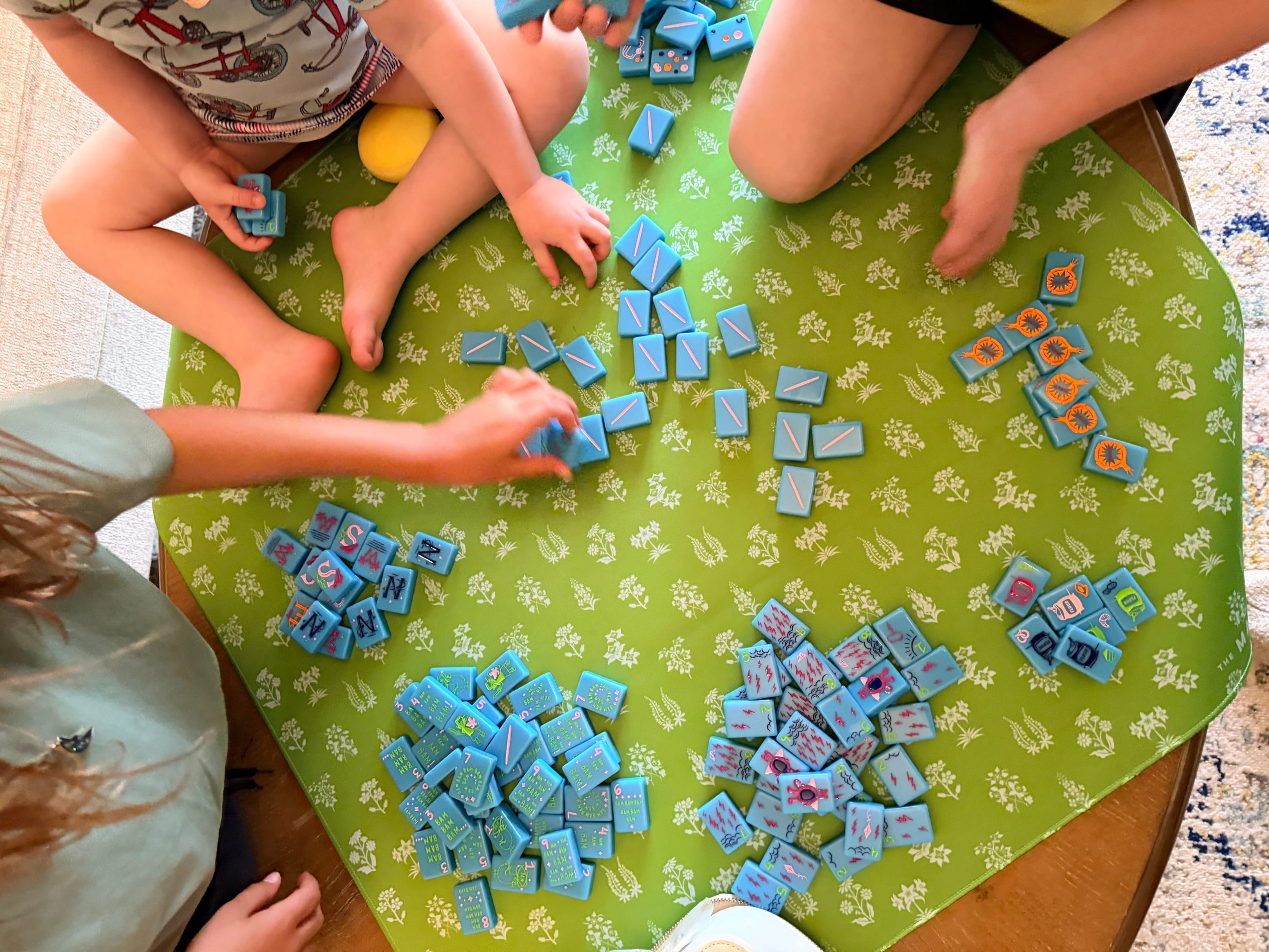
It started with my children. I wanted time together that was genuinely ours — the old tradition of family game night, brought back. Mahjong turned out to be it. Four of us around a table, phones face down, actually talking to one another.
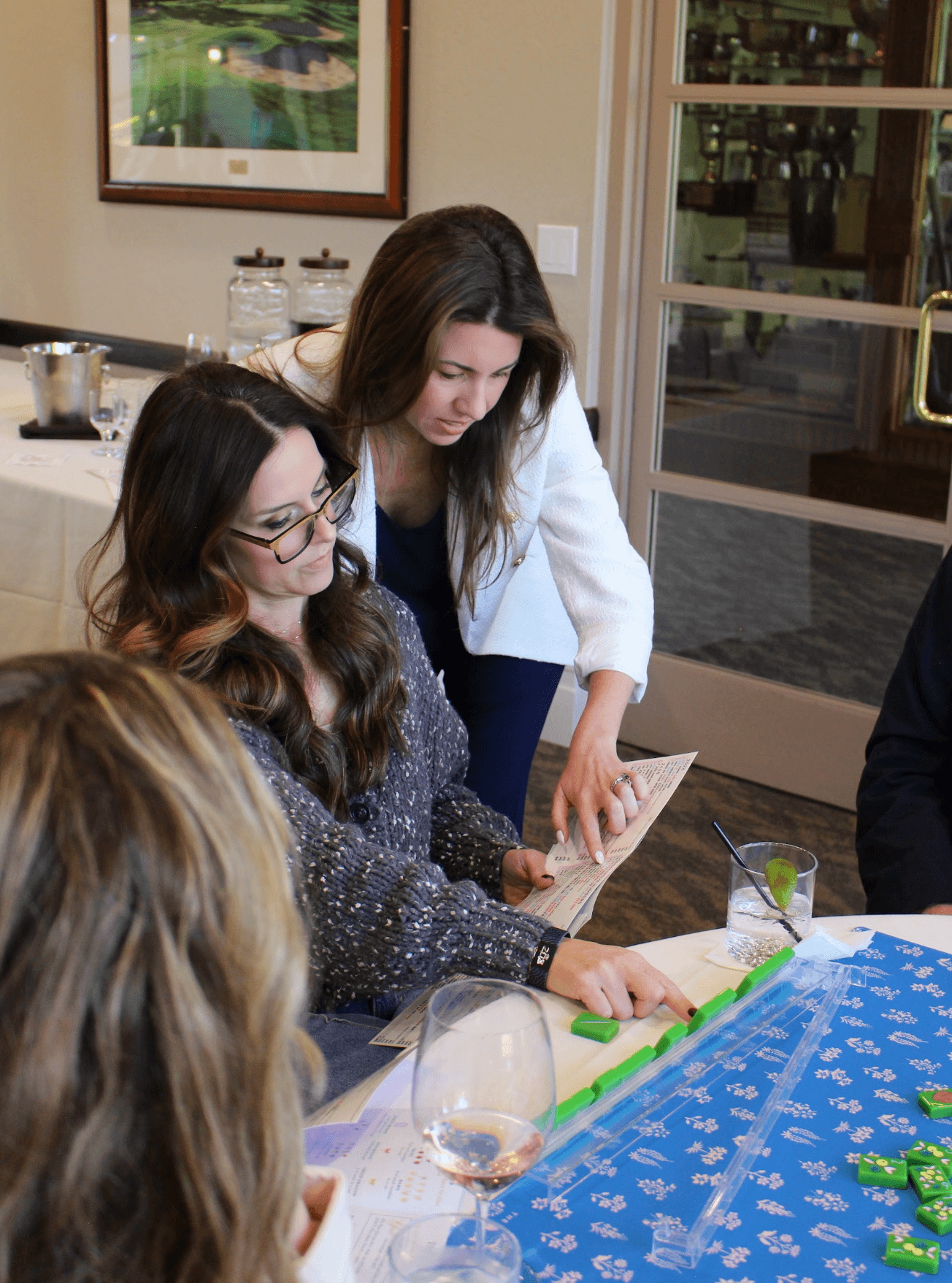
Once I’d seen it work at home I started noticing the same hunger everywhere — friends who hadn’t properly sat down together in years, families who only really see each other at holidays. Within a year I’d taught more than a thousand students across Southern California — in living rooms, at country clubs, and in hotel ballrooms up and down the region.
I teach American Mahjong — a Chinese game, played here under an American rule set. Mahjong began in China in the late 1800s and came to the United States in the 1920s; the version most people play now follows the card issued each year by the National Mah Jongg League, founded in 1937. The Chinese origins are the foundation, and I teach them as such.
That’s how I came to teach a Mahjong series at the San Bernardino County Museum, inside “Chinese Pioneers: Power and Politics in Exclusion Era Photographs” — the California Historical Society’s exhibition on Chinese Californians in the decades after 1882. Programming a game into a show like that is museum work and teaching at once, and it’s the closest my two careers have come to being the same job.
None of it was a detour, it turns out. The auction years taught me an appreciation for beautiful things and cultural history. Two decades of leading communications teams for high-tech companies has taught me how to make something work at scale, with people and logistics and a standard that holds. Mahjong is the first thing I’ve done that needs both at the same time, and the demand has been relentless ever since.
Can you talk to us a bit about the challenges and lessons you’ve learned along the way. Looking back would you say it’s been easy or smooth in retrospect?
Teaching was never the hard part. The hard part was everything around it.
Going from four people at a table to a hundred guests in a ballroom isn’t a teaching challenge, it’s an operations challenge. That’s exactly what twenty years of leading global communications teams for high-tech companies prepares you for: leading teams, driving scale, executing flawless events, and knowing what true professionalism looks like at the highest levels. I just never expected to apply it to a room full of Mahjong tables.
The other challenge was being taken seriously. People hear “Mahjong instructor” and picture a hobby. Then they watch a hundred of their colleagues learn to play in a single afternoon, and the conversation changes rather quickly. What they’re watching is colleagues connect in ways they don’t at a normal offsite — working a hand out together, teaching one another, genuinely bonding. It builds stronger teams precisely because nobody feels like they’re doing a team-building exercise.
Appreciate you sharing that. What should we know about Mrs Mahjong?
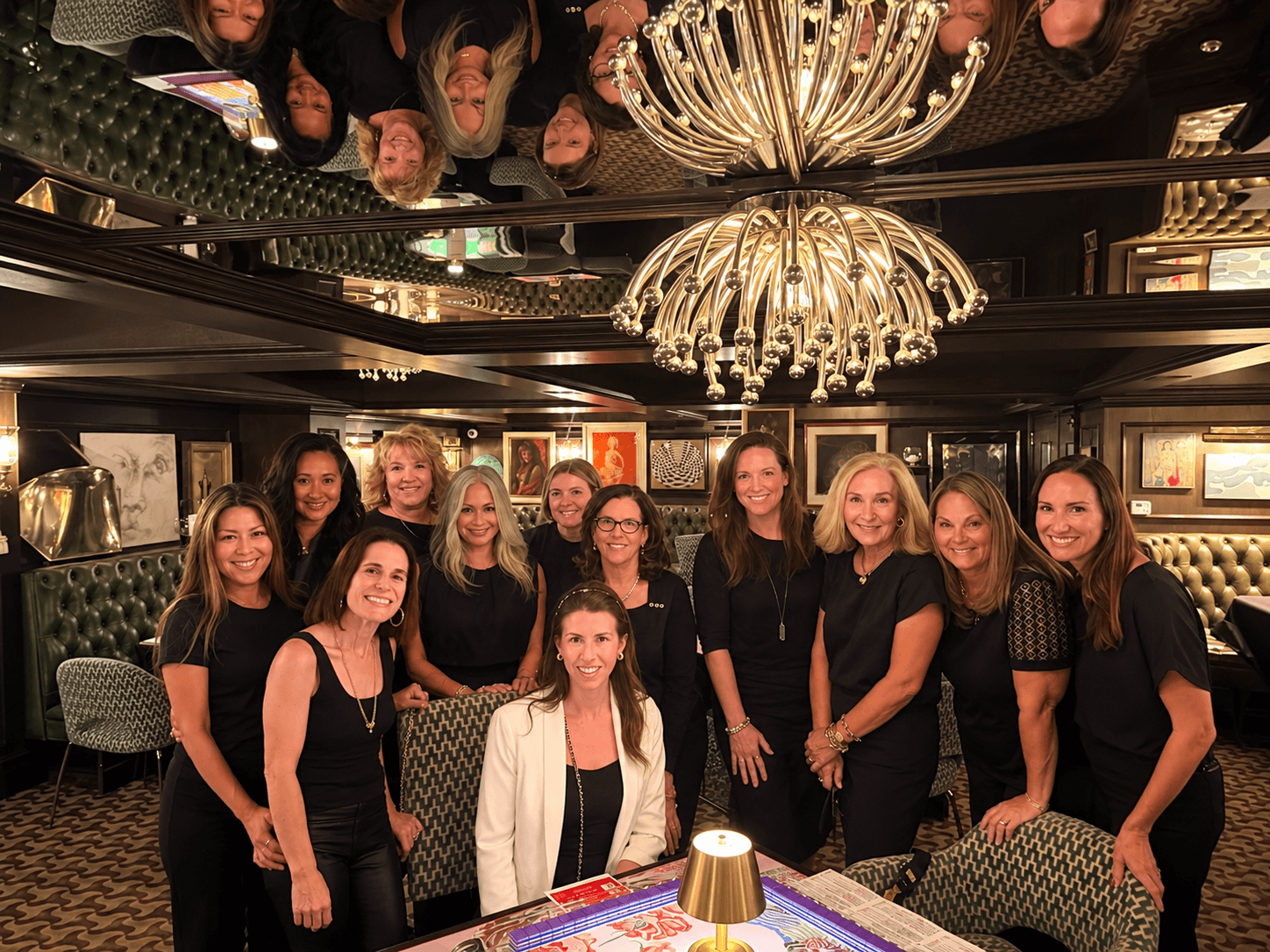
Mrs Mahjong teaches total beginners, privately and in small groups. The part that has grown fastest is Mahjong at scale for companies — retreats, offsites, conferences, team days.
Most Mahjong instruction doesn’t scale past a table or two. We run rooms of a hundred and more, fully staffed and fully equipped, and the standard holds everywhere in the room. Clients tell me, over and over, that they couldn’t find anyone else who could do it at that size.
Everyone leaves knowing how to play, and most importantly, knowing a thing or two about the people they just sat with.
We work across the whole of Southern California — San Diego up through the Orange County beaches, out to Joshua Tree and the desert cities — and we travel for events. Twenty years of working internationally means a Mahjong event in another country is a pleasure rather than a complication, and I’d happily get on a plane for the right one.
We’ve also taught people whose names you would recognise — musicians, designers, founders. I can’t tell you who, and that discretion is part of the job. What I can tell you is that they get every bit as hooked as everyone else does.
What matters most:
The same thing that got me into this in the first place: people need a reason to sit down with one another.
I wanted it for my own family, and I found it. What surprised me was how badly everybody else wanted it too — and how much that includes people at work. Companies spend fortunes on team-building that everyone politely endures. I get to watch a room of colleagues forget to check their phones for two solid hours because they’re trying to work out a hand together, and then keep talking about it over dinner.
It isn’t the tiles that do that. It’s giving a room a reason to be at the same table, and knowing how to hold it once they’re there.
There’s a second thing. Philanthropy is in the DNA of American Mahjong, and it’s the piece of that inheritance I’ve taken most seriously: Mrs Mahjong gives to more than twenty charities. It’s one of the reasons I teach this game rather than any other version.
That’s the thing I’m actually in the business of. The game is just how we get there.
We love surprises, fun facts and unexpected stories. Is there something you can share that might surprise us?
I have spent the past twenty years in communications for high-tech companies, leading teams around the world.
People meet me at a table of hand-painted tiles and assume this has always been my world. It hasn’t. I’ve spent that career making complicated things clear to rooms that had no obligation to care, and building and leading the teams that do it, across a lot of countries and time zones.
Which is why working with corporate clients is second nature: for much of my life, I have been the client. I’ve sat on the other side of the table, and I know exactly what that person needs, because I’ve been her.
The tiles are the beautiful part. The reason a ballroom of absolute beginners all leave knowing how to play is twenty years of practice at making difficult things land.
Contact Info:
- Website: https://www.mrsmahjong.com
- Instagram: https://www.instagram.com/mrsmahjong/
Popular
-

Portraits of the Valley
-

LA’s Most Inspiring Stories
-

Mason Ewing Is Bringing a World of His Imagination to Life Through Film
-

Dr. NanaEfua Afoh-Manin Is Rethinking What It Means to Be Healthy, Not Just Healed
-

Greg Hex Is Turning the Everyday Kitchen Knife Into a Modern Design Object
-

Rick Norris Learned That Building a Successful Business Means Building a Life You Actually Want to Live


