




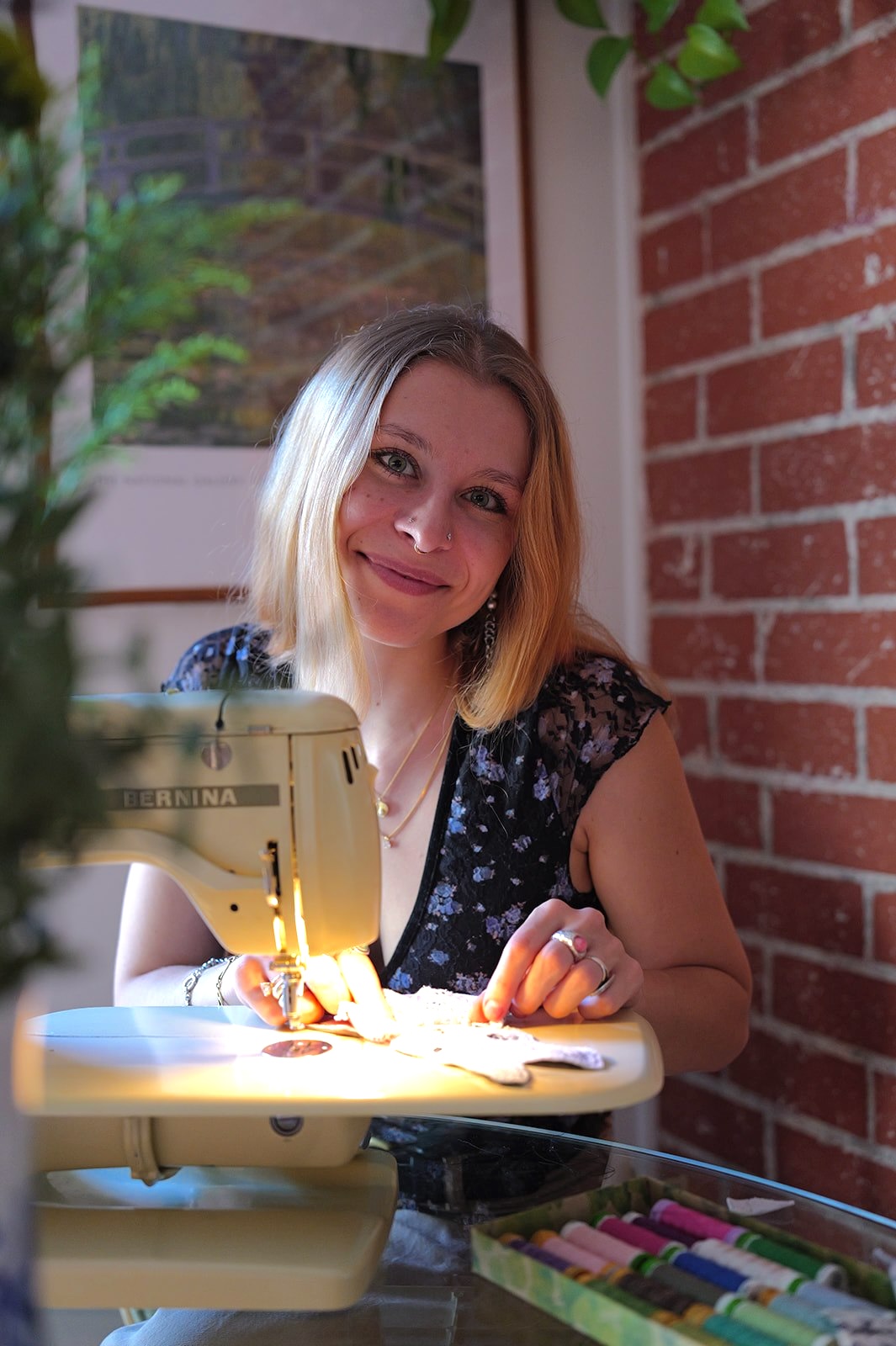
Today we’d like to introduce you to Amanda Wilson.
Amanda, we appreciate you taking the time to share your story with us today. Where does your story begin?
I have always loved drawing and watercolor painting, specifically figure drawing sessions with live models. In the last years I was searching for a new medium, something more durable than paper, and I was interested in learning how to sew. I bought a sewing machine with the goal of having it be a new drawing medium. I spent months learning how to do manual embroidery, also known as free motion embroidery. I bought many different kinds of attachments, accessories, threads, etc, and started to be able to achieve more detail and skill with using fabrics. The more I collected, the more I realized the scale of clothing and fabric waste. I was living in Berlin for the last few years, and I sourced my fabric collection from secondhand sales on Ebay, and retired quilter’s collections. I thrifted pieces of clothing, and began to decorate them with patches I embroidered and assembled. I now have moved back to California, and I brought much of my fabric collection with me. I have been selling my pieces on Depop, and posting process videos of my embroidery on social media. I have really enjoyed embroidery as a new artistic practice. I aim to continue expanding my designs of little clowns, animals dressed up, odd creatures, celestial objects, and many more characters to come.
We all face challenges, but looking back would you describe it as a relatively smooth road?
It has been the biggest change in mediums compared to art forms I tried in the past. I have been drawing since I was very young, as well as building forms in ceramics. I am much more accustomed to using my hands and fingers with materials, so changing directions and learning how to manipulate various types of sewing machines has absolutely had its challenges. As someone who is often not great with technology, I have had some very frustrating moments with machines and trying to get them to do things they aren’t actually designed to do. Trial and error is really the only way to get confident with a new project or art practice, and I have had my fair share of errors. I started out embroidering fabric, and cutting out the shape of the patch and just sewing that onto something. Many of those initial patches I made were with fabrics that would fray at the ends and didn’t feel as durable as I wanted them too. I now have a much more time intensive approach of finishing almost all of the ends/edges of my patches by first embroidering them, and sewing them backwards to other fabric, and flipping them inside out to give a quilted feel. While this takes a lot of time and patience, I’ve learned it is worth it because the designs are then lasting and washing machine safe.
Appreciate you sharing that. What else should we know about what you do?
I love little weird creatures and forms! I have always been drawn to alternative fashion and art. When I was making ceramics, I loved making pots and putting faces with large noses on them, and building small sculptures of cute monsters. My favorite patches I have made are these small clowns that I embroider the faces of, and make tiny hats, clothes, shoes, and lace collars. It is very labor intensive work, and I always compare it to doll making except my characters are flat and sewn onto something wearable. I would say that the detail I am able to achieve sets me apart. Because of my drawing background, I am able to create interesting designs that require a very steady hand and confidence in free handing. I have made suns, moons, and stars with faces. Some of my other patches are animals wearing little clown suits also with lace collars. I recently made a rat with a cigarette, he’s a fun one.
Any advice for finding a mentor or networking in general?
Networking in creative fields is great to learn how to make your work profitable! In Berlin, flea markets are really popular. I would regularly split a stand on Sundays with my other friends who also make clothes and we would sell together. It is so important to help other creatives around you instead of being overly competitive. Gifting materials, sharing experience, and splitting costs on things is such a helpful way to build your craft and your confidence. I would say that meeting other sellers at markets, connecting with people on social media, and just being friendly and open in general is the best way to network. Listening to other seller’s horror and success stories can help you navigate your own business, without learning the hard way.
Pricing:
- My pieces are usually between $65-$120
Contact Info:
- Website: https://www.depop.com/amandapaints/
- Instagram: https://www.instagram.com/amandapaints/
- Other: https://www.tiktok.com/@pandathemanda_
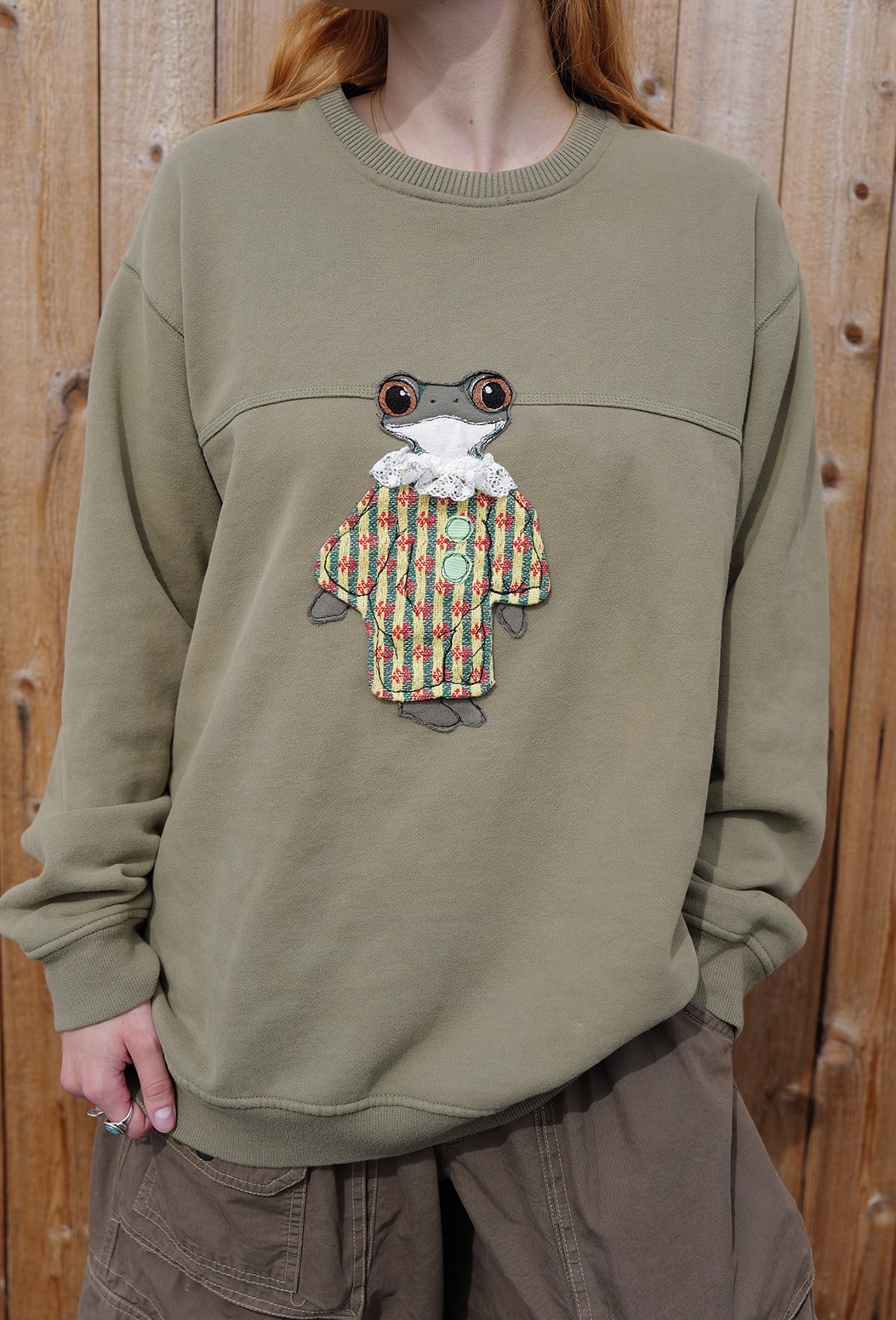
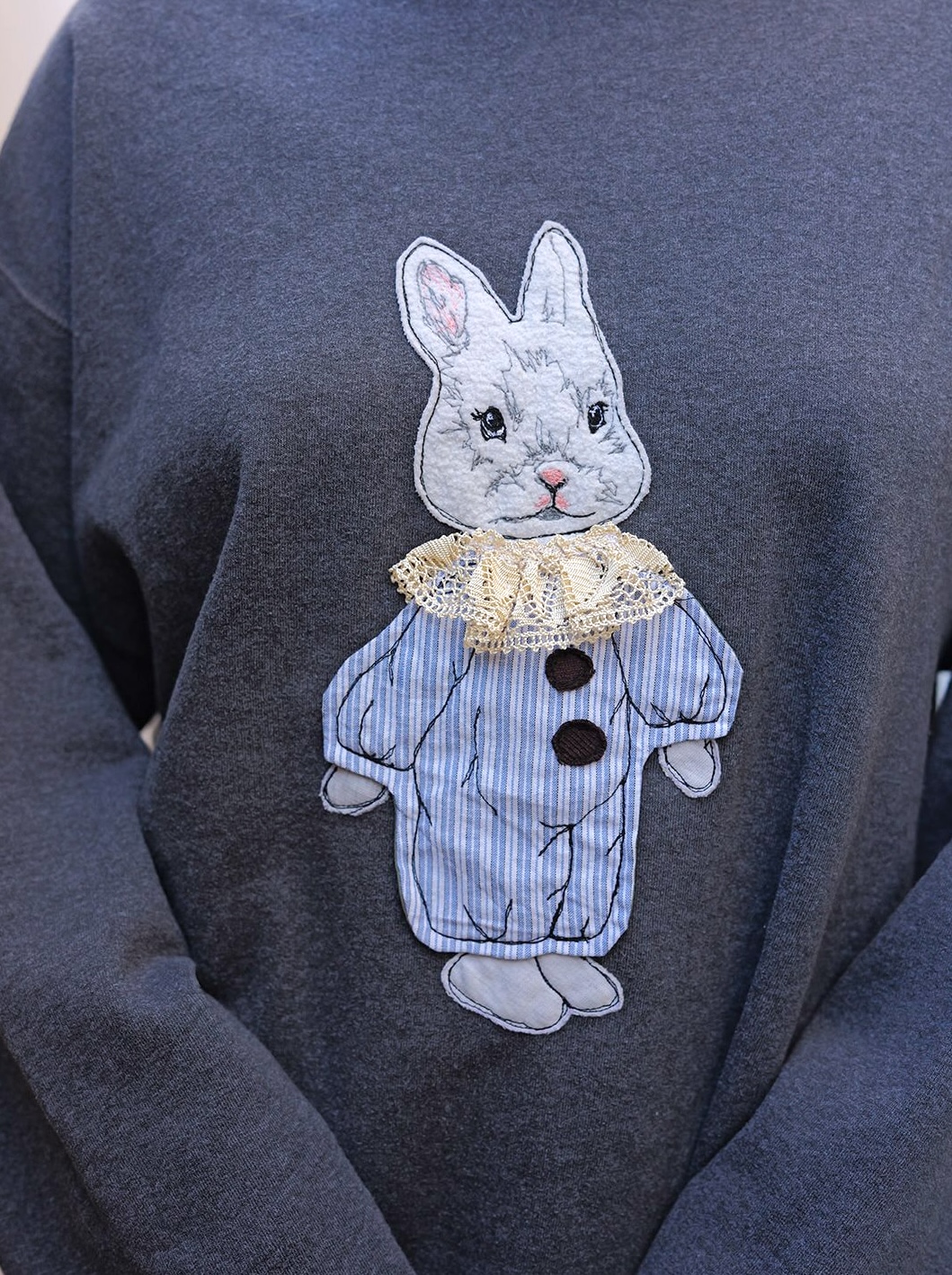
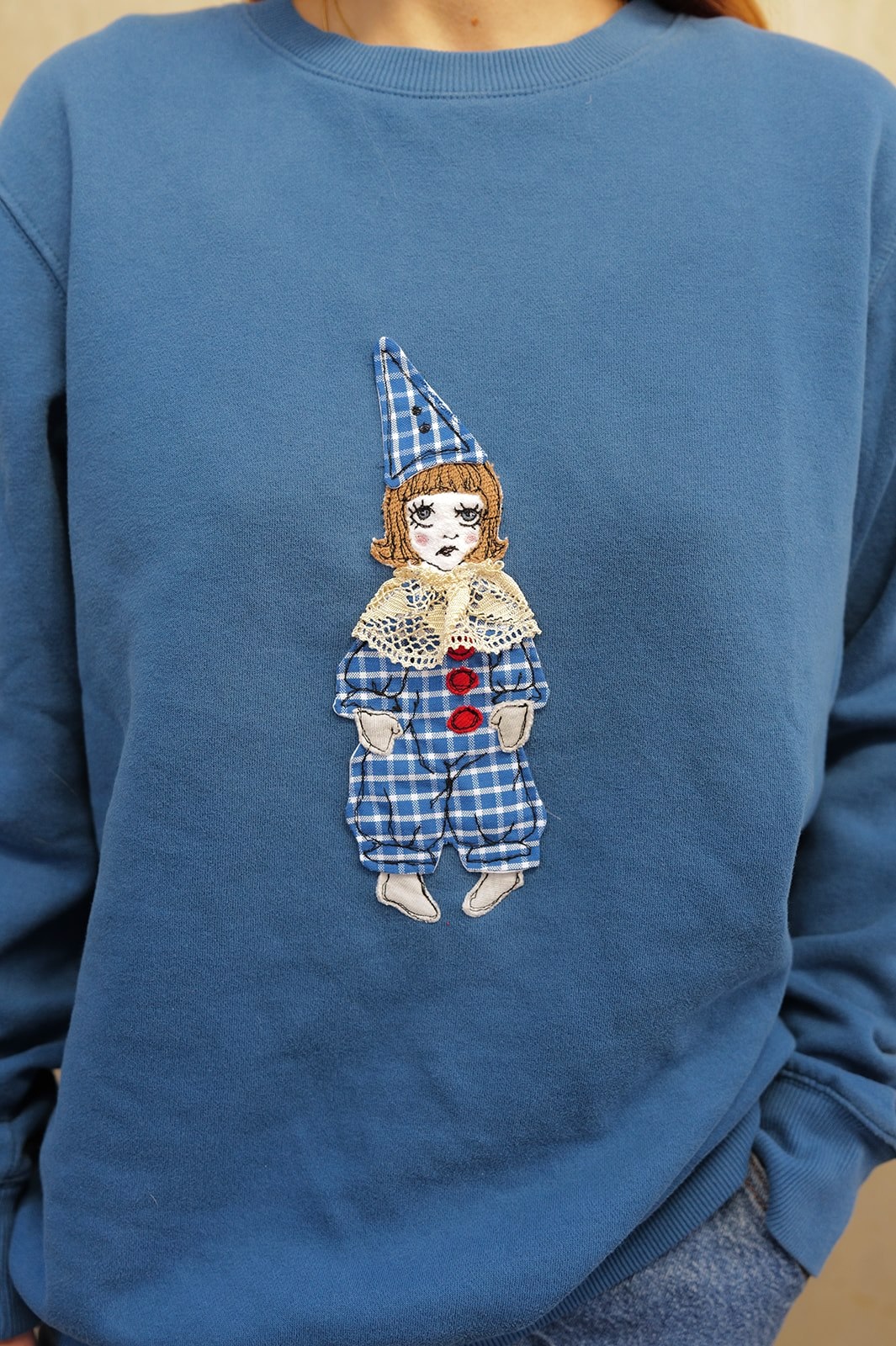
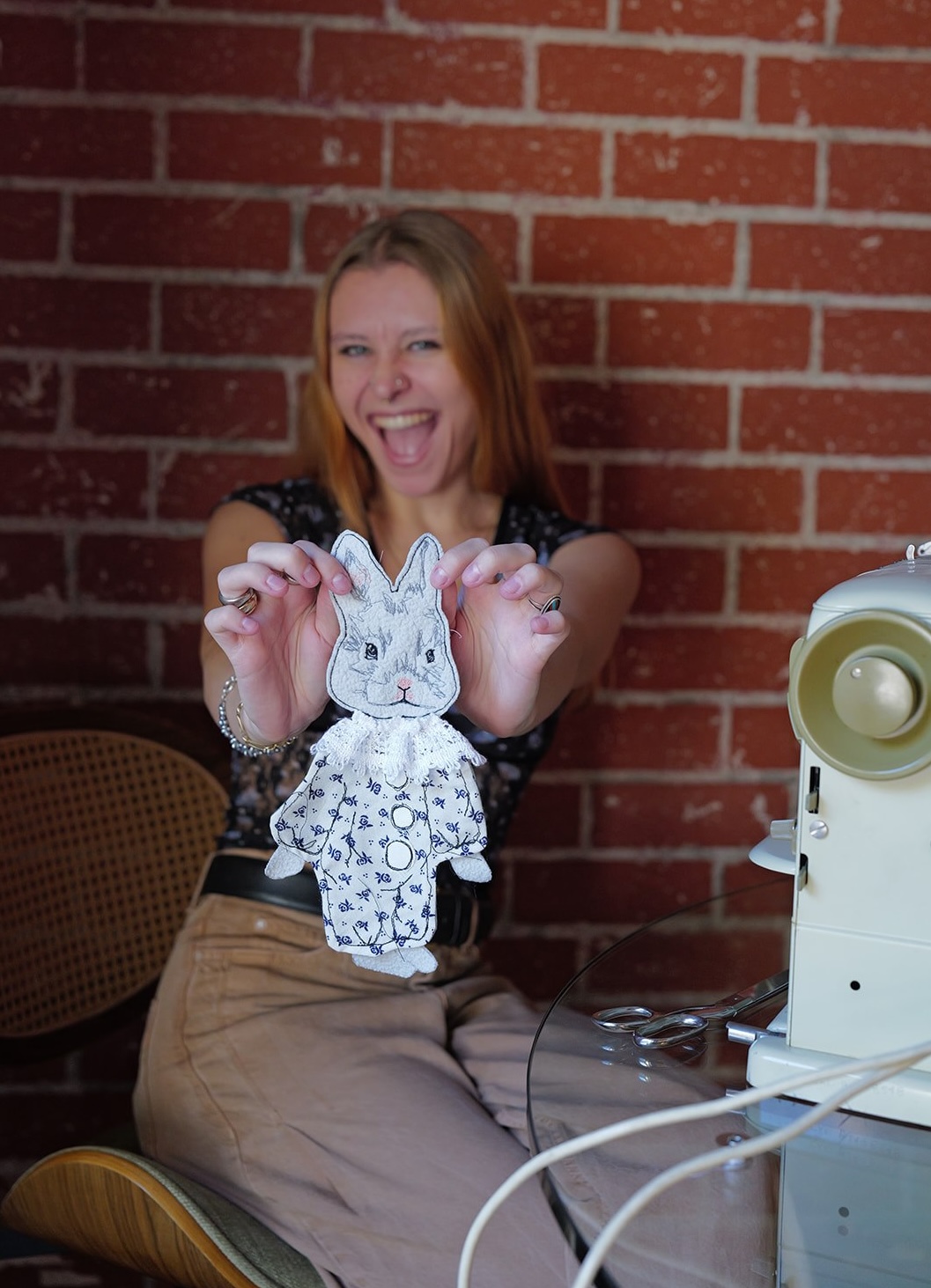
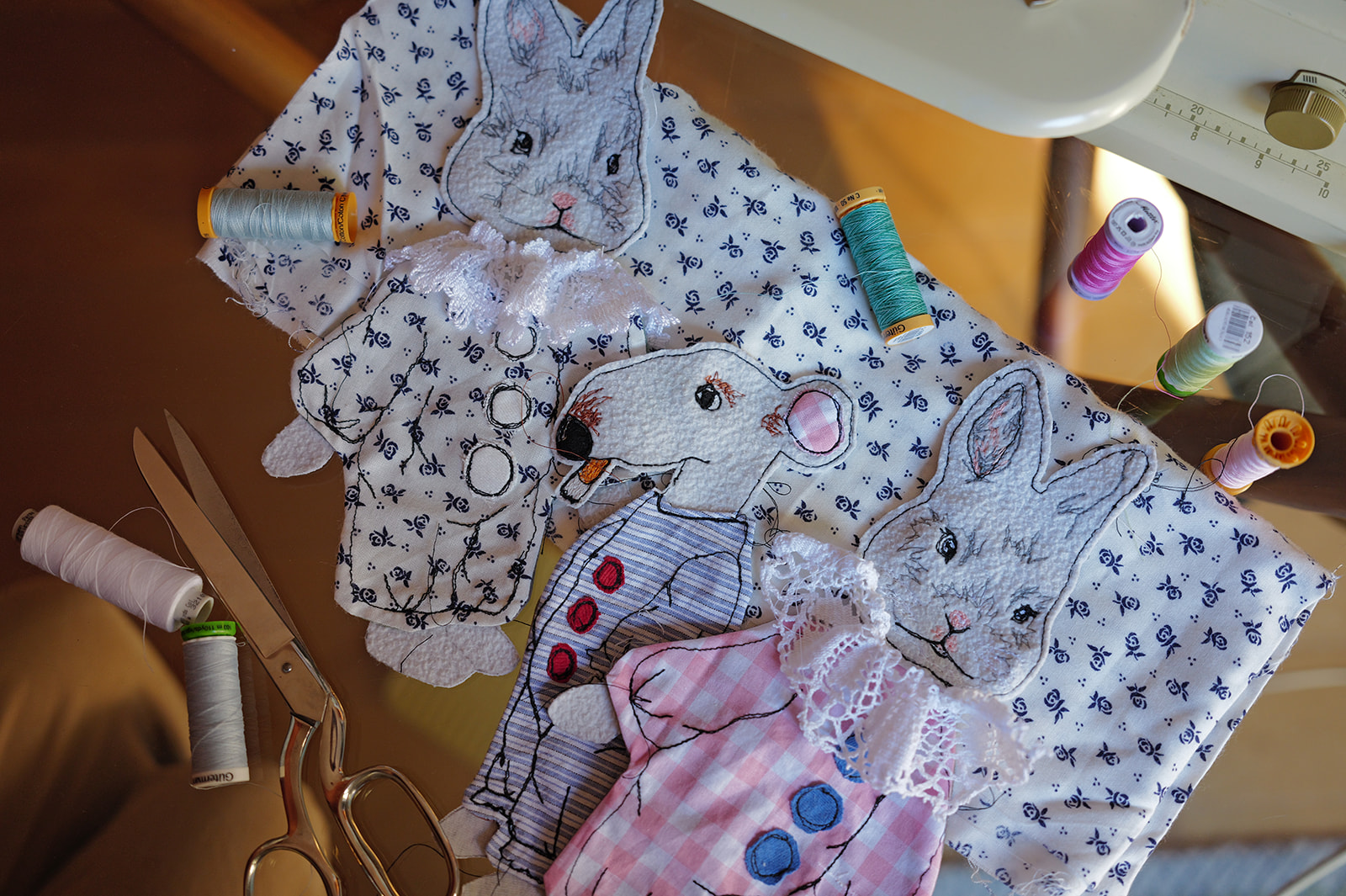
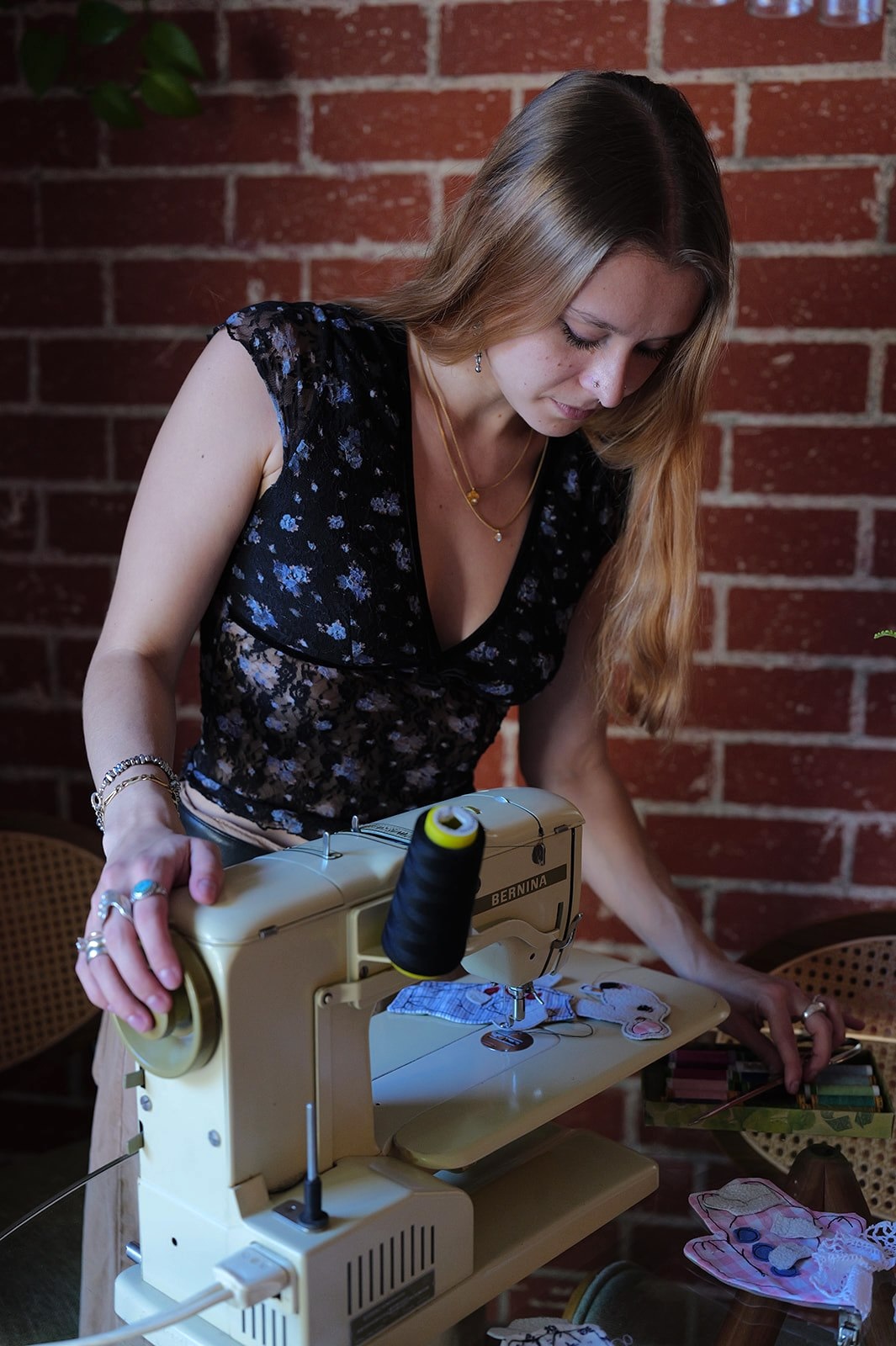
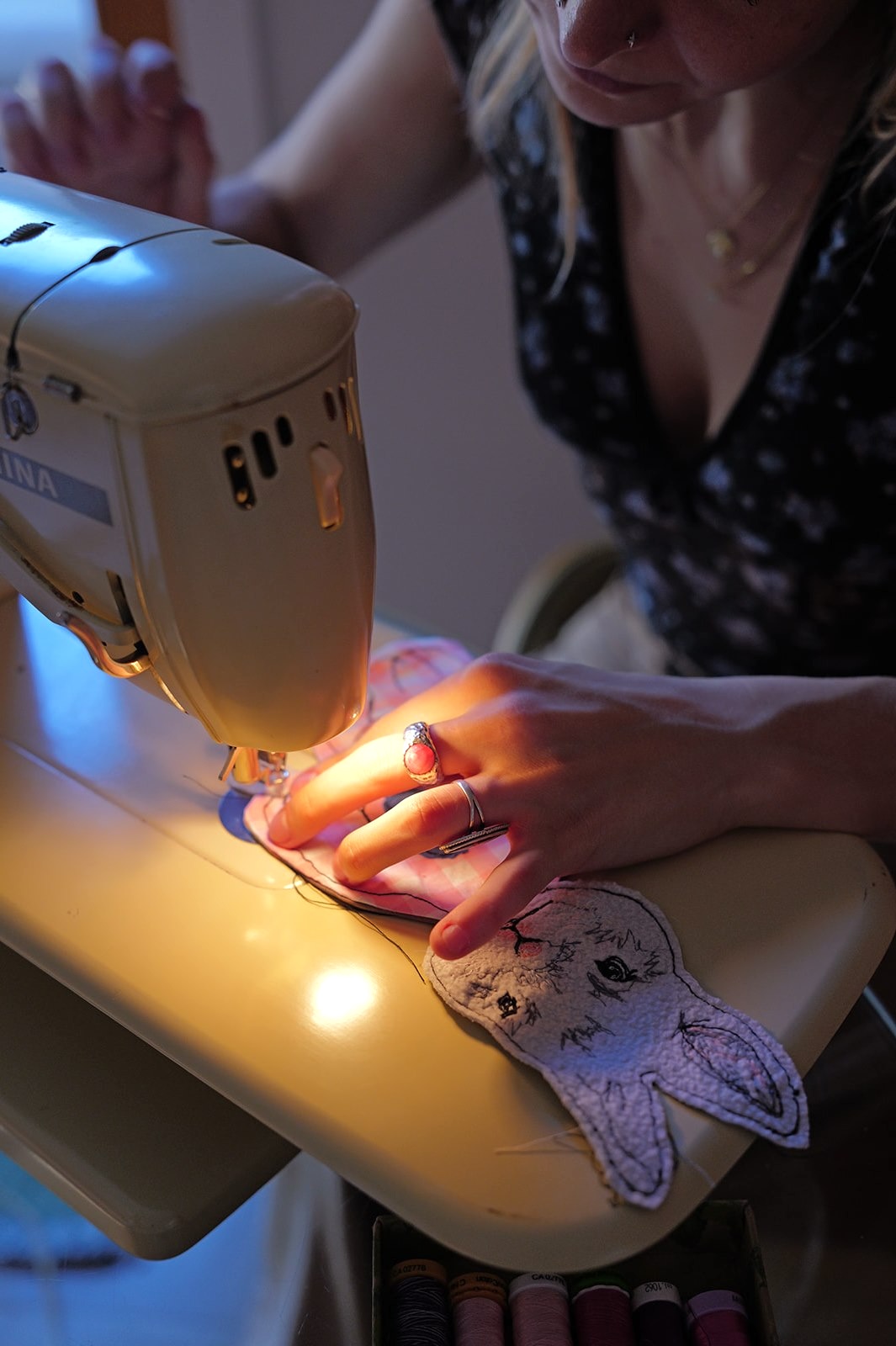
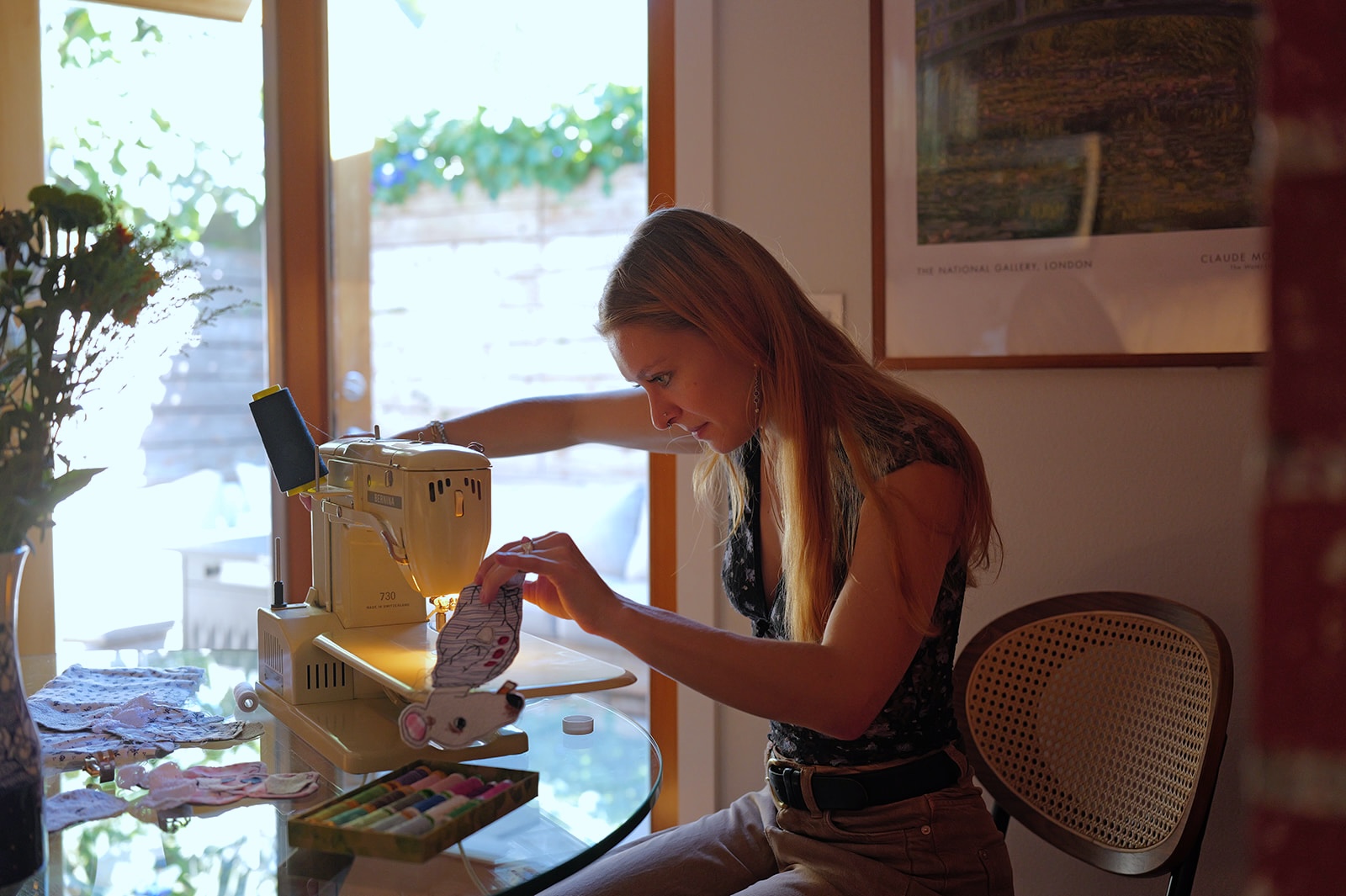
Image Credits
Erin Marton Photo
Popular
-

Portraits of the Valley
-

LA’s Most Inspiring Stories
-

Mason Ewing Is Bringing a World of His Imagination to Life Through Film
-

Dr. NanaEfua Afoh-Manin Is Rethinking What It Means to Be Healthy, Not Just Healed
-

Greg Hex Is Turning the Everyday Kitchen Knife Into a Modern Design Object
-

Rick Norris Learned That Building a Successful Business Means Building a Life You Actually Want to Live


