




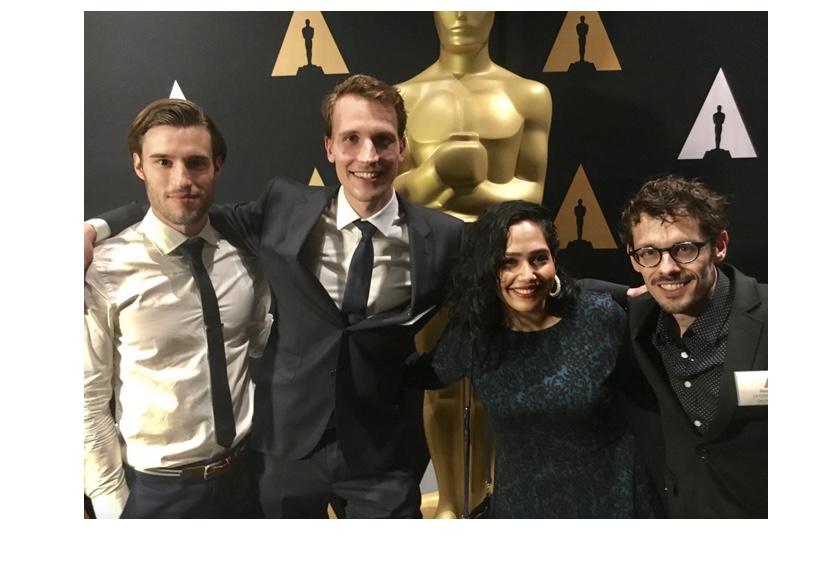
Today we’d like to introduce you to Timo Von Gunten.
Hi Timo, thanks for joining us today. We’d love for you to start by introducing yourself.
I grew up in the city of Zurich, Switzerland, in a middle-class family. Perhaps with my mum being a psychologist and my dad a chemist, it may have been the right mix of ingredients for me to become a filmmaker. It wasn’t like anyone else in my family had taken that path before. One certainly needs an analytical mind as well as a good understanding of human behaviour. I wasn’t allowed a TV throughout my childhood to avoid seeing too much nonsense (probably the equivalent back then to social media today) – but that abstinence may have been what made it so appealing to head down that path.
It all began during my father’s one-year sabbatical in Boulder, Colorado, when I got in touch with the craft of filmmaking through our family’s MiniDV camera (and the fact that our flat had a TV – I was allowed to watch U.S. sitcoms from the ’50s on TV Land. Ask me anything about The Andy Griffith Show or The Honeymooners). But it was only later, while editing all the video footage, that I began to understand the power of images, depending on how you cut them together. Soon, my first fictional works followed, and some awards at tiny festivals (I was 12 then). From that point onwards, I produced a short nearly every month, and this got me started in a playful manner. Still today, I try to keep some of that vibe from my origins, because often that gets lost with all the professional challenges.
Anyhow, after my high school years – which I spent more behind my film camera than with textbooks – it was my big dream to get into film school. I tried five different schools – I was rejected everywhere. I tried again the year after. Denied again. I was shattered. After trying university for two months, I realised this wasn’t for me; I needed to do something hands-on, something less intellectual. I reached out to several directors to shadow and finally got an internship at a production company as an editor. From then on, I professionalised my projects by having a film team surroundingme (mostly people more experienced than me!) and I’d focus on writing and directing. That was the beginning of my more professional shorts that paved the way for my career. For one of them, I was able to convince Jane Birkin (yes, the singer and namesake of the Birkin bag) to play the lead role. To my surprise, the film went on to receive an Academy Award nomination!
It didn’t take long before I got an invitation from one of the film schools I had tried to get into years before. They offered me a spot in the master’s program. But things aren’t necessarily easy with such high merits so early in one’s career. While I was ‘hot’ in LA for a couple of weeks with tons of meetings and offers of disappointing screenplays, in Switzerland hardly any of the producers called me to congratulate or offered me a job for my next project. That’s the thing in Switzerland – be careful how successful you get. I decided to go to film school after all and master my expertise in screenwriting – even though I never had ambitions to be a writer. But knowing something about it can’t harm as a director.
It was only four years after the Oscars that I got a phone call to co-direct a detective TV series. The request came from one of the directors I had reached out to years ago for shadowing. He had no idea about my initial reach-out, and there were some good laughs when I read my old letter to him at the warm-up before production began. That series has kept me busy for a while.
By then, I’d realised that many of my aspirations eventually come true – just about eight years later than I want them to. I recognised a pattern: in the moment I want something so badly, it often doesn’t happen. Only when I let go and nearly forget about it, it somehow comes back to me. The leap into the feature territory – where I do hope to make a full living – has proven extremely hard despite everything. On one hand, in the States it’s difficult for Europeans to interpret the social coding correctly and know when words are just hot air; on the other hand, the way films are funded in Switzerland is through democratic committees with members who are often failed filmmakers, who have poor taste or celebrate mediocrity (test question: how many Swiss films do you know?). So it’s really a question of finding the right, trustworthy people who genuinely believe in your talent as a filmmaker. And that, for me, is one of the crucial elements to building a long-lasting career. It is together with these producers that I embark on year-long journeys, if necessary with alternative methods – somewhere between the Swiss film funds and private investors. In terms of patience, nothing can shock me anymore. I’ve developed a stamina like that of a sequoia tree. After all, I know by now that what I want is going to happen – I just have to be patient long enough.
Would you say it’s been a smooth road, and if not, what are some of the biggest challenges you’ve faced along the way?
One of the major struggles is getting up every morning and continuing where you left off the day before. However, this is also one of the most wonderful things to do, for which I am deeply grateful. I am fully aware that practising the life of a filmmaker is an incredible privilege in today’s world. But sometimes I’d just love to have a 9–5 job where someone tells me what to do in exchange for a paycheque.
Another difficult aspect is finding the right stories – the ones you feel entitled to tell. Most of the time when I hear a pitch, I know immediately if the story carries my DNA or not. Finding your story is like a needle in a haystack. You always have to look out for them, but also allow the story to find you. Something that gets easier the older I get is that I have something to tell. So aging, in terms of being a storyteller, is actually a really positive thing.
Can you tell our readers more about what you do and what you think sets you apart from others?
I search for human stories across various genres. It’s the characters and their dilemmas that interest me most. The stories I’m drawn to often have a slightly larger-than-life and surreal aspect, yet they are grounded in reality (often even true stories) with a deep human core. I grew up with films such as La vita è bella, Cinema Paradiso, Paper Moon, Dead Poets Society, The Hours, Amélie… They have all inspired me greatly. It’s important to me that the audience can connect emotionally to the flawed characters. I aim to make films that fall in the middle ground between arthouse and mainstream.
All my films have a cinematic, creative, and original angle, while I try not to lose a broad audience. Despite the drama, I wouldn’t want to miss elements of humour throughout my stories, because that’s what life has taught me.
I’m most proud of having declined projects I felt I wasn’t the right director for. It’s the hardest thing to do, because you know it may support your existence for a long time. I’ve always followed my heart, and I’ve certainly never regretted that. I’m a very optimistic person who loves to collaborate with fellow artists and see an entire world come together. That’s pure magic! It’s the collaborative aspect of filmmaking that I find the most rewarding in terms of joy and happiness.
P.S. In case you’re reading this and think you have the perfect script for me, please email me directly at:
Contact Info:
- Website: https://www.bmc-films.com
- Instagram: https://www.instagram.com/timovongunten
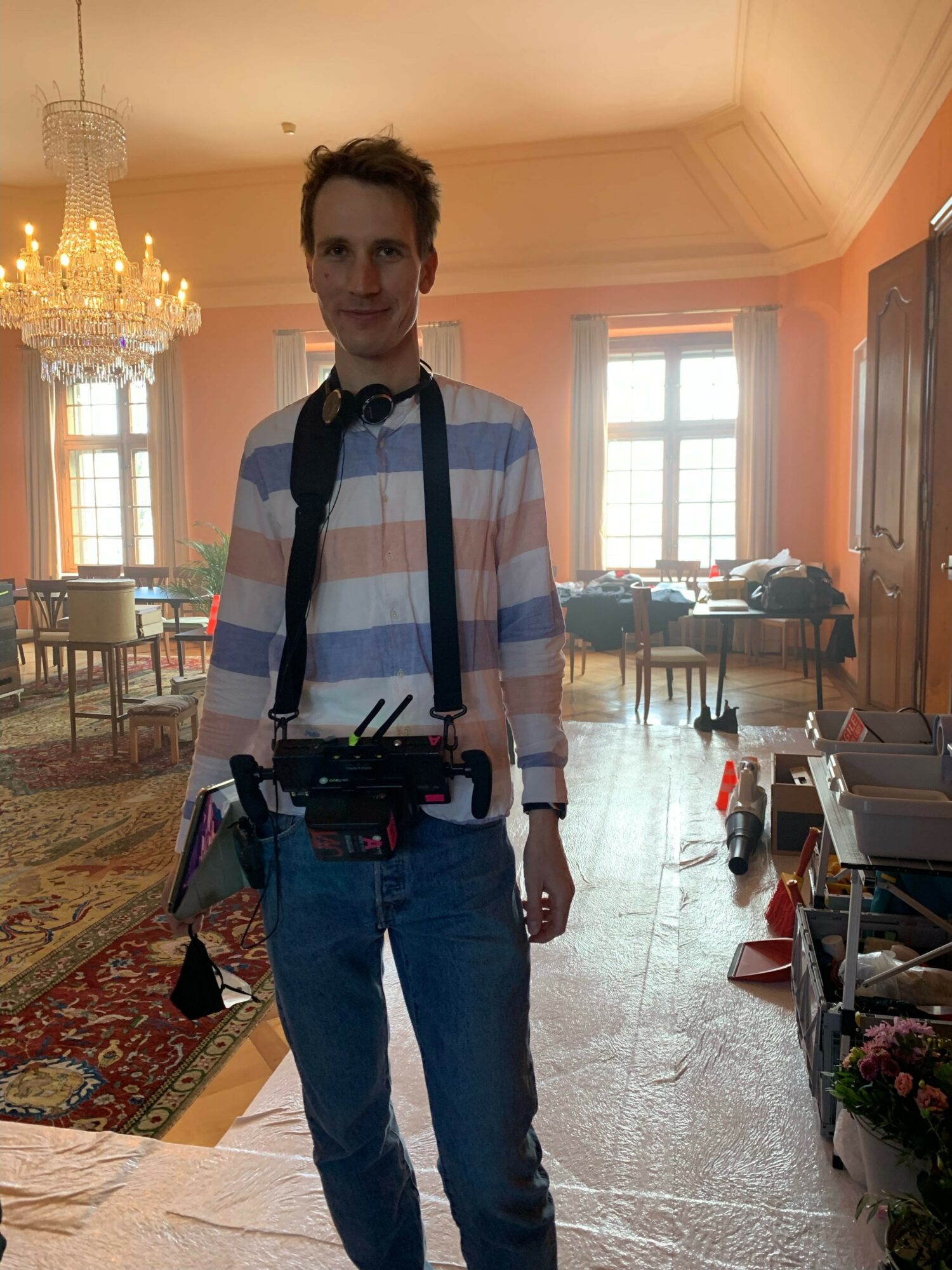
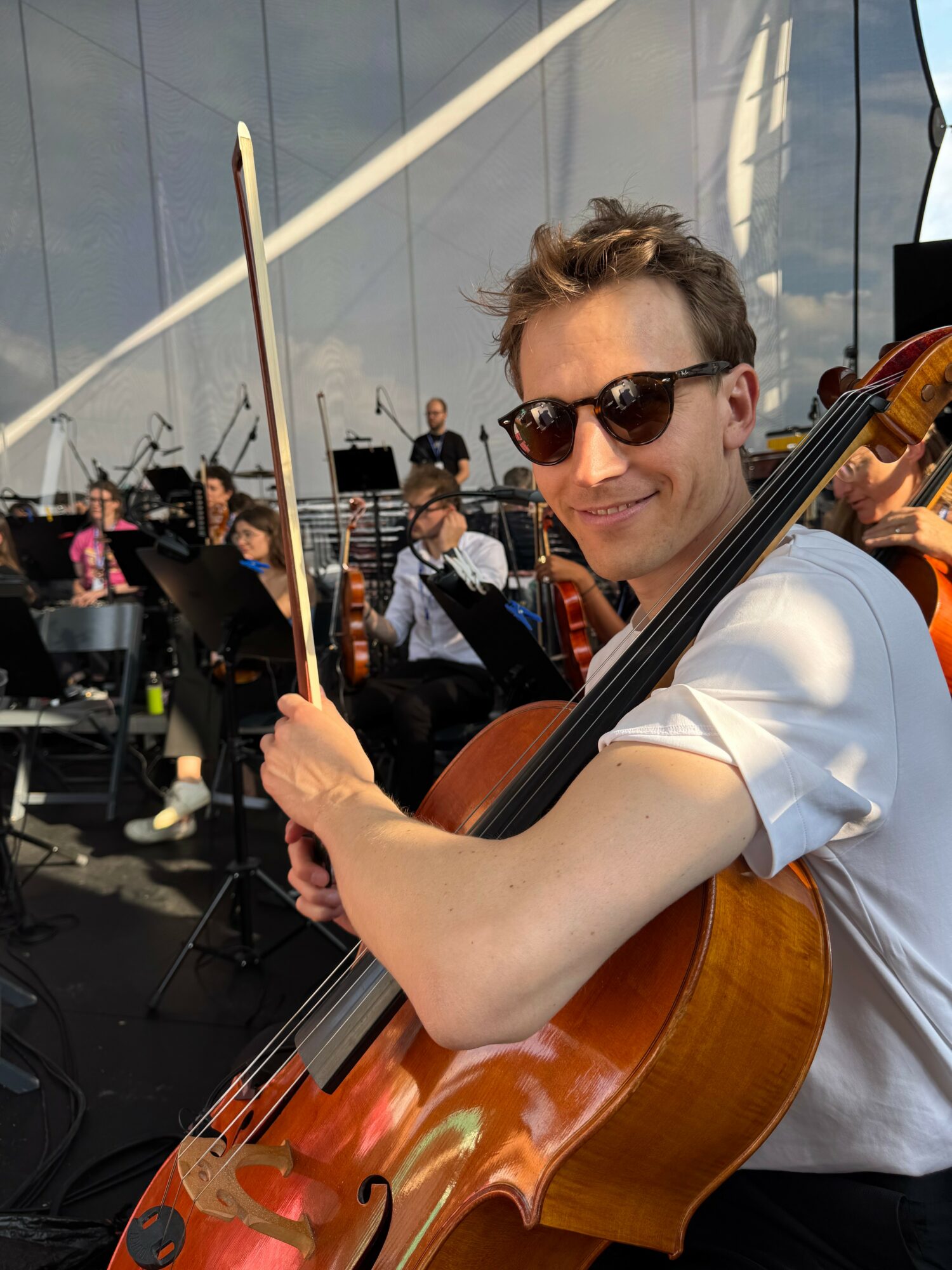
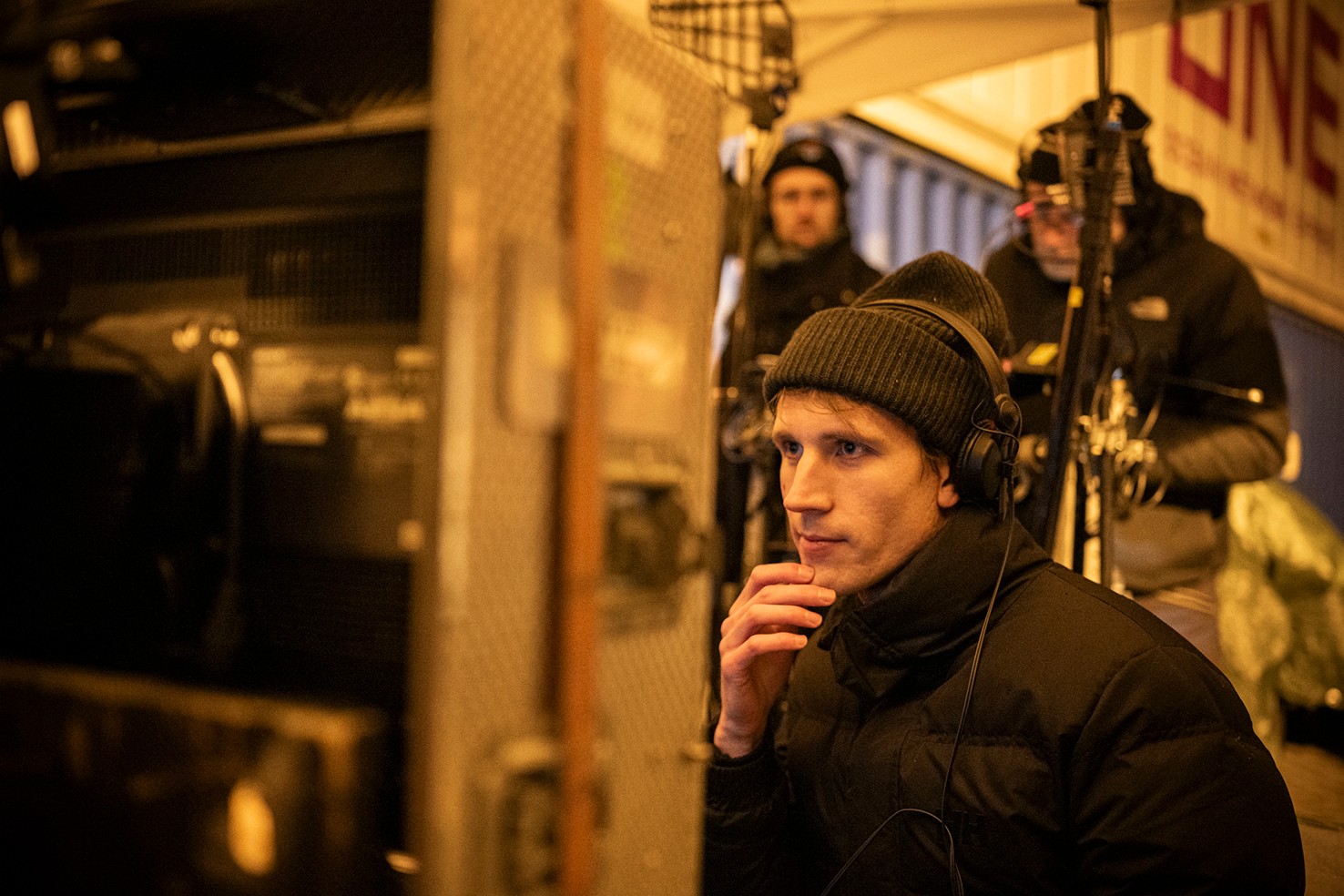
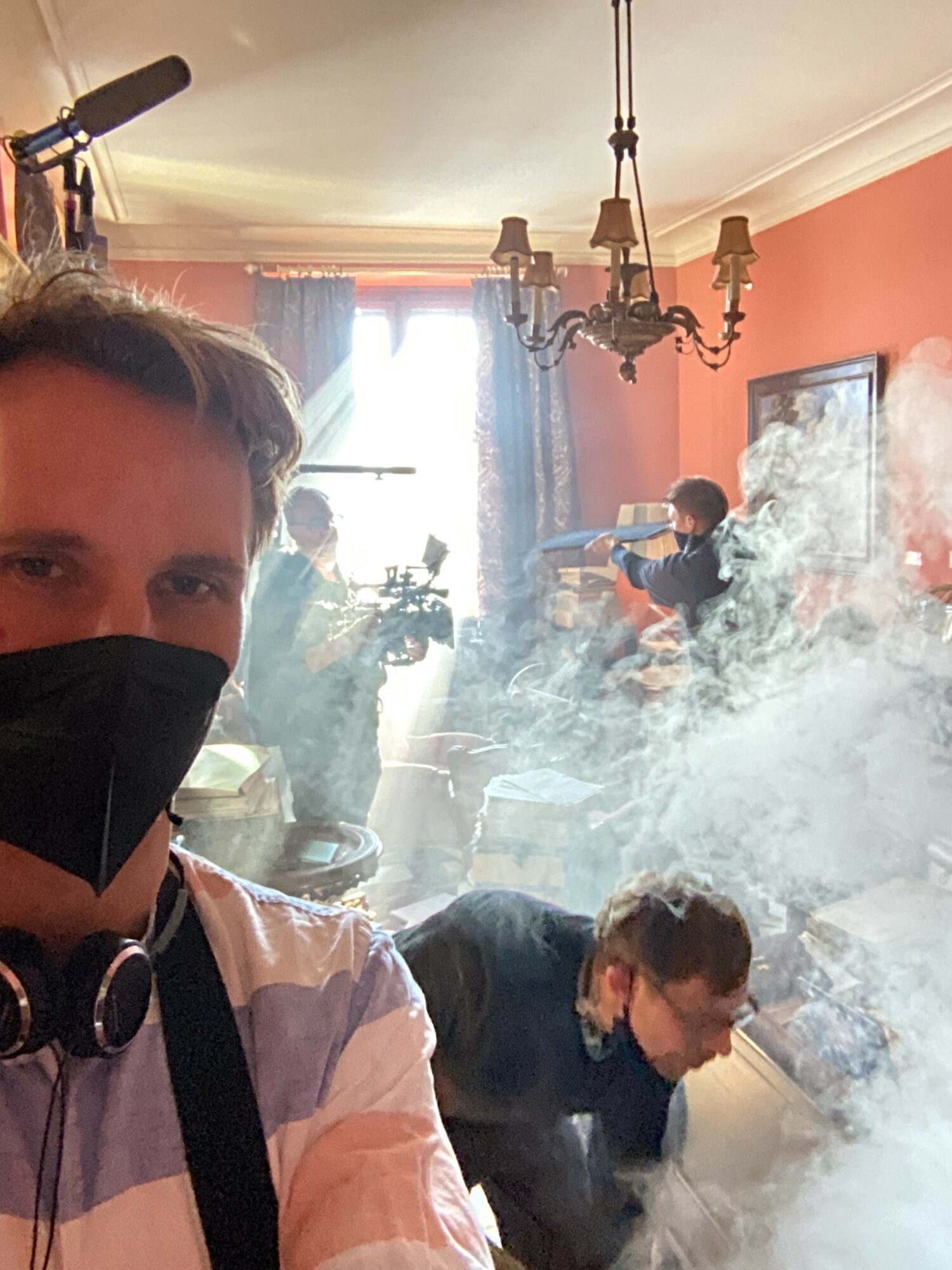
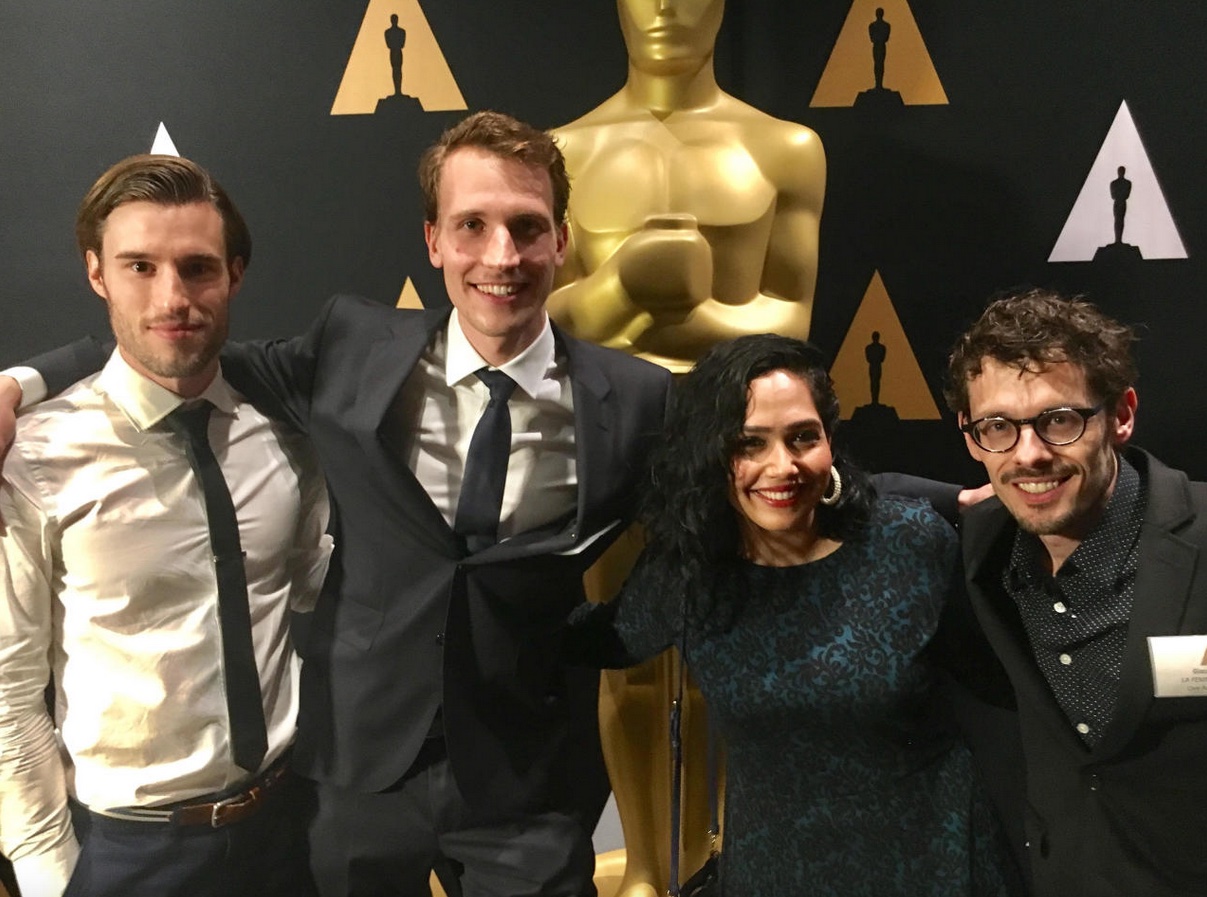
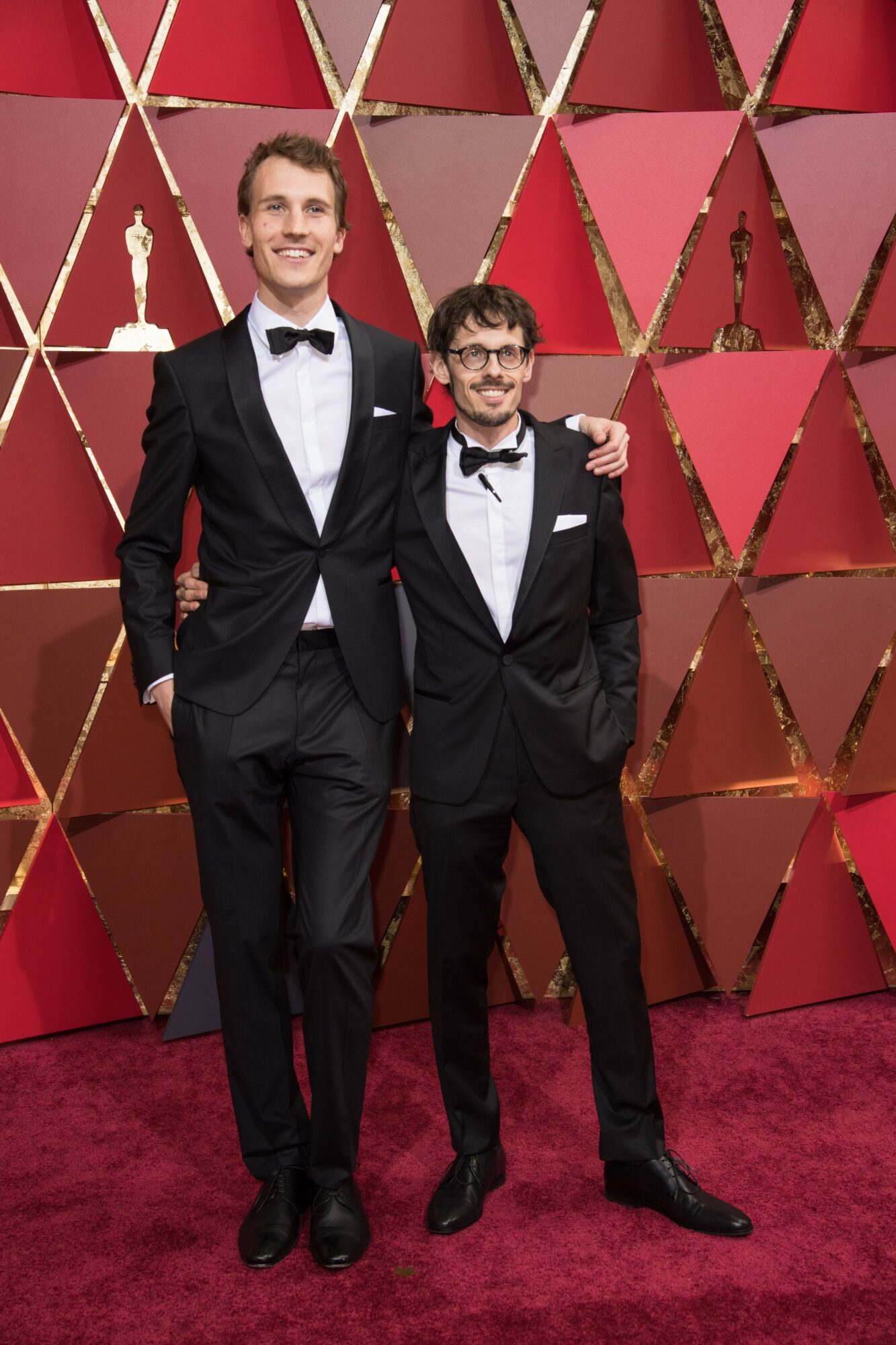
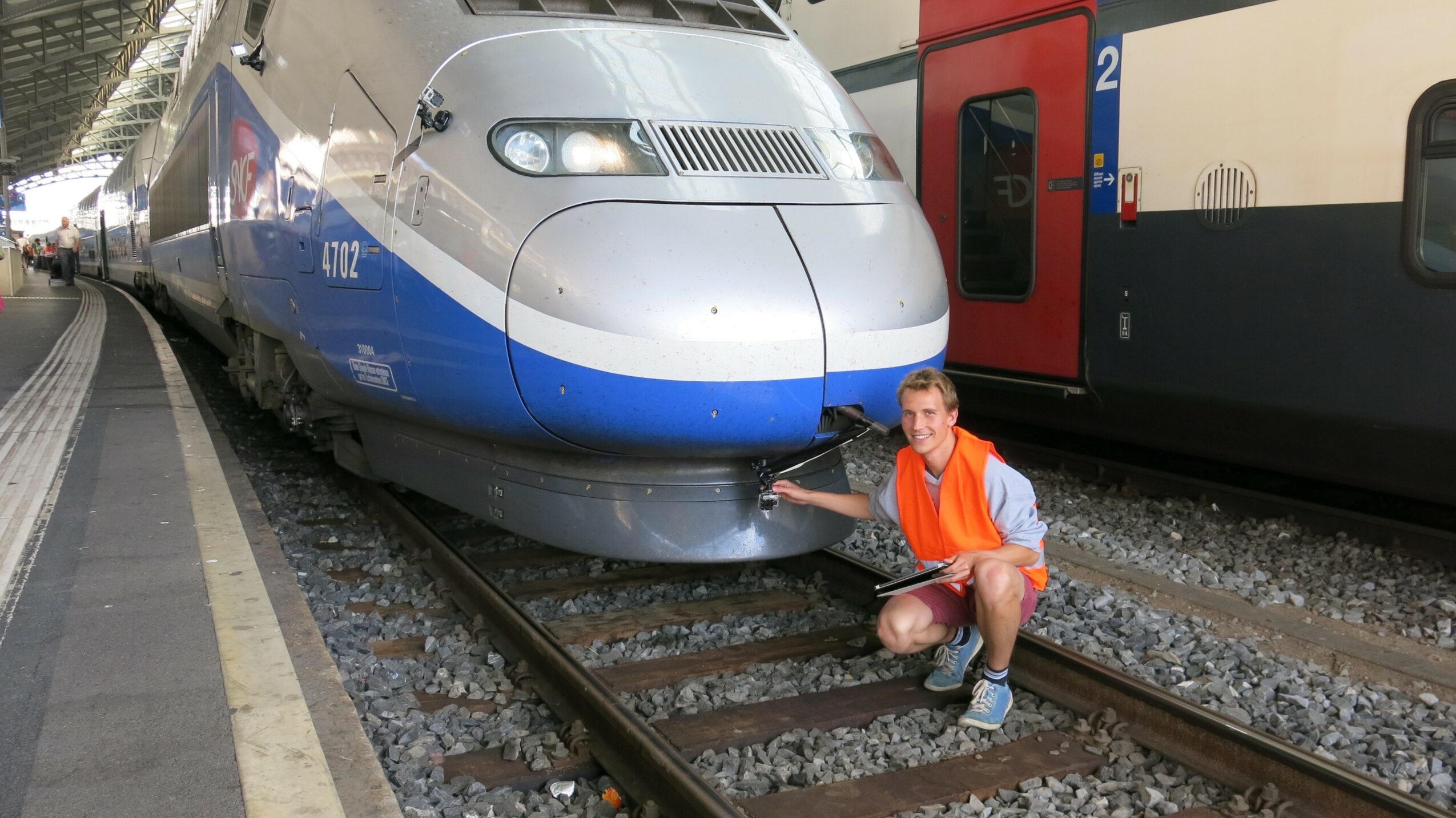
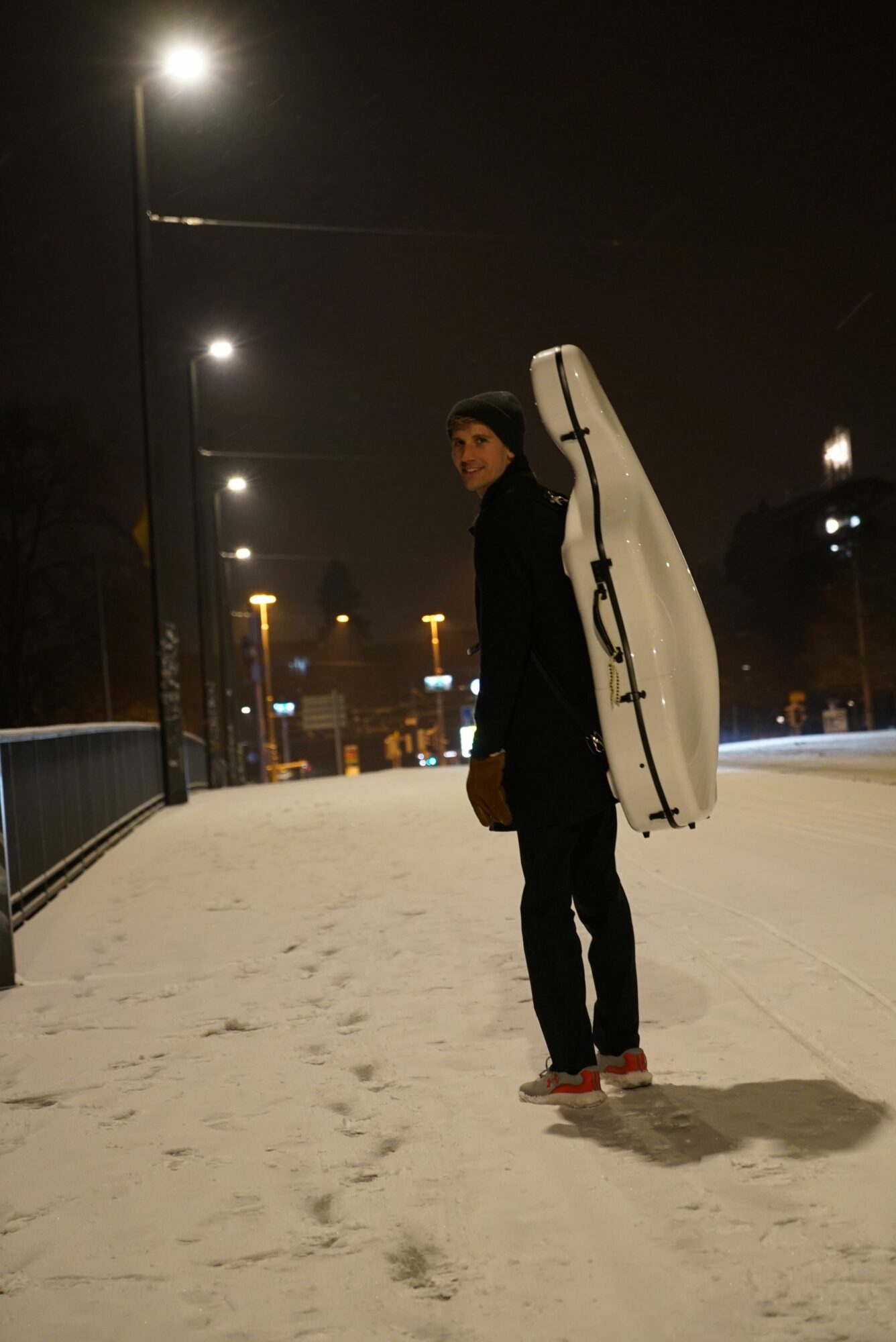
Image Credits
Jean de Meuron (Executive Producer), Timo von Gunten (Director), Nausheen Dadabhoy (Director of Photography), Giacun Caduff (Producer)
Popular
-

Jolana Nika on Redefining Modern Connection Through Intentional, Real-Life Experiences
-

What did suffering teach you that success never could?
-
Who saw you clearly before you could see yourself?
-

Who taught you the most about work?
-

Is the public version of you the real you?
-

What are the biggest lies your industry tells itself?


