




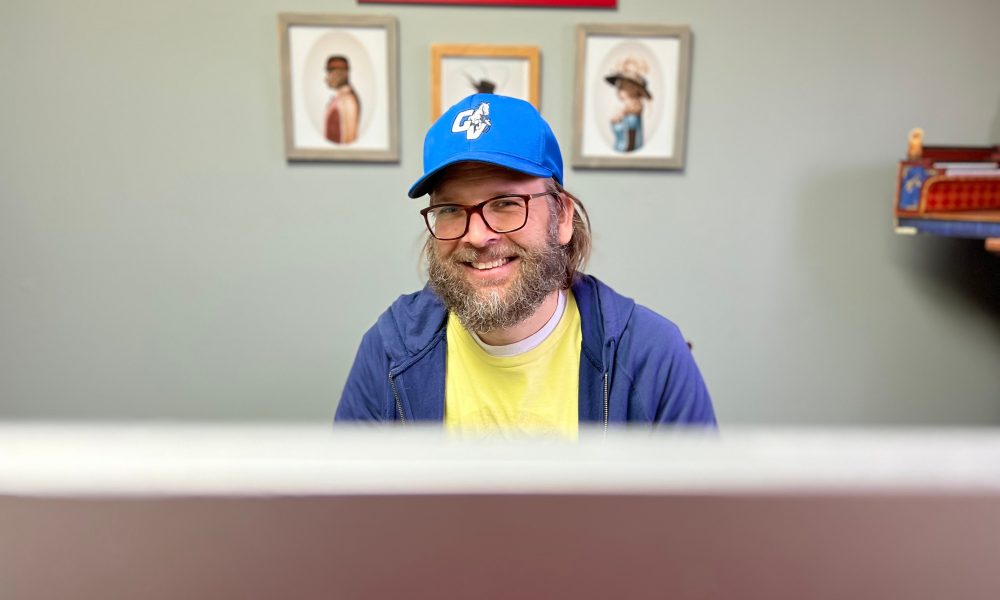
Today we’d like to introduce you to Shane Portman.
Hi Shane, it’s an honor to have you on the platform. Thanks for taking the time to share your story with us – to start, maybe you can share some of your backstory with our readers.
For as long as I can remember, I’ve always had a love of stories – hearing other people’s stories and telling my own. I was a Navy brat growing up, born in Connecticut and raised in Virginia and Ohio (with lots of moving around in between). Each move came with new stories as well as new stresses. And, oftentimes, the best way for me to cope with those stresses was to create stories either on my own or with my older brother and two younger sisters. My Mom has always had both a love of history and an infectious readiness to jump into imaginative play with us.
I gravitated to theater and graduated from the Conservatory of Performing Arts at Point Park University in Pittsburgh, PA. I kept writing throughout college and co-founded a sketch comedy group called The Animal Club. After graduation, I moved to Chicago with a portion of The Animal Club (which included my then-girlfriend, now-wife, Ruth Gamble). With the Windy City as our home base, we spent seven years performing sketch comedy there while also traveling across the country by plane, train, and a van that smelled of body odor and Wisconsin cheese curd to perform at sketch festivals in other cities. We also took improv classes at iO (aka Improv Olympic) and Second City, and Ruth and I performed on a house team at iO.
After The Animal Club parted ways, I began to focus more on writing, honing in on a series of stories that I wrote in a blog on The Animal Club website called Allister Cromley’s Fairweather Belle (Bedtime Stories For Grownups to Tell). The namesake came from a character I came up with to annoy my sisters back when I was in middle school. But, over time, the stories morphed into whimsical and philosophically folksy tales about an introverted adventurer. Ruth and I moved to New York City for a short time, and while there, I collaborated with directors and other actors to shape the Allister stories into stage shows that drew from a recipe of live music, physical acting, simple lighting effects, and whatever site-specific magic we could find in a performance space.
Ruth and I then moved to LA, and while trying to figure out how to break into the entertainment industry, we collected twelve of the Allister stories into a book illustrated by talented artist friends and self-published it. The book caught the eye of a friend-of-a-friend working on the first season of Tumble Leaf at Bix Pix Entertainment, the award-winning stop-motion animation studio. This friend-of-a-friend connected me to Kelli Bixler, the head of Bix Pix. I sent samples to Kelli, and after a brief back-and-forth, I was hired in a sort of amorphous position somewhere in between writer’s assistant and script coordinator. I instantly felt at home and valued there. And I wound up working on all the subsequent seasons of Tumble Leaf, first as a script supervisor and then as a writer. Under the guidance of director-extraordinaire Drew Hodges, Tumble Leaf wound up being an incredible creative experience, and the series nabbed sixteen Emmys, an Annie Award, a BAFTA, a Jury Award from the prestigious Annecy International Film Festival, and a Peabody nomination. In the final season, I received an Emmy nomination for writing (along with Drew and our story editor Carin Greenberg). Unfortunately, that nomination came during the height of the pandemic, so we all attended the ceremony from the comfort of our own socially distanced living rooms. But Ruth swooped in like the sweet ray of light she is and surprised me with a homemade red carpet event complete with a step and repeat that made the night extra special.
After Tumble Leaf, I was promoted to Head of Development at the studio and have been there ever since. I’ve helped develop material for Disney, Warner Brothers, Apple TV+, Nick Jr, Scholastic, and the National Wildlife Federation. I’ve written on series for Amazon, Apple TV+, and Nick Jr. The majority of those were for projects connected to Bix Pix, but I’ve also written for projects independent of the studio. I penned two episodes that were official selections of the Annecy International Film Festival: “The Wooly Dragon” from Moonlight Storytime (HMH Publishing’s Curious World app) in 2016 and “What Sounds Like Thunder” from Kinderwood (Nick Jr/Noggin) in 2021.
My most recent project is a more adult-oriented passion project that I co-created with Paul Pakler, a longtime friend/collaborator (and an original Animal Club member). Hobo Code is a four-part audio drama series. It’s the magical-realist story of eight-year-old Elizabeth “Buts” Wyland, who has a mystical best friend who lives in a coffee can. Buts enlists the help of Gadabout Jack, an acerbic rambler, and Brother Isaac, a self-ordained monk, to run away from her aunt and uncle’s Alabama farm. The series spans from the Roaring Twenties to the Great Depression, all the way to the Great Recession of 2008, tracing how the trio’s experiences affect them decades later. We like to say it’s a story of love, loss, and whatever you can fit in your bindle. It’s steeped in a beautiful original score, and we were fortunate to be able to bring together a wonderful collection of actors, including the incredible Bill Pullman and Susan Ruttan. You can listen to the whole series for free on Apple Podcasts, Spotify, or wherever else your ears prefer to get their podcasts.
I’m sure it wasn’t obstacle-free, but would you say the journey has been fairly smooth so far?
Not so smooth, especially in the beginning. The journey was definitely worth it, but there were challenges along the way. I’ll highlight two of the bigger ones.
It’s not easy to get your foot in the door as a screenwriter (or, honestly, just about any job in the entertainment industry). I didn’t get my first full-time job in the industry until I was 33. Until then, I was working at least one side job to keep the bills paid. Even after the first season of Tumble Leaf, there was a long break before the second season was greenlit. So, I wound up having to pick up another side job at a tech company for almost a year. I feel like every artist has a unique compass inside them. You’re kind of compelled to follow it. I know I felt that way, and it was frustrating and hard to hold on sometimes when I couldn’t see the light at the end of the tunnel. What helped during those times was to figure out how to continue to follow that compass and tell stories in ways that didn’t need permission from gatekeepers at big studios.
The other big obstacle for me is a more personal one. It took me years to realize I needed to go to therapy to address the repercussions of some trauma I experienced as a child. My Dad had a massive heart attack in 1990 when I was just under ten years old. He was defibrillated back to life, but there were mere seconds lost before his co-workers were aware of the severity of what happened and started CPR. And when my dad woke from his coma some weeks later, he had permanent brain damage. He had been a very gregarious, very lovable role model with a booming laugh that would often end in tears. A coach, a cub scout leader, and just an all-around-solid beam of support to me and my siblings. After the heart attack, he had to re-learn just about everything. He found some solid ground to grow from and was still a very loving father, but he was never the same. That experience and its aftermath really affected me. I assume most trauma functions similarly, but I can only speak with true authority on my own. I did what I could to get through it with whatever tools I had available at the time. My imagination and storytelling helped me as much as anything. But I also created a protective shell around myself, and it was only after my died Dad in 2006 that I began to realize that this shell was blocking my ability to truly be vulnerable in some of my most personal relationships, namely with my partner Ruth. It took years after that before I went to therapy and got to the root of my abandonment issues. That might seem disconnected from my career, but I assure you it’s not. Addressing those issues made me a more vulnerable person/partner, but it also had the beneficial side effect of making me a more vulnerable writer.
Thanks for sharing that. So, maybe next you can tell us a bit more about your work?
I think I’m most proud of the relationships I’ve been able to cultivate over the years with other artists and collaborators. Working on Hobo Code was truly a dream culmination of this. Paul and I have been friends since college, so creating this series with him was really like working with a brother. We created a production company called Hammer Canyon to produce the series. Ruth was a producer and assistant director and voiced one of the most pivotal characters in the series, and I treasure any opportunity I get to work with my partner-in-life. The three of us have formed a solid producing core with a really lovely working relationship where we care as much about the project as we do about each other’s well-being (and that’s also the type of environment that I’m blessed to have at Bix Pix). And our cast and crew were populated by a bunch of talented people I love whom I had the great fortune of meeting all along the way, from college in Pittsburgh to my time performing comedy in Chicago to my current life here in Los Angeles.
How do you define success?
I think success is living a life that fulfills you.
Contact Info:
- Website: http://www.shaneportman.com/
- Instagram: https://www.instagram.com/hobocodepod/
- Facebook: https://www.facebook.com/HammerCanyon
- Twitter: https://twitter.com/HammerCanyon
- Other: https://podcasts.apple.com/us/podcast/hobo-code/id1731643863
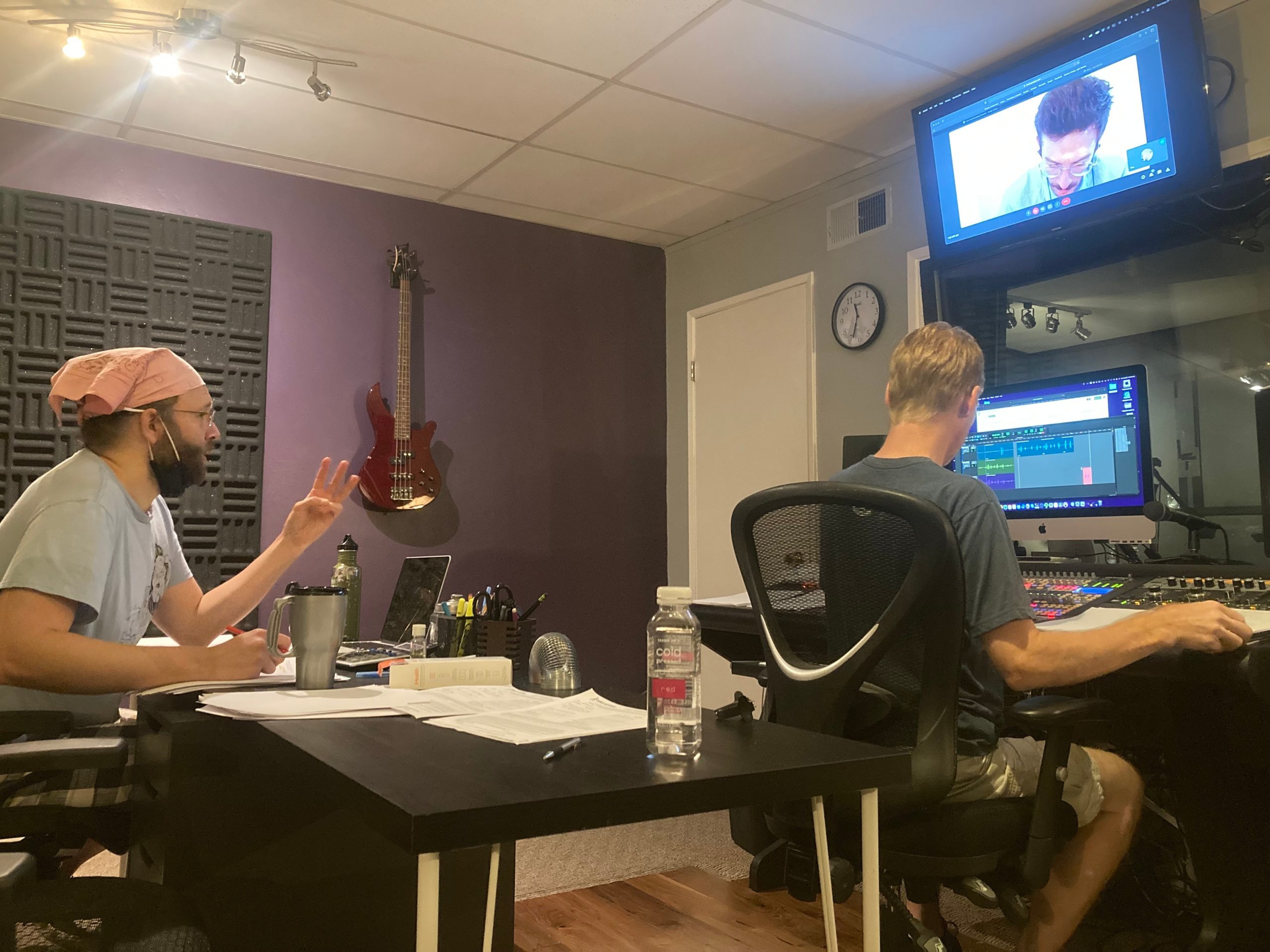
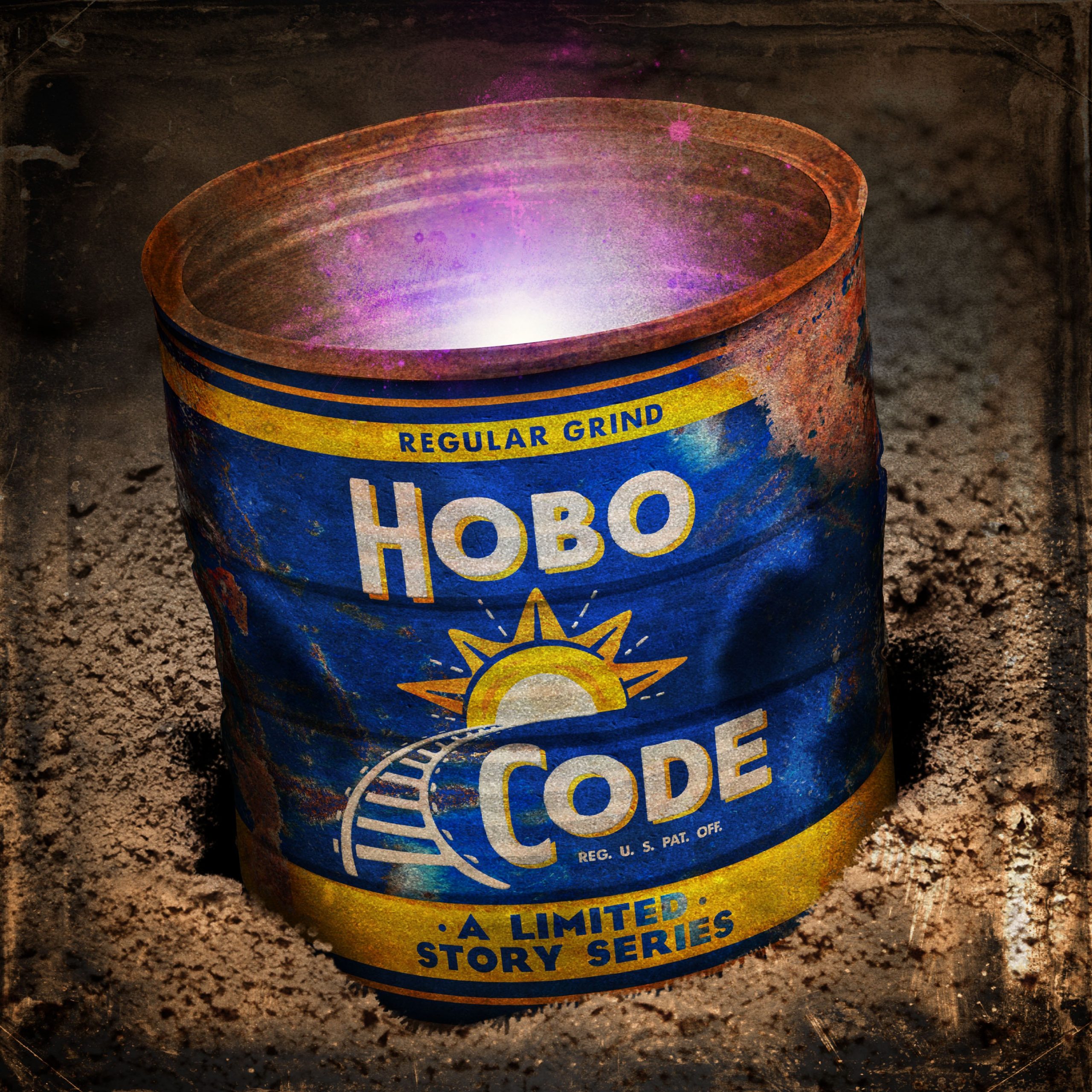
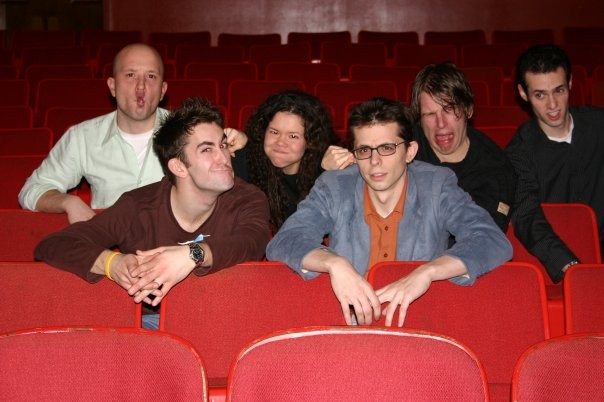
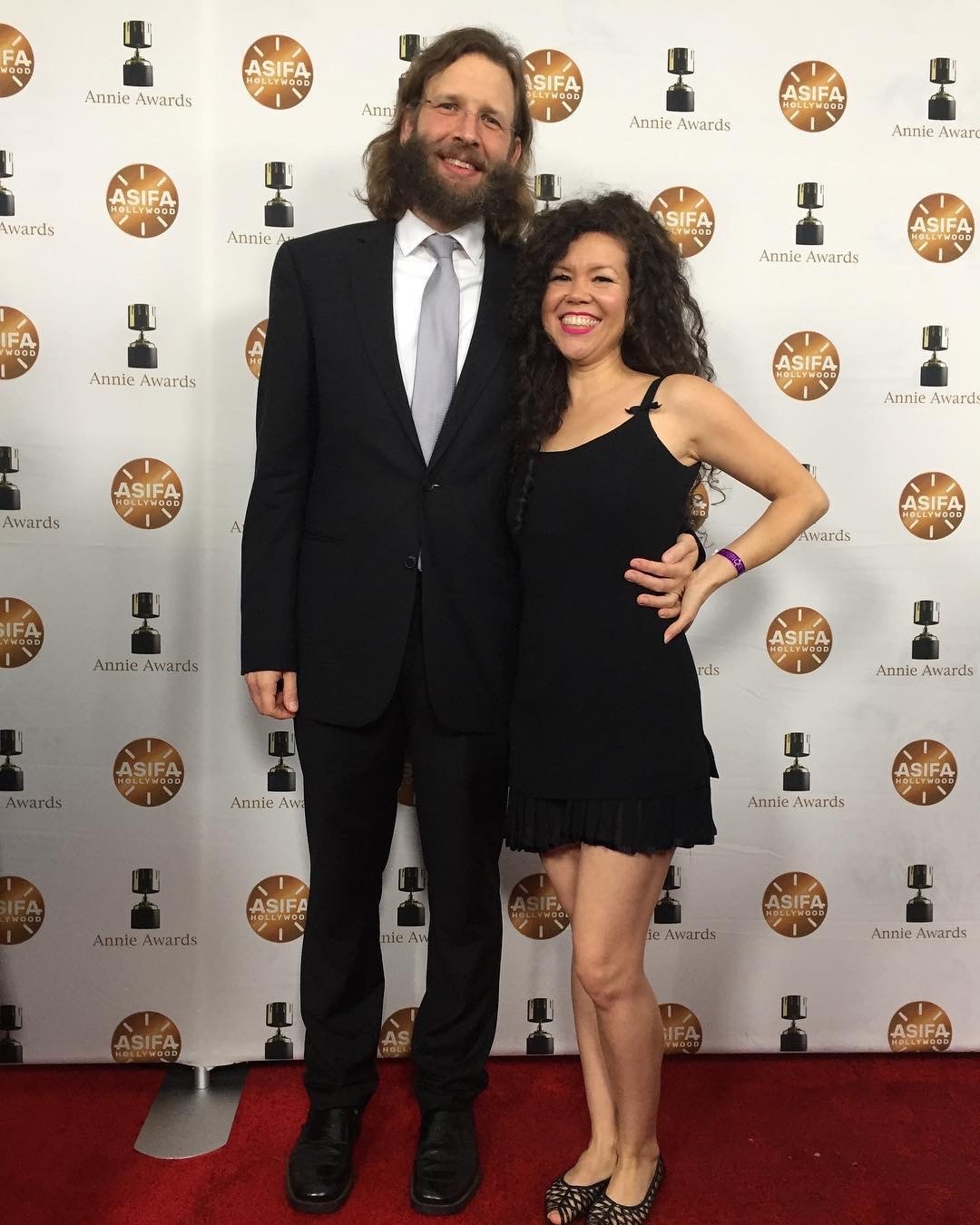
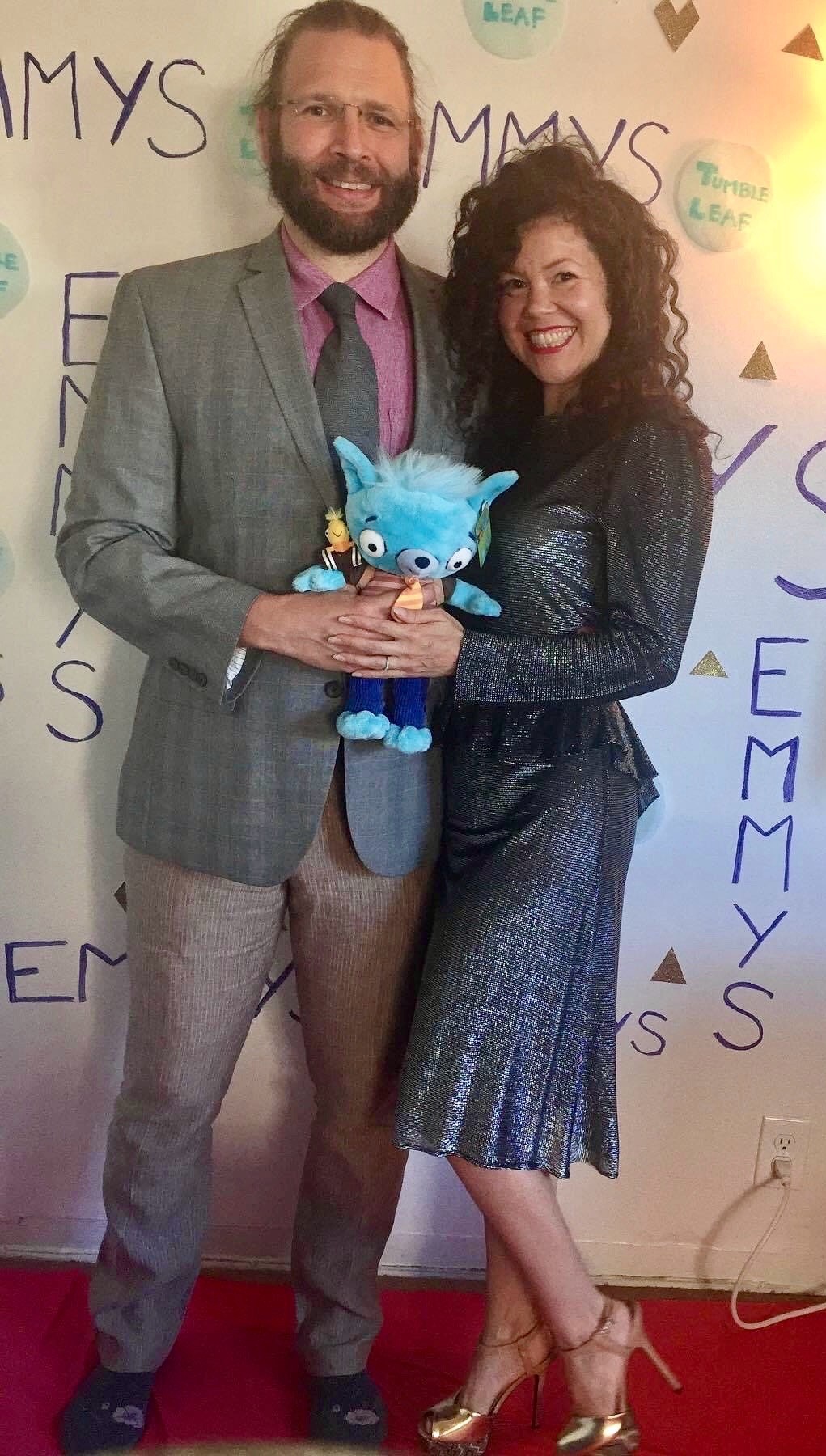
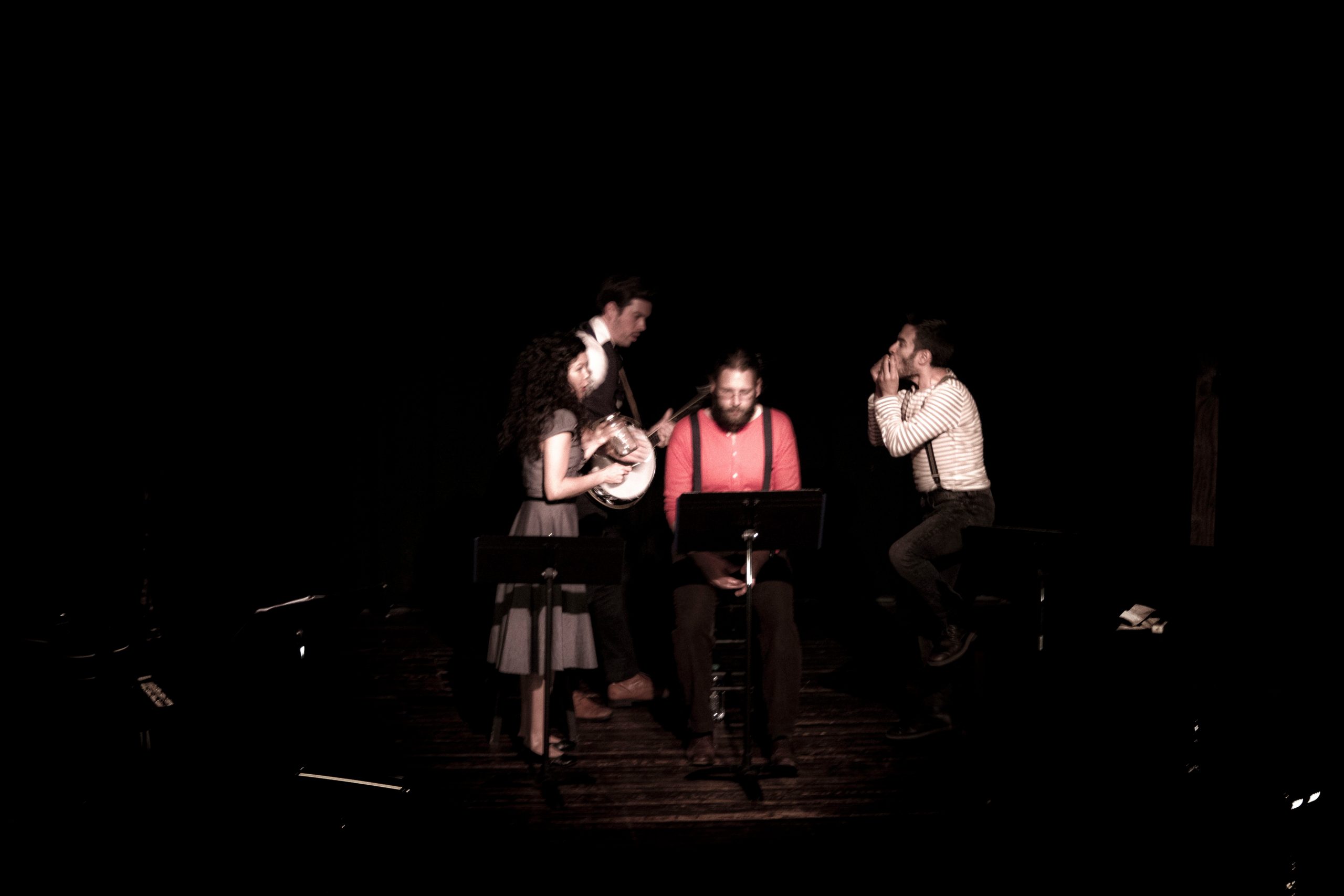

Image Credits
Stefan Lawrence
Popular
-
Los Angeles Barea on Turning Green Superheroes into a Global Movement for Youth-Led Change
-

Trisha DuVivier on Bridging the Franchisor–Franchisee Divide with Workhero and “Franulate”
-

Portraits of the Valley
-

LA’s Most Inspiring Stories
-
Cedar Boschan on Elevating Black Music Rights and Driving Urgent Conversations Around Credit, Equity, and Artist Protection
-

Robin Olive on Building an Inclusive Performing Arts Movement and Expanding Opportunities for Every Student


