



Today we’d like to introduce you to Safi Alia Shabaik.
Hi Safi Alia, thanks for joining us today. We’d love for you to start by introducing yourself.
I’m an original California “Valley Girl,” born and raised in the San Fernando Valley. My father was from Egypt, and my mom from Texas. They met in Berkeley in the late ’60s but moved to Los Angeles to plant roots and start a family. From an early age, I was exposed to various forms of art-making — photography, specifically, when my mother enrolled me in a pinhole camera class at the California Museum of Science and Industry around the age of five. Photography has been my companion ever since. After many careers working for other people, I decided to focus more seriously on my own art. This was around 2014-ish. I am involved with The Los Angeles Center of Photography. I sell fine art prints of my work, get commissioned for specific personal photo shoots, get hired to photograph various events and nightlife around Los Angeles and work on my own personal projects, as well as work as a freelance project manager.
Alright, so let’s dig a little deeper into the story – has it been an easy path overall and if not, what were the challenges you’ve had to overcome?
Well, any artist or anyone with a specific goal will tell you that it is never a smooth road. There are always obstacles and hurdles with anything you choose so brain flexibility is key. You have to think outside of the box. It is important to take risks, push through the hurdles you encounter, and keep trying. These are catalysts for personal and creative growth. There will be many voices telling you to take a more traditional and stable path. Just make sure to listen to your own above all others, and surround yourself with good people.
I recently received a National Endowment for the Arts (NEA) Visual Arts Grant in collaboration with the Parkinson’s Foundation, which funded the creation of a solo exhibition of a body of work I made with my father in his last years of life. I basically built a solo multi-layered exhibition consisting of framed photographs, audio elements, and objects from scratch and pretty much on my own. I am very thankful for my knowledgeable friend network and did reach out to various people for advice – everyone was very supportive. But there were many unexpected challenges, especially working within a specific budget to build an exhibit of this magnitude. It was a constant journey of hitting hurdles and immediate problem-solving. My partner Emily at the Parkinson’s Foundation was also instrumental in bringing this exhibition to fruition. I couldn’t have done it without her.
Thanks – so what else should our readers know about your work and what you’re currently focused on?
The mediums I use most for my expression and art are photography, collage, and experimental video; sometimes sculpture, printmaking, or drawing. Throughout my life, the backbone of my work has been an exploration of identity and persona.
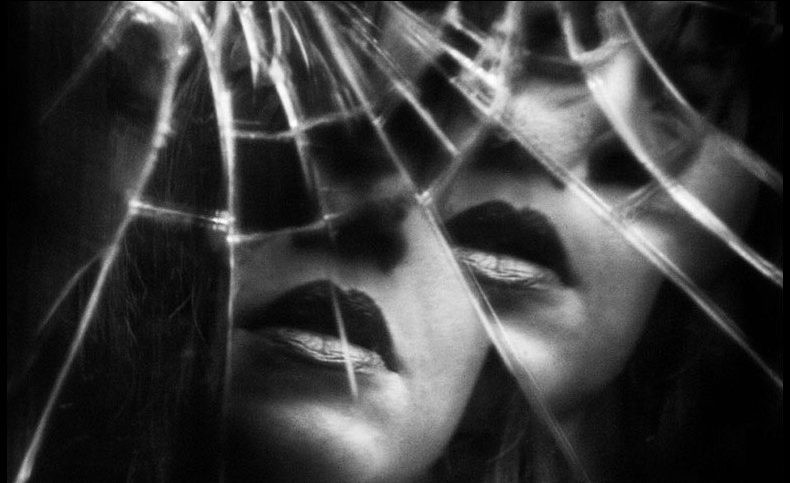
My photographic work explores identity, persona, and subcultures, and strives to present the humanity of all people. I’m drawn to individuals who push their bodies to the extreme, live outside of the norm, and/or use external creative expression (such as costume, ritual, performance, alter-egos, etc) to foster community. With subject matter ranging from the self to family (the extremely vulnerable collaboration with my father) to street to subculture, my work investigates worlds that the viewer may never choose to enter or even know to exist . . . worlds that might push boundaries, thresholds, or be regarded as culturally unacceptable parts of life. I am known for strong compositions, creating art out of life, being brave and bold in my subject matter, and my dark, moody, documentary-style, black-and-white aesthetic. I am proud of it all, but the most profound body of work is certainly the collaboration with my father in his last years of life. This work can be viewed on my website in the portfolio titled “Personality Crash.”
My collage work is an exploration of my subconscious as well as a study of the relationship between anatomical appropriation, objects, and culturally-infused meaning. I predominantly work in analog form, as opposed to digital manipulation. I call these “Transient Collages” since I don’t always make them permanent with adhesive. The collage creations are memorialized in-camera; the scissor-cut loose-leaf parts are then disassembled and can now be reused for future collages.
My experimental videos have been visual metaphors drawn from experiences in my own life. They are created mostly with a Fisher-Price PixelVision Camera – on occasion with a Super8 film camera – and, once again, bring us back to topics of self, identity, and persona. From time to time, I create super crude stop-motion animations of certain transient collages – made in the traditional style of shooting multiple still images with my camera and then animating them like a film strip or flip book.
I also create Dada-inspired poetry where I tear words and phrases from old books, place them in a cookie jar, then pull them out randomly and make meaning from the new relationships. I use them as poetry and, at times, in my transient collages and now in a newer project involving cyanotypes.
Networking and finding a mentor can have such a positive impact on one’s life and career. Any advice?
Get involved with an organization in line with your passion. The Los Angeles Center of Photography is a great resource for photographers, whether they are in LA or based outside of this area. They not only teach workshops but also offer mentorships, calls for entry, webinars, and various other events worth checking out. Portfolio Reviews are another good way to network, find opportunities, and possibly mentorships. Go to art openings. Meet people. Open yourself up and have conversations. If you meet the right people, they will want to help and connect you with other people.
Contact Info:
- Website: flashbulbfloozy.com
- Instagram: @flashbulbfloozy
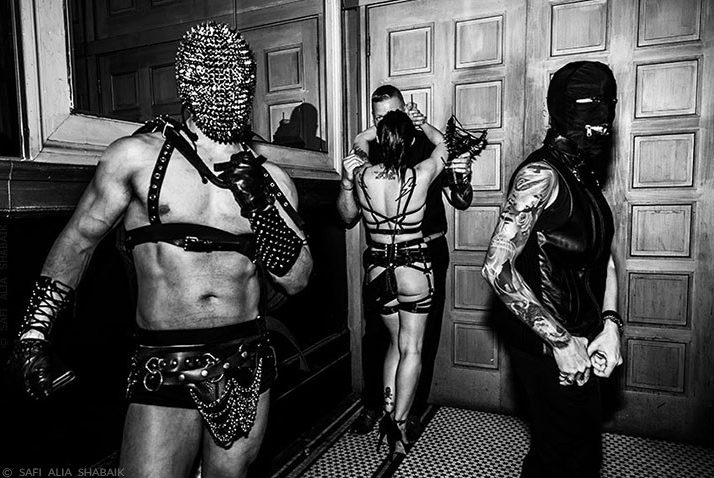
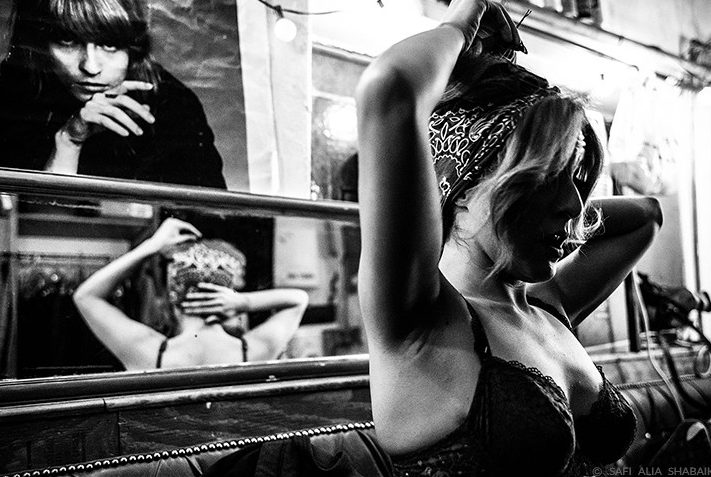
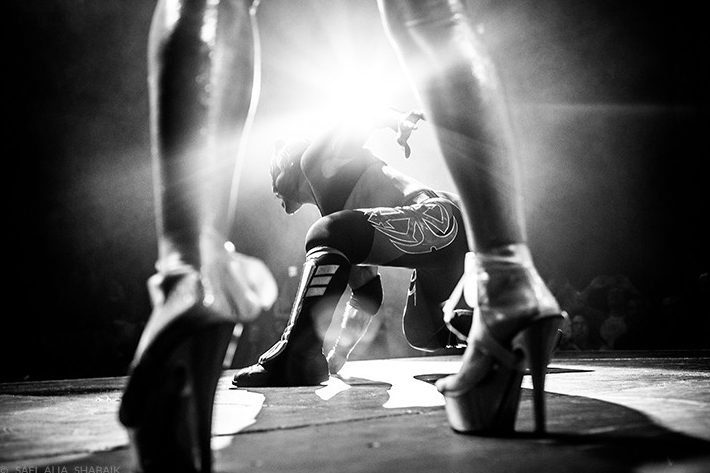
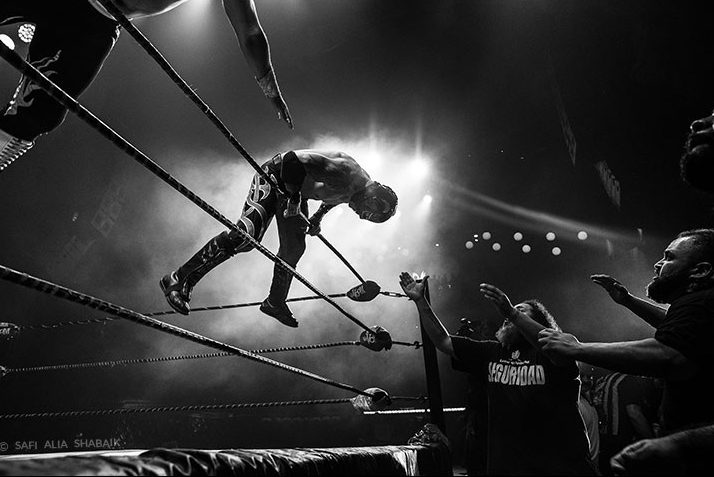
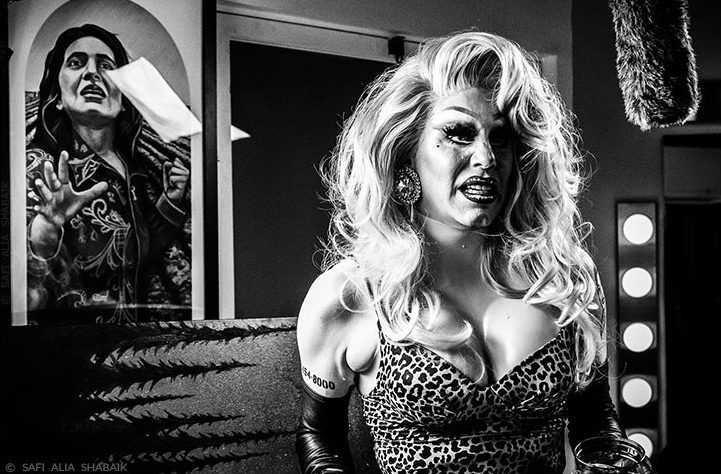
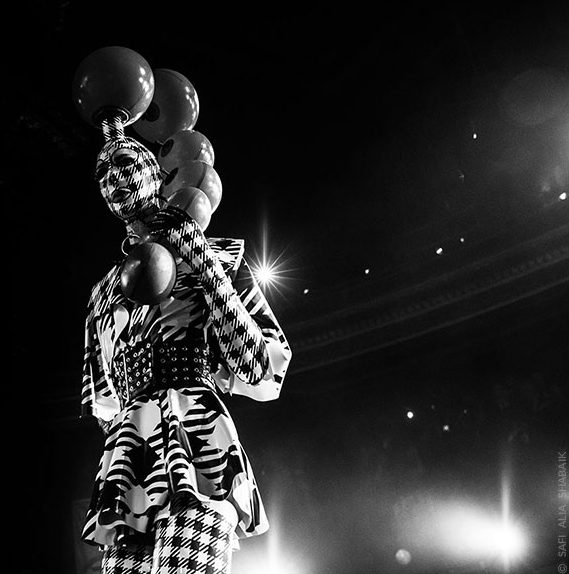
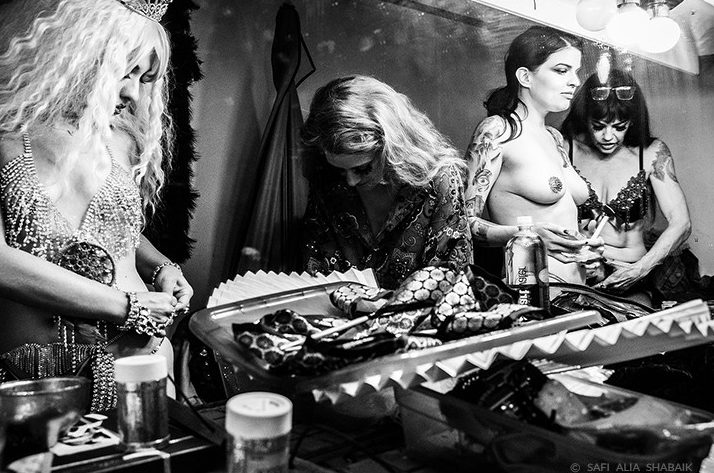
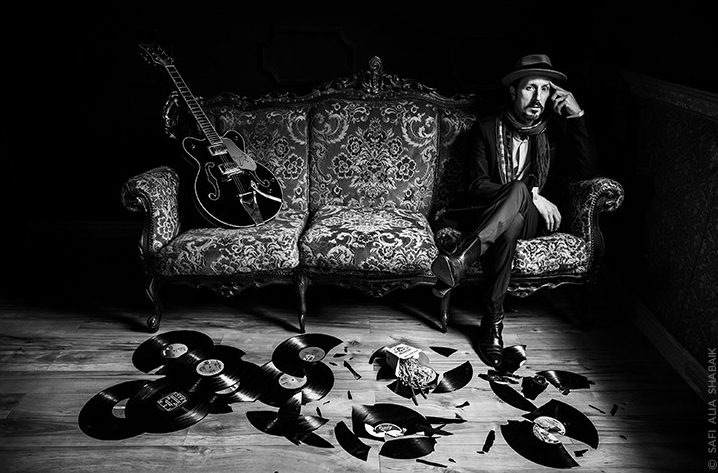
Image Credits
All images © Safi Alia Shabaik. All Rights Reserved.
Popular
-

Heart Glow: Arisa on Creating Space for Healing, Connection, and Inner Growth
-
Jamarius Leaphart Is Building Safe Spaces Through Art, Ritual, and Radical Honesty
-
Justine Wentzell‑Chang Is Rewriting Power Through Storytelling and Political Messaging
-

Kerly Vallejo Is Composing Quiet Spaces for Rest, Reflection, and Healing
-
Joseph Lu Is Composing at the Edge of Dream and Consciousness
-

Healing as a Way of Life: Lisa Taylor on Radical Self‑Care and Conscious Change


