




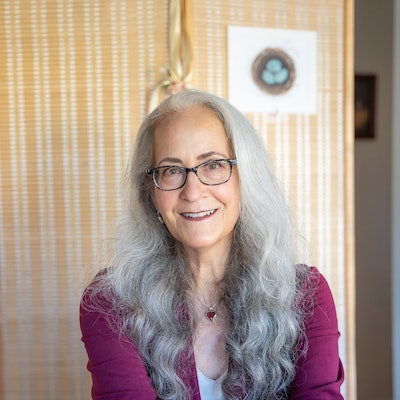
Today we’d like to introduce you to S. Abigail McCarrel.
Hi S. Abigail, thanks for sharing your story with us. To start, maybe you can tell our readers some of your backstory.
I’ve spent my entire life helping children feel safe and seen—from babysitting in my neighborhood to lifeguarding at the community pool to teaching swimming lessons to kids with special needs. My path to becoming a family therapist didn’t just start in graduate school—it began when I was a child myself, learning that connection is the real heart of healing.
When I became a mother, I poured that same passion into raising my three daughters. I used the tools I thought were “right”—timeouts, reward charts, consequences. But over time, I realized those methods weren’t meeting my children’s deeper emotional needs, and they weren’t creating the trust and closeness I longed for in our family.
Growing up in a strict, controlling home, I began to see that I was unintentionally repeating some of those same patterns. That realization was humbling, but it was also a turning point. I immersed myself in neuroscience, attachment theory, and trauma-informed parenting. I learned that what we often see as “misbehavior” is really a nervous system response to stress, and that lasting change happens when children feel emotionally safe, understood, and connected.
I shifted away from control toward connection. I took responsibility for my missteps, repaired ruptures, and made emotional safety the foundation of my parenting. That choice transformed my relationship with my daughters—today, when they tell me “You’re the best mom ever,” I know it’s not because I was perfect, but because I chose empathy over power struggles, repair over resentment, and connection over control.
Now, through online parent therapy in California, family therapy, and parent coaching, I help parents navigate the hardest moments with compassion and science-backed strategies. My mission is simple but powerful: to help parents become the healers in their own homes, rebuild trust, and create bonds that last a lifetime.
Would you say it’s been a smooth road, and if not what are some of the biggest challenges you’ve faced along the way?
One of my biggest personal hurdles has been navigating my own neurodiversity. I have dyslexia, and in the early years, keeping up with the endless social work documentation felt like running a marathon with my shoelaces tied together. Add to that raising three daughters while working with young girls who had been sexually abused—it made me hyper-aware of safety, sometimes to a fault. On the funny side, my oldest daughter still gets a little anxious if someone unexpected knocks on her door. “Stranger danger” stuck a little too well in our house.
Professionally, the field has shifted dramatically over the years. I took about a decade away from work to focus on raising and launching my daughters into college. When I returned, the landscape had completely changed—behavior charts and strict techniques had fallen out of favor, replaced by positive parenting and brain-based approaches. It was exciting, but also intimidating. I had a lot of catching up to do, and with dyslexia, that meant studying took extra patience and determination.
Those challenges shaped me, though. They taught me empathy for parents who feel overwhelmed, reminded me that learning is always possible, and deepened my commitment to the kind of connection-based work I do now.
As you know, we’re big fans of you and your work. For our readers who might not be as familiar what can you tell them about what you do?
I’m a Licensed Clinical Social Worker who provides online parent therapy, family therapy, and parent coaching across California, specializing in supporting parents of neurodivergent, gifted, twice-exceptional (2e), ADHD, and adopted children. My work combines trauma-informed, attachment-based approaches with the latest neuroscience, giving parents tools to navigate challenging behaviors, strengthen emotional safety, and rebuild trust.
I’m most proud of my non-judgmental approach. Parents often come to me feeling defeated, worried they’ve “messed things up” beyond repair. I meet them exactly where they are—no shame, no blame—and walk with them through the hardest seasons. I believe the smallest moments of healing can create the biggest ripple effects in a family. Whether it’s a parent pausing before reacting, offering comfort in a moment of dysregulation, or finding the courage to repair after a rupture, these are victories worth celebrating.
One unique aspect of my work is offering primitive reflex integration as part of therapy. Primitive reflexes are the automatic, instinctive movements babies are born with—like the startle reflex or the grasp reflex—that help them survive and develop in the first year of life. Ideally, these reflexes integrate (or fade) as the brain matures. But sometimes, due to stress, trauma, neurodiversity, or developmental differences, these reflexes remain active beyond infancy. This can affect everything from attention and emotional regulation to coordination and learning.
By using gentle, movement-based exercises, we can help the brain and body finish integrating those reflexes. When that happens, kids (and even adults) often experience more calm, better focus, improved coordination, and greater capacity for connection. As Jill Stowell explains so beautifully, it’s like clearing out “background noise” in the nervous system so the brain can focus on higher-level thinking, learning, and relating.
My clients know me as someone who blends deep empathy with brain-based strategies—and as someone who believes, wholeheartedly, that it’s never too late to repair and strengthen family bonds.
Before we let you go, we’ve got to ask if you have any advice for those who are just starting out?
As a therapist in private practice, I wish I’d had more business education and training from the very beginning. Graduate school prepared me to be a skilled clinician, but it didn’t teach me how to run a business—how to market myself, speak from the heart about my work, or navigate the financial and administrative side of private practice. Those skills are essential if you want your practice to thrive.
Private practice can also be surprisingly isolating. You’re often working alone, without the built-in collaboration you’d have in an agency or group setting. For me, finding networking groups and peer consultation circles has been a lifeline. They’ve given me a place to share ideas, troubleshoot challenges, and feel supported by colleagues who understand this unique work.
If you’re a new therapist starting a private practice, my best advice is to invest in some business coaching early on. It will give you the tools, structure, and confidence to launch not just as a clinician, but as a business owner. When you combine a strong foundation in your craft with solid business skills, you set yourself up for a sustainable and deeply fulfilling career.
Pricing:
- 50-minute Individual therapy: $175
- 55-minute Parent Coaching therapy: $225
- 80-minute Parent Coaching therapy: $250
Contact Info:
- Website: https://welcomehomefamilytherapy.com/
- Instagram: https://www.instagram.com/welcome_home_family_therapy/
- Facebook: https://www.facebook.com/Welcomehomefamilytherapy/
- LinkedIn: https://www.linkedin.com/public-profile/settings?trk=d_flagship3_profile_self_view_public_profile
- Other: https://www.threads.com/@welcome_home_family_therapy?xmt=AQF0szCK54i0v2NjmwKATM8NMzbxi4ePfmYb1oyROauj53c

Popular
-

Cedar Boschan on Elevating Black Music Rights and Driving Urgent Conversations Around Credit, Equity, and Artist Protection
-

Portraits of the Valley
-

LA’s Most Inspiring Stories
-

Robin Olive on Building an Inclusive Performing Arts Movement and Expanding Opportunities for Every Student
-

Que Johnson on Building Brands That Last: From Visibility to True Market Authority
-

Christina Wren Steps Into the Director’s Chair to Tell Stories That Feel Like Home


