



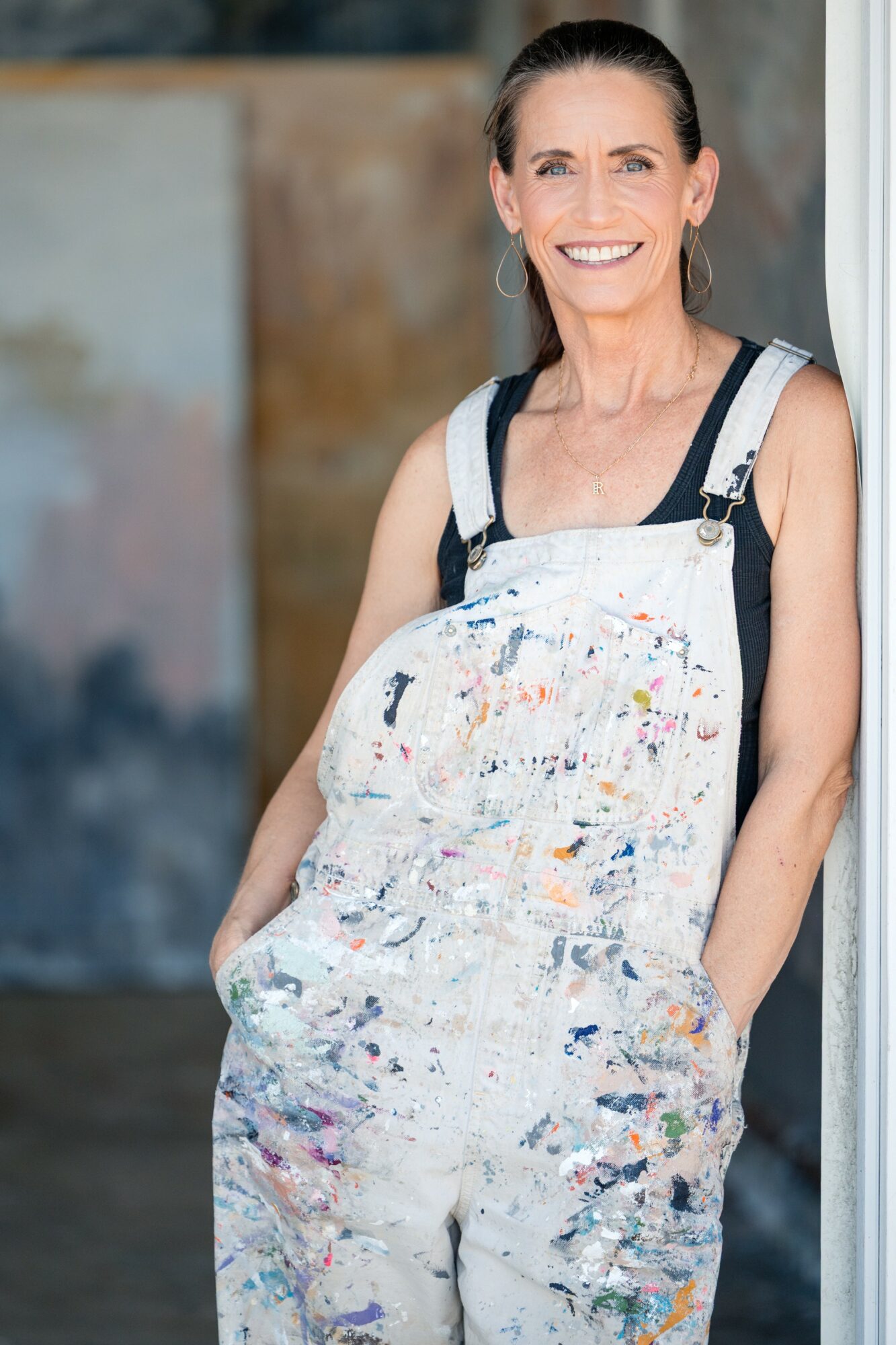
Today we’d like to introduce you to Robin Jack Sarner.
Hi Robin, so excited to have you with us today. What can you tell us about your story?
I was always an artist, though my path also included careers in employee benefits sales, teaching art, and raising a family over the last two decades. Returning fully to my practice allowed me to explore themes of emotional release, memory, and what it means to carry, and eventually confront, the weight of human experience. My previous work explored containment, restraint, and emotional tension. Now it concentrates on the moment when containment fails, when grief exceeds the body’s ability to organize it. It’s not a departure from my earlier work, it’s an expansion of it. I am asking the question, “What happens when what we carry becomes too much to contain?”
As an abstract expressionist, I use gesture, layered materials, and chance to navigate emotional states that are difficult to put into words. Lately, the work has become less about control and more about surrender, allowing vulnerability, grief, and even creative paralysis to become part of the process itself.
Sometimes grief does not produce work…it suspends it. I’ve found myself pausing to analyze and inspect feelings before acting, which is a significant departure from the intuitive mark-making that has long defined my practice.
So now I find myself with a new story, one evolving in real time, one that feels more universal than my previous narrative, and that is both humbling and exciting to me.
Alright, so let’s dig a little deeper into the story – has it been an easy path overall and if not, what were the challenges you’ve had to overcome?
The road definitely hasn’t been smooth, but I’m grateful for every step of it. Building an art career requires wearing many hats beyond just creating the work, exhibiting, marketing, networking, applying for opportunities, and continuously putting yourself out there emotionally and professionally. There have been exciting milestones along the way, including solo exhibitions and meaningful opportunities, and I don’t take any of them for granted.
At the same time, I’m still growing and evolving as an artist and remain open to deeper opportunities with galleries, museums, and institutions that align with the direction my work is taking. I think one of the biggest challenges is learning how to balance the vulnerability of making deeply personal work with the realities of building a sustainable career around it.
Appreciate you sharing that. What else should we know about what you do?
I’m primarily known for creating large-scale abstract expressionist works filled with energetic drips, gestures, and layered surfaces. I’m drawn to the physicality of painting on a large scale…the movement, immersion, and emotional presence that happens when the body fully engages with the canvas.
While painting is central to my practice, I also work heavily with mixed media, incorporating ephemera, sewing, sanding, collage, and layered materials that create visible histories within the work. Those processes place my practice somewhere between painting and material exploration, which I think sets it apart from more traditional approaches to abstraction.
What I’m most proud of is the growth I experienced over the last year. I pushed myself technically and conceptually by introducing new materials and processes, expanding the narrative depth of the work, and taking more creative risks. Receiving industry recognition through awards and critical writing was especially meaningful because it affirmed that evolution and the hard work behind it.
Are there any important lessons you’ve learned that you can share with us?
One of the most important lessons I’ve learned is that nothing is ever truly finished…every experience, exhibition, or body of work leads to the next phase of growth. An artistic journey is long, rarely linear, and constantly evolving just when you think you’ve figured it out.
I’ve also learned the importance of taking ownership of your career. No one knows your work better than you do, so it’s essential to advocate for it, speak about it, and create opportunities to share it whenever possible. Even when galleries or institutions are involved, I’ve found it important to stay actively engaged in the marketing, communication, and presentation of my work.
At the same time, being collaborative, professional, and easy to work with goes a long way in this industry. I truly believe that visibility, growth, and success are directly connected to the effort and energy you’re willing to invest in your practice.
Contact Info:
- Website: https://www.robinjacksarner.com
- Instagram: @robinjackart
- Facebook: https://www.facebook.com/robinjackart
- LinkedIn: https://www.linkedin.com/in/robin-jack-sarner
- Youtube: https://www.youtube.com/@rjsarner
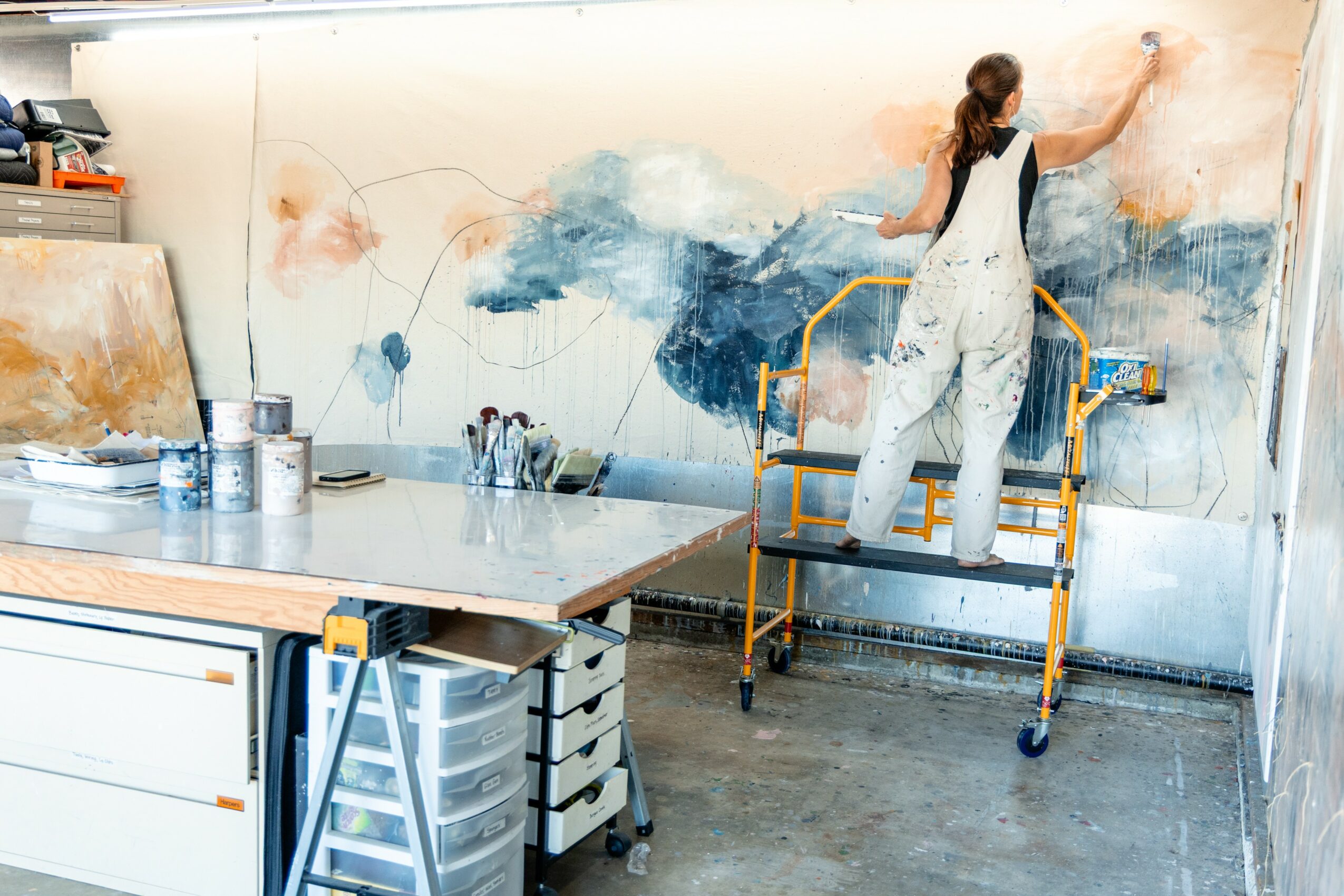
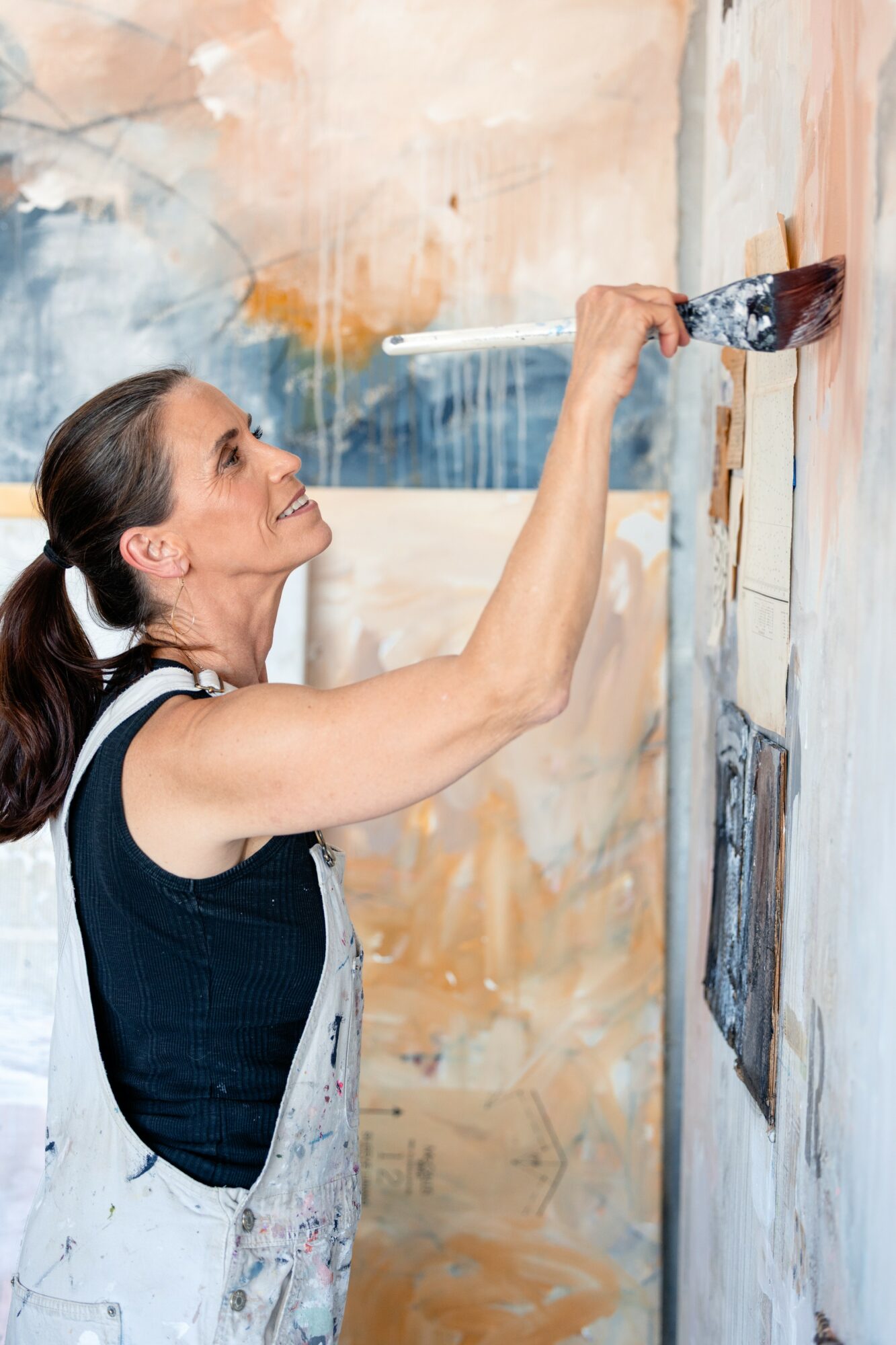
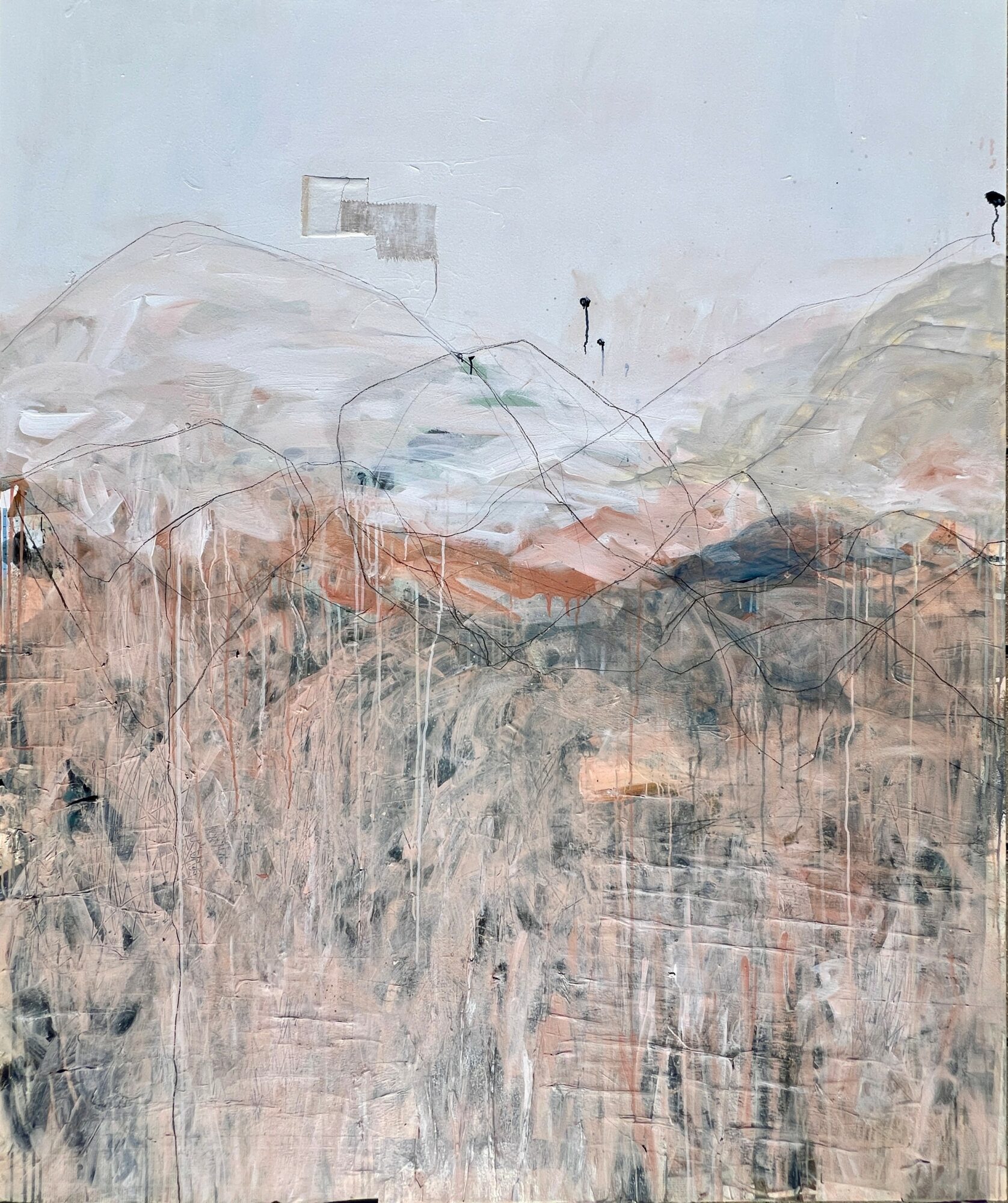
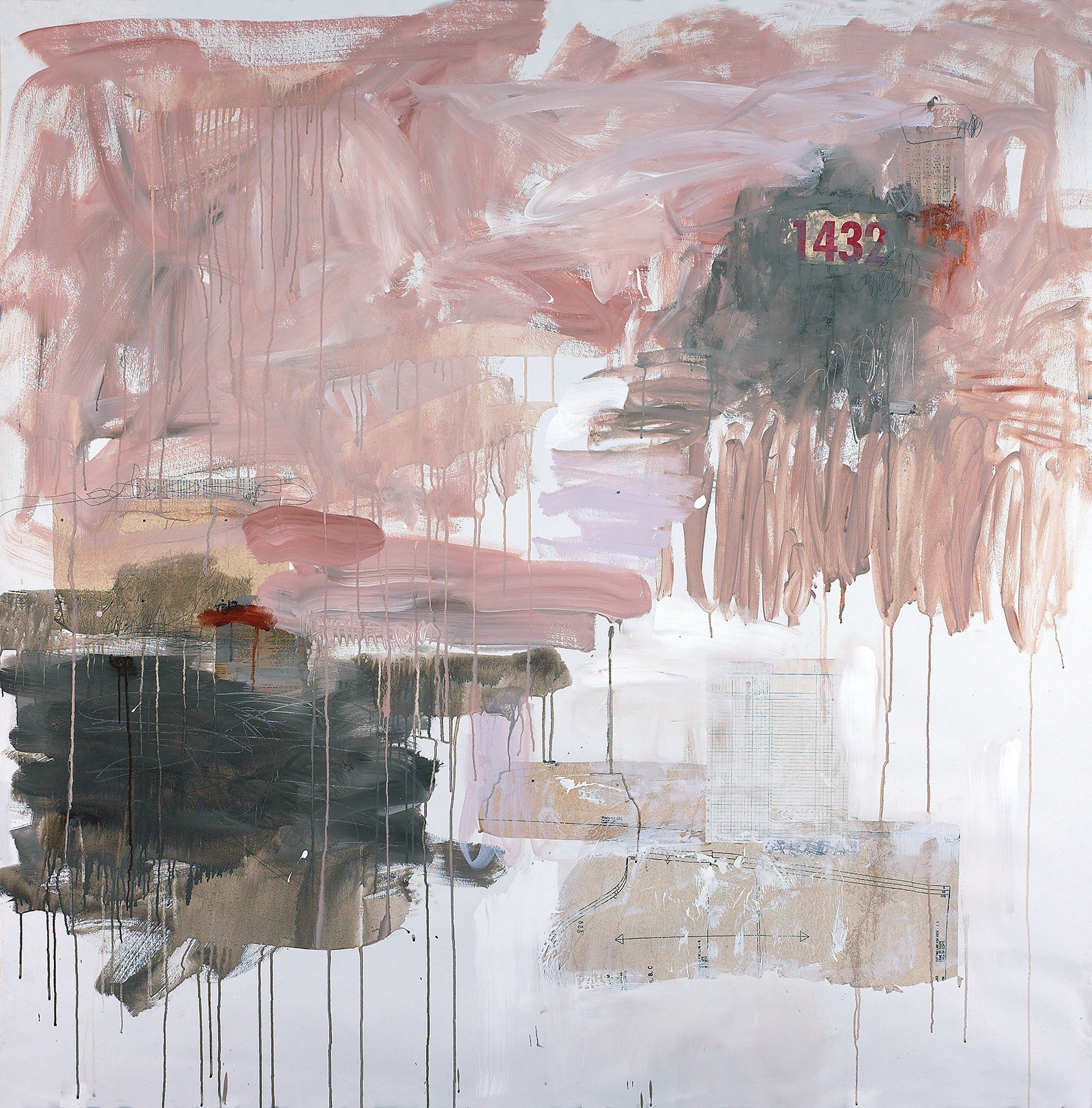
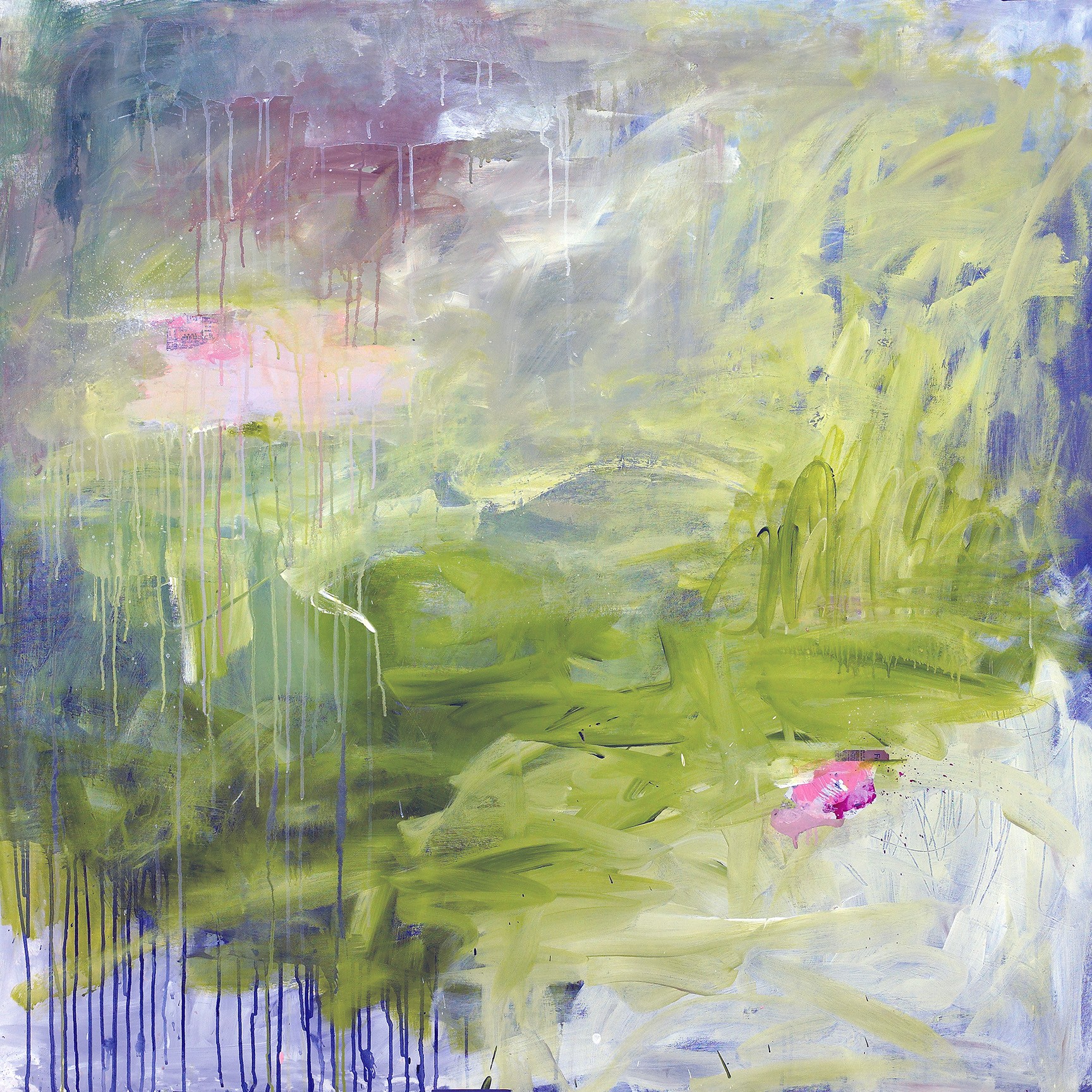
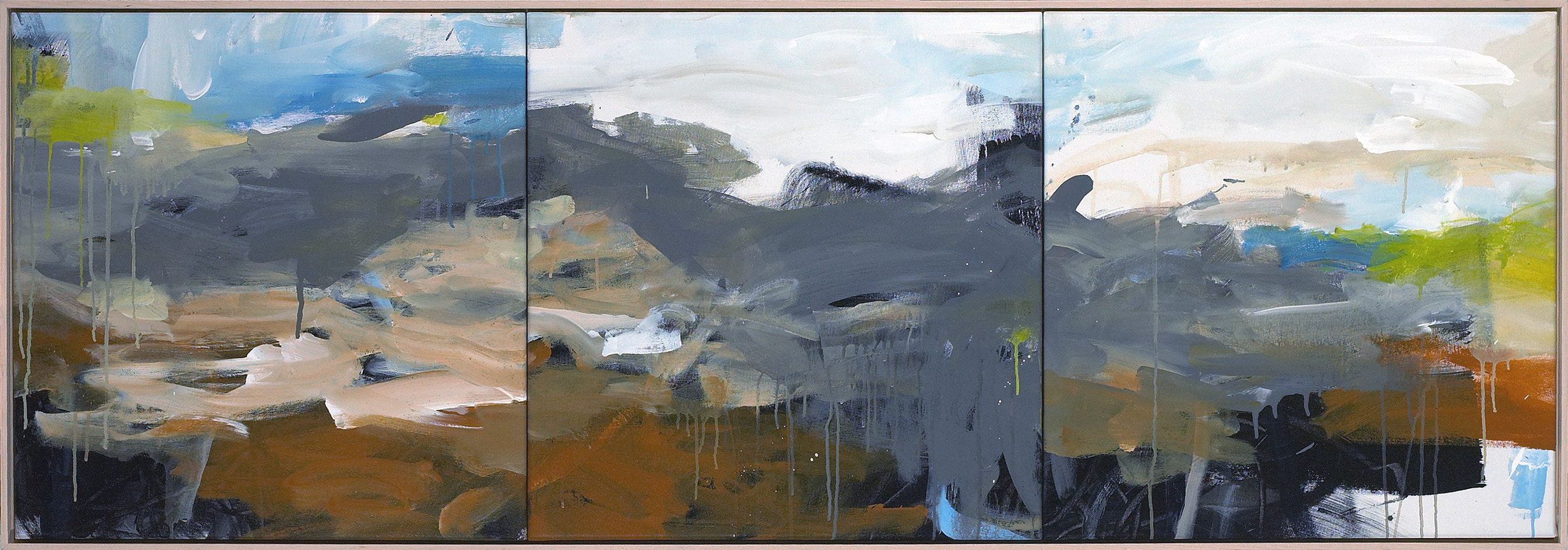
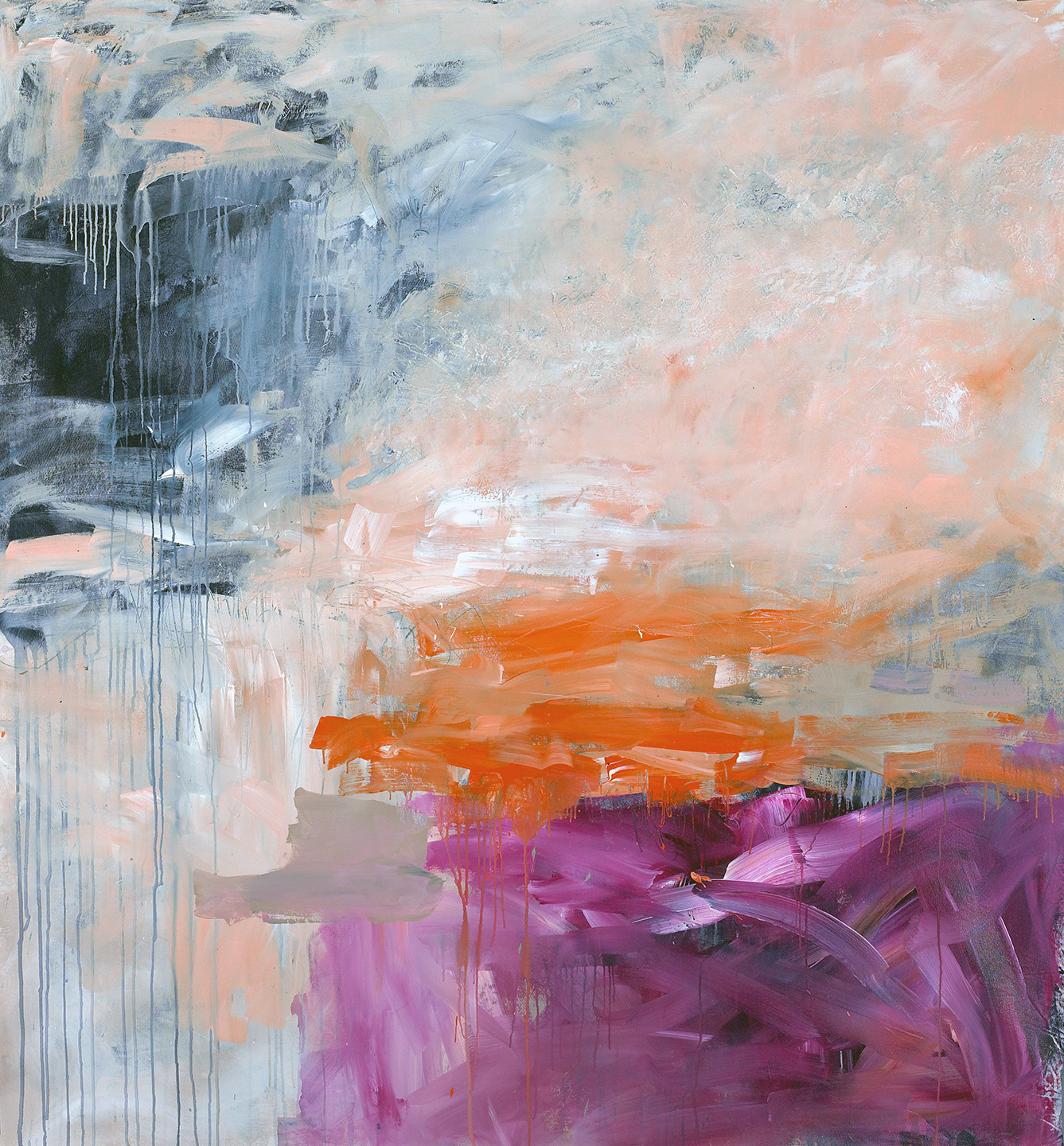
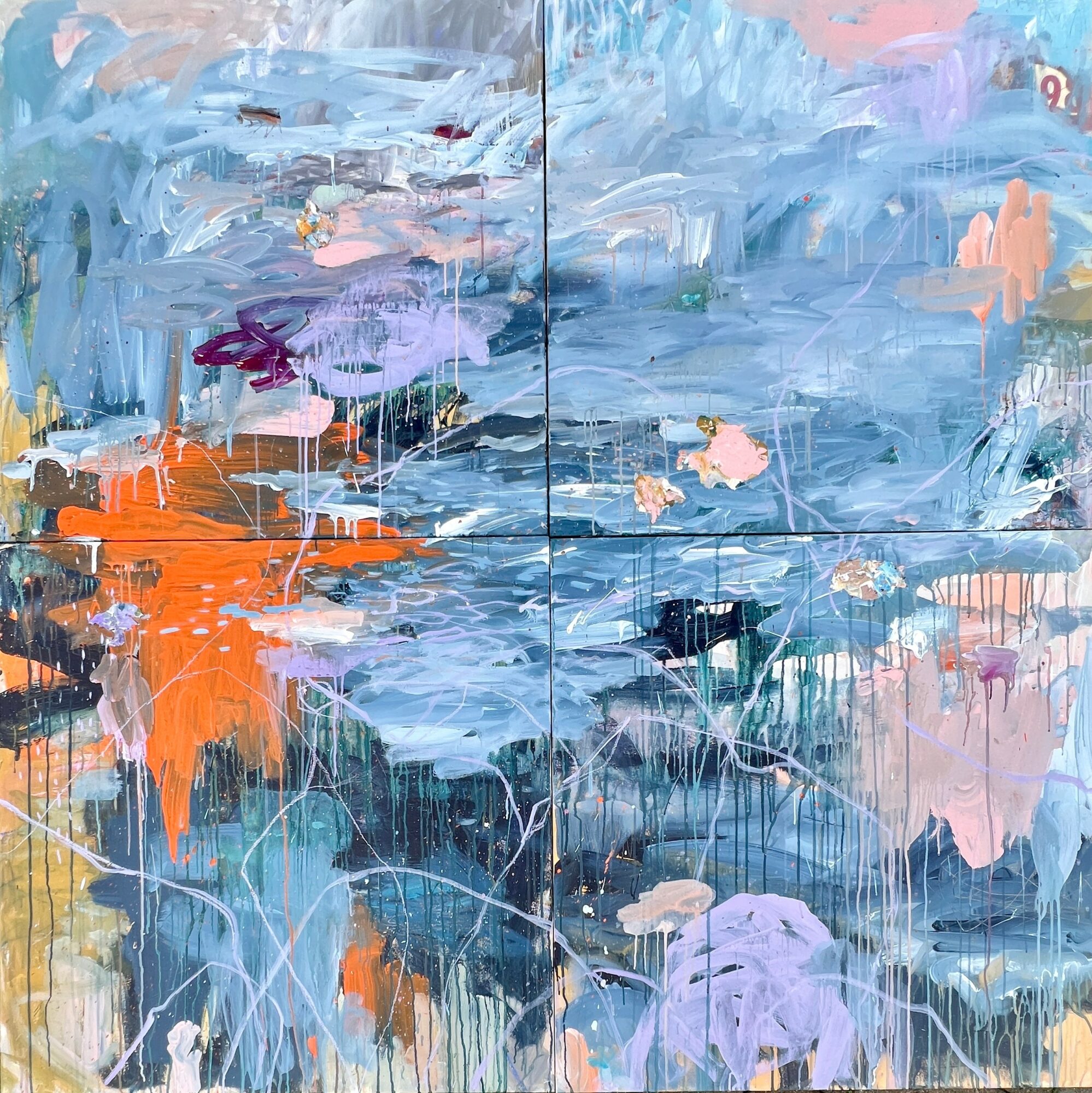
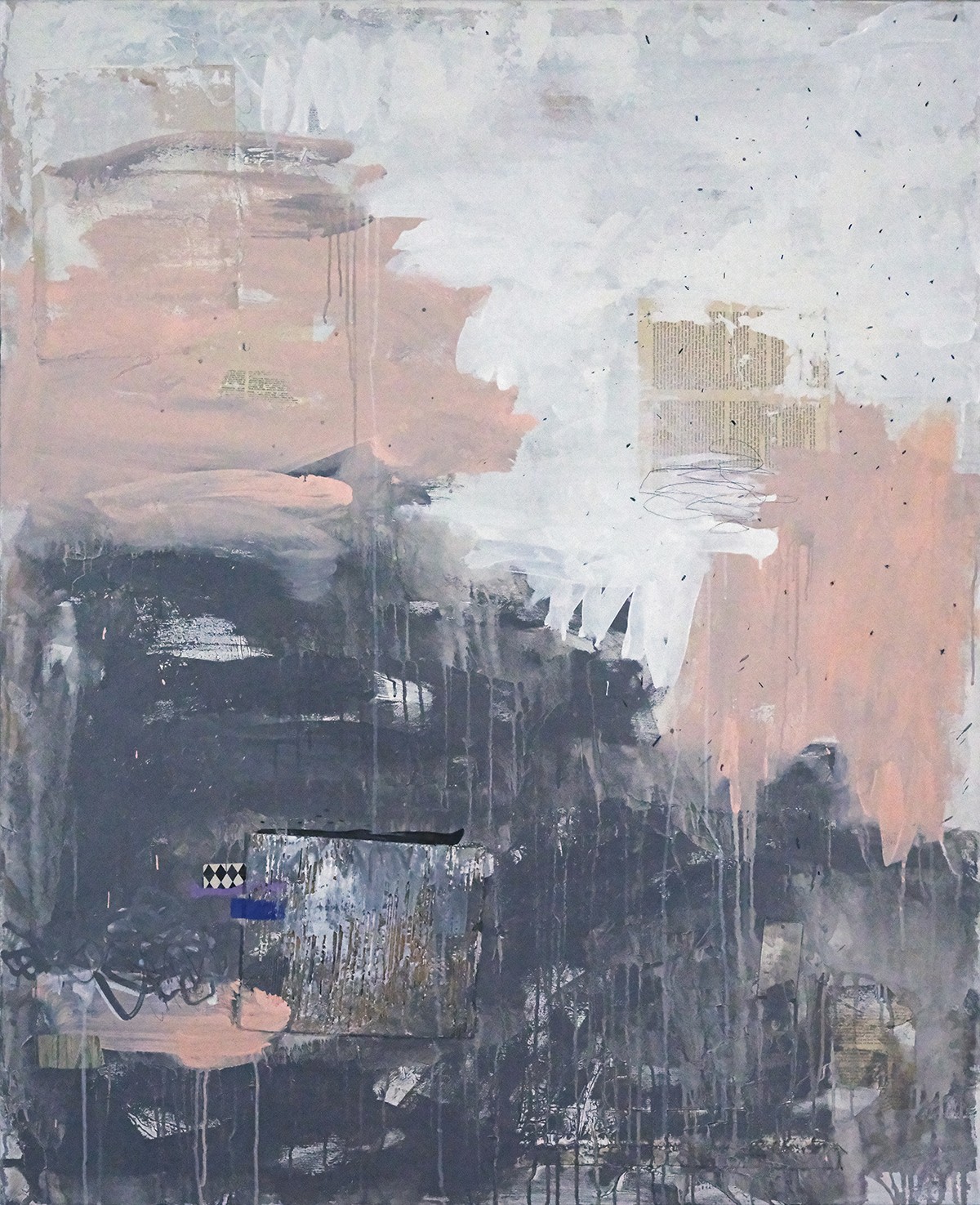
Image Credits
Margie Woods, Jeff Ikemiya
Popular
-

LA’s Most Inspiring Stories
-

Portraits of the Valley
-

Rick Norris Learned That Building a Successful Business Means Building a Life You Actually Want to Live
-
How Olivia Rush Turned Survival Into a Mission to Help Others Keep Going
-

How Bibi Goldstein Is Helping Entrepreneurs Reclaim Their Time by Embracing the Power of Delegation
-

Victoria Hasson is Redefining Voice Coaching Through Community and Collaboration


