




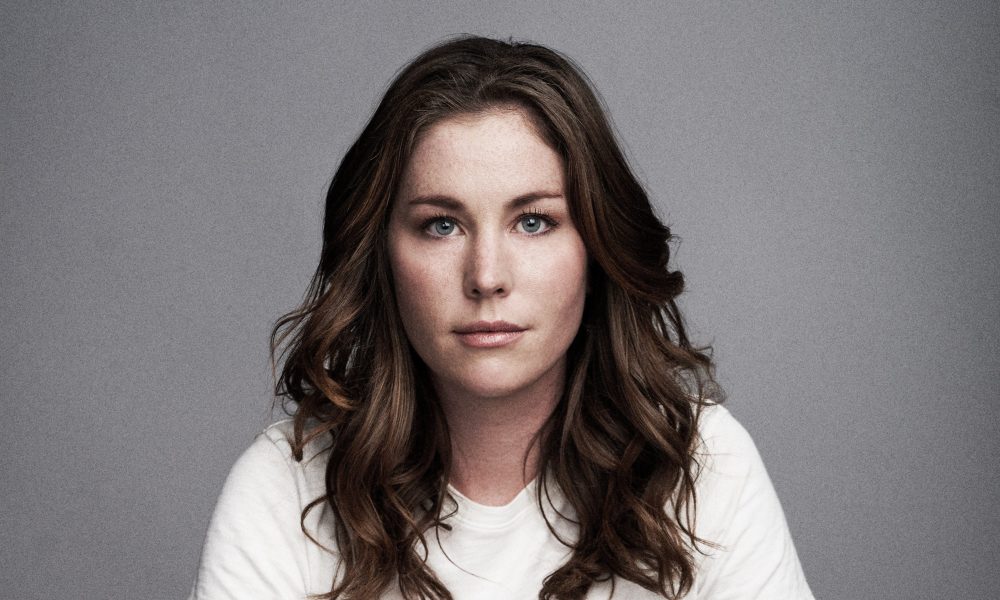
Today we’d like to introduce you to Molly Ratermann.
Hi Molly, we’d love for you to start by introducing yourself.
I grew up in the wonderful San Francisco Bay Area and started in theater around nine years old. I was lucky to do a summer course in New York for filmmaking when I was 14 and that solidified my career choice. Throughout high school, I took film courses on the weekends at colleges that allowed it and continued to do theater. At 16, I attempted to get an agent, but they only took me on as a model and I made a slight detour in my career as a model, a shock to my family and even myself who knew me more as a tomboy.
After graduating high school, I went straight into the film industry as an actor. After a couple of years, a career in acting felt like I was beating my head against a wall. So much of the career isn’t in your control and a lot of the projects you’re offered aren’t roles you actually enjoy playing. I got back to my filmmaking roots and started to write, direct and produce films I wanted to be in. It felt like a great way to take the power of my career back into my hands, I could create my own PR, my own brand, attend events actors are usually not invited to, and make connections I wouldn’t have been able to as an actor. Along the way, I discovered filmmaking was really my passion and acting was a fun and fantastic character exploration for both myself and the character I was playing but not what ultimately fulfills me.
I continued to create films and pitch proof of concept shorts to production companies. Ultimately, I teamed up with Studio Soho in London and for about five years spent about half of my year in London working in production and development for them. Studio Soho greenlit a WWII proof of concept I made and we brought Kevin Hood (Becoming Jane, Guernsey Potato Peel Pie Society) to write the screenplay which is still in development – film really is a marathon. In tandem with working with Studio Soho, I’ve continued to create other projects under my production company, Little Hand Productions.
For the most part, I write dark comedies or dramedies and draw a lot from my family and experiences out in the world, like most writers. It definitely hasn’t been a straight line, but I’ve loved being involved in so many different parts of the industry and will continue to welcome those opportunities. The more storytelling tools I can add to the belt, the better. At the moment, I am writing the feature film for a short western we made during Covid called ‘The Cosmopolitan West’. I’m excited for the team that has signed on and look forward to a long career of directing, writing and storytelling.
I’m sure you wouldn’t say it’s been obstacle free, but so far would you say the journey has been a fairly smooth road? If not what were some of the struggles along the way and how did you overcome it?
Aside from the obvious “starving artist’s” challenges – money, consistent work, etc. I think filmmaking is so much like running track or any sport for that matter. It’s really a massive mind game, any creative endeavor is, but filmmaking is truly another beast. The industry means it when they say they’ll swallow you whole. In a track meet, the other runners try to psych you out, if you don’t train, you’re only hurting your own chance at success, if you look into the other runners’ lanes during the race you lose sight of your own, and at the end of it all you should be focusing on your own personal record anyway.. 90% of track is mental and personal to each person, so is film.
It’s so important in this industry to know when to stick to your guns and trust your gut. For instance, your creative vision – the more you pitch, sell, or make steps up the ladder the more you’ll be put to the test on that vision and it can be so easy to have what makes the story or project so unique stripped away. The amount of belief and passion you need for your project and confidence to go up to bat for it can be daunting. We all deal with imposter syndrome and it’s so easy to think someone else’s opinion must be more knowledgeable than yours. There are always times feedback and collaboration can make a project better, that is the filmmaking process, but a filmmaker really needs to be confident in their way of telling a story and what the story is. That’s been a great learning experience for me.
Of course, there are so many obstacles in this industry, there’s 50 challenges everyday on set or even in preproduction. Procrastination haunts every artist. But what I’ve really experienced is the biggest obstacle is the mental game and really owning your place in the industry, your work, and having the courage to step up to the plate when you get there. All the work to get to the big stage is great, but the real test is when you have the opportunity to perform.
Appreciate you sharing that. What else should we know about what you do?
I’m primarily a director and writer, but I also produce and act. I try to tell only a story I can tell, from my own experiences or interests and I think that gives any storyteller their own edge.
What matters most to you? Why?
Having fun, staying curious, my family, love and experiences.
Contact Info:
- Website: www.littlehandproductions.com
- Instagram: @mollykinsale37


Image Credits
Dan Mack – Main Photo Jeff Rueppel – BTS
1 Comment
Leave a Reply
Popular
-
Cedar Boschan on Elevating Black Music Rights and Driving Urgent Conversations Around Credit, Equity, and Artist Protection
-

Portraits of the Valley
-

LA’s Most Inspiring Stories
-

Robin Olive on Building an Inclusive Performing Arts Movement and Expanding Opportunities for Every Student
-

Que Johnson on Building Brands That Last: From Visibility to True Market Authority
-

Christina Wren Steps Into the Director’s Chair to Tell Stories That Feel Like Home


Jacquelyn Quinn Kennedy
October 1, 2021 at 23:47
Great Article! Congratulations!