




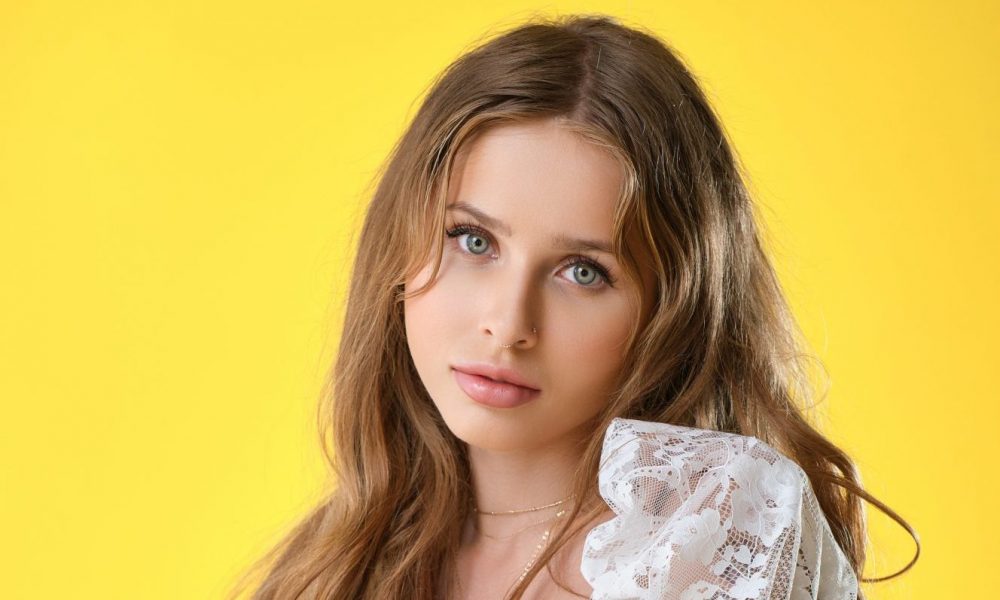
Today we’d like to introduce you to LittleDove Rey.
Hi LittleDove, we’re thrilled to have a chance to learn your story today. So, before we get into specifics, maybe you can briefly walk us through how you got to where you are today?
I grew up on a small reservation in Auburn, California. I am an indigenous woman, Maidu, Miwok, and Nisenan and the town I grew up in was notoriously discriminatory towards my people as if we were outsiders on our own ancestral lands. While I was surrounded with members of my community, and all the strength of our leaders, I was also intimately aware from a young age of the historical traumas experienced by my people and the impact on our community today. Growing up, completing even high school was not necessarily a given as many tribal members needed to start working as teenagers to sustain our families and put food on the table, and Indians never made it into professional realms so why try? My dad worked as a mechanic and landscaper at different points, after being incarcerated for non-violent offenses as a young adult, he never reoffended and knew he had to walk a straight path due to institutional racism in our local justice system.
My life has not always been a straightforward path. Counselors never talked to me about higher education when I went to public school, and many of them expected I would drop out of school altogether, at some points I thought I might too. The cost of higher education also seemed unreachable for us. However, I knew my tribe was hurting and I wanted so badly to help find a solution. My grandmother Jessica Tavares was the chairwoman of my tribe when I was growing up, and she sought a better future for all of us, including education in which we were grounded in our traditional beliefs, scholarships for school or vocational training, resources like access to wifi and adequate plumbing, but this is a big ask coming from the bottom. Watching her in meeting after meeting, using her voice and strength during my upbringing really shaped my identity as an Indigenous woman, including the power and strength that I can have. No matter how many times she received a “no” she never let it stop her from fighting for the dream she had for our people. Seeing that resilience over and over again taught me an early lesson that even in all the trauma, our intergenerational resilience is there too. My grandmother was truly a leader, visionary, and entrepreneur for our people. Despite not having attended higher education, from the ground up she built access to resources we never dreamed of having such as a tribal school, community wellness resources, scholarships, access to healthcare, and basic needs. Along the way, she also always prioritized giving back to the community outside of our own too, she always taught me to be humble and thankful for the resources we got access to.
As a result of her efforts, I knew I needed to do something to give back to my community and others too. Despite never thinking much about higher education, once I knew I actually had access to it, my grandmother encouraged me to go even though it would be hard being first-generation. So I did. I started at a community college (Sierra College, in Rocklin, CA) since I never had access to AP courses or college prep in high school, and I did not get the best grades. It also made more sense financially. One of the things I was pretty certain of going in is that the impact of my experiences played a big toll on my own mental health as well as many others in my family and community. For much of my early years, I experienced severe depression and symptoms of chronic stress, including the impact on my physical health as well. I had many relatives with similar mental health struggles, as well as several with more severe presentations of the intersections of trauma and mental illness.
I decided to pursue a way to help heal my community and decided on psychology. I completed my A.S. in psychology at Sierra College, followed by transferring to UCLA in 2016 where I later earned my BA in Psychology with a Minor in American Indian Studies. I immediately applied to grad school after bombing the GRE and received an acceptance to the PGSP-Stanford Psy.D. Consortium at Palo Alto University to study Clinical Psychology. Much of my research and focus has always been on giving back to underserved communities, examining the impact of historical trauma and chronic stress on individuals and communities, and examining how to engage in nation-building with lower-resourced communities. I often have found that western, white psychology frameworks miss the experiences of Indigenous and other communities of color and the therapeutic approaches suggested by western psychology do not always fit. I successfully defended my dissertation, something I never thought a Native kid like me could do, in September 2022 which focused on Culturally Adapted Substance Use Treatment Interventions for American Indian and Alaska Natives. Currently, I am completing my required internship at the UCLA Counseling and Psychological Services Center where I work full-time with students providing individual and group therapy, as well as assessment and prevention efforts on campus. When I graduate this June, I will be the first to earn a doctorate degree in my Tribe.
While this path has not been easy, particularly in light of COVID, I hope to begin to create change in communities of most need including my strong passion for working with Indigenous peoples, trauma and addiction treatment, and with immigration-impacted communities.
Unfortunately, through earning my degree, I have also lost a lot, including that I have lost two relatives to suicide during the pandemic and almost lost a third this year. Having to bury people you love is not easy, particularly when you know the type of pain they were going through. Yet I have also used this as a way to remember that I need to do this work. Being far from home has also made it harder or impossible at times to engage in my own ceremonies and community gatherings which are normally a part of my healing practices. As a result, it has been very important for me to find new ways to engage in improving my mental wellness through giving back/contributing to the communities I have lived in and finding new personal interests. During graduate school, I decided to start modeling, mostly for fun and to do something different to keep me grounded. I did some small Native-based films for On Native Ground growing up, as well as was cast in an original Native American theatrical opera telling the story of my own people when I was young, but I again never thought these were things Native kids could seriously pursue. However, I then began to realize how few Indigenous people are represented in film/media/photography and became more motivated to continue furthering representation in the industry. Through modeling, I have had the opportunity to work with and meet so many amazing and inspiring people whose stories keep me grounded in my therapeutic work as well. It really shows me how human we all are on this journey, and it is something I hope to continue engaging with in some ways throughout my career.
Ultimately, I hope if nothing else I can show people that you can do it, even if it takes a whole community, and that we do not have to be defined by our trauma, we can hold space for it and also cherish and grow from our resilience. One of my dreams is to start a non-profit someday that can increase access to mental health resources, particularly for suicide prevention in Indigenous and other under-resourced communities. Lastly, I hope that with my knowledge, I can be used as a tool to continue to help communities engage in nation-building and healing together.
Alright, so let’s dig a little deeper into the story – has it been an easy path overall and if not, what were the challenges you’ve had to overcome?
It has not at all been a smooth journey for me. For one, I have been impacted by chronic illness throughout my journey and unfortunately faced many upwards battles in getting the correct diagnoses. I had to take three years at community college due to an autoimmune response to a vaccine I needed which left me paralyzed in my left leg for 1 year. At that time, the medical staff thought I might never walk again. During that period of time, I realized how inaccessible my college was, and I was forced to begin taking online classes despite limited offerings at the time, setting me back a year in my education. I was only correctly diagnosed with Lupus this year, almost 9 years after initially falling ill. I have also suffered from two other autoimmune conditions, one being currently diagnosed, and it has not always been easy to request time off to take care of my health or physical wellness.
In addition to this, I have been a caretaker for my family for many years. About 6 years ago I became a conservator for a relative with Severe Mental Illness. I would do this over again, though the stress of interacting with the legal system, mental health system, and hospital system has had a big psychological toll. It also serves as an intimate reminder for how broken our current system is and the intersectional identities that can make some individuals’ experiences even worse in these spaces. As of this month, per a relative’s request, I will be filing conservatorship for another family member who is currently in critical condition after a life-threatening suicide attempt. I have had to figure out how to balance patient care with my own mental health and being there for my family which can be hard, especially as an Indigenous woman and first-generation professional. I do not always know what I am allowed to ask for and advocate for myself in the workplace and I do not have relatives who ever served in professional roles to ask. I recently learned that there is a family care act but it only applies to employees of over 1 year so I am ineligible to apply. However, I am learning to speak up for myself, and finding allies who can help along the way has been a critical part of my journey.
As you know, we’re big fans of you and your work. For our readers who might not be as familiar what can you tell them about what you do?
I have always loved being in creative spaces since I was a kid. I was always drawn to fashion, art, and acting from as young as I can remember. When I was a kid, I was asked to be a part of a Native American smoking cessation campaign, which aired on PBS and in some hospitals as educational material. I was always shy, so I never thought I was any good at acting, but I had a lot of fun doing it. I helped out with a few short Native films when I was a kid and began to get into cosplay when I was 9 or 10. I was always looking for an opportunity to try something new in creative spaces, whether it be dance, new fashion, or creating digital art. One of the things that has always been important to me is representing Indigenous women in these spaces, as I am often one of the few Natives in a room whether it be in dance spaces, cosplay spaces, or in modeling gigs. What is important to me is breaking down stereotypes of what people think Natives “look like” or “act like.” I believe so few people are aware of or interact with Indigenous peoples in meaningful ways that they have these fantasies about what we look like, how we act, and a large part of me wants to break that down and say look we are still here, I am still here, and this is who I am. I am also passionate about the representation of mental illness in media and while I have not been able to be as involved here yet, I hope one day to be a part of a community where stories can be shared and stigma can be broken down as suffering alone is not something I wish for anyone.
I would absolutely love to continue to be involved in helping represent Natives in Media/Film/TV in the future. Some of the coolest things I have been part of so far is modeling for a small Bay Area perfume house Dreamhouse Ikiryo. Specifically, I modeled for three different perfumes featured by this house including Ruby, Driting, and Annywyn. I was also hired to be in a local artist’s music video, Grand-O, in his video 5pm in San Francisco. Lastly, my most honored attendance was being able to be in Taboo’s One World Music video, which was filmed on Luiseño Tribal land and was made to represent the beauty and diversity of Native peoples. That shoot was really healing, as there was so much ceremony, laughter, and community throughout the day.
What were you like growing up?
I was always interested in learning about other cultures, maybe because Indigenous peoples were so underrepresented. I remember some of my favorite books growing up were about people in other parts of the world, particularly biographies of people’s lives. I always loved video games, even when we couldn’t necessarily afford them. My parents would save all year so that we could get a Nintendo 64 for the house. I loved Mario games, but also gauntlet was a really fun one and motocross games. My dad taught me how to ride a dirt bike when I was so little that I needed training wheels on it. He would take me to the dirt bike track at Prairie City and they had a course specifically for young children, parents would stand around the track and encourage and cheer us on. I have a motorcycle license as an adult due to my love for thrill now. I think mostly I was a bit fearless too, because of my parents.
As an Indigenous person, I was blessed that I did not have as many western gender norms placed on me so I was able and encouraged to explore any of my interests whether it be a traditional ceremony, fashion, video games, music, or cheerleading. I could also be really shy though as a kid, leading to a lot of bullying in school. My dad used to take me on the weekends to the mechanic shop where he would work on cars and I would just watch. One time him and his friend left me with a Costco tub size of pretzels and when they finished working on the car I had eaten the whole bucket and they were both totally shocked. I have always loved a good snack. Another fun fact is that my cousin and I were really certain we were gonna be ghost hunters when we grew up. We had a lot of stories about spirits and such in my tribe, so I just thought was a good business idea. We would go around trying to take photos in the woods and find the spirits so we could document them for others. I guess that dream never really panned out.
Contact Info:
- Instagram: https://www.instagram.com/littledovedoll/
- Youtube: https://www.youtube.com/channel/UCrxRMjccG97KkdgIcee8CAA
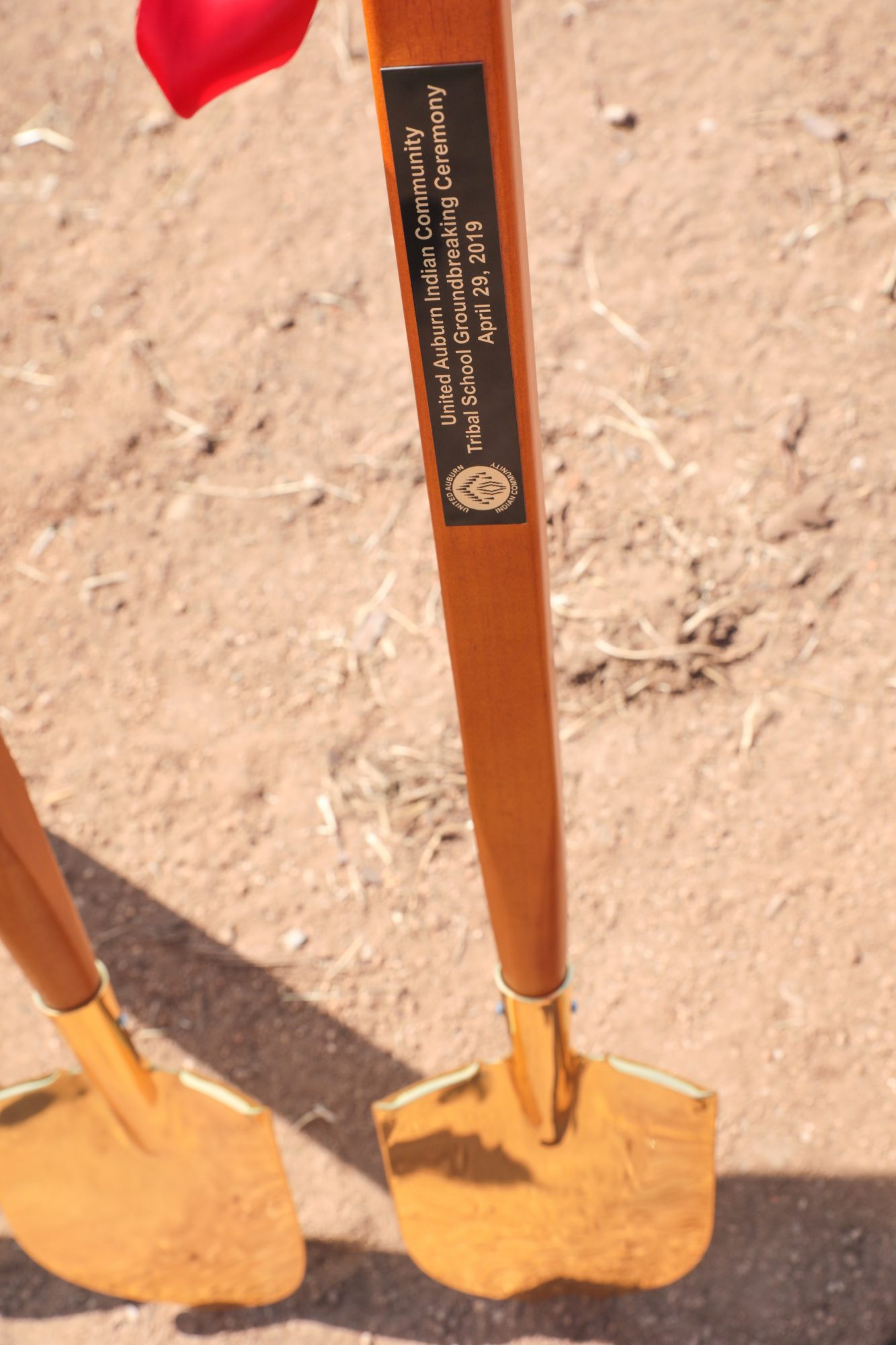
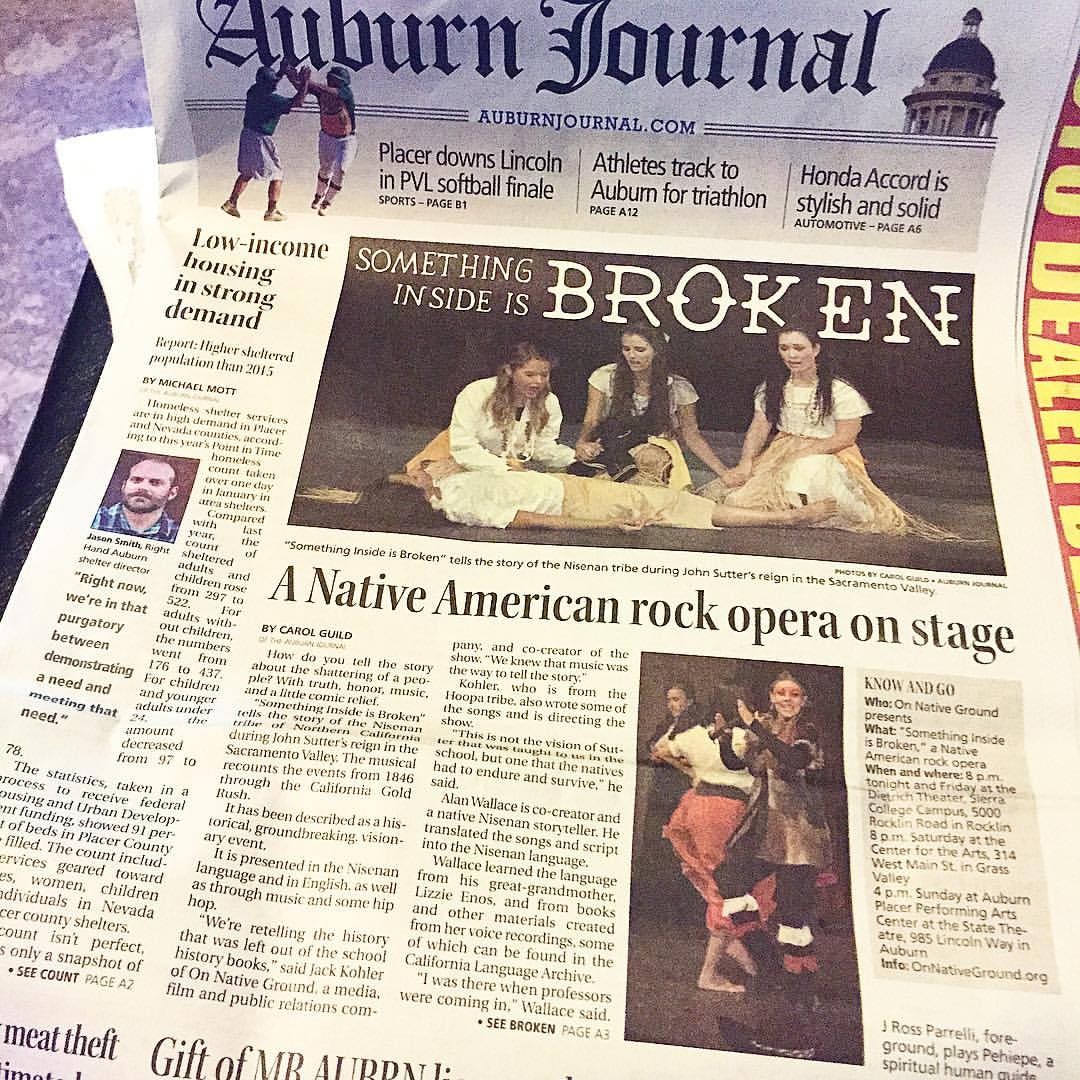
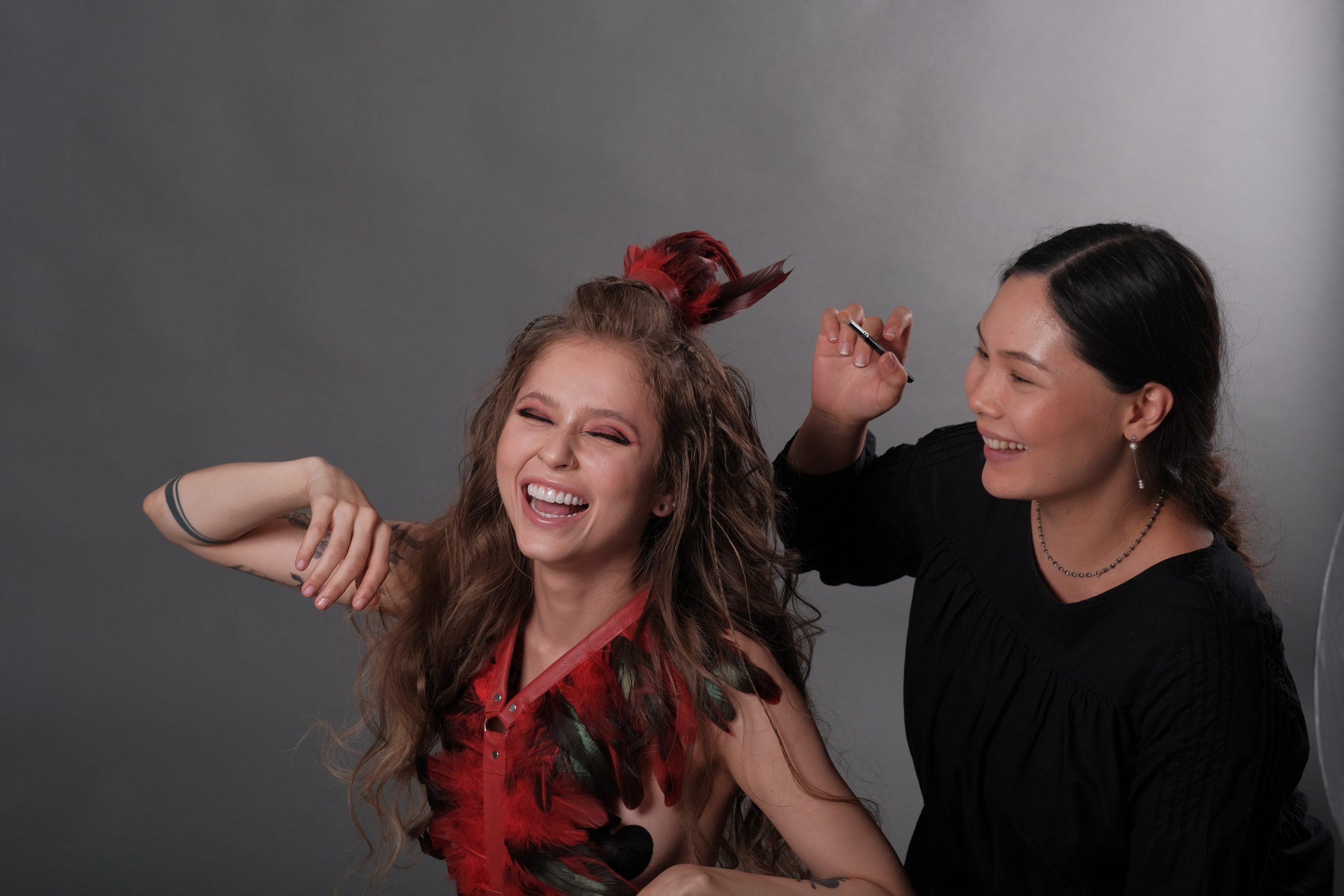
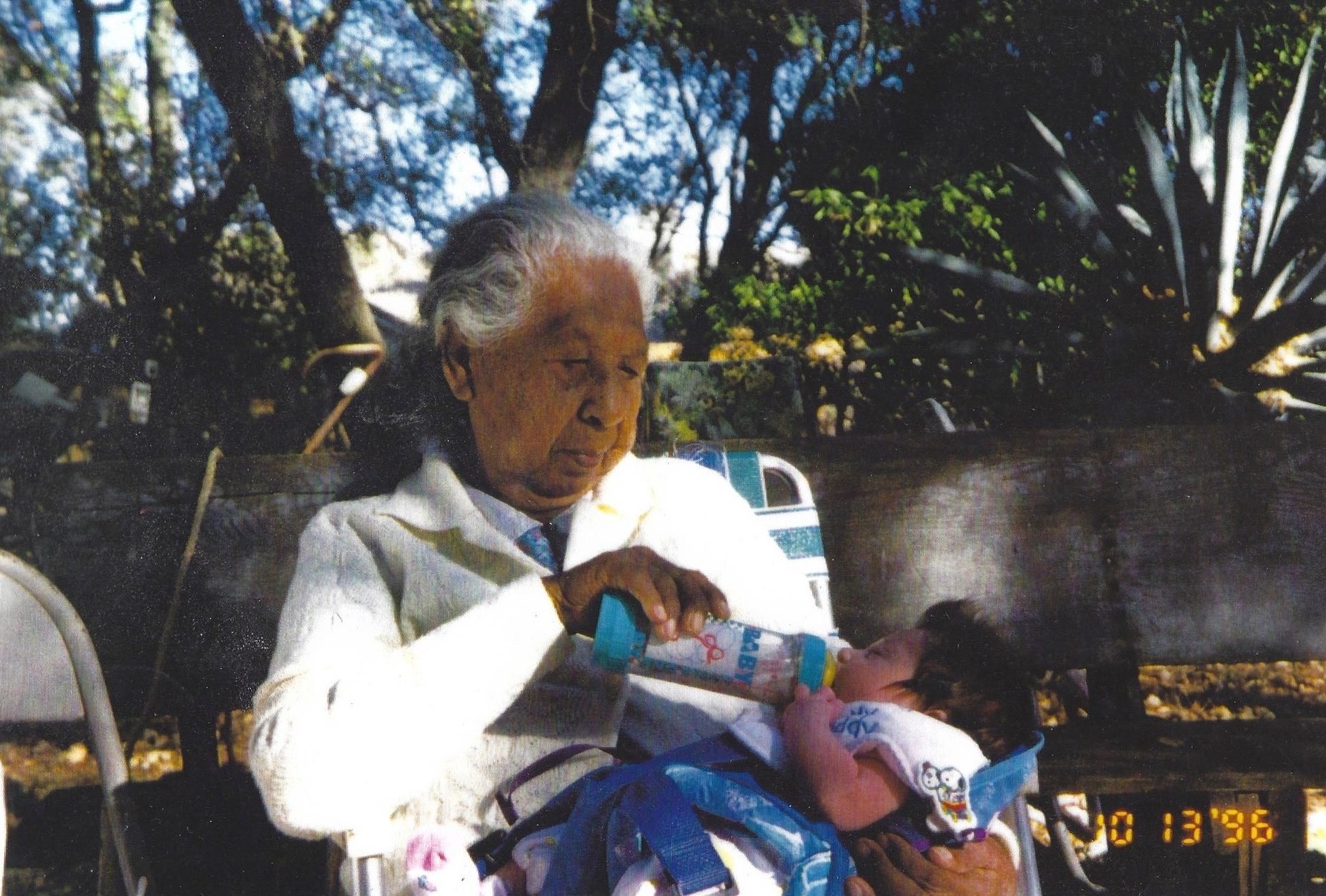
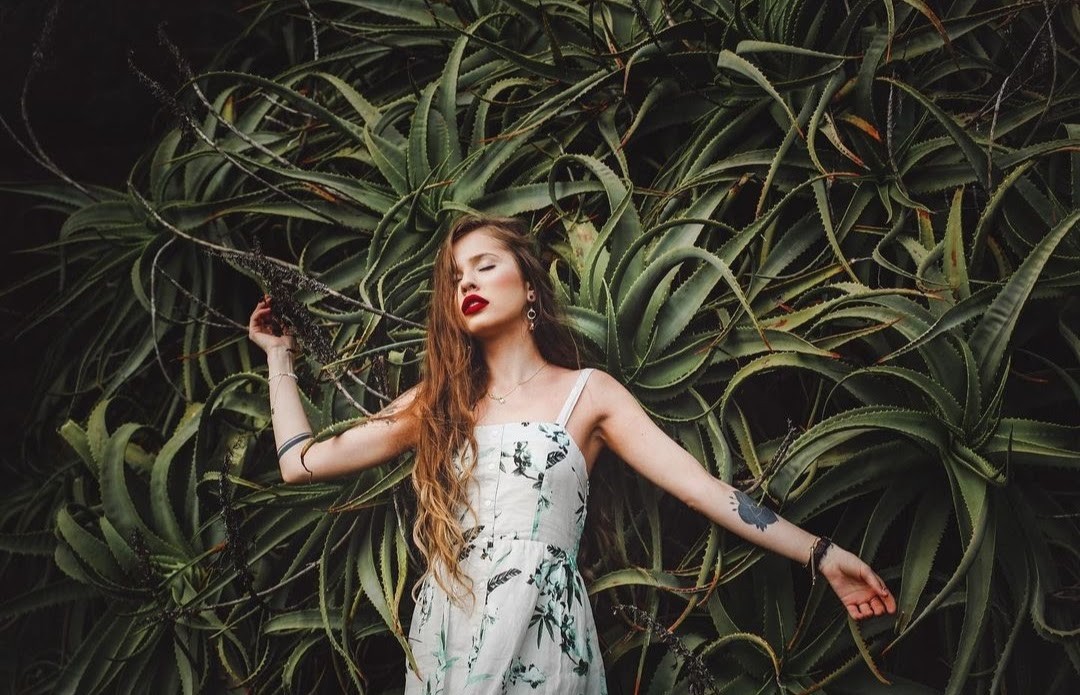
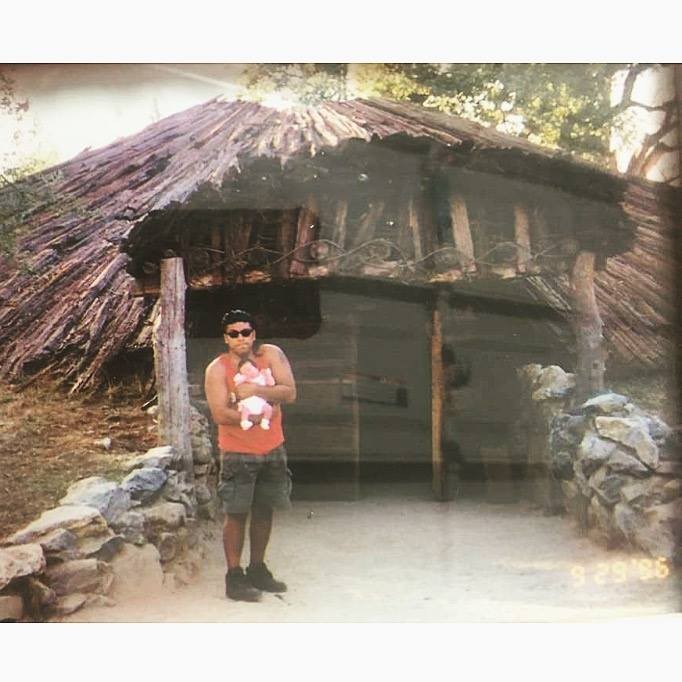
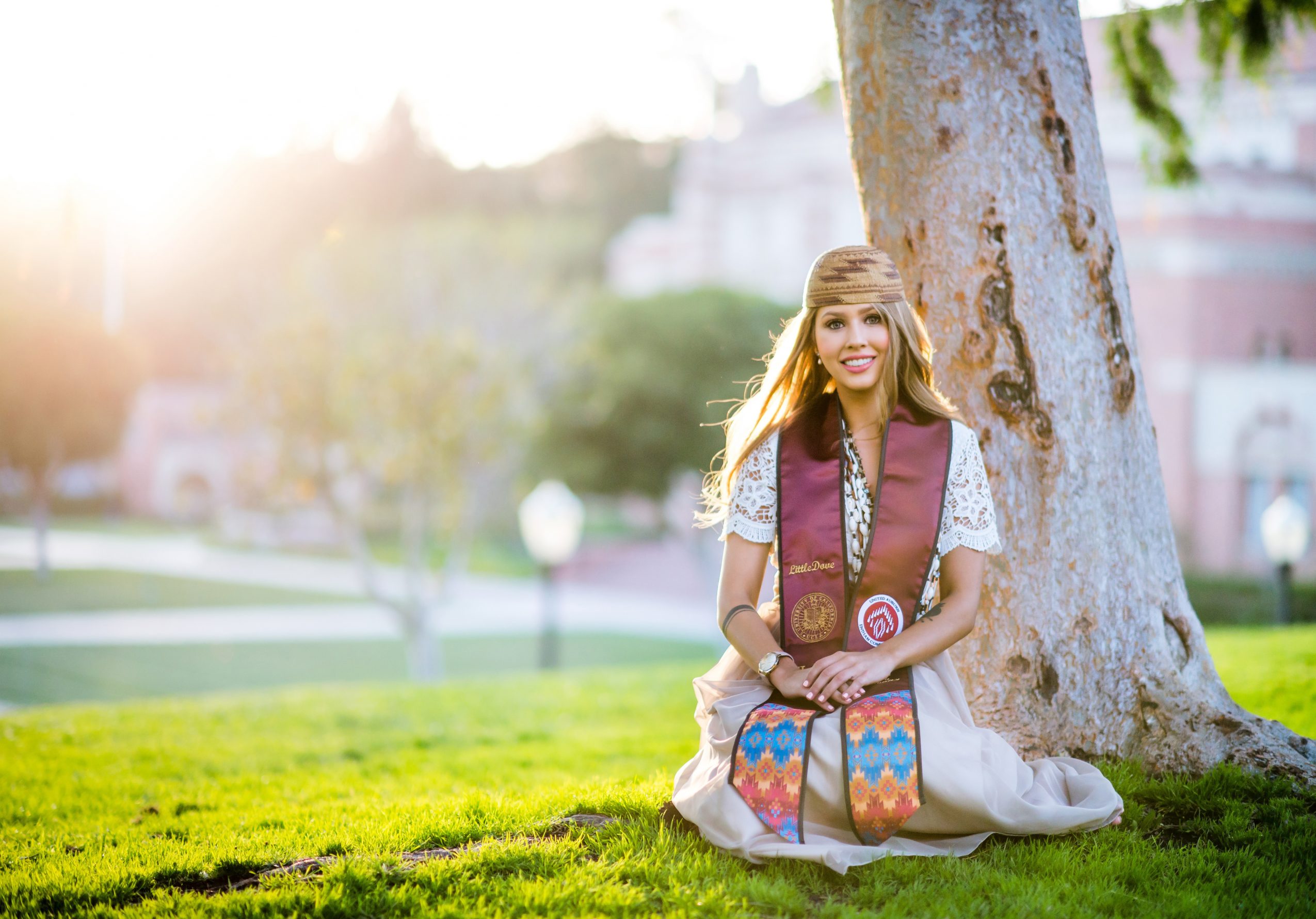
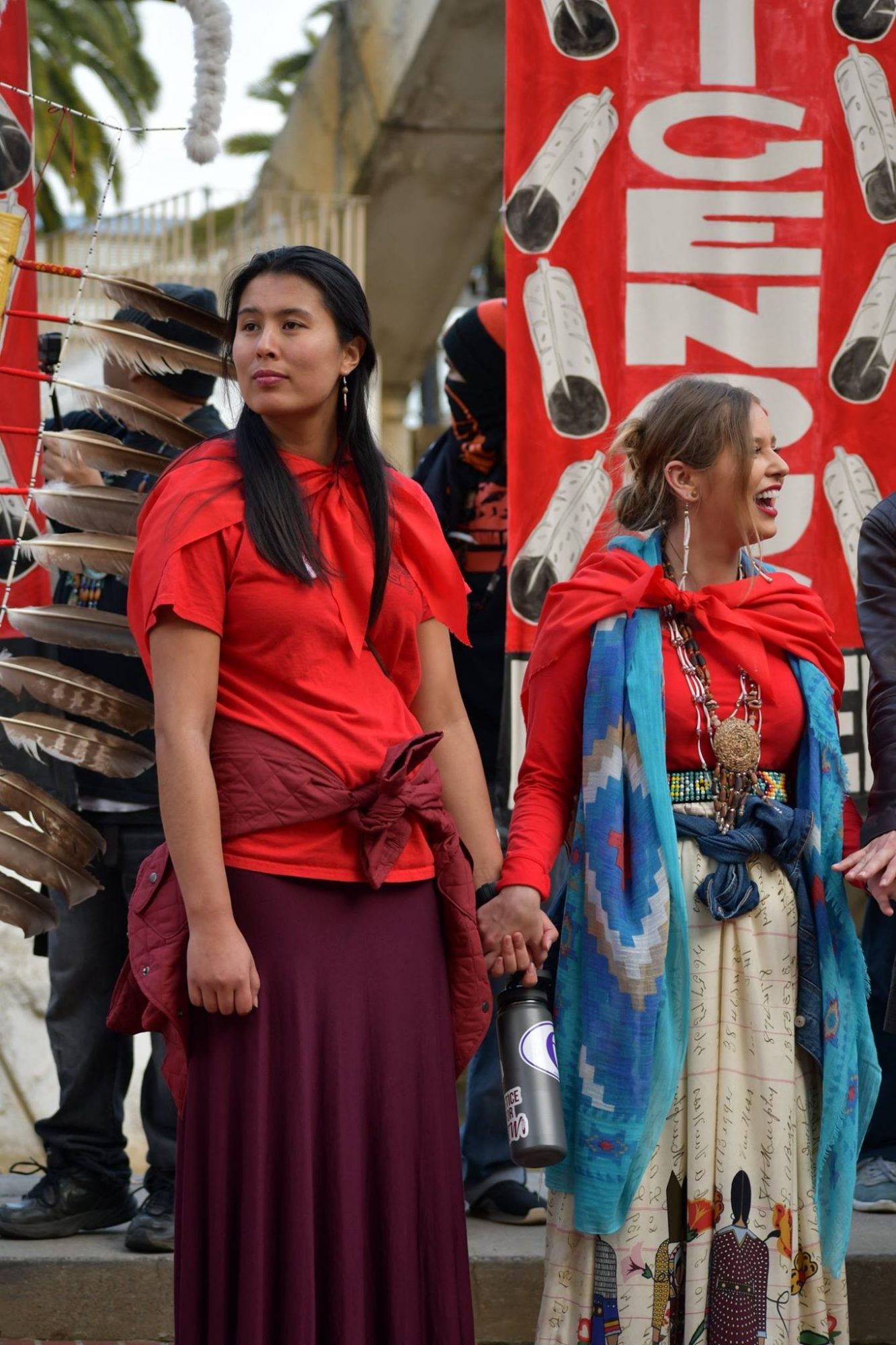 Image Credits
CapturedbyBarbara BeautyCodeBrand
Popular
-
Robin Olive on Building an Inclusive Performing Arts Movement and Expanding Opportunities for Every Student
-

Portraits of the Valley
-

LA’s Most Inspiring Stories
-

Que Johnson on Building Brands That Last: From Visibility to True Market Authority
-
Christina Wren Steps Into the Director’s Chair to Tell Stories That Feel Like Home
-
JordanL on ‘Breathe,’ Belief, and Building a Movement Beyond the Music


