




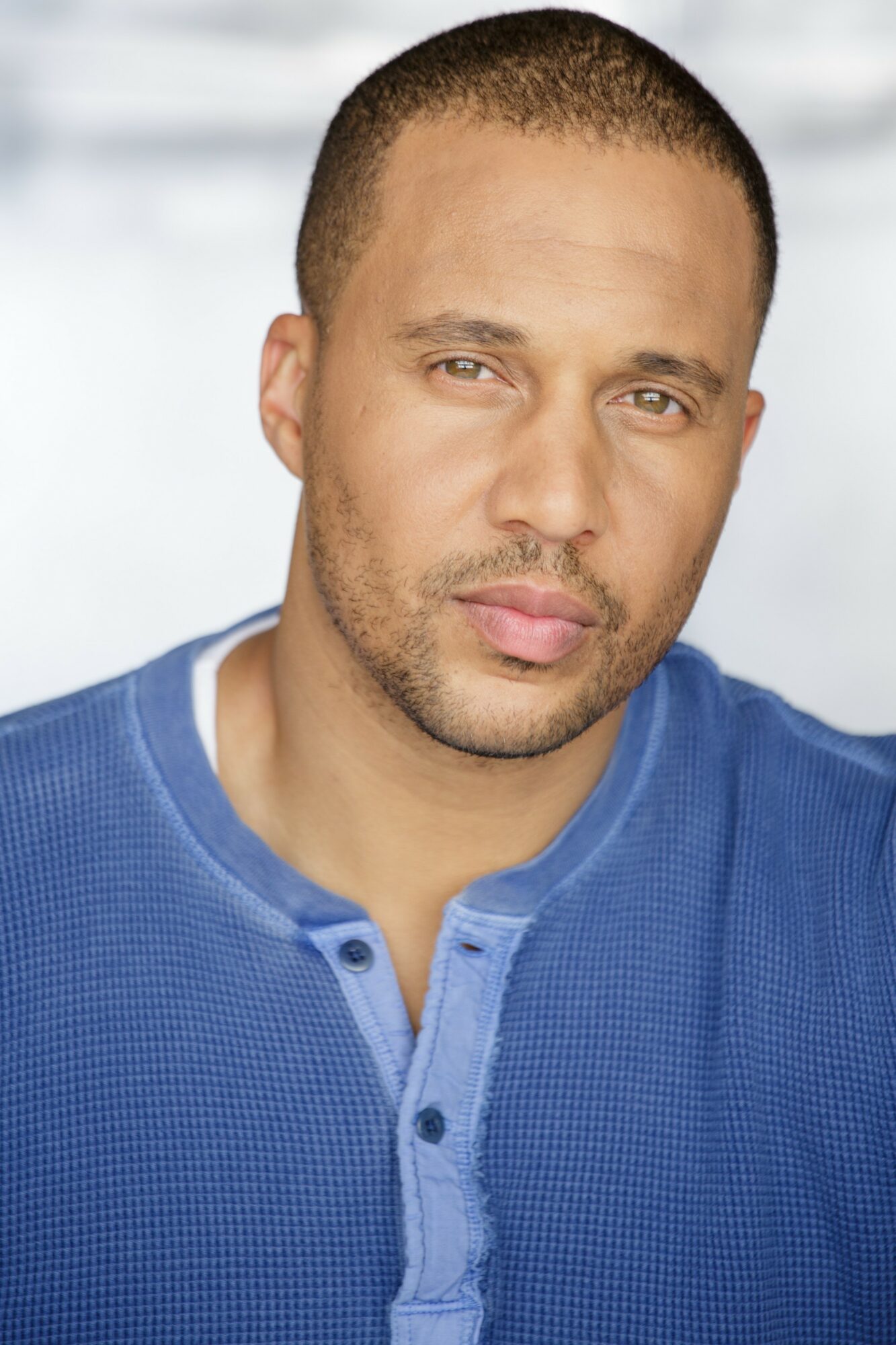
Today we’d like to introduce you to Larry Ulrich.
Hi Larry , thanks for joining us today. We’d love for you to start by introducing yourself.
I started my journey in film the traditional way — auditioning, acting, learning the industry from the inside. I was fortunate enough to be part of several projects, and those experiences gave me a real understanding of how storytelling works on set, how productions move, and what it takes to bring a vision to life. But like a lot of people in this space, I also faced the reality of hearing “no” more times than I heard “yes.” At some point, I had to make a decision — either wait for permission or create my own lane.
When AI started emerging, I saw something different from most people. I didn’t see a shortcut — I saw freedom. I dove into it early, studied it, tested it, failed with it, and kept going until I understood how to actually use it as a storytelling tool. And once it clicked, everything changed. I became one of the first creators to fully lean into AI to produce episodic content and film-level storytelling. Not just clips — full narratives, structured stories, characters, worlds. Projects like Rufus: The Compton Cowboy came out of that shift — combining everything I learned from traditional filmmaking with the power of AI.
Now I’m in a space where I’m writing, directing, acting, and generating entire projects myself. No waiting. No gatekeeping. Just creating. My journey has really been about taking control — turning “no” into “I’ll do it myself,” and using AI as the bridge to get there.
Alright, so let’s dig a little deeper into the story – has it been an easy path overall and if not, what were the challenges you’ve had to overcome?
It definitely hasn’t been a smooth road.
When I first got to Los Angeles, I was chasing the dream the traditional way — acting, being part of different projects, learning the industry from the inside. I’m grateful for that experience, but the reality was tough. I was working part-time jobs that weren’t paying enough, barely getting by. There was a point where I was almost living out of my car. I was sleeping on other people’s couches, just trying to stay afloat while holding on to the vision.
At one point, I had to make a hard decision. I stepped away from my Master’s program at Pepperdine University and transitioned into corporate America just to create some stability in my life. But even during that time, I never let go of filmmaking. That passion never left me — it was always there in the background, waiting for the right moment.
And then AI came.
When AI started emerging, I saw something different. I didn’t see it as a shortcut — I saw it as freedom. Freedom from waiting. Freedom from gatekeepers. Freedom to finally create at the level I had always envisioned. I dove into it early, and it wasn’t easy. There was no blueprint. I had to teach myself everything — a lot of trial and error, long nights, frustration, things not working the way I wanted.
On top of that, there was the perception. People didn’t take AI filmmaking seriously at first, and some still don’t. So I wasn’t just learning something new — I was also having to prove that it was real, that it had value, that it belonged in the same conversation as traditional film.
But every struggle — from those early days in LA, to the transition into corporate life, to figuring out AI on my own — it all pushed me to take control of my own path. And now I’m in a space where I’m not waiting anymore. I’m creating full episodic content and films, writing, directing, acting, and building something that’s truly mine.
Appreciate you sharing that. What else should we know about what you do?
What I do now is create stories — but I do it in a way that most people didn’t think was possible, at least not at this level. I’m a filmmaker, actor, and creator, but I specialize in AI-driven filmmaking. That means I’m writing, directing, acting, and generating entire projects myself. I’m not just making clips — I’m building full episodic series and films with structure, characters, and real storytelling behind them.
At the core of everything I create is my faith. My work is meant to be entertaining, cinematic, and engaging, but Christ is always at the center of it. That foundation guides how I tell stories, how I build characters, and the messages I choose to put out into the world.
What really defines my work is that I’ve taken full control of the entire process. I’m handling everything from concept to final product — the vision, the execution, the performance, the editing. It’s a true one-man production, and that’s something I take a lot of pride in. At the same time, this space has allowed me to start creating opportunities for others — roles and creative lanes that didn’t even exist before AI became part of filmmaking.
What I’m most proud of is exactly that — I didn’t wait for permission. I stepped into every role that’s usually spread across an entire production team and found a way to bring it all together into something cohesive and real. That level of ownership means everything to me.
What sets me apart is that I’m not just experimenting with AI — I’m building complete, watchable projects that can live in the same space as traditional film and television. I’ve also been fortunate to sign with a distribution agent, which is a major step forward. And with my latest project, *Rufus: The Compton Cowboy*, the goal is to bring it to mainstream television or a major streaming platform very soon.
At the end of the day, I’m not just creating content — I’m creating with purpose, and I’m committed to using this new lane of AI filmmaking to tell stories that entertain, inspire, and reflect my faith.
We all have a different way of looking at and defining success. How do you define success?
Success, for me, has changed over time. Early on, I thought success was just getting the opportunity — landing roles, being seen, getting that “yes” from the industry. But after going through the ups and downs, coming to LA, struggling, and even having to step away into corporate just to survive, my definition shifted.
Success for me now is ownership. It’s waking up every day and being able to create without waiting on permission. It’s having full control over my vision — writing, directing, acting, and bringing entire projects to life through AI. That freedom means everything to me, because I know what it feels like to not have it.
But more than that, success is purpose. Everything I create is rooted in my faith. I want my work to be entertaining and impactful, but with Christ at the center of it. So success isn’t just about views or deals — it’s about knowing that what I’m putting out into the world actually stands for something and can reach people on a deeper level.
And of course, there’s the bigger picture. Being able to take something like *Rufus: The Compton Cowboy* and bring it to a major platform, open doors, and create opportunities not just for myself but for others — that’s success too. At the end of the day, success for me is simple: Having the freedom to create, staying rooted in my faith, and building something that can impact people and outlive me.
Contact Info:
- Instagram: https://www.instagram.com/larryulrich_/
- Facebook: https://www.facebook.com/larryjulrich
- LinkedIn: https://www.linkedin.com/in/larryjulrich/
- Youtube: https://www.youtube.com/@larryjulrich
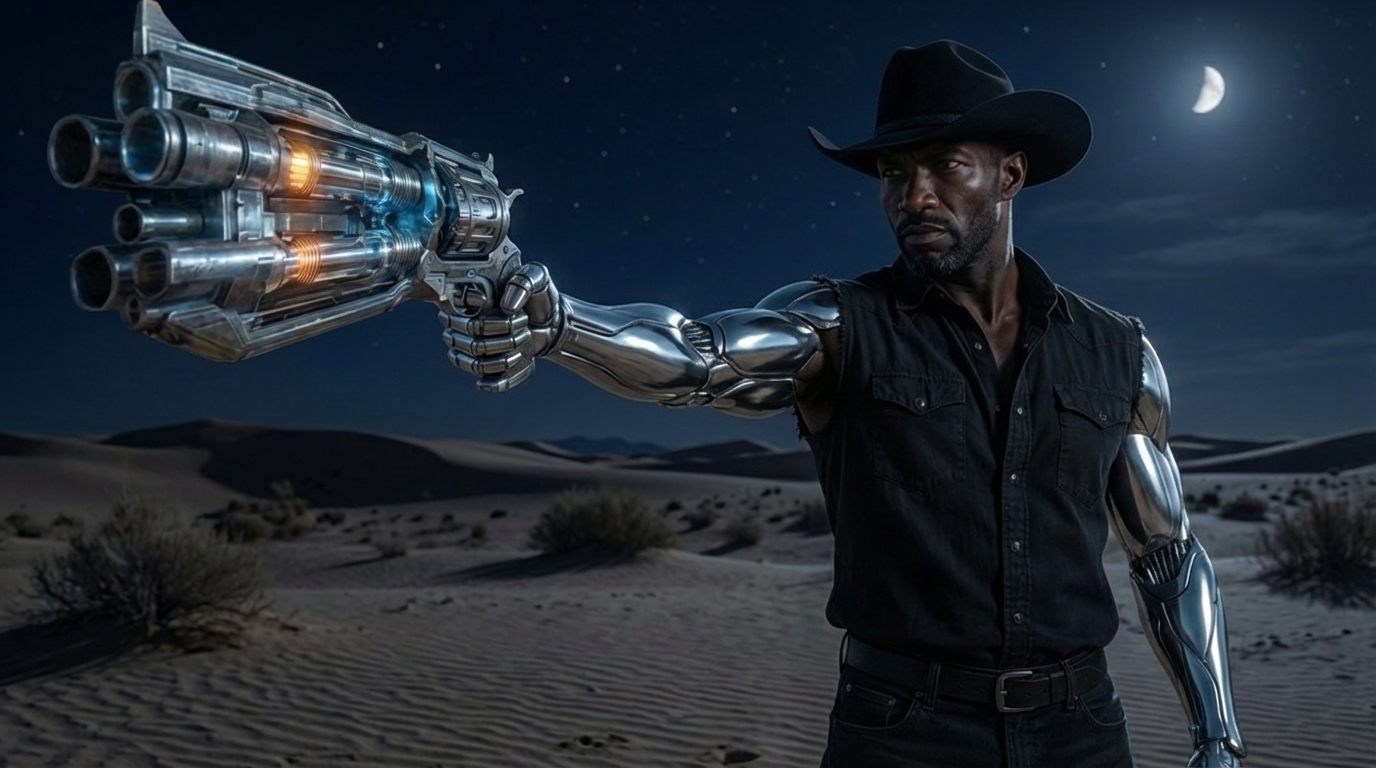
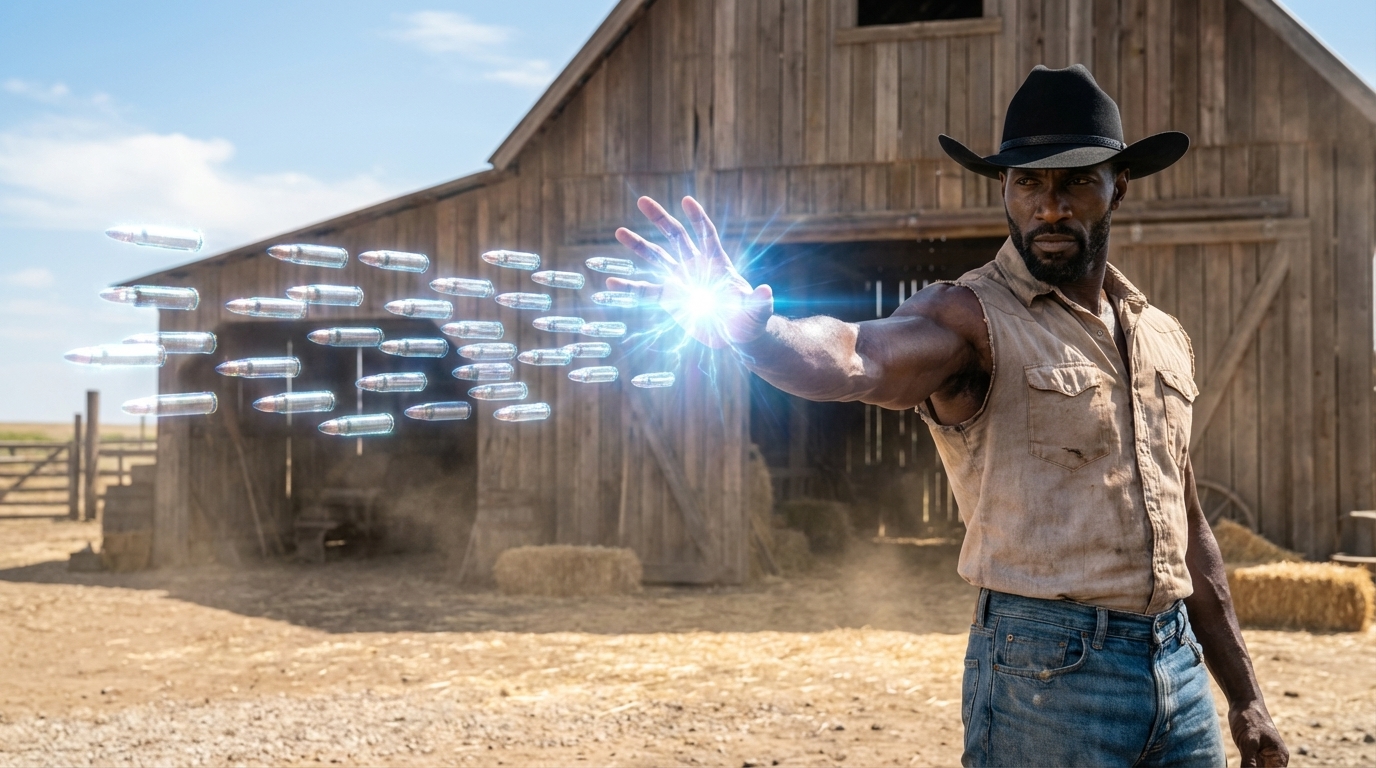
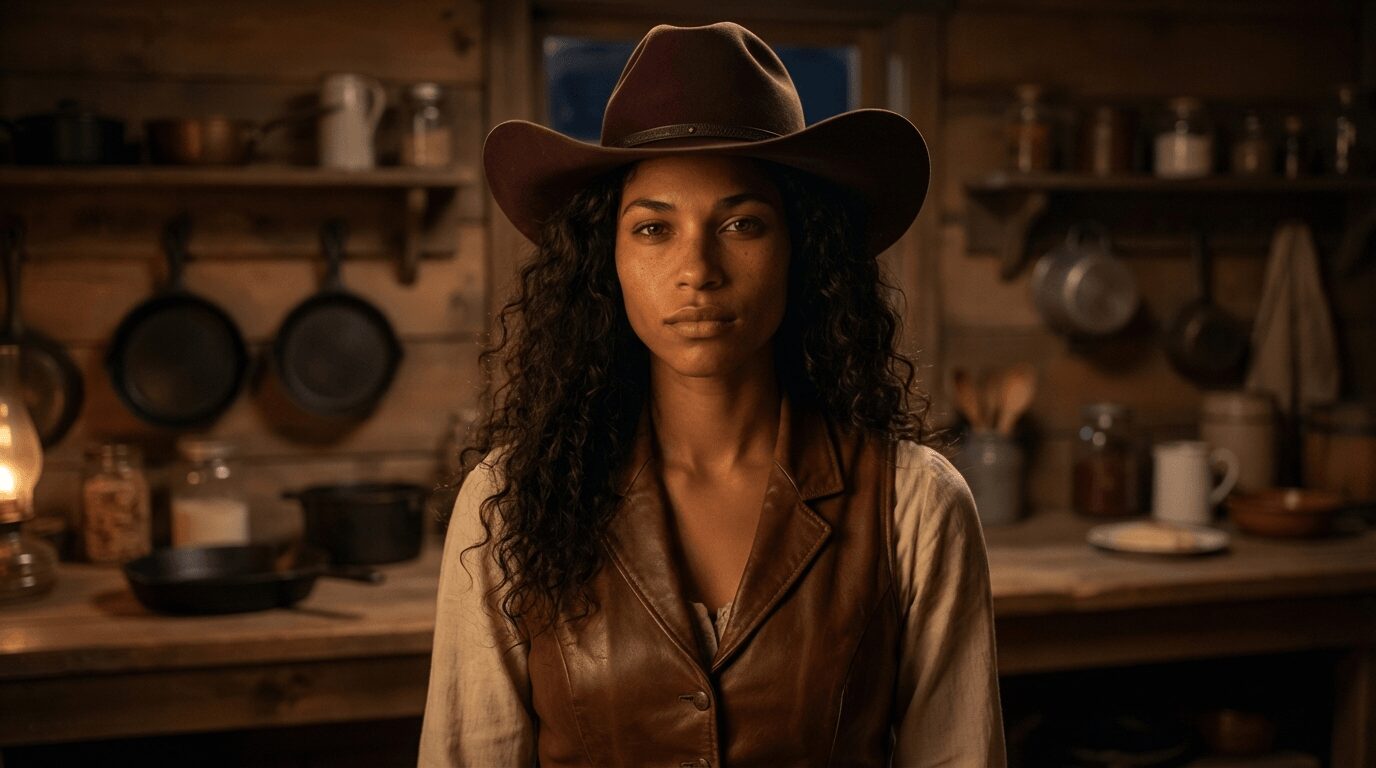
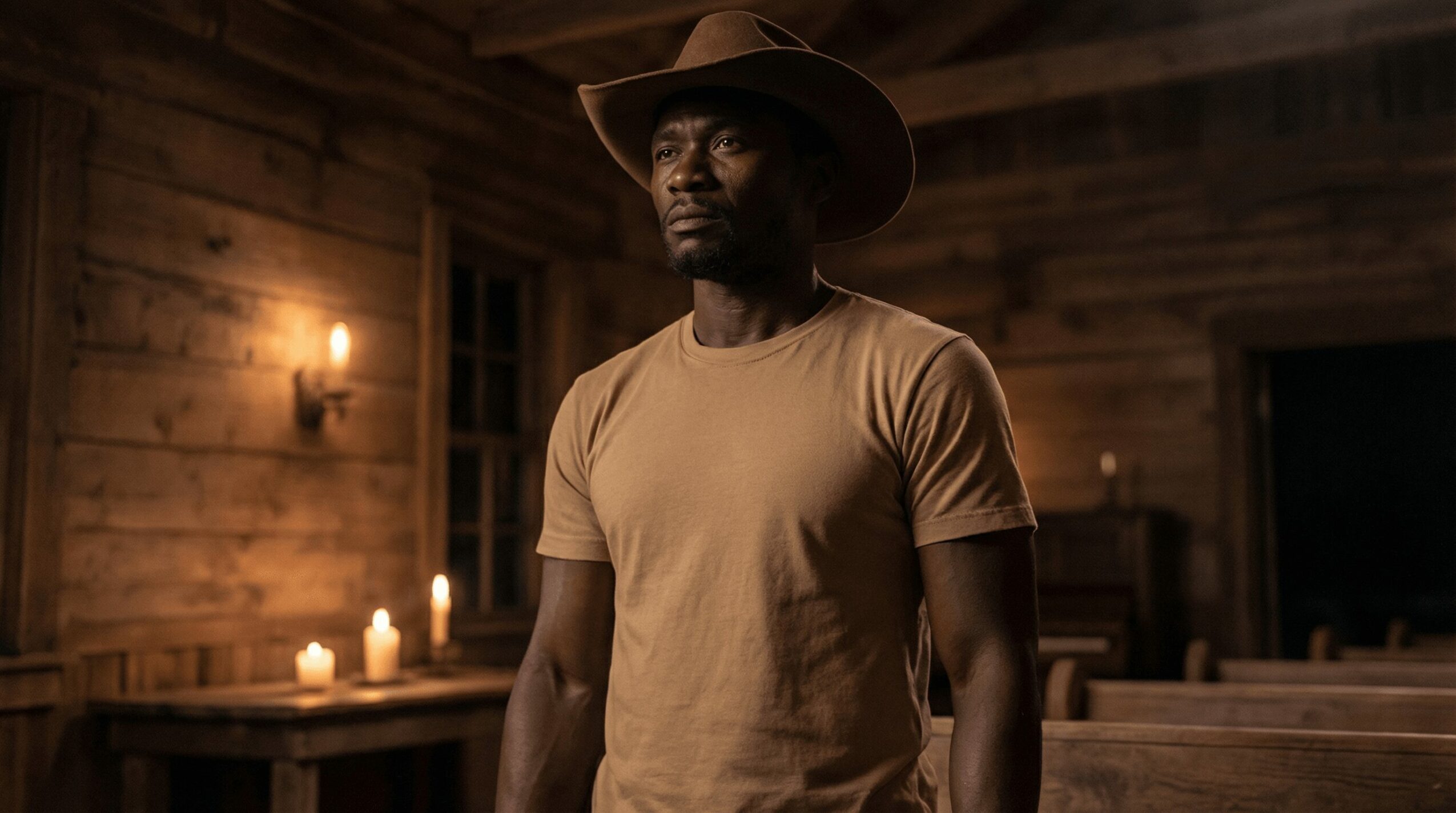
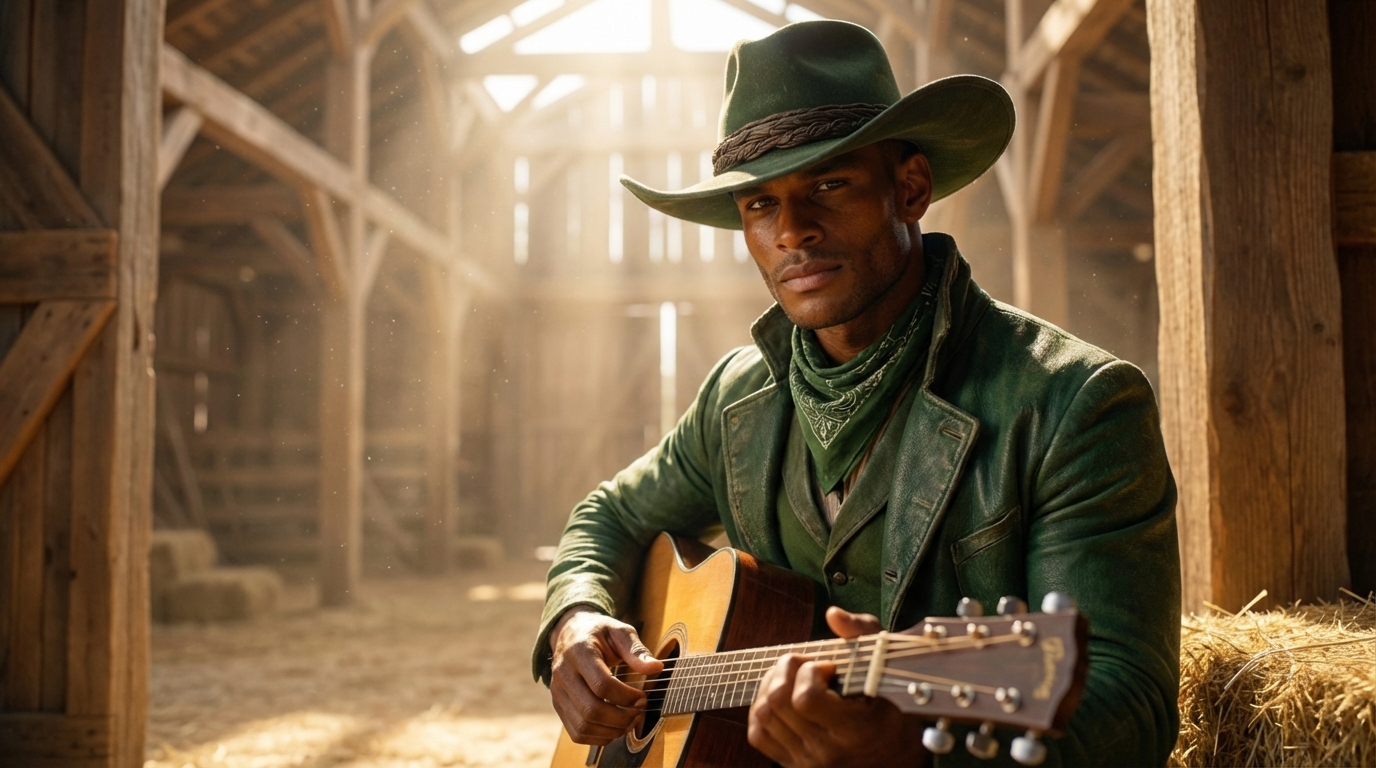
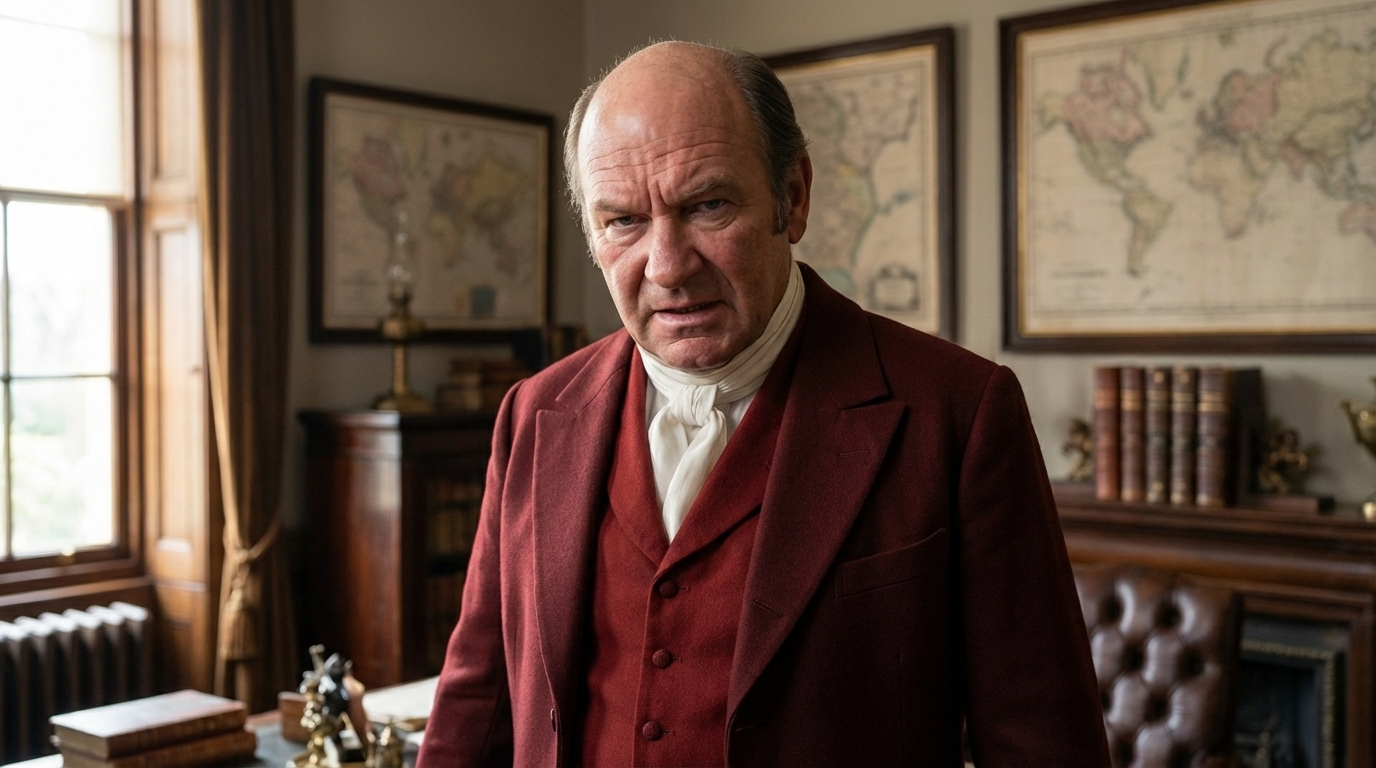
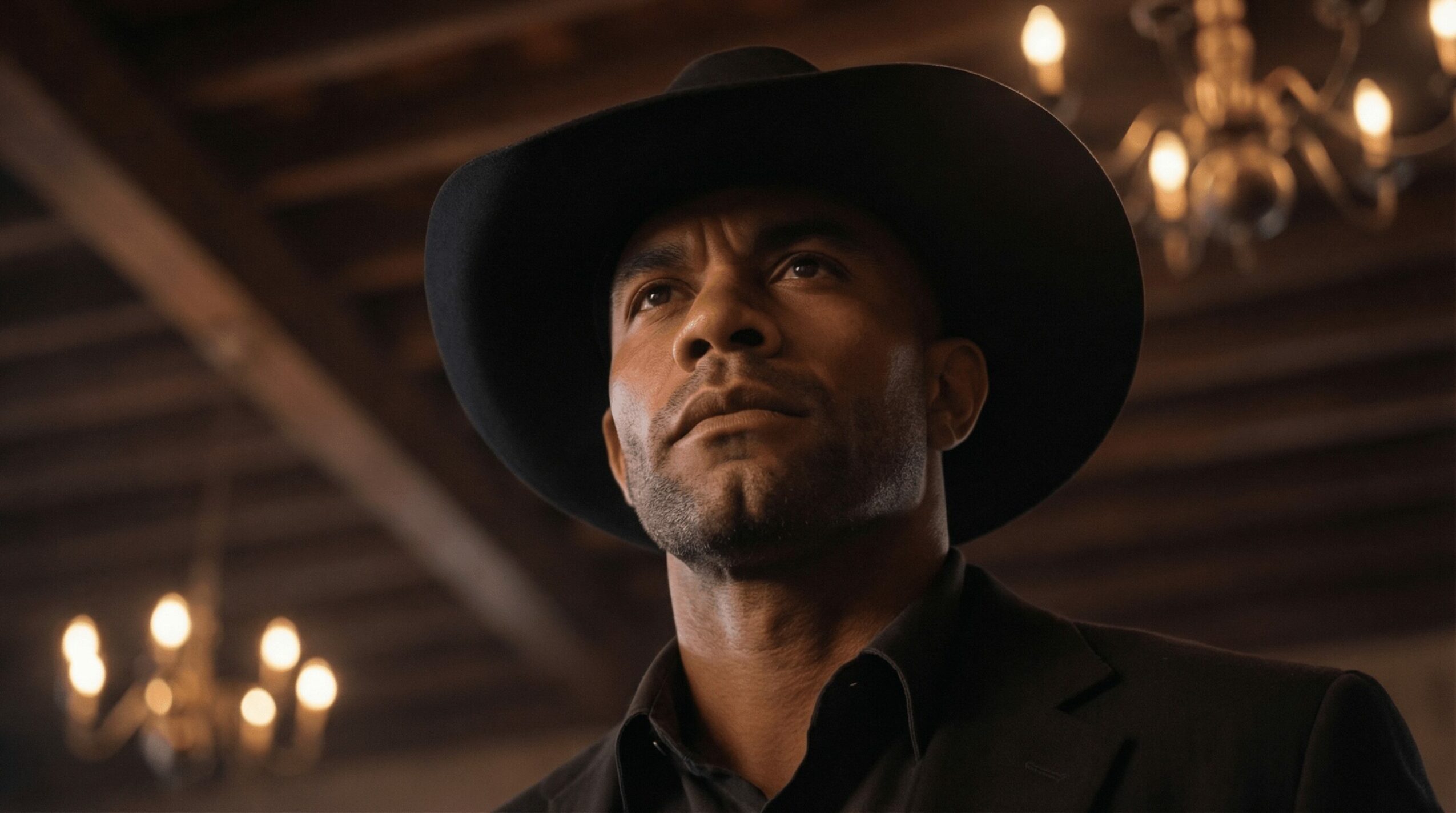
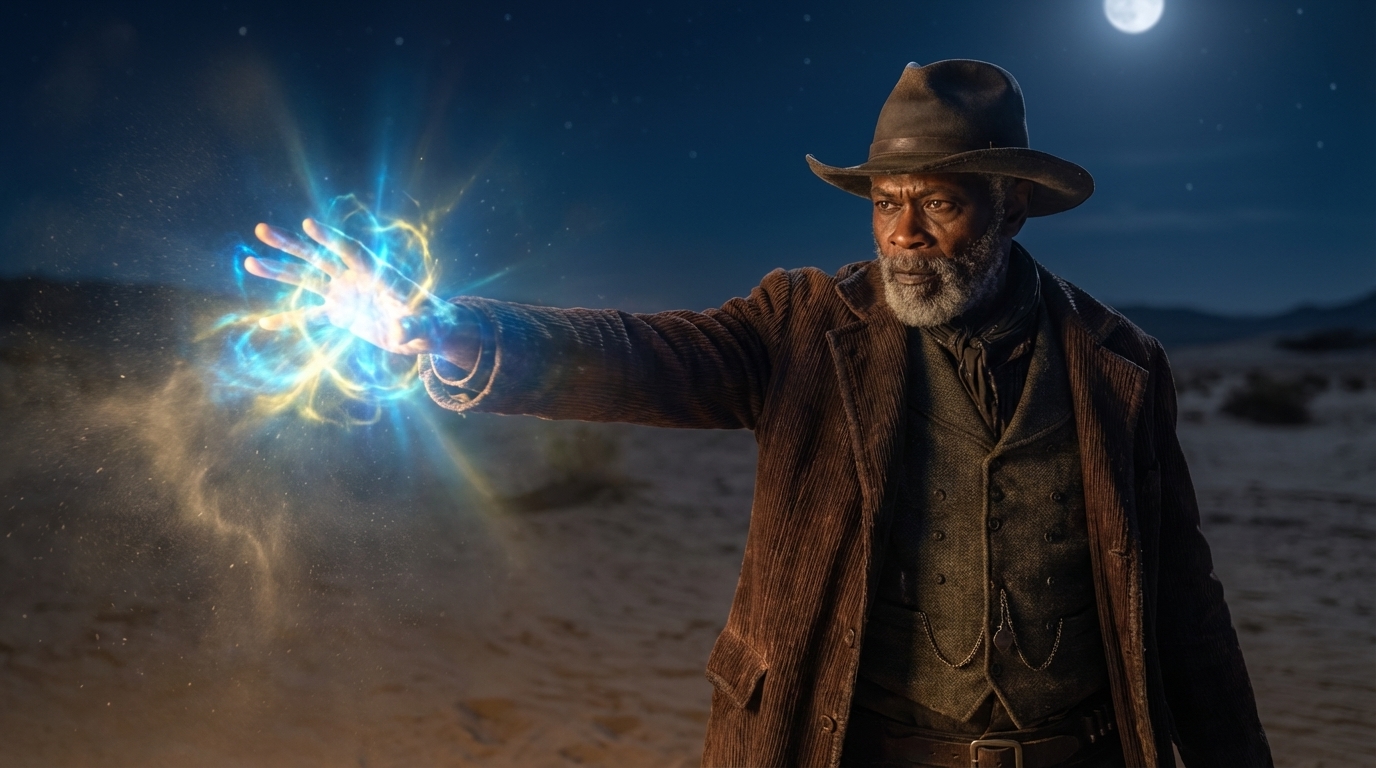
Image Credits
All images created by Larry Ulrich
Popular
-
Cedar Boschan on Elevating Black Music Rights and Driving Urgent Conversations Around Credit, Equity, and Artist Protection
-

Portraits of the Valley
-

LA’s Most Inspiring Stories
-

Robin Olive on Building an Inclusive Performing Arts Movement and Expanding Opportunities for Every Student
-

Que Johnson on Building Brands That Last: From Visibility to True Market Authority
-

Christina Wren Steps Into the Director’s Chair to Tell Stories That Feel Like Home


