



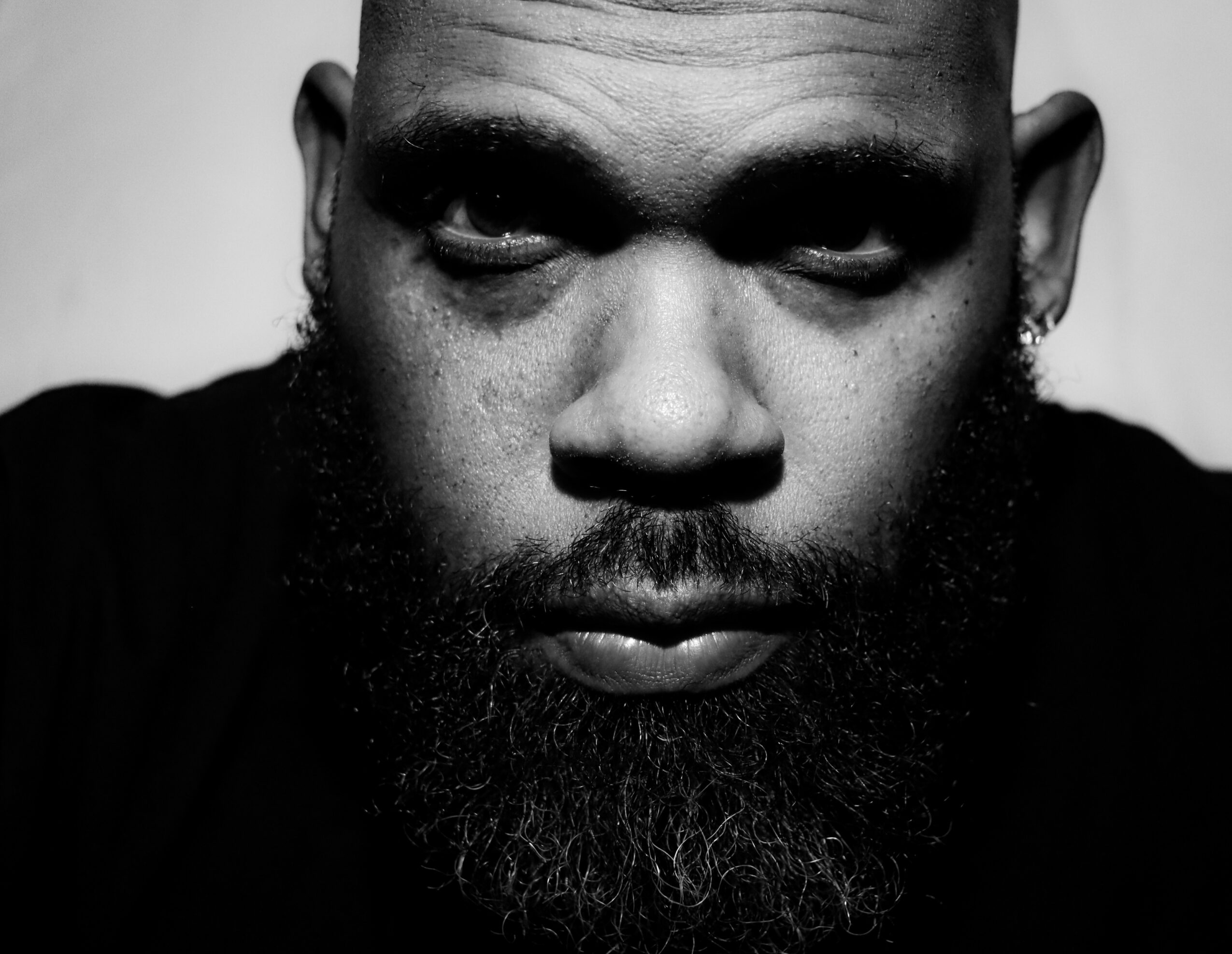
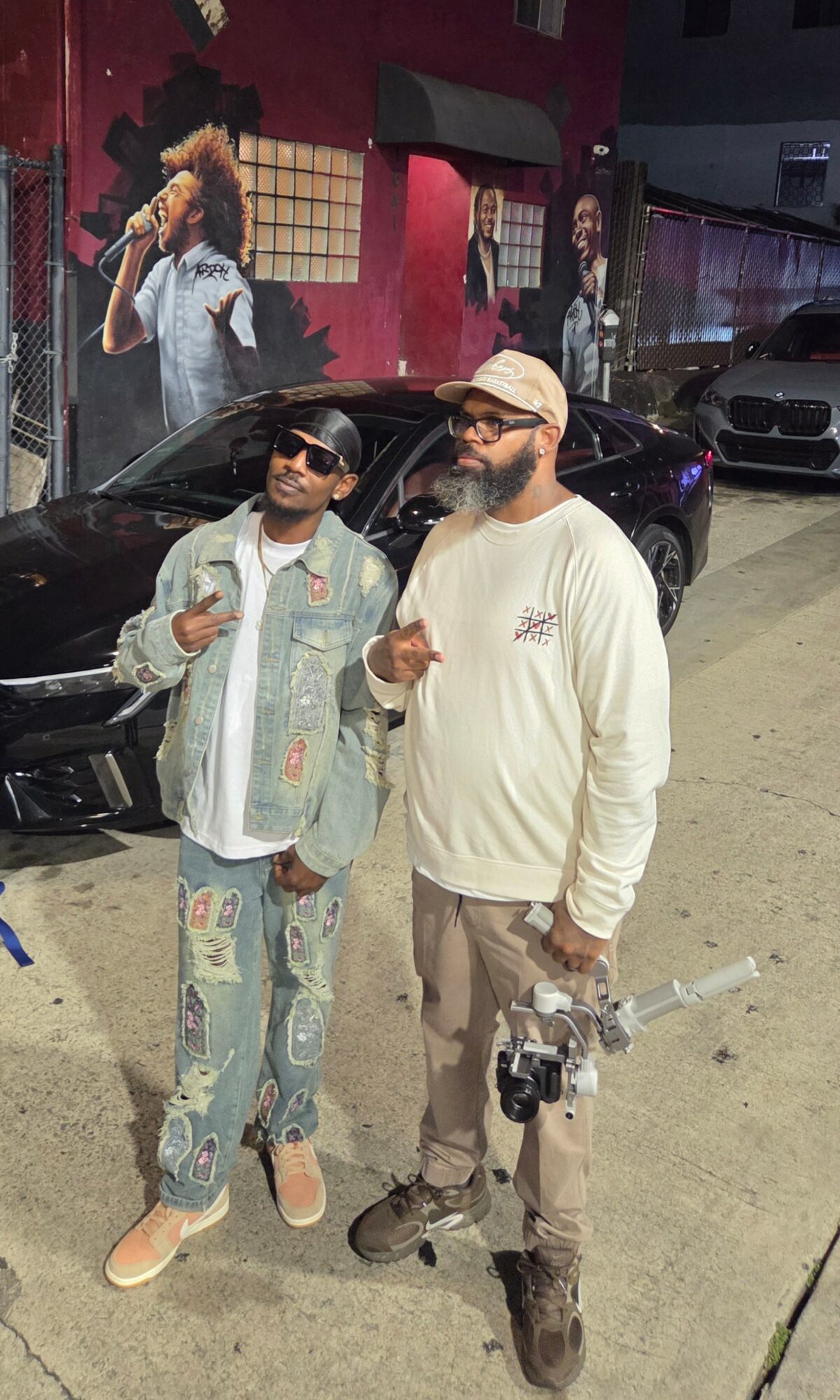
Today we’d like to introduce you to HB.
Hi HB, so excited to have you with us today. What can you tell us about your story?
I started in film by picking up a camera for independent artists and small projects, and over time I built my experience through consistency, curiosity, and real-world opportunities. I’ve shot music videos, short films, comedy sketches, and even worked with an urban online news company and the LA Times before COVID. Most of my growth came from hands-on work — learning on the fly, adapting, and figuring things out project by project. Today, I’m continuing to build my skills formally through film coursework so I can take everything I’ve learned in the field and turn it into a solid foundation for the next level of my career.
We all face challenges, but looking back would you describe it as a relatively smooth road?
It definitely hasn’t been a smooth road. My journey has been full of challenges that shaped the way I work and the way I create. One of the biggest struggles was starting out without the resources most people in film have access to. I didn’t have expensive equipment, formal training, or a built‑in network, so I had to learn everything through trial and error. That meant shooting on whatever I had, figuring things out on the fly, and staying committed even when the process felt slow.
I also had to balance my creative goals with real‑life responsibilities. Being a parent and supporting my family meant there were times I had to pause projects or move at a different pace than I wanted to. On top of that, I dealt with personal losses and emotional setbacks that made it hard to stay focused creatively. Some seasons were about getting through life first before I could get back to storytelling.
Another major challenge was the impact of COVID. Just as I was starting to get opportunities with the LA Times and other media work, everything shut down. It forced me to rebuild my momentum from scratch and rethink how I approached my career. Even though the road hasn’t been easy, every obstacle taught me resilience, patience, and how to stay resourceful. Those experiences are a big part of why I’m still pushing forward today.
Thanks – so what else should our readers know about your work and what you’re currently focused on?
In my work, I focus on visual storytelling — filming music videos, short films, comedy sketches, and real‑world media content. I specialize in creating cinematic visuals with whatever tools I have, whether that’s a full setup or a simple, lightweight kit. A big part of my journey has been hands‑on learning: shooting for independent artists, working with an urban online news company, and supporting projects with the LA Times before COVID. I’ve also built a strong creative partnership at home — my wife writes and directs short films, and I handle the filming and editing. Working together has helped me sharpen my eye, improve my workflow, and understand how to bring someone else’s vision to life from start to finish.
What I’m most proud of is the fact that I built my skills from the ground up. I didn’t start with film school or expensive equipment — I started with what I had and made it work. That resourcefulness shaped my style and taught me how to adapt, problem‑solve, and stay focused on the story above everything else. I’m also proud of the consistency I’ve shown over the years. Even when life got complicated, I kept creating, learning, and pushing myself to grow.
What sets me apart is my combination of real‑world experience and instinct. I’ve worked in environments where you don’t get second chances — news, events, unpredictable locations — and that taught me how to think fast and capture meaningful moments under pressure. At the same time, I bring a cinematic approach to everything I shoot, whether it’s a music video or a simple scene. I’m not just recording; I’m shaping emotion, pacing, and atmosphere. That blend of grit, creativity, and storytelling is what defines my work and keeps me evolving as a filmmaker.
Do you have any advice for those just starting out?
My biggest advice for anyone just starting out is to stop waiting for the “perfect moment” and start with whatever you have. When I first began, I thought I needed the best camera, the right connections, or formal training before I could really call myself a filmmaker. Looking back, I wish I knew that consistency matters way more than equipment. The more you shoot, the faster you grow — even if you’re filming on a phone or learning through trial and error.
I also wish I understood earlier how important it is to build relationships. A lot of my opportunities came from simply showing up, being reliable, and treating every project like it mattered. Your reputation will open more doors than your gear ever will. And don’t be afraid to collaborate — some of my best growth came from working with my wife on her short films, where she writes and directs and I handle the filming and editing. Those experiences taught me how to communicate creatively, how to bring someone else’s vision to life, and how to sharpen my skills through teamwork.
Another piece of advice is to embrace mistakes instead of fearing them. When you’re new, you’re going to mess up — lighting, audio, framing, timing — all of it. But every mistake becomes a lesson if you keep going. The people who grow the fastest aren’t the ones who avoid failure; they’re the ones who learn from it and keep creating anyway.
Finally, protect your passion. There will be slow seasons, setbacks, and moments where life gets in the way. That’s normal. What matters is staying connected to why you started and finding ways to keep improving, even in small steps. If you stay consistent, stay curious, and stay humble, you’ll be surprised how far you can go.
Pricing:
- Music Video Packages — Starting at $300+, depending on concept, locations, and editing needs.
- Short Film Production — Pricing varies by script length and production needs; most small‑scale projects fall between
- Comedy Sketch Filming — Typically $150–$300, depending on length and number of scenes
- Event or News‑Style Coverage — Starting at $200, includes filming and a basic edited recap.
- Editing‑Only Services — $75–$150 depending on project length and complexity.
Contact Info:
- Instagram: www.instagram.com/hbprodukshins
- Youtube: https://youtube.com/@hbprodukshin
Popular
-
Maagic Collins on Building a Fearless Publishing Platform for Truth, Advocacy, and Underrepresented Voices
-
Los Angeles Barea on Turning Green Superheroes into a Global Movement for Youth-Led Change
-

Trisha DuVivier on Bridging the Franchisor–Franchisee Divide with Workhero and “Franulate”
-

Portraits of the Valley
-

LA’s Most Inspiring Stories
-
Cedar Boschan on Elevating Black Music Rights and Driving Urgent Conversations Around Credit, Equity, and Artist Protection


