




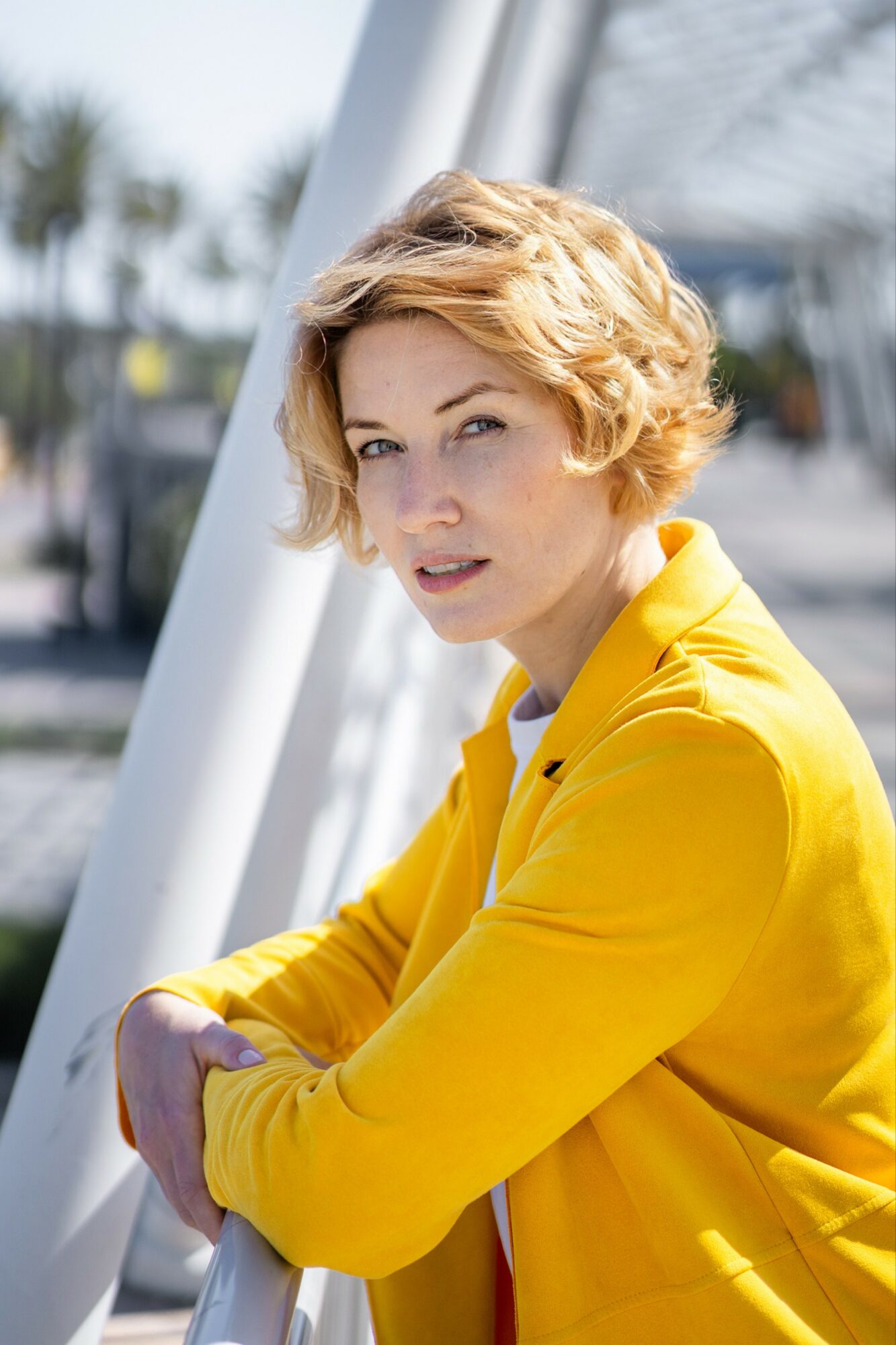
Today we’d like to introduce you to Elena Mercuri.
Alright, so thank you so much for sharing your story and insight with our readers. To kick things off, can you tell us a bit about how you got started?
I was born in Saint Petersburg — a city where theater and literature are woven into everyday life.
From 2012 to 2022, my life was closely connected to Moscow. It was there that I developed professionally; during the last five years, I worked as an actress and organized cultural events.
Everything changed when I came to the United States. Circumstances unfolded in such a way that returning became impossible — and this trip turned into a new life. I got married, acquired a new status, a new country, a new language, and at the same time a feeling of standing at a starting point once again.
It was important for me not to dissolve into the role of “a wife” or an immigrant, but to continue developing professionally and creatively. I found an acting agent fairly quickly, but along with that came a clear realization: Los Angeles and Hollywood are among the most competitive markets in the world. Here, it is not enough to simply “be good.” You need to have your own voice and your own foundation.
It was at that moment that I remembered a theater festival that had existed in Russia for more than thirty years — Lubimovka Contemporary Drama Festival that became a platform for new playwrights and new texts. I learned that it had officially closed in Russia, but found new life in Europe as Echo Lubimovka, in the context of war, emigration, and the coming together of people who found themselves outside their country.
This experience felt incredibly important to me. In Europe, the festival became a space where a new wave of émigrés supported one another both as professionals and as a community — a space where audiences could hear the voices of those who had left and those who had stayed. And then I thought: why can’t America hear these voices too?
This is how the idea of the Echo Lubimovka Festival in Los Angeles was born.
For the past two years, the festival has been successfully held in Los Angeles. It is a non-profit project created through the efforts of volunteers and with the support of sponsors who help provide venues and promotion.
The festival takes place primarily in Russian, partially in English, with all plays translated, giving audiences a real opportunity to hear and understand these stories.
But Echo of Lubimovka is not only about staged readings. It is about dialogue. About preserving and developing contemporary drama. About building a cultural bridge between countries, languages, and professional communities.
Today, our global goal is to make the festival fully English-language, attracting international artists as well as those who work fluently in English. There is also a strong intention to bring the festival to a new professional level — to turn it into an annual meeting point for playwrights, screenwriters, actors, directors, producers, and film industry professionals. A space for sharing experience, discussing new texts, and forming future collaborations.
This year, we are planning a three-day festival — with readings, meetings, and opportunities for actors and directors to showcase themselves and connect with one another.
The main mission of the festival remains unchanged:
to give young playwrights writing in Russian the opportunity to be heard around the world.
For me, Echo Lubimovka LA is not just a festival.
It is an answer to the question of how to preserve one’s voice while living in another country.
And how to turn a personal story into a shared space of meaning, support, and creativity.
Alright, so let’s dig a little deeper into the story – has it been an easy path overall and if not, what were the challenges you’ve had to overcome?
Surprisingly, my life in America did not begin with major difficulties. I met people who helped me along the way. And after meeting my future husband, I realized that in him I had found reliable support — he supports me fully in all of my creative endeavors.
Perhaps the main challenge I faced was finding people: building a team, finding artists and directors who were willing to participate in the process on a voluntary basis. The journey was difficult, but I also understood and reminded myself that nothing happens overnight — step by step, the festival would become known.
And now I am giving this interview, which I hope will also help attract the attention of people who care about contemporary drama, theater, and creative collaboration.
Each year, I also face the challenge of finding a venue, as securing a theater space for free is almost impossible. This makes it necessary to attract sponsors or people who genuinely care and are willing to help.
In the first year, I sought sponsors and raised donations, so the festival was free for the public. However, it still required personal investment. In its second year, the project transitioned to a mixed funding model, combining sponsorships and ticket revenue to support key operational needs such as venue rental, technical personnel and marketing. I am deeply grateful to the vendors who supported my festival and helped create a warm, truly theatrical atmosphere during guest arrivals.
We brought in a mobile coffee service and catering; some contributors created souvenir merchandise, while others contributed creatively by drawing portraits of festival guests so they could take home meaningful keepsakes.
I sincerely hope that in the future I will be able to apply for grants that would allow me to cover operational and rental costs without relying on sponsors, while also creating funding opportunities for participants to further develop and realize their projects, such as staging a full theatrical production.
At the same time, we are always open to collaboration and partnership with organizations and individuals who are interested in supporting contemporary theater, artistic development, and cross-cultural exchange.
Appreciate you sharing that. What else should we know about what you do?
Throughout my life, I have tried many different professions, and I am truly proud of that. The last chapter of my career in Russia was focused on acting. I worked as an actress in commercials and film, while at the same time organizing events. These combined skills became especially valuable when I started my festival.
The festival gives me an opportunity to realize myself not only as a producer, but also as an actress. We select the plays, search for directors who resonate with the material, and I am also able to recommend myself as an actress for the readings and projects. When you are a producer, it would be a shame not to use that opportunity thoughtfully and creatively.
One of the things I am most proud of is that the festival has already become a real platform for new voices. I sincerely hope that one of the plays presented last year will be fully staged and possibly shown at theater festivals in Los Angeles, such as Fringe. At the moment, we are in discussions with artists and a director to make this happen.
What sets me apart is my ability to combine artistic intuition with strong organizational skills. I understand both the creative process and the production side, and I know how to bring people together around a shared idea. This year, I truly hope to draw more attention to the festival and to step forward more visibly myself — both as a producer and as an artist.
Do you have recommendations for books, apps, blogs, etc?
I don’t rely on one single resource — my inspiration comes from a combination of tools, voices, and daily practices.
I’m a bit old-school — I still use a physical planner and prefer to keep my notes there. A lot of information also lives in my head. At the same time, I understand how important it is to be surrounded by the right people. With a well-chosen team, I’m able to delegate and let go in certain moments, fully trusting others to handle their responsibilities and the preparation within their areas of expertise.
When you’re producing a festival, clarity and structure are just as important as creativity.
In terms of artistic growth, I read a lot of contemporary plays and screenplays. Reading current work helps me stay connected to what matters now. I also return to classic texts, because they always reveal something new depending on where you are in life.
I listen to podcasts and interviews with directors and producers, particularly conversations about process, failure in the arts. Hearing how others navigate similar challenges helps me stay grounded and realistic.
Outside of work, what helps me the most is walking, observing people, and being present — especially in a city like Los Angeles. Real life, real conversations, and real emotions are still my main source of inspiration. Plus it’s very useful for acting career.
Ultimately, the most valuable resource for me is community — staying connected to people who are curious, open, and passionate about what they do. That exchange of energy and ideas is what keeps me moving forward.
Contact Info:
- Website: https://echolubimovka.com/
- Instagram: https://www.instagram.com/lubimovka.la/
- Facebook: https://www.facebook.com/lubimovka.la
- LinkedIn: https://www.linkedin.com/in/elena-mercuri/
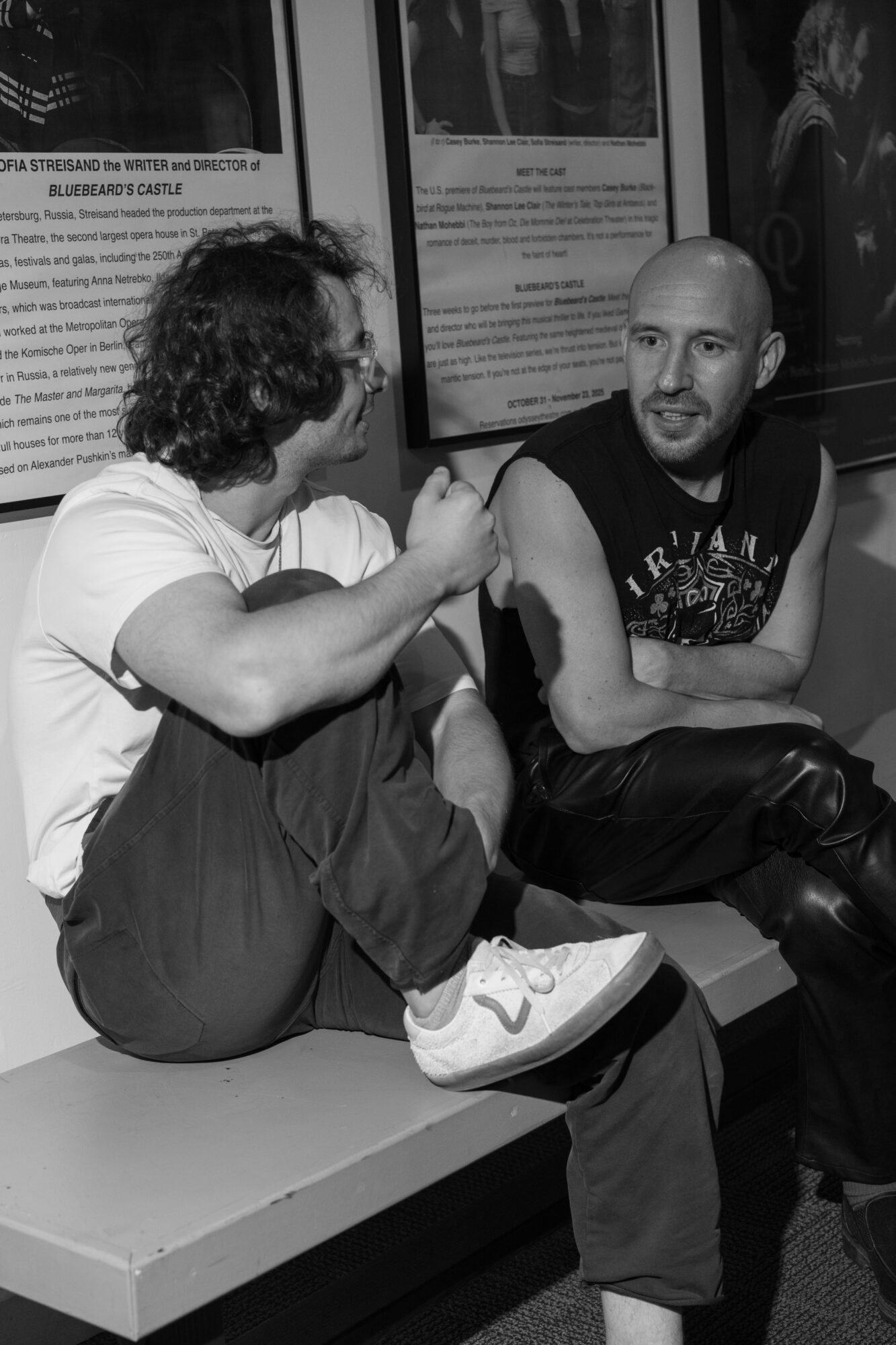
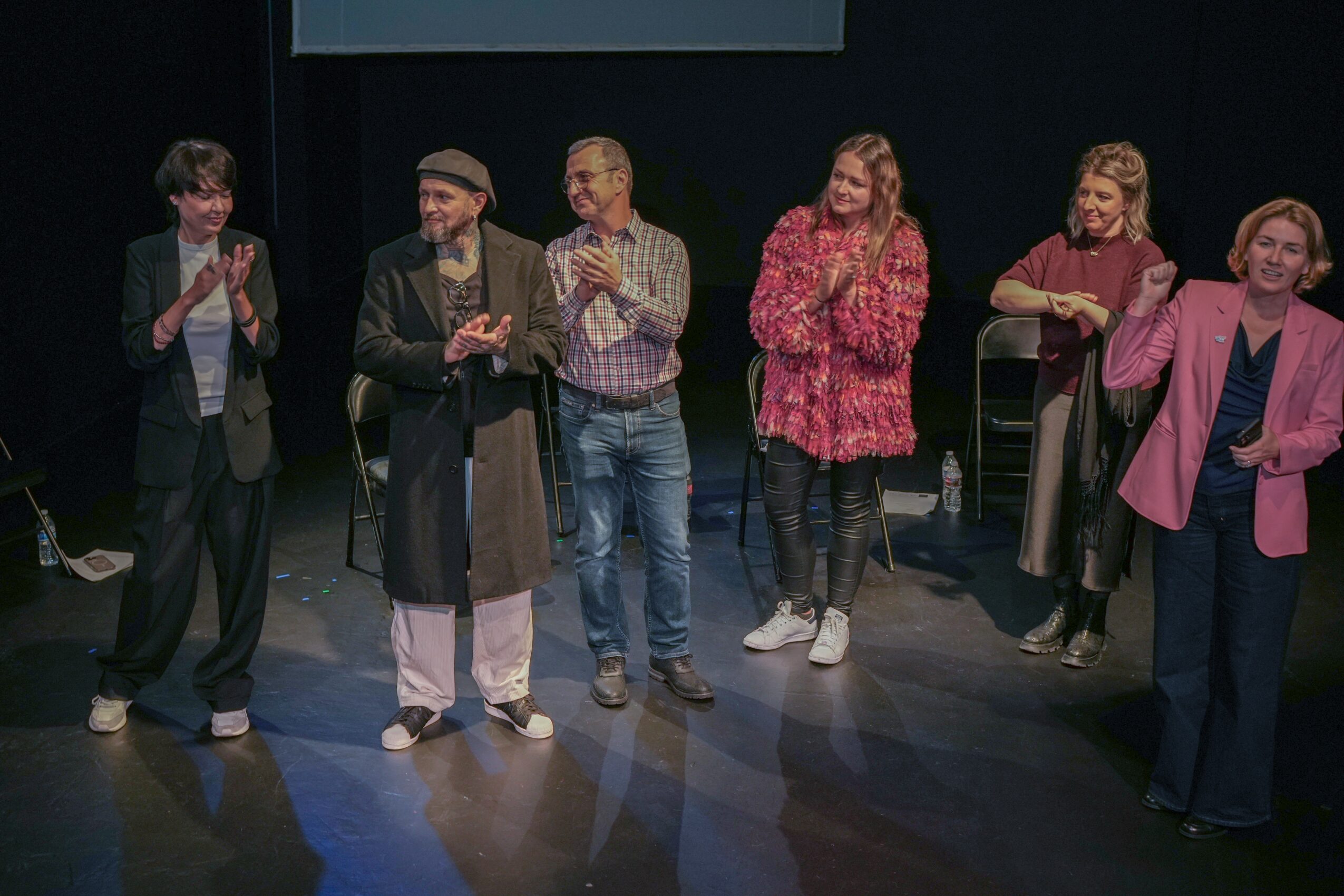
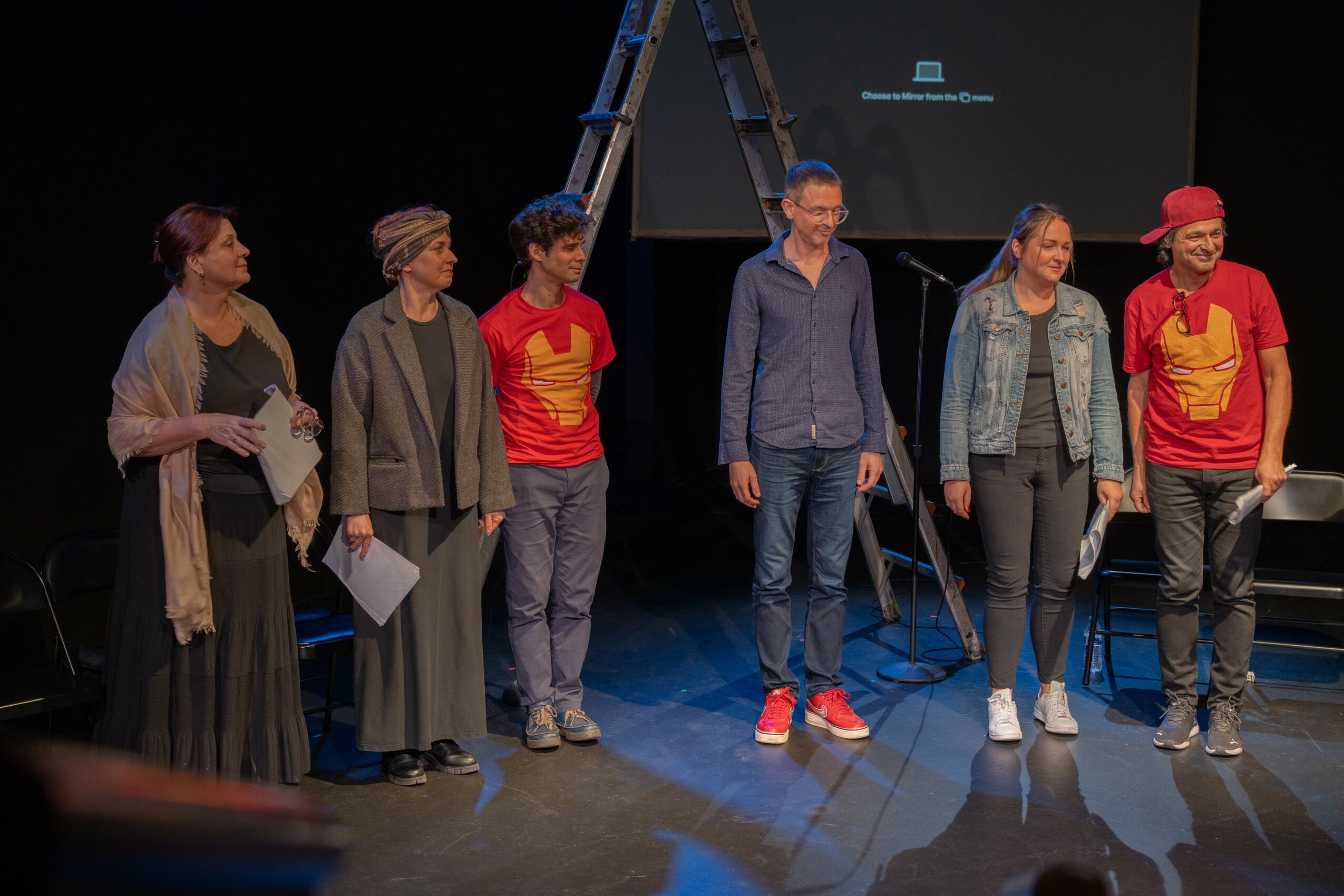
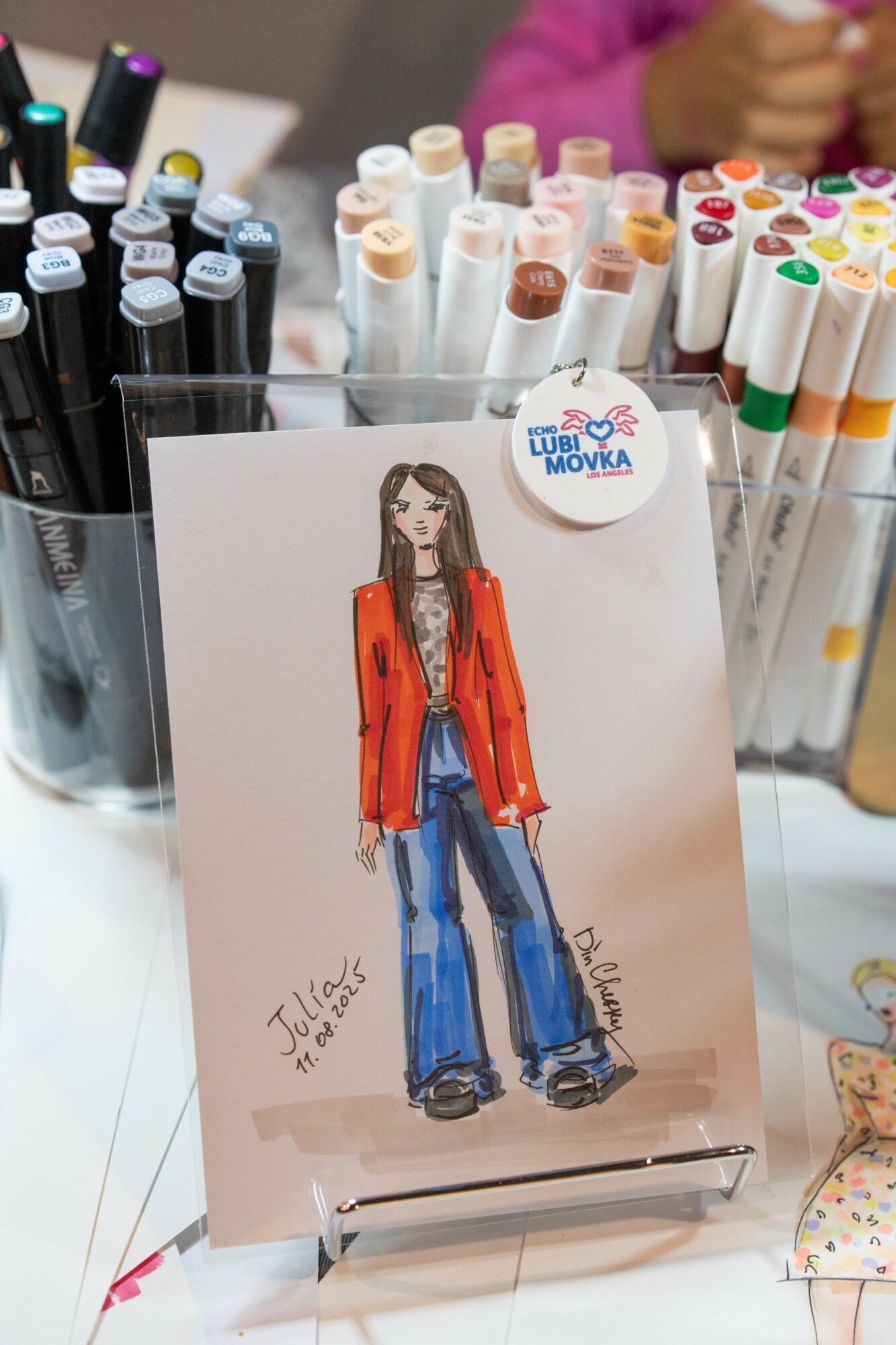
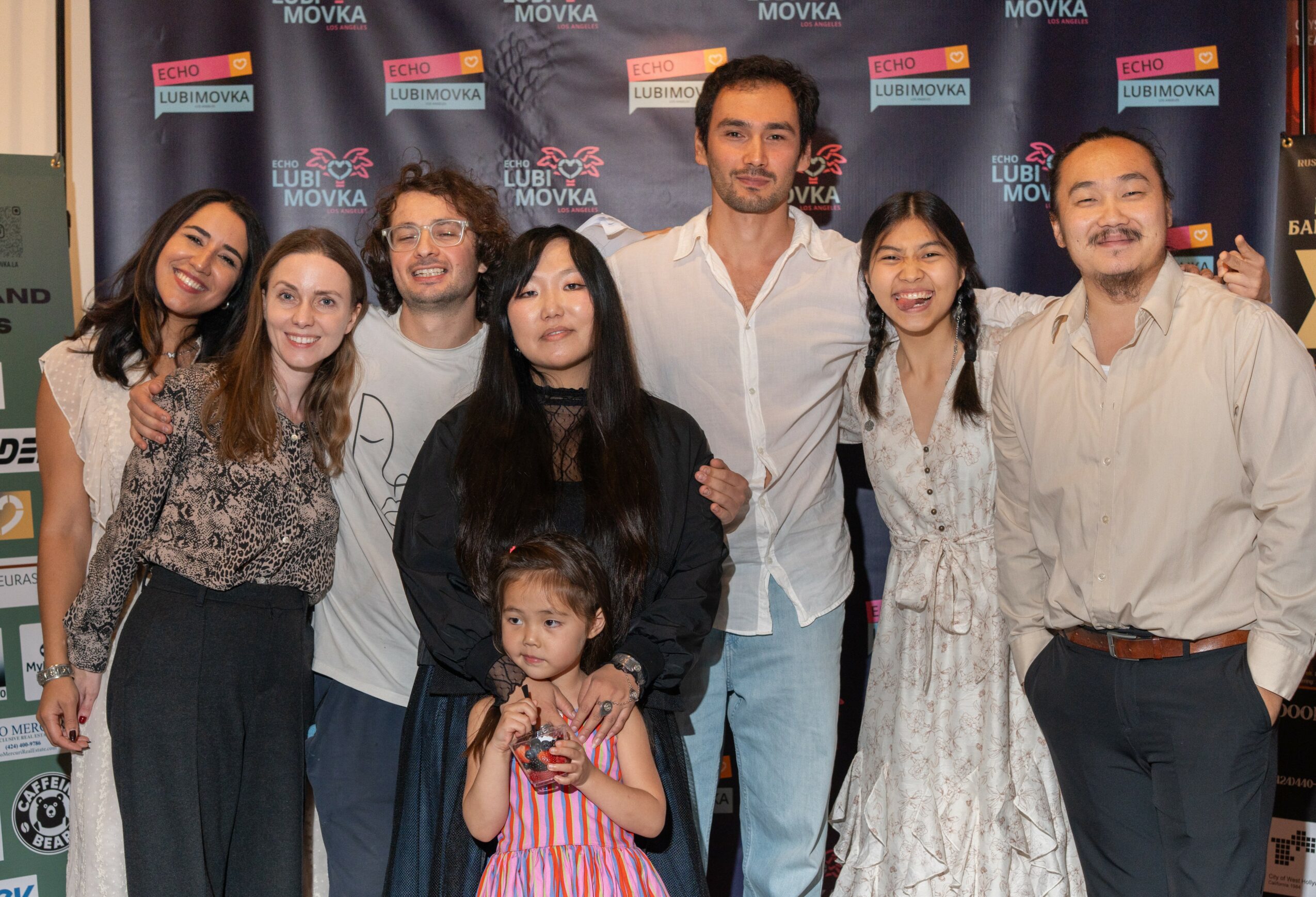
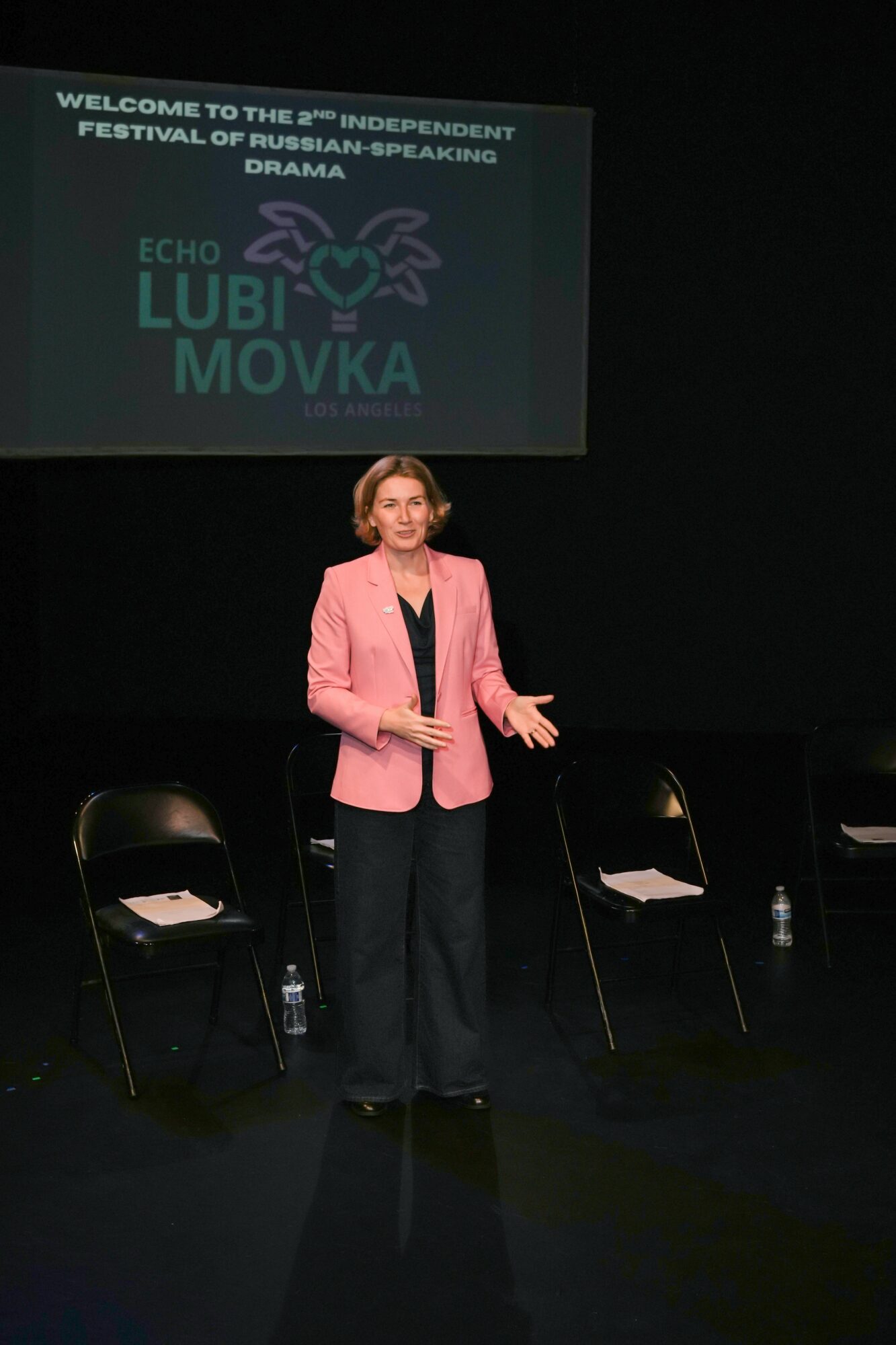
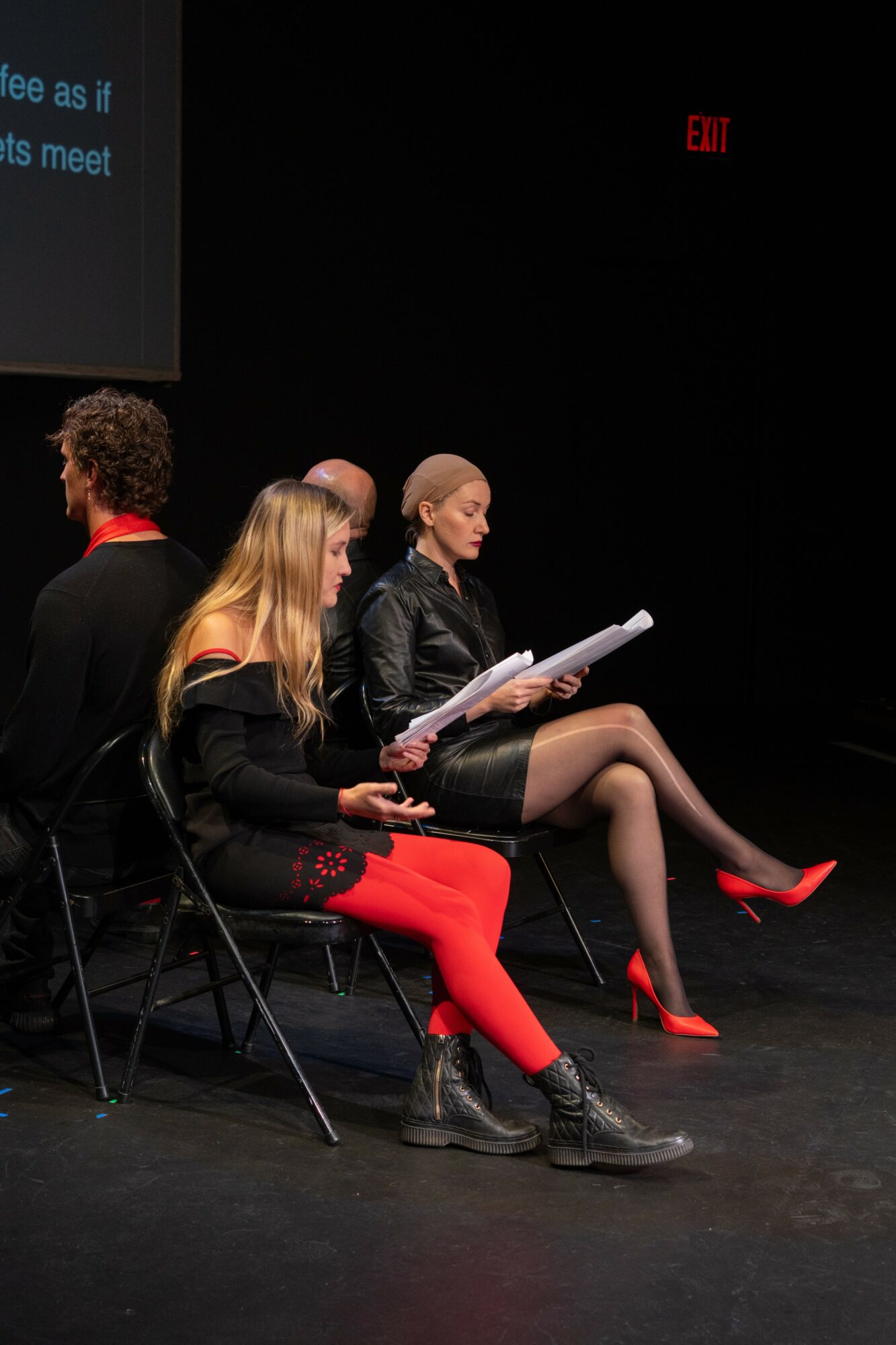
Image Credits
Alexander Mukhin
Julia Marchuk
Yvhen Usov
Popular
-

Portraits of the Valley
-

LA’s Most Inspiring Stories
-

Robin Olive on Building an Inclusive Performing Arts Movement and Expanding Opportunities for Every Student
-

Que Johnson on Building Brands That Last: From Visibility to True Market Authority
-

Christina Wren Steps Into the Director’s Chair to Tell Stories That Feel Like Home
-

JordanL on ‘Breathe,’ Belief, and Building a Movement Beyond the Music


