



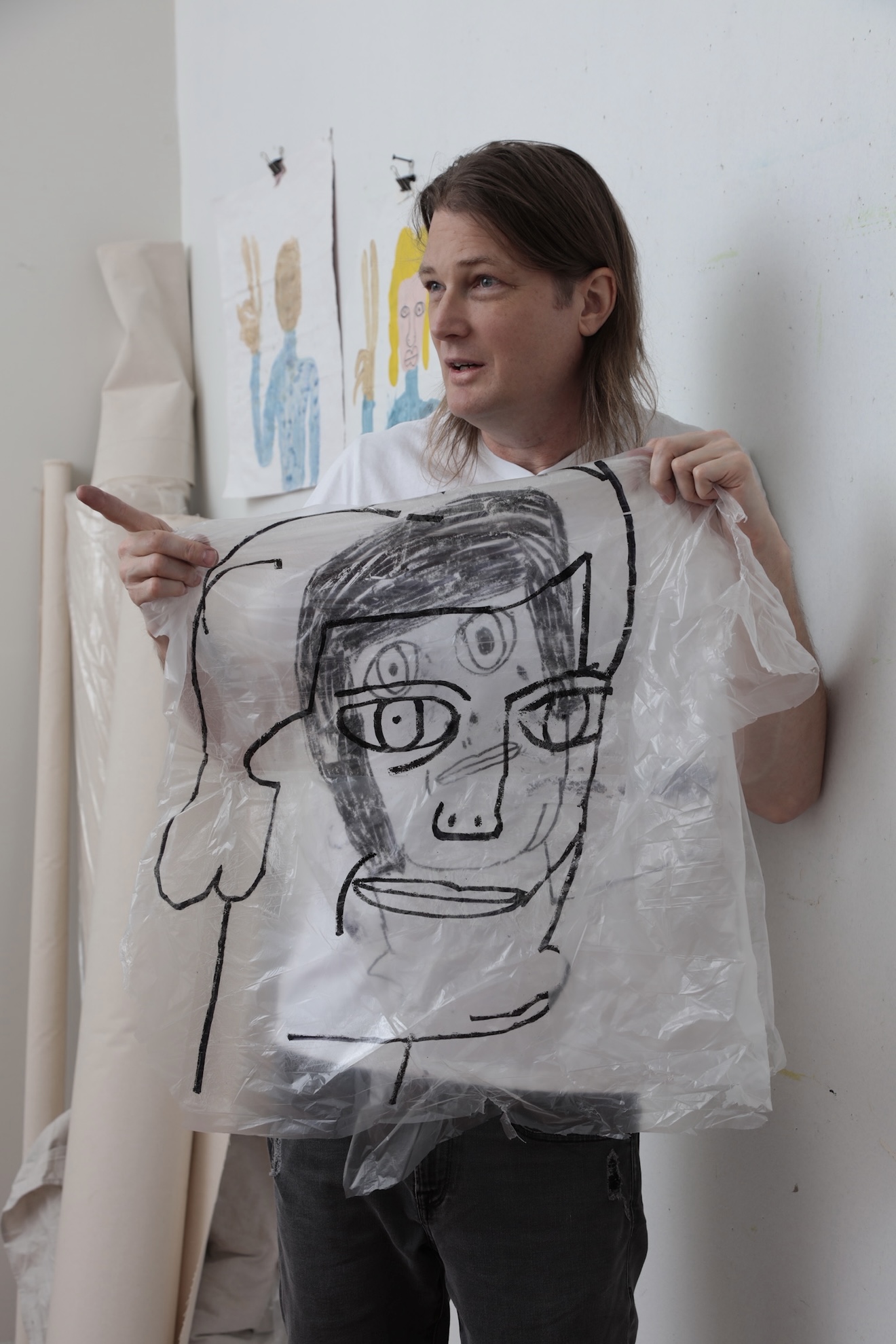
Today we’d like to introduce you to Curt LeMieux.
Curt , we appreciate you taking the time to share your story with us today. Where does your story begin?
In the third grade, a traveling art teacher showed my class an article on Pop art in Life magazine and instructed us to copy any artwork we wanted. I chose Warhol’s soup cans but swapped the soup containers for rows of rubber duckies, winning a first-place ribbon at the local fair. It was the first time I felt an authentic connection to my community, and it sparked the thrill of exhibiting my work.
As a young boy, I was also heavily influenced by my paternal grandfather, who suffered from dementia and made raw, expressive line drawings on anything he could find. Watching him closely, I learned that art could be immediate. There was a sense of urgency to his drawing that I paid close attention to; his work made perfect sense to me, offering a rare window into his inner world and imagination.
In many ways, I still approach art just as my grandfather did. I prefer working methods that are direct and simplified; overly fussy or complicated processes quickly frustrate me, and I lose interest. There is a constant, driving need to get to the next image and move the work forward. While some might view this urgency as a lack of patience, I have learned to embrace these characteristics and exploit them stylistically, leaning into my impulses and trusting my instincts.
I have been incredibly fortunate. Over the course of my career, I have exhibited consistently and created work that truly resonates with a core audience. I have also forged deeply meaningful, lasting friendships centered on creativity, which is perhaps the most rewarding byproduct of living life as an artist. Ultimately, I am where I am today because of a profoundly supportive community of family, friends, and fellow artists.
I’m sure it wasn’t obstacle-free, but would you say the journey has been fairly smooth so far?
The journey has been extraordinary, but the road has been rough at times, marked by varied struggles—the most persistent and challenging being social class.
Generationally, I am deeply connected to poverty and hardship. My ancestors worked the iron ore mines, shipping yards, and logging camps of Wisconsin and Michigan, many of them maimed by the mechanisms of industry. When my dad secured a union job as a forklift operator at a local grocery warehouse in the 1970s, it allowed my siblings and me to escape poverty and enter a working-class life.
Many of my core values were forged in that environment, making it a stark challenge to navigate the complex socioeconomic landscape of the art world. For years, I kept my background hidden; social class was a topic not to be discussed. I sheltered others from what I saw as the unsightly aspects of my culture of origin because I feared rejection. I concealed the messiness of my life from middle- and upper-class colleagues to avoid their judgment. By conforming to their values and norms, I did what was required of me—and for years, I was mostly unaware of this dynamic.
Recently, however, a broader permission structure has emerged, allowing artists to engage in meaningful dialogue about how access to wealth impacts both art and creators. There is a vital, burgeoning conversation about how people from diverse socioeconomic backgrounds can work together from a place of mutual respect and support. I believe this shift is both deeply healthy and essential.
Thanks – so what else should our readers know about your work and what you’re currently focused on?
As a visual artist, my practice centers on experimental and exploratory processes. While my work encompasses a diverse range of genres, it remains deeply grounded in drawing and painting, driven by a desire to push the functional limits of materials and distort form. Pieces that engage with pop culture establish an immediate point of connection that resonates with audiences.
During the lead-up to the 2012 and 2016 presidential elections, I created a series of deliberately quirky presidential portraits that highlighted the broader degradation of contemporary civil discourse. This thematic exploration evolved into Heroes, a subsequent series of enamel paintings reinterpreting classic album covers. Documented and presented by photographer Josh White, the Heroes collection debuted across exhibitions in Los Angeles and New York throughout 2023 and 2024.
My recent studio work investigates vintage cigarette and alcohol advertising, combining stylized text with distorted human and animal imagery to exploit the inherent awkwardness of the source material. Currently, I am developing a set of sculptural costumes for a play written and directed by Asher Hartman and producing collaborative artworks with Marley Van Peebles.
I am very proud of the exhibition To Leave a Mark On, currently on view at the Tweed Museum of Art on the campus of the University of Minnesota Duluth. Jointly organized with museum director Julie Delliquanti, To Leave a Mark On centers on artistic kinship and invites viewers to consider the formative figures and peers who influence and sustain an artistic practice. In terms of what sets me apart from others, I posit that a prolific and varied output coupled with an intense passion for artistic expression allows me to approach complex visual problems with distinct agility and emotional depth.
Can you tell us more about what you were like growing up?
That is a somewhat complicated—and perhaps slightly comical—question. Growing up, I was artistic, intellectual, and deeply philosophical. As a teenager, my friends often sought out my counsel and valued my unique perspective. At the same time, I felt like I didn’t belong; I felt like an outsider, though that never bothered me much. I spent a lot of time escaping into my own imagination, yet I was also deeply restless and hyperactive.
In terms of my interests, I loved nature, especially lakes and rivers. I was always outside—building something, climbing on top of something, or tearing something apart. I made drawings, paintings, and sculptures using whatever I could find, from natural materials to industrial refuse like tar, coal, and gypsum. Alongside that physical exploration, I was heavily drawn to music and pop culture.
Contact Info:
- Website: https://www.curtlemieux.com
- Instagram: @curtlemieux
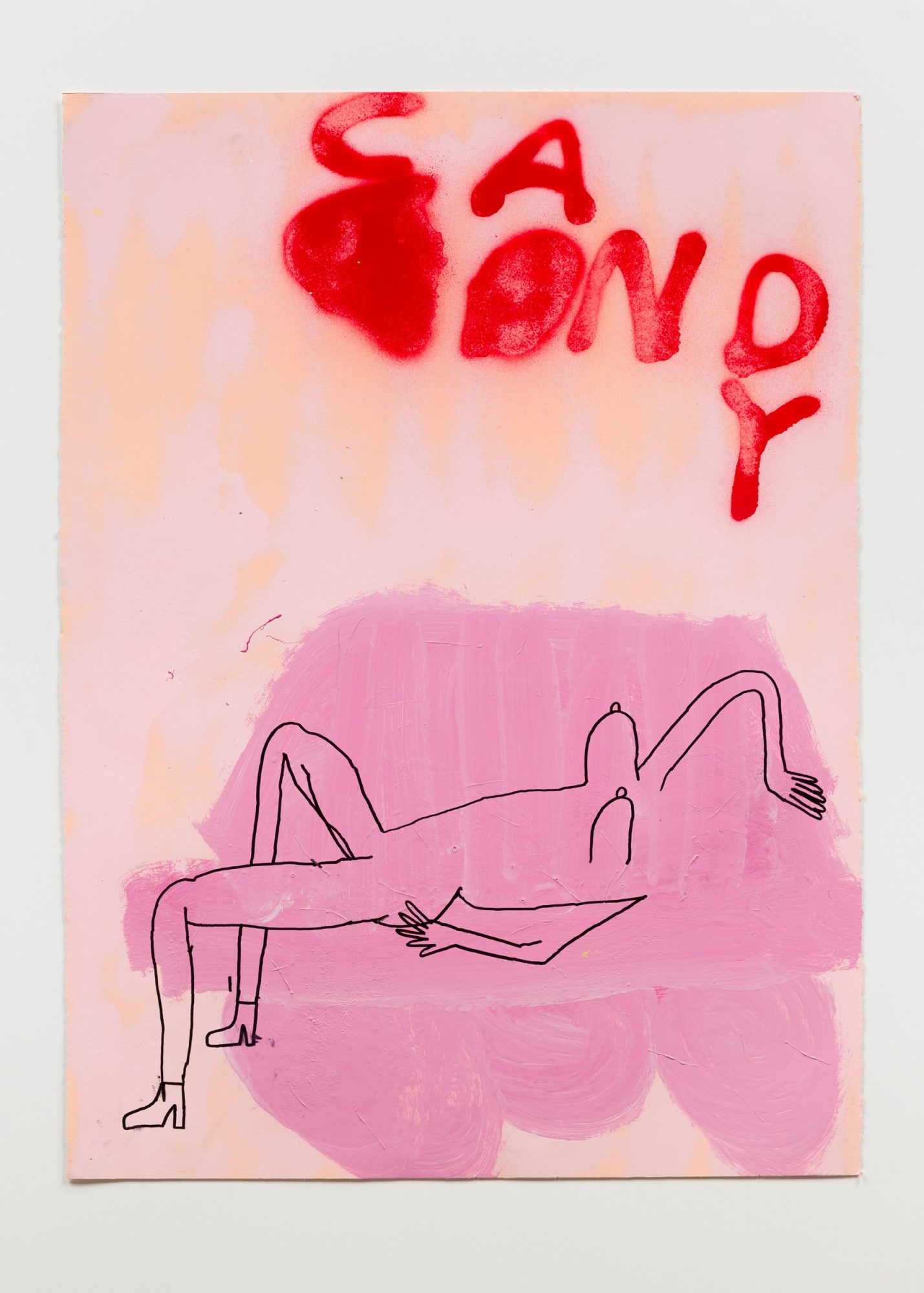
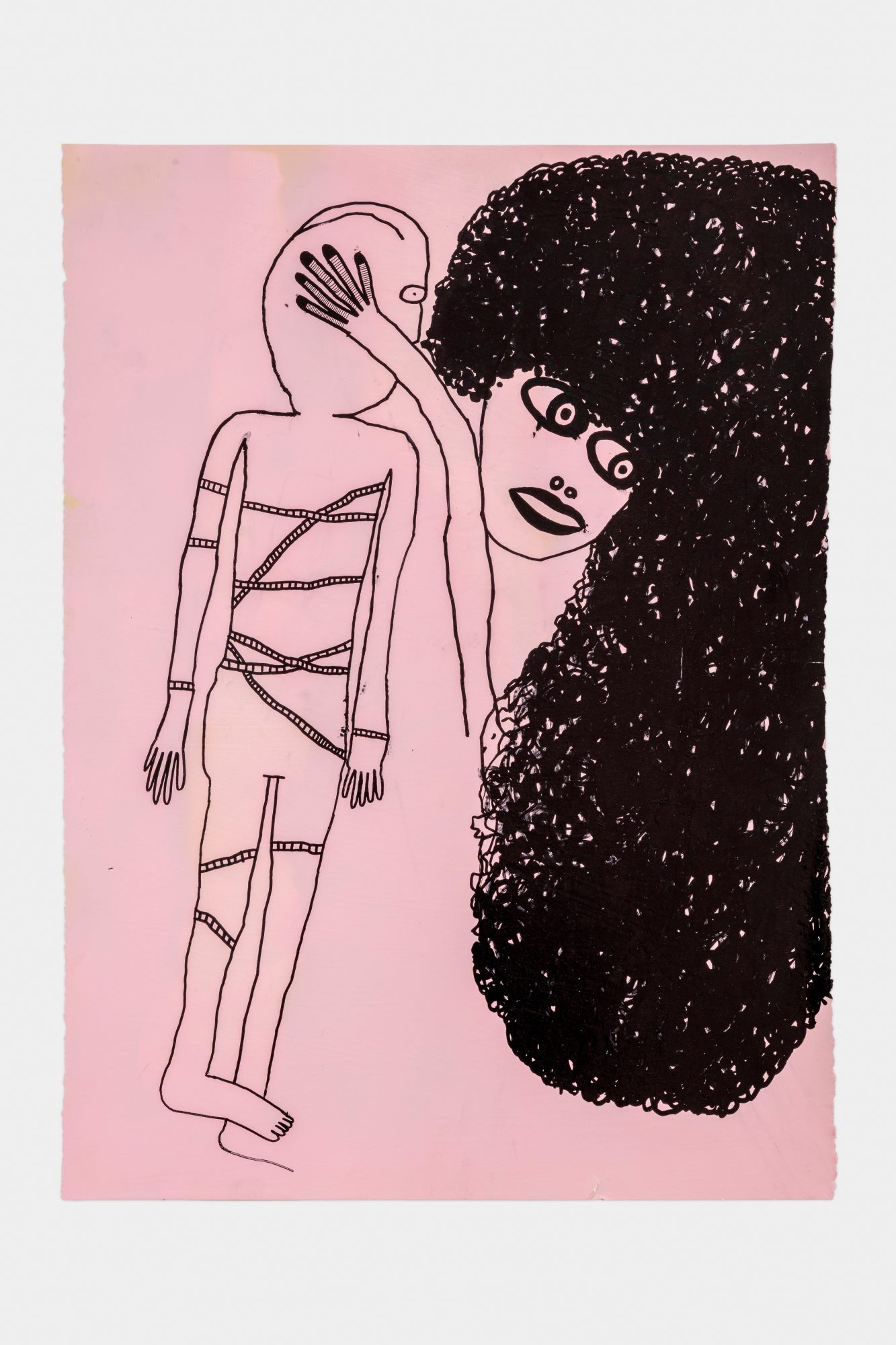
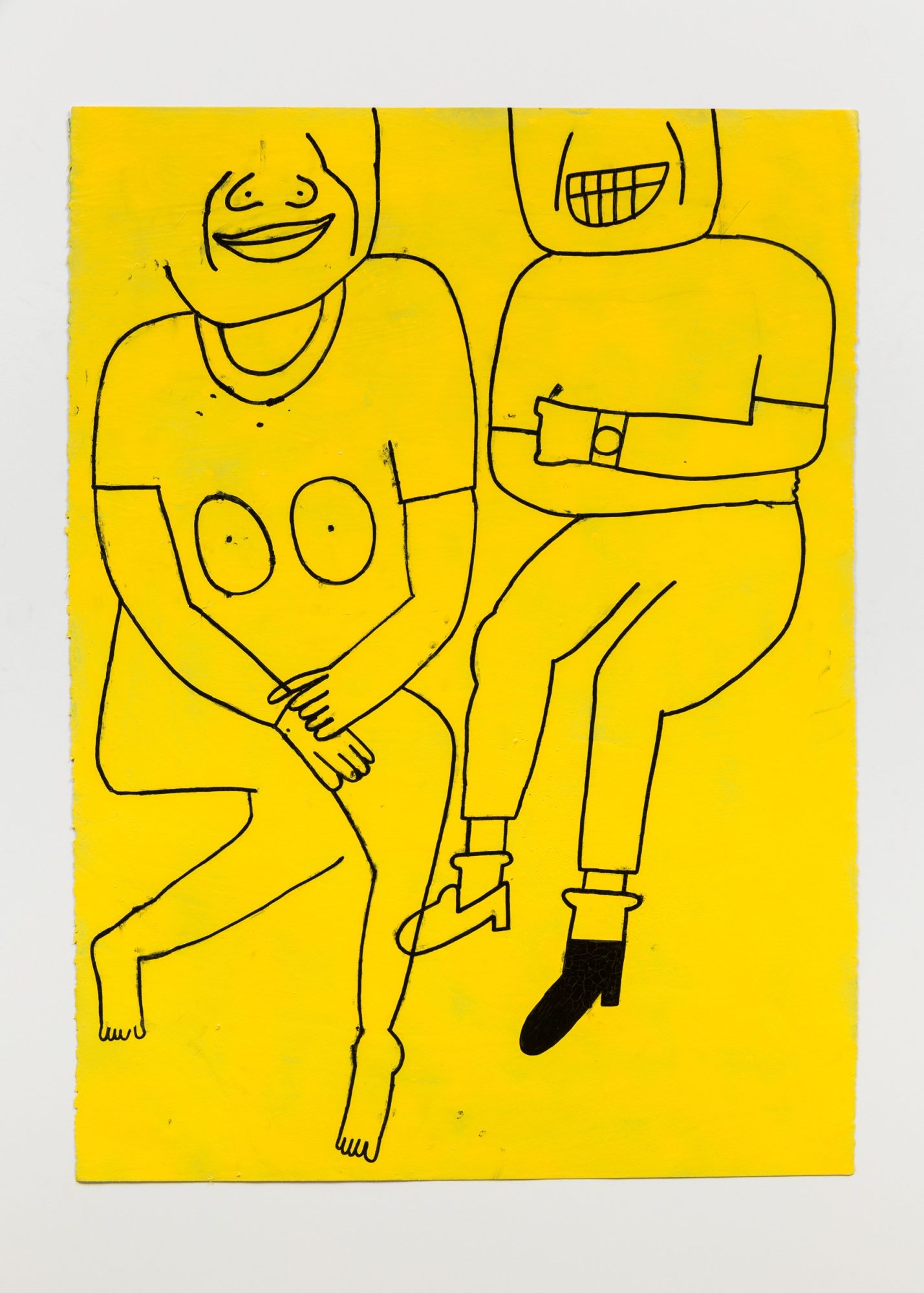
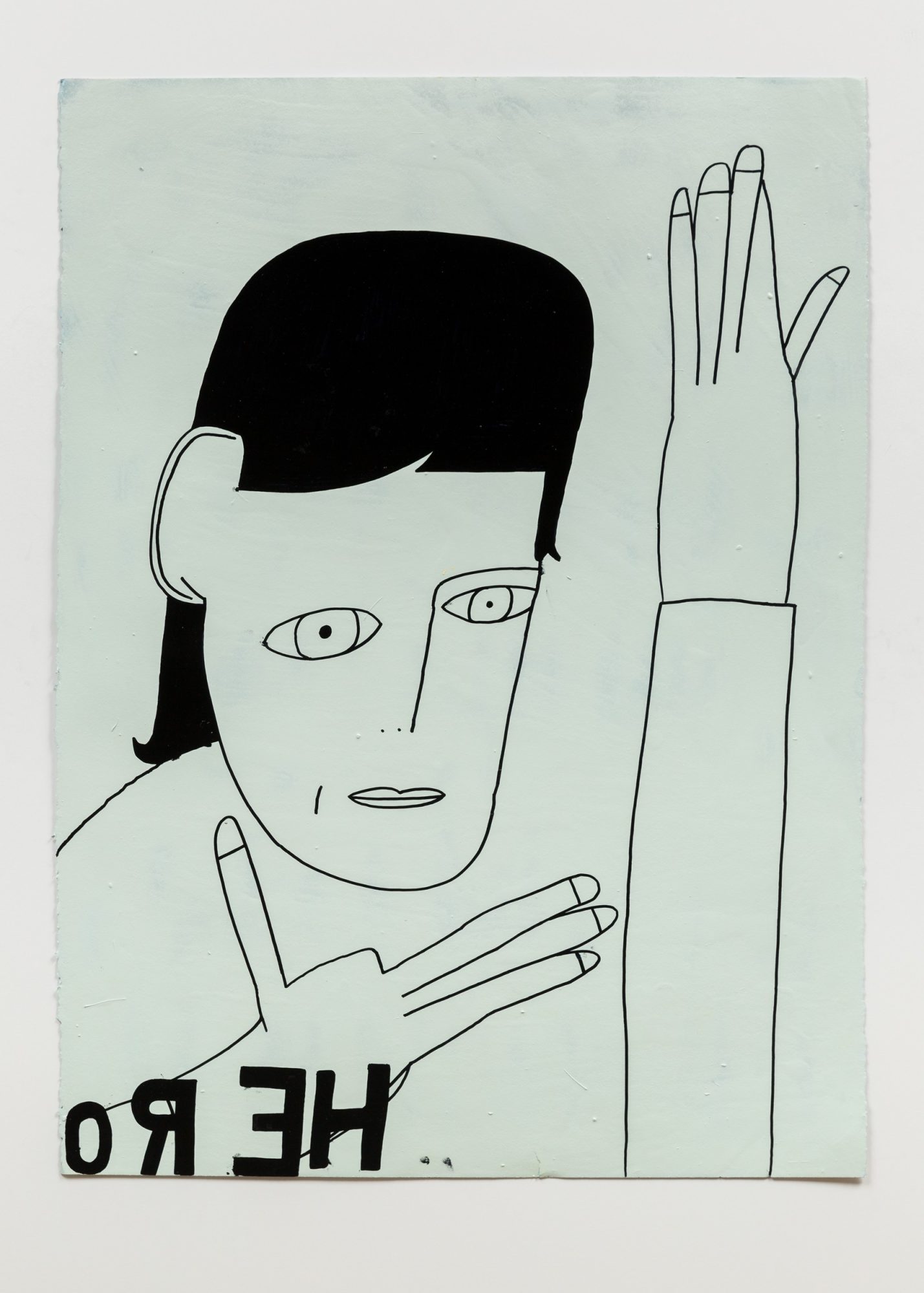
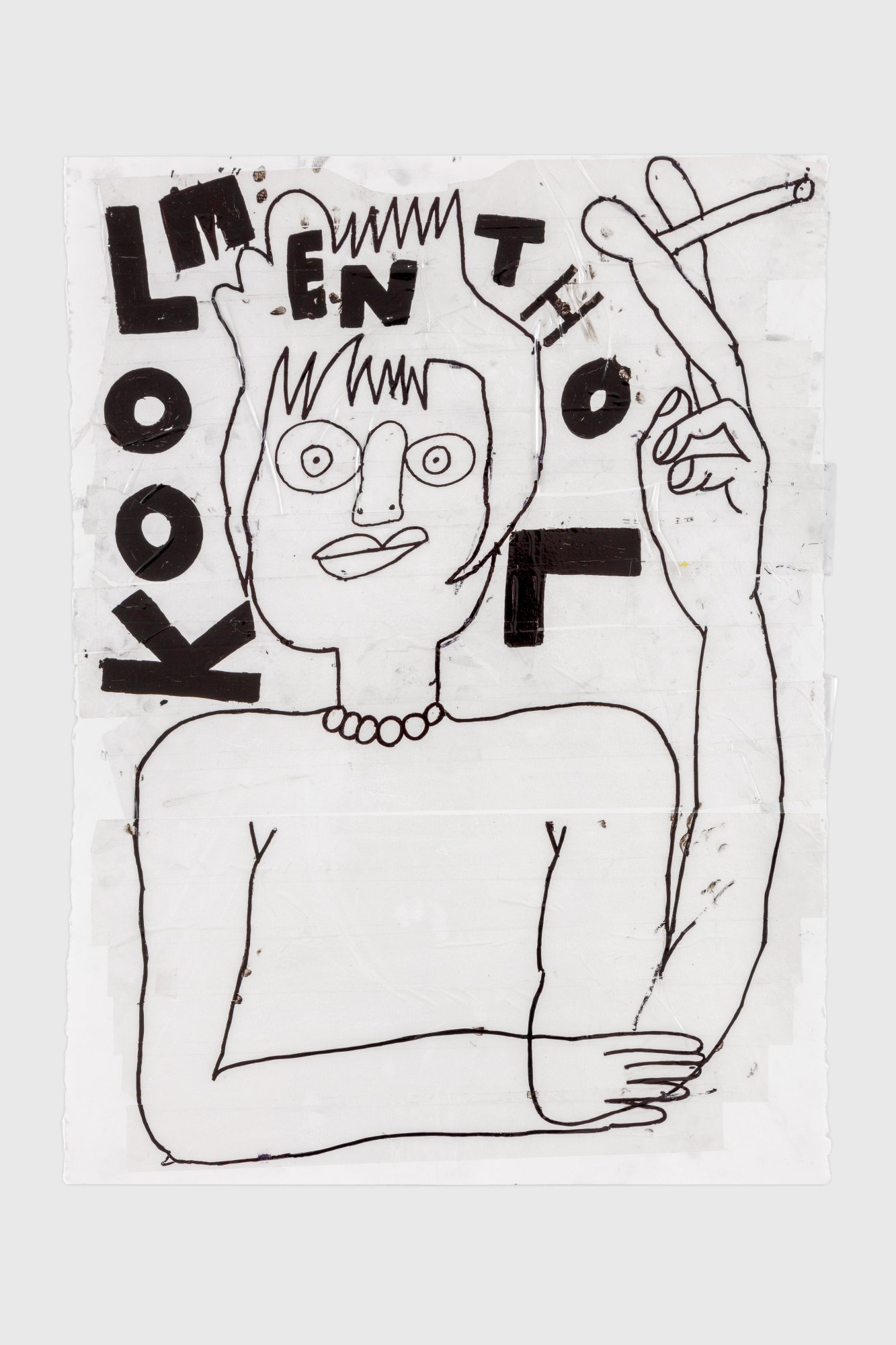
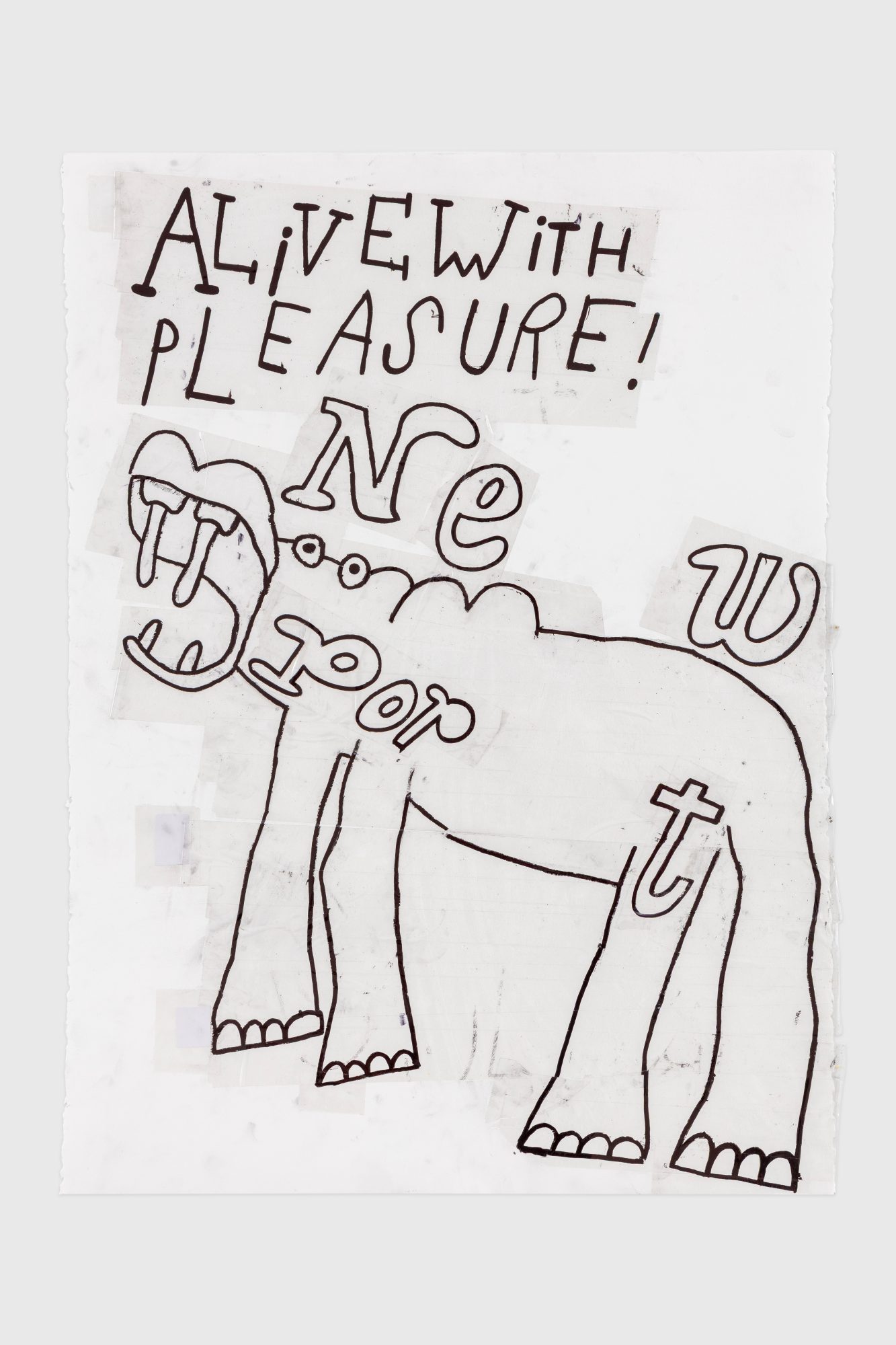
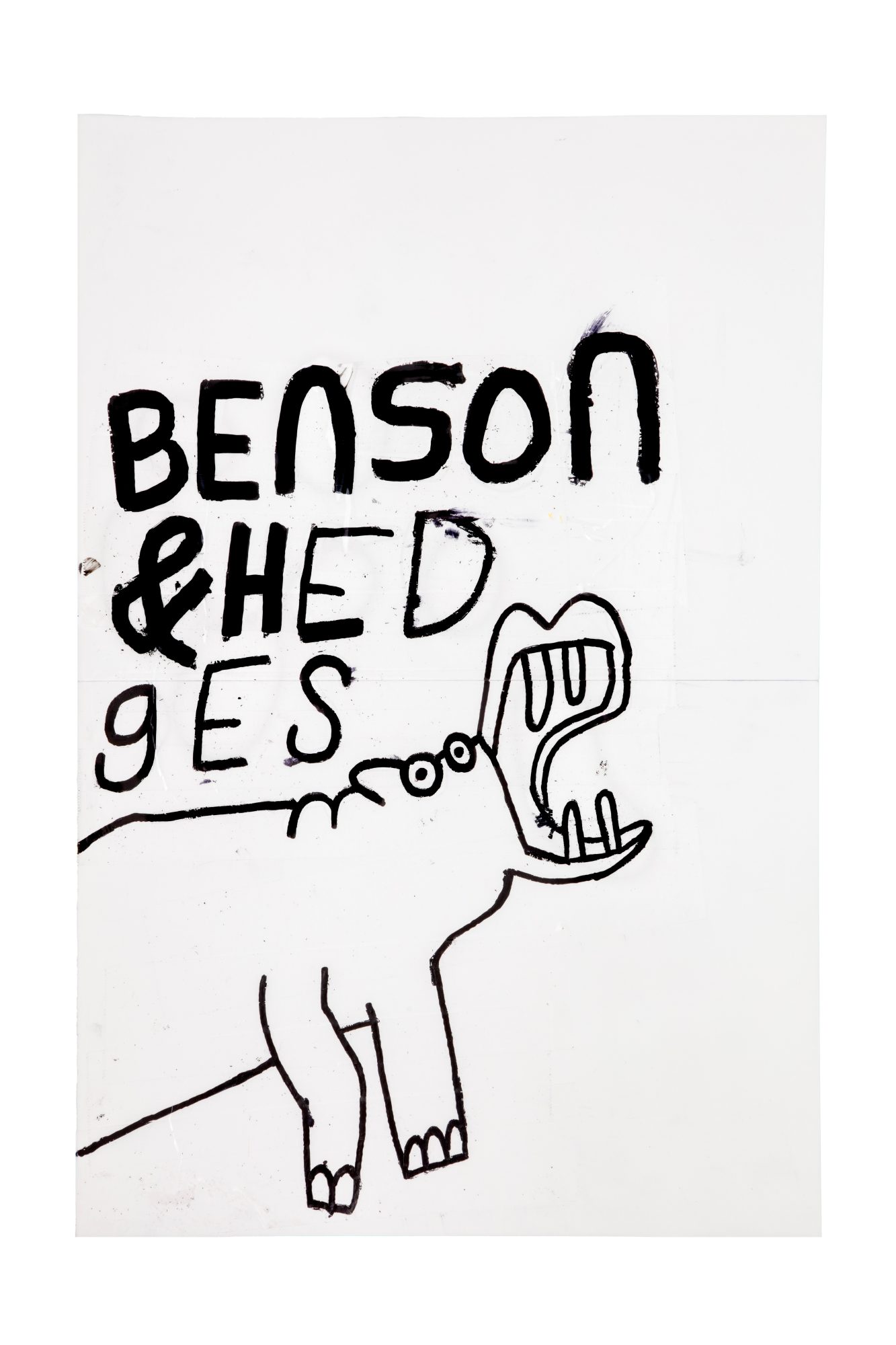
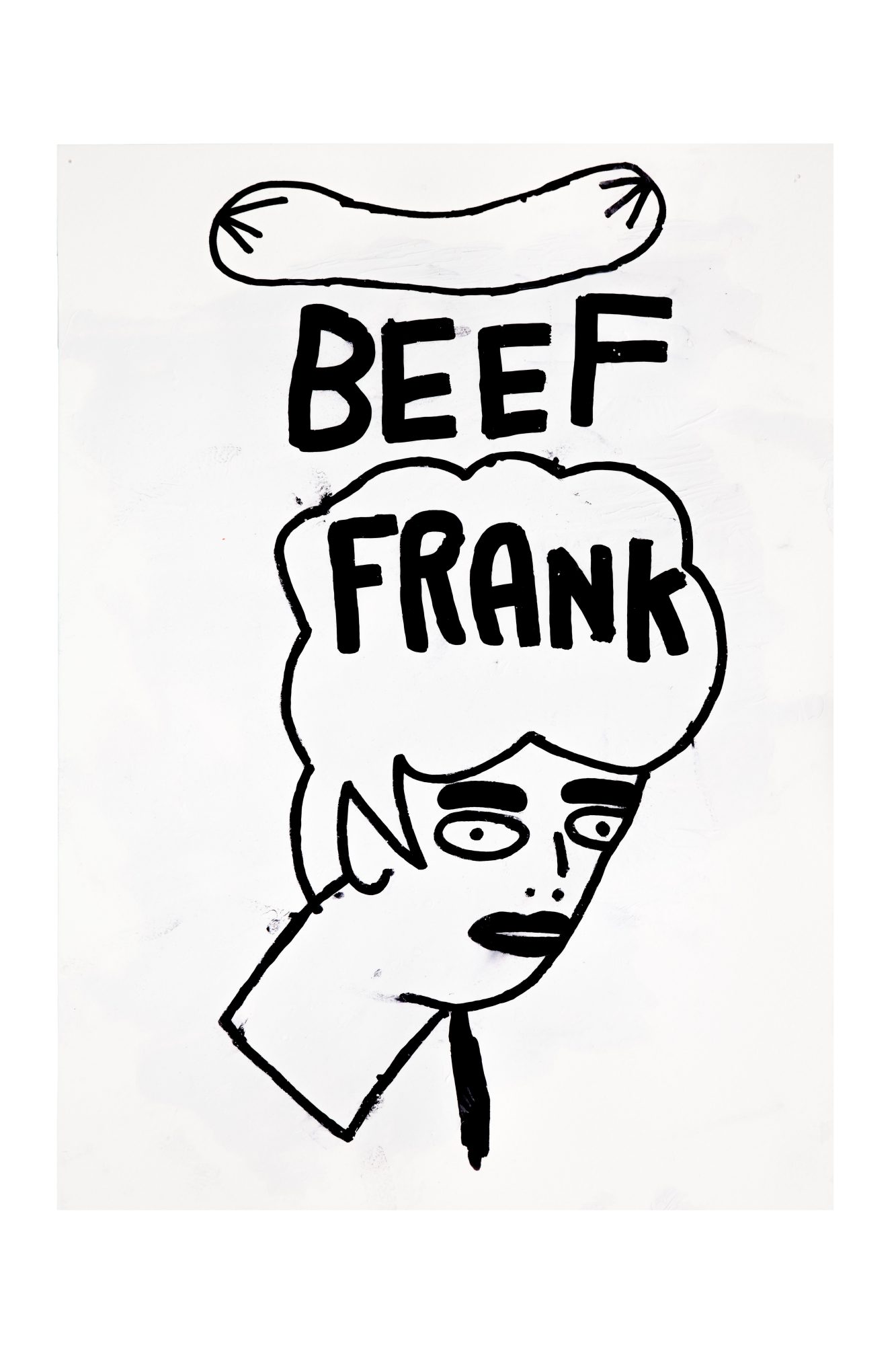
Image Credits
Joshua White Photography
Popular
-

Portraits of the Valley
-

LA’s Most Inspiring Stories
-
Mason Ewing Is Bringing a World of His Imagination to Life Through Film
-

Dr. NanaEfua Afoh-Manin Is Rethinking What It Means to Be Healthy, Not Just Healed
-

Greg Hex Is Turning the Everyday Kitchen Knife Into a Modern Design Object
-

Rick Norris Learned That Building a Successful Business Means Building a Life You Actually Want to Live


