





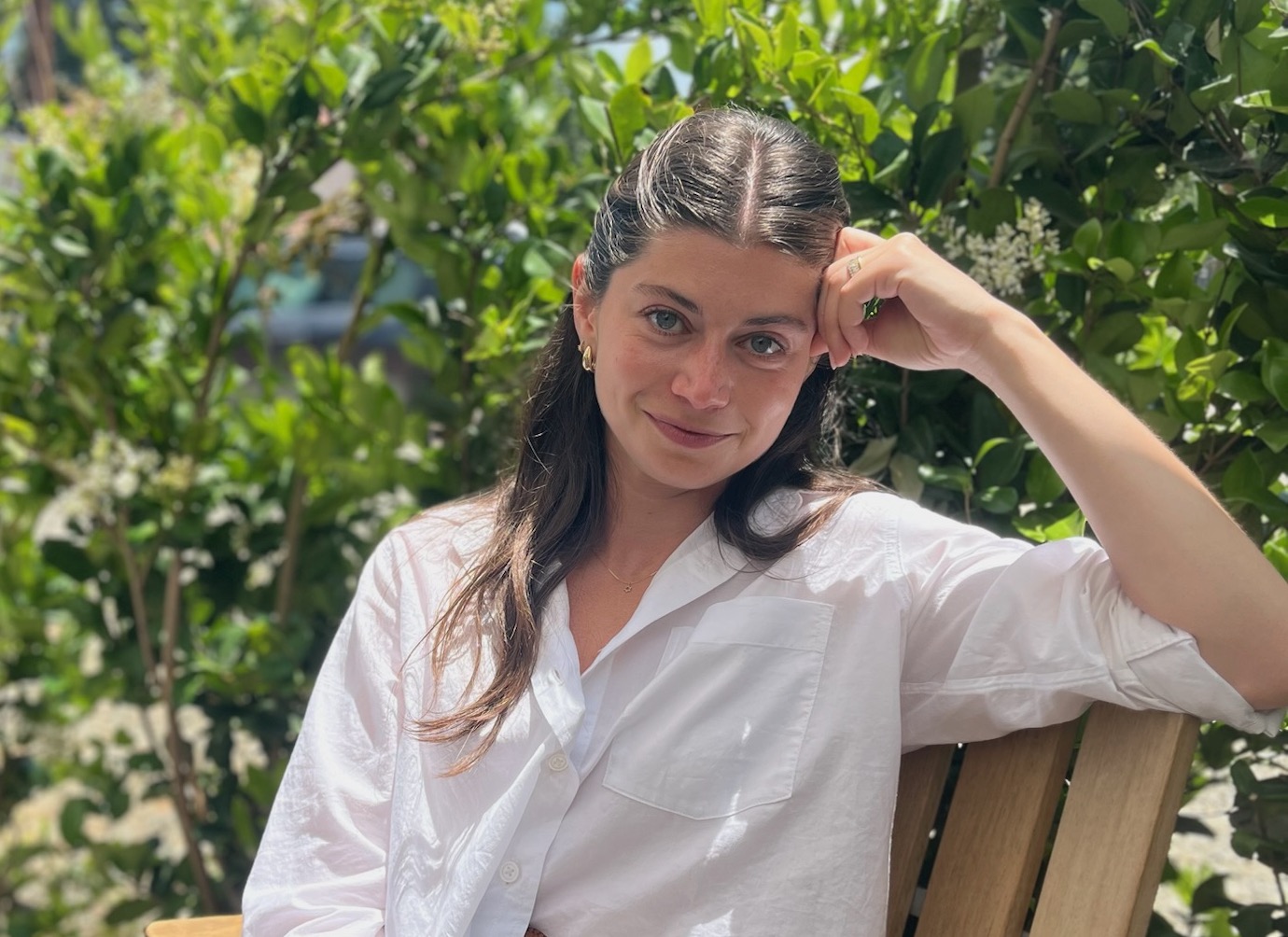
Today we’d like to introduce you to Brooke Schwartz.
Hi Brooke, thanks for joining us today. We’d love for you to start by introducing yourself.
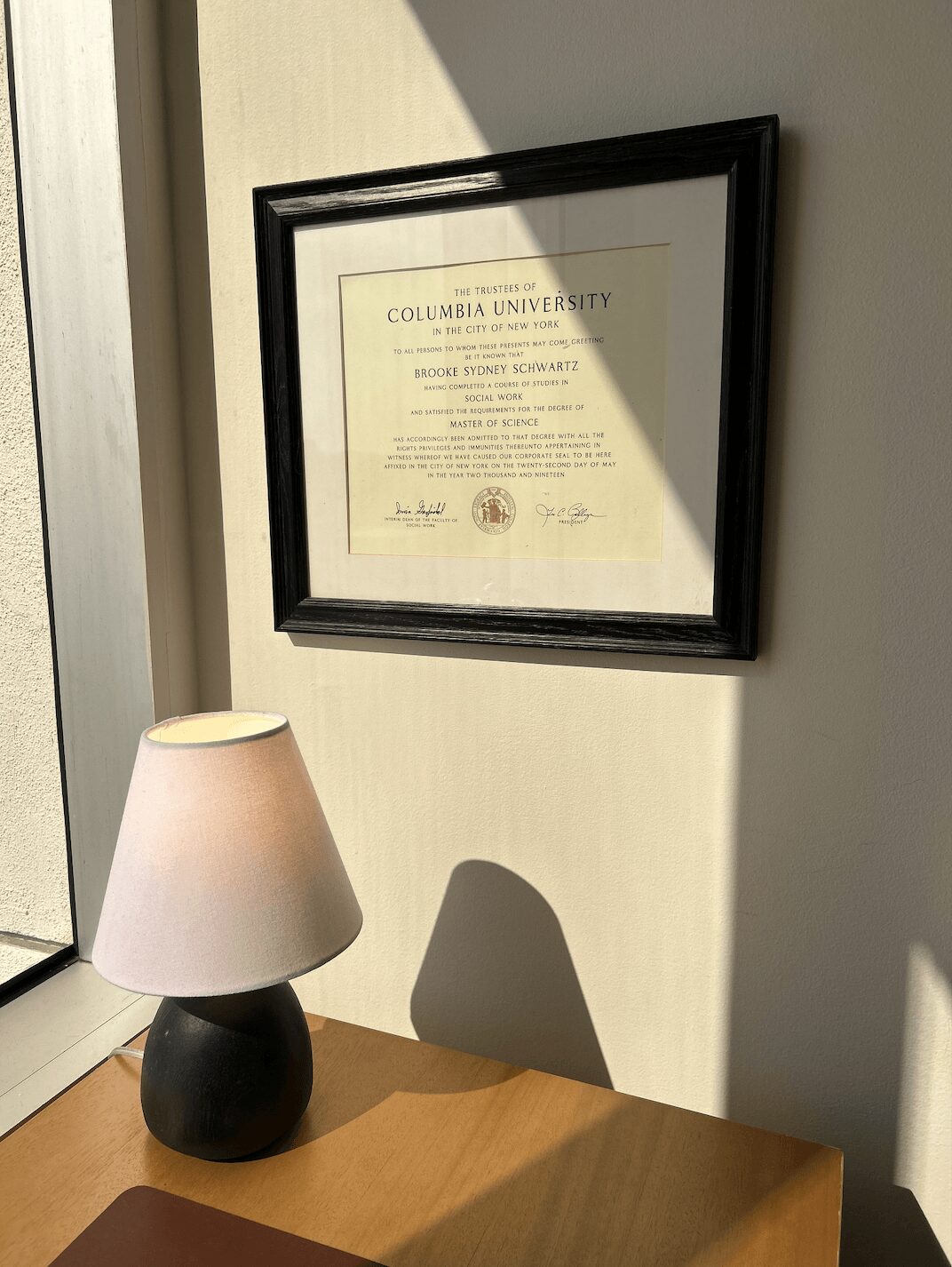
This question makes me realize how sterile the spiel is that I’m accustomed to giving when asked how I became a therapist! What I normally say is that I attended the Columbia University School of Social Work in New York City, where I was accepted into a year-long training program in Dialectical Behavioral Therapy (DBT) and completed my internship at the NYU Child Study Center. After graduating, I worked for several years with suicidal and self-harming teens and adults doing comprehensive DBT, first in New York City and then in West LA after a temporary COVID move turned permanent, which ultimately led me to open my private practice in 2021.
The messier and more vulnerable story starts when I was four years old. My parents’ contentious divorce introduced me to what felt like a never-ending stream of southwestern Connecticut’s therapists, mediators, and visitation supervisors. I was vehemently opposed to spending time with my dad, but felt like I was screaming into a void when I told them, no matter how I explained or justified my reasoning. In true childlike fashion, I decided that all therapists are mean and that if all it takes to be a “good” one is to be nice, it couldn’t be that hard. And that’s how I chose my career!
But there were so many years left at home until I could start it, and the anxiety I’d developed as a child intensified. It felt harder and harder to keep up with the expectations I’d set for myself to be a good student, good daughter, and stereotypical “good girl.”
During my senior year of high school as college decisions came out and I was rejected from my first choice school, the years of untreated anxiety and trauma culminated in a depressive episode that turned my bed into such a lifeline I didn’t leave for three months. I couldn’t believe being “good” wasn’t enough. It was so strange not to care about anything after so many years being consumed by everything.
I realized I likely wouldn’t graduate if I didn’t do something drastic, so even though my court-mandated therapy sessions had long ended, I reluctantly asked my mom if I could start working with a therapist and begin medication. It was different that time around because it had been my choice. My goals were prioritized, my symptoms treated, and my evolving sense of helplessness validated yet challenged. My therapist expanded my idea of what being a “good” therapist meant beyond just being nice.
When I started my social work program at Columbia, I eagerly applied to their selective and intensive DBT Training Program and Lab. I had learned firsthand about suicidality and personality disorders as a child observing her parent. It was time to learn from those who treat them best.
While I loved working with clients diagnosed with borderline personality disorder and those experiencing suicidality and self-harm — especially the teens who felt like life wasn’t worth living — I kept being pulled toward the idea of working with their family members. Now, I work with (and love working with!) clients with a variety of symptoms and experiences, but I have a special place in my heart and on my couch for the ones who coped with their family’s chaos and their own trauma by striving for the ever-unachievable “good.”
Would you say it’s been a smooth road, and if not what are some of the biggest challenges you’ve faced along the way?
It’s been smooth at times and bumpy at others. I do feel, though, like the longer I’m in practice the easier it is to remember that the bumps come and go.
Early on when I was working predominantly with suicidal and self-harming clients, I had a hard time disentangling their progress and my value as a therapist. I clung so tightly to measurable outcomes (e.g., more time spent out of bed, fewer thoughts about suicide) in a way that guaranteed my own self-judgment. Now that I think of it, I was probably hoping my clients’ behavior would confirm my “goodness” as a therapist.
Another struggle actually has to do with the time I spend out of the office, which is oftentimes the hardest part of the job. I frequently come home from work and tell my husband, “I just want to stare at a white wall.” While my clients energize me and I find it quite easy to stay engaged in our 50-minute windows, I know I’m susceptible burnout during my off-hours if I’m not setting boundaries that delineate work time from personal time. Luckily, setting rules for myself like not checking my email after 9pm and finding things other than work to talk about with my therapist friends smooth the bumps when they show up.
Lastly, I find it both challenging and amazing that the work I do with my clients can (and frequently does) prompt new reflections and ideas about the work I still have left to do in my own therapy. I’ll be in session with my therapist and bring up my client’s progress or goals as a reference for something I want to work toward. This one’s a struggle because sometimes I just want to avoid my own shit, goddammit! Yet amazing that a giving profession can inspire so much growth within.
As you know, we’re big fans of you and your work. For our readers who might not be as familiar what can you tell them about what you do?
I specialize in working with young adults and couples using evidence-based therapies in the least robotic way possible. Many clients hear “evidence-based” and think manuals and protocols, and while I do love to use those when clinically indicated, I love building relationships more.
My growing practice is built on the premise that a strong therapeutic relationship is vital to achieving the outcomes that evidence-based therapies offer. And the importance of relationships extends to our community as well. We place strong value on the collaboration with prescribers, medical teams, school staff, and others involved in our clients’ lives.
The transition I made from working with severe emotion dysregulation to all-consuming overcontrol like perfectionism and people-pleasing has positioned me uniquely in the field. In addition to prioritizing the therapeutic relationship, my practice is known for being able to span this continuum and spot its overlap, which is more common than most would think. Perfectionists sometimes keep their shit together and other times fall apart. Sometimes dysregulated folks lose their shit and then spend hours thinking about how they’ll word the optimal apology and rehearsing it until it meets a perfectionist’s standards.
I’m very proud of the way I’ve come to hold this dialectic in my practice and the clients it’s allowed me to help. Leaving the comprehensive DBT model felt in some ways like an identity crisis, but given my history, striking this balance makes the transition feel more like a homecoming.
Is there something surprising that you feel even people who know you might not know about?
Maybe that I haven’t ruled out pursuing other careers or professional projects. I think when you are so certain from such a young age about what you want to do, and then you achieve it, many people expect you to keep going down that path whether that means doing the next best thing in your field or just sticking it out because you worked so hard to get there.
But I don’t know if I believe that a career is something achievable. It feels to me more like a process or experiment that should evolve as I do. I doubt I’ll ever give up being a therapist entirely but I know that picking this career was a choice to take care of a younger me, and I want to make sure I’m taking care of the other parts of myself as time goes on.
Pricing:
- $300/session
Contact Info:
- Website: https://www.sawtellepsych.com/brooke
- Instagram: @sawtellepsych
Popular
-

Robin Olive on Building an Inclusive Performing Arts Movement and Expanding Opportunities for Every Student
-

Portraits of the Valley
-

LA’s Most Inspiring Stories
-

Que Johnson on Building Brands That Last: From Visibility to True Market Authority
-

Christina Wren Steps Into the Director’s Chair to Tell Stories That Feel Like Home
-

JordanL on ‘Breathe,’ Belief, and Building a Movement Beyond the Music


