




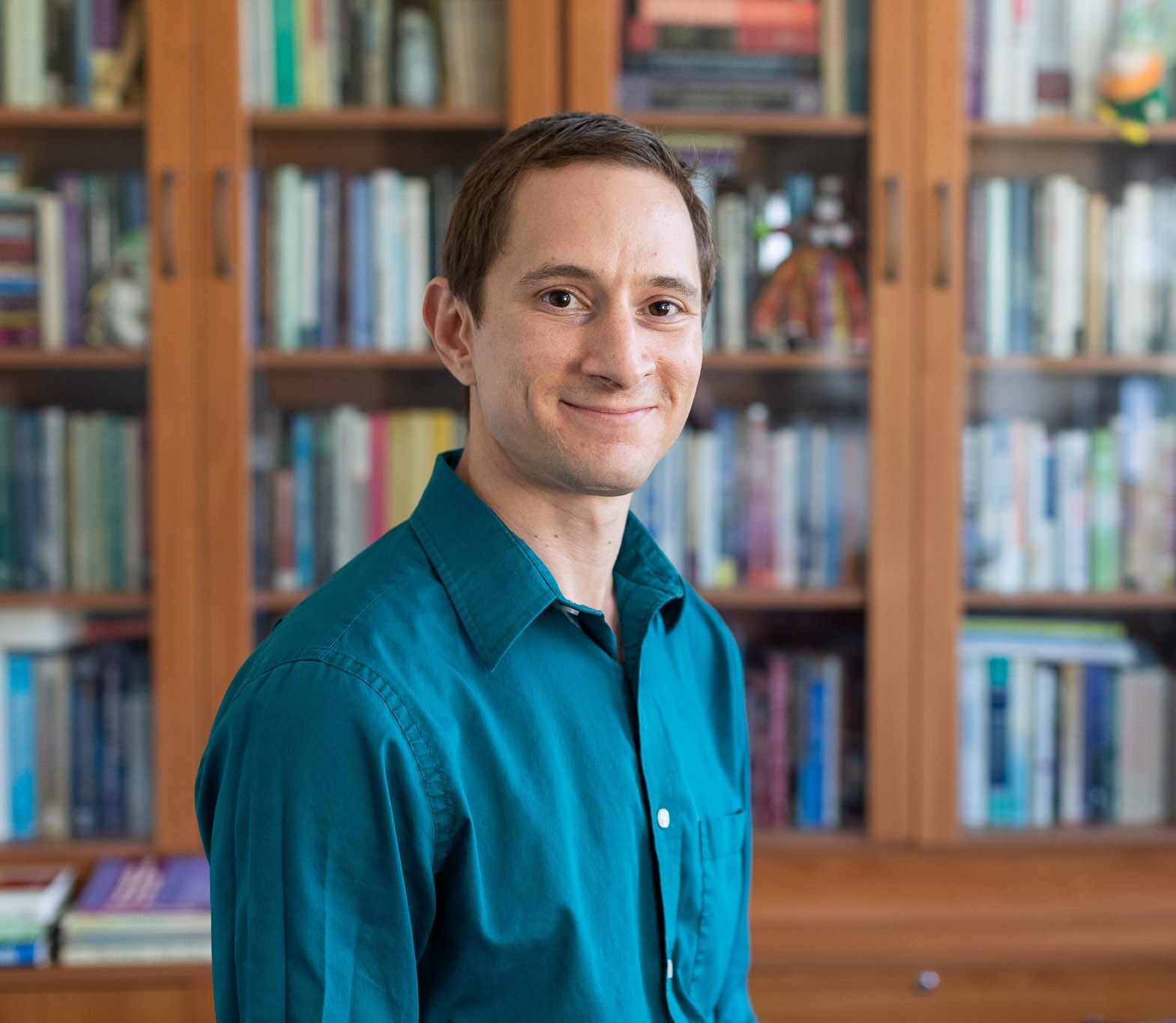
Today we’d like to introduce you to Max Maisel.
Hi Max, so excited to have you with us today. What can you tell us about your story?
When I began graduate school back in 2013, several of my very first therapy clients happened to be individuals who struggled with OCD (Obsessive Compulsive Disorder). Treating OCD was a totally different experience from how I had envisioned therapy to be! At the time, when I imagined what therapy was all about, I pictured sitting in an office with a client, nodding my head and saying “mmhmm” as they poured out their life history.
While understanding a client’s history is also an essential element in OCD therapy, I quickly learned that helping people overcome a disorder as nightmareish as OCD demands a much more change-focused, experiential, and strategic approach, also known as Exposure and Response Prevention (ERP for short). It’s an approach that helps clients learn how to disengage from their OCD by systematically facing down their fears, one step at a time. It’s a collaborative and playful approach, where the goal is to have clients learn to laugh at their intrusive thoughts instead of living in fear of them.
After several sessions playing with raw eggs, sitting in dark rooms, coming up with imagined stories of worst-case scenarios, cutting vegetables with sharp knives, and a myriad of other fun ways to help my clients break out of their OCD, I was hooked! I found ERP to be a beautiful mix of art (e.g., collaborating with clients in creative ways to help them face their fears) and science (e.g., ERP has hundreds of studies backing it’s theory and effectiveness). Furthermore, as a newly minted therapist, I was able to see clients who had been stuck for years and years finally break the bonds of OCD in a relatively short amount of time. It was inspiring and made me feel incredibly grateful to be a part of my clients’ journeys. I also realized that symptoms of OCD go far beyond what we see on TV, such as compulsive handwashing or checking doors/ovens. The more I learned about the various manifestations of OCD in graduate school, the more I realized that this was a challenge I, too, had struggled with throughout my life. This insight allowed me to have opportunities to “practice what I preached” and truly understand many of my clients’ experiences of living with a pesky mind that loves throwing out “sticky” thoughts.
Throughout graduate school, my clinical internship, and postdoctoral fellowship, I accrued as much experience as I could working with OCD and other more severe anxiety disorders. Once I officially became a licensed clinical psychologist in 2019, I opened up my private practice, and I decided to devote my career to helping people overcome OCD and reclaim their lives. I worked at several reputable OCD clinics throughout Los Angeles, as I grew my own practice and connected more with the OCD community in LA.
A bit before my daughter (who is currently 4!) was born, my wife and I moved to the South Bay of Los Angeles, and I set up shop in Redondo Beach. Over time, other clinicians who shared my nerdiness and passion for OCD treatment reached out to join my team, and in 2022, I expanded from a solo practice to a group practice called Beachfront Anxiety Specialists. We now have eight clinicians on the team, a mix of both licensed and pre-licensed therapists, each of whom is devoted to providing science-based care for folks with OCD and anxiety.
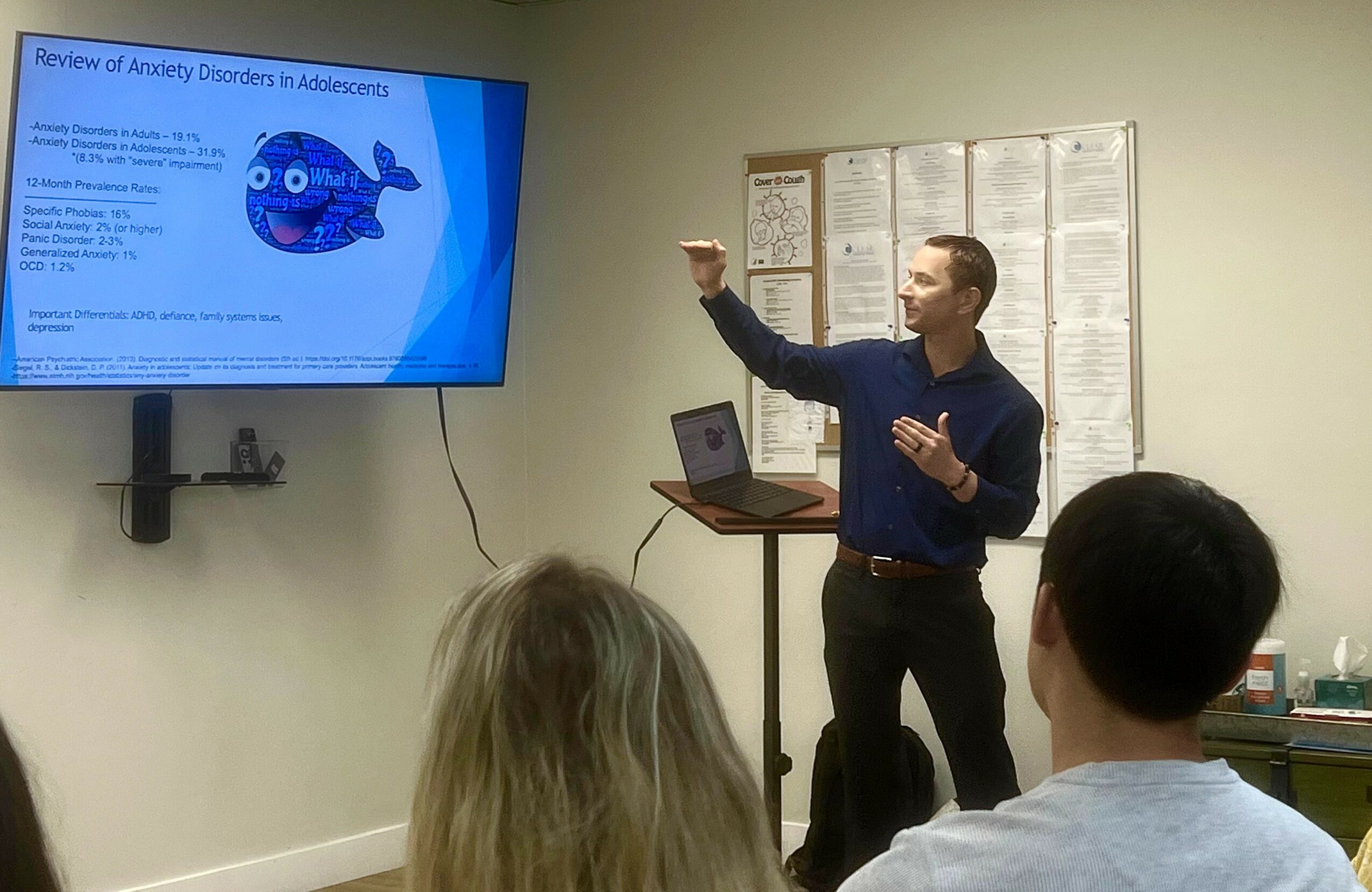
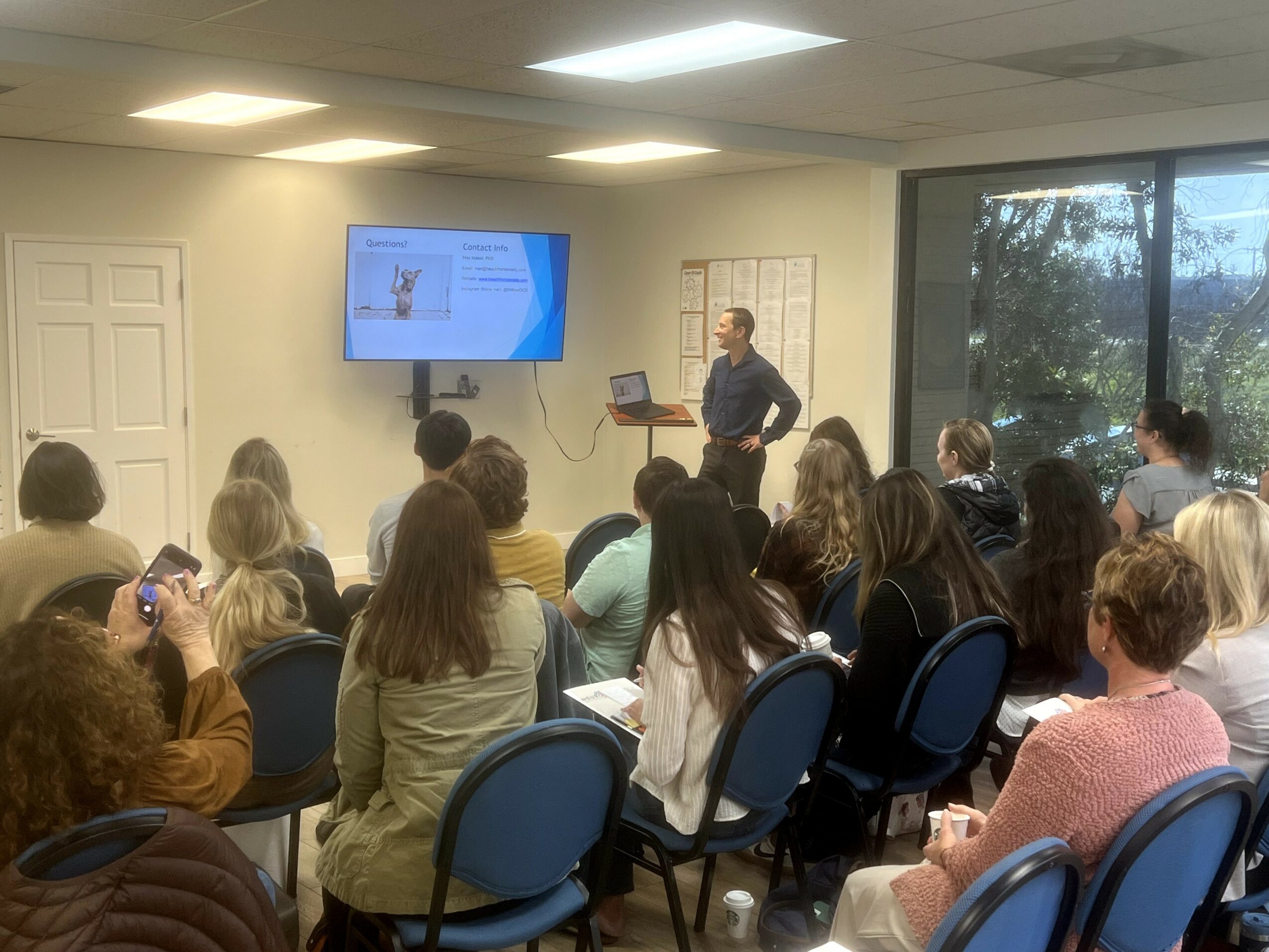
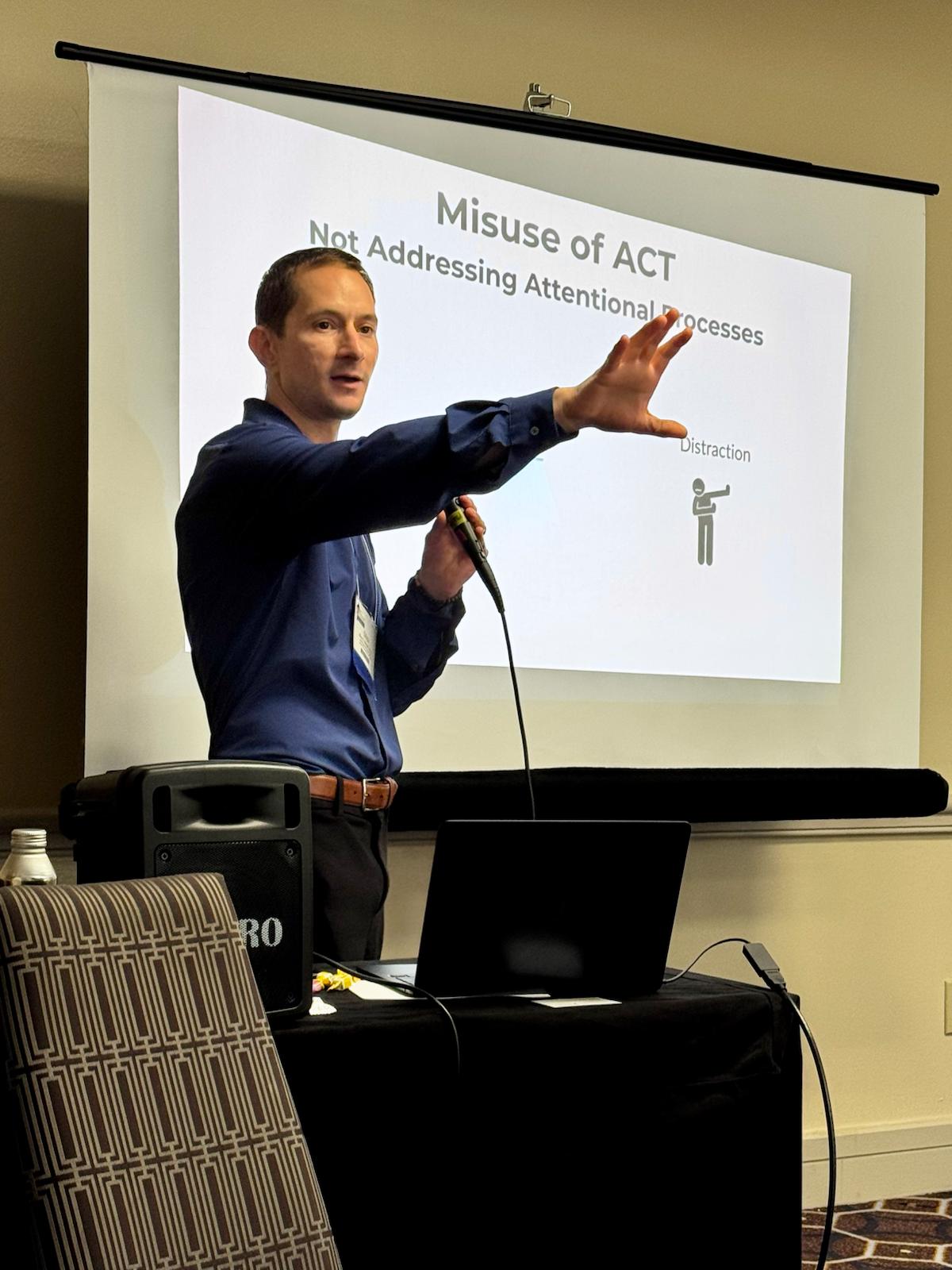
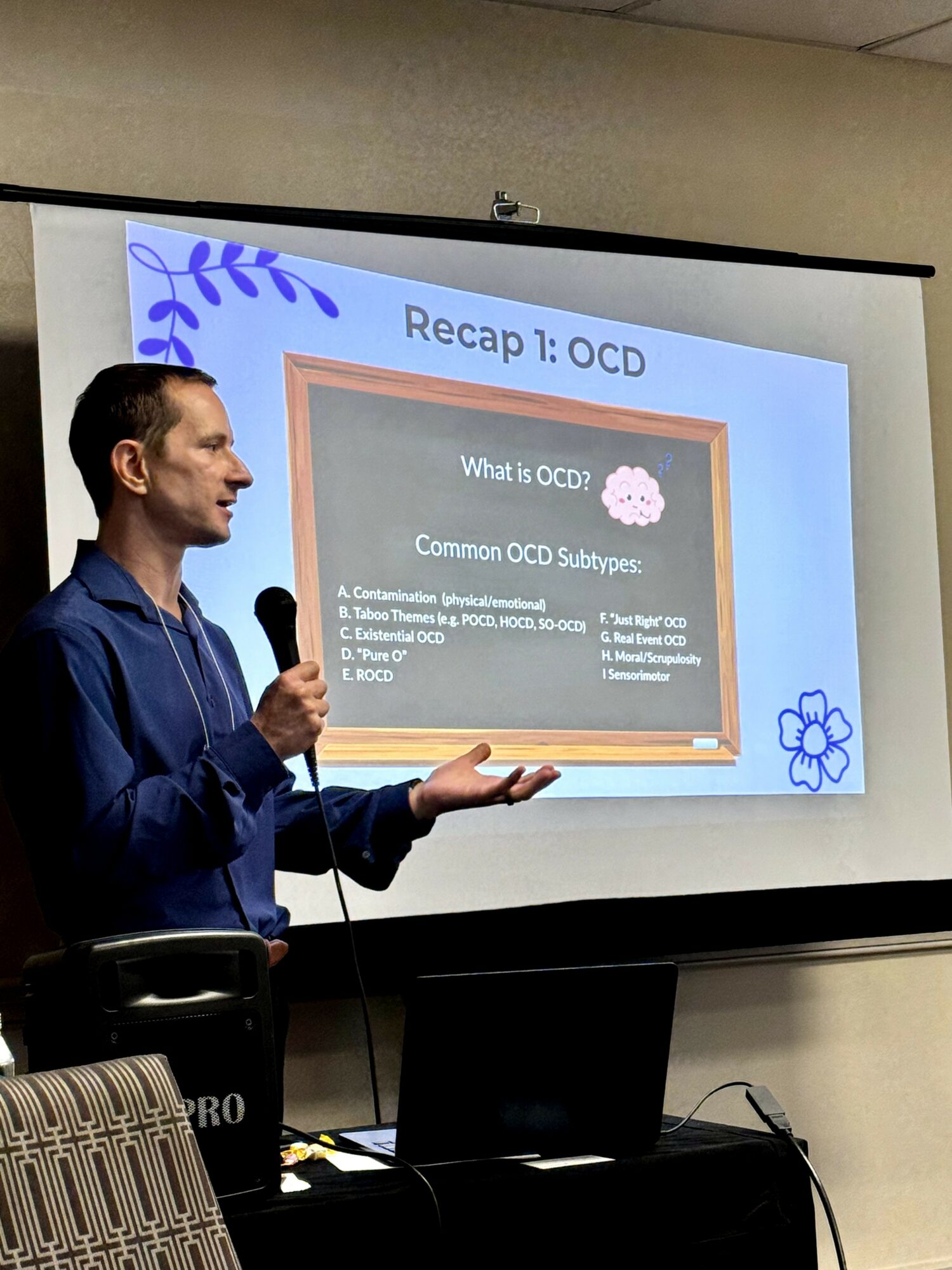
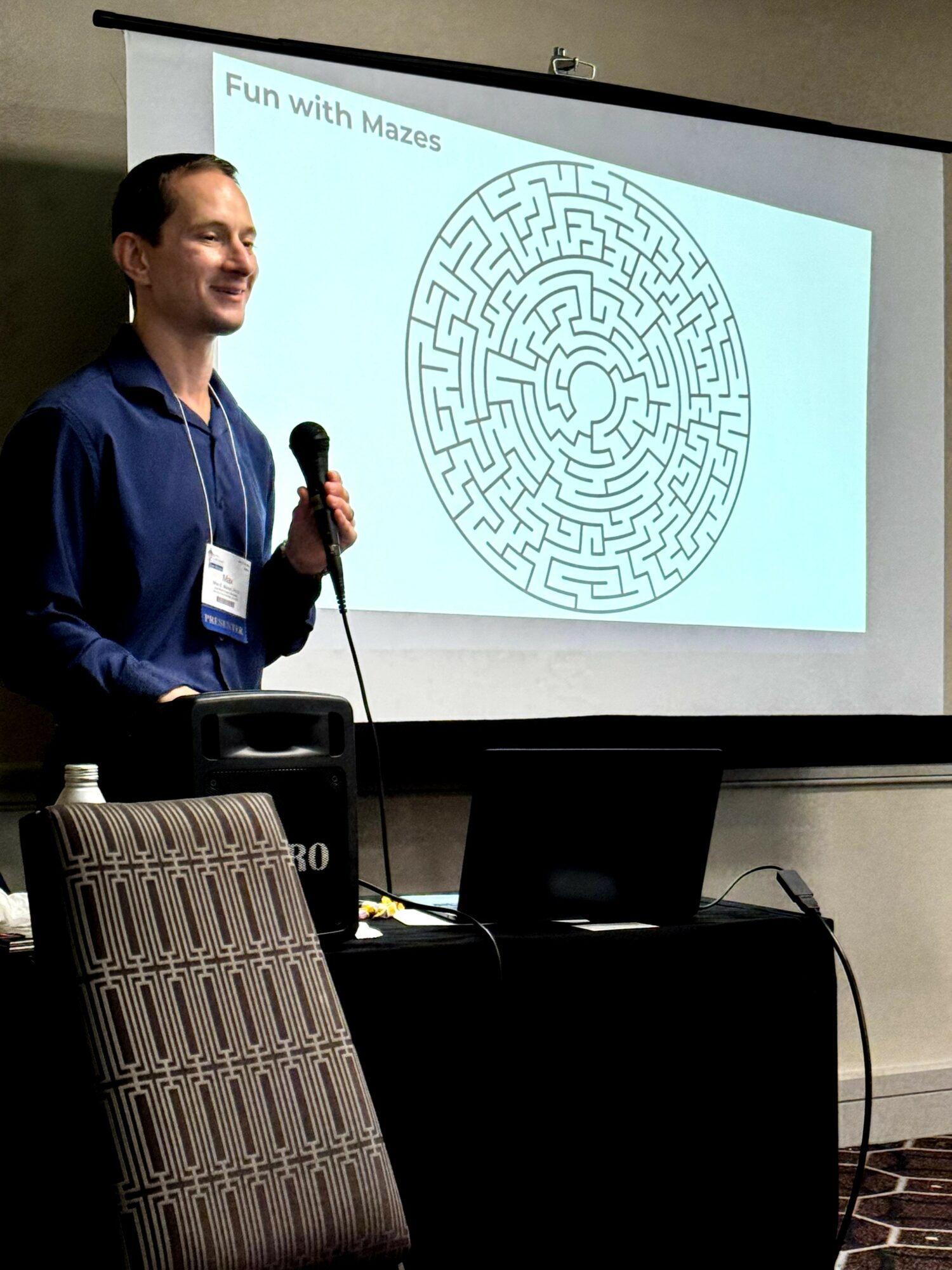
While I still love seeing clients, over the past year or so, I’ve moved to more training and consultative work. These days, I split my time between seeing clients, providing workshops, training, and clinical consultations to other clinicians and organizations, and recording on-demand training courses on various aspects of OCD treatment. I feel deeply honored to be able to diversify my day in this way.
We all face challenges, but looking back would you describe it as a relatively smooth road?
There have certainly been a fair share of both smooth and rough parts! My practice grew faster than I could have imagined, which I think has to do with the great demand for quality, science-based OCD treatment in Los Angeles. However, I’d say some of the biggest struggles came from transitioning from my own, solo private practice to a medium-sized group practice. As a therapist, I was never trained in how to run a business, let alone all the ins and outs of California employment law! While it was stressful and took a lot of trial and error, I decided to practice what I preach to many of my clients, which involved leaning into the mess of it all, embracing uncertainty, and ensuring any decision I made was in line with my values. It’s also been a struggle to find balance, especially juggling my work as a therapist, supervisor, consultant, business owner, father, and husband. It took me a bit too long (and a good 6 months of my own therapy) to learn how to prioritize self-care. Thankfully, I now have several times every week blocked off devoted to my new non-therapy passion of tennis. I also make sure to get 15 minutes of mindfulness meditation in, at least 4 days of the week.
As you know, we’re big fans of Beachfront Anxiety Specialists. For our readers who might not be as familiar what can you tell them about the brand?
We are a medium-sized group practice based in Redondo Beach, CA, that specializes in helping children, teens, and adults overcome OCD, OCD related disorders (like tics/Tourette’s Syndrome and Body Focused Repetitive Behaviors), and severe anxiety disorders. I am very proud of the fact that my team and I offer change-focused, evidence-based care to our clients in a way that is always client-centered and takes into account the person in front of us.
Typically, clients see us when they have experienced failed talk therapy in the past and want a more strategic, specialized approach. We also often see clients whose OCD is too severe or debilitating for a generalist therapist to see. We also see a lot of clients who struggle with “ruminative” type OCD (also called “Pure O”), where clients experience unwanted thoughts and find themselves in endless mental loops. I’ve been featured on the notable podcast Your Anxiety Toolkit twice to discuss these struggles:
https://kimberleyquinlan-lmft.com/sensorimotor-ocd-with-max-maisel-ep-434/
https://kimberleyquinlan-lmft.com/stopping-compulsions-using-attention-control-with-max-maisel-ep-351/
Are there any apps, books, podcasts, blogs or other resources you think our readers should check out?
There are SO many!! For podcasts, my favorites are Your Anxiety Toolkit by Kimberley Quinlan and The OCD Stories by Stuart Ralph. For books, I love anything related to Acceptance and Commitment Therapy, including the Happiness Trap by Russ Harris and Mastering the Clinical Conversation by Matthieu Villatte, Jennifer Villatte, and Steven Hayes. There are some absolutely game-changing OCD/anxiety books as well, including “The Worry Trick” by David Carbonell, Don’t Panic by Reid Wilson, and The Mindfulness Workbook for OCD by Jon Hershfield and Tom Corboy. I don’t use apps often in therapy, but I do like the Yapp App. It’s an app that has pre-programmed reminders pop up on your phone randomly throughout the day. This can have many great uses!
Contact Info:
- Website: https://beachfrontanxiety.com/
- Instagram: @DrMaxOCD
- LinkedIn: https://www.linkedin.com/in/max-maisel-0b3bba92
- Youtube: @DrMaxOCD
- Other: https://www.ocdtrainingschool.com/bfrb-training
Popular
-

Portraits of the Valley
-

LA’s Most Inspiring Stories
-
Robin Olive on Building an Inclusive Performing Arts Movement and Expanding Opportunities for Every Student
-

Que Johnson on Building Brands That Last: From Visibility to True Market Authority
-

Christina Wren Steps Into the Director’s Chair to Tell Stories That Feel Like Home
-
JordanL on ‘Breathe,’ Belief, and Building a Movement Beyond the Music


