




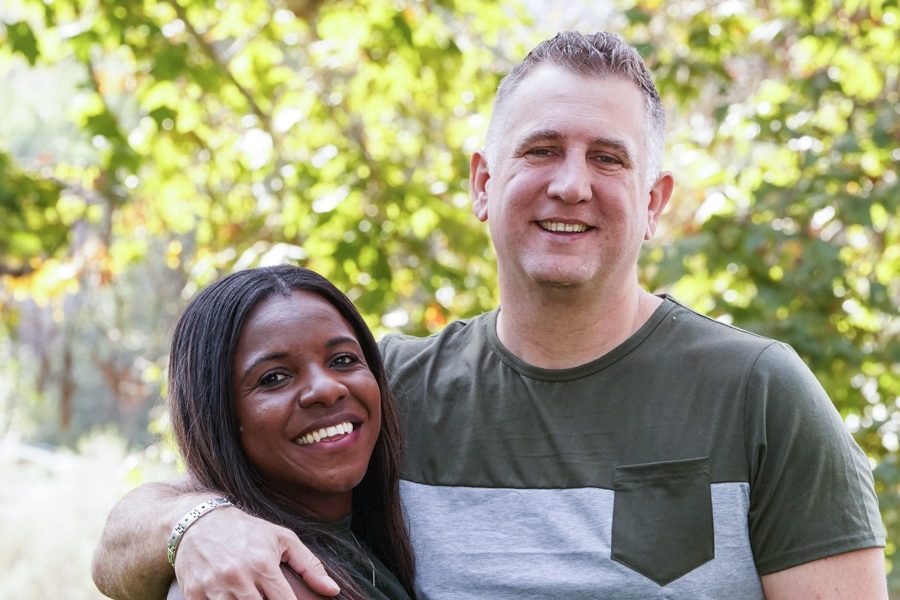
Today we’d like to introduce you to Derek and Rochelle Baum.
Hi Derek and Rochelle, we’re thrilled to have a chance to learn your story today. So, before we get into specifics, maybe you can briefly walk us through how you got to where you are today?
First, our family has always loved barbecue. I grew up with American Barbecue outside Washington DC, while my wife, Rochelle, grew up with Jamaican-style barbecue on the grill in Kingston, Jamaica. There’s simply nothing like the smell and flavor of slow-cooked meats on the grill. And while we liked barbecue, no one loved barbecue sauce more than my father. He put it on burgers, brats, even ham sandwiches. In 2018, my father was hospitalized with heart failure issues. When he was released from the hospital, the doctors advised that he needed to cut as much sodium as possible from his diet.
The benefits of a low-sodium diet weren’t foreign to us. Due to having Menier’s disease, which causes vertigo attacks and affects my hearing, balance, and equilibrium in my left ear, I have been on a truly life-changing low-sodium diet since 2009. Since we cut out salt, I haven’t had a single vertigo attack. However, we all know that cutting out salt can lead to bland food, a definite no-no when married to a Caribbean woman who loves her flavor. So, in the years following our switch to a low-sodium diet, we spent a good deal of time experimenting with different combinations of spices in our own kitchen to ensure the only thing missing from our cooking was salt, not taste.
I passed many of our recipes on to my parents when they began the switch to a low-sodium diet, but there was one problem: there was no low-sodium barbecue sauce on the market. My mom called to tell me that she had looked everywhere and couldn’t find any salt-free sauce to put on my dad’s food. So, I jumped online and looked up some recipes to make barbecue sauce. I used a low-sodium ketchup that had 50% less sodium for the base, and once I’d tried a few recipes, I found one that worked. I saved a small pot for us and then packed the rest in plastic bottles and sent them to my parents in Maryland. This became our go-to sauce at home.
In early 2020, we threw a backyard “BaByQ” baby shower when my wife was pregnant with our daughter. We had around 50 people, and I cooked ribs, chicken, and pulled pork with our homemade, salt-free barbecue sauce. Needless to say, the sauce was a hit. After the BabyQ, my wife told me that we should do this as a business. We toyed with the idea, but then covid hit, and we had too much to focus on with our kids and jobs amidst the unknowns that came with a global pandemic. In 2022, when work and life had slowed down, Rochelle brought the idea back up. So, in the Fall of 2022, I began experimenting in the kitchen while Rochelle began learning the ins and outs of starting a company and selling on Amazon, and that’s how Sauce King began.
We all face challenges, but looking back, would you describe it as a relatively smooth road?
In the beginning, one thing that we knew we wanted, in addition to reducing sodium as much as possible, was authenticity. As I mentioned, we have a great deal of respect for the regional cuisines that have influenced barbecue. Our goal was to be able to create sauces that continued these regional traditions, simply without the sodium. The first step was to decide what sauces we should start with. In our opinion, Kansas City barbecue is the king of American barbecue, so we knew we needed to have a Kansas City sauce. For our second sauce, we wanted something that was radically different. While we have always appreciated Western North Carolina barbecue, Texas barbecue, with its hints of chipotle and chili powder, has also been one of our favorites and is a definite contrast to Kansas City-style sauce.
Next, we jumped online and bought sauces from some of the most famous barbecue restaurants in Kansas as well as North and West Texas. We discussed what we liked and disliked from each sauce and what we wanted to incorporate into our sauces. After that, the real journey began. While I had worked in restaurants before, I had spent most of my career writing and producing commercials. Rochelle has always worked in legal sales. So, as a business venture, this was leaps and bounds outside our traditional wheelhouses.
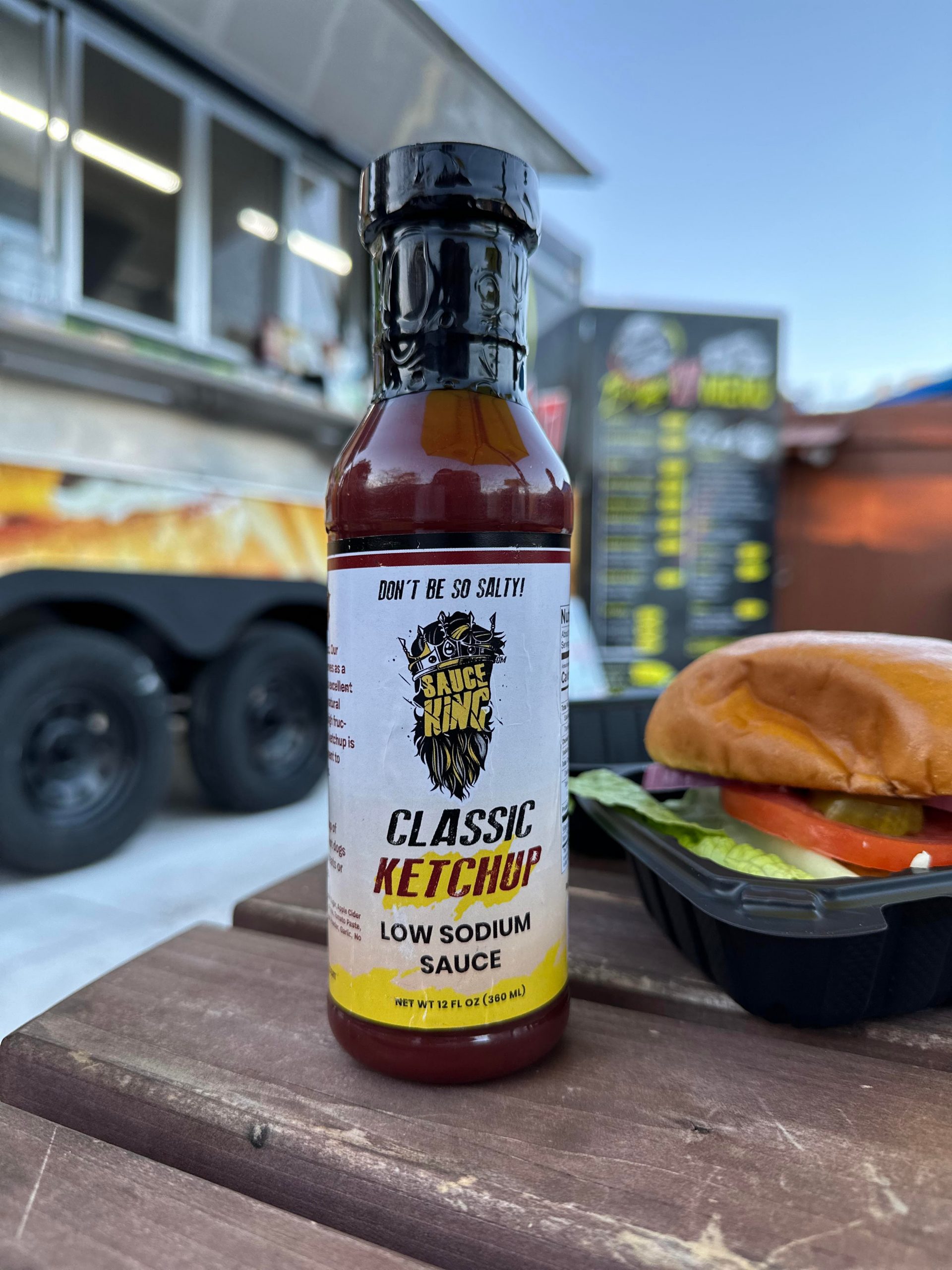
The first issue was finding a ketchup with a low enough sodium percentage to use as a base. I had used reduced sodium ketchup for the sauce for my father, but as we researched what true low sodium levels are, we knew that ketchup wasn’t going to cut it. In the end, we decided that we had to make our own ketchup from scratch, which led us to also decide to offer low-sodium ketchup as a third sauce. Once we had our base, we made many versions of each sauce to try and find a recipe we liked. At one point, the entire top shelf of our refrigerator was filled with different versions of our sauces. It took a couple months of experimenting to find recipes we liked for our Texas and Kansas City sauces. After that, we sent sample bottles to our friends and family for their feedback. Once we made some small tweaks, we felt confident that we had our recipes.
Next, we hired a food scientist consultant to calculate our nutrition panel for our bottle, as well as aid us with PH testing, and, following her recommendation, sent our sauces to Texas A&M for shelf-life testing. We had no idea how much science was involved when we first started this process. Texas A&M returned with a 12-month shelf-life date, and we thought we were good to go. Originally, we cooked with small pots, but to mass produce, we needed much bigger pots. Simple math, it seemed to us. We multiplied all our ingredients to fit the bigger pot and started cooking…and it definitely did not come out the same. Our spices seemed to get lost in the larger quantity. We ended up having to tweak all our recipes to find our flavor again when we switched to the big pots. Once we found the flavor we were looking for again, we went back to the food scientist to recalculate our nutrition numbers. Only then were we finally good to start selling? Thankfully, all the trial and error has been worth it and the reception for our sauces was far better than we ever could have imagined.
Great, so let’s talk business. Can you tell our readers more about what you do and what you think sets you apart from others?
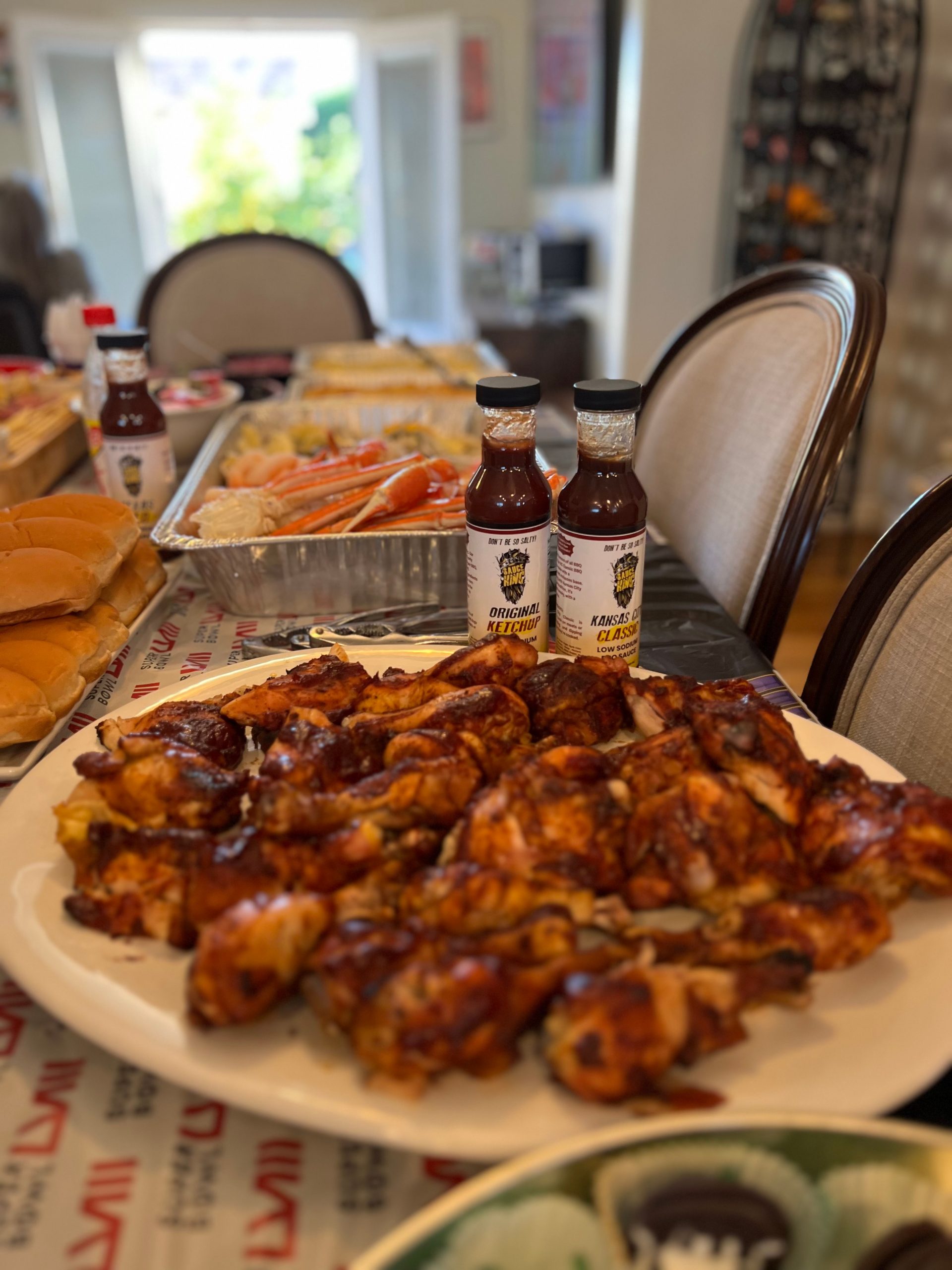
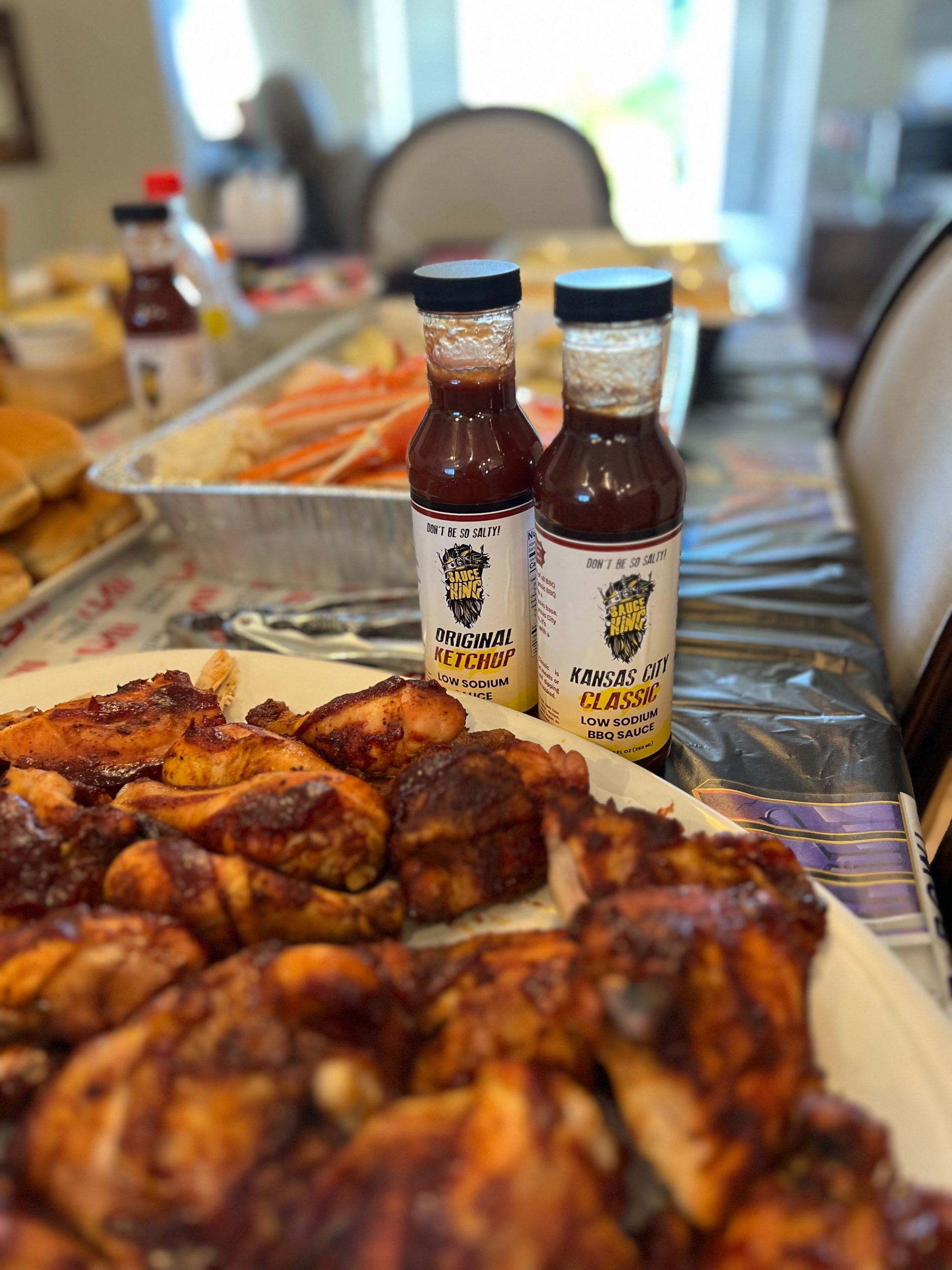
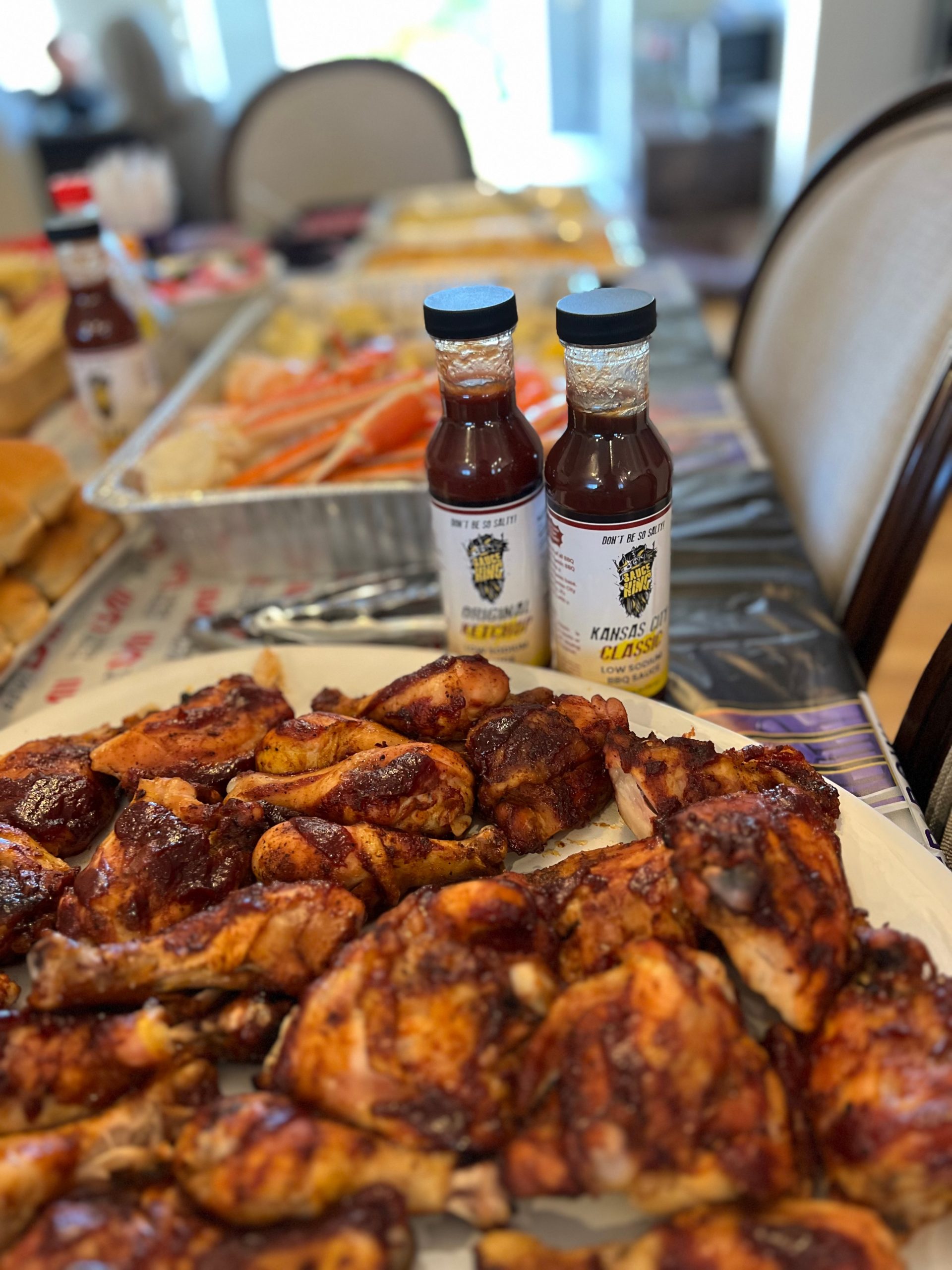
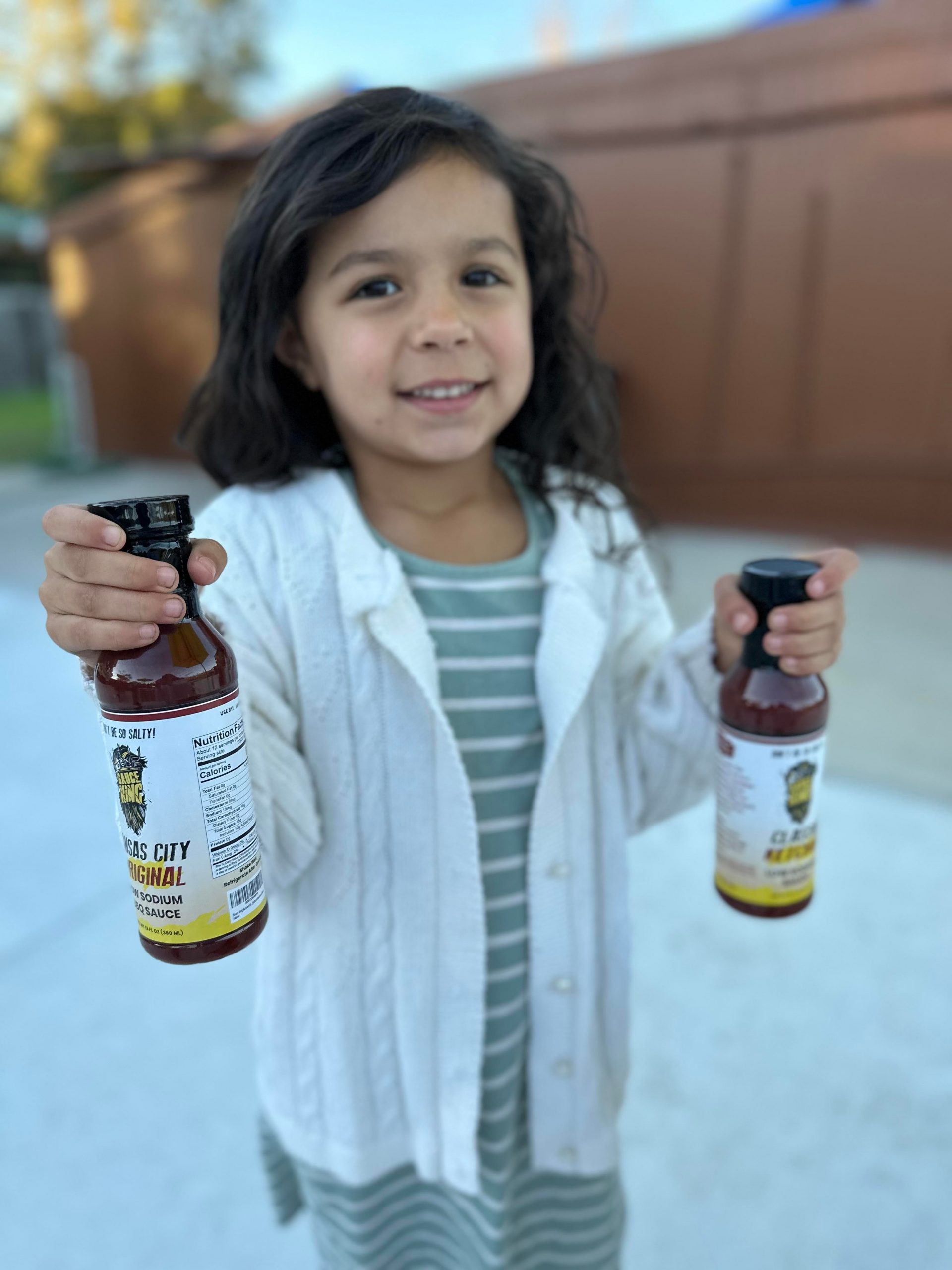
First, the name of our brand is Sauce King. Currently, we sell three low-sodium sauces: Our Classic Ketchup, Kansas City Original BBQ Sauce, and our Texas Red BBQ Sauce. This year, we will also be adding in a salt-free rub as well as a new hot sauce. So far, we’ve had a great response to our sauces and sold enough to make it to Amazon’s Subscribe and Save, as well as having our Kansas City Original listed as Amazon’s Choice for low-sodium barbecue sauces. What we are truly proud of is that our first year’s sales were entirely organic. We had no marketing at all in the first year. People were simply finding our sauces on Amazon, enjoying them, buying more and posting great reviews that really helped push us up the rankings. In our house, we never believed in this idea that you couldn’t have flavor without salt, and we believe these sauces reflect that. Several reviews have commented that they prefer the taste of our sauces over the salt-filled sauces they used to buy.
In addition to being low sodium, we use quality ingredients without any of these crazy additives found in so many foods these days. We believe that American foods are already full of unhealthy and unnecessary additives and wanted to keep our sauces straight forward, something we believe we have achieved. For example, a chef once recommended we use xanthan gum to bind the ingredients together in the sauce as we look to mass production. We researched xanthan gum and were shocked to find it is used in glue, soap, toothpaste, and more. Who wants to eat glue? As a result, our sauces will have more of a homemade feel because we have stayed true to our core beliefs that quality is more important than profit.
Finally, in our opinions, true barbecue goes beyond just the Sunday cookout. American cuisine is full of cultural influences from the great melting pot that we are as a country, but barbecue is the quintessential American regional cuisine. Each style is reflective of the area that it comes from. On our road trips, we’ve timed our lunch stops to hit some of the most authentic barbecue spots in places like South Carolina, Kansas, and Texas. By doing our homework on the barbecue from Kansas City and Texas, we believe we have developed sauces that fit right into those barbecue traditions. Our Kansas City Original has the sweet taste of molasses, good old hickory smoke, and a hint of pepper on the finish. In contrast, our Texas sauce uses a ketchup base mixed with traditional Texas spices and is much thinner than our Kansas sauce. It falls into the tradition of Texas mop sauces to dip your meat into. Hopefully, when native Kansans and Texans taste our sauces, they agree.
What do you like best about our city? What do you like least?
Los Angeles is a city that holds a special place in our hearts. Rochelle is originally from Jamaica, and I am from the DC area. I went to USC and then moved to Florida, where we met. In 2011, we came to LA for vacation, and after three days, Rochelle asked me when we could move. It took no arm twisting because, in addition to my college days, my mother is a native Angeleno. She grew up in the valley when it was still considered the countryside, and my great-grandfather helped pave Sepulveda Boulevard. So, it’s safe to say our LA roots run deep.
As famous as LA, we believe this city is still underappreciated. We all know the weather is fantastic and the beaches are beautiful, but most people don’t realize the depths of the culture in this city. The museums are world-class, the city is full of family-friendly activities, and the food here is off the charts in every aspect. In our opinions, LA has the best street food and the best fine dining of any city in the country. Thanks to the incredible diversity in the city, we’ve gotten to explore cuisines we had never tried before. It’s impossible to get bored as a foodie in LA. But that idea can be applied to essentially everything in LA. With so many things to do every day and every weekend, there is no such thing as a typical weekend in LA.
Of course, no city is perfect. Obviously, dealing with the traffic is a way of life here, one I’m sure we could all do without! Homelessness is, of course, a hot topic, as well as the usual issues of crime and education. However, we believe that all these issues can be solved if we put our minds to it. One final underrated aspect of Angelenos, we have a positive, can-do attitude. It’s the city where dreams are made, and we can do anything we set our minds to.
Contact Info:
- Website: www.mysauceking.com
- Instagram: https://www.instagram.com/mysauceking/
- Facebook: https://www.facebook.com/MySauceKing
Popular
-

Portraits of the Valley
-

LA’s Most Inspiring Stories
-

Robin Olive on Building an Inclusive Performing Arts Movement and Expanding Opportunities for Every Student
-

Que Johnson on Building Brands That Last: From Visibility to True Market Authority
-

Christina Wren Steps Into the Director’s Chair to Tell Stories That Feel Like Home
-

JordanL on ‘Breathe,’ Belief, and Building a Movement Beyond the Music


