




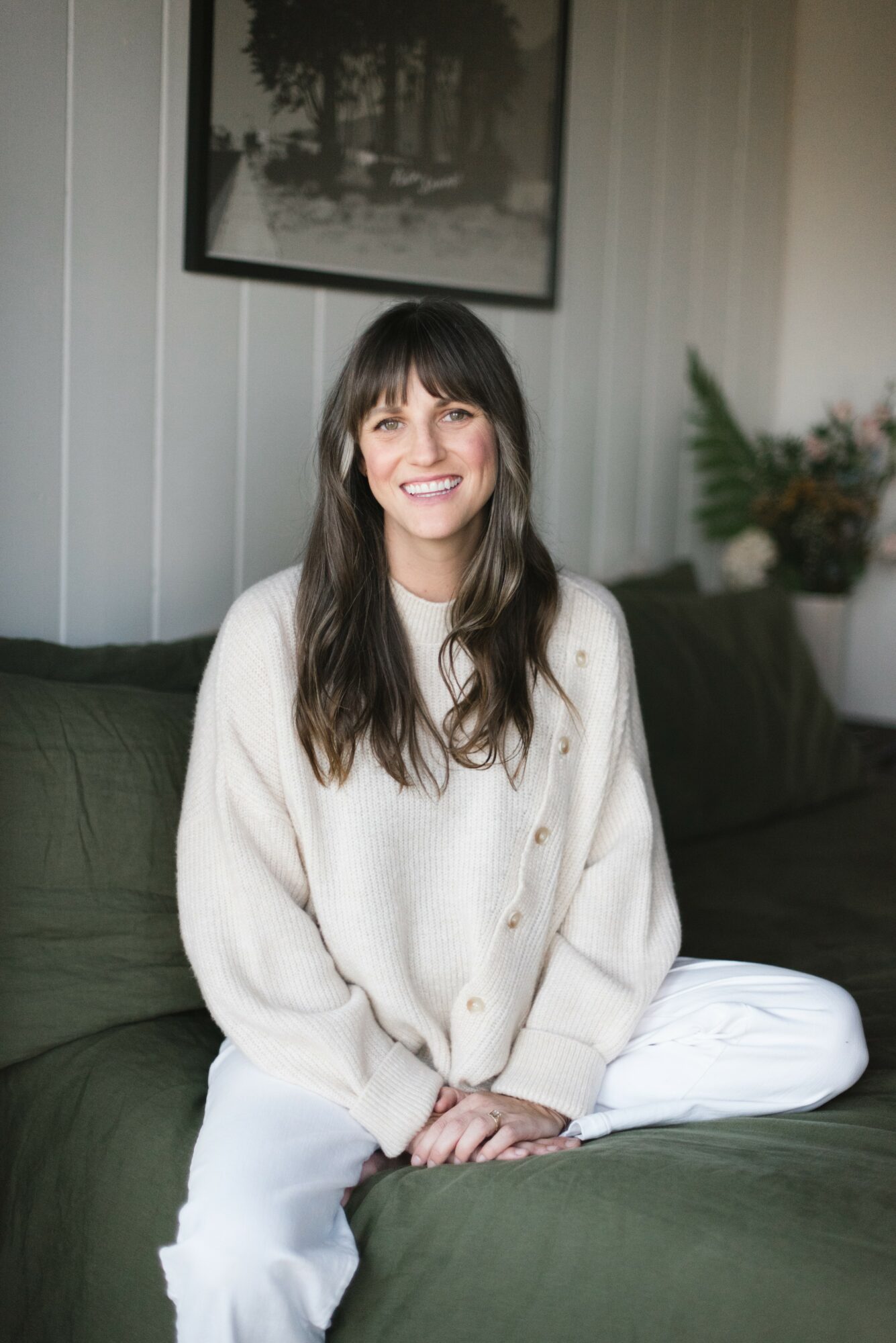
Today we’d like to introduce you to Danielle.
Hi Danielle, we’d love for you to start by introducing yourself.
I started my business in Los Angeles in 2018, creating a therapeutic private practice for couples and adult individuals seeking reconnection and support. As a Registered Drama Therapist and Licensed Creative Arts Therapist, my work is located in exploring relational dynamics, somatic practices, and narrative therapy. I love the work I get to do, creating a space for people to process and unpack their life stories, to take a look at stuck patterns, and find ownership for how to move forward in their lives with intention, honoring both the shadow and light parts of ourselves.
In many ways, my career trajectory started years before becoming a therapist. I majored in drama in undergrad and focused the first phase of my career in the non-profit world using theatre as a way to empower communities and individuals. I worked with an organization called Opening Act in the NYC public high school system running theater and playmaking programs for teens, and then started a nonprofit Asmi International that utilized the same tools and model in West Africa with refugee youth. We saw the power of storytelling to help people make meaning in their lives and to heal from trauma. On one of the trips to Ghana, I experienced a traumatic incident when I was mugged and ended up being dragged by a car in the process. The subsequent few years took me on a journey of exploring and understanding PTSD in a personal way, and in the process of healing, I grew more interested in becoming a healer myself. (The archetype of the wounded healer fits nicely into my own story!)
Because I had witnessed and participated in so many transformative experiences through theater, I chose to specialize in a lesser known form of therapy at NYU called drama therapy. Drama therapy is an embodied practice that is active and experiential. This approach can provide the context for participants to tell their stories, set goals and solve problems, express feelings, or achieve catharsis. Through drama, the depth and breadth of inner experience can be actively explored and interpersonal relationship skills can be enhanced. Drama therapists are trained in a number of additional methods, narrative forms of talk therapy, DBT, and CBT, but the foundation is rooted in creativity, story, and the body.
My first internship was working with incarcerated adult men at Bellevue Psychiatric Hospital. While most victims of trauma do not grow up to be perpetrators, most of the perpetrators I worked with had first been victims of trauma themselves. What is robbed of us when we experience trauma is the ability to play, because in order to play, we must feel safe. At Bellevue, I ran groups with patients, and we focused on building a container of safety through art making, puppetry, mirroring movement exercises, and improvisation. Relationship skills are built by learning to tolerate the unpredictable nature of being and improving interpersonal demand. Upon graduating with my MA, I worked to earn the hours for my licensure in an addiction treatment center and inpatient at Kings County Psychiatric Hospital.
My partner and I moved from NY in 2016 when I got a job at a long-term psychiatric treatment center in rural California in the central valley, and then when our first child was born, we moved to Los Angeles to be closer to family where I started my practice while also teaching and working part-time at an eating disorders treatment center. Now, along with running my practice, I am a mother of two, a writer, and am always looking for more ways to engage socially and politically in my local community.
We all face challenges, but looking back would you describe it as a relatively smooth road?
I’ve always had a strong community to turn to in time of crisis. Developing PTSD in 2006 after my assault opened my understanding of how debilitating mental illness can be. There were a few years in my 20s where I struggled deeply with wanting to avoid the healing process entirely. Finding the courage to accept and process how hurt I was took time. Medication and therapy have been incredible tools that I’ve used along the way. I’ve also experienced long term chronic back pain from the accident, and while surgery might still be in the future, I’ve been managing the pain with certain types of exercise and somatic practices. The past 5 years, have also been especially challenging. My mother, who I was incredibly close with, died suddenly during a surgery two months before the pandemic started, and I went through the pandemic grieving while raising a toddler and supporting many clients in crisis themselves. This past January, 5 years from the date of my mom’s death, my family home burned down in the Los Angeles fires. Along with all of my childhood moments and family heirlooms, we lost all the photo albums, home videos, and baby books my mom had made for my sister and I over the years. It has brought up grief of losing my mom in a new way, along with the stress of my dad being displaced and the weight of the environmental and political devastation of our time.
I’ve had many guides along the way. Mentors, supervisors, friends, and healers have modeled the strength and wisdom of looking at the broken parts of ourselves in the process of metamorphosis. I’m 42 now, and starting to hit “middle age” continues to be interesting. I’m excited by how much I don’t know yet, but I think I have a deep fear at the possibility of time being too short. I’m explore what it means to move gracefully, but authentically, into a new stage of life that feels full of possibility.
Thanks for sharing that. So, maybe next you can tell us a bit more about your business?
(I spoke a lot about this in my opening answer too!)
I specialize in working with couples dealing with life transition struggles, with pairs (parent and adult child, siblings, work or creative partners, etc.) looking to resolve conflict or build better skills for partnership, and with adult individuals processing trauma or managing chronic pain, anxiety, depression, addictive patterns, and/or grief.
Because I bring an integrative or multi-therapeutic approach to my work, I look at the whole person as well as the impact of systemic/cultural components. I want to get to know clients as they get to know themselves, helping them feel better seen and better heard so that they can become the people they want to be. I also have a deep love for creative types, and I believe all people are innately creative, even if they are experiencing blocks. My techniques bring a relational approach to therapy.
We’d love to hear about how you think about risk taking?
I don’t enjoy riding roller coasters or driving fast in cars. Part of the impact of PTSD was a struggle to let myself feel safe being physically out of control again. I don’t consider myself a risk-taker per se, but I find myself very excited about things that might be considered risky, like solo travel to international countries, starting creative projects, building organizations or businesses, and learning about practices and traditions that I am unfamiliar with. I deeply enjoy my freedom and independence, but I also enjoy collaboration and am very inspired by working with other people creatively.
I think we can look at risk as another form of play. When I speak of “play” here, I’m talking about the willingness to be fully present in a state of flow or creativity. In order to take a “healthy” risk, we have to feel safe-enough in our self and our community. Safe-enough requires our basic needs to be met, or at least the trust that we are capable and resilient enough to handle our needs when things go wrong. Building grit requires risky play sometimes, and there is nothing more powerful than setting a goal and achieving it in spite of the challenges. I love how dramatic play can include risk in the safe-enough container of a workshop or an exercise. I’ve seen so many people work through deep challenges or traumas in the real/not-real space of dramatic play, be it enacting a fictional conversation you wish you could have had with your now deceased father, or exploring a childhood dream that has been pushed down and judged for years. We can let ourselves meet our growing edge by playing in the borderlands of relational interactions that challenge us. Since we are hurt in relationship (trauma), I believed we must be healed in relationship as well. That requires risking the unknown or being hurt again. It’s a powerful act, building trust again.
Pricing:
- Individual session $175
- Pairs session $225
- Sliding-scale options available
Contact Info:
- Website: https://www.daniellelevanas.com
- Instagram: @danielle.levanas.therapy
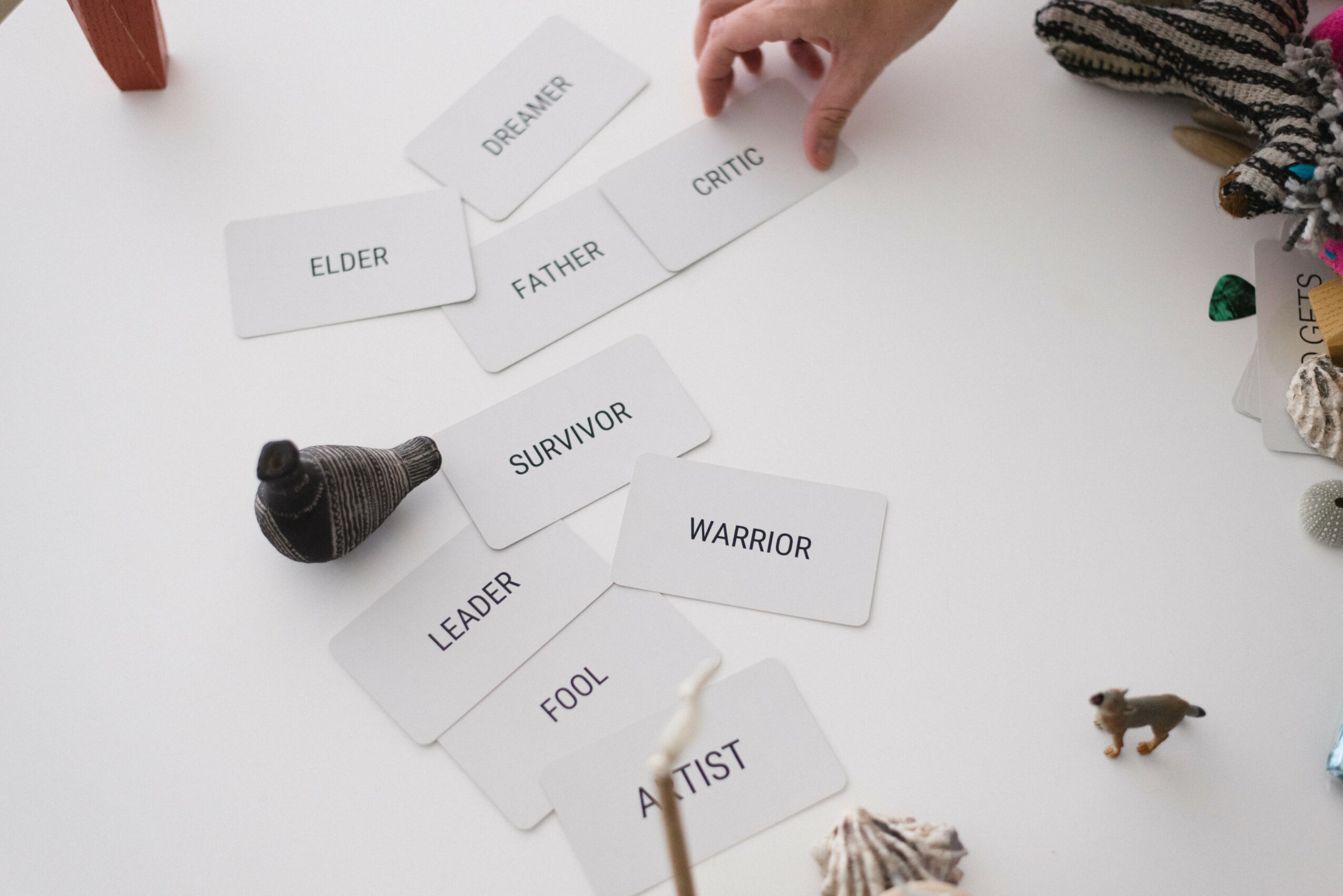


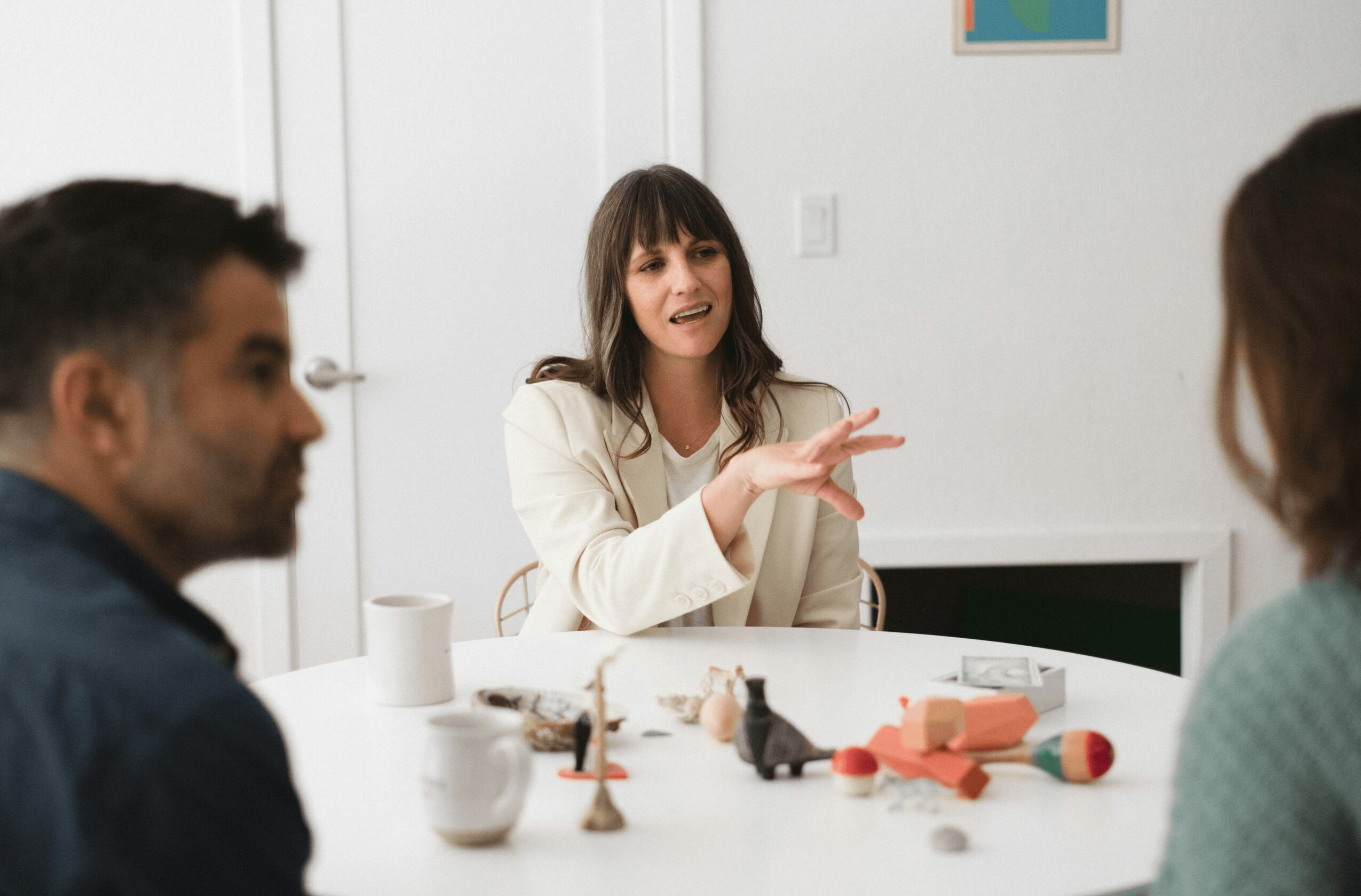
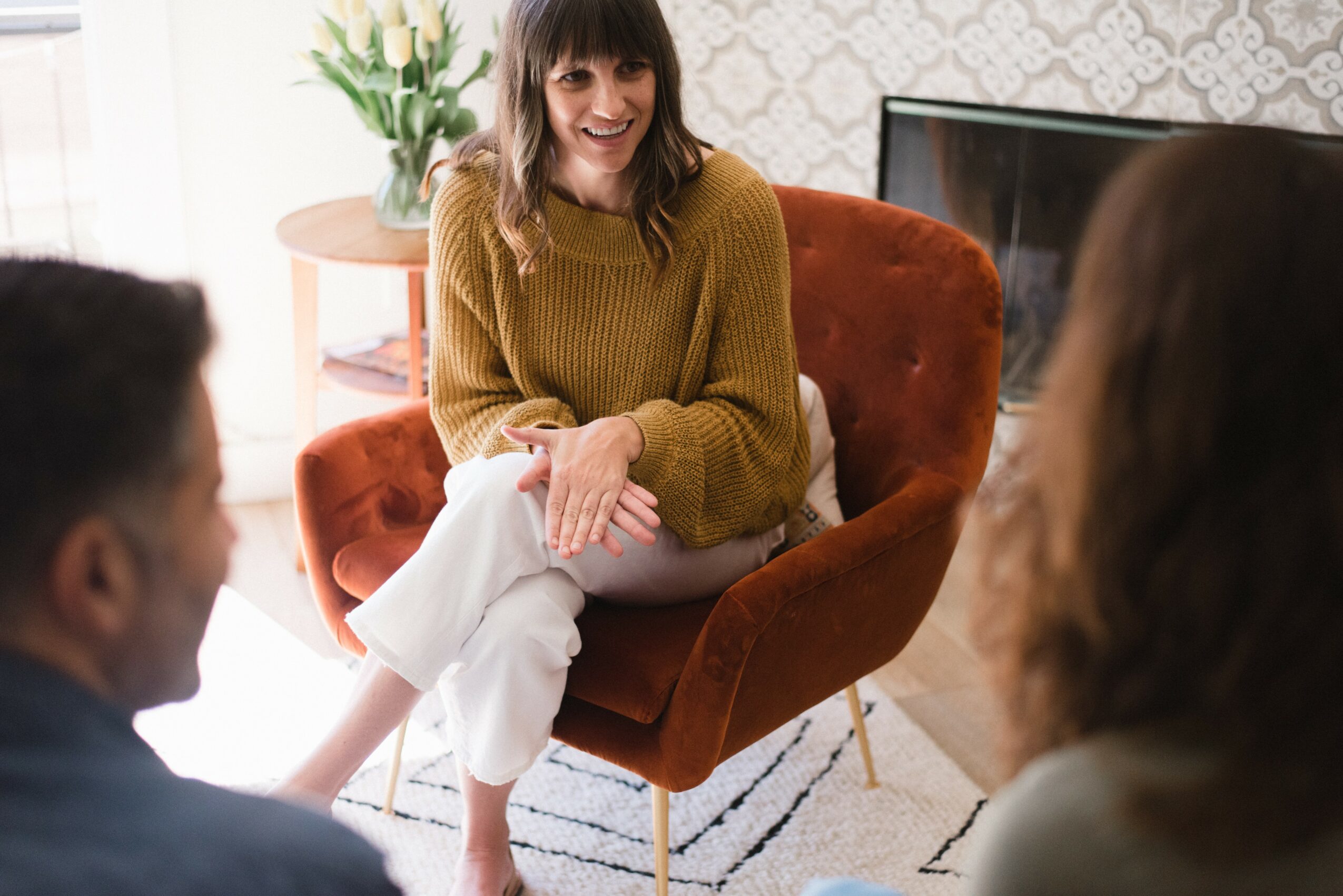
Image Credits
Daniela Rey Atkinson, Growing Uprooted
Jacky Andrews, Howl & Rose Photography
Popular
-

Portraits of the Valley
-

LA’s Most Inspiring Stories
-

Que Johnson on Building Brands That Last: From Visibility to True Market Authority
-

Christina Wren Steps Into the Director’s Chair to Tell Stories That Feel Like Home
-
JordanL on ‘Breathe,’ Belief, and Building a Movement Beyond the Music
-
Megan Birney Rudert on How Access to Light Is Powering a More Sustainable and Equitable Future


