




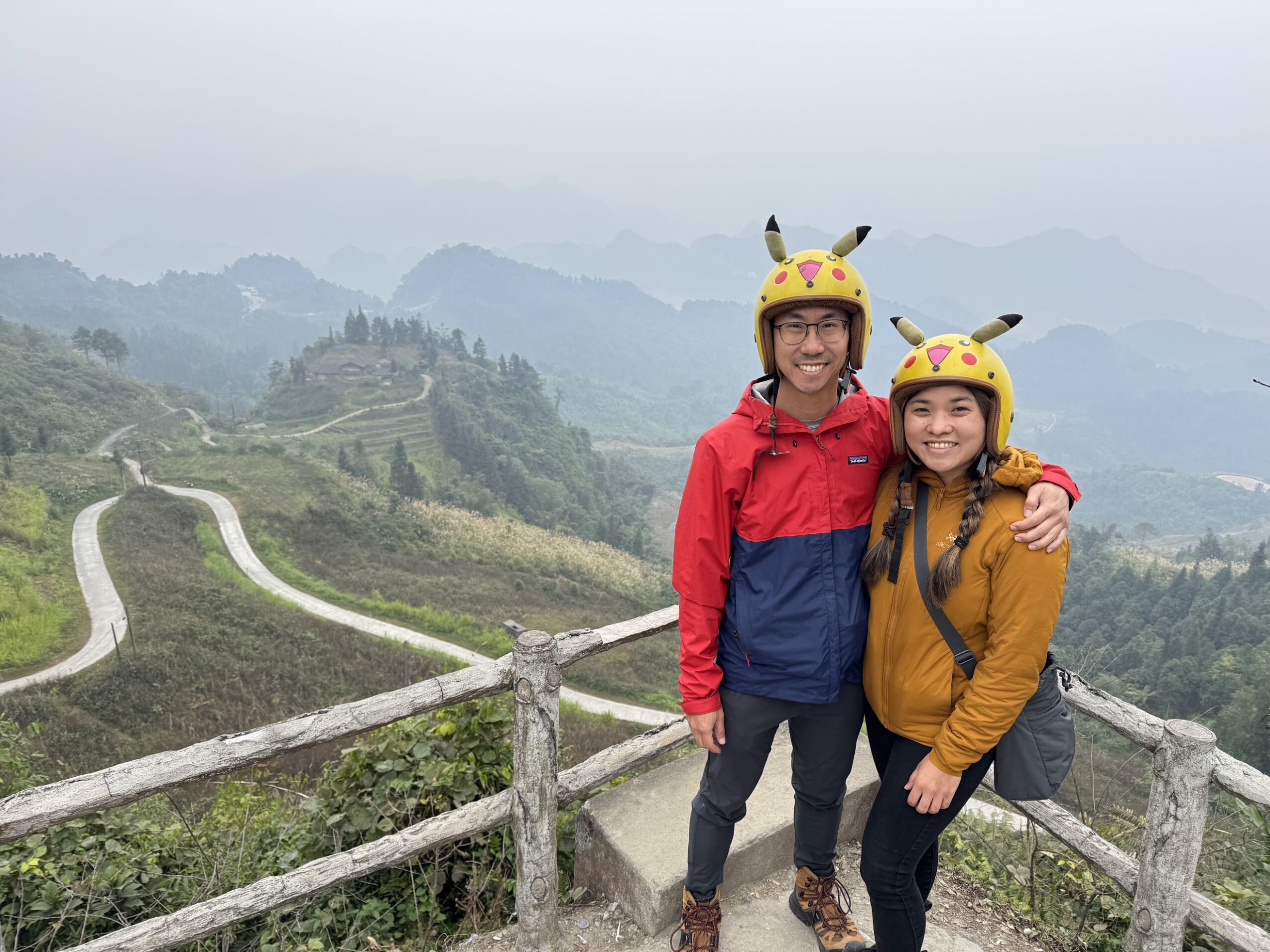
Today we’d like to introduce you to Bernard Huang.
Hi Bernard, we’d love for you to start by introducing yourself.
I’ve mostly gotten here by following questions that wouldn’t leave me alone.
Early on, that question was about content and search. Why does one piece of content reach people while another one disappears? Why do some companies seem to understand distribution while others keep publishing into the void?
That curiosity led me to co-found Clearscope, a content optimization platform for SEO teams. We bootstrapped the business, kept the team small, and grew it to seven figures in ARR. It taught me a lot about focus. You do not need to solve every problem. You need to solve one painful problem clearly enough that people trust you with it.
After Clearscope, I became interested in AI and media, mostly because the tools changed what a small team could make. I kept asking myself: what could one person build today that would have required a full editorial or production team a few years ago?
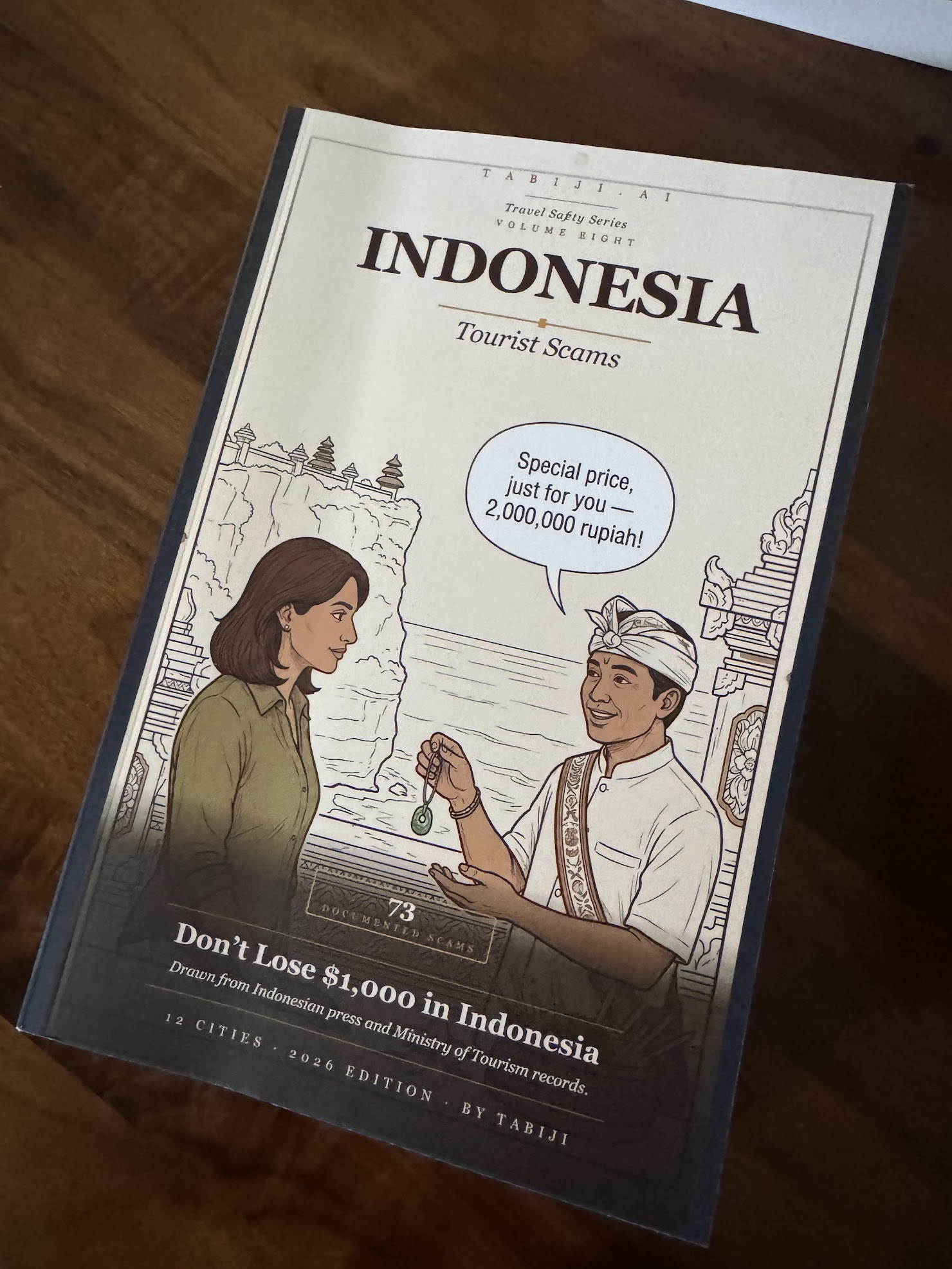
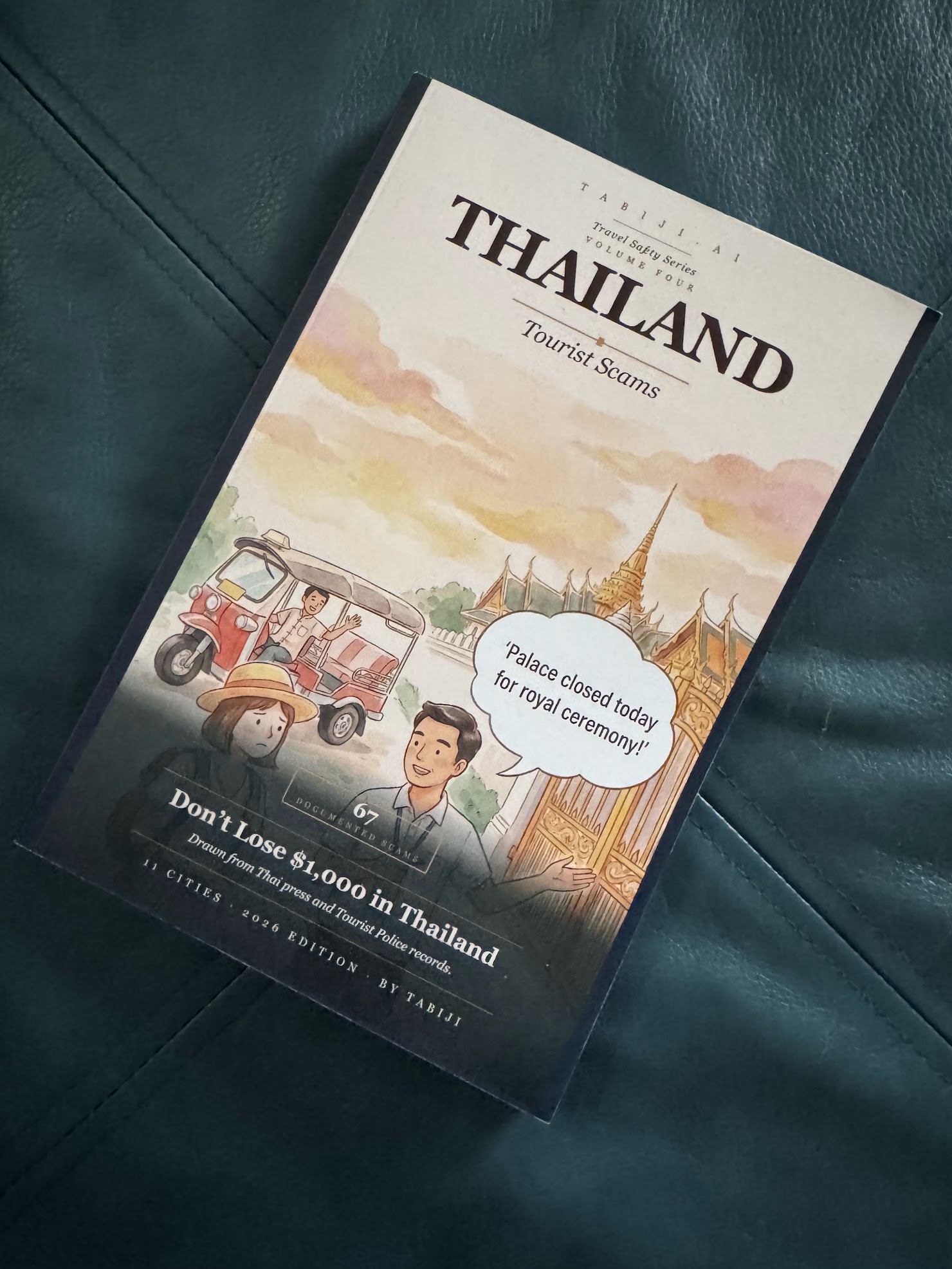
That became Tabiji, a travel safety media brand.
Tabiji focuses on scams, safety risks, and practical travel advice. I started it because so much travel content is aspirational, but travel itself is not always aspirational in the moment. Sometimes you are tired, jet-lagged, standing outside a train station, trying to figure out if the taxi driver is overcharging you or if the stranger offering help is actually helping.
Those are the moments I’m interested in.
Today, I spend my time building the content and the systems behind Tabiji: short-form videos, Instagram carousels, guides, research workflows, and AI-assisted production pipelines. It is part media company, part software experiment, and part public service.
The throughline is that I like making useful information easier to find and easier to act on. Clearscope did that for marketers and SEO teams. Tabiji does it for travelers. The audience changed, and the tools changed, but the instinct is the same.
Can you talk to us a bit about the challenges and lessons you’ve learned along the way. Looking back would you say it’s been easy or smooth in retrospect?
No, it has not been smooth. I think most people’s stories only sound smooth once they’ve had time to edit them.
At Clearscope, one of the biggest challenges was building a bootstrapped business and staying focused. We did not have unlimited money or a giant team, so we had to be honest about what mattered. If customers did not care about something, we could not pretend it was important just because we liked the idea. That was humbling, but it was also a good way to build. It forced us to solve a real problem and keep coming back to the customer.
With Tabiji, the challenges are different. I’m building a travel safety media brand at a time when content is everywhere and AI makes it easier to produce even more of it. The hard part is not making content. The hard part is making something useful, trustworthy, and specific enough that someone would actually save it before a trip.
A lot of the work is less glamorous than it sounds. It is testing formats, editing scripts, checking facts, looking at what people actually respond to, and throwing away ideas that seemed good at first. There are days where I feel like I’m building a media company, and other days where I feel like I’m just trying to make one useful post better than it was yesterday.
The biggest struggle is probably patience. Good things take longer than I want them to. But I’ve learned that the messy parts are usually where the real signal is. If something is confusing, slow, or not working, that is usually where the next improvement comes from.
Alright, so let’s switch gears a bit and talk business. What should we know?
Tabiji is a travel safety media brand. We make practical content about scams, safety risks, and the situations travelers often do not think about until they are already dealing with them.
Most travel content is about inspiration: where to go, what to eat, what to see, where to stay. I like that kind of content too, but I felt there was room for something more practical. When you are actually traveling, some of the most useful information is not glamorous. It is knowing when a taxi price feels wrong, how a pickpocket setup works, why someone is trying to distract you, or what to do when a stranger is suddenly being a little too helpful.
That is the space Tabiji focuses on.
We create short-form videos, Instagram carousels, guides, and other travel safety content designed to be saved, shared, and remembered. The goal is not to make travel feel scary. It is to help people feel prepared. I think confidence comes from knowing what to expect.
What sets Tabiji apart is the mix of practical travel advice, safety research, and modern content systems. My background is in SEO and content strategy, so I care a lot about how information is structured and distributed. With Tabiji, I’m applying that experience to a category where the information can genuinely help someone in a real-world situation.
Brand-wise, I’m most proud that Tabiji has a clear point of view. It is not glossy travel inspiration, and it is not fear-based safety content. It sits somewhere more useful: calm, specific, and practical. If someone saves a Tabiji post before a trip and it helps them avoid one bad situation, that is exactly what the brand is for.
If we knew you growing up, how would we have described you?
Growing up, I was curious, observant, and probably a little obsessive once I found something I liked.
I was drawn to things that had hidden rules. Games, websites, search engines, businesses, media, even social dynamics. If something worked, I wanted to know why it worked. If something got popular, I wanted to understand how it spread. I did not always think of that as a skill at the time. It was just the way my brain liked to spend time.
I was also interested in making things. Not necessarily in a traditional artistic sense, but in the sense of building something that did something. A website, a project, a strategy, a small experiment. I liked the mix of creativity and usefulness.
Personality-wise, I was more independent and self-directed than anything else. I liked learning on my own, going deep on whatever had my attention, and trying to connect dots that did not seem connected yet.
Looking back, that explains a lot about my career. SEO, content strategy, software, media, and AI all live in that same zone: understanding systems, understanding people, and making useful things inside those systems. I did not have that language growing up, but the instincts were already there.
Contact Info:
- Website: https://tabiji.ai/
- Instagram: https://www.instagram.com/tabiji.ai/
- Facebook: https://www.facebook.com/profile.php?id=61587888764430
- Twitter: https://x.com/tabijiai
- Youtube: https://www.youtube.com/@tabijiai

Popular
-

Portraits of the Valley
-

LA’s Most Inspiring Stories
-

Robin Olive on Building an Inclusive Performing Arts Movement and Expanding Opportunities for Every Student
-

Que Johnson on Building Brands That Last: From Visibility to True Market Authority
-

Christina Wren Steps Into the Director’s Chair to Tell Stories That Feel Like Home
-

JordanL on ‘Breathe,’ Belief, and Building a Movement Beyond the Music


