




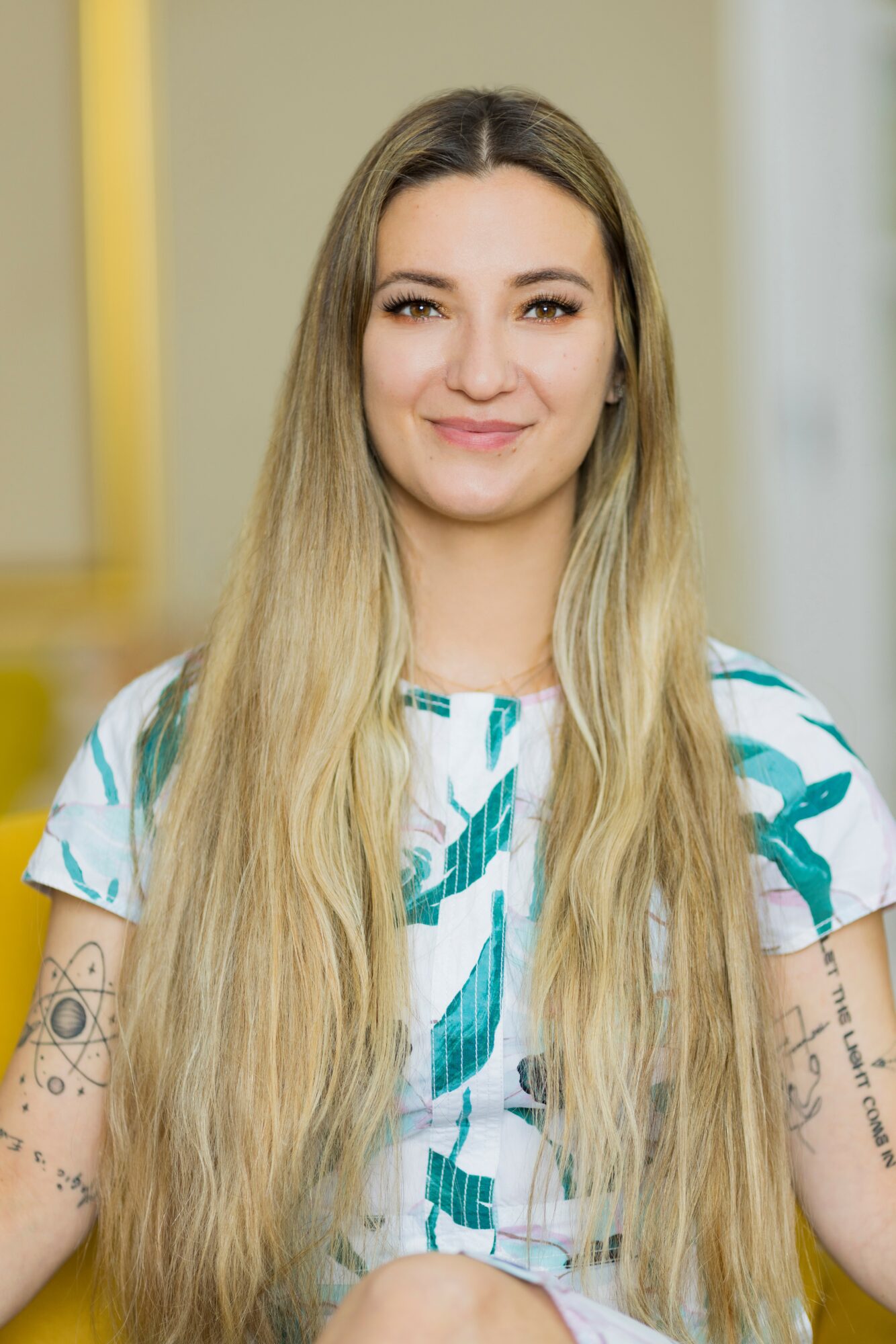
Today we’d like to introduce you to Valeriya Bauer.
Hi Valeriya, thanks for sharing your story with us. To start, maybe you can tell our readers some of your backstory.
This is a long and complicated story!
My family immigrated to the U.S. from Uzbekistan when I was three months shy of my 10th birthday; it was quite the change and culture shock. I knew I had always wanted to help people and work with people, but I did not know how. I used to have recurrent dreams when I was little of transporting people where they need to be/are going to. It was the strangest tangible dream that I still remember vividly to this day.
When I was 16, I took my first psychology class, and I fell in love. I absorbed every page in the textbook and craved to learn more. It was like second nature to me; everything I read and learned made so much sense. It’s like I already knew all the information that I read. I knew from then on that I wanted to be a therapist and study psychology. At that time, I entered a conflict mediation program at my school and volunteered at Teen Line, a hotline where highly trained teen listeners provide support to any teen who is struggling. I did a rigorous summer program to prepare and train to be a listener at Teen Line. I felt early on that this was my mission (to help others), and it felt very aligned for me. However, I ran into some challenges because my family did not believe that being a therapist was a viable career or that it was a career at all. Mental health is a very taboo topic in my culture and country of origin. It has become a little less so today, but still, that same stigma about mental health persists. And, being me, I love venturing into those taboo and uncharted territories. Before becoming a therapist, I had my own company doing consulting in the healthcare field. I also tried out being a software engineer/web developer, which I enjoyed. The piece I loved the most about this is figuring out code and finding solutions to challenging problems. I still bring this critical thinking skill to my practice as a psychotherapist today. I did miss that rewarding and tangible component of working with people when I worked as a software engineer; being a therapist is so much more rewarding and fulfilling for me. During the pandemic, I finally decided to pursue my lifelong dream of being a therapist and completed my Master’s Degree in Clinical Psychology. I recently completed all of my hours for licensure. This has been the most rewarding and fulfilling career for me; every day, I know I made the right choice.
In my own family of origin, I experienced a lot of trauma. I’ve had to do a lot of work to heal generational trauma patterns and break free of certain cycles of abuse, dysfunction, and addiction. Due to my own personal experience in therapy and my story and journey, I chose to specialize in trauma therapy. Today, I practice as a trauma therapist, and I pull from my personal and professional journeys to help many other individuals break free from toxic cycles and heal from traumas. My work is ever-evolving, and I continue to grow and learn every day. The more healing I do on myself, the greater I can help others. I firmly believe that you can’t take others to a place (or a healing spot) that you yourself have not gone to; therefore, I place significant importance on my own healing journey and daily practice. I am constantly experimenting and learning new techniques. The field of psychology is very exciting because there is no right answer; everyone’s journey is very unique, and what works for one person may not work for another. The key is figuring out what does work for you.
We all face challenges, but looking back would you describe it as a relatively smooth road?
As I mentioned in the previous question, my journey here has not been easy, but it has certainly been rewarding. I chose a career field that wasn’t what other people wanted me to pursue. I had to give myself the permission to follow and pursue my dreams and carve out a path for myself.
Becoming a therapist is not easy; you have to go through an intense master’s-level program and complete 3,000 hours to obtain licensure. If you have a family of your own and are working, it is a lot to balance. There were some days when I felt like I was working during all waking hours of the day. My nervous system was pretty dysregulated at times. In addition, while pursuing my graduate degree, I was navigating some deep trauma healing from unhealthy patterns that were existing in my life at that time. Overall, it felt like a lot. I don’t know how I made it through some days. I used to have panic attacks and would cope in unhealthy means (such as binge eating and coping with food). I then learned how to be kinder to myself and have changed my relationship with myself and others drastically. I no longer expose myself to unhealthy situations or people and set limits/boundaries as appropriate. I nourish my body from within and practice regular self-care. I work on my nervous system regulation and do more of what I enjoy. I also have tapped into my spirituality more than ever before. I feel aligned, centered, and in my purpose.
Thanks for sharing that. So, maybe next you can tell us a bit more about your business?
I am a trauma-focused psychotherapist specializing in trauma, anxiety, life transitions/changes, and more. I utilize Eye Movement Desensitization and Reprocessing (EMDR), the Trauma Resiliency Model (TRM), somatic therapy, Dialectical Behavior Therapy (DBT), mindfulness, and whole-body holistic approaches. I know there is no one-size-fits-all approach to therapy, so I am knowledgeable in a variety of techniques to meet clients’ unique needs. Each individual needs something different. Each person’s way of viewing the world is unique, and their healing journey should mirror that. I love meeting clients where they are at and working on goals that feel important to them; I don’t dictate anyone’s journey, and I simply help guide individuals and bring the tools necessary to create desired change. I am proud of my work with my clients, as so many of my clients report tangible, lasting change. I work with people to not only heal traumas in session but also to learn tangible tools that they can utilize outside of sessions. The goal is for people to feel self-sustainable, enabling them to continue and facilitate their healing journey long after the therapy sessions are done. I am based out of Westlake Village, and I also see clients virtually all over California.
Where do you see things going in the next 5-10 years?
Ooof, a big change, as my colleagues will tell you, is AI. I feel that AI has been influencing so many fields and industries. Personally, I am not one bit threatened by AI. In fact, many of my clients (and friends) use AI to help them process difficulties in their day-to-day lives. I do not think that AI will ever fully replace therapists because trauma happens with/due to/as a result of people; the healing that happens in the therapy room is interpersonal. I do think that AI can be a wonderful supplement between sessions, but it will never replace the psychotherapeutic benefit of person-to-person sessions. In addition to AI being a big presence in the field, I think it forces practicing therapists to be on top of their game and bring something of value to the table. For example, my work as a somatic therapist can never be facilitated by AI. In session, I can always feel what a client is feeling in their body and guide them into processing their somatic sensations deeper. What AI tool can do that?
Contact Info:
- Website: https://therapywithvaleriya.com/
- Instagram: https://www.instagram.com/thevaleriyabauer/
- Facebook: https://www.facebook.com/TherapyWithValeriya
- Yelp: https://www.yelp.com/biz/valeriya-bauer-therapy-and-counseling-westlake-village
- Other: https://share.google/HIKYpd0ZqGOK1QSeq
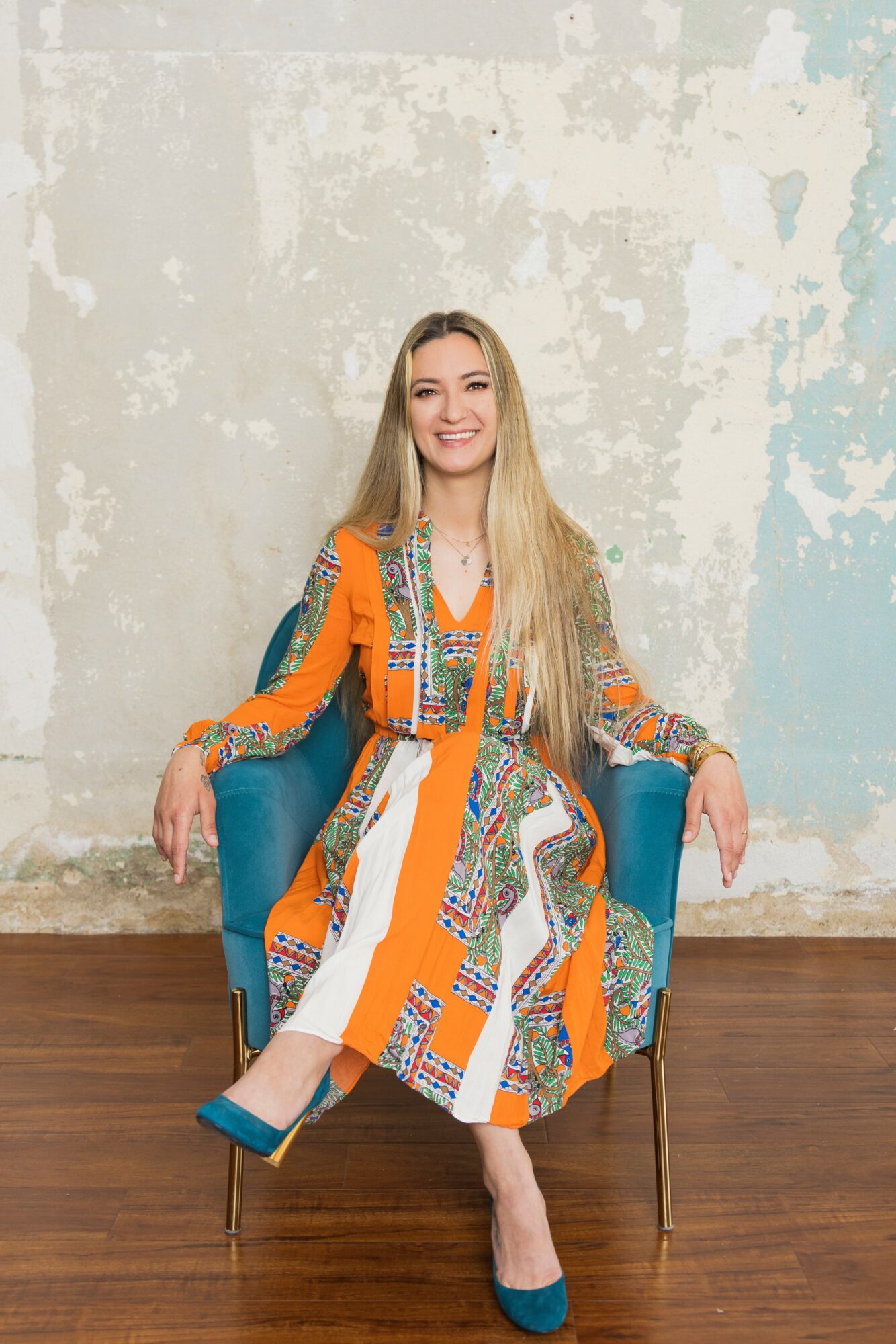
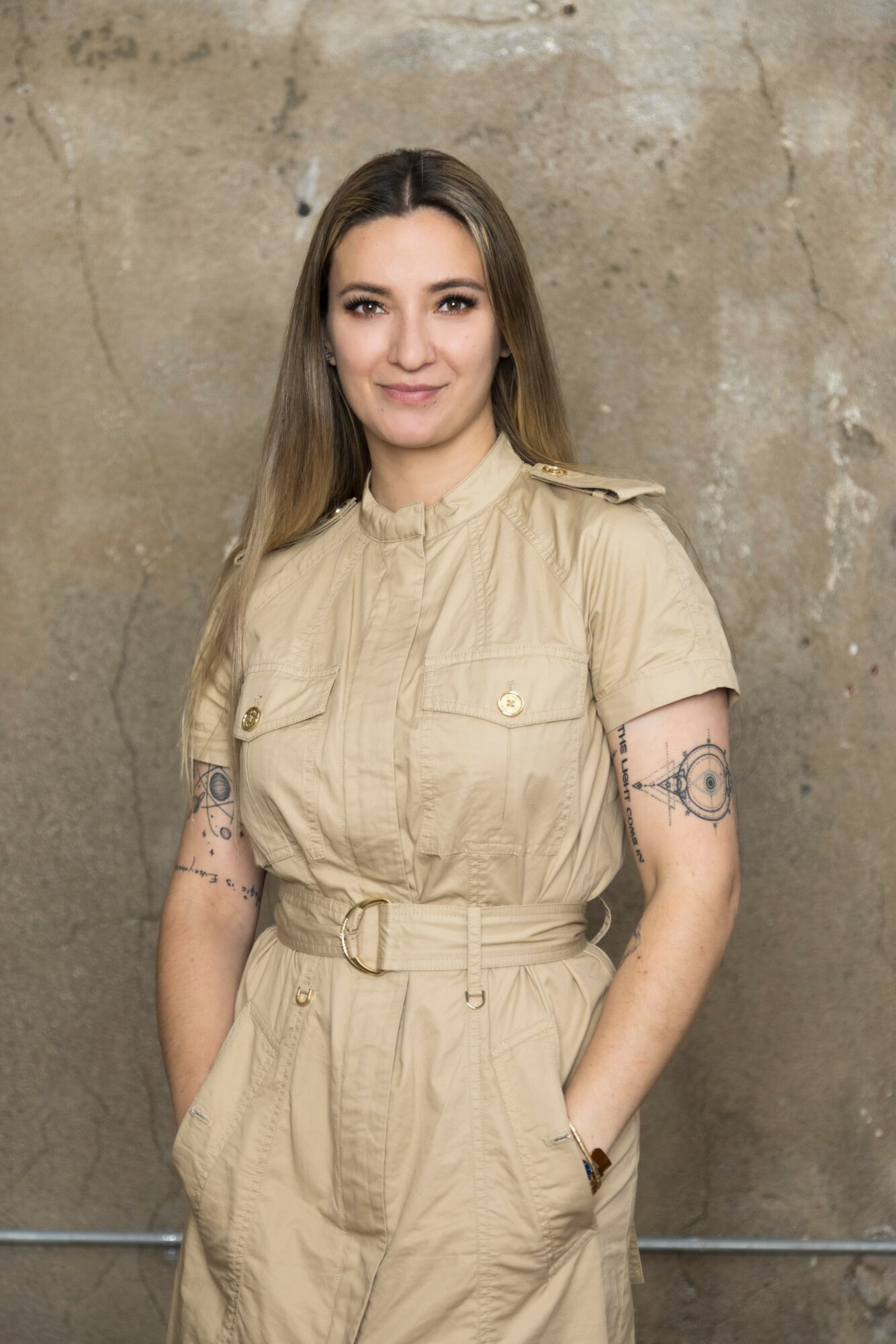
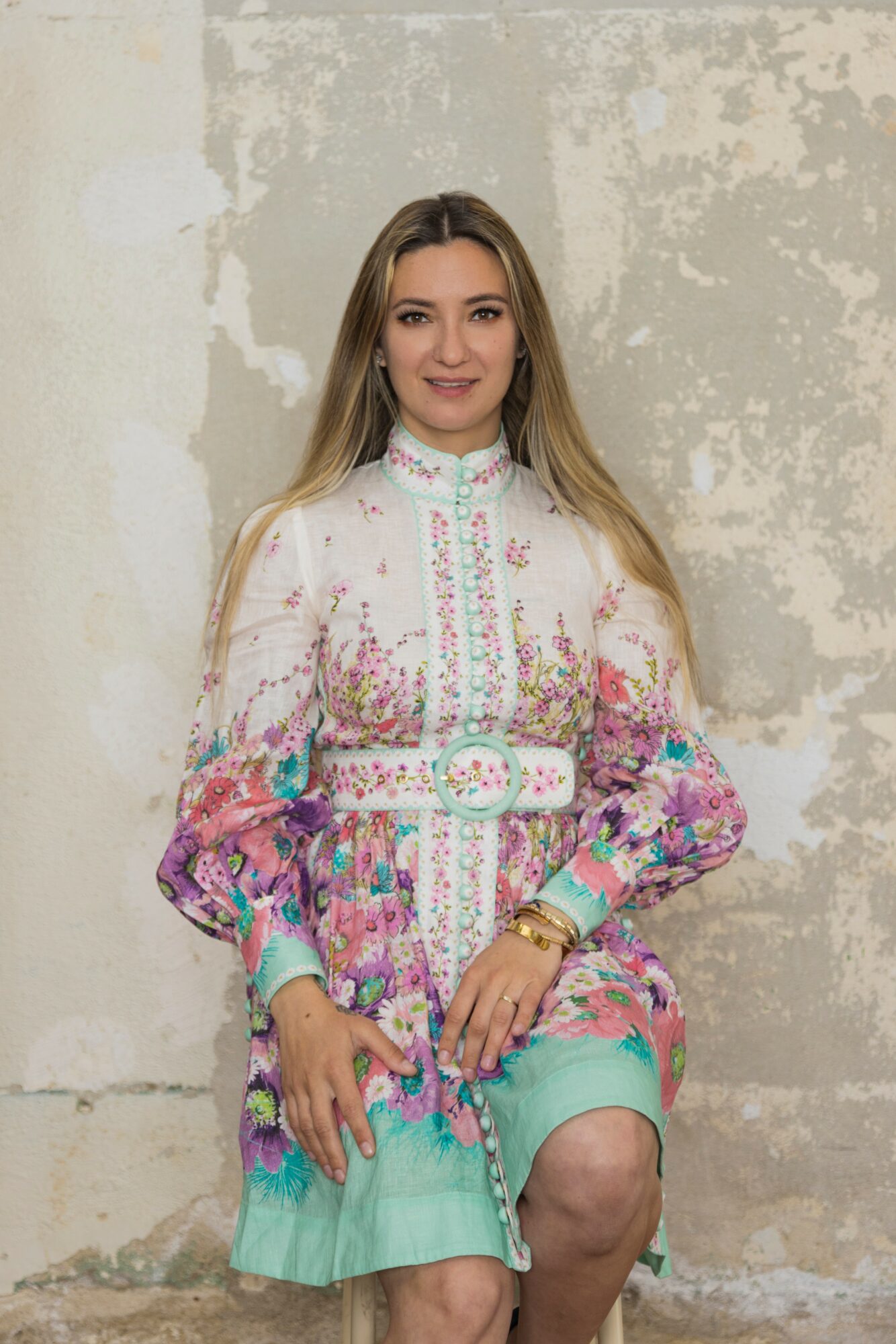
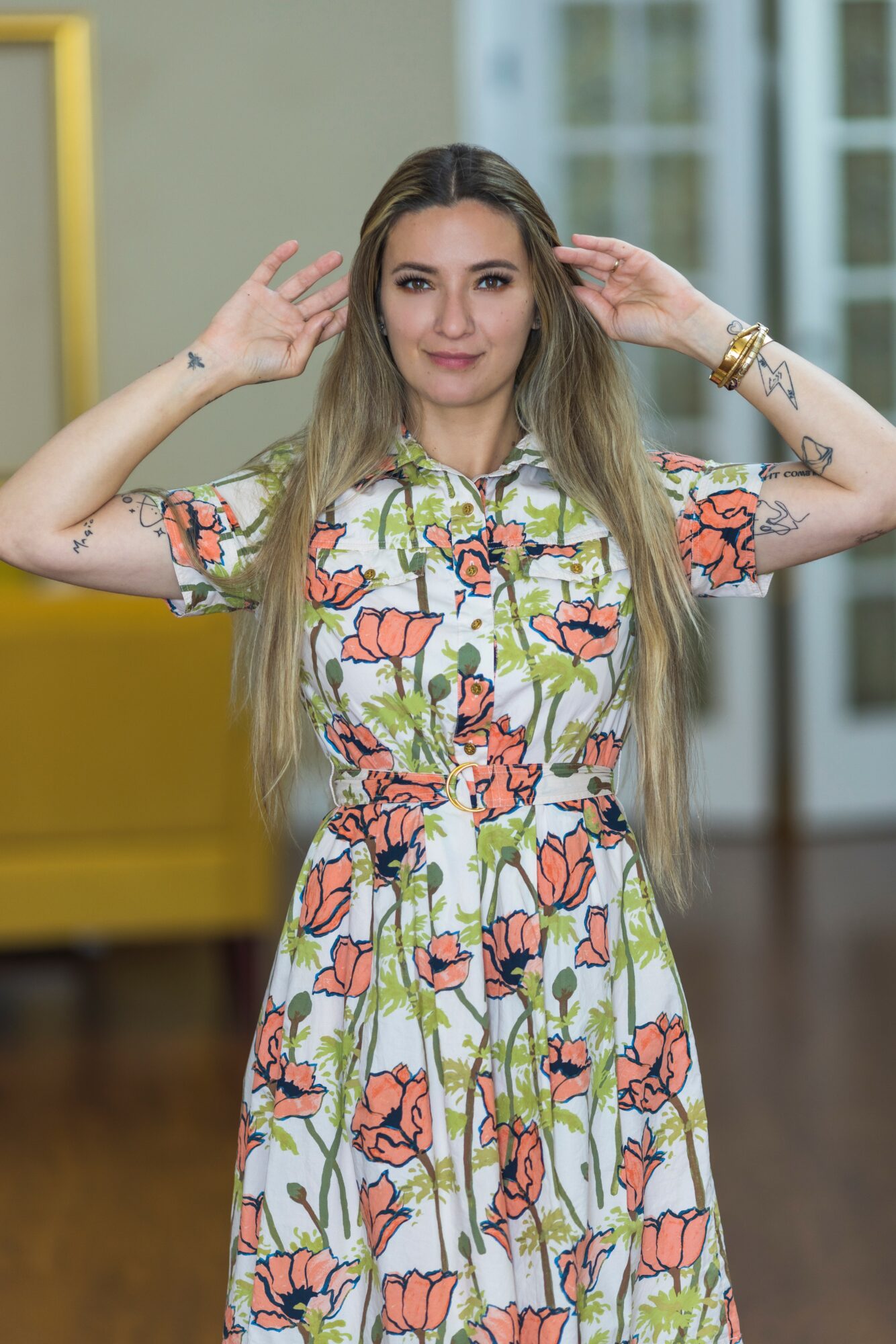
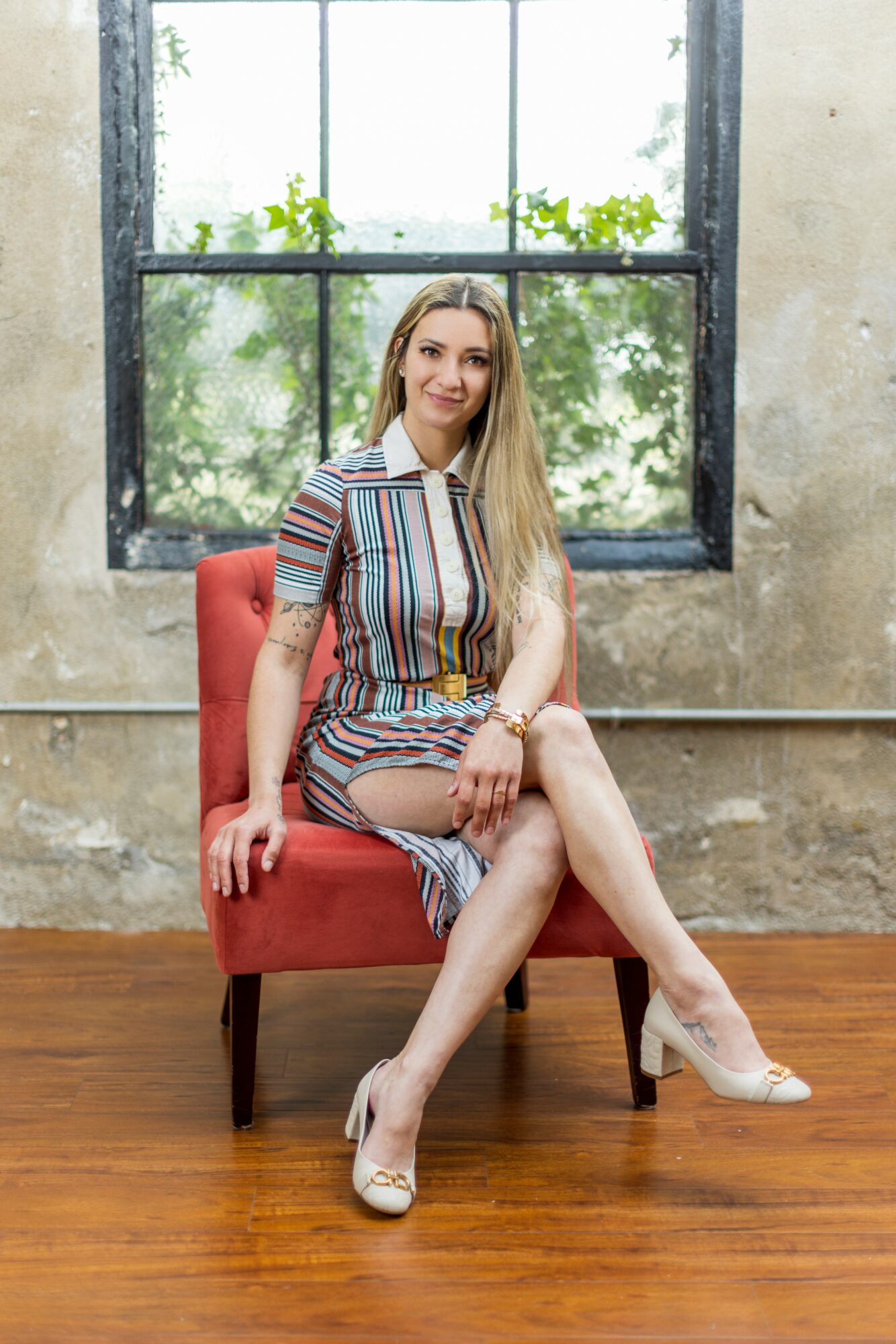
Image Credits
Images taken by Lyd & Mo Photography.
Popular
-

Portraits of the Valley
-

LA’s Most Inspiring Stories
-

Robin Olive on Building an Inclusive Performing Arts Movement and Expanding Opportunities for Every Student
-

Que Johnson on Building Brands That Last: From Visibility to True Market Authority
-

Christina Wren Steps Into the Director’s Chair to Tell Stories That Feel Like Home
-

JordanL on ‘Breathe,’ Belief, and Building a Movement Beyond the Music


